Cemetery Book Review: Remembrance

November feels like the right time to settle in with a book about memory, loss, and the people who shaped the world before us.

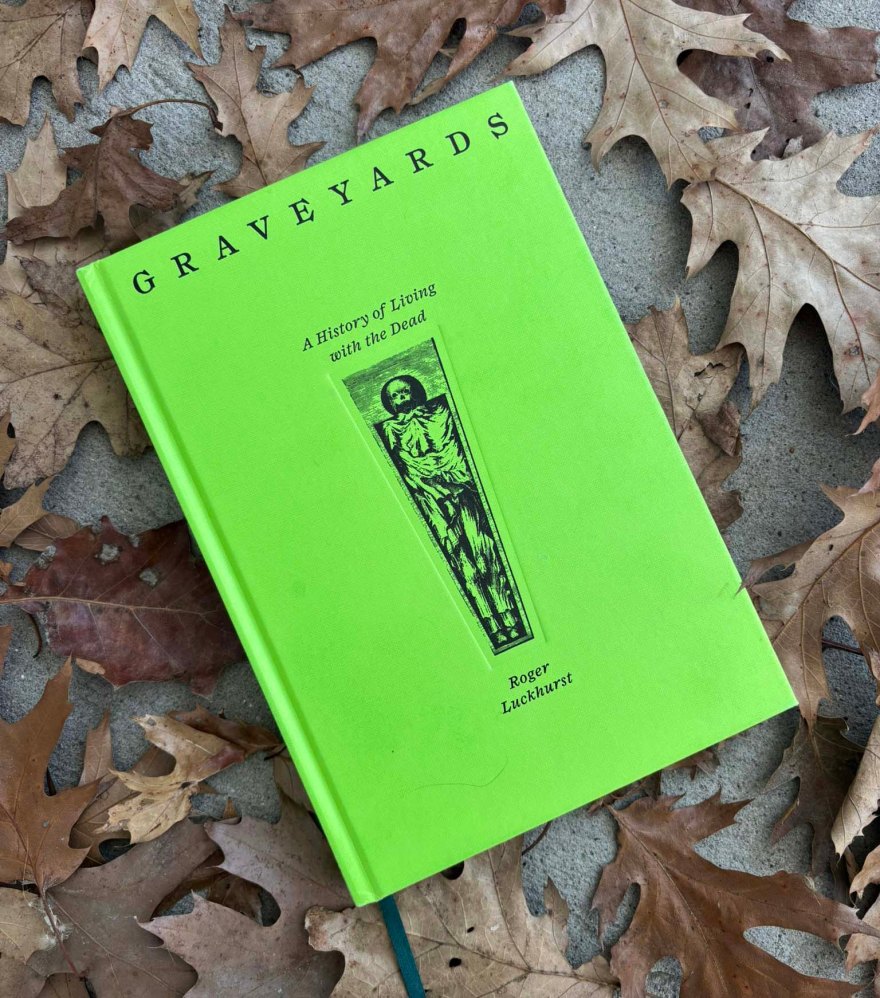
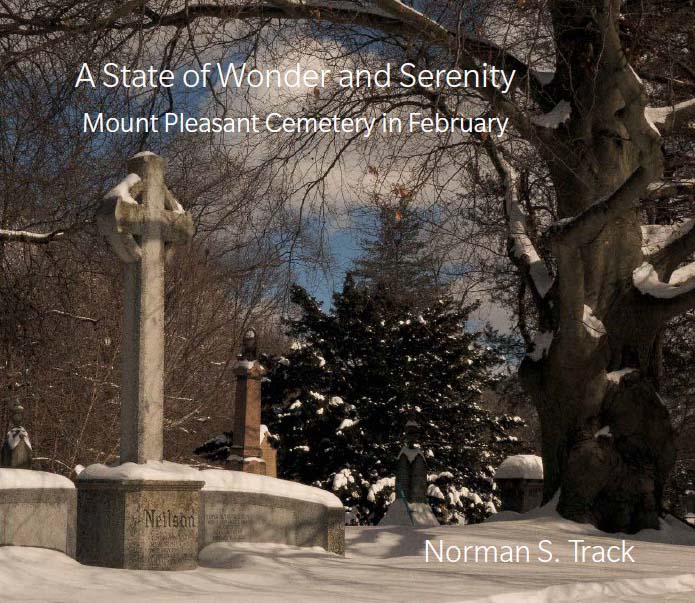
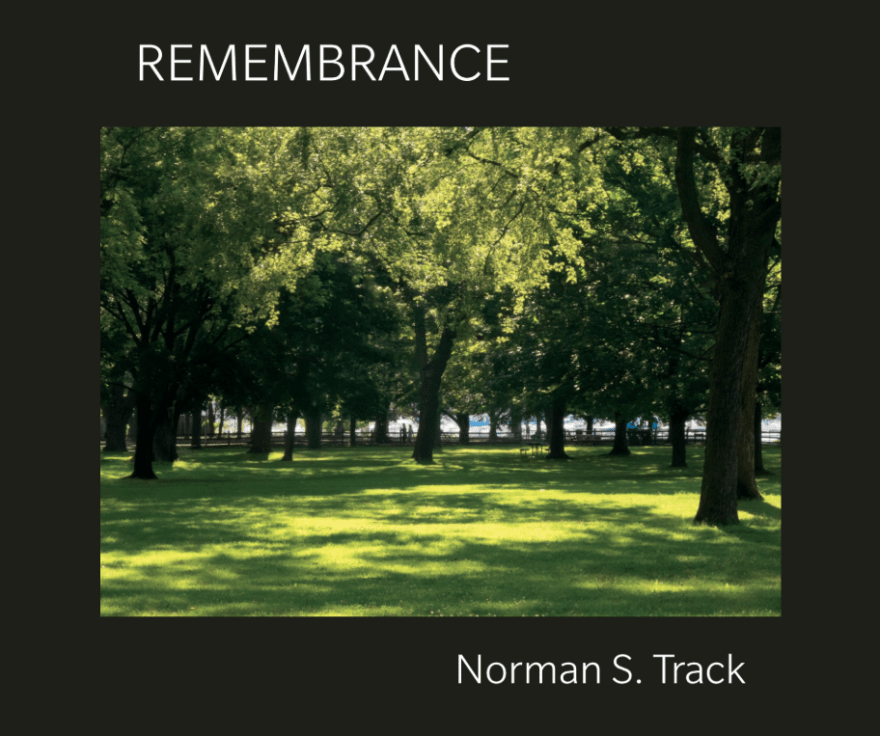
The author of Remembrance, Norman S. Track, kindly reached out and shared a PDF copy with me to review. Self-published in 2019 through Blurb, the book explores war memorials and cemeteries around the world, focusing on how we honour and remember lives shaped by conflict.

With Remembrance Day having just passed, the theme hits close to home.

Here is the book synopsis from Blurb:

“A September 1970 trip to Warsaw, unexpectedly, started me on a journey of memory and remembrance. Twenty-six years later, while walking through the six towers of the Boston New England Holocaust Memorial, I felt myself back in rural Poland traversing the terrain of Treblinka, Gross Rosen, and Auschwitz-Birkenau. Four years later, after extensive study and thought, I traveled throughout Europe visiting sites where incidents occurred, both negative and positive, during the twelve years of the Third Reich. The photographic images of that journey are published in A Voice in the Ashes (2008).

The latest stop on my journey was a visit to Ohlsdorf Cemetery, Hamburg. On 11 May 2017 I photographed a number of military cemeteries, both German and Commonwealth. On the train back to Eppendorf, I started to see these Ohlsdorf images standing together with those from the historical landscape of the Third Reich—all speaking the language of remembrance. This collection of images is a first attempt to explore this concept.”

This is a beautiful book. The photos have a quiet strength to them and carry a lot of emotion. Every image is paired with text that weaves historical detail with the author’s personal experiences at these sites, giving you both facts and feelings. It feels like you’re learning about the past while also witnessing how it lives on in memory.

The layout is clean and simple, giving the photos room to speak for themselves. I love photo books that give the images room to breathe, and Remembrance does that really well. There is a strong balance of context, reflection, and personal connection that brings the sites and the author’s journey together.

If you enjoy cemetery photography, memorials, military history, or books that encourage you to slow down and think, this is a lovely choice. It’s a book meant to be experienced, and not skimmed. It carries a great deal of respect for the places it documents.

I’m always grateful to find cemetery-related books that explore memory with care, and this one does so in a sincere and thoughtful way.

Thanks for reading! 


I am always on the hunt for cemetery-related book recommendations. If you are an author and have a cemetery-related book you would like me to review, please reach out at hello@chantallarochelle.ca. I would love to hear from you!
Cemetery Book Review: To Die For

October is full of gatherings. Friends, family, and food, all come together this time of year, with Thanksgiving feasts and Halloween parties aplenty. And what better spooky treat to bring to a fall party than a recipe made from a gravestone?

That’s exactly what Rosie Grant’s new book, To Die For: A Cookbook of Gravestone Recipes, is all about. As someone who often tries out gravestone recipes, I knew this cookbook had to be added to my collection and, of course, reviewed on the blog!

Rosie Grant is a digital archivist and cemetery enthusiast known as @GhostlyArchive on social media. While interning at Washington, D.C.’s Congressional Cemetery, she began to notice the unique things people had engraved on their gravestones.1 After some digging, she discovered that some even included recipes.1 That discovery sparked her project of cooking gravestone recipes and sharing the stories behind them, which eventually led to her new book, To Die For.1

Published in 2025 by HarperCollins, To Die For includes 40 recipes collected from gravestones around the world. Each recipe comes with beautiful full-colour photographs, stories about the people behind the dishes, and even tips on how to document your own family recipes.

Here is a bit of the synopsis from Goodreads:

“For so many, food is a touching, nostalgic thing that brings us together. So much so that some families choose to remember their loved ones through the dishes they made and the food that brought comfort to those around them by immortalizing their recipes on their gravestones.

Thoughtfully and respectfully explored, Rosie has documented this connection between food, legacy, and family, remembering the deceased through the recipes they most loved, and giving their families a platform to share their loved one’s story and cherished dish with the world.”

This is a gorgeous book. The cover illustrations are lovely, and the glossy photos that accompany each recipe are beautiful. The recipes are organized into familiar categories like cookies & brownies, pies & cobblers, and also includes a few savoury dishes too. One of my favourite touches is the inclusion of sample menus at the back of the book. They show how to create an entire meal using only gravestone recipes, which I thought was a fun addition.

What really makes To Die For special though, are the stories. Grant includes personal notes and memories from the families, showing how food connects generations. The stories are touching and heartfelt, reminding us that a recipe is more than just a list of ingredients. It can be a memory, a legacy, and a link to those we’ve lost.

To Die For is a must-read for anyone who loves cemeteries, cooking, or the idea of keeping memories alive through food. It’s a perfect October read, and it would make a great addition to any cookbook shelf. I’ve already tried about half of the recipes in this book, but I’m looking forward to trying out more.

Whether you bake something from its pages or just enjoy the stories, this book captures the sweetness of remembrance in such a unique way.

Thanks for reading! 


I am always on the hunt for cemetery-related book recommendations. If you are an author and have a cemetery-related book you would like me to review, please reach out at hello@chantallarochelle.ca. I would love to hear from you!


References:

  1. How making recipes etched on gravestones changed this student’s perspective on death | CBC

Cemetery Book Review: Graves of the Great & Famous

For this month’s book review, I want to share Graves of the Great & Famous. I actually received this book as a Christmas gift from my nephew last year, and I have to say, it was a perfect gift! It’s the kind of book that immediately made me want to start flipping through the pages.

The book, written by Alastair Horne and published in 2022, is a fairly recent release. It’s a fresh addition to any collection for those who enjoy exploring history through graves.

Here is the synopsis from Goodreads:

“From Abraham Lincoln, Martin Luther King, and Princess Diana to Napoleon Bonaparte, Eva Peron, and John Gotti, this book provides a guide to the graves of some of the most renowned figures (good and bad) throughout history. Some, such as communist leaders Ho Chi Minh and Vladimir Lenin, are interred in great mausoleums, where they are visited by millions each year; others are buried in little-known country graveyards.”

One of the first things that stood out to me about this book is just how beautiful it is. It’s filled with full-colour photographs of graves from around the world, making it as much fun to flip through as it is to sit down and read.

It’s a fairly compact guide, but it manages to pack in a lot of detail without ever feeling overwhelming. The only thing I didn’t love was the way it breaks up the main entries with small grave highlights, which sometimes meant flipping back and forth between sections. Not a huge issue, but a bit distracting at times.

Overall, I found it to be a quick and engaging read. It’s one of those books you can pick up for a few minutes and still feel like you’ve learned something new. The stories themselves are fascinating! Some are scandalous or mysterious, while others are deeply heartfelt. One that really stayed with me was the story of Diane Fossey, the primatologist who dedicated her life to studying mountain gorillas. She’s buried in the graveyard she established for the gorillas she worked so closely with, which feels both moving and fitting. The book is filled with stories like that. Some you may already know, and others you might never have heard before.

I think anyone curious about where famous people are buried would really enjoy this book. Cemetery enthusiasts, history buffs, or even casual readers who love a good grave story will find something to appreciate here. For me, it’s the kind of book I know I’ll return to again, to flip through the photos and rediscover the stories.

Have you read Graves of the Great & Famous? I’d love to hear your thoughts in the comments.

Thanks for reading! 


I am always on the hunt for cemetery-related book recommendations. If you are an author and have a cemetery-related book you would like me to review, please reach out at hello@chantallarochelle.ca. I would love to hear from you!

Cemetery Book Review: Cemetery Stories

I’ve been reading cemetery-related books for a long time now, so when I spotted this one on Amazon, I was immediately intrigued. The title promised a fascinating dive into graveyards and everything connected to them—a must-read for anyone interested in the eerie, mysterious, and macabre side of cemeteries.

Today, I’m sharing my review of Cemetery Stories: Haunted Graveyards, Embalming Secrets, and the Life of a Corpse After Death by Katherine Ramsland.

Ramsland, a professor of forensic psychology and author, what happens after death—how society deals with it, the process of burial, and what takes place in and around cemeteries. She interviews a range of people in the American death industry, covering topics from embalming and funeral practices to more unusual and supernatural stories.

Here is the synopsis from Goodreads:

“Admit it: You’re fascinated by cemeteries. We all die, and for most of us, a cemetery is our final resting place. But how many people really know what goes on inside, around, and beyond them? Enter the world of the dead as Katherine Ramsland talks to mortuary assistants, gravediggers, funeral home owners, and more, and find out about: If you’ve ever scoffed at the high price of burying the dead, or ever wondered how your loved ones are handled when they die, or simply stared at tombstones with morbid fascination, then take a trip with Katherine Ramsland and learn about the booming industry — and strange tales — that surround cemeteries everywhere.”

Despite the title, I found the actual cemetery content surprisingly sparse. The stories and interviews are interesting, but each topic is covered quickly before moving on to the next. The book feels more like a broad overview of the funeral industry, with only a small portion devoted to cemeteries.

If you’re already familiar with the basics of the death industry, you might find it too surface-level to offer anything new. That being said, I think Cemetery Stories would be a good fit for readers who are just starting to explore funeral practices and cemeteries.

One section I struggled with was the final chapter, which discusses necrophilia. In my opinion, it was unnecessarily graphic and didn’t match the tone of the rest of the book. It felt gratuitous and didn’t really add anything meaningful to the overall discussion.

That said, if you’re new to the subject or curious about the behind-the-scenes aspects of death care, this book is a decent introduction. It covers a wide range of topics and provides some memorable glimpses into the industry. Just be aware that it’s not in-depth by any means—and you might want to skip that last chapter if you’d rather avoid reading explicit material.

Thanks for reading!


I am always on the hunt for cemetery-related book recommendations. If you are an author and have a cemetery-related book you would like me to review, please reach out at hello@chantallarochelle.ca. I would love to hear from you!

Cemetery Book Review: A is for Arsenic

It’s rare that a book that’s not focused on cemeteries makes its way onto the blog, but after reading A is for Arsenic: An ABC of Victorian Death, I couldn’t resist sharing it with you.

It’s a quirky, informative, and fun look at the moody and fascinating world of Victorian death rituals, with a good dose of dark humour.

A is for Arsenic is written by Chris Woodyard, a self-titled “Fortean”. If you’re unfamiliar with the term, (like I was) Forteans named themselves after Charles Fort, who researched all things strange and unusual.1

The book covers topics like post-mortem photography, embalming, and funeral attire. And yes, it does cover a couple of cemetery-related topics, like white bronze grave markers, and the gates ajar cemetery symbol.

Here is the synopsis from Goodreads:

A is for Arsenic is a guide to the basics of Victorian mourning with “death-initions,” and stories resurrected from 19th-century newspapers, brought back to life through the evocative art of Landis Blair. Each entry includes a pen and ink illustration along with 19th-century anecdotes ranging from macabre stories to jokes from the Victorian press. (Plus sinister little poems in homage to Edward Gorey.)”

I read the softcover edition and found this little book to be a fun and engaging read. I particularly enjoyed the quirky poems that open each chapter. Their dark, whimsical tone reminded me of Edward Gorey’s work and added a fun layer to the material. Paired with the lovely illustrations by Landis Blair, the poems and the historical content make for a delightful read.

You might actually recognize Blair’s artwork if you’ve read my very first Gift Guide for Taphophiles—he was one of the 13 artists I featured. It’s wonderful to see his darkly whimsical style bringing Victorian history to life.

The book does also include plenty of serious historical context. Each alphabetical entry is backed up with stories and facts pulled from the headlines of 19th-century newspapers, offering a glimpse into the strange and sometimes sinister happenings surrounding death in the Victorian era.

As I mentioned, it’s not entirely focused on cemeteries, but there are some cemetery-related tidbits throughout the book. Along with topics like post-mortem photography, and the importance of death tokens and mourning fashion—it all ties in to burial customs and practices.

I found this to be a charming little book, that’s both educational and entertaining. While it might not be focused solely on cemeteries, it’s definitely worth the read for anyone interested in the fascinating history of Victorian mourning customs and death rituals.

Thanks for reading! 


I am always on the hunt for cemetery-related book recommendations. If you are an author and have a cemetery-related book you would like me to review, please reach out at hello@chantallarochelle.ca. I would love to hear from you!


References:

  1. About the Author | Haunted Ohio

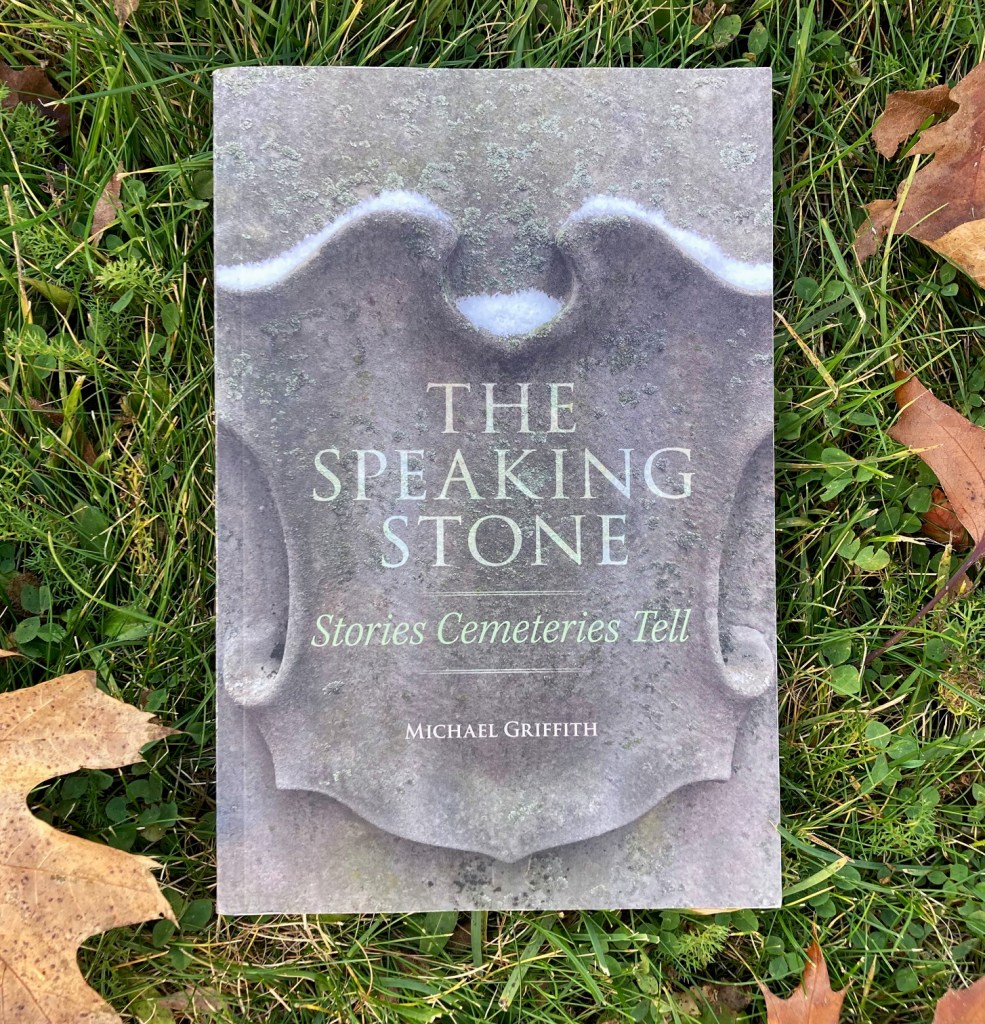
Cemetery Book Review: The Speaking Stone

For this month’s cemetery book review, I wanted to share The Speaking Stone: Stories Cemeteries Tell by Michael Griffith. This collection of essays is a celebration of those quiet, curious moments when a stroll through a graveyard leads to more than just reflection—it sparks discovery.

Griffith, a long-time Cincinnati resident, and kindred spirit, spent countless hours wandering Spring Grove Cemetery, allowing his curiosity to guide him to unexpected tales of interesting figures, quirky epitaphs, and forgotten lives.

Here is a snippet from the book synopsis on Goodreads:

The Speaking Stone is a literary love letter to the joys of wandering graveyards. While working on a novel, author and longtime Cincinnati resident Michael Griffith starts visiting Spring Grove Cemetery and Arboretum, the nation’s third-largest cemetery. Soon he’s taking almost daily jaunts, following curiosity and accident wherever they lead. The result is this fascinating collection of essays that emerge from chance encounters with an interesting headstone, odd epitaph, unusual name, or quirk of memory. Researching obituaries, newspaper clippings, and family legacies, Griffith uncovers stories of race, feminism, art, and death.”

Published in 2021, The Speaking Stone is a newer book that captures Griffith’s daily visits to Spring Grove Cemetery, where his curiosity leads him to discover some really fascinating stories. From famous figures to lesser-known individuals, each essay brings a fresh and unexpected perspective.

What I really enjoyed about the book was the variety of stories the author uncovers. I found it mirrors my own passion for exploring cemeteries—sometimes it’s a random gravestone or quirky detail that sends you down that research rabbit hole. While I may never get to visit Cincinnati, reading about its rich history and unique residents was a real treat.

The paperback version includes both color and black-and-white photos, which add another layer to the stories, though I found myself wishing there were more photos to accompany each essay.

Still, The Speaking Stone is a great read for anyone who loves the unexpected stories cemeteries have to offer. Whether you are a seasoned taphophile or just someone who loves history, this book offers a fascinating mix of surprising tales and historical insights.

Thanks for reading! 


I am always on the hunt for cemetery-related book recommendations. If you are an author and have a cemetery-related book you would like me to review, please reach out at hello@chantallarochelle.ca. I would love to hear from you.

Cemetery Book Review: Cemetery Cats

For this month’s cemetery book review, I wanted to share a unique photography collection that brings together two of my favorite things—cemeteries and cats!

Cemetery Cats by Owen Phillips is a charming photography book that highlights the whimsical world of cats hanging out in cemeteries around the globe.

Independently published in 2021, Cemetery Cats offers a visual journey made up of photos taken by Phillips over the past 20 years. He’s visited cemeteries across three continents, capturing the quiet moments between cats and the peaceful cemetery spaces they call home.

Here is the synopsis from Goodreads:

“Over the past 20 years, the author has made thousands of photographs of cats in dozens of cemeteries in numerous countries on three continents. This book is a collection of some of the best of those photographs.”

This softcover, full-color book features lovely photos that capture everything from playful kittens among the gravestones to calm, watchful cats perched thoughtfully on monuments.

There’s a great mix of moods throughout the pages—some moments are silly or sweet, others are more quiet and contemplative. A few of the photos even feature cats as part of cemetery symbolism and statuary, which I really enjoyed seeing. Those little touches made me think about the special way cats, and animals in general, fit into our ideas of death and remembrance.

That said, I did find myself wishing that each photo had been given its own page. It would have really let the mood and composition of each image stand out more. I would’ve also loved a little storytelling to go with the photos—maybe a few notes about the cemeteries, or what it was like to encounter each cat. That extra bit of context would’ve made the collection feel even more personal.

I haven’t run into any cats in a Northern Ontario yet (though I did meet a friendly dog once who seemed very happy to welcome us!), but flipping through this book has me hopeful I’ll spot one someday.

So, if you love cemeteries, cats, or photography collections, I’d definitely recommend adding Cemetery Cats to your collection. Plus, buying a copy helps support Phillips’s future photography adventures in search of more feline graveyard friends!

Thanks for reading! 


I am always on the hunt for cemetery-related book recommendations. If you are an author and have a cemetery-related book you would like me to review, please reach out at hello@chantallarochelle.ca. I would love to hear from you.

Cemetery Book Review: Wish You Were Here

I’m a bit late to the party with this one, as Wish You Were Here: Adventures in Cemetery Travel by Loren Rhoads was published back in 2013. However, with the rising interest in cemetery tourism in recent years, this book feels more relevant than ever.

Cemetery tourism has grown in popularity as people seek unique, history-rich travel experiences. Whether it’s the quiet beauty of historic graveyards, the famous resting places of notable figures, or the tragic pasts embedded in cemeteries worldwide, visiting burial grounds has become a meaningful way to connect with the past. As more travellers incorporate cemeteries into their itineraries, Rhoad’s collection of essays serves as a perfect companion, offering a mix of history, personal reflection, and travel inspiration.

Here is the book synopsis from Goodreads:

“Nearly every tourist destination has a graveyard. Yosemite National Park has a graveyard. The Arizona Memorial in Pearl Harbor and the Hiroshima Peace Memorial Park: both graveyards. The #1 tourist destination in Michigan has three cemeteries. America’s best-preserved Gold Rush ghost town has five. Gettysburg is a National Park because it has a graveyard. Some graveyards are even tourist destinations in themselves: the Old Jewish Cemetery of Prague, the colonial burying grounds of Boston, and Kennedy’s eternal flame in Arlington National Cemetery. Jim Morrison’s grave in Pere Lachaise Cemetery ranks in the top five tourist sites of Paris and draws a million visitors a year. Wish You Were Here: Adventures in Cemetery Travel contains 35 graveyard travel essays, which visit more than 50 cemeteries, churchyards, and grave sites around the world.“

Wish You Were Here is an enjoyable read that explores more than 50 cemeteries, churchyards, and grave sites across the world. From the somber Arizona Memorial in Pearl Harbour to the hauntingly beautiful Pere Lachaise Cemetery in Paris, Rhoads captures the stories, significance, and atmosphere of each location.

One of the things I loved most about this book is how immersive it felt. Rhoads is an excellent storyteller, blending her personal experience with the history of each site that makes you feel as though you’re right there with her. Each essay transports you through time and emotion, weaving together moments of awe, reverence, and curiosity. I definitely feel that we are kindred spirits—though she is far more well-travelled than I am!

If you’re interested in cemetery travel, whether as a history lover, a genealogy researcher, or simply someone who appreciates the artistry of old gravestones, Wish You Were Here is a must-read. It offers a wonderful mix of adventure, history, and reflection that makes for an engaging and thought-provoking journey.

And if you enjoy this book, there is good news! Rhoads is currently working on a sequel, Still Wish You Were Here, which is set to be published this year, with the Kickstarter campaign beginning this month. I’m already looking forward to seeing where her travels take her next!

Have you read Wish You Were Here or visited any of the cemeteries mentioned in the book? I’d love to hear your thoughts!

Thanks for reading!


I am always on the hunt for cemetery-related book recommendations. If you are an author and have a cemetery-related book you would like me to review, please reach out at hello@chantallarochelle.ca. I would love to hear from you!
Cemetery Book Review: A Mortal’s Guide to Cemeteries

For this month’s cemetery book review, I wanted to share something a little different. A Mortal’s Guide to Cemeteries: A Morbid Activity Book for the Blossoming Taphophile by Amanda R. Woomer is not your typical history book—it’s an interactive, hands-on guide designed to turn every cemetery visit into an adventure.

Published by Spook-Eats Publishing, this unique book blends history, symbolism, and engaging activities, making it a great read for anyone looking to deepen their cemetery appreciation in a fun and personal way. Whether you’re a seasoned taphophile or just beginning to explore the world of gravestones, this book provides plenty of ways to interact with the past.

Here is a part of the book synopsis from Amazon:

“Part history book, part symbolism guide, and part activity book, A Mortal’s Guide to Cemeteries encourages readers to break the binding, dog-ear their favorite pages, and take notes as they start wandering through their local cemeteries in an attempt to better acquaint themselves with the concept of death.

Armed with this book, readers will be able to understand the seemingly secret language of gravestones while also respectfully interacting with the graves they find with such activities as Spot a Grave, Sketch a Grave, and the Cemetery Bucket List.”

This softcover book is divided into three sections; history, symbolism, and the largest section—activities. Woomer does a great job of providing a concise yet fascinating introduction to burial practices before diving into the meanings behind common gravestone symbols. But where this book really shines, is in it’s interactive elements—things like Sketch a Grave and the Cemetery Bucket List make exploring cemeteries like a treasure hunt for history lovers.

One of my favorite aspects is how the book encourages you to take notes, sketch what you see, and truly engage with your surroundings. The black-and-white photographs sprinkled throughout are especially helpful for identifying gravestone symbols, making it a useful companion for cemetery visits.

If I had one small critique, it would be the layout. I found myself flipping back and forth between the symbolism section and the activity pages quite a bit. It might have been a little more user-friendly if the symbol descriptions were integrated directly into the activities to save time.

That being said, the Cemetery Bucket List is such a fun addition! I would’ve loved a few blank spaces to add personal cemetery bucket list items, but it’s still a great way to track your explorations.

Overall, if you have even the slightest curiosity about cemeteries, symbolism, or just looking for something interactive, A Mortal’s Guide is a great starting point. It’s a creative, hands-on way to make your cemetery visits more meaningful—and a great addition to any taphophiles collection.

Thanks for reading!


I am always on the hunt for cemetery-related book recommendations. If you are an author and have a cemetery-related book you would like me to review, please reach out at hello@chantallarochelle.ca. I would love to hear from you!

Cemetery Book Review: Love Cemetery

February is Black History Month, so for this month’s cemetery book review, I wanted to talk about Love Cemetery: Unburying the Secret History of Slaves by China Galland. Galland, an award-winning author and lecturer, tells a compelling story of rediscovery and reconciliation.

Love Cemetery follows Galland’s journey to restore Love Cemetery, a forgotten burial ground for enslaved people in Texas, and uncovers a painful history of racism, land theft, and environmental destruction.

Here is a snippet from the book synopsis on Goodreads:

“By the eve of the Civil War, there were four million slaves in North America, and Harrison County was the largest slave-owning county in Texas. So when China Galland returned to research her family history there, it should not have surprised her to learn of unmarked cemeteries for slaves. “My daddy never let anybody plow this end of the field,” a local matron told a startled Galland during a visit to her antebellum mansion. “The slaves are buried there.” Galland’s subsequent effort to help restore just one of these cemeteries—Love Cemetery—unearths a quintessentially American story of prejudice, land theft, and environmental destruction, uncovering racial wounds that are slow to heal.”

I read the paperback edition that I got secondhand, which contains a smattering of black-and-white photos that add to the emotional weight of the story. It took me a bit of time to finish this one because the material is a bit heavy, but I was completely invested in the journey and how the story would unfold.

Galland’s personal quest to restore Love Cemetery reveals a painful history of racial injustice. It digs into hard truths, but it’s also a story about finding hope and connection in the face of that history.

I was drawn to how Galland handled these difficult subjects with care and determination. The efforts made to restore the cemetery are a powerful example of how remembering the past—and confronting it—can be a step toward reconciliation. It really is a thought-provoking read.

I recommend Love Cemetery to anyone interested in learning about the history of slavery, the ongoing impact of racial injustice, and the importance of remembering and confronting the past.

Thanks for reading! 


I am always on the hunt for cemetery-related book recommendations. If you are an author and have a cemetery-related book you would like me to review, please reach out at hello@chantallarochelle.ca. I would love to hear from you.