When you think of famous Canadian artists, you might picture their paintings hanging in a gallery. But what if their former home also has a few ghost stories to tell?
Back in 2024, my mom and I visited the Homer Watson House & Gallery in Kitchener, Ontario, as part of a Guess Where Trips Historic Haunts adventure. Guess Where Trips creates surprise road trips with pre-planned stops, so you can discover hidden gems and local history without having to plan the whole day yourself. I wrote about our adventure in a previous blog post, Cemetery Road Trip: Guess Where Trips.
On our visit to the house, we let the staff know we were particularly interested in its haunted history, and they kindly gave us a private tour, focused on the ghost stories.
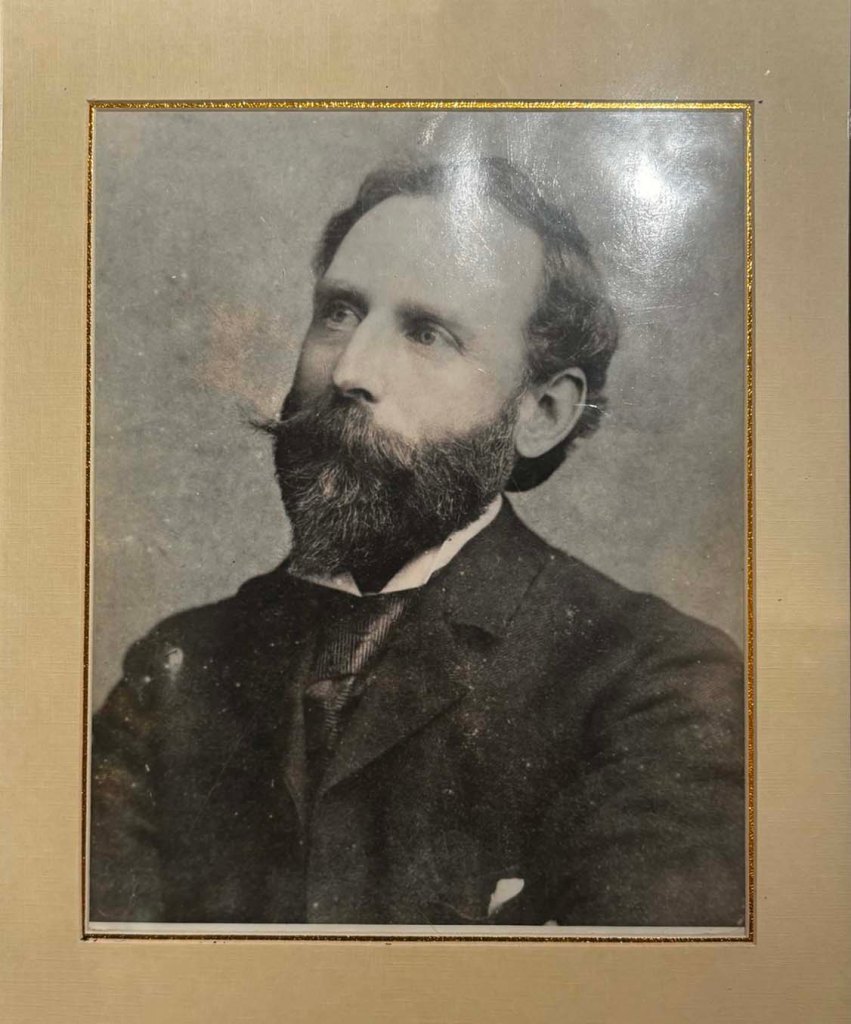
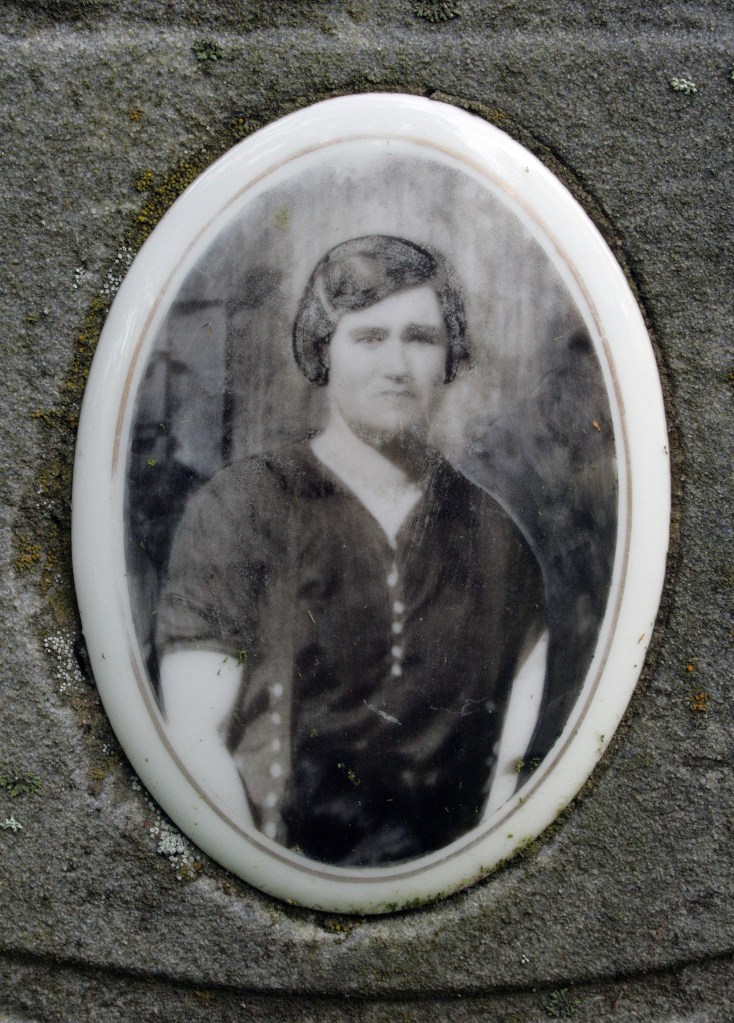
Portrait of Homer Watson. Homer Watson House & Gallery, Kitchener ON ©2024
The Artist
Homer Ransford Watson was one of Canada’s best-known landscape artists. Born in 1855 in Doon, now part of Kitchener, Ontario, he developed an interest in art at a young age and received his first set of watercolour paints when he was eleven.¹ He had little formal training, but learned by studying other artists and copying prints.¹ He eventually became known for his landscape paintings, many of which were inspired by the countryside around his hometown.¹
Watson’s career took off in 1880 when he exhibited The Pioneer Mill at the first exhibition of the Royal Canadian Academy.¹ The Marquis of Lorne, Canada’s Governor General, purchased the painting as a gift for Queen Victoria.¹ The Queen acquired another of his paintings, The Last Day of the Drought, the following year.¹ His work eventually reached audiences beyond Canada, with exhibitions in cities including Paris, London, Glasgow, and Chicago.¹ He also became the first president of the Canadian Art Club.¹
Today, his former home is a museum and art gallery, where we got to learn more about his life, his art, and some of his more unusual interests.
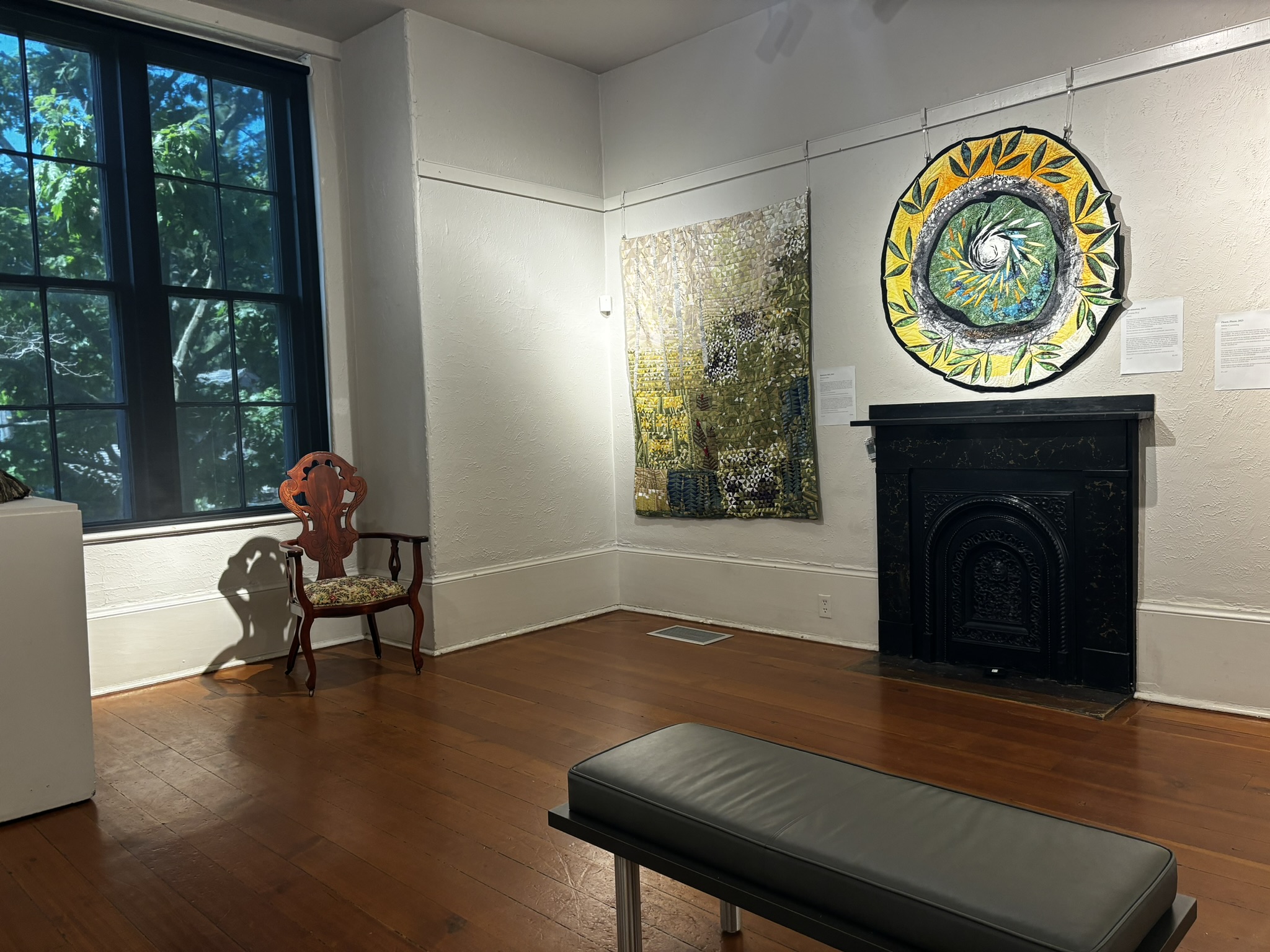
We toured the rooms one by one, stopping to hear stories from our guide along the way. One of my favourite spaces was the art gallery room. Added in 1906, it has high windows that let in natural light without taking up valuable wall space.² The house didn’t get electricity until 1915, so that natural light would have been especially important.² The room is still used as an art gallery today.²
I also loved seeing some of the tools Homer used to create his paintings. His paint palette and brushes have been preserved, along with one of his easels.¹ According to the house’s history, he died in 1936, leaving an unfinished painting on his easel.¹
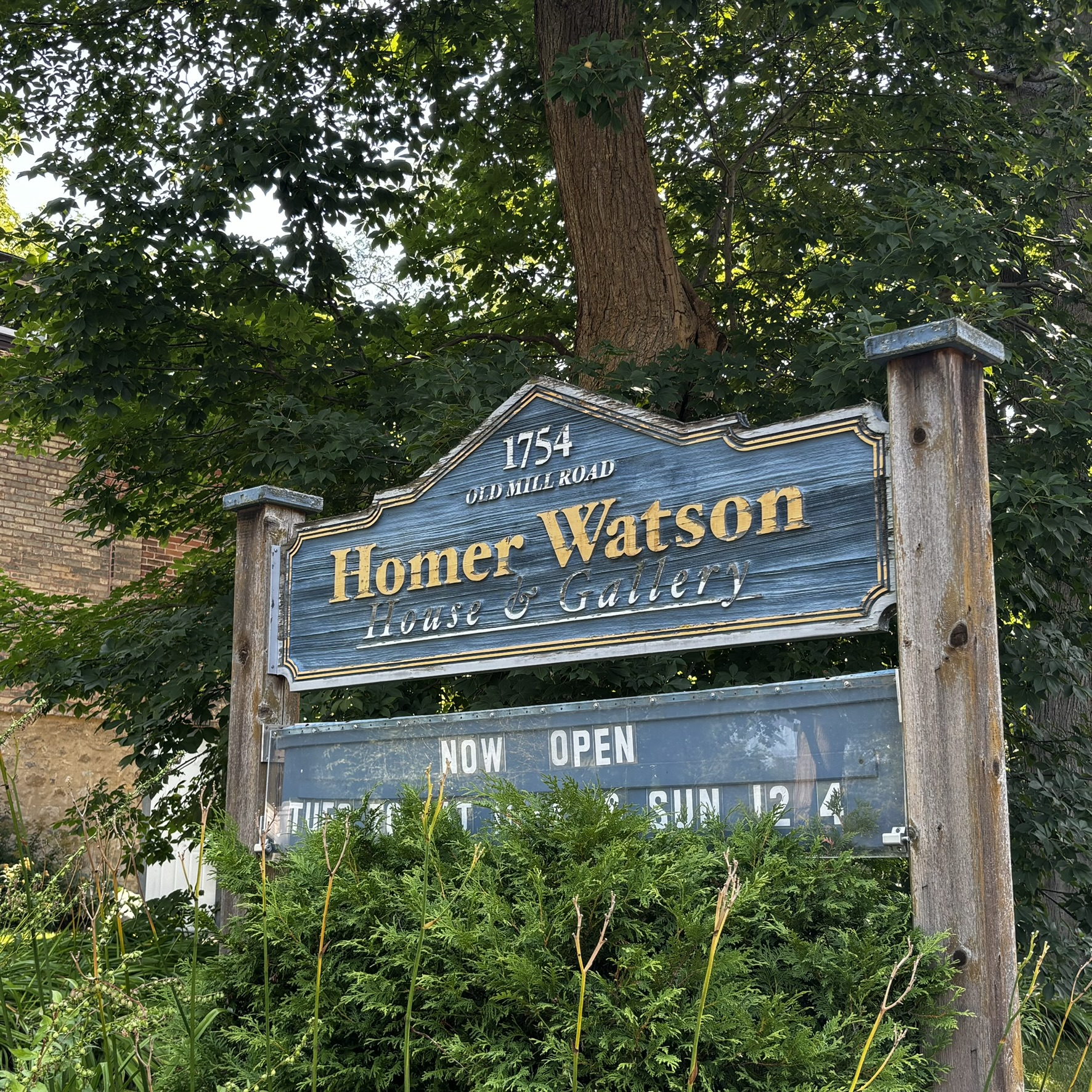
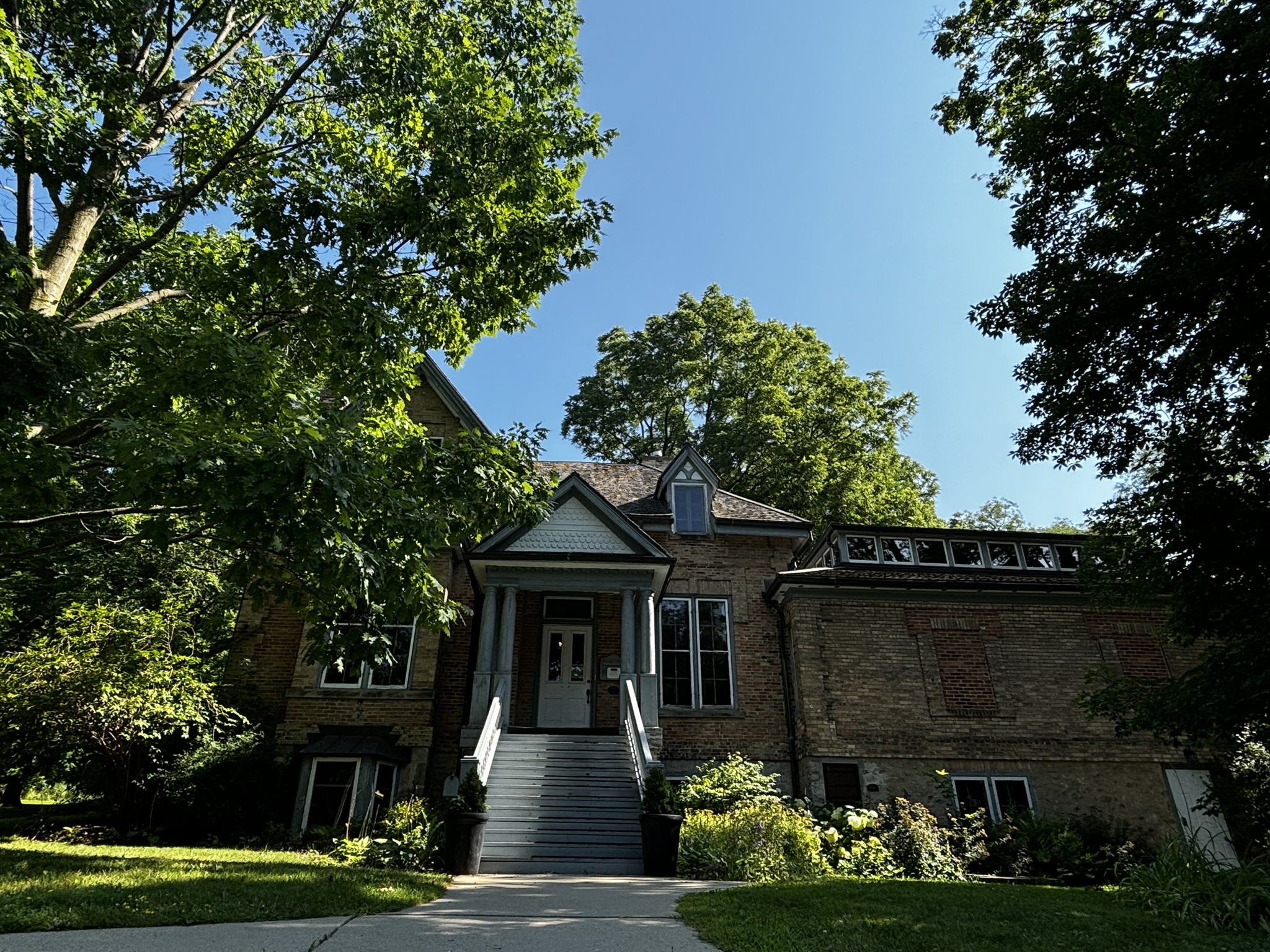
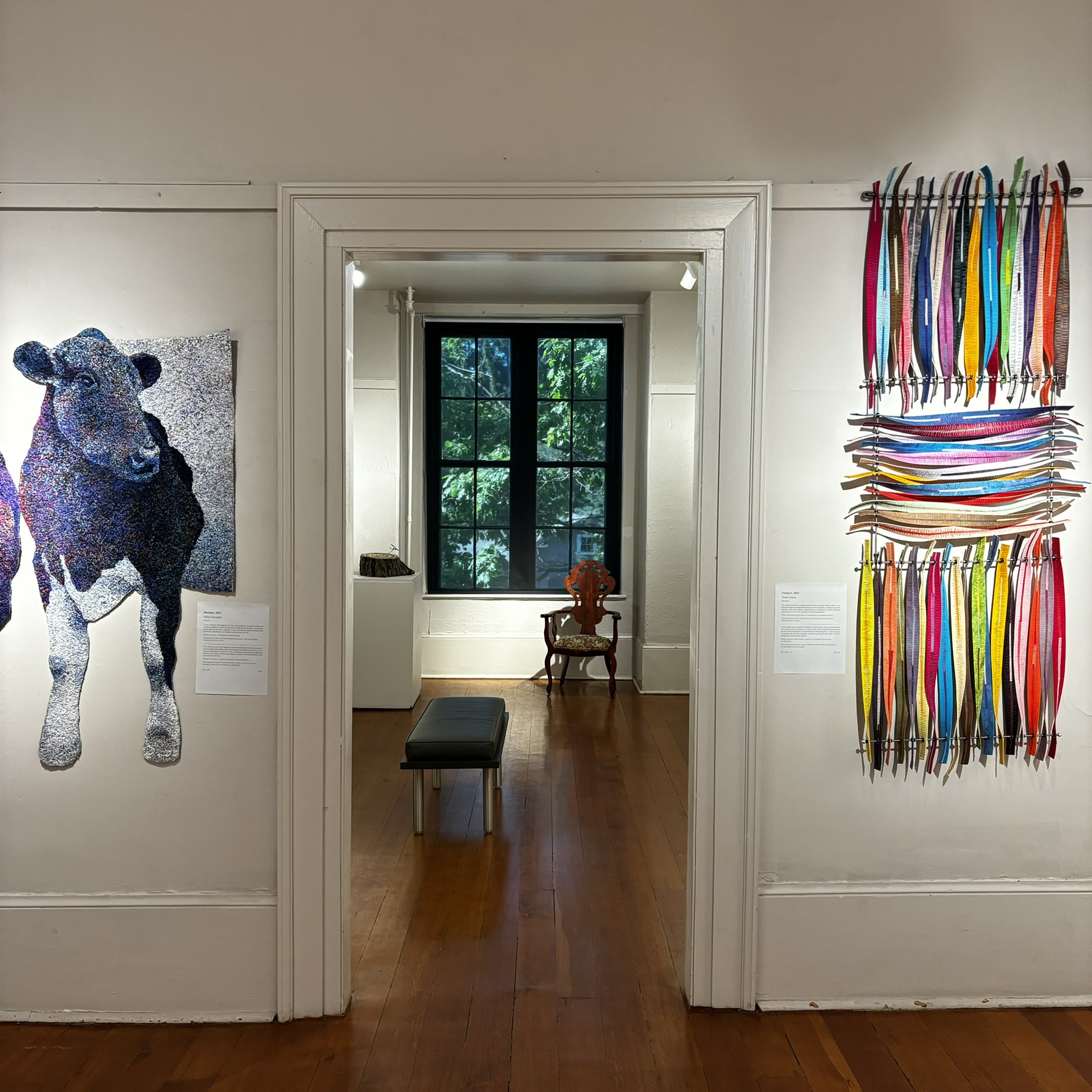
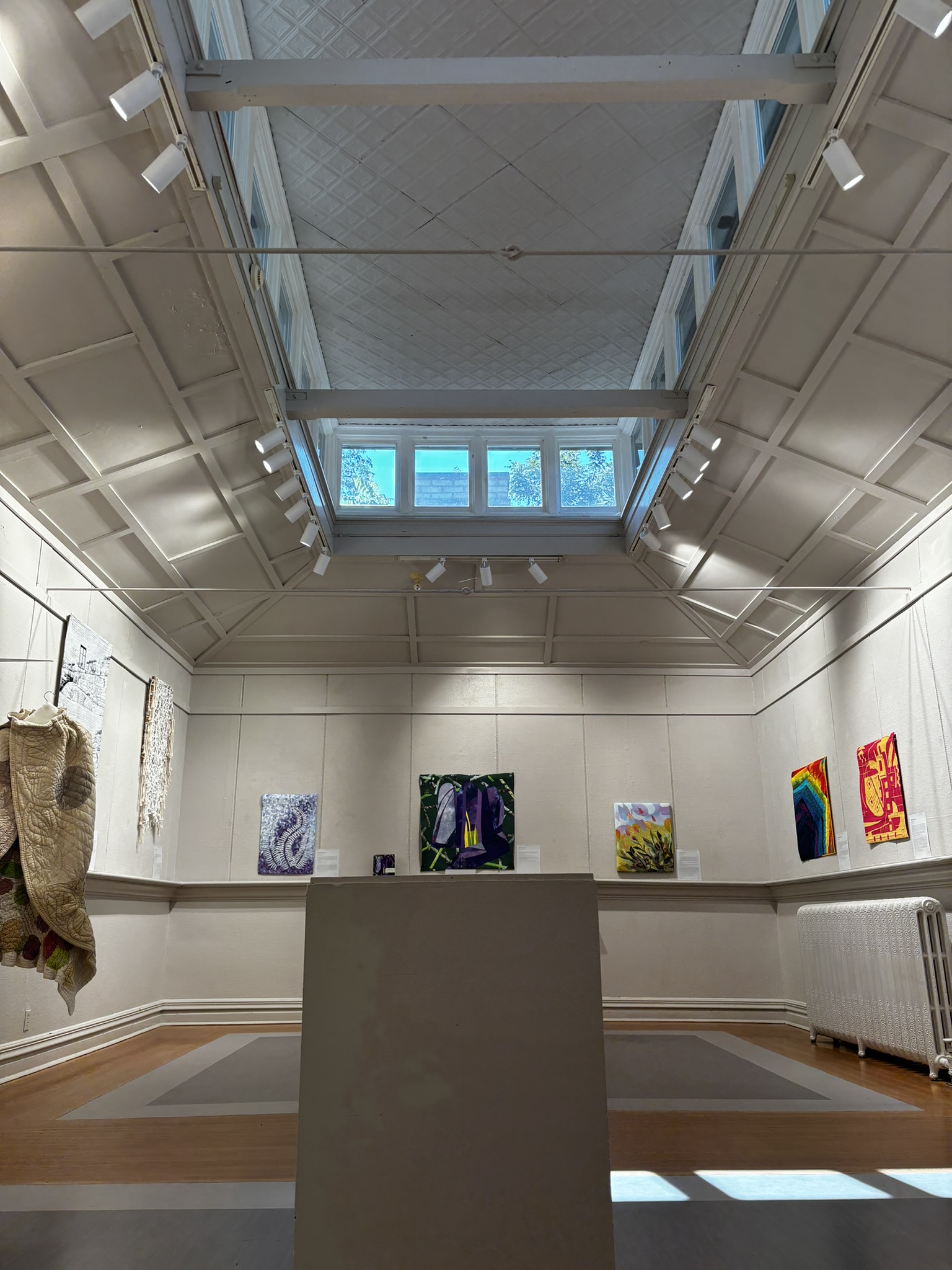
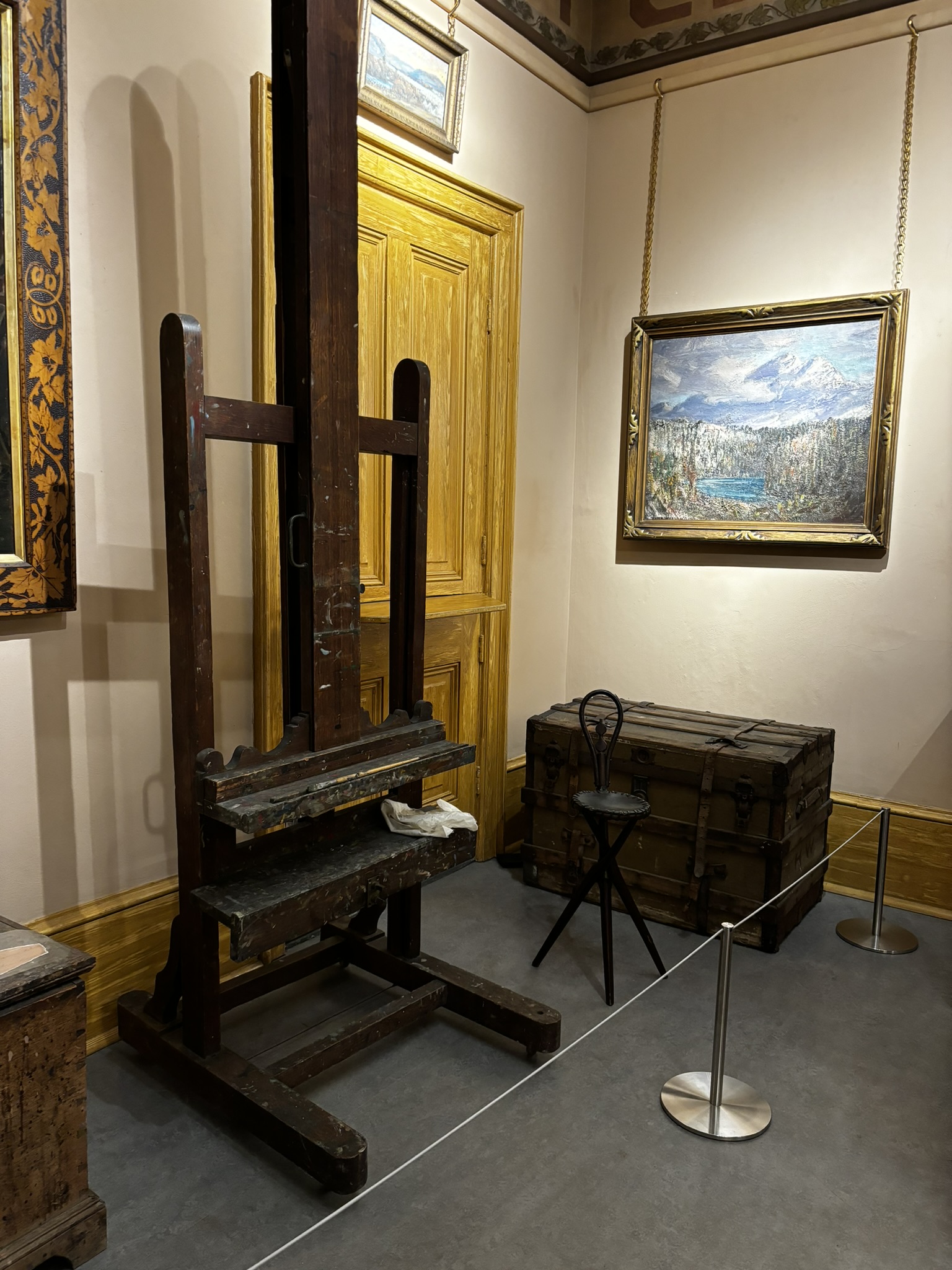
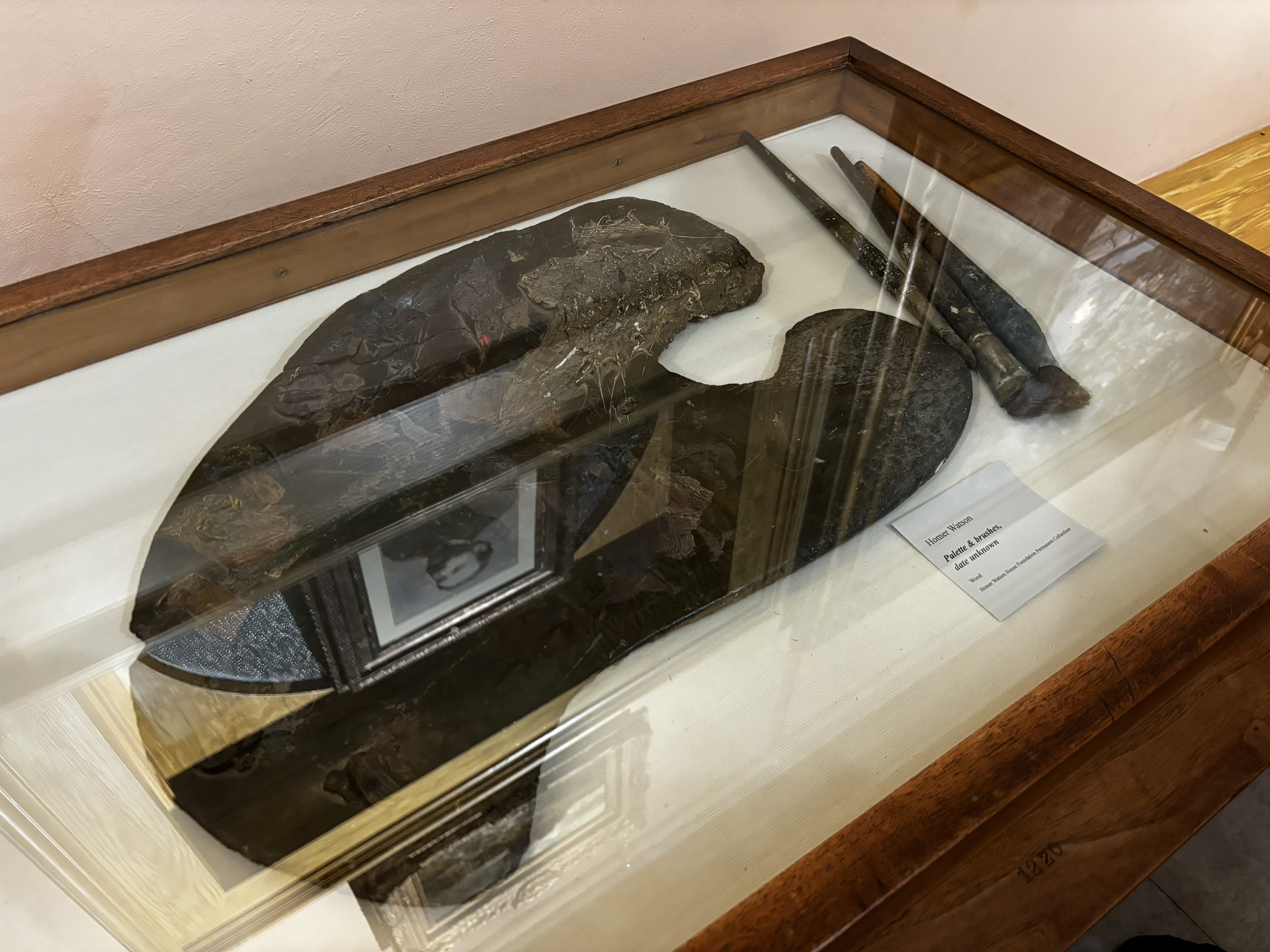
Homer Watson House & Gallery, Kitchener ON ©2024
The Spiritualist
The room that really caught my attention was the front parlor.
Homer Watson was a Spiritualist who believed in communicating with the dead, and the front parlor was one of the spaces where he held séances. Spiritualists believed they could connect with the spirit world, through séances or mediums.
And he wasn’t the only notable figure interested in spiritualism. William Lyon Mackenzie King, Canada’s tenth prime minister, was also a Spiritualist and became friends with Homer. The two participated in séances together, including one held in Homer’s parlor on a Friday the 13th.3
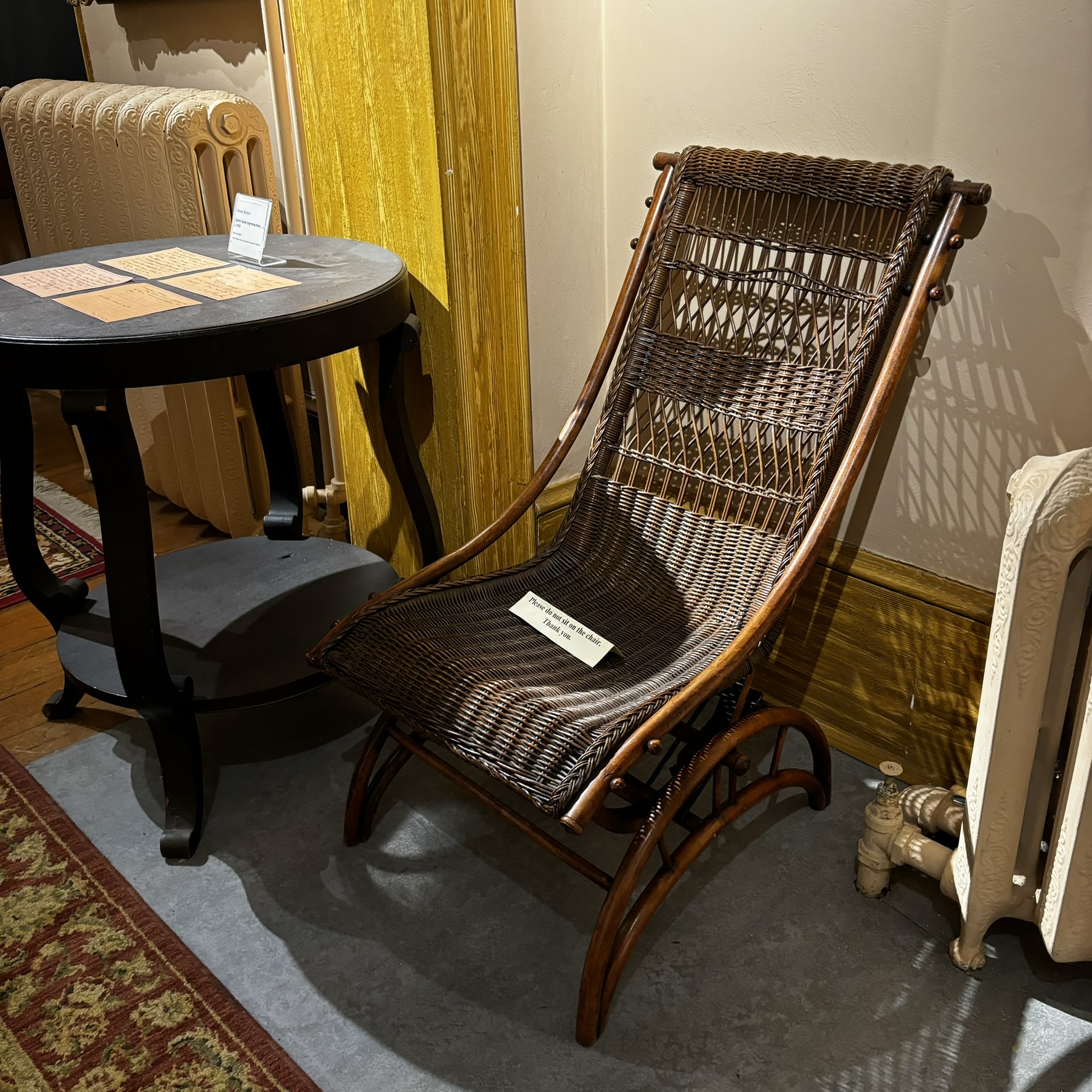
One of the artifacts I found most interesting was a collection of spirit cards. These were used during séances to record messages believed to come from the other side. Some feature Homer’s own handwriting, and the gallery has transcriptions to help visitors understand what the cards say.
Homer’s interest in Spiritualism became especially significant after the death of his wife, Roxanna, in 1918.3 The two had been married for nearly four decades, and she had been an important source of support and artistic advice throughout his career.3 After her death, Homer struggled with his painting until he experienced what he believed was a visit from her spirit.3
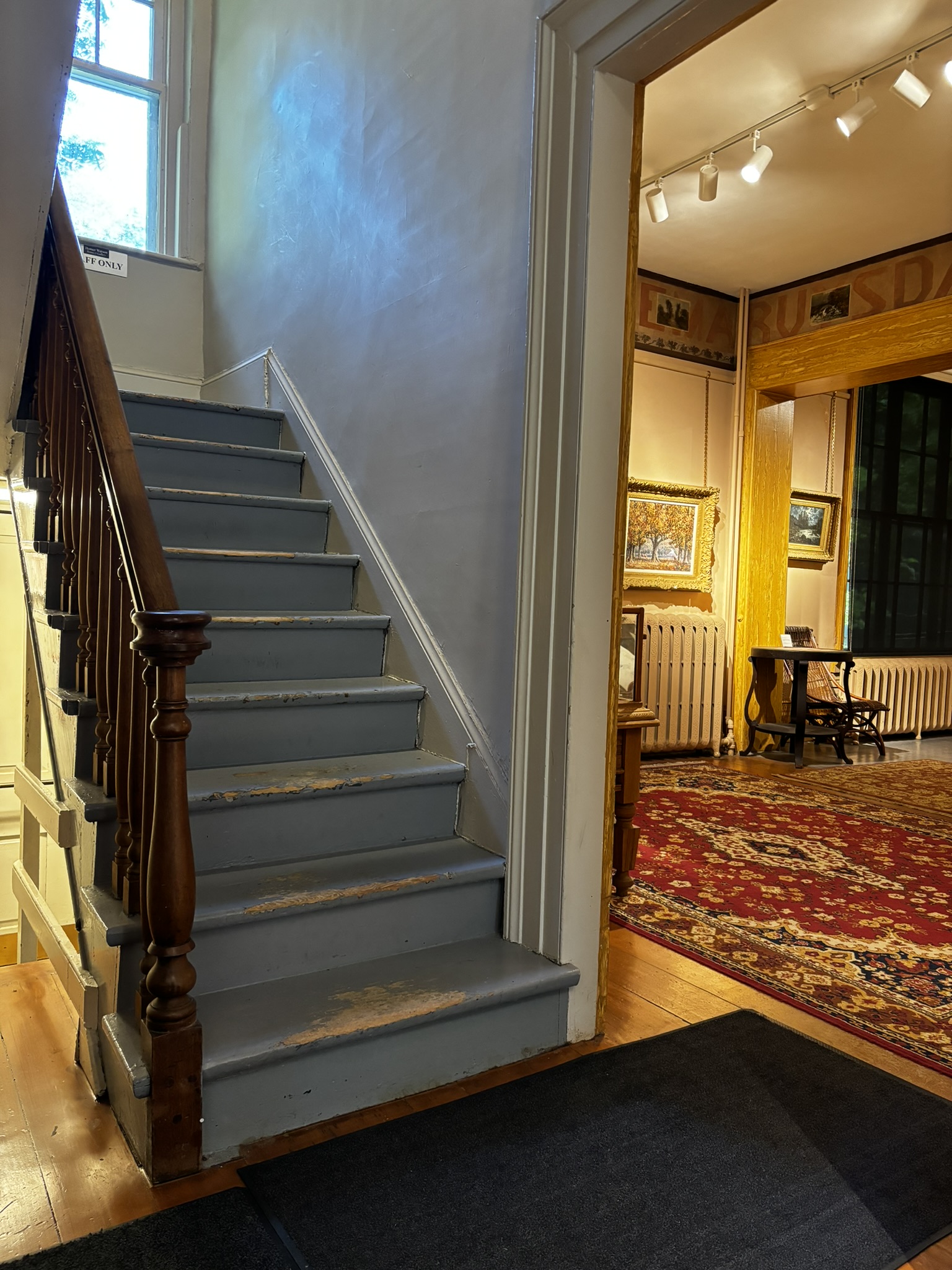
According to the story shared by the gallery, Homer was sitting in his studio when he saw Roxanna at the bottom of the staircase, surrounded by a curious amber glow. He recalled her telling him, “Do not despair. All is well, Homer.”3
The house still displays the chair associated with this story. Seeing it in person, alongside the staircase, made the story easier to picture. Whether you believe in ghosts or not, it’s an intriguing piece of the house’s history.
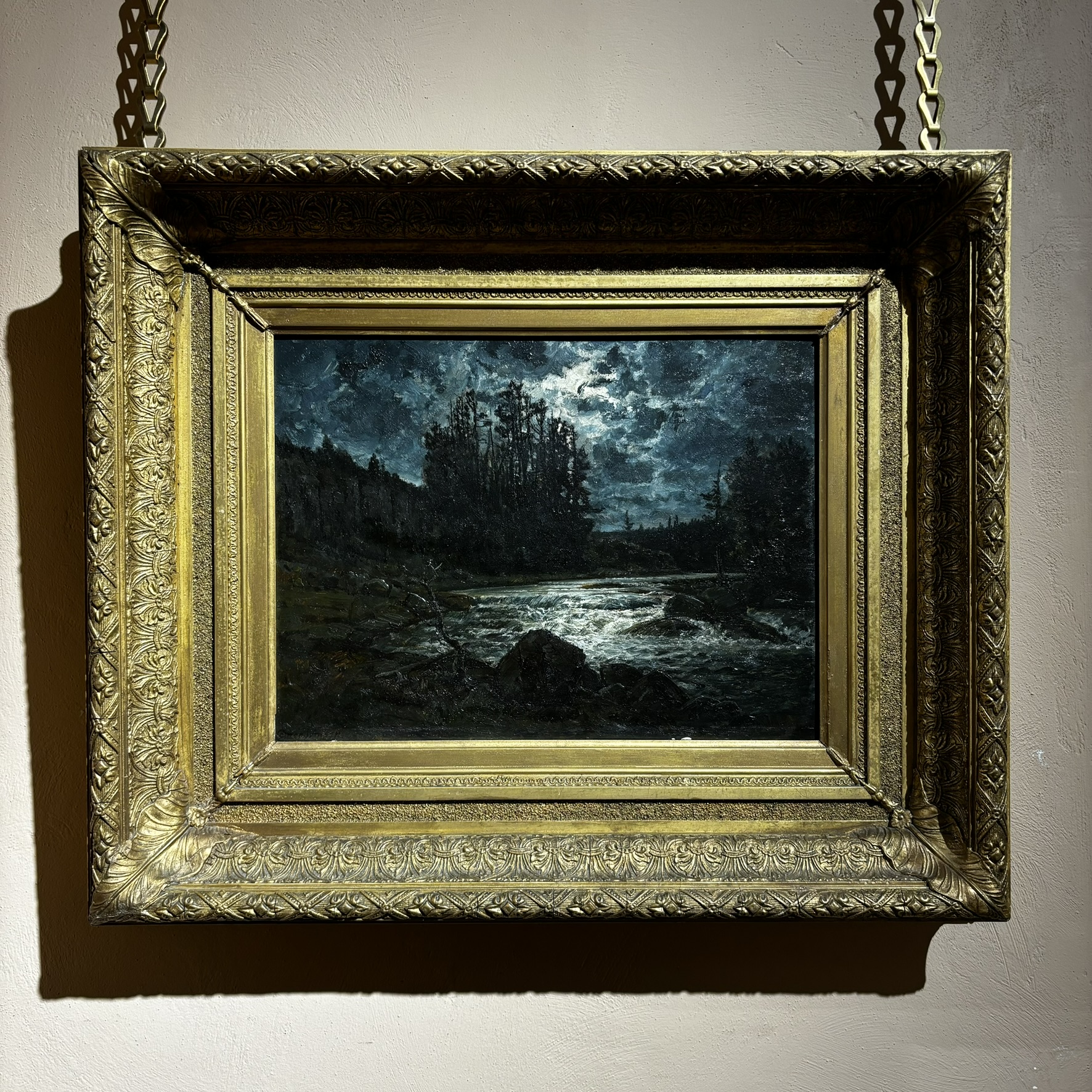
I was particularly taken with Watson’s painting, Untitled (River by Moonlight). The dark, moody blue tones and the moon peeking through the clouds made it especially beautiful. I later learned that Spiritualism influenced Homer’s artistic outlook, too. He saw his creative work as something connected to a greater spiritual force, making the relationship between his art and his beliefs even more interesting.3
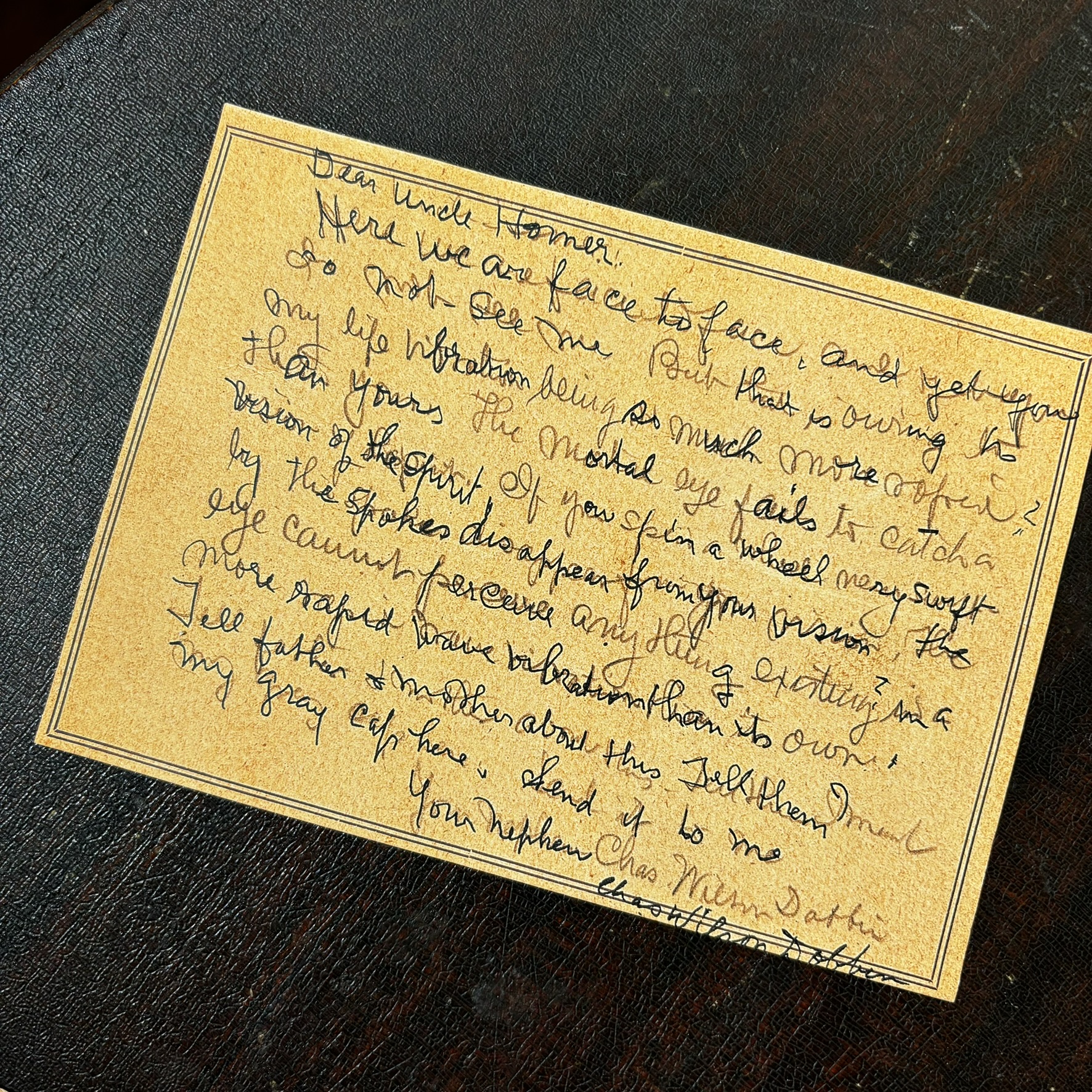
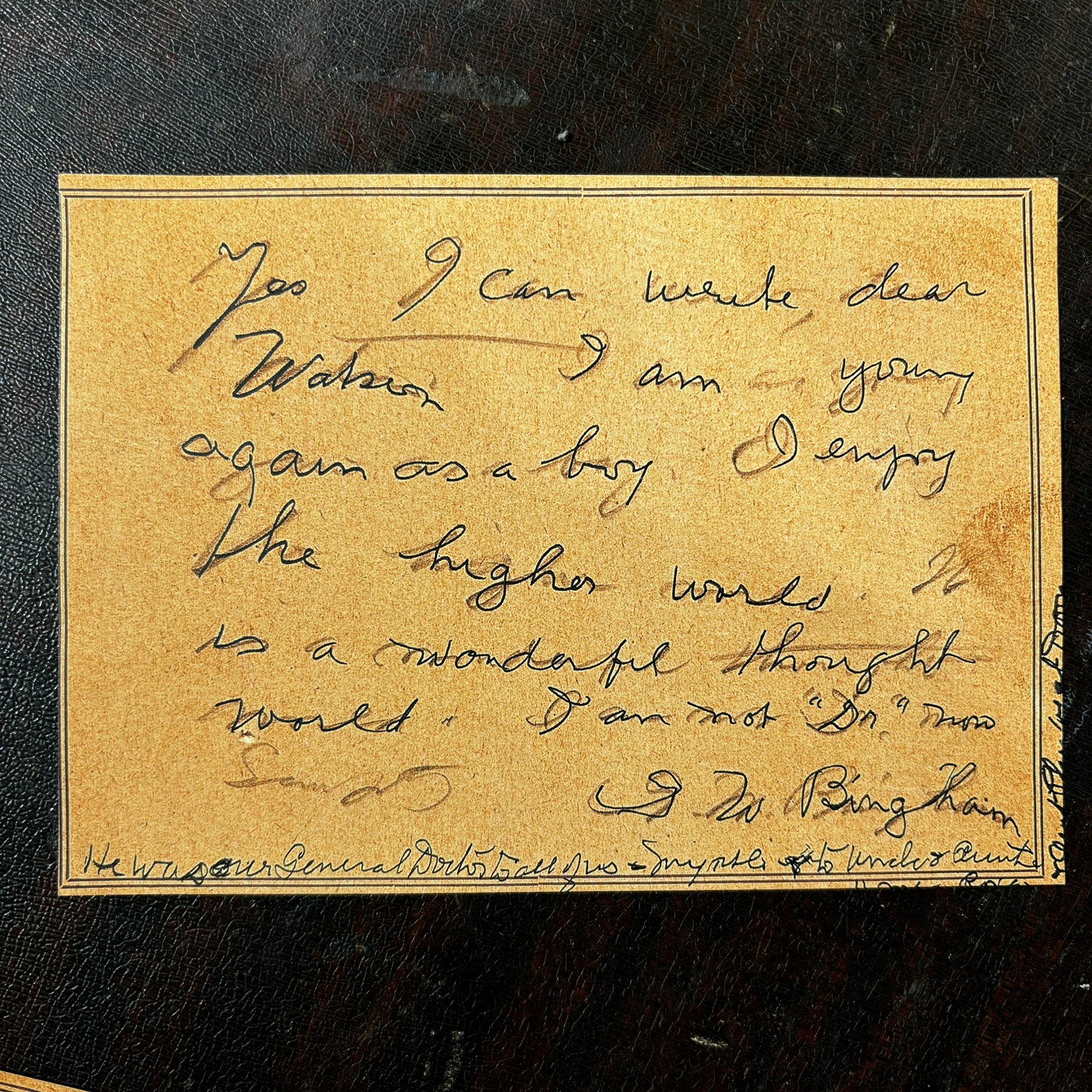
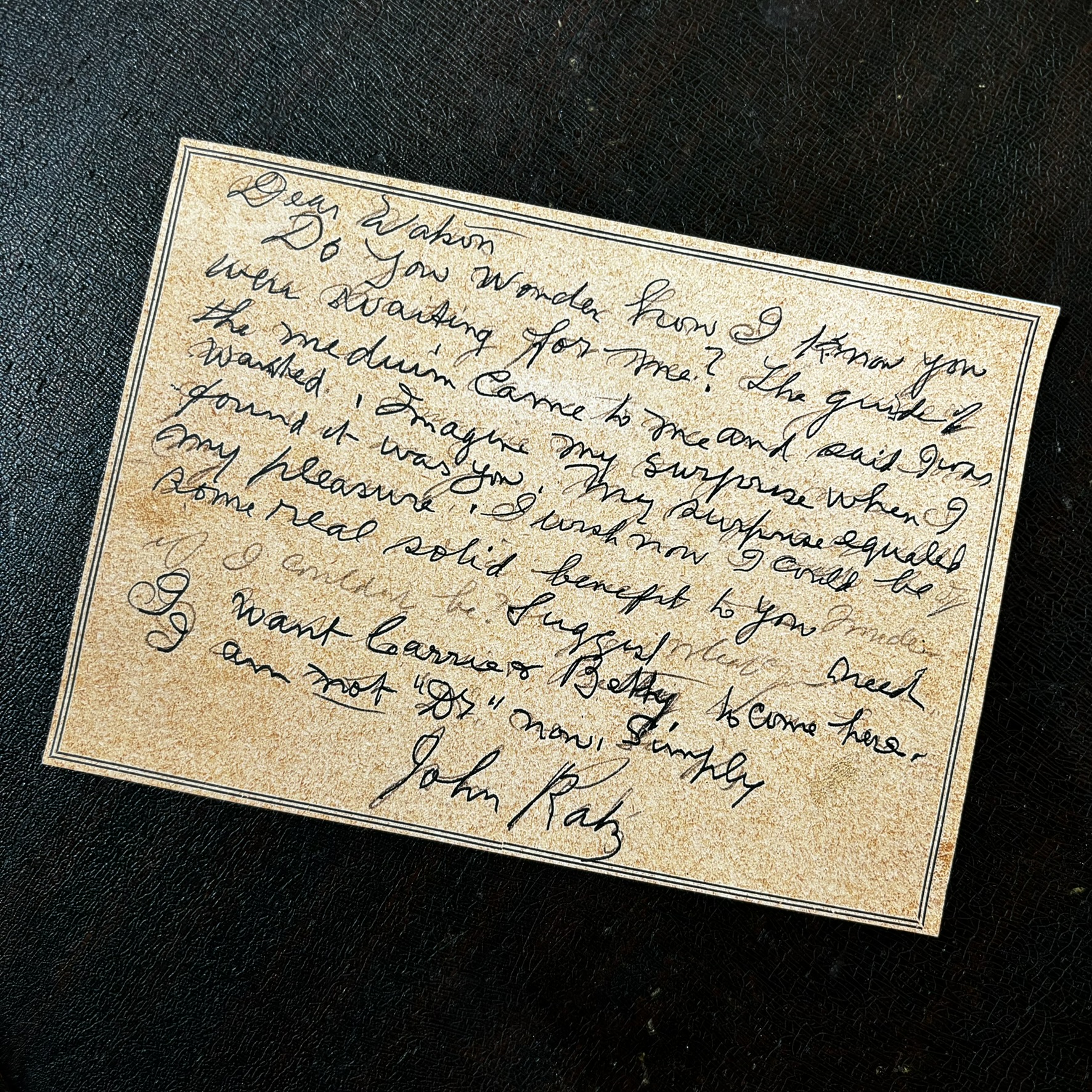
Homer Watson House & Gallery, Kitchener ON ©2024
Doon Presbyterian Cemetery
Of course, no Stone Stories post would be complete without a cemetery visit.
The staff were happy to point us in the right direction when we asked where Homer was buried. His grave is at Doon Presbyterian Cemetery, just a short walk from the house.4
The large Watson family monument commemorates several members of Homer’s family.
It bears the names of his parents, Ransford, who owned a local sawmill, and Susannah, as well as his older brother, Jude Nathan, and his sister, Phoebe. Jude Nathan died in a brickyard accident, while Phoebe continued to live and work in the family home after Homer’s death.⁴ An inscription on the side of the monument also remembers Homer’s only son, Charles, who died at birth.⁴ One side of the monument is dedicated to Homer and Roxanna.
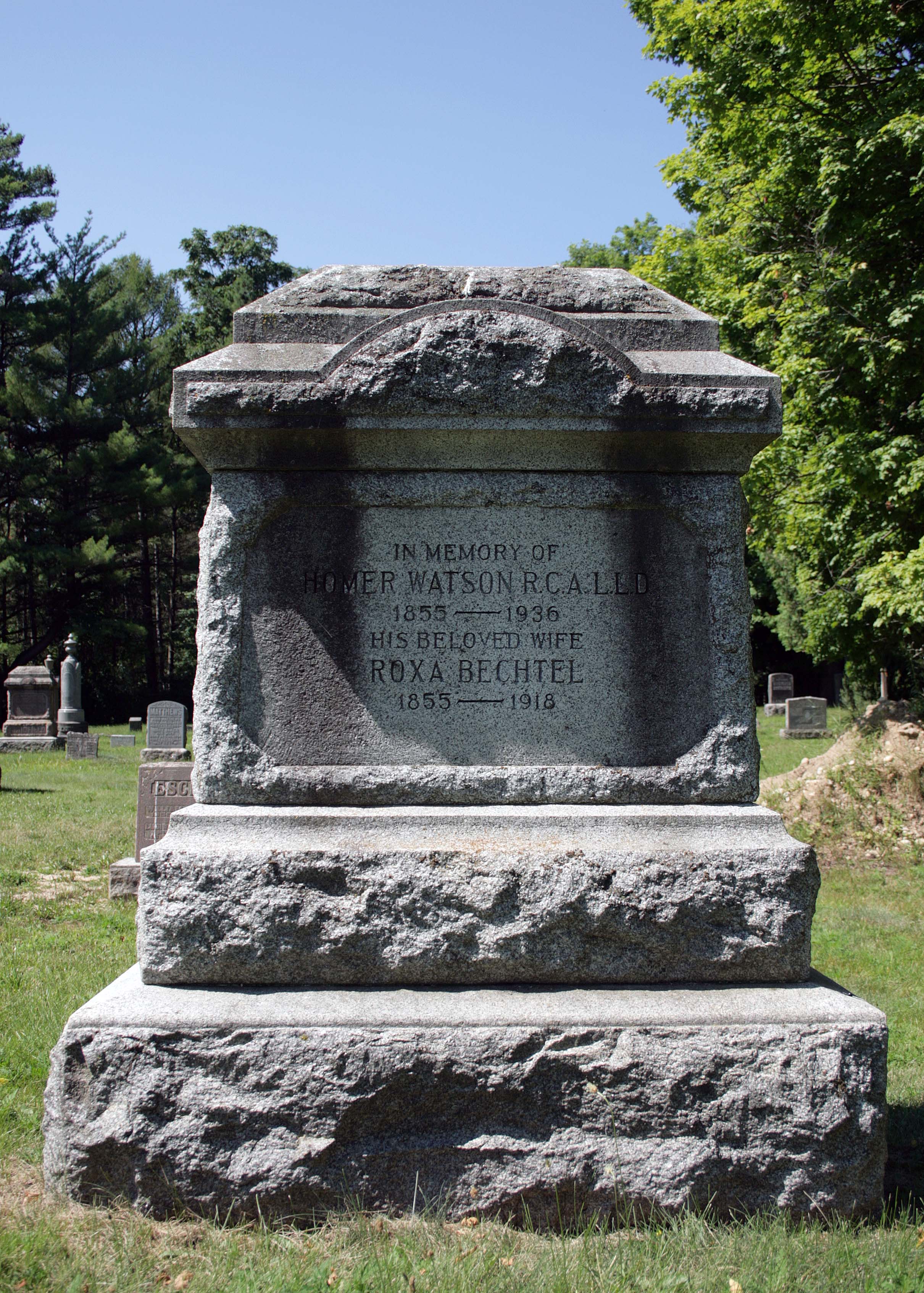
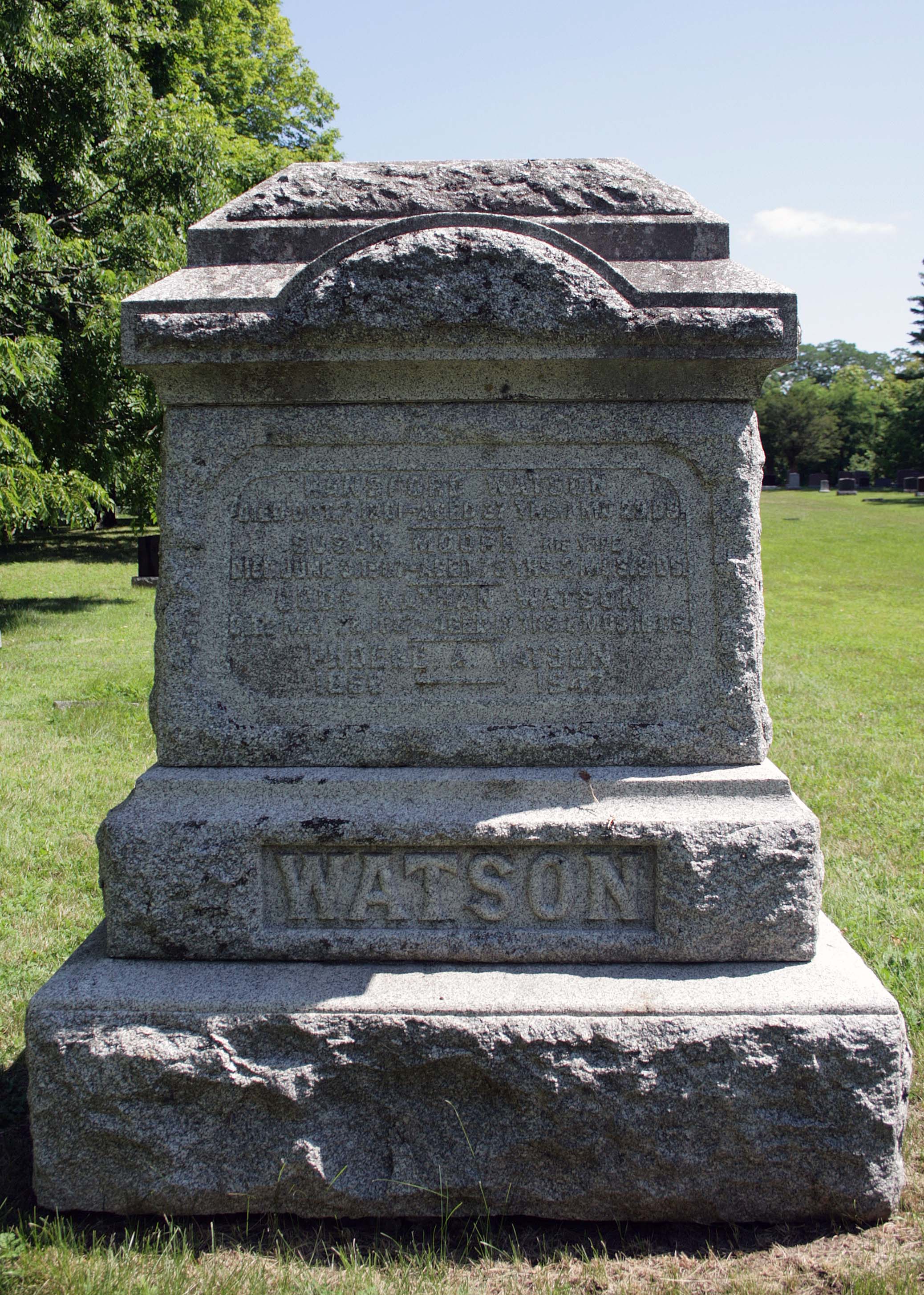
Watson family plot. Doon Presbyterian Cemetery, Kitchener ON ©2024
After learning so much about Homer during our visit to the house, it was nice to finish the day by visiting his grave. Between his artwork, his family history, and all the stories about his interest in the spirit world, there was certainly a lot more to him than I knew before our trip.
I’m glad we made the stop in 2024. I’d recommend Homer Watson House & Gallery to anyone who enjoys a bit of art, local history, and a few ghost stories.
October is an especially good time to visit, as the gallery holds its annual Spirit Season fundraiser, featuring haunted history tours, paranormal investigations, and other spooky events.5 Check the gallery’s website for the current schedule if you’d like to plan a visit of your own.
Thanks for reading!
References:
- Homer Ransford Watson | Homer Watson History & Archives
- Homer Watson House | Homer Watson History & Archives
- Spiritualism Tour | Homer Watson House & Gallery
- Doon Presbyterian Cemetery Tour | Homer Watson House & Gallery
- Spirit Season 2026 | Homer Watson House & Gallery