
In 2010, a friend and I visited a place that felt frozen in time—an abandoned prison cemetery hidden deep in the Northern Ontario wilderness. Thirteen years later, we went back.
What we found was both familiar and completely changed.
The Burwash Industrial Prison Farm isn’t just an old correctional centre—it’s a strange and haunting mix of history, decay, and memory. The prison is long closed, the buildings are crumbling, and the cemetery tucked away in the forest has become almost forgotten.
But pieces of the past still linger there, if you know where to look.
Burwash Industrial Prison Farm Graveyard, Burwash ON ©2024
Burwash Industrial Prison Farm
The Burwash Industrial Farm opened in 1914, about 30 minutes south of Sudbury, Ontario. It was designed to be a self-sufficient correctional facility—almost like a village tucked away in the forest. At its peak, the property stretched across 35,000 acres and included a farm, a lumber operation and mill, a 20-bed hospital, and even a tailor shop.1
Burwash Industrial Farm housed between 180 and 820 minimum- and medium-security inmates, who typically served sentences of three months to two years, less a day.1 They spent their days working on the prison farm or doing maintenance around the property. The idea was that routine and hard work could help with rehabilitation. Over the years, the prison grew to include three permanent camps, and several temporary ones. It also became home to a small town of staff and their families, with a population between 600 and 1,000 people.1
The prison was remote by design—difficult to escape from, and just as difficult to reach unless you knew where you were going.
Over time, the facility became known as Camp Bison. The name comes from the herd of wood bison that once lived on the property.2 These animals roamed the land while the prison was active, and the nickname stuck even long after both the prison and bison were gone.
At the time Burwash was slated for closure in 1974, it was the largest industrial farm and the second-largest reformatory in Ontario’s correctional system.1 But the facility was considered too expensive to operate. That July, it was announced that Burwash would be shut down to save money.3 The staff were told they had to leave, and the inmates were relocated to other institutions. After that, the province began looking at alternative uses for the remaining buildings and the massive piece of land.3
What’s left today is a patchwork of wilderness, ruins, and stories.
Abandoned
After the prison shut down in 1975, most of the buildings were left to the elements. Over time, nature began to reclaim the site. The once-bustling correctional community turned into a ghost town.
Some structures were demolished, but a few—including the main cell block—were left standing, crumbling slowly in the woods. The site became a magnet for urban explorers, ghost hunters, photographers, and curious hikers.4
When we visited in 2010, it was quiet—eerily so. There were no signs, no official routes, and no other people around. Just long trails, wilderness, and the remains of buildings just barely holding on.
It was very surreal how, after driving through the wilderness on an ATV, the main cell block emerged out from the forest. The cracked windows, peeling paint, and eerie silence gave the place a haunted feel, even in broad daylight.
There was graffiti everywhere. Some of it was creepy, but a lot was just tagging and random vandalism. It was clear the site gets a lot of visitors—who weren’t always careful. Broken glass and porcelain, rusted metal, and signs of fires made it obvious that time, weather, and people had all left their marks.
Despite the damage, I found the experience strangely moving. It felt like walking through a lost chapter of history. There was a heaviness to the place, but also a sense that stories were still lingering in the walls.
It’s no surprise that Burwash has picked up a haunted reputation over the years. Visitors have reported strange noises, shadowy figures, and an overwhelming feeling of being watched. A prison guard supposedly haunts the prison, after having hanged himself when he learned that the place was closing. People say you can hear his nightstick tapping the metal bars, especially in the basement.5
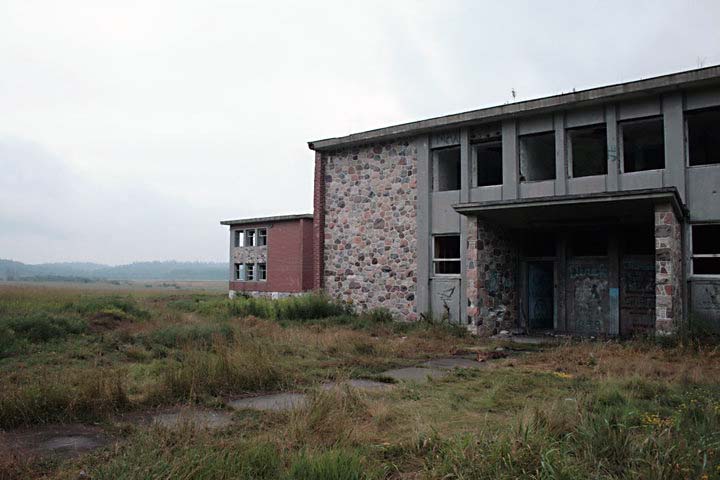


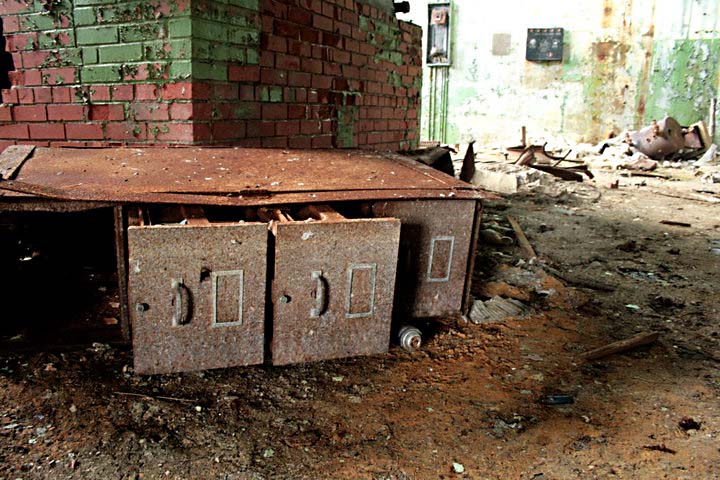
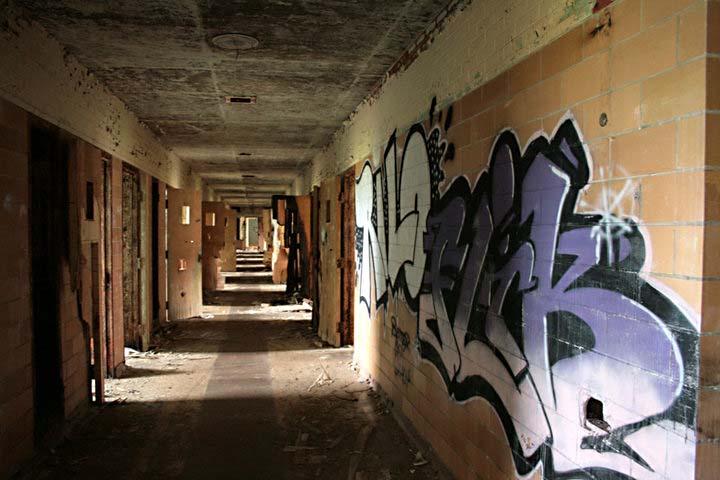
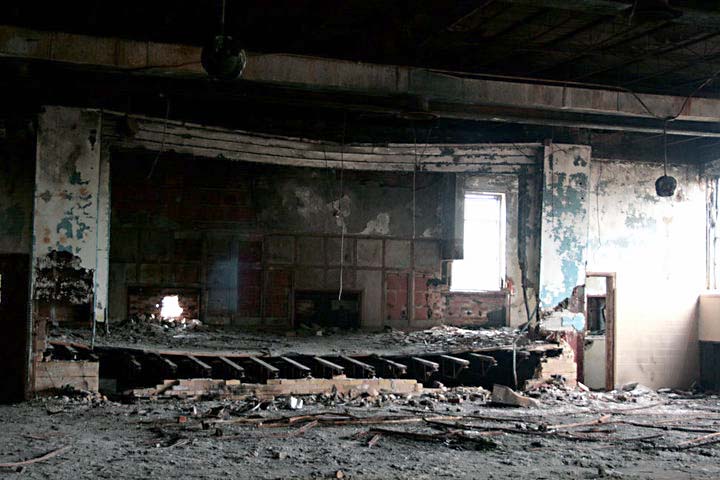
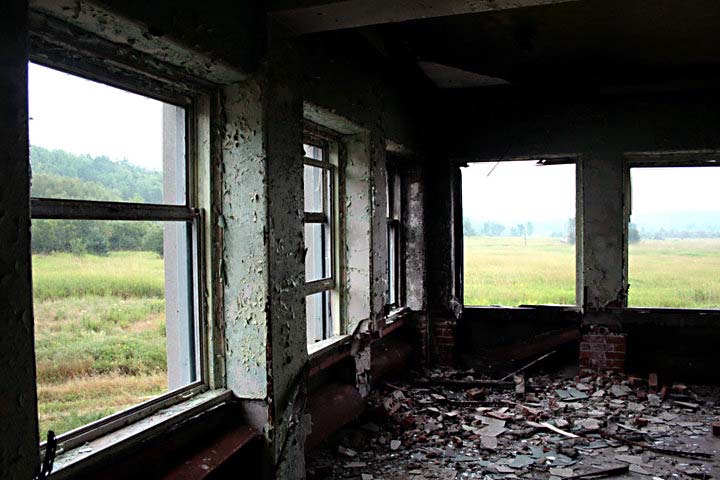

Burwash Industrial Prison Farm, Burwash ON ©2010
Burwash Industrial Prison Farm Graveyard
Tucked away in the trees, at the edge of Cemetery Lake, is the Burwash Industrial Prison Farm Graveyard. This was the first prison graveyard I had ever visited, and I wasn’t sure what to expect. Its the final resting place of inmates who died while serving their prison sentences.
Most of the people buried here were prisoners who had no family to claim their remains. Between 12 to 20 inmates are believed to be buried in the cemetery, their graves marked only by simple wooden crosses.6 When the prison closed in 1975, no attempt was made to move them—the cemetery was simply abandoned.4
Records show that during the Spanish Flu epidemic in 1918, more than 30 people died at Burwash; including inmates, a nurse sent in from Toronto, and the wife of one prisoner who had come to visit.7 We don’t know for sure if any of these victims were buried in the cemetery, but it’s possible.
When we first visited in 2010, the cemetery was surprisingly accessible, although still hidden. The road was maintained, and I remember we were able to drive right up to it. The grass had been maintained, and though the markers were few, the space felt quietly cared for.
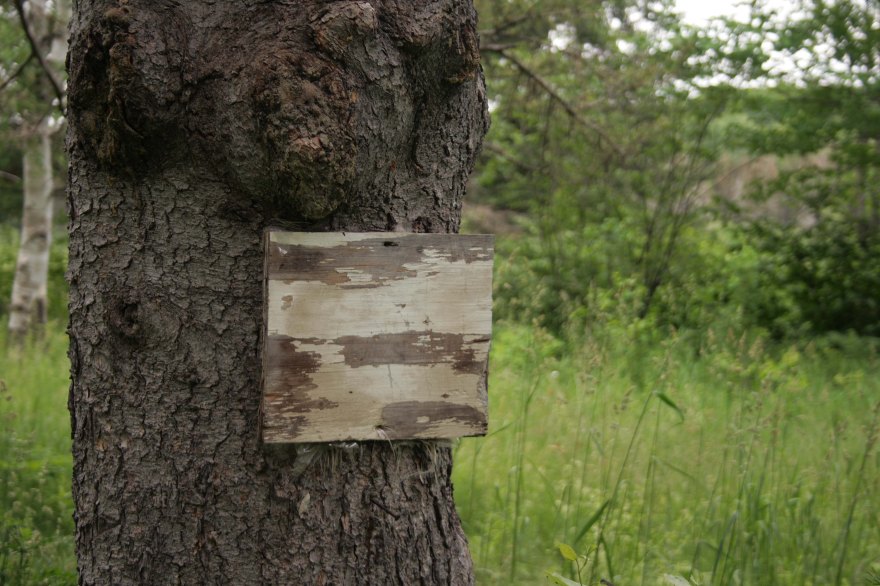
No polished stones or statues. Just plain wooden crosses. A few had small metal plaques. There was no formal cemetery sign, but a small framed sign hung on a tree near the entrance, quietly marking the space.
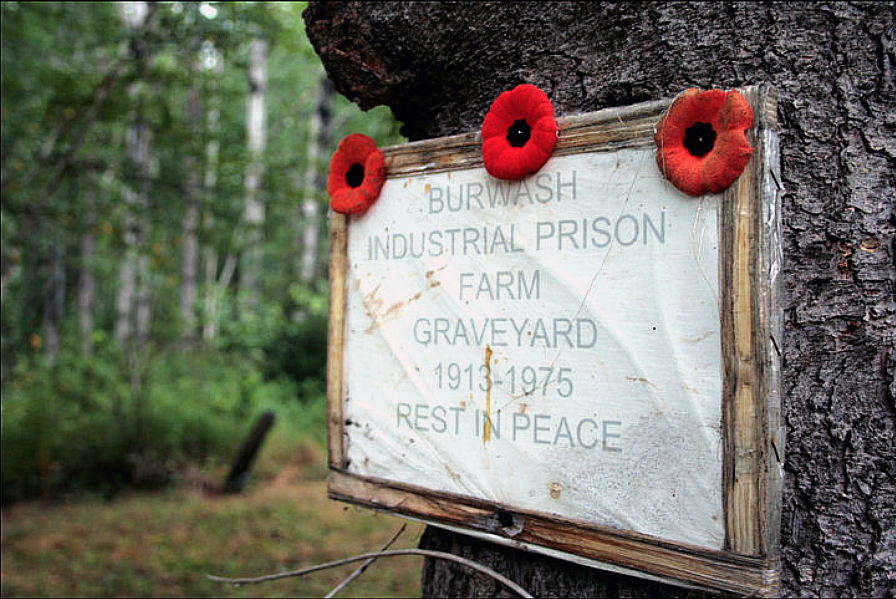
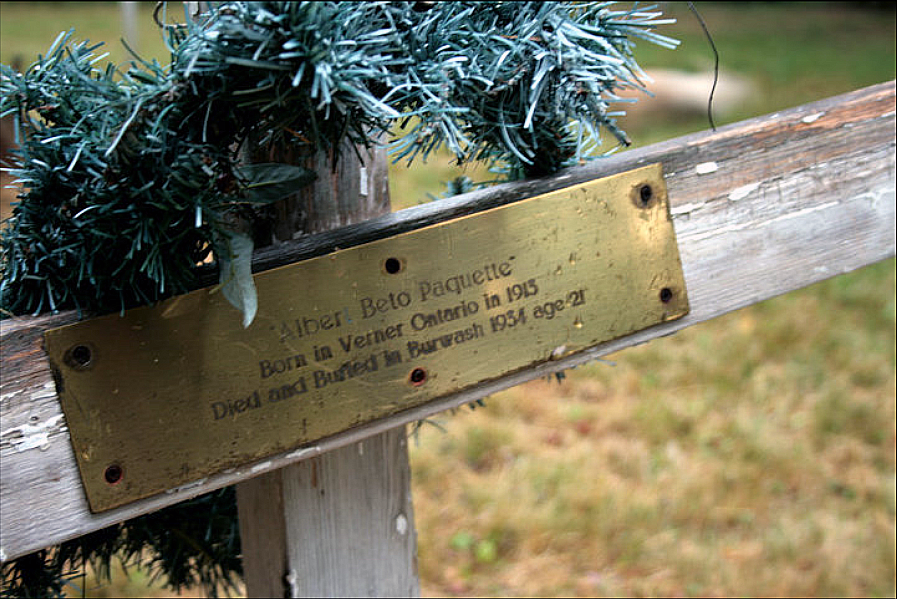

Burwash Industrial Prison Farm Graveyard, Burwash ON ©2010
Thirteen years later, I came back. This time, the road was gone, and the cemetery was nearly unrecognizable.
It’s strange how a place can change so much.
In 2010, I remembered smooth roads and a tidy clearing. But in 2024, the gravel road was now a rugged, overgrown path—winding downhill, with deep ruts carved into the ground.
We parked in a grassy clearing nearby and walked into the forest. The bugs found us instantly, swarming like we were fresh meat. We followed what looked like a path through thick brush and knee-high grass.
Eventually, we reached a small clearing at the edge of the lake, the end of the road. I knew we had arrived—but it didn’t feel like the same place.
The cemetery was completely overgrown. Tall grass had swallowed the crosses whole. Most of the wooden markers were now broken or fallen. Any names or numbers that may have once been visible were long faded. Even the small frame marking the cemetery had been bleached by years of sun and rain, and was now blank.
It felt more like a ghost of a cemetery than a resting place. And yet, standing there, surrounded by wild grass and silence, I was reminded again why places like this matter.
They can be forgotten—but they shouldn’t be.


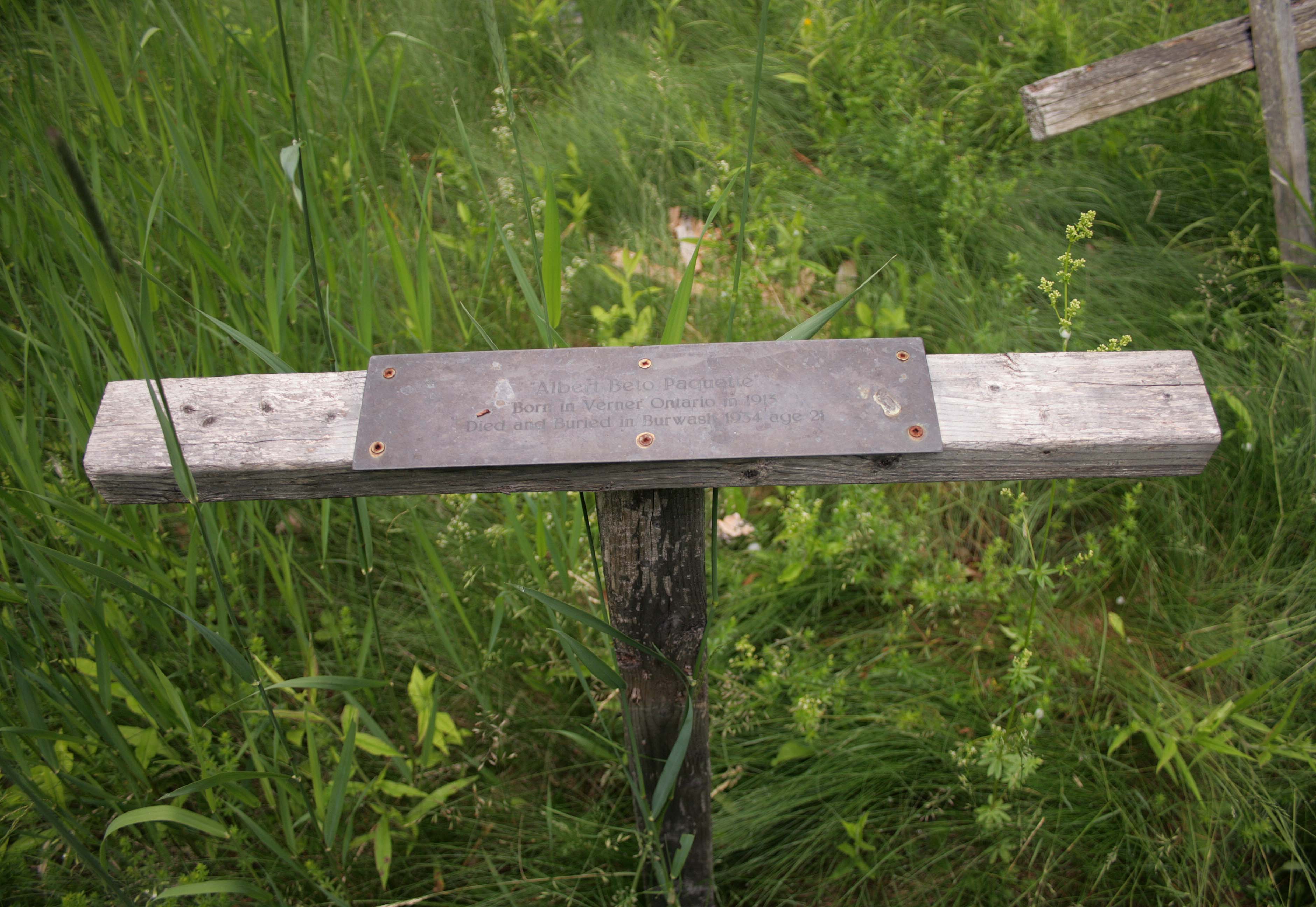


Burwash Industrial Prison Farm Graveyard, Burwash ON ©2024
Burwash Today
Today, Burwash is a mix of forest, forgotten history, and scattered ruins.
If you’re planning to visit the prison, do your research and be prepared for an adventure. The site is on private land, and trespassers can be prosecuted. That said, Avalon Eco Resort offers a legal way to access the property, via a waiver and a small fee.3
There’s a small parking area near the train tracks, close to the start of a 4.5 km hike to the site. The road is no longer open to vehicles—only foot traffic, bikes, and ATVs. Parts of the trail are flooded, and while ATVs can get through, hikers and cyclists may have to get creative to find “alternative” paths.3
Visiting the cemetery is a different story. It’s not on private land, so there’s no need for special permission. But it’s still easy to miss in the forest, and it’s a bit of a hike.
Today, only fragments of Burwash remain. Most of the buildings are gone, but the land still whispers its stories. The cemetery is especially easy to miss if you don’t know it’s there. But for those who make the trip—who follow the overgrown path and brave the bugs to stand among the fallen crosses—it’s a place that stays with you.
Even in decay, Burwash reminds us how quickly places—and people—can disappear. But it also reminds us that memory lingers—in the rust, the rubble, and the wild grass growing where names once stood.
Thanks for reading!
References:
- Burwash Industrial Farm | Ontario Heritage Trust
- The History – Burwash and a Town Within | History of Burwash Industrial Farm
- Burwash Correctional Center | Atlas Obscura
- The sole reminder of a long-vanished town – Abandoned Ontario jail a favourite among urban explorers | Canadian Military History
- This Haunted Prison in Burwash, Ontario | Reddit
- Burwash Industrial Prison Farm Graveyard | Find a Grave
- Who died at Burwash? When the 1918 flu epidemic collided with Canada’s ‘enemy aliens’ policy | Sudbury.com
 Cemetery Photography by Chantal Larochelle