Stone Stories: The Ghostly Legacy of Terry Boyle

Across Ontario, there are plenty of stories about strange sightings, restless spirits, and places with a history that shouldn’t be forgotten.

One person who has helped bring many of these stories to light, was author and historian Terence Patrick O’Boyle, better known as Terry Boyle.

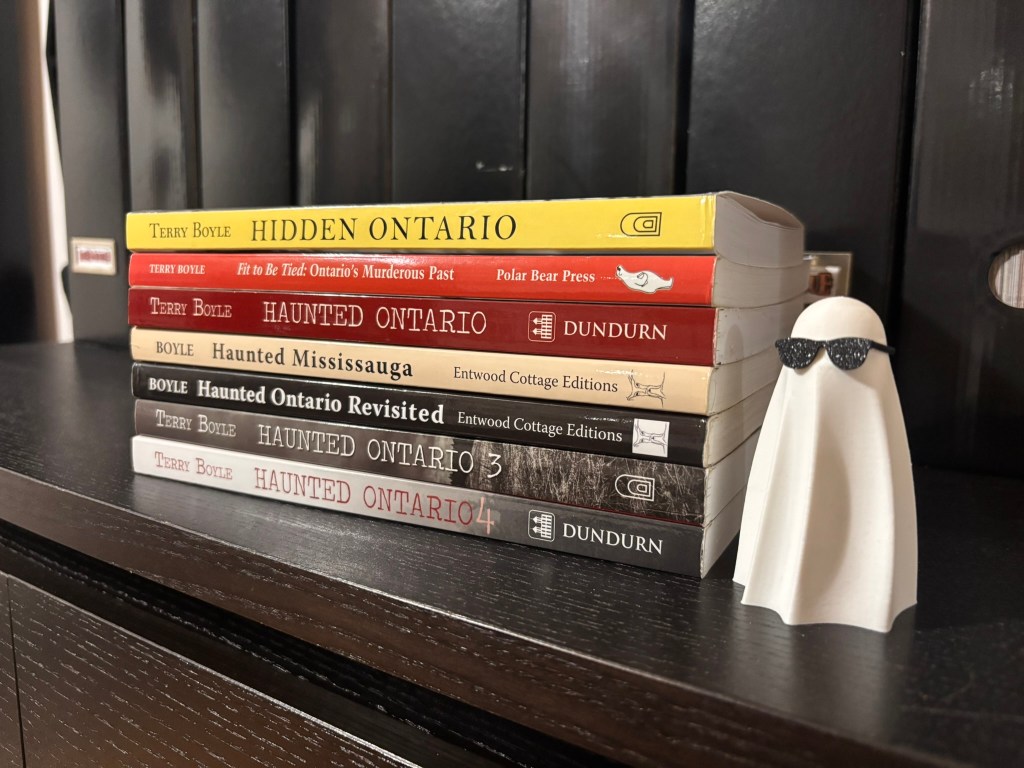
His books introduced readers to haunted places across Ontario and inspired many of us, including myself, to visit these places and explore the stories for ourselves.

The Man Behind Haunted Ontario

Born in 1953, Terry Boyle spent much of his life exploring Ontario’s history, folklore, and ghost stories. He worked as an author, historian, journalist, and teacher, and also hosted a couple of seasons of Creepy Canada, a TV show about reported paranormal activity across the country.¹, ²

Boyle’s interest in folklore goes back to his childhood. He grew up hearing stories about little people and leprechauns, which helped keep his mind open to the unexplained.² When he started writing in the 1970s, people began sharing their own strange experiences with him.2 Those stories sparked his curiosity and encouraged him to dig deeper.²

He didn’t just sit back and collect other people’s stories, though. Boyle visited the places he wrote about, talked to owners and staff, researched their histories, and searched for old photographs to help bring their stories to life.² He wrote about all kinds of subjects, from Ontario’s history and folklore to its darker past, but it’s his Haunted Ontario series that has had the biggest impact on my own adventures.

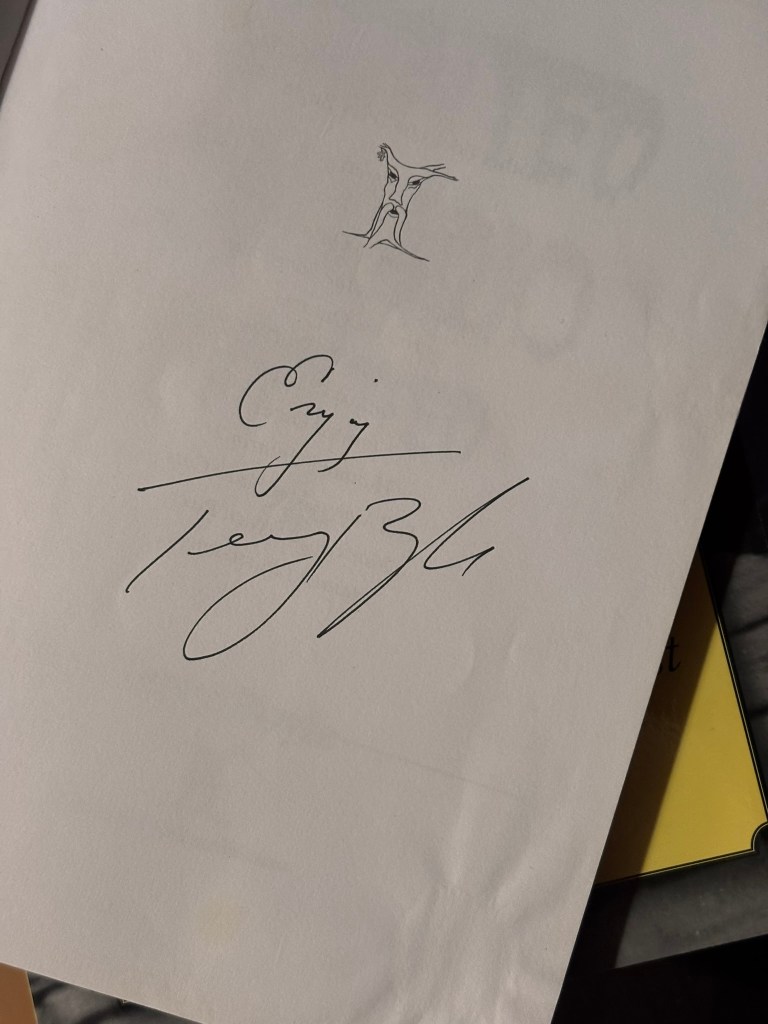
I even have a signed copy of one of his books, that I found second-hand. It’s was a fun little find, since he has been such an inspiration.
I’ve come to rely on Boyle’s books when planning cemetery road trips and researching my Stone Stories. They’re often where I start when looking for somewhere new to visit or a story worth digging into. I’ve also discovered places through his books, that I might never have come across otherwise.

With all the exploring he’s done, you know he has some great stories of his own too. During one investigation, he witnessed an ashtray lift off a kitchen counter, float past his face, and land back on the counter.³ He said he probably wouldn’t have believed it, if he hadn’t seen it for himself.³

Whether you’re a skeptic or not, I think there’s something fascinating about the stories that become attached to places. And while reading about them is interesting, there’s nothing quite like visiting one for yourself.

And Boyle’s books have given me plenty of reasons to get out there and explore.
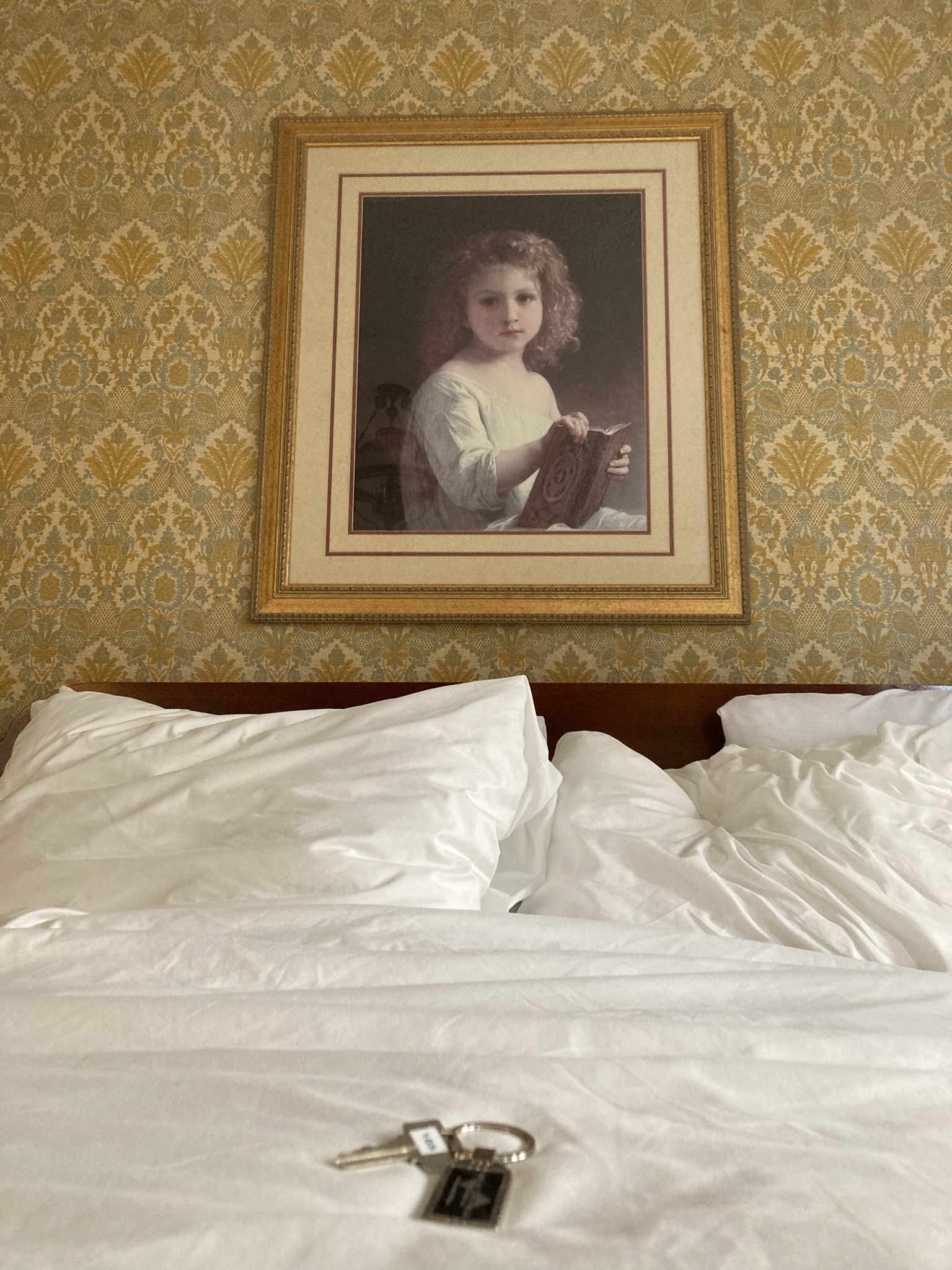
Inn at the Falls

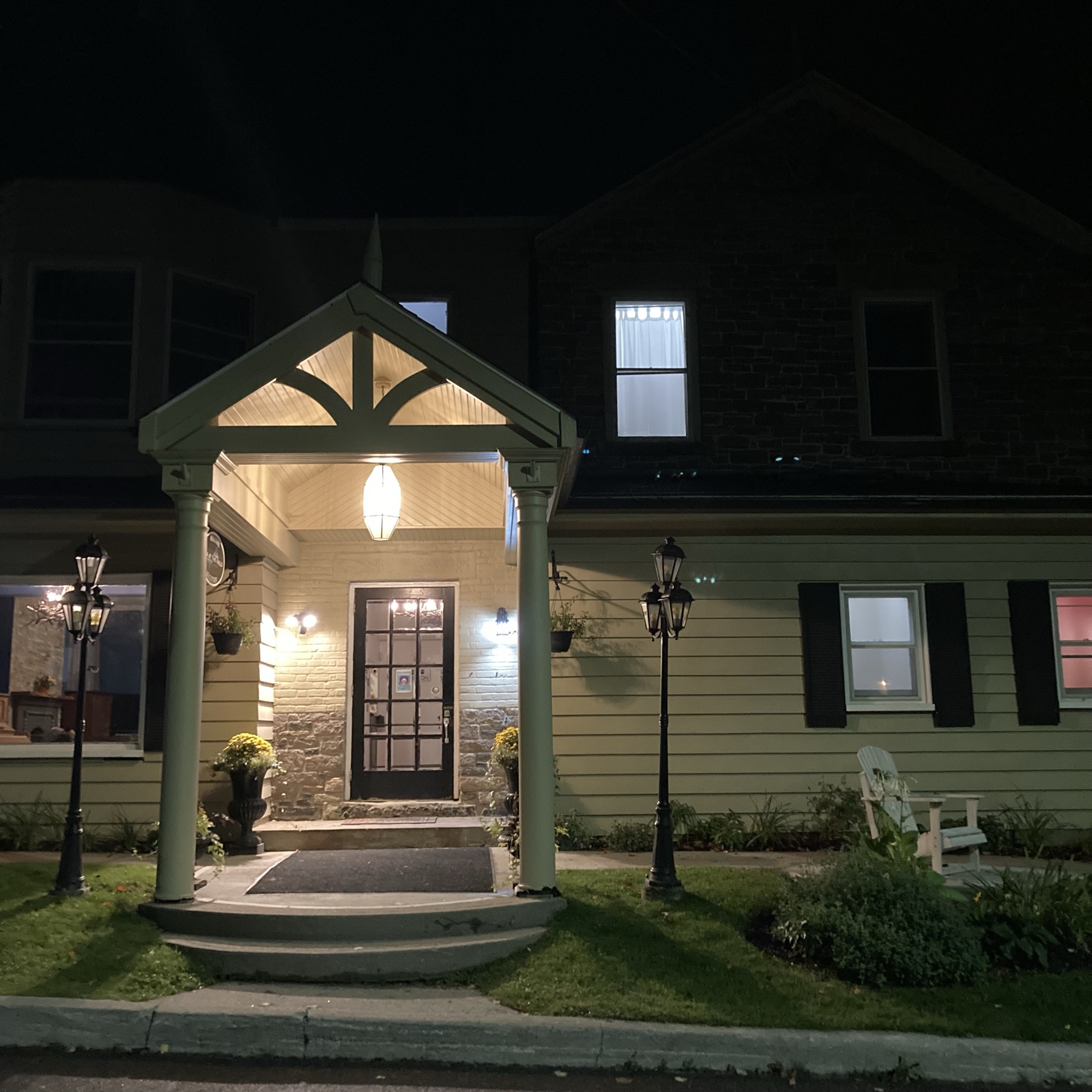
Located in Bracebridge, Ontario, this historic property has its own share of ghost stories. It’s also one of the locations featured in Boyle’s Haunted Ontario 2: Ghostly Inns, Hotels, and Other Eerie Places.

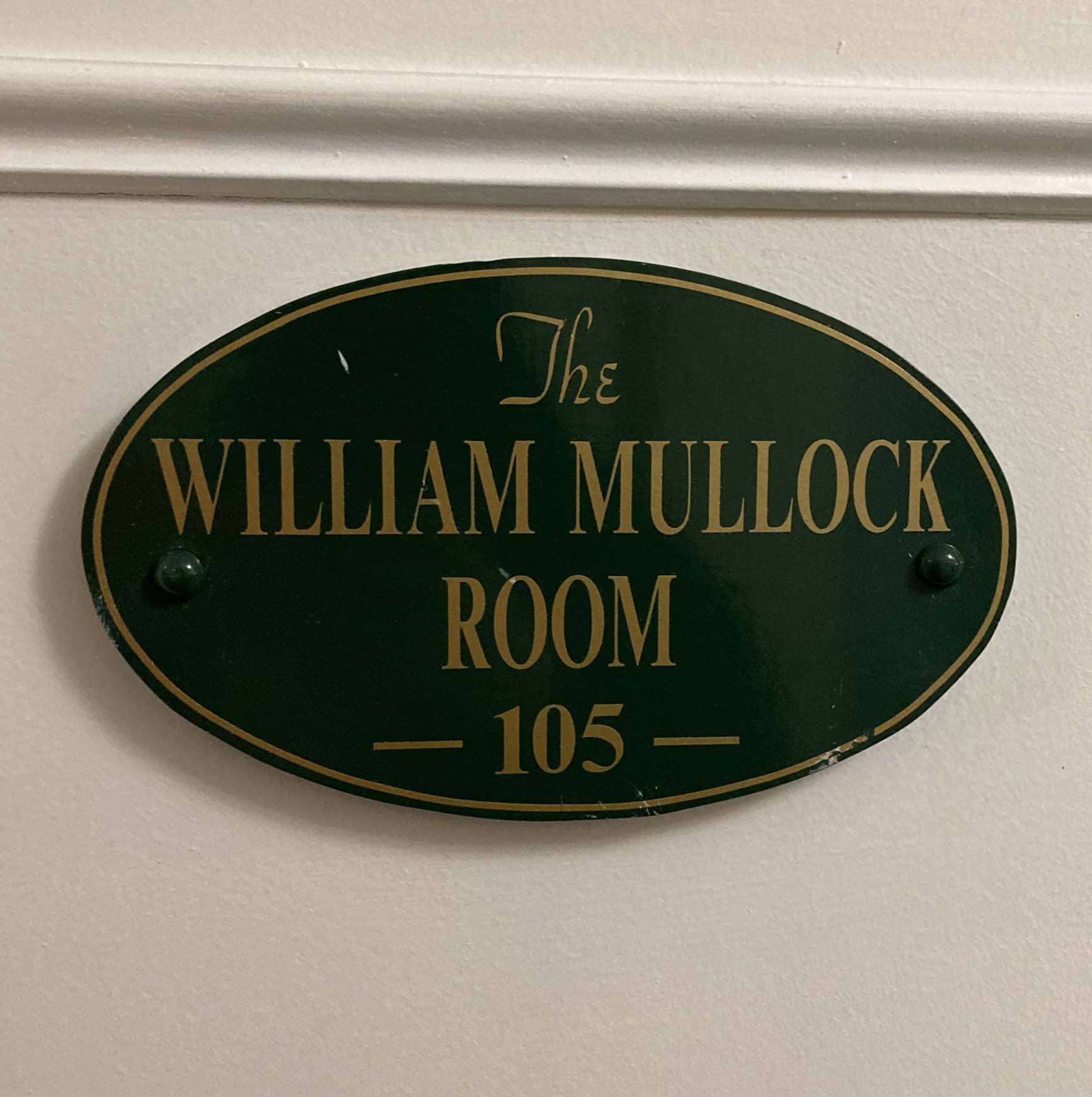
Some of the stories involve Room 105, which caught our attention when my fiancé and I were planning a visit to Bracebridge.⁴ After reading about the Inn, we decided to book a stay in that very room when we visited in 2021.

We didn’t experience anything supernatural, but we had a great time visiting the Inn, chatting with the staff, and exploring the town. The trip even inspired us to start an annual tradition of visiting haunted locations every October.

It’s become one of my favourite traditions!
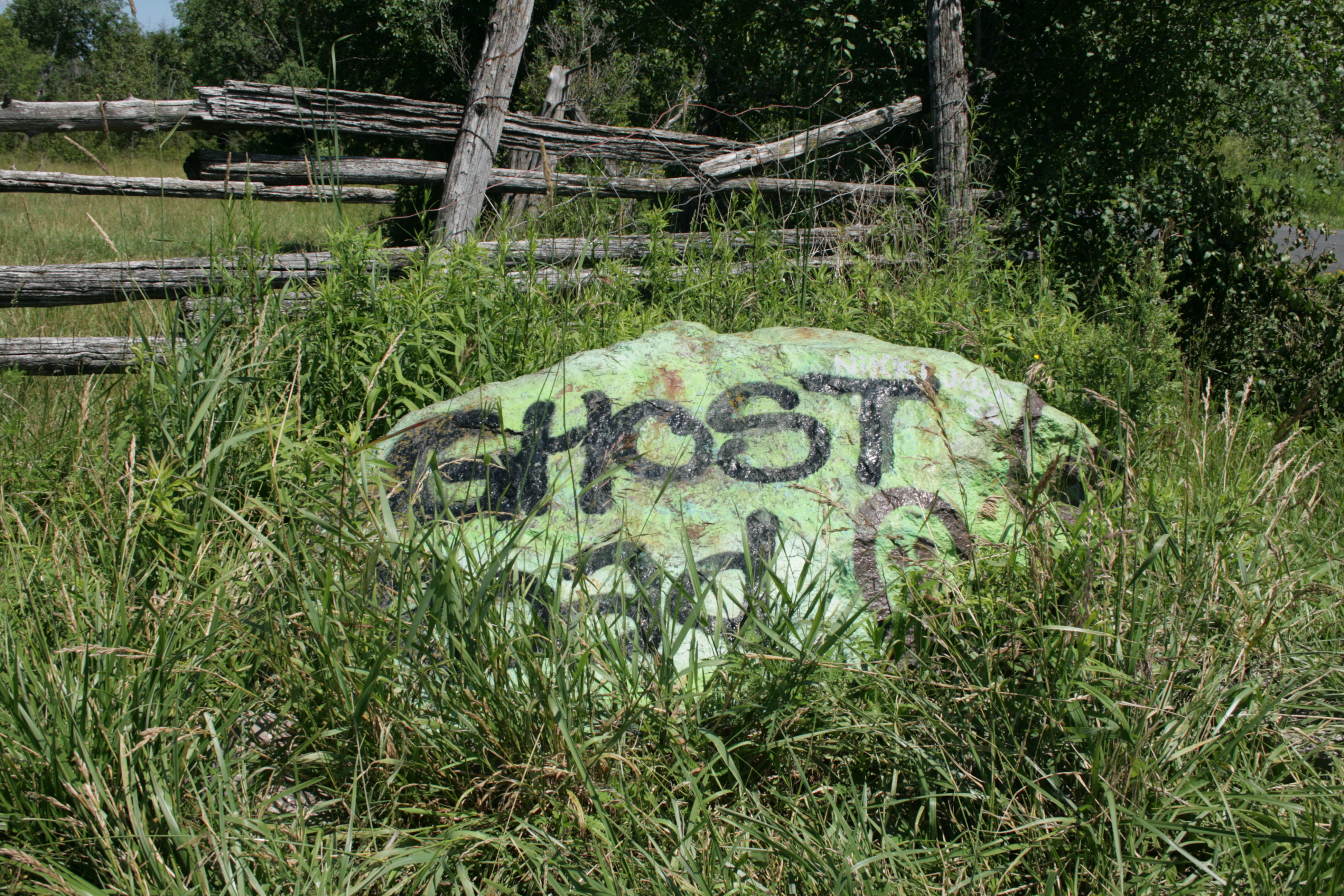
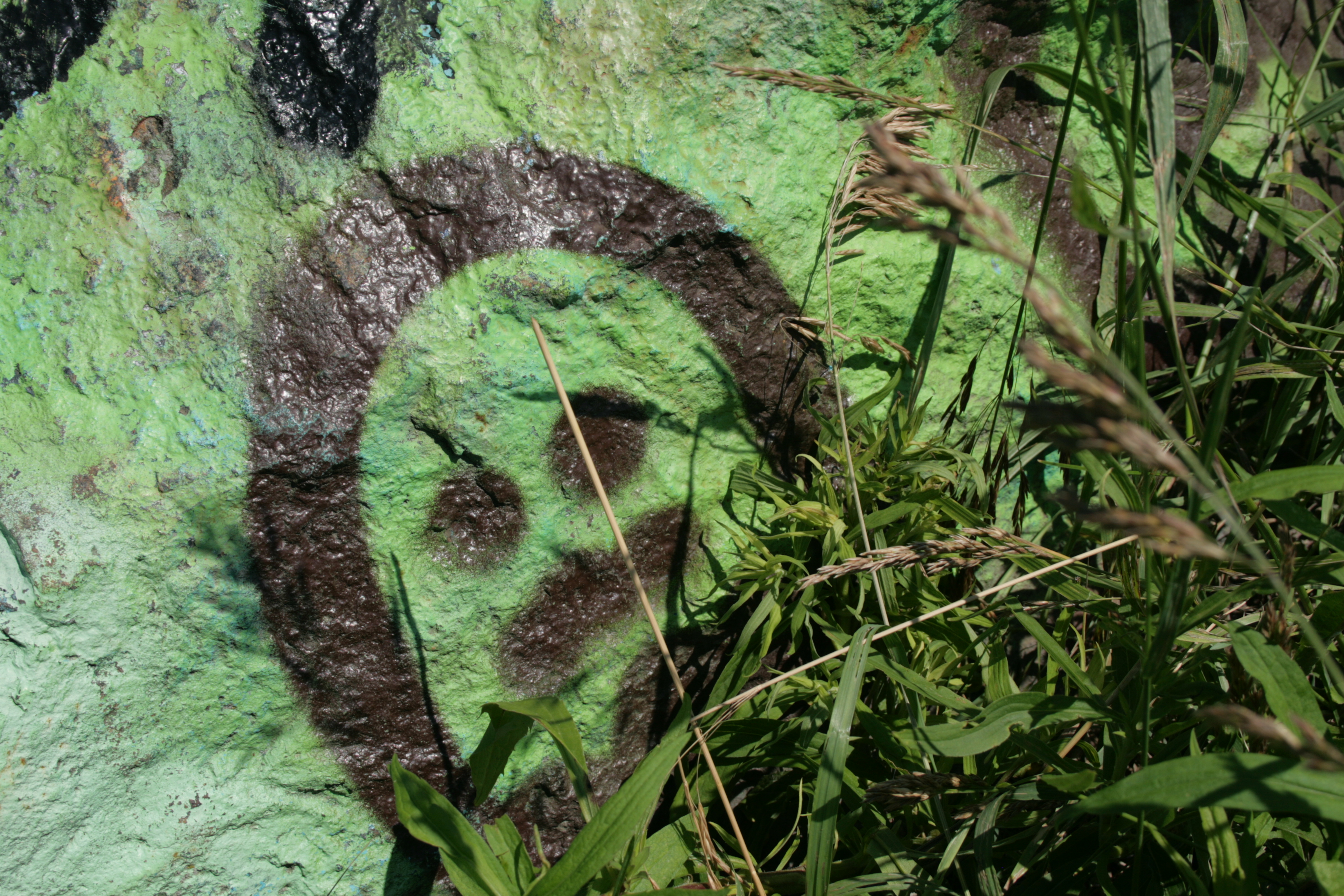
Ghost Road

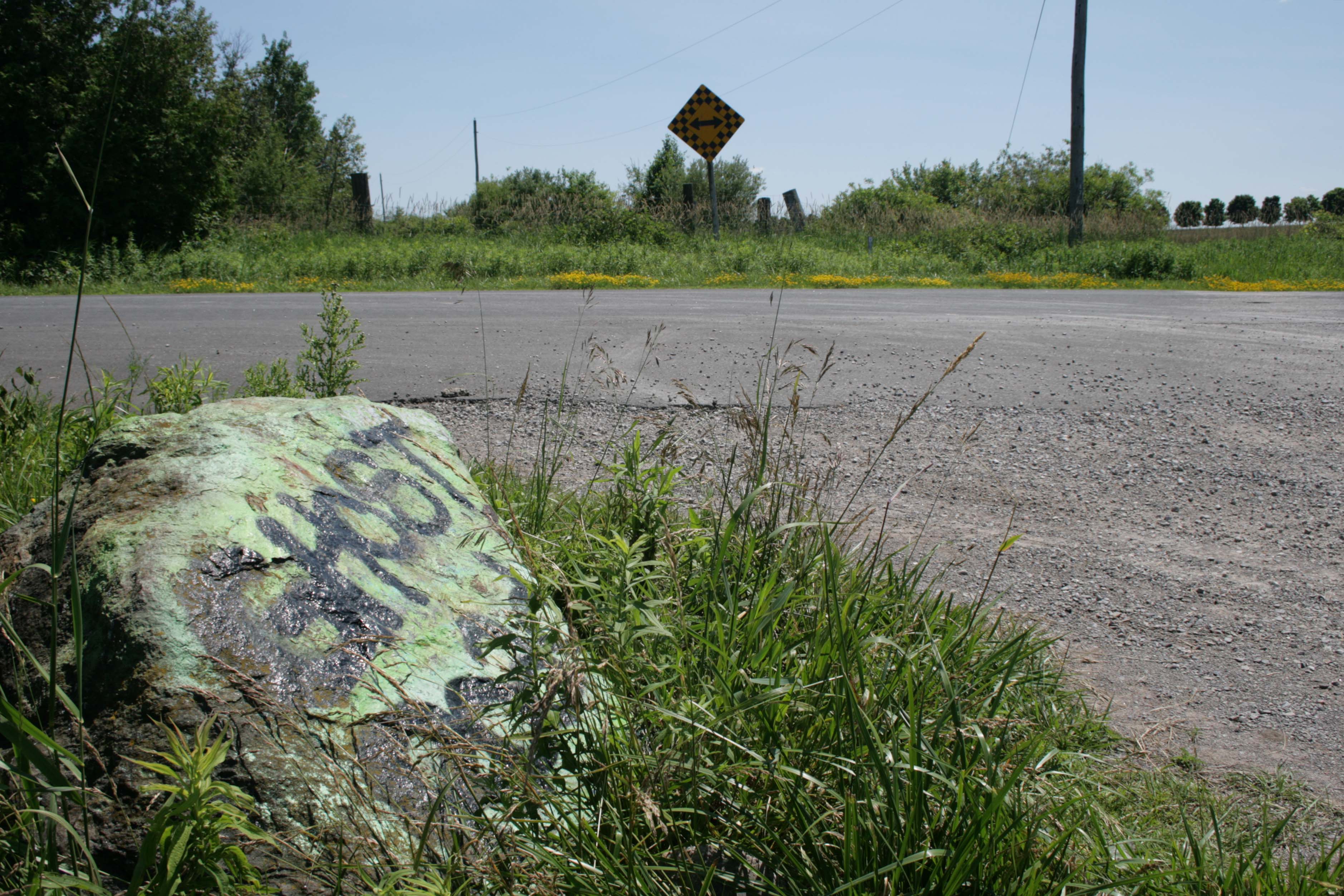
Ghost Road, near Port Perry, is another location featured in Boyle’s Haunted Ontario.

Local legend tells of a motorcyclist who died in an accident involving a wire fence. According to the story, people have reported seeing a headlight approaching along the road, followed by a red taillight disappearing in the distance.2

It’s a really cool feeling to stand in a place that you’ve read about, especially when there are ghost stories connected to it.
Carling Cemetery

Terry Boyle passed away suddenly on July 11, 2016, at the age of 63.1 His passing was a loss for his family and friends, his many readers, and the wider communities of history, folklore, and paranormal enthusiasts. Following a celebration of his life in Parry Sound, he was laid to rest at Carling Cemetery.1

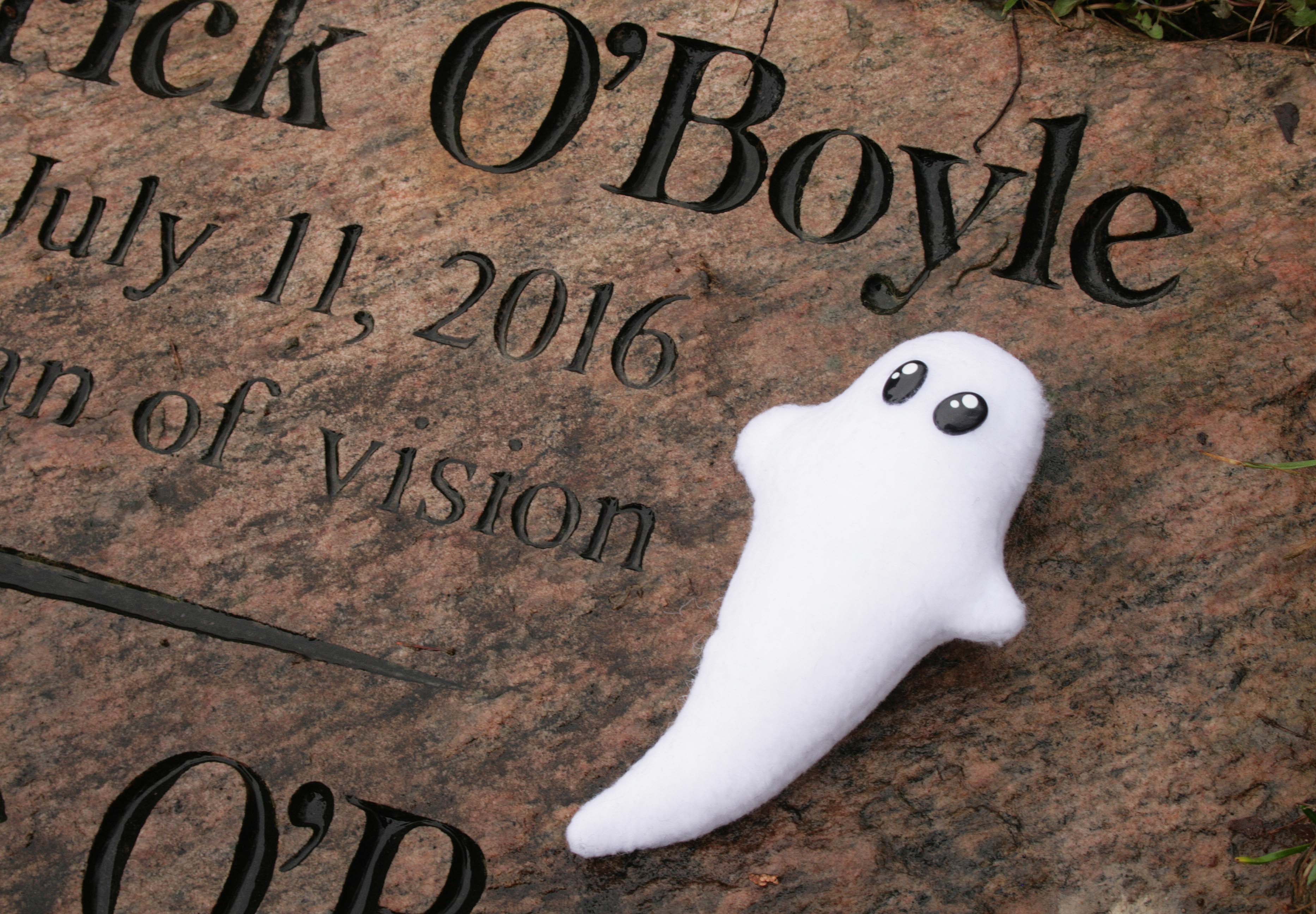
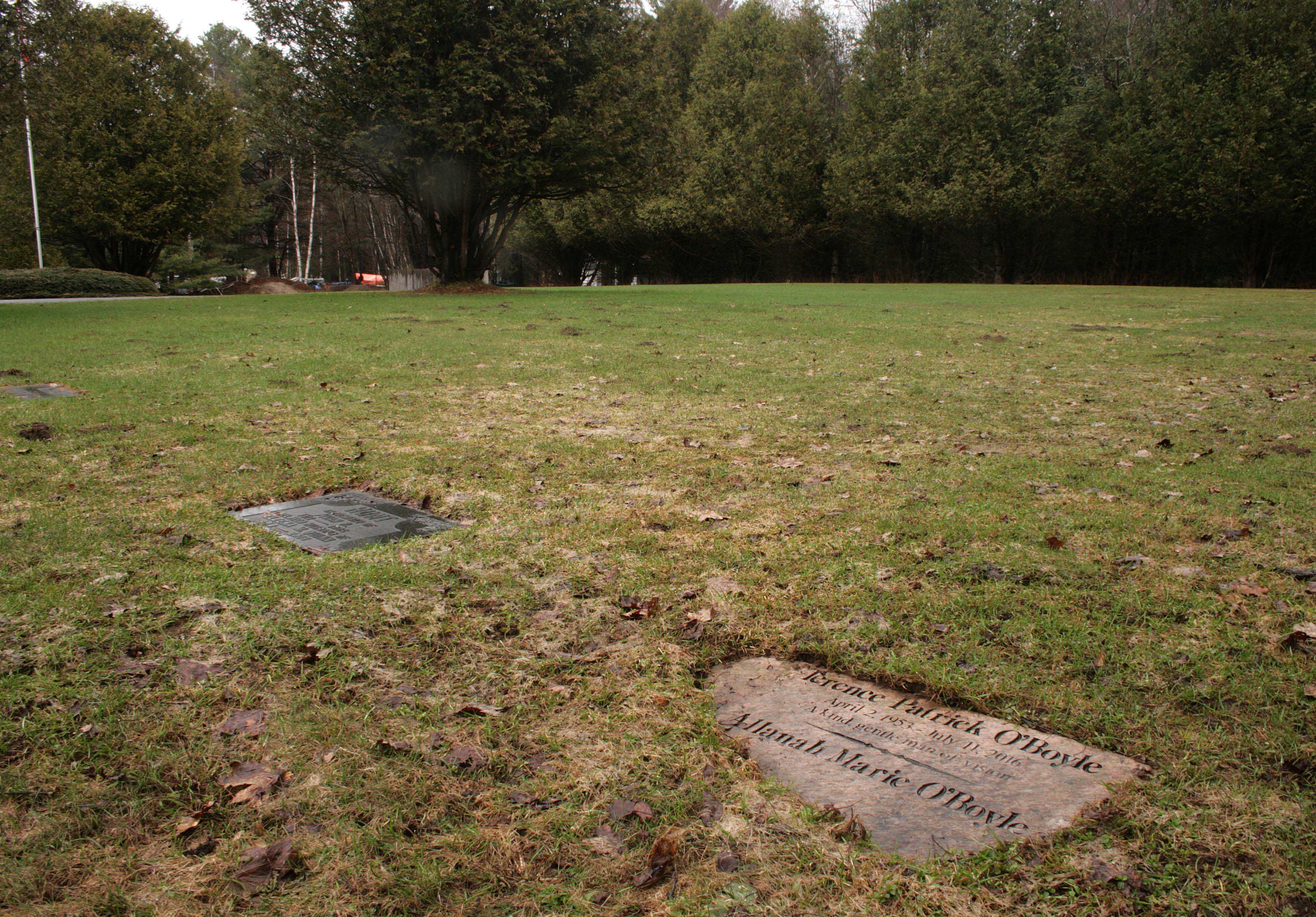
Carling Cemetery is a lawn park cemetery, so the grave markers lie flat against the ground. I had a bit of trouble finding Terry’s marker at first, but after wandering around for a while, I finally spotted it.

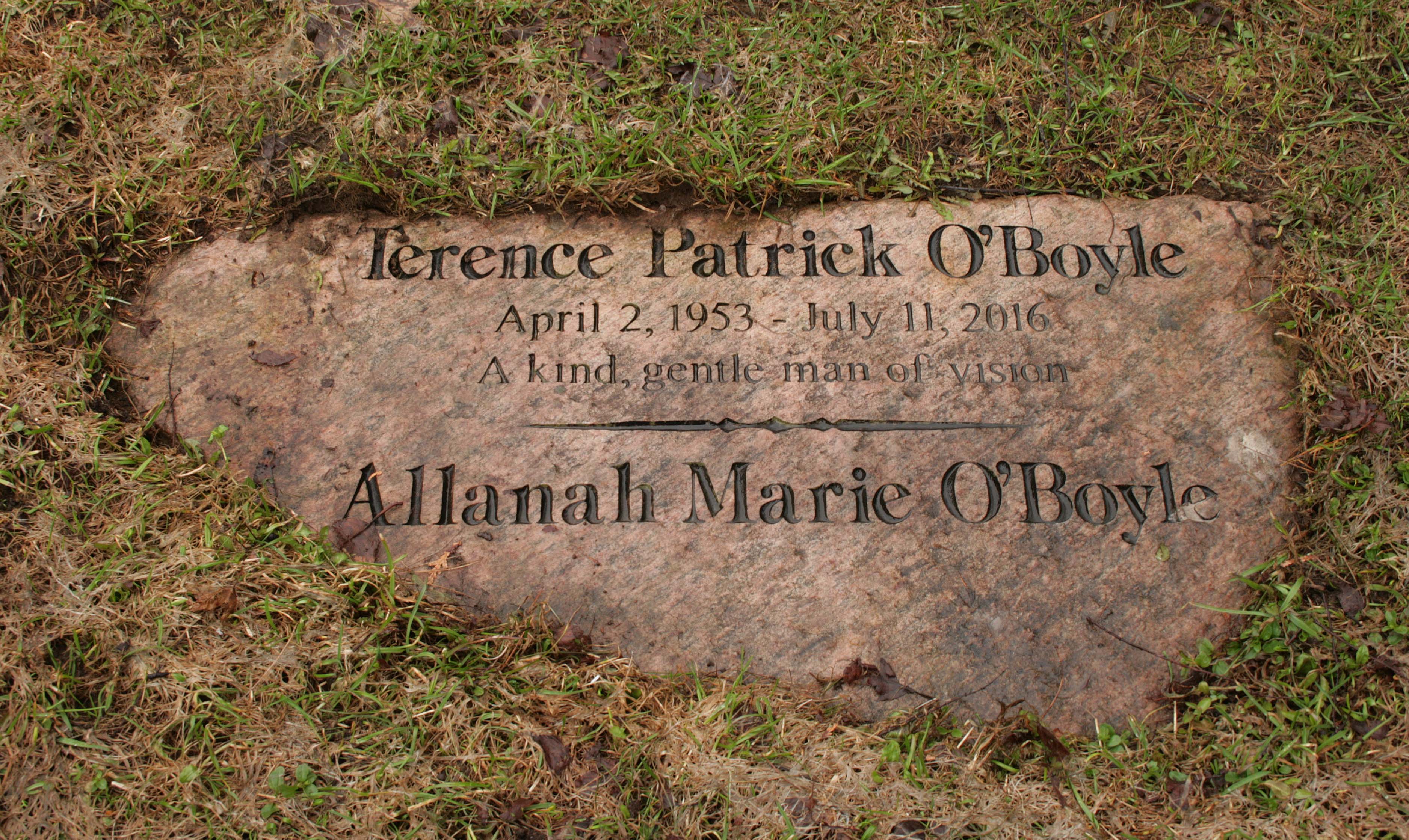
It’s a simple pink granite stone with his name, dates, and the words “a kind, gentle man of vision.” His wife, Allanah Marie O’Boyle, is also named on the marker, although no dates have been added beneath her name.

I brought along a little stuffed ghost to photograph with his marker. I don’t usually bring props or mementos to cemeteries, but it seemed fitting for someone who spent so much time exploring ghost stories. It was my own small way of connecting his work to mine.

I never had the chance to meet Terry in person, but I can’t help wondering what we might have talked about. His books have inspired so many of my cemetery road trips and Stone Stories, and I’ve really enjoyed discovering the places and stories through his work.

Before leaving, I took a moment at his grave to pay my respects and thank him for all the inspiration, and for sharing so many stories with us.
Terry Boyle’s books continue to introduce readers to Ontario’s unusual history and supernatural stories. His work has certainly inspired me to get out and explore, and it’s a reminder that there are so many fascinating stories waiting to be found, so close to home. Sometimes they’re hiding in a haunted inn, along a quiet country road, or a cemetery with a story of its own.

Thank you, Terry, for inspiring me to explore new places, and share the stories I discover along the way.

And, as always, thank you for reading!


References:

  1. Terry Boyle (obituary) | Logan’s Funeral Home
  2. Terry Boyle – Ontario Historian and Author of the Haunted Ontario Series | ThatGrrl
  3. Terry Boyle | The Only Time this Ghost Author saw Something Move | Ghost Walks
  4. Terry Boyle: Experience Bracebridge | Ghost Walks
October Cemetery Stories: Discovery Harbour

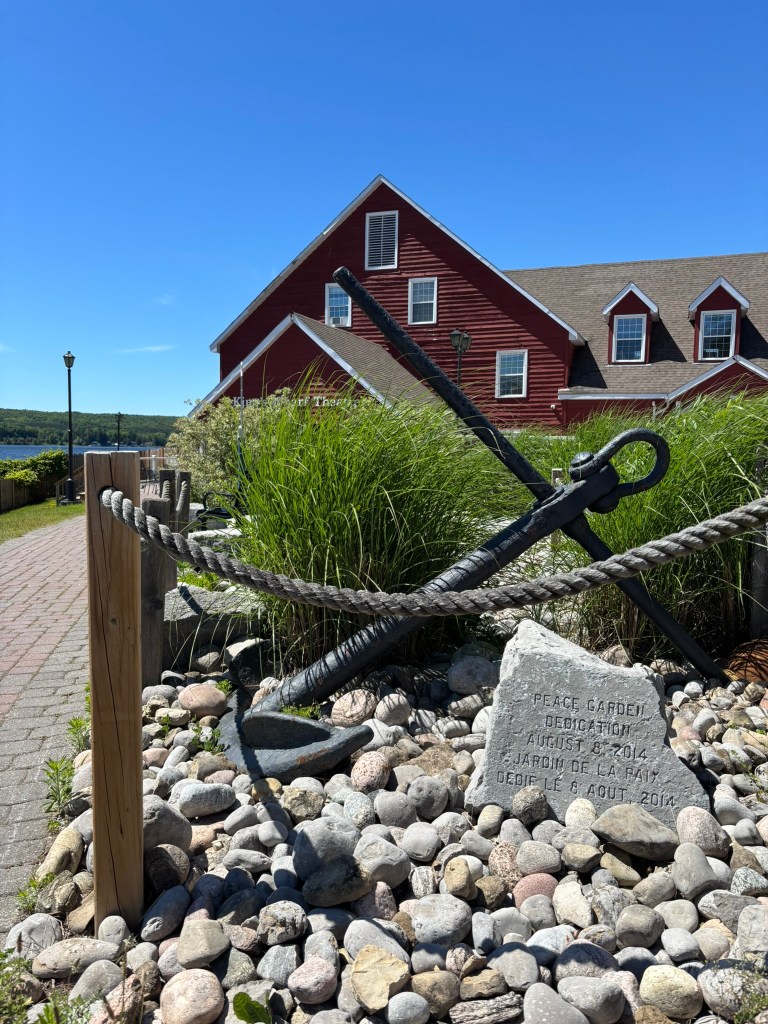
Earlier this year, my mother and I visited Discovery Harbour in Penetanguishene, Ontario, a historic naval and military site with a small cemetery and a reputation for ghostly sightings.

The cemetery was at the top of my list, but there was plenty of history to discover along the way.

Discovery Harbour started as a British naval base at Penetanguishene Bay. The location was chosen because of its position on the Great Lakes.1 Although the bay was identified as a possible site as early as 1793, construction didn’t begin until 1817.¹˒² Ships, sailors, soldiers, civilian workers, and their families all called this remote outpost home.¹

In 1828, a British military garrison moved from Drummond Island to Penetanguishene, joining the naval base.² The Navy left in 1834, but the military stayed until the site closed in 1856.²˒³

The historic buildings and replica ships are still there to explore today. We didn’t have time to see everything, though, since I was eager to find the cemetery.

I asked at the ticket desk where to find it as soon as we arrived. The staff marked it on a map, and a staff member, in full costume, offered to walk my mother and I there. Along the way, he told us a bit about the site’s history.

He also pointed out the replica ships in the harbour and told us that visitors can go aboard them. Unfortunately, we didn’t have time to check out the ships, but I enjoyed hearing the history of how the site went from a naval base to a military outpost.

Haunted

Staff and visitors have reported strange sightings at Discovery Harbour for years.⁴

Some of the stories include children looking out of a window and an apparition of a woman in a white dress.⁴ Staff also reportedly saw something sitting on a chair inside one of the buildings. When they left and came back, it had disappeared.⁴

Staff eventually gathered these stories together and started offering Ghost Tours.⁴

There have been some strange reports involving photographs, too. One visitor captured what appeared to be a woman in a blue dress reflected in a mirror, while another photo showed a skull-like image on a wall.⁴ Others have captured translucent orbs, and a film crew working on Haunted Huronia reportedly filmed something crossing in front of the camera in the Keating Building.⁴

Old Garrison Hospital Cemetery

The Old Garrison Hospital Cemetery, also known as the Penetanguishene Military Hospital Cemetery, is tucked away between historic buildings, at the bottom of a sloping hill.

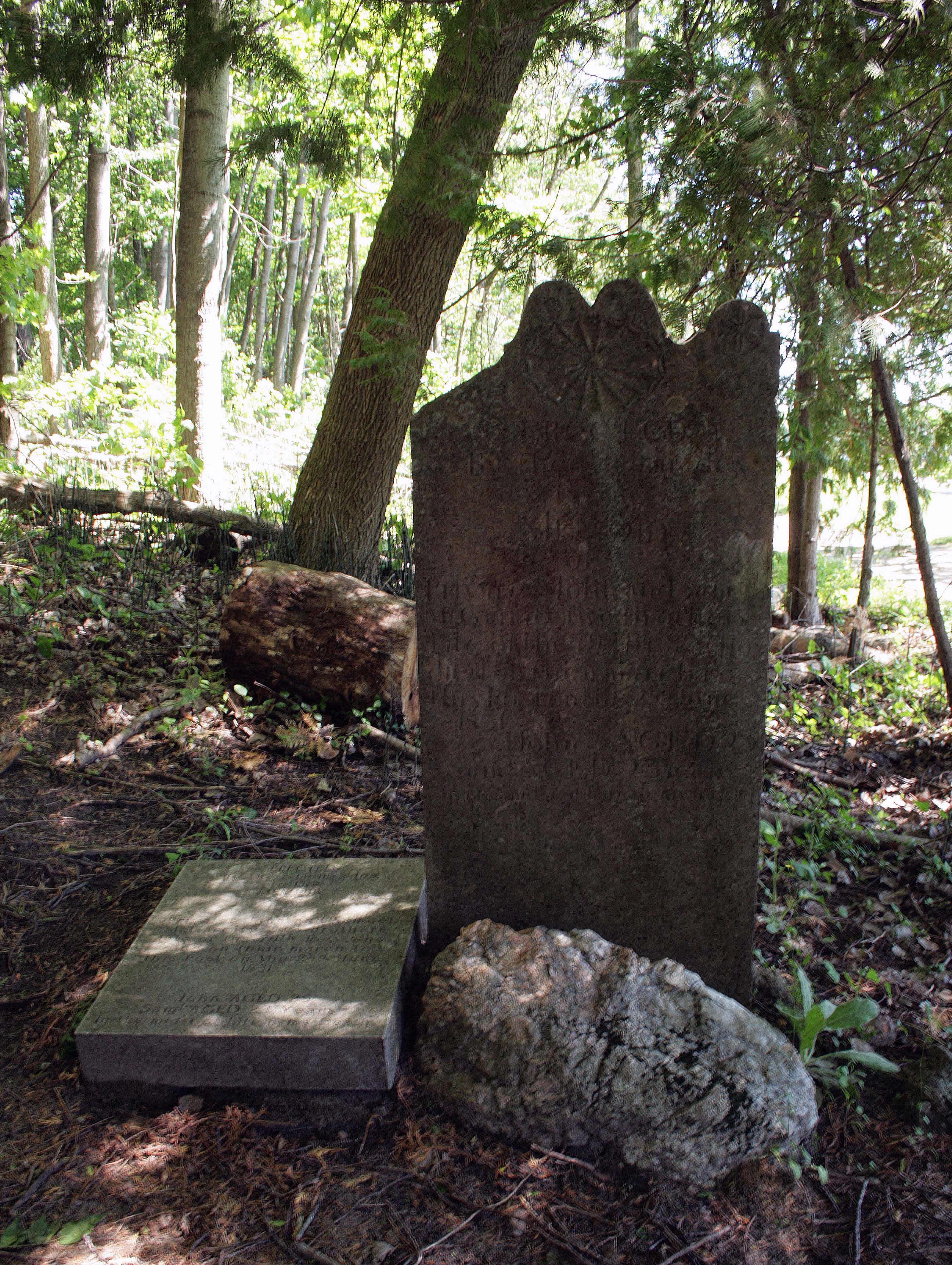
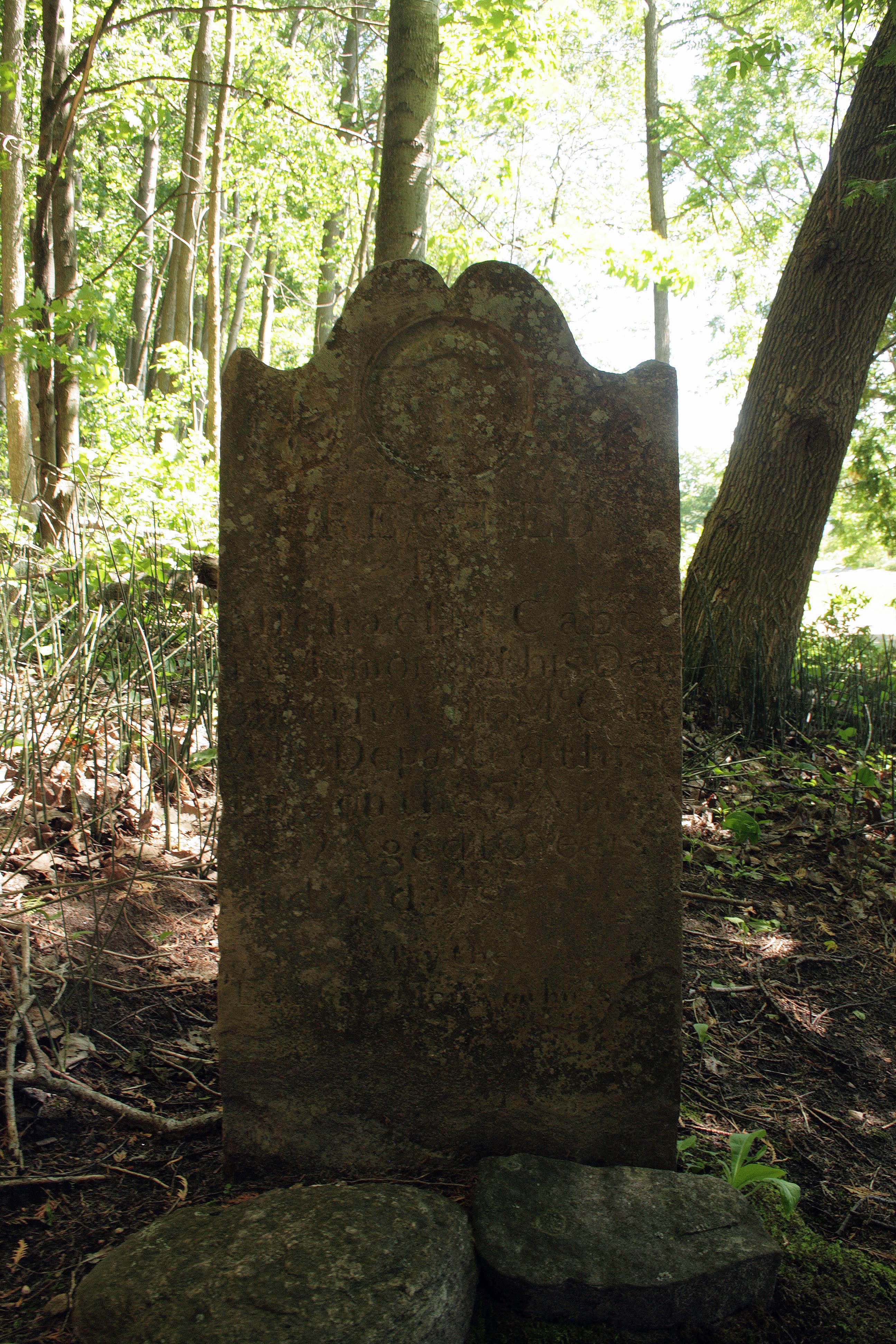
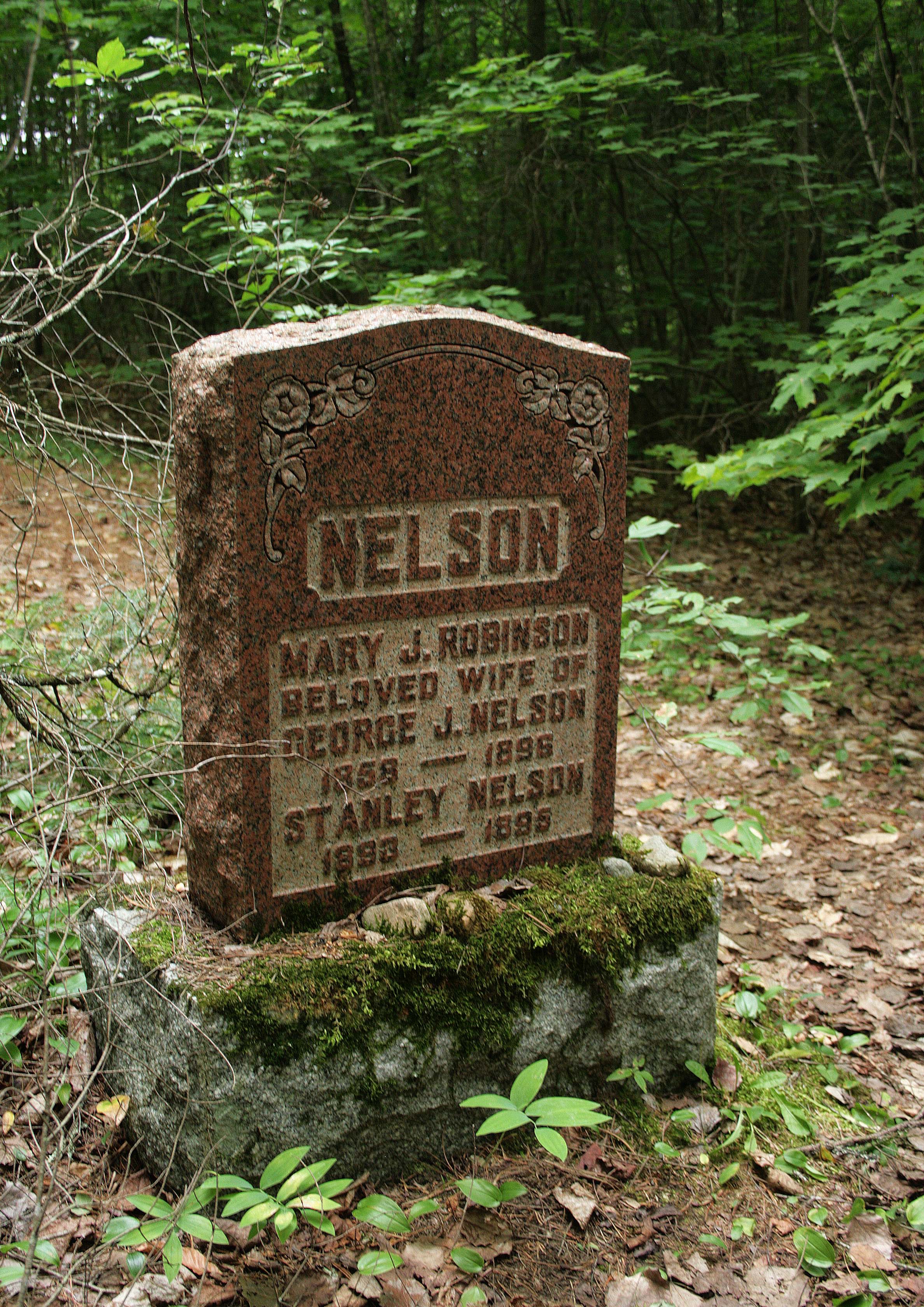
There are only two gravestones here, but they commemorate three people.

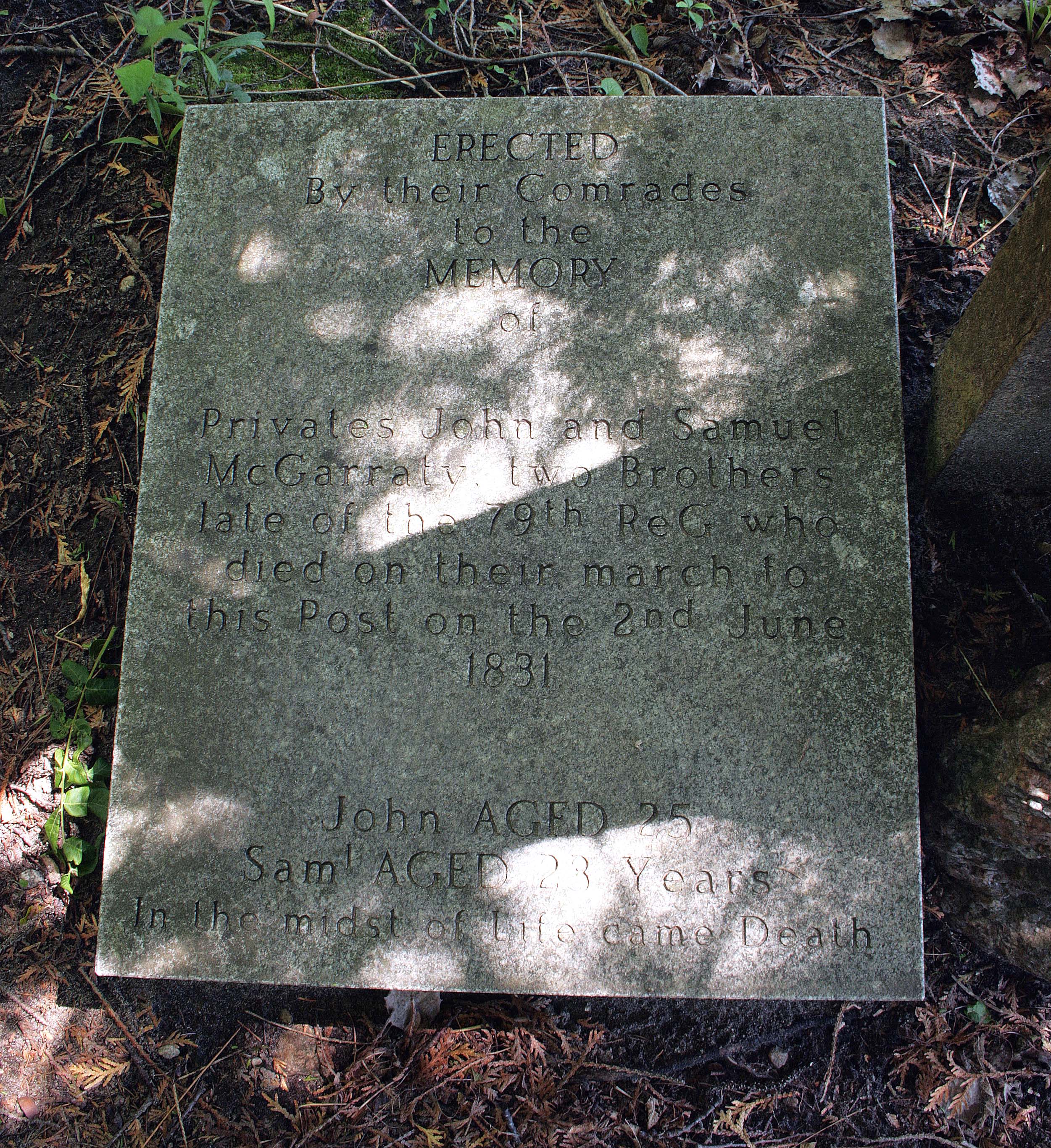
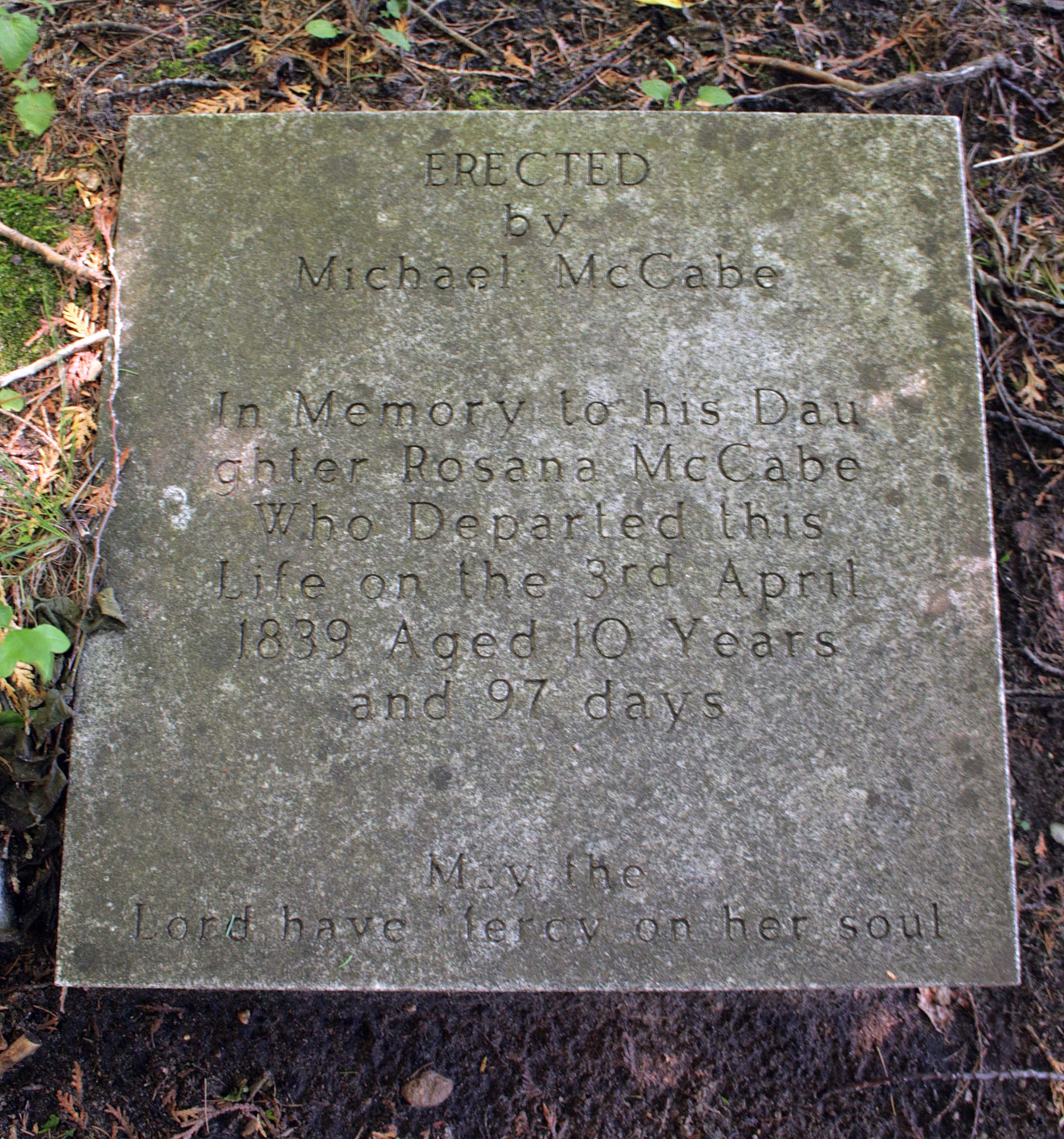
Something I noticed was that each original gravestone has a second stone beside it, with the same inscription engraved on it. The original stones have weathered quite a bit over the years, making some of the writing difficult to read. The extra stones make it much easier to read the names and epitaphs.

Our guide told us a little about the three people buried here.

The McGarraty brothers, John and Samuel, were privates in the 79th Regiment, travelling along the muddy Penetanguishene Road in June 1831. One brother became ill and was left in the care of the other. When their fellow soldiers returned with help, both brothers had died.¹

The story goes that fever killed one brother, while the other died from the terror of being left alone in the woods.¹

“ERECTED / By their Comrades / to the / MEMORY / of / Privates John and Samuel / McGarraty. Two Brothers / late of the 79th ReG who / died on their march to / this Post on the 2nd June / 1831 / John AGED 25 / Saml AGED 23 years / In the midst of life came Death”

Unfortunately, our guide wasn’t able to tell us much about Rosana McCabe, only that she died from an illness at just 10 years old and that her father had her buried here.

“ERECTED / by / Michael McCabe / In memory to his Dau / ghter Rosana McCabe / Who departed this / Life on the 3rd April / 1839 Aged 10 Years / and 97 days / May the / Lord have mercy on her soul”

There may be more people buried here than we know.

Wooden markers rot away, and gravestones can become buried over time, so some graves may have been lost without a trace. These two remaining stones give us a glimpse into the lives of those buried at Discovery Harbour.

After chatting with the staff about my cemetery photography, our conversation turned to some of the other stories connected to the site. They told us about the Ghost Tours and Secrets of Séance events they offer. I haven’t had a chance to experience either one yet, but I’d love to return and hear some of these stories for myself.

Between the cemetery’s history and the reports of strange happenings around the site, Discovery Harbour has given me another reason to plan a return visit.

Thanks for reading!

References:

  1. The History of Discovery Harbour | Discovery Harbour
  2. Welcome to your digital tour of Discovery Harbour | Huronia Historical Parks
  3. Naval and Military Establishments on Lake Huron | Ontario Plaques
  4. Ghosts seem to reside at Discovery Harbour in Penetanguishene | Midland Mirror

October Stone Stories: Homer Watson, Spiritualist

When you think of famous Canadian artists, you might picture their paintings hanging in a gallery. But what if their former home also has a few ghost stories to tell?

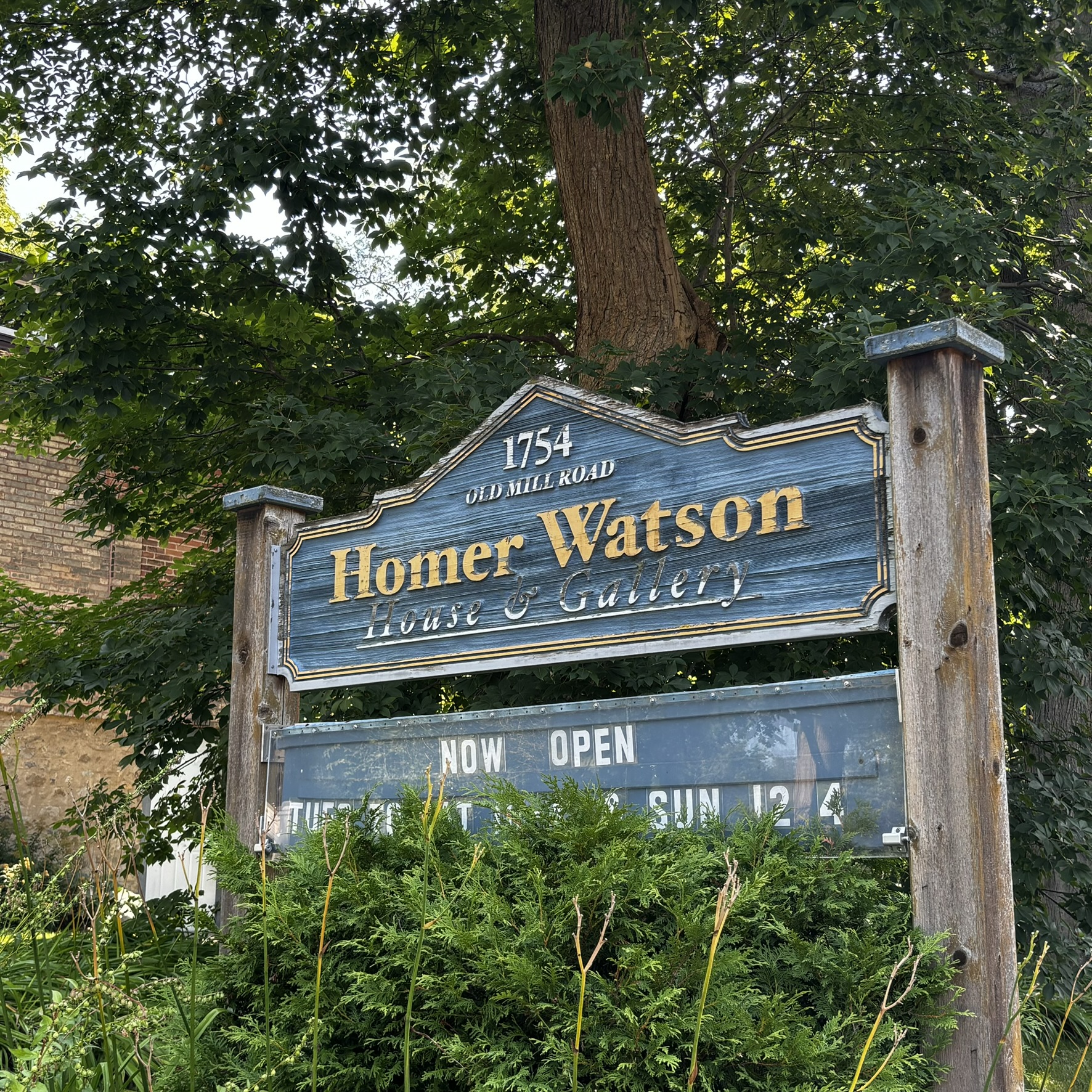
Back in 2024, my mom and I visited the Homer Watson House & Gallery in Kitchener, Ontario, as part of a Guess Where Trips Historic Haunts adventure. Guess Where Trips creates surprise road trips with pre-planned stops, so you can discover hidden gems and local history without having to plan the whole day yourself. I wrote about our adventure in a previous blog post, Cemetery Road Trip: Guess Where Trips.

On our visit to the house, we let the staff know we were particularly interested in its haunted history, and they kindly gave us a private tour, focused on the ghost stories.

The Artist

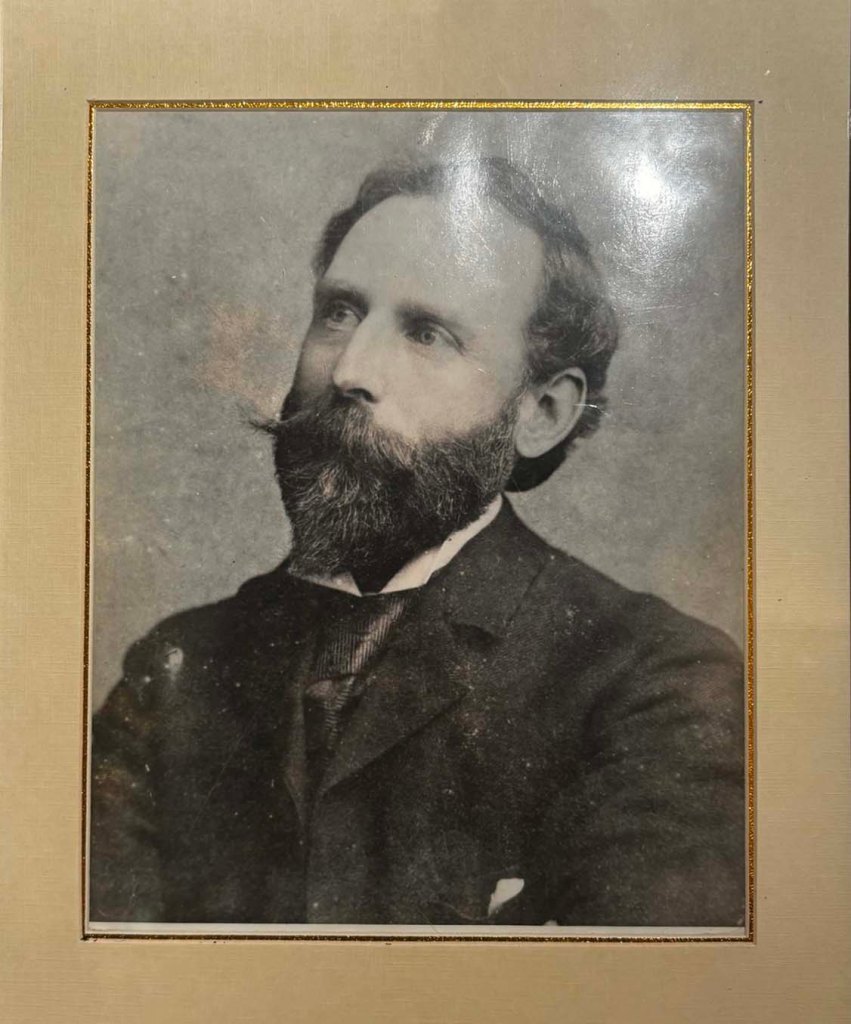
Homer Ransford Watson was one of Canada’s best-known landscape artists. Born in 1855 in Doon, now part of Kitchener, Ontario, he developed an interest in art at a young age and received his first set of watercolour paints when he was eleven.¹ He had little formal training, but learned by studying other artists and copying prints.¹ He eventually became known for his landscape paintings, many of which were inspired by the countryside around his hometown.¹

Watson’s career took off in 1880 when he exhibited The Pioneer Mill at the first exhibition of the Royal Canadian Academy.¹ The Marquis of Lorne, Canada’s Governor General, purchased the painting as a gift for Queen Victoria.¹ The Queen acquired another of his paintings, The Last Day of the Drought, the following year.¹ His work eventually reached audiences beyond Canada, with exhibitions in cities including Paris, London, Glasgow, and Chicago.¹ He also became the first president of the Canadian Art Club.¹

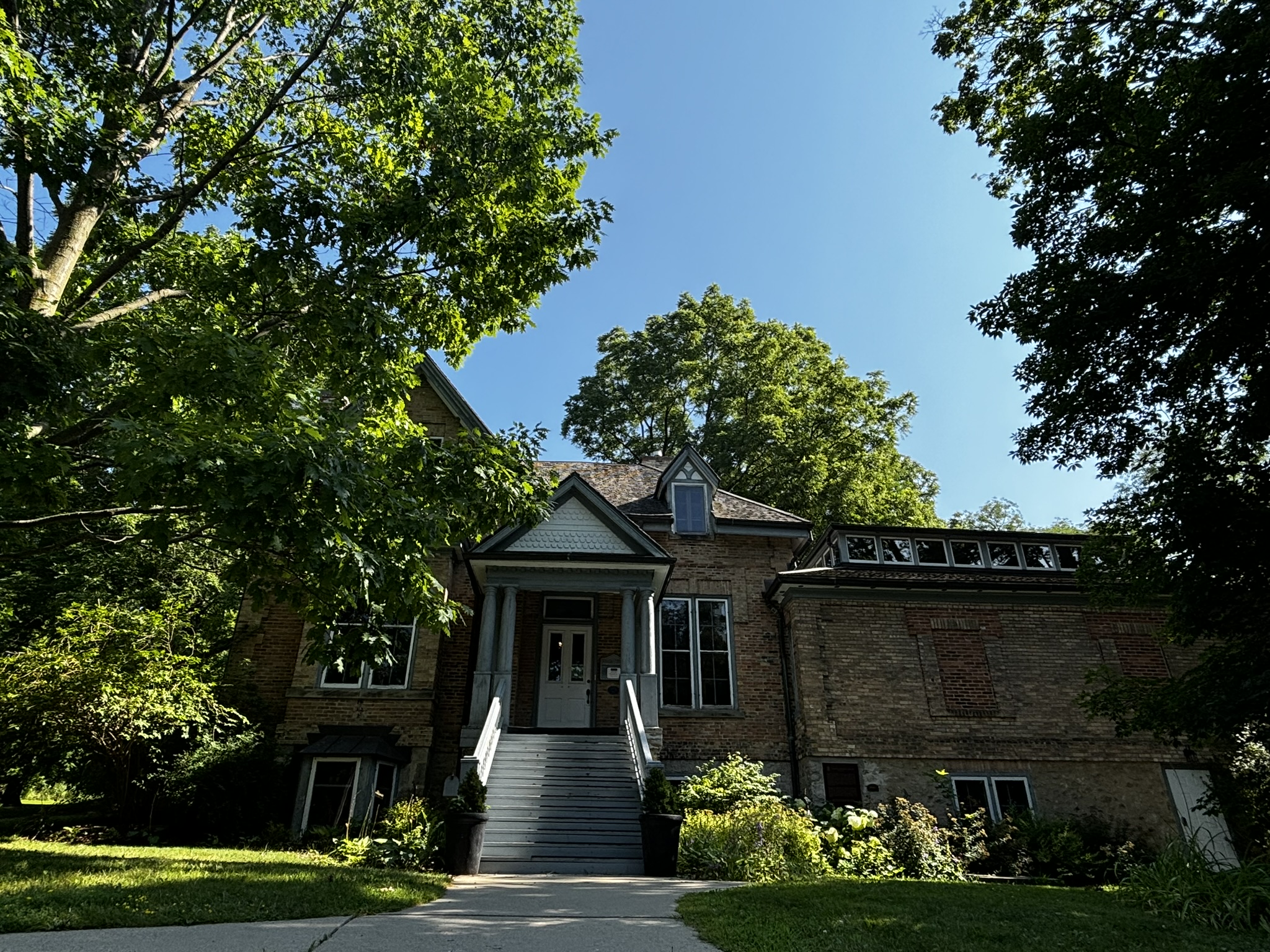
Today, his former home is a museum and art gallery, where we got to learn more about his life, his art, and some of his more unusual interests.

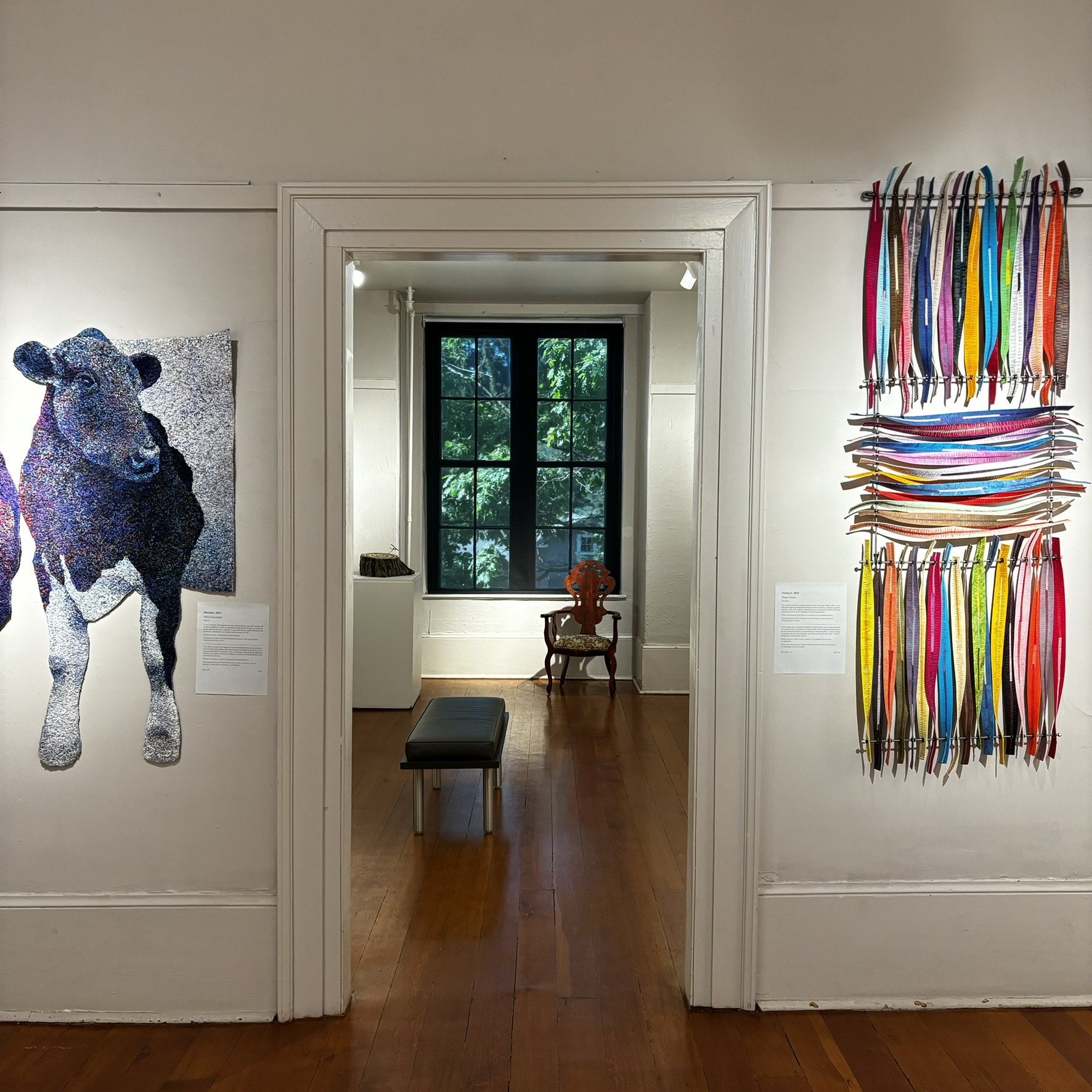
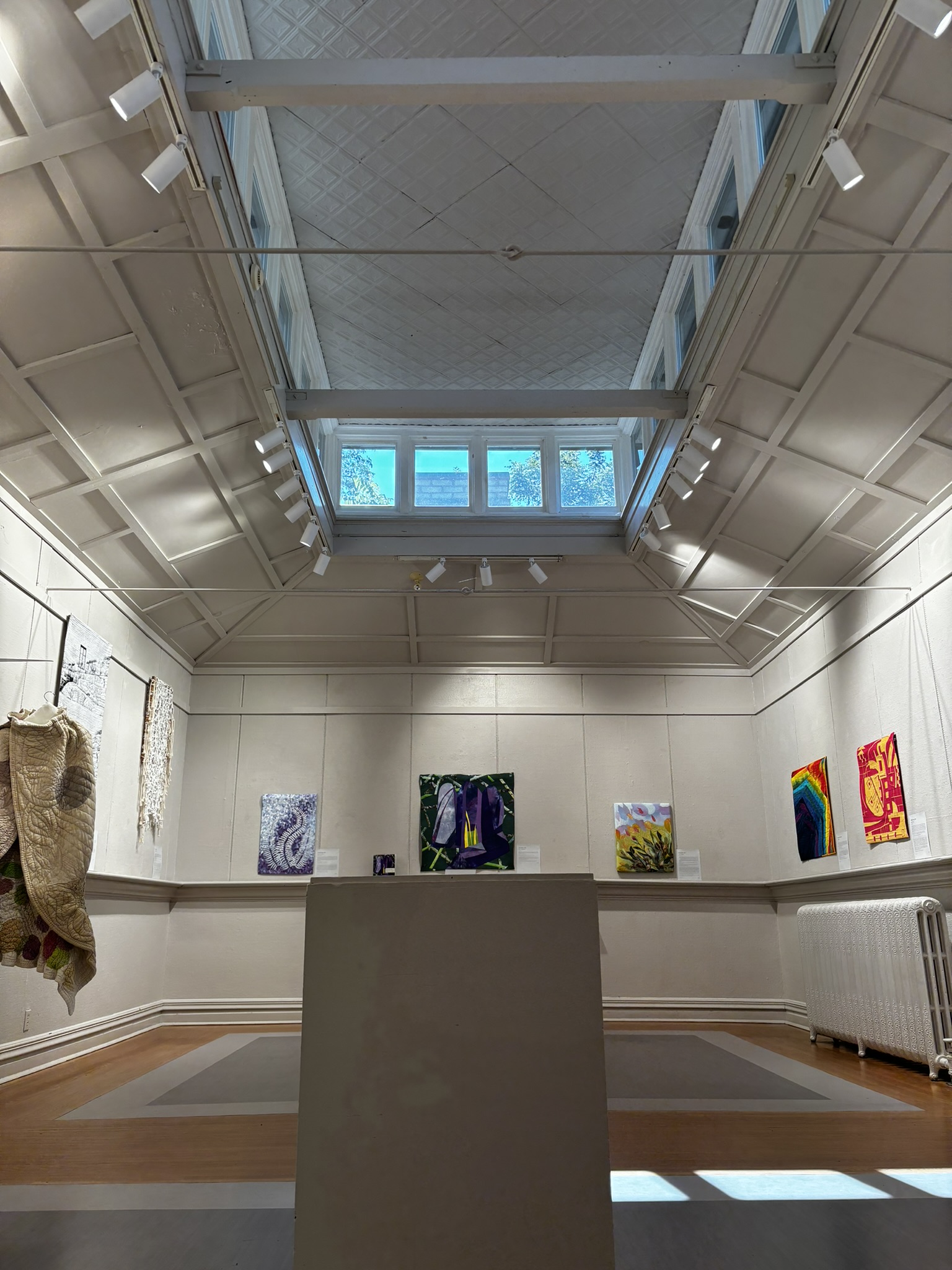
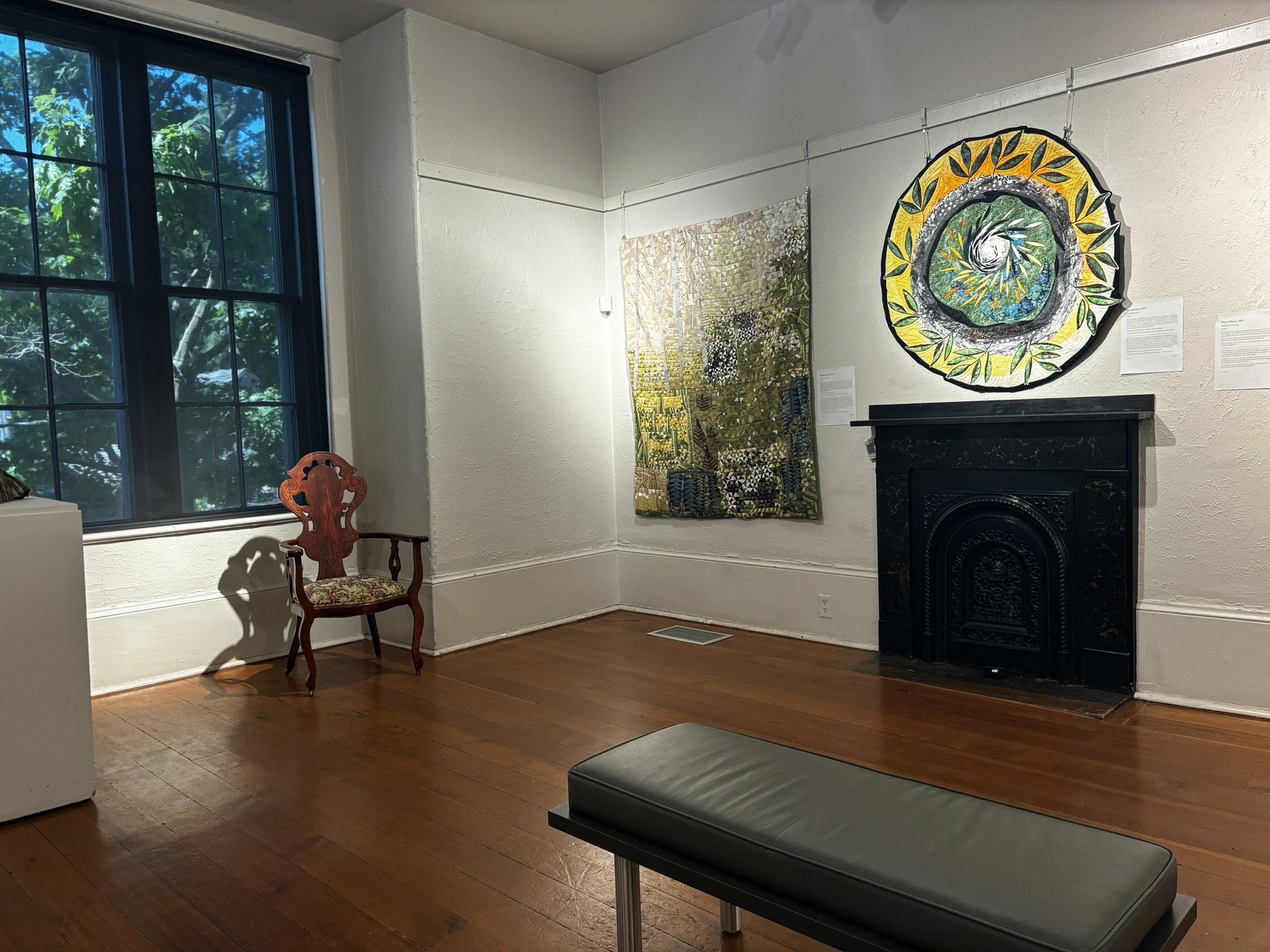
We toured the rooms one by one, stopping to hear stories from our guide along the way. One of my favourite spaces was the art gallery room. Added in 1906, it has high windows that let in natural light without taking up valuable wall space.² The house didn’t get electricity until 1915, so that natural light would have been especially important.² The room is still used as an art gallery today.²

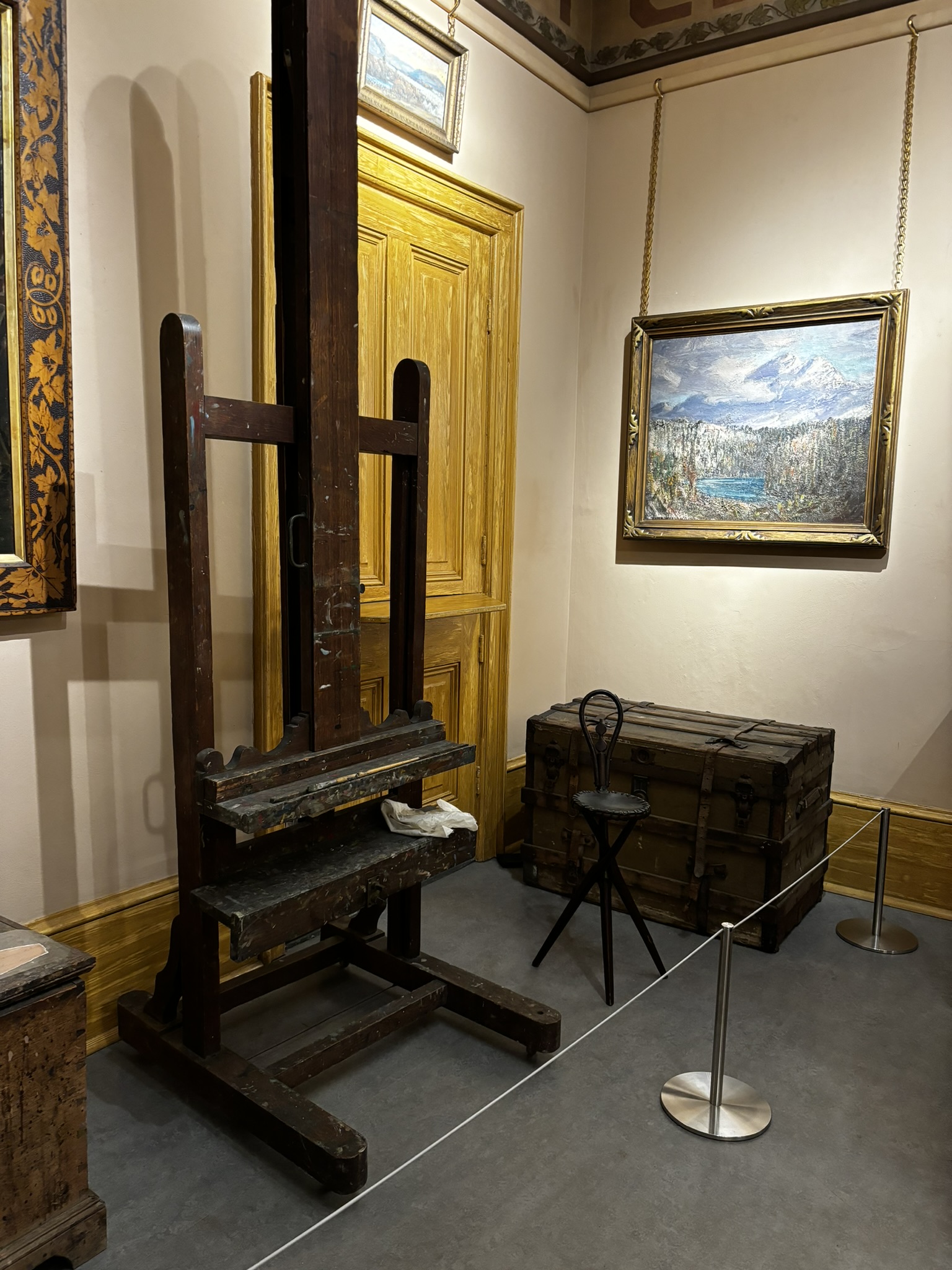
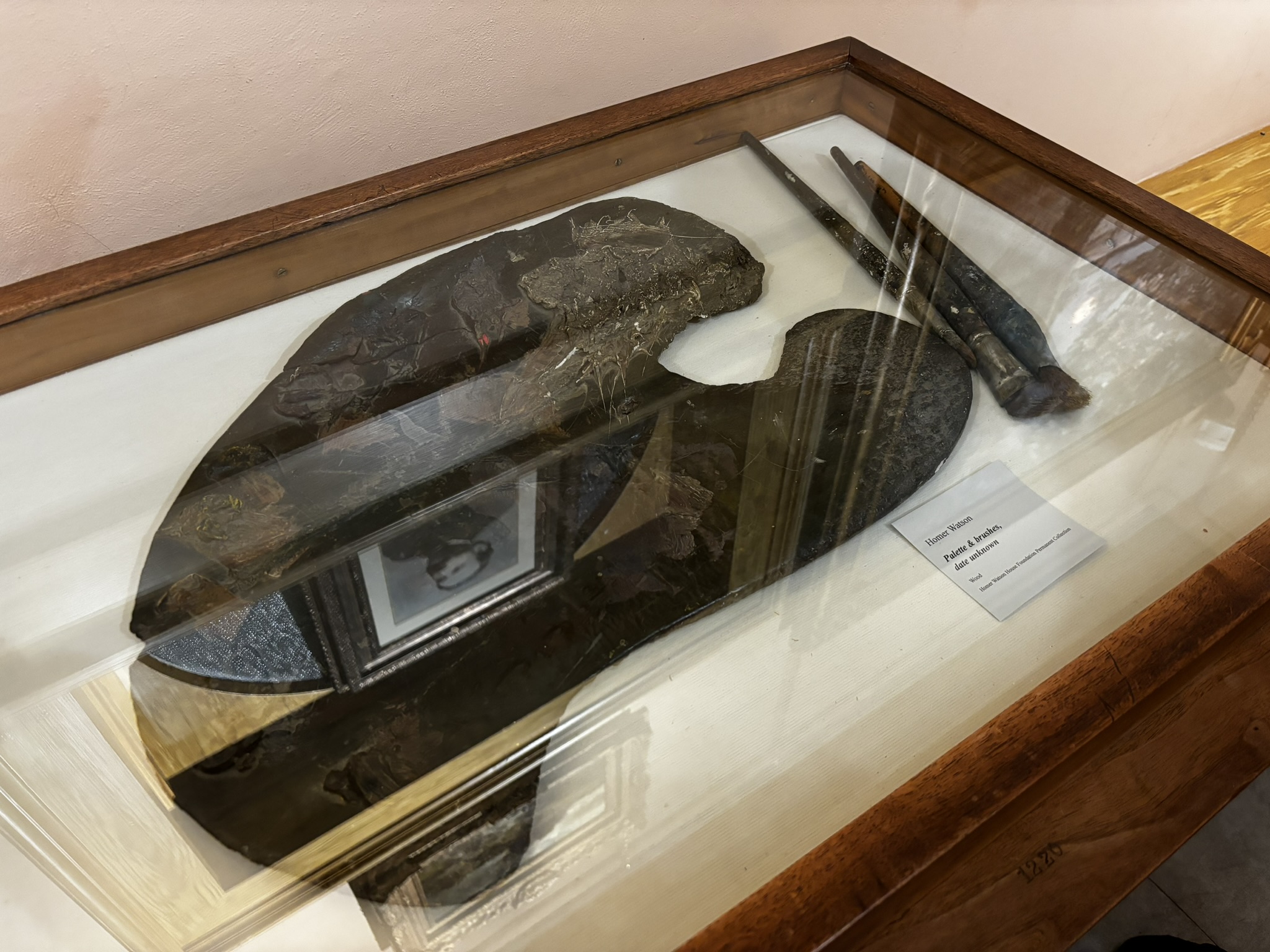
I also loved seeing some of the tools Homer used to create his paintings. His paint palette and brushes have been preserved, along with one of his easels.¹ According to the house’s history, he died in 1936, leaving an unfinished painting on his easel.¹

The Spiritualist

The room that really caught my attention was the front parlor.

Homer Watson was a Spiritualist who believed in communicating with the dead, and the front parlor was one of the spaces where he held séances. Spiritualists believed they could connect with the spirit world, through séances or mediums.

And he wasn’t the only notable figure interested in spiritualism. William Lyon Mackenzie King, Canada’s tenth prime minister, was also a Spiritualist and became friends with Homer. The two participated in séances together, including one held in Homer’s parlor on a Friday the 13th.3

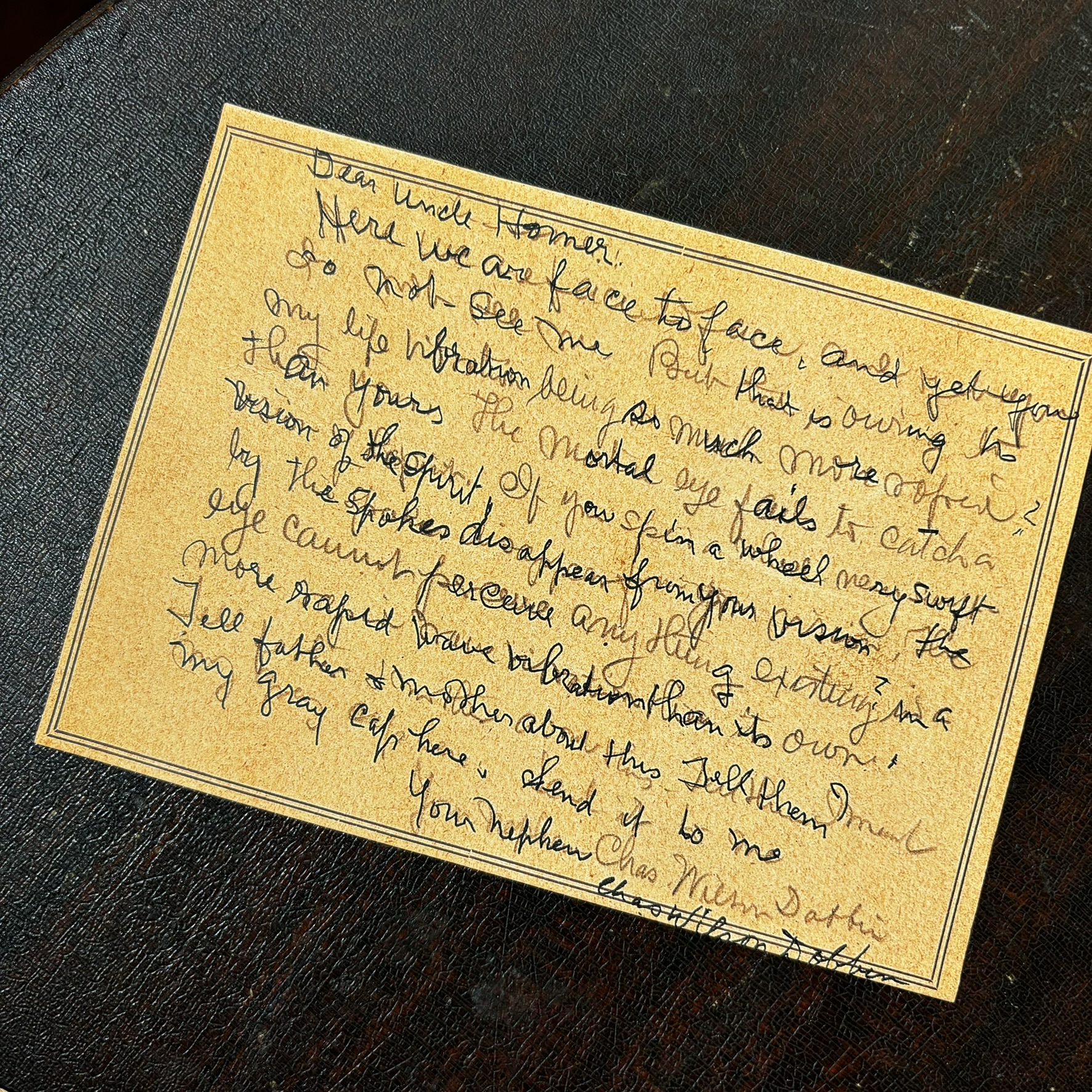
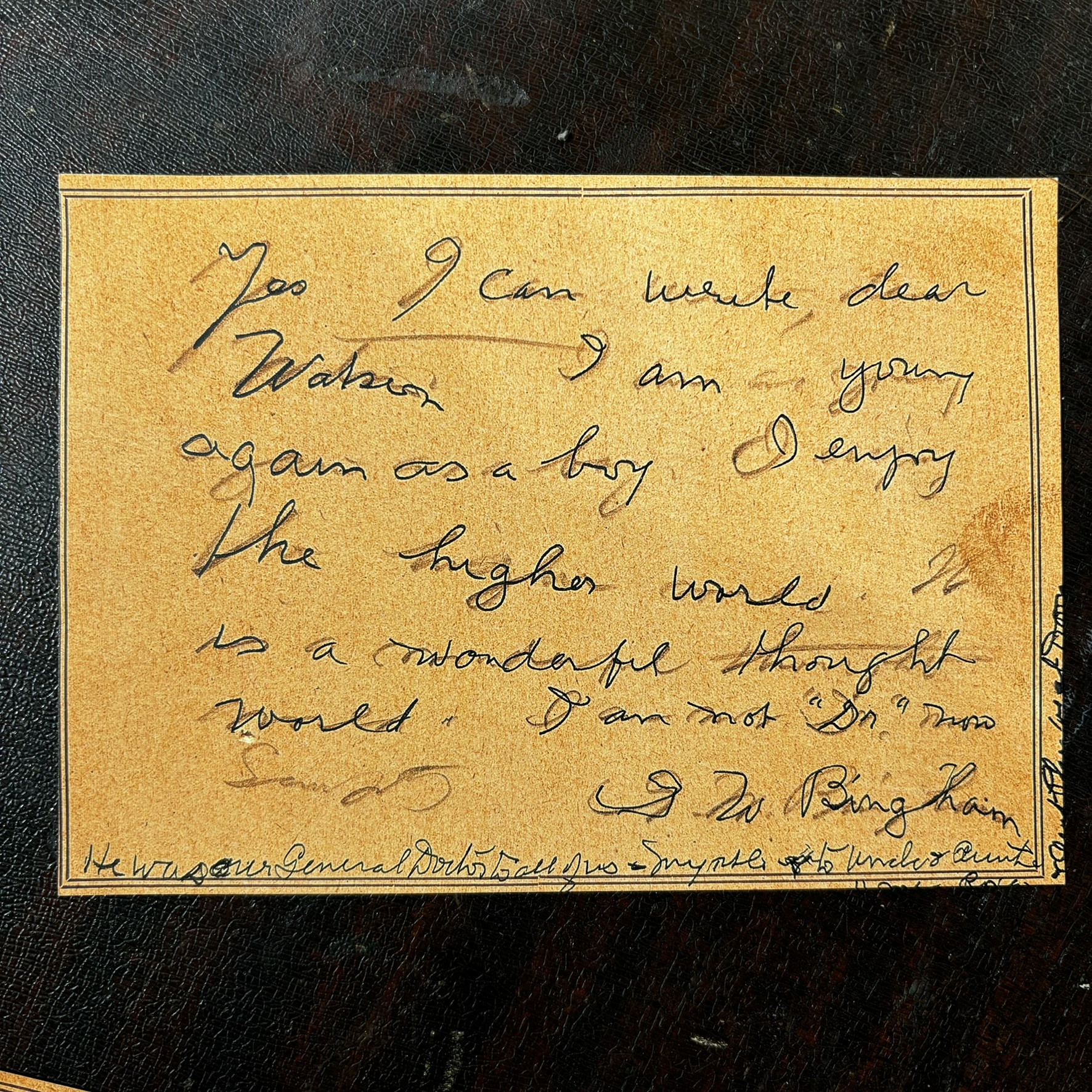
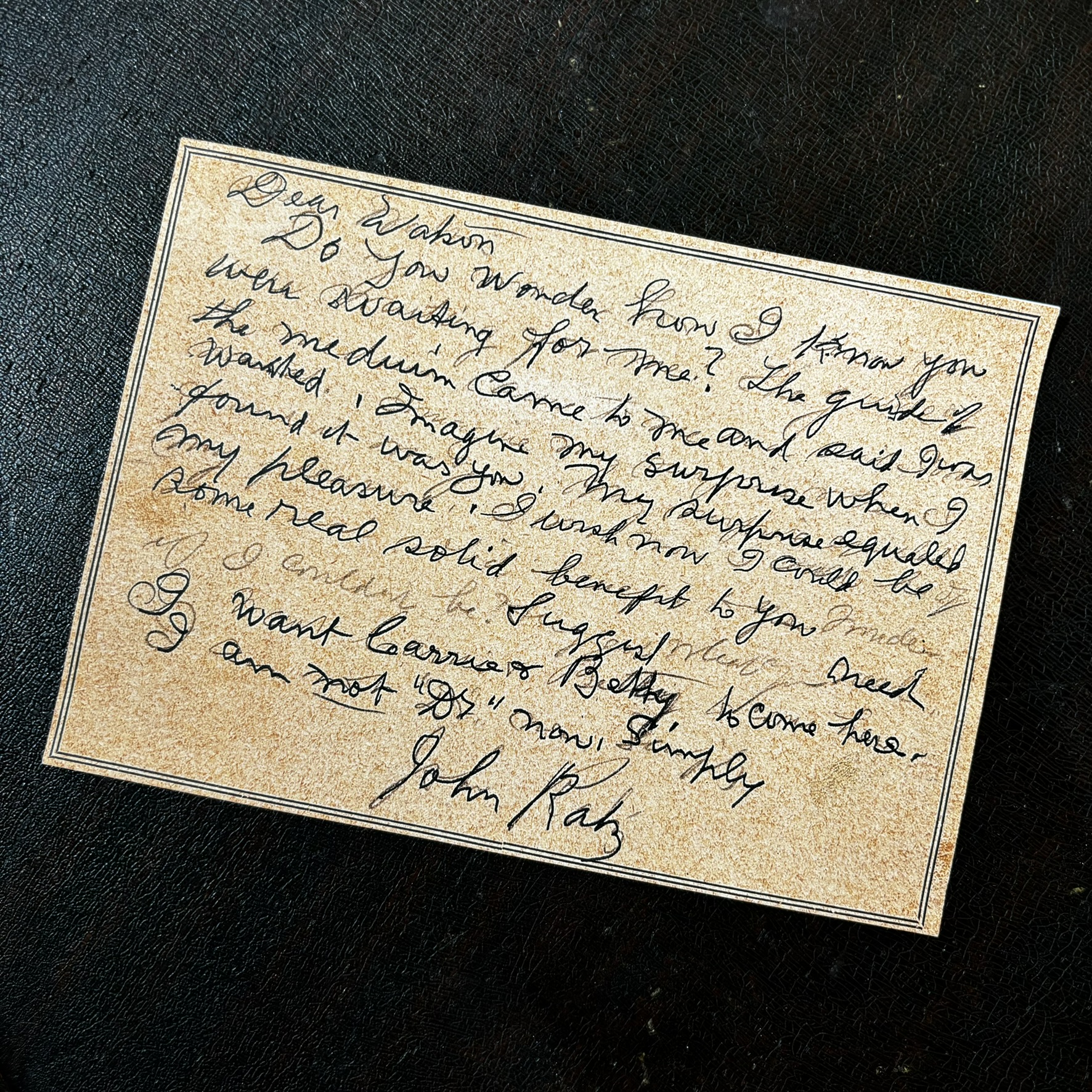
One of the artifacts I found most interesting was a collection of spirit cards. These were used during séances to record messages believed to come from the other side. Some feature Homer’s own handwriting, and the gallery has transcriptions to help visitors understand what the cards say.

Homer’s interest in Spiritualism became especially significant after the death of his wife, Roxanna, in 1918.3 The two had been married for nearly four decades, and she had been an important source of support and artistic advice throughout his career.3 After her death, Homer struggled with his painting until he experienced what he believed was a visit from her spirit.3

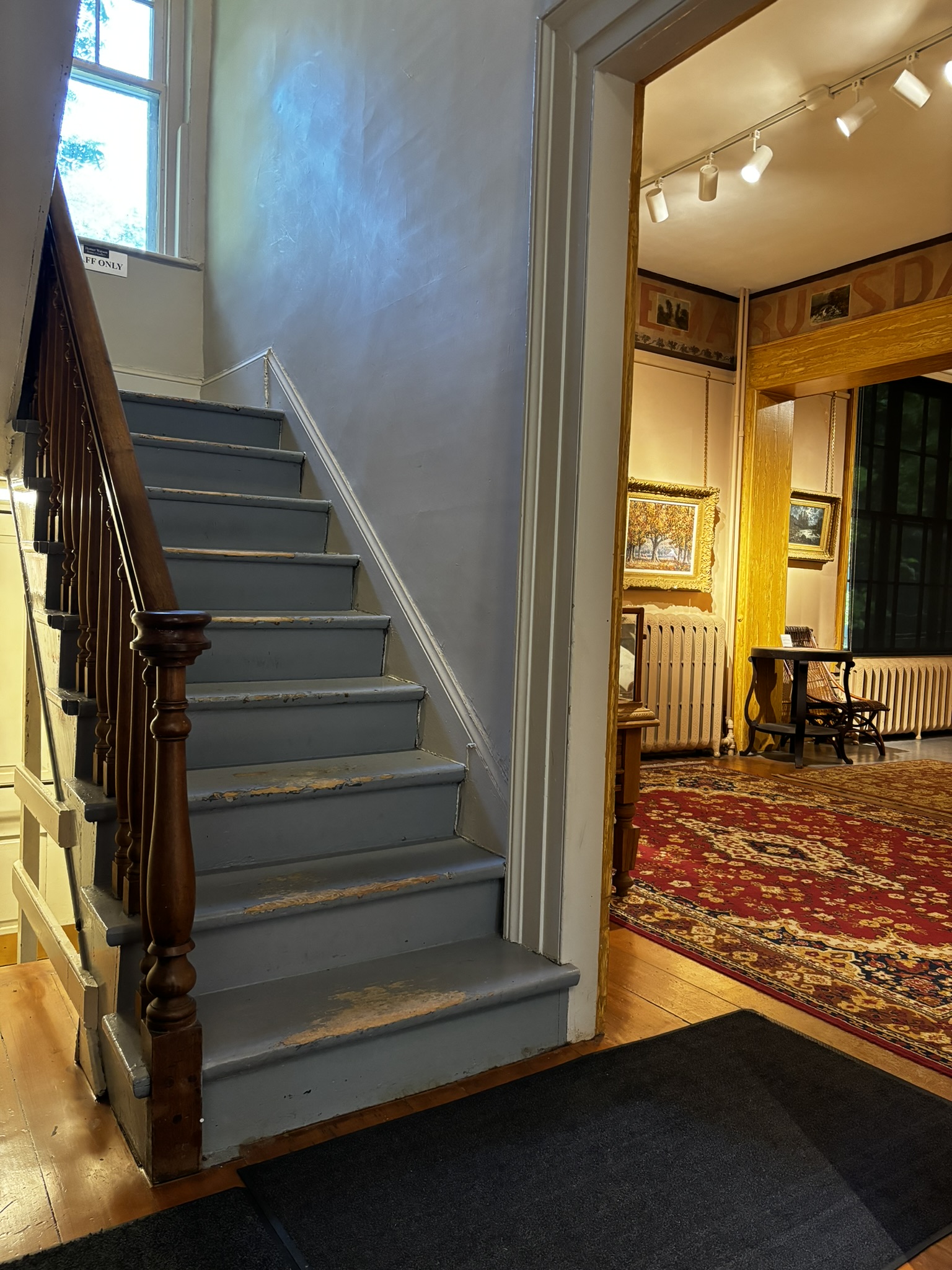
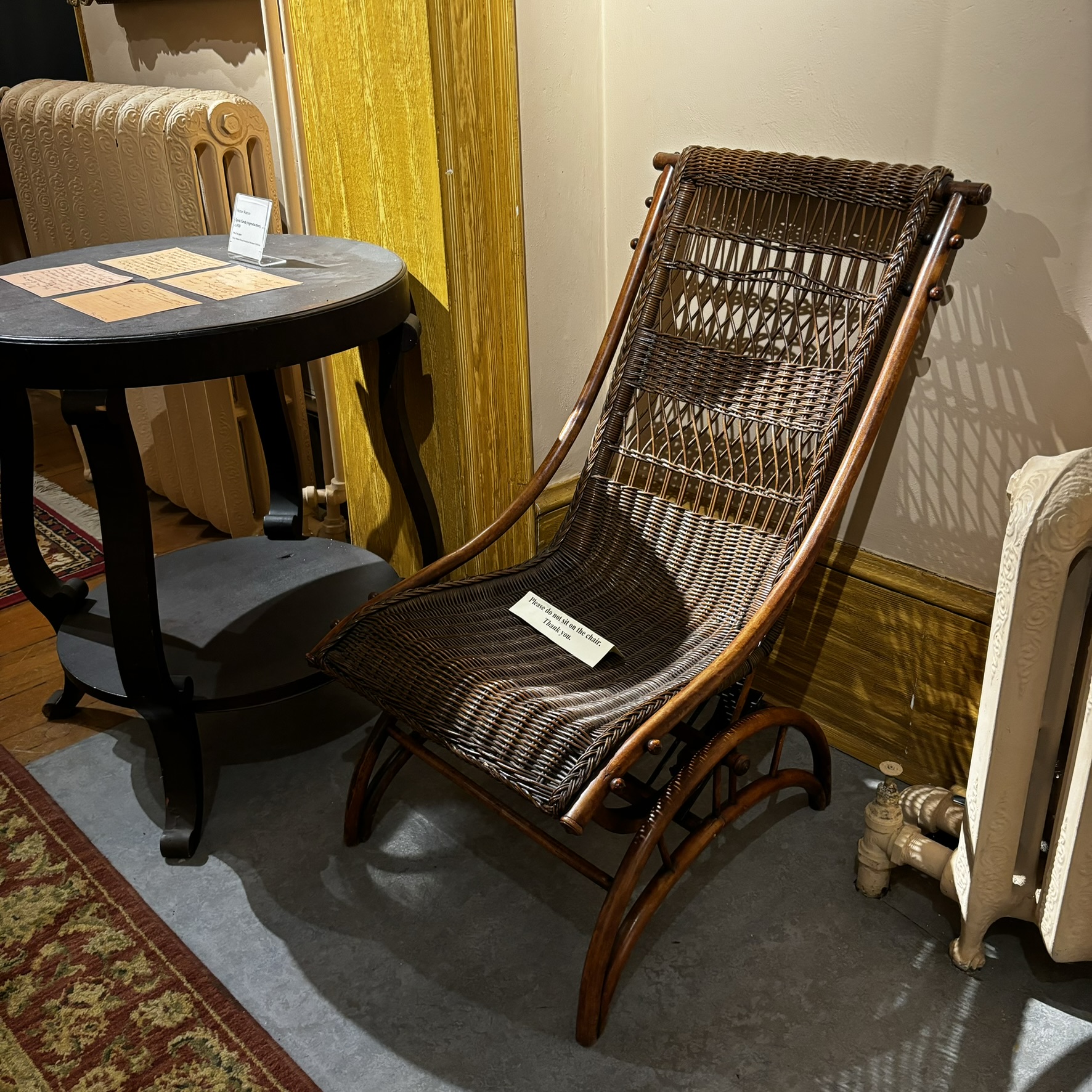
According to the story shared by the gallery, Homer was sitting in his studio when he saw Roxanna at the bottom of the staircase, surrounded by a curious amber glow. He recalled her telling him, “Do not despair. All is well, Homer.”3

The house still displays the chair associated with this story. Seeing it in person, alongside the staircase, made the story easier to picture. Whether you believe in ghosts or not, it’s an intriguing piece of the house’s history.

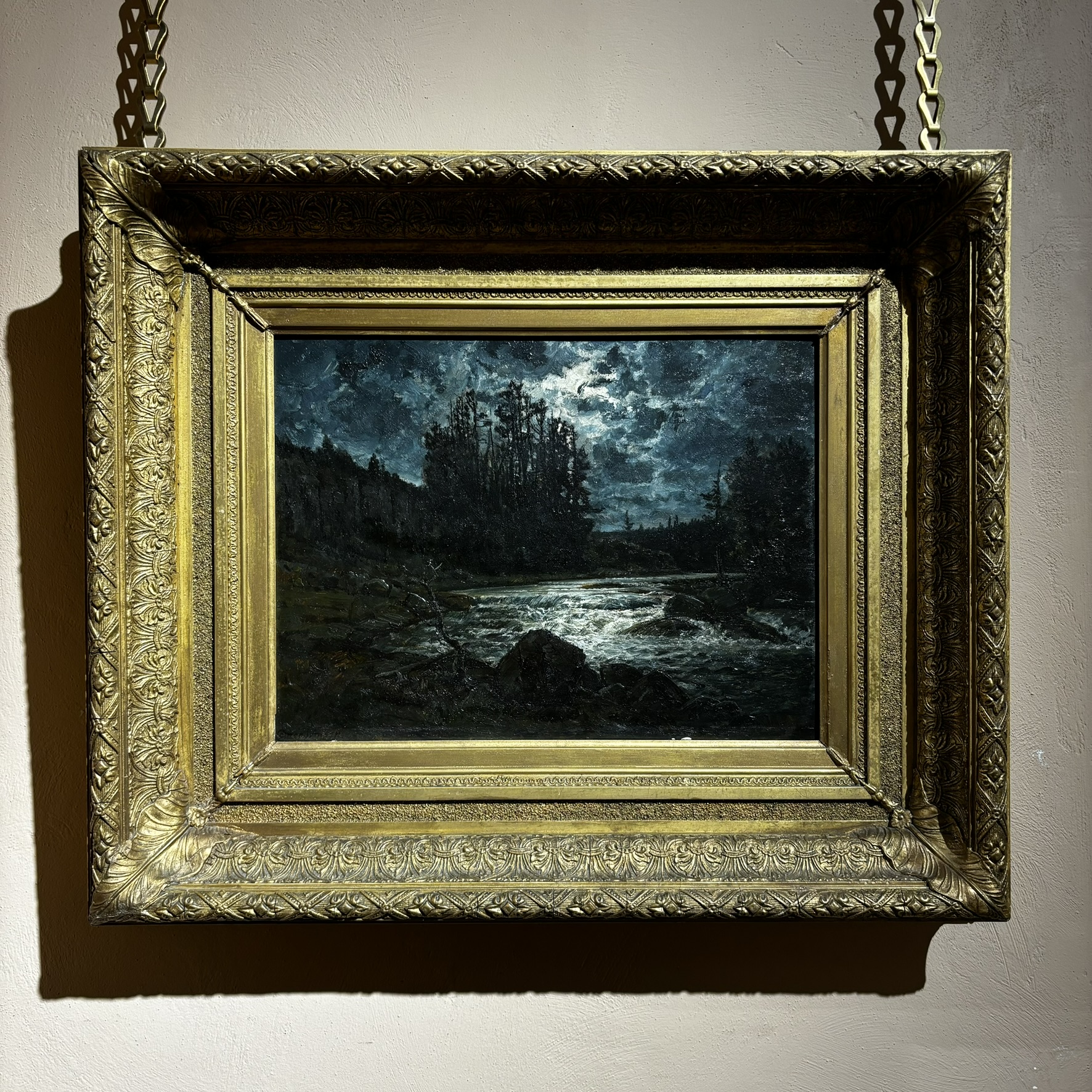
I was particularly taken with Watson’s painting, Untitled (River by Moonlight). The dark, moody blue tones and the moon peeking through the clouds made it especially beautiful. I later learned that Spiritualism influenced Homer’s artistic outlook, too. He saw his creative work as something connected to a greater spiritual force, making the relationship between his art and his beliefs even more interesting.3

Doon Presbyterian Cemetery

Of course, no Stone Stories post would be complete without a cemetery visit.

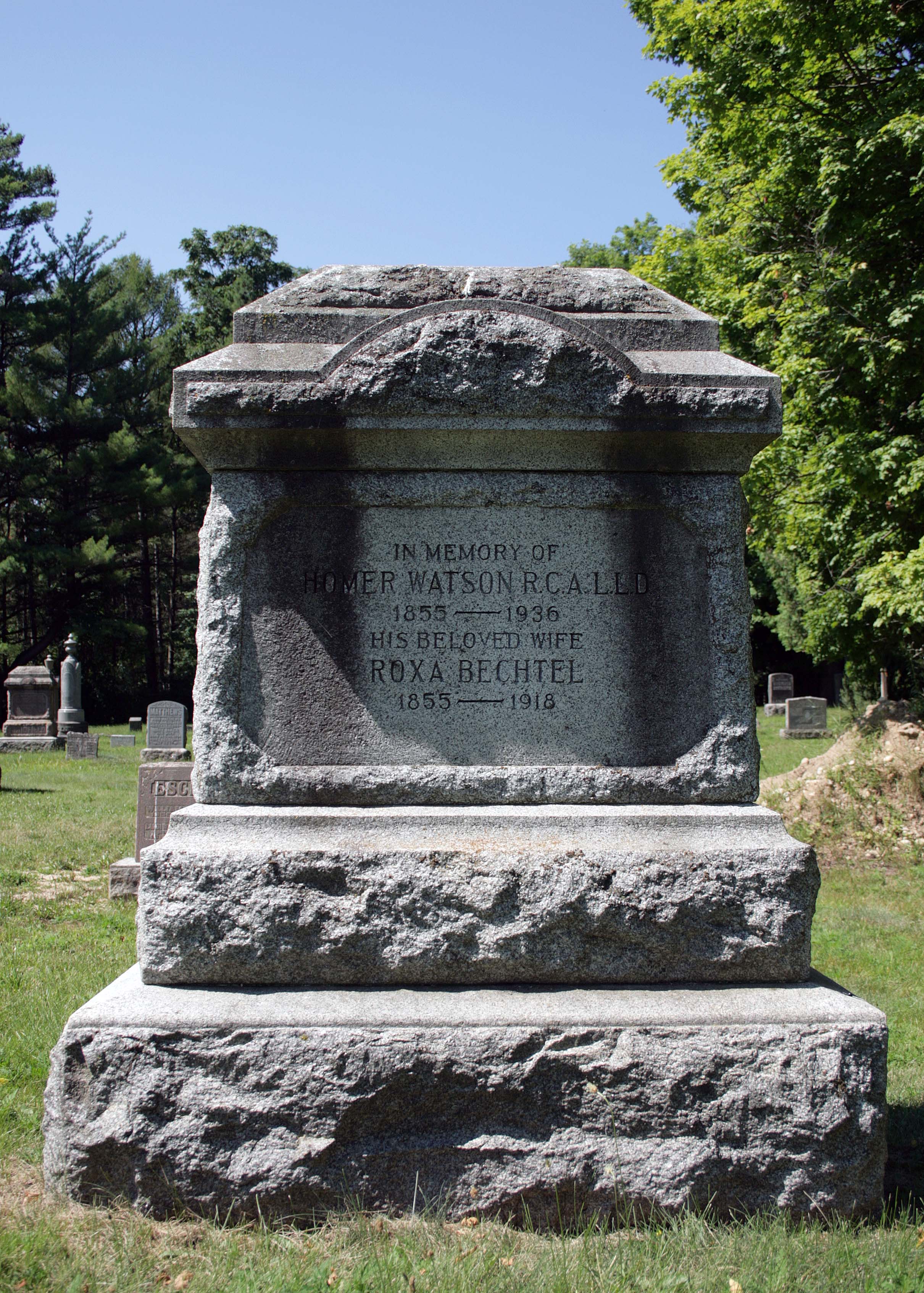
The staff were happy to point us in the right direction when we asked where Homer was buried. His grave is at Doon Presbyterian Cemetery, just a short walk from the house.4

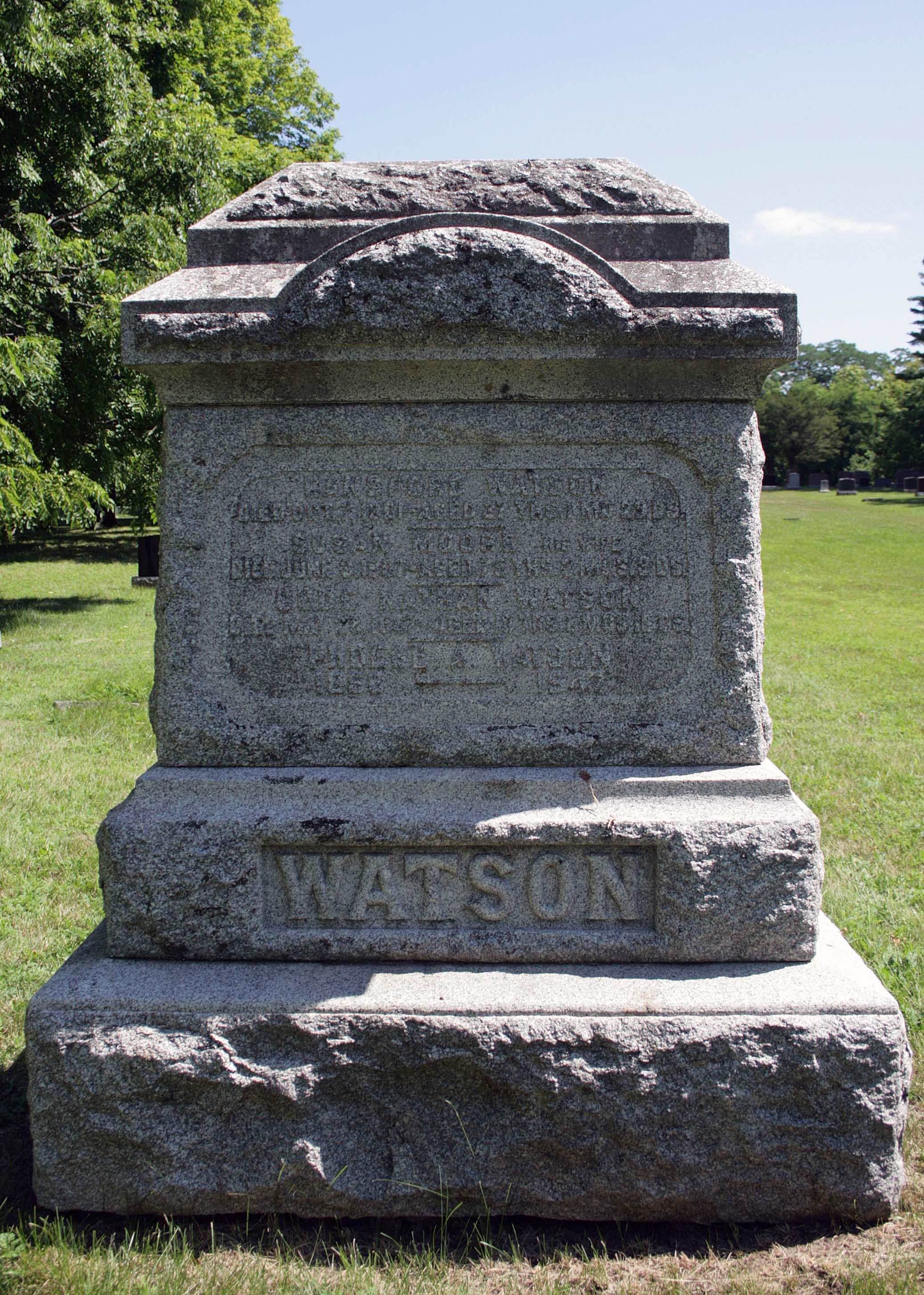
The large Watson family monument commemorates several members of Homer’s family.

It bears the names of his parents, Ransford, who owned a local sawmill, and Susannah, as well as his older brother, Jude Nathan, and his sister, Phoebe. Jude Nathan died in a brickyard accident, while Phoebe continued to live and work in the family home after Homer’s death.⁴ An inscription on the side of the monument also remembers Homer’s only son, Charles, who died at birth.⁴ One side of the monument is dedicated to Homer and Roxanna.

After learning so much about Homer during our visit to the house, it was nice to finish the day by visiting his grave. Between his artwork, his family history, and all the stories about his interest in the spirit world, there was certainly a lot more to him than I knew before our trip.

I’m glad we made the stop in 2024. I’d recommend Homer Watson House & Gallery to anyone who enjoys a bit of art, local history, and a few ghost stories.

October is an especially good time to visit, as the gallery holds its annual Spirit Season fundraiser, featuring haunted history tours, paranormal investigations, and other spooky events.5 Check the gallery’s website for the current schedule if you’d like to plan a visit of your own.

Thanks for reading!

References:

  1. Homer Ransford Watson | Homer Watson History & Archives
  2. Homer Watson House | Homer Watson History & Archives
  3. Spiritualism Tour | Homer Watson House & Gallery
  4. Doon Presbyterian Cemetery Tour | Homer Watson House & Gallery
  5. Spirit Season 2026 | Homer Watson House & Gallery

October Cemetery Stories: Mizpah Pioneer Cemetery

It’s been a little while since my last blog post. Life has been keeping me busy lately, and the blog has had to wait its turn.

But with October here, I’m excited to get back to sharing some cemetery stories!

October seems like a good time to explore some of the spookier side of cemetery photography. So, over the next few weeks, I’ll be sharing a few stories with a little mystery mixed in.

This week, I want to share my experience visiting Mizpah Pioneer Cemetery in Muskoka.

I visited Mizpah earlier this year. I went there to explore the cemetery, photograph the gravestones, and see what I could learn about the people buried there. I also had a rather strange experience when it was time to leave.

A Cemetery Trail Through the Woods

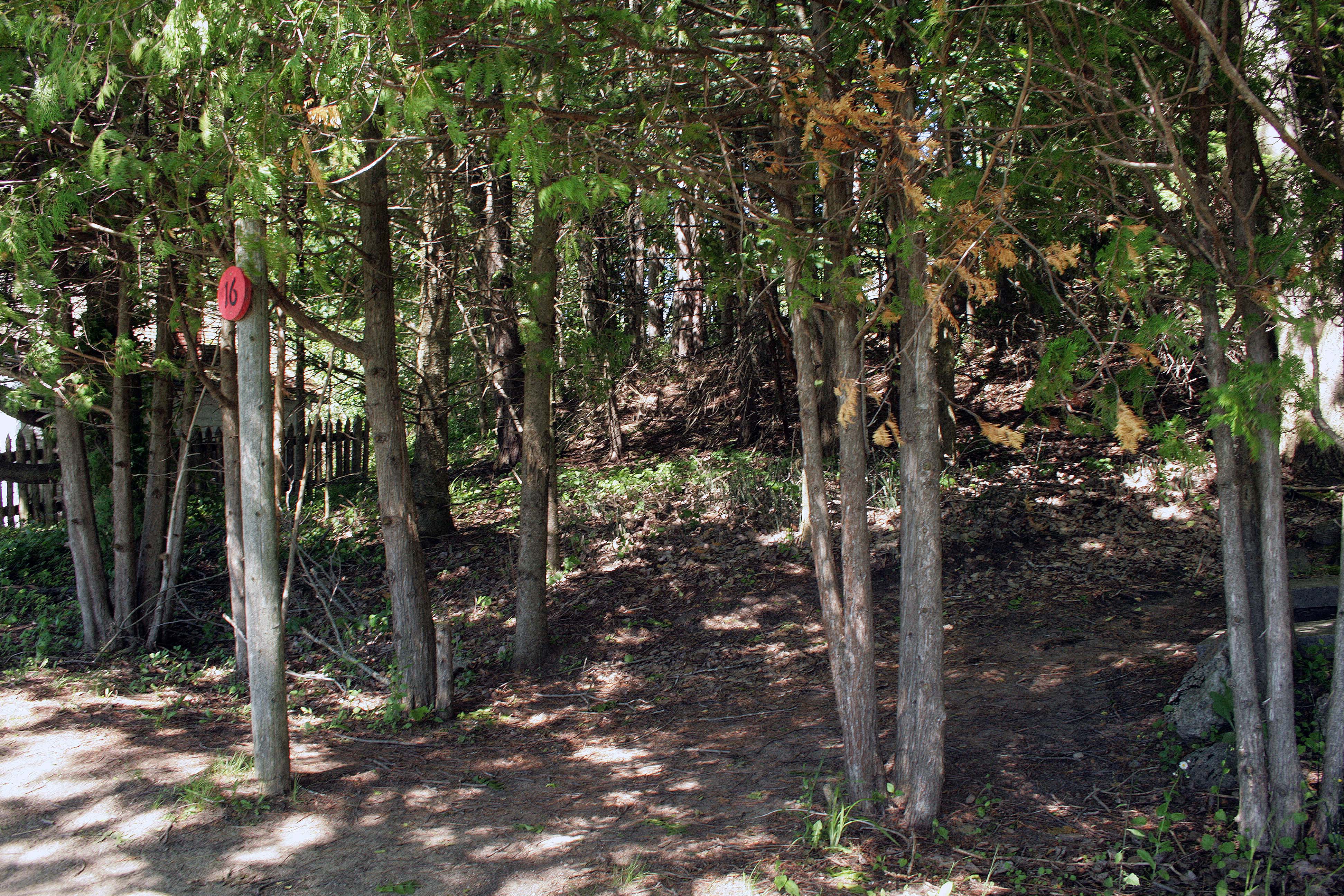
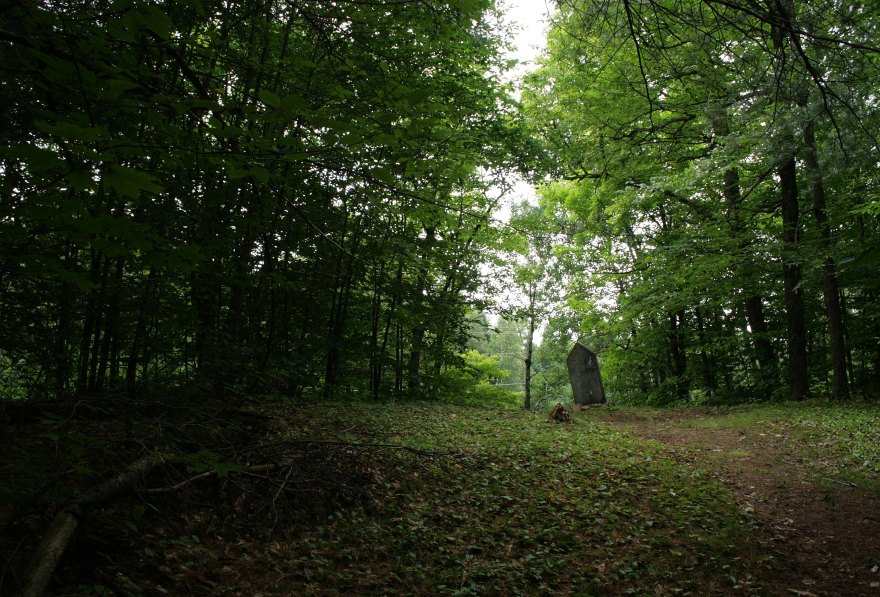
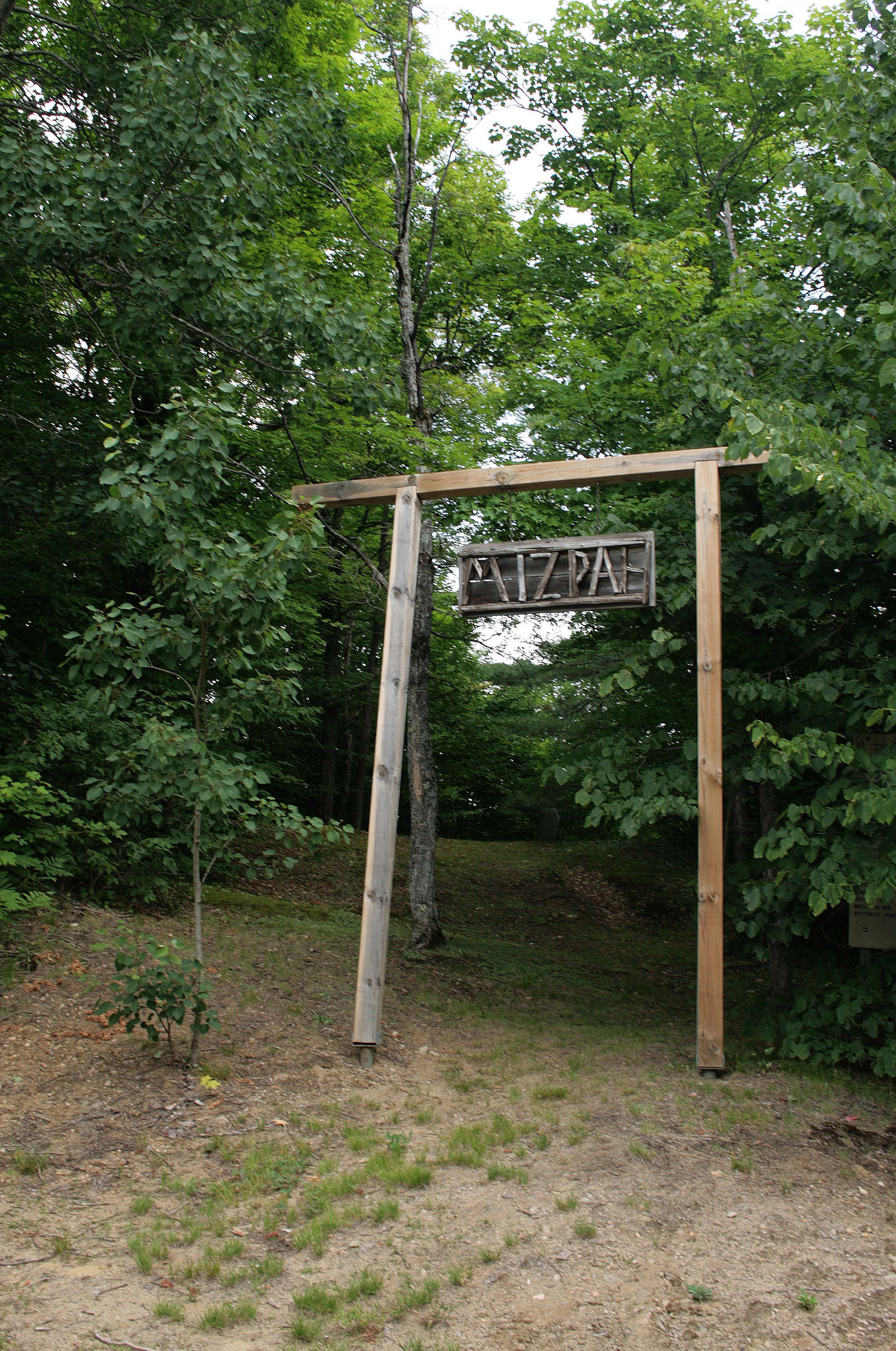
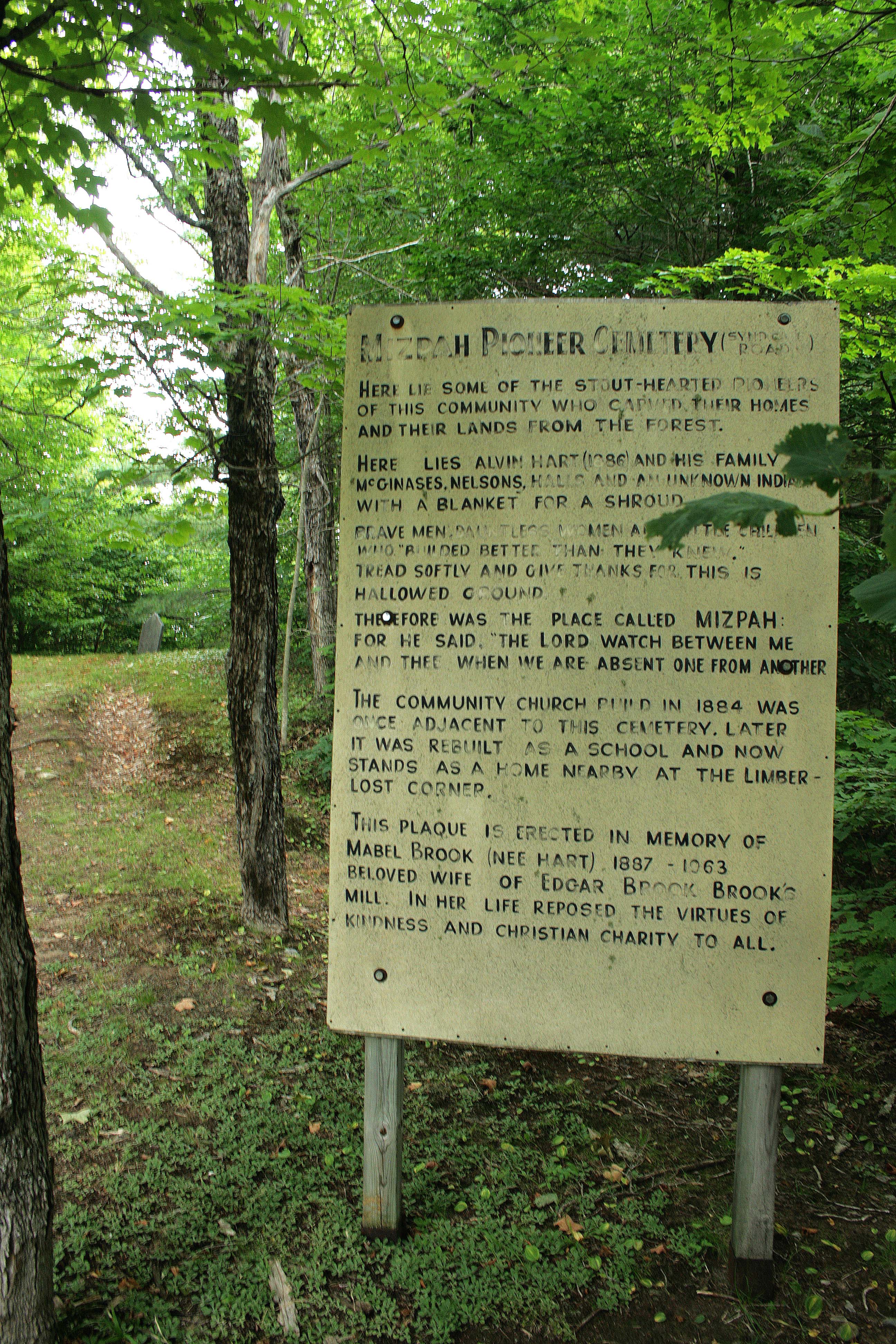
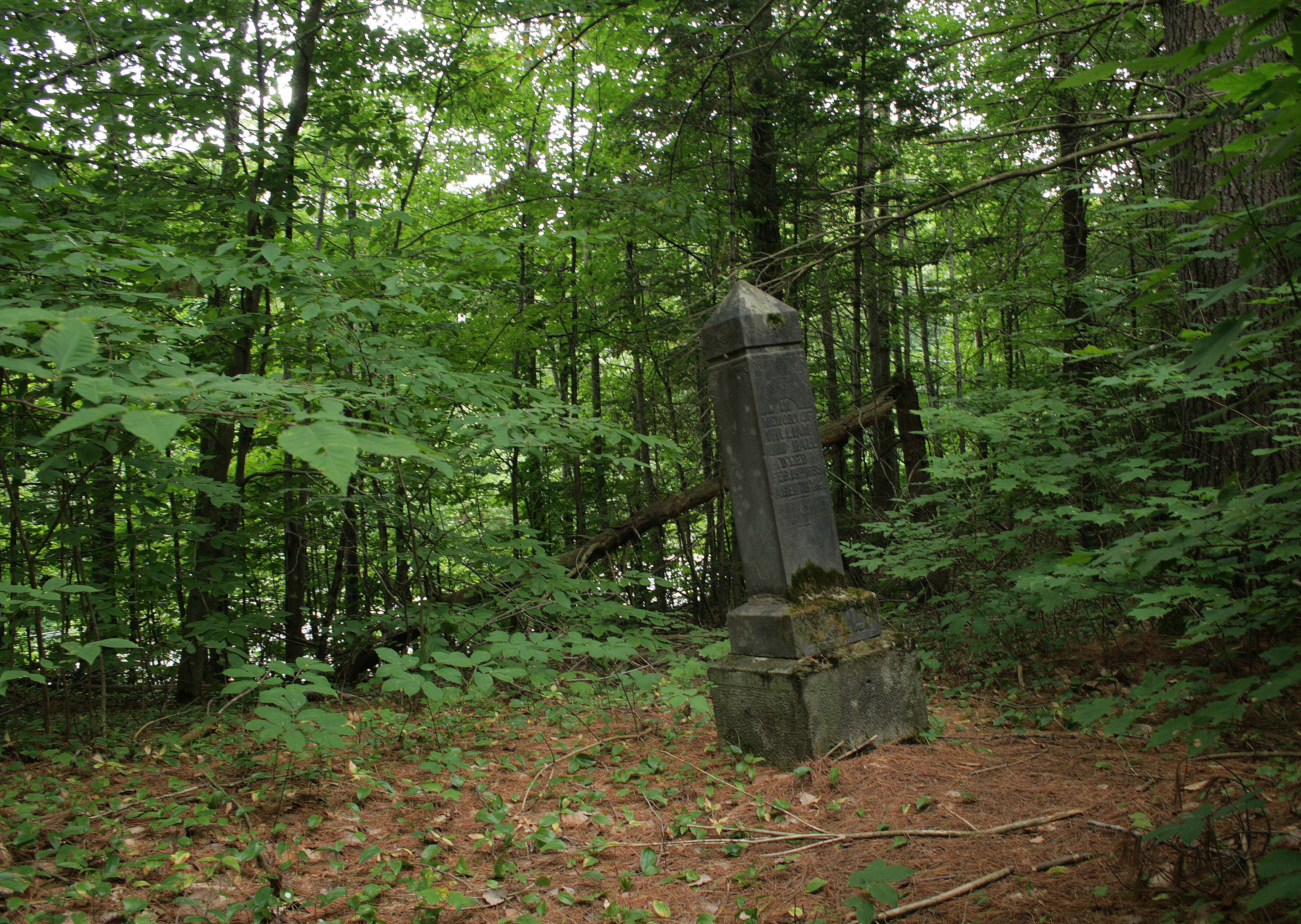
Mizpah Pioneer Cemetery is a little different from the cemeteries I usually visit. Instead of rows of graves spread across an open field, this cemetery follows a trail through the woods. A simple wooden arch marks the entrance, along with a large, hand-painted sign that tells some of the cemetery’s history.

I have a soft spot for handmade signs. There’s just something about them that makes a place feel a little more personal. This one gives visitors a glimpse into the people and community that once existed here.

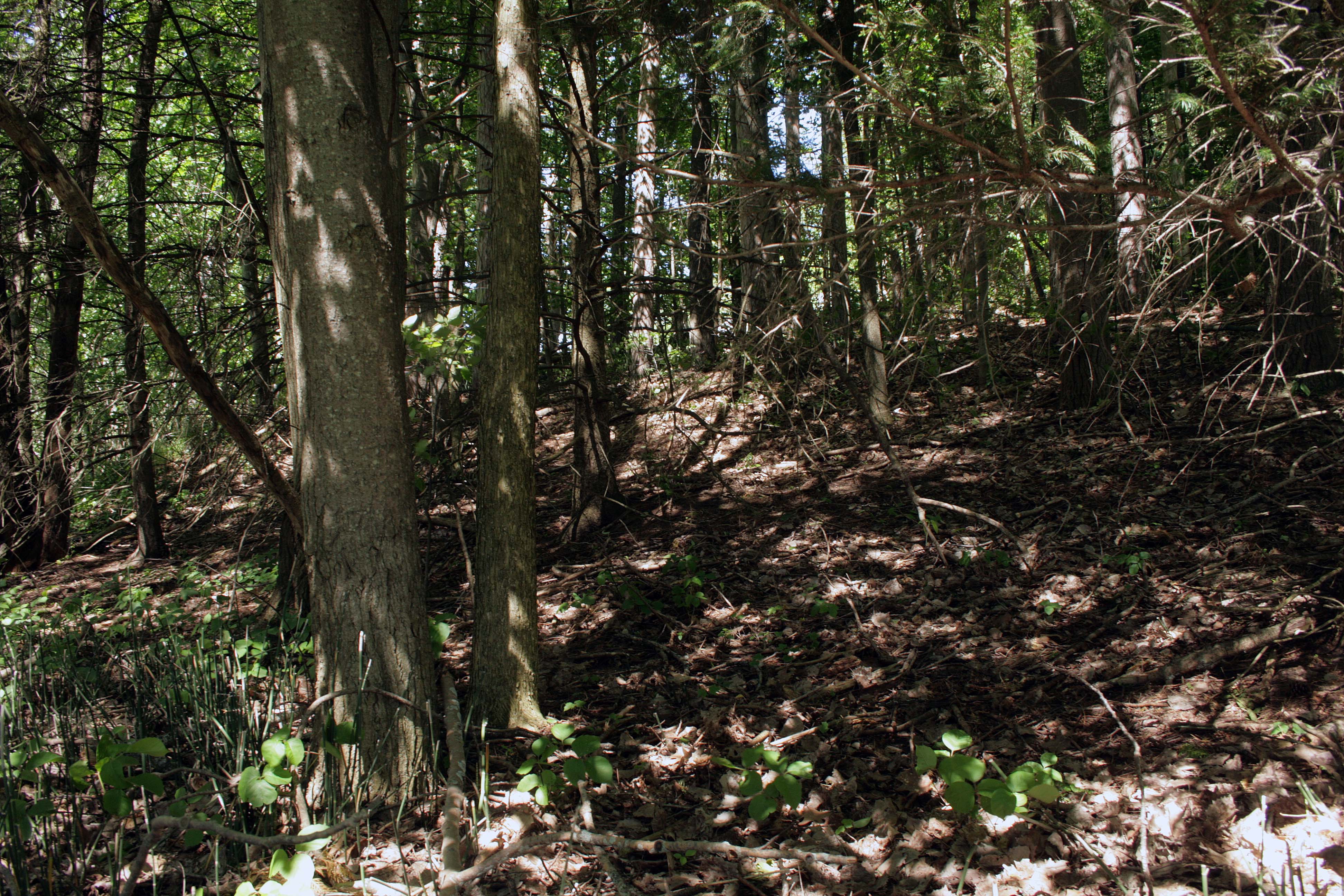
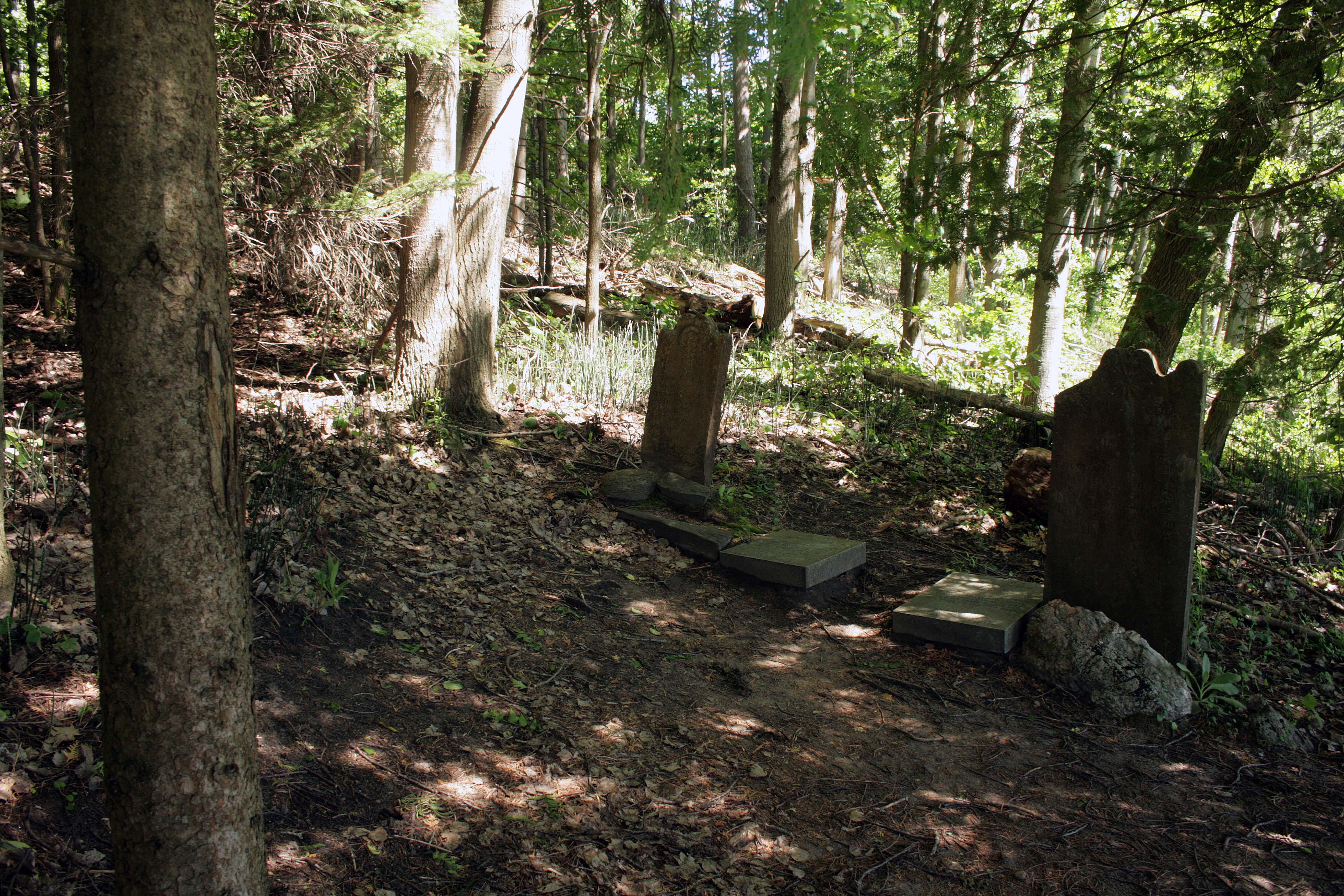
During our visit, there were several fallen trees along the path, so we had to climb over them to reach some of the gravestones on the other side. We did our best to visit every grave we could find as we made our way along the trail.

It’s definitely not your typical cemetery layout, and I found that made exploring it even more interesting.

A Little History

The pioneer community of Mizpah was established in 1885 and was originally known as Nelson’s Appointment. The name changed to Mizpah after a church was built in the area. The cemetery sign explains that the name comes from a passage in Genesis: “The Lord watch between me and thee when we are absent from one another.”1 By 1910, most of the families who had settled there had moved away.2

According to the sign at the cemetery entrance, the pioneers who settled here carved their homes and lands from the surrounding forest. The families remembered at the cemetery include the Harts, McGinases, Nelsons, and Halls.1

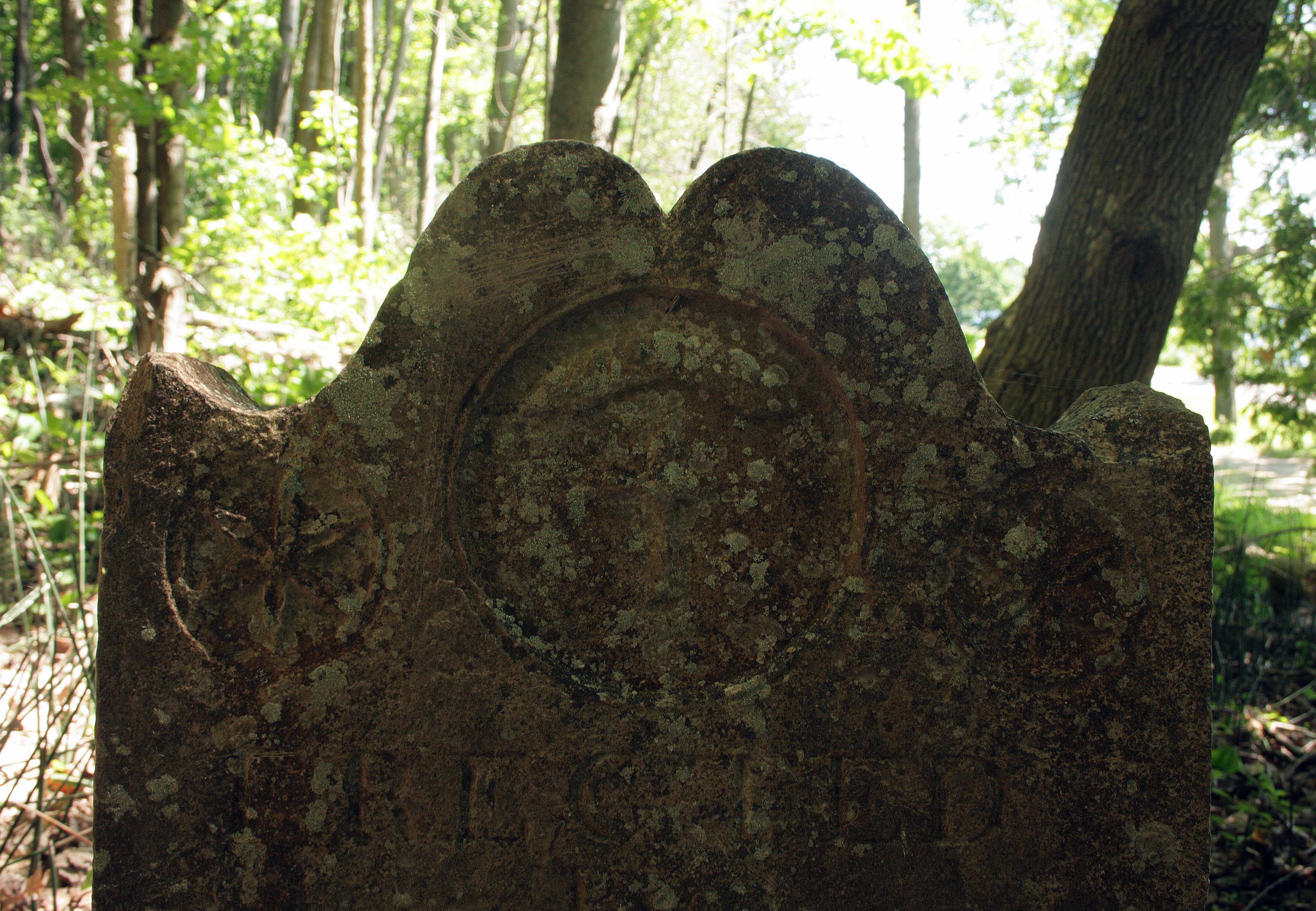
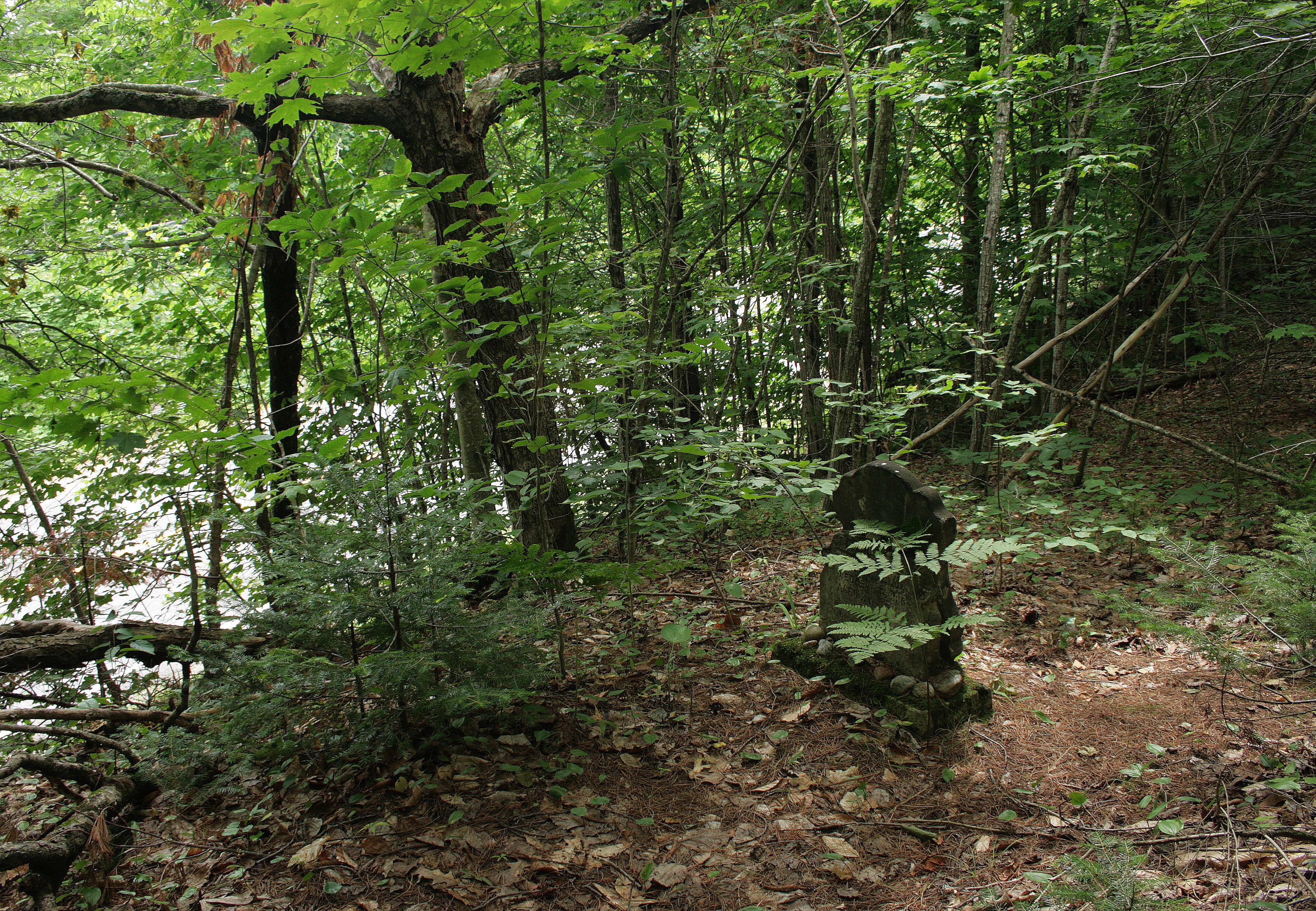
The cemetery was used for burials between 1884 and 1905. Only a small number of memorials remain today, and there may be other graves in the surrounding forest whose markers have disappeared over time.2

The community church once stood beside the cemetery. According to the entrance sign, it was later rebuilt as a school and eventually became a home nearby.1

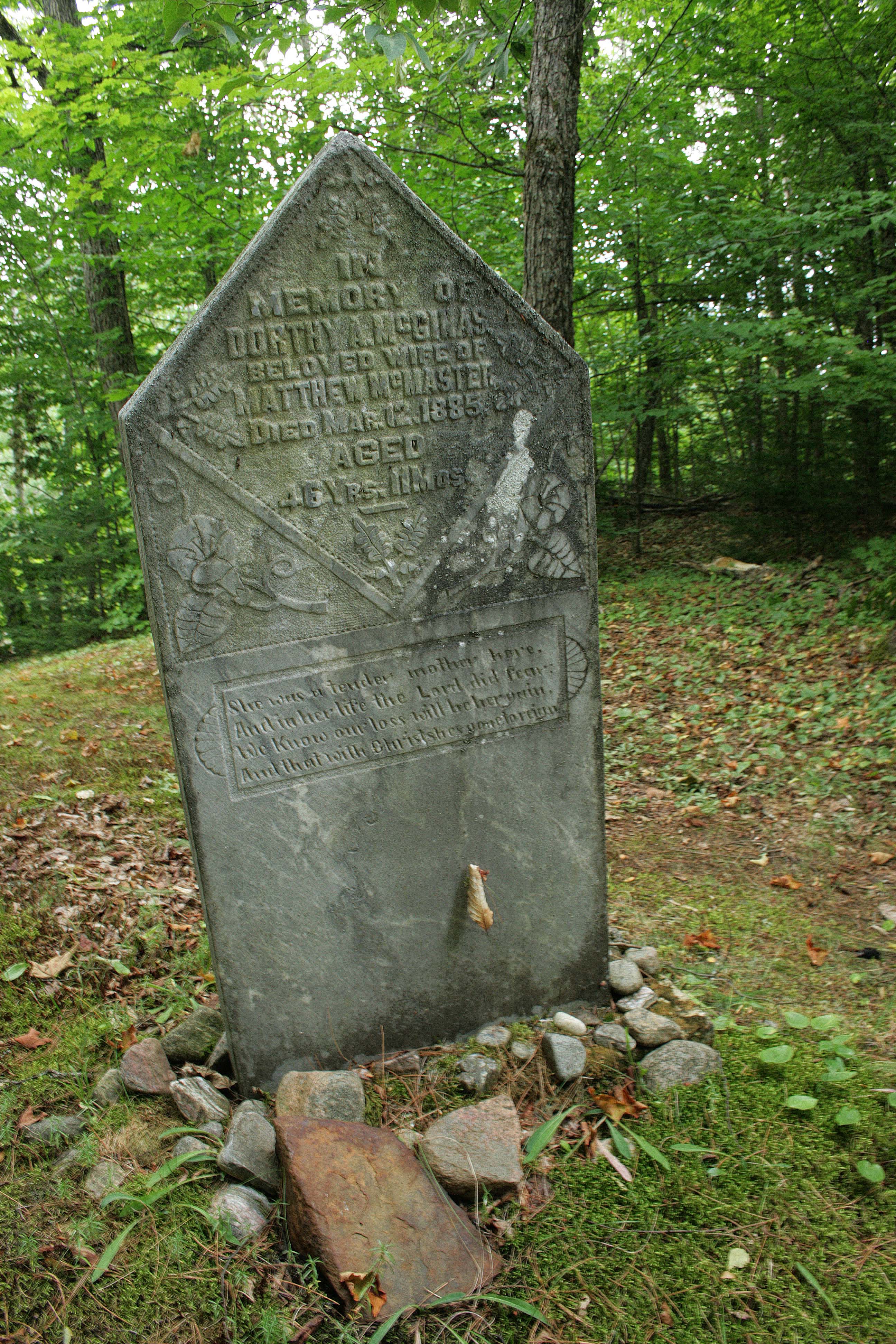
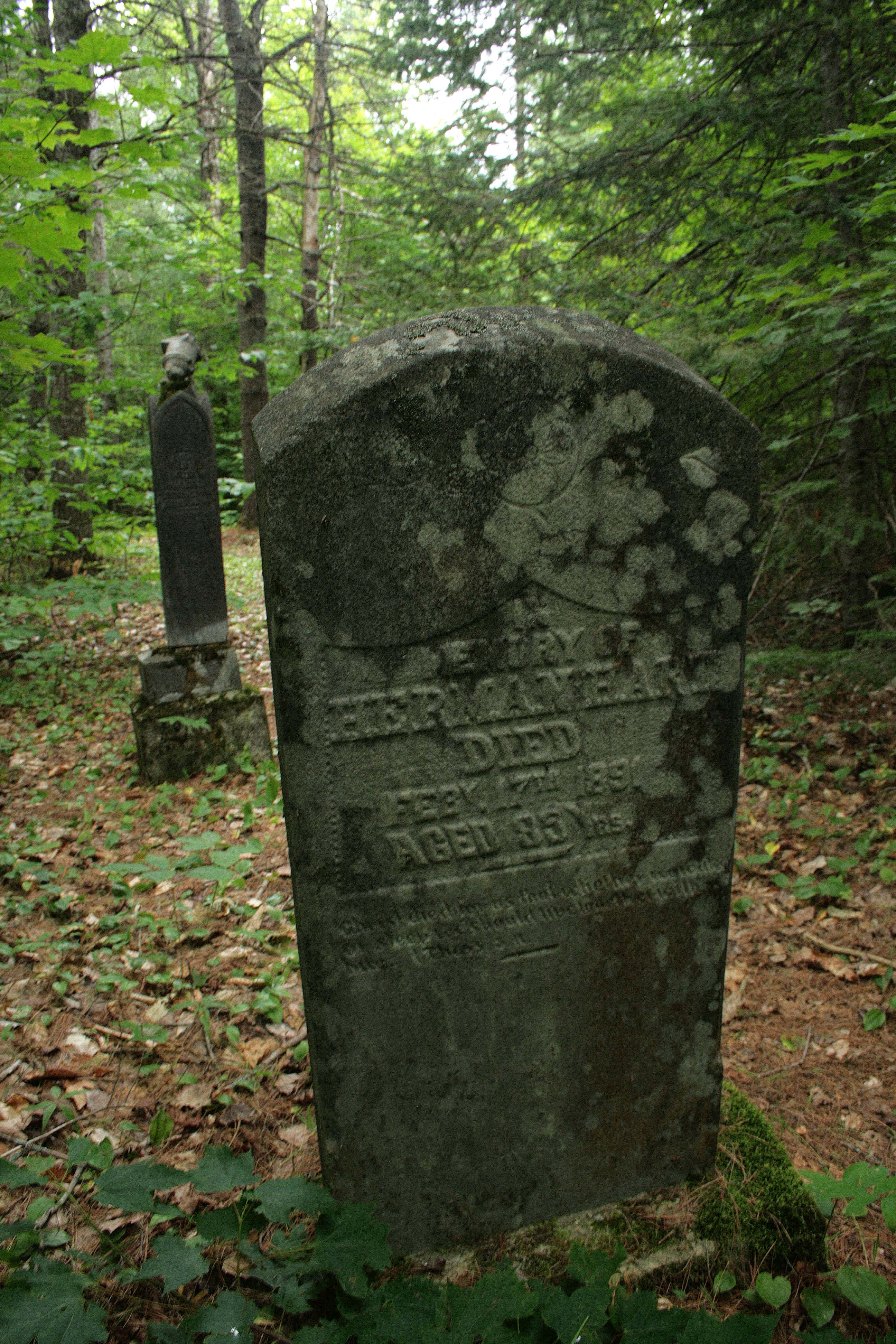
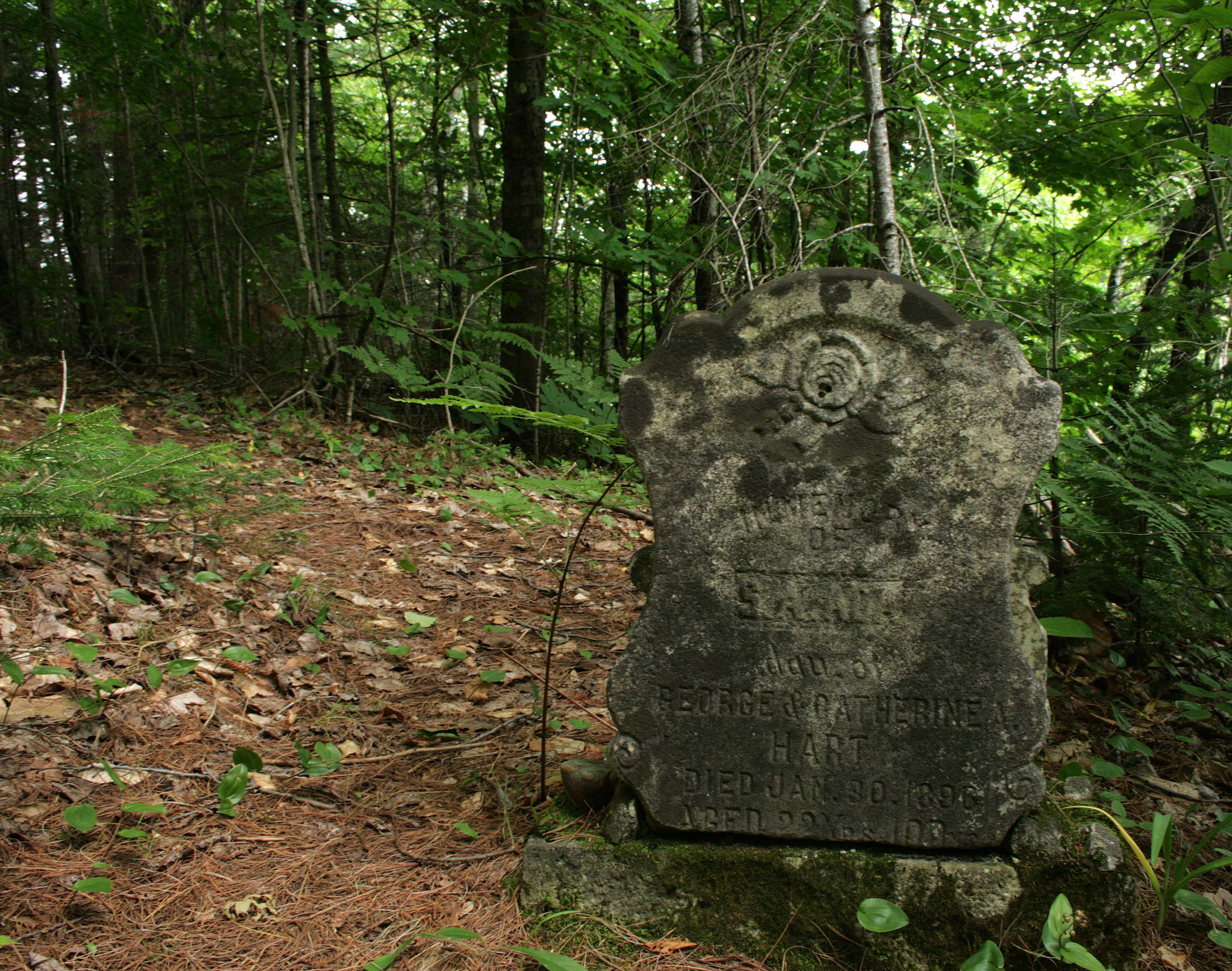
Among the surviving gravestones are members of the Hart family. Herman Hart died in 1891 at the age of 83, while Thomas Alvin Hart died in 1886, at just three years old.3

Thomas Alvin Hart shares a memorial with other members of his family, and the stone includes the epitaph “We loved them in life / Let us not forget them in death.”3

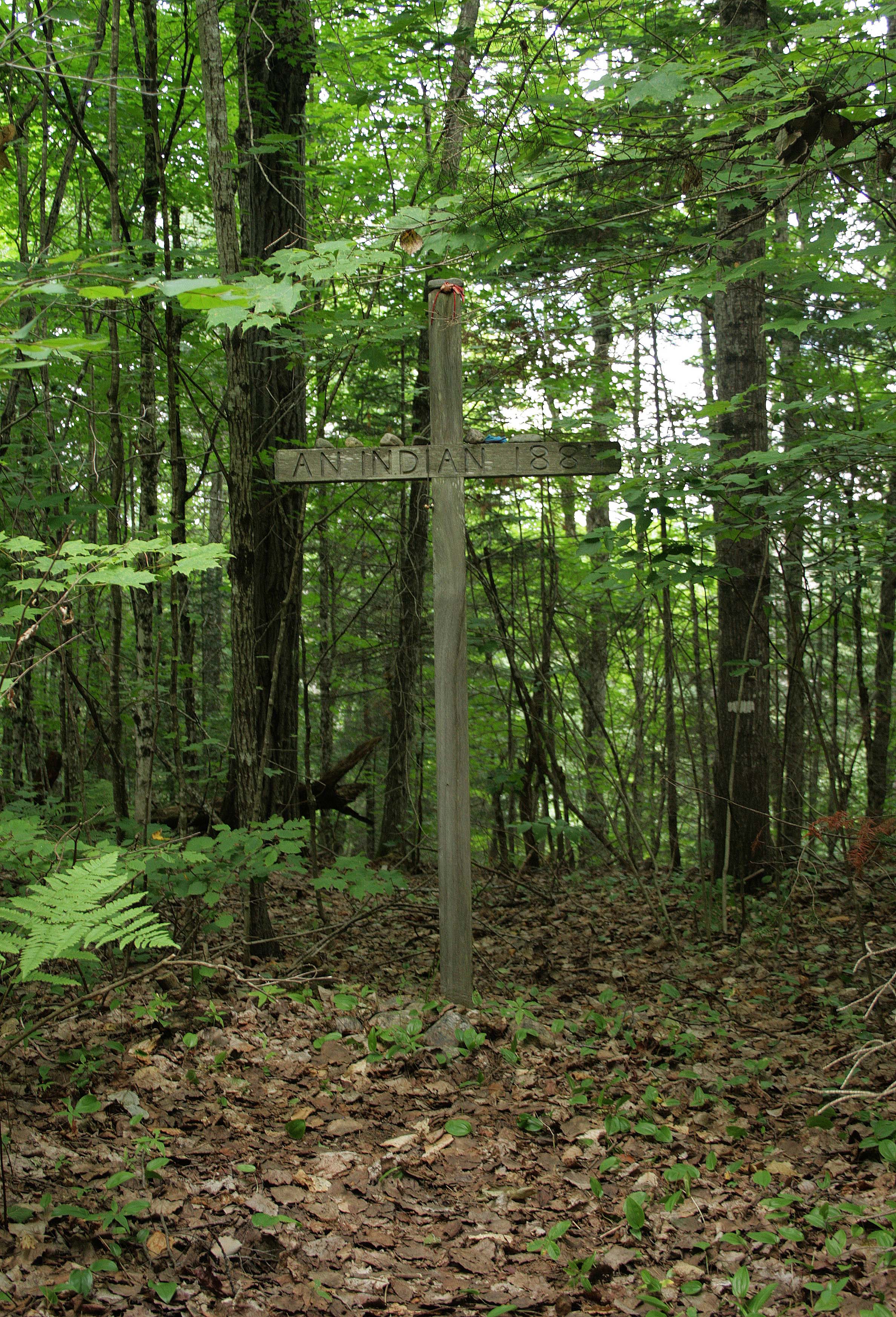
The cemetery also has the grave of an unidentified Indigenous person. The sign says they were buried with a blanket for a shroud.1 The grave is marked by a wooden cross that reads, “An Indian 1884.”

The cross is about as tall as I am and looks fairly new, considering the year engraved on it. There were around eight stones perched on top of it, along with a couple of pouches of tobacco.

It’s a distinctive grave, and I found myself wondering about the person buried there. Who were they? How did they come to be buried here? Unfortunately, I couldn’t find any information about them.

After my visit, I tried looking for ghost stories or reports of hauntings connected to the cemetery, but I couldn’t find much. That surprised me a little, considering the strange experience we had when it was time to leave.

After we had walked the entire trail, climbed over fallen trees, and done our best to visit every gravestone, we made our way back to the car.

Nothing unusual had happened while we were in the cemetery. It had been a quiet visit, and we were ready to head home.

Then my car decided it had other plans.

I recently bought a new vehicle, one with a lot of electronic features, including a push-button start. I started the car and put it in reverse to leave. Suddenly all the emergency lights came on and the car stopped responding. The engine was running, but the car wouldn’t move.

I tried putting it in drive, then reverse again, but nothing happened. The parking brake wasn’t on, and I had no idea what was wrong. Since the cemetery is pretty remote, I had a brief moment of panic wondering how we were going to get home if I couldn’t get the car moving.

I took a breath, turned the car off, and waited a few seconds before starting it again.

Everything was completely normal. The emergency lights didn’t come back on and the car responded like it should. We were able to leave without any problems.

Whatever caused it, it’s something I’ve never experienced before or since.

Was it just a glitch with my new car? Maybe. It definitely gave us something to talk about on the drive home.

My mother and I joked that maybe the residents of Mizpah weren’t quite ready for us to leave.

Thanks for reading!


References:

  1. Mizpah Pioneer Cemetery entrance sign | Photographed during visit
  2. Mizpah (ghost town) | Ominous
  3. Mizpah Pioneer Cemetery Memorials | Find a Grave

A Collection of Ceramic Portraits

One of my favourite things about photographing cemeteries is all the little details that can easily be missed, like ceramic portraits.

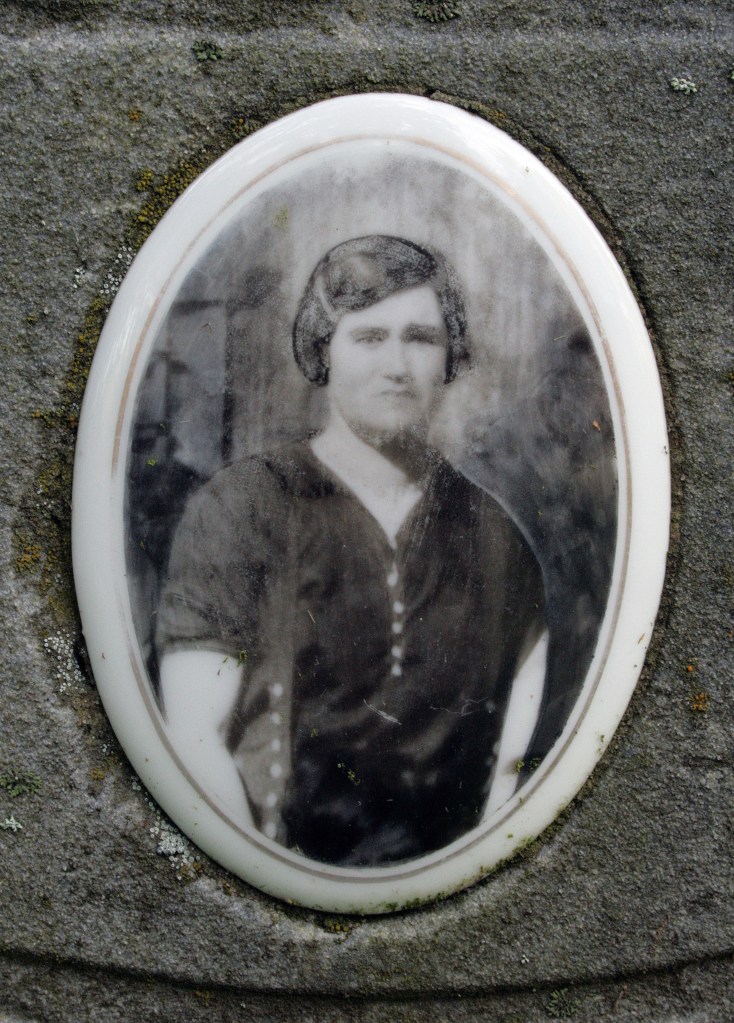
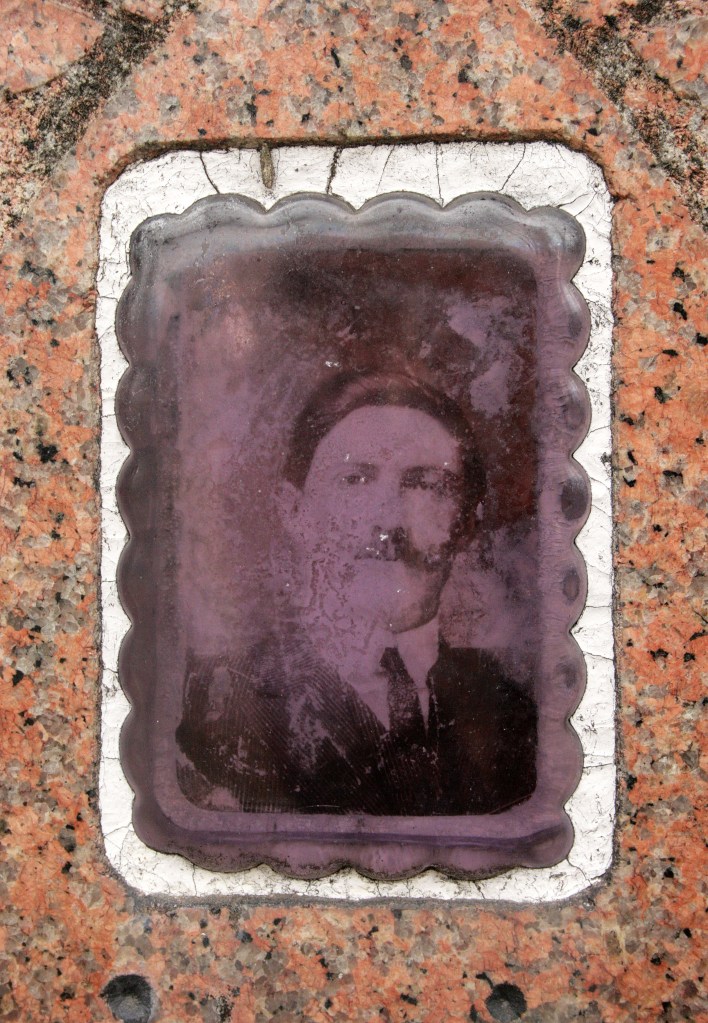
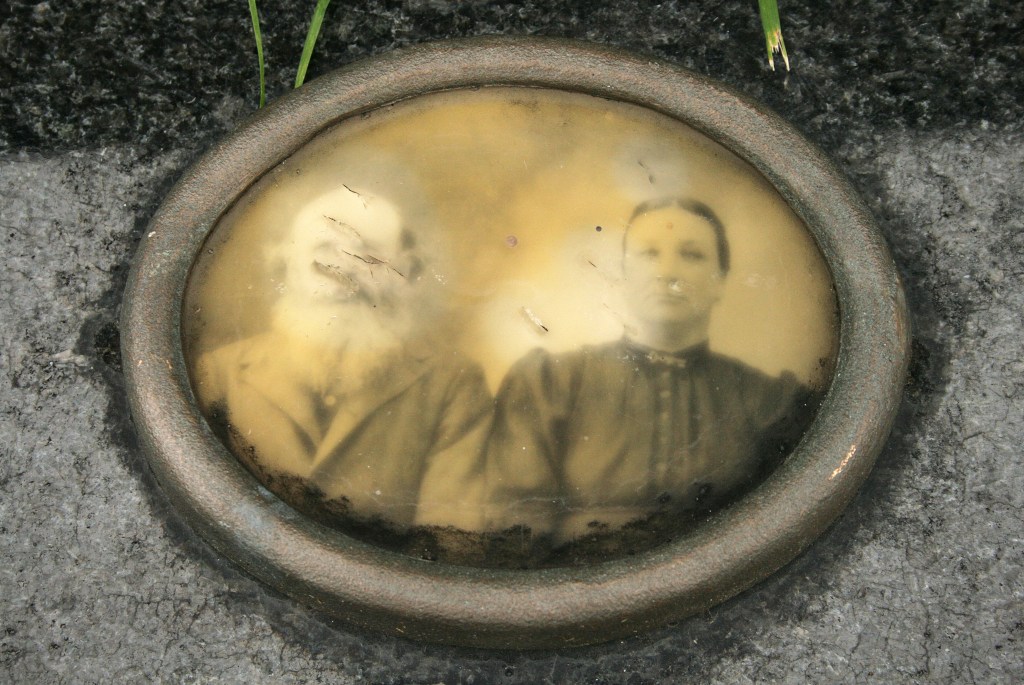
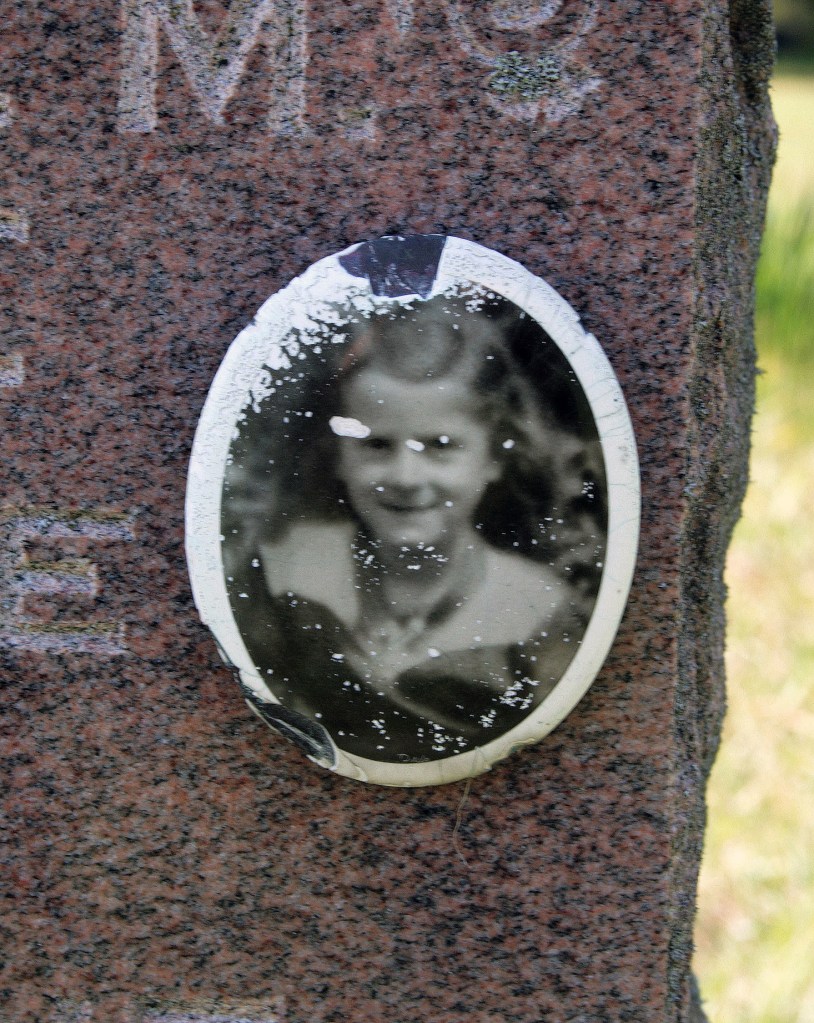
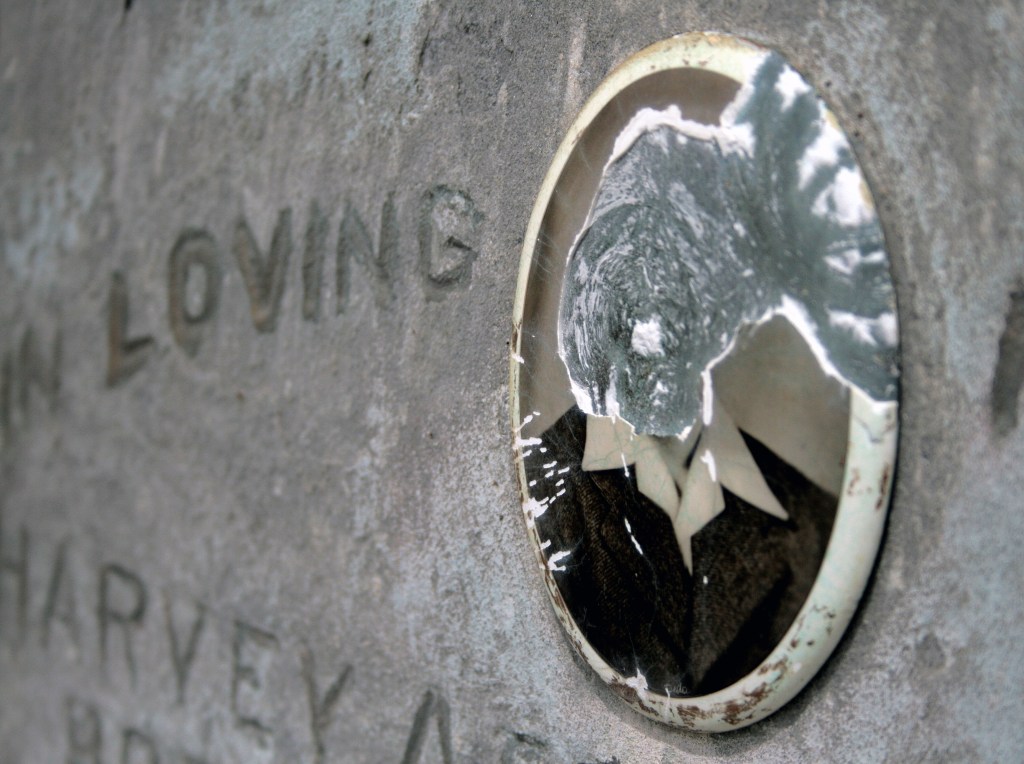
These small photographs give us a glimpse of the people whose names are carved into the stone. Some are still in pretty good shape, while others have faded, cracked, or weathered over the years. A few have deteriorated so much that it’s almost impossible to make out a face.

Today, I’m sharing a few ceramic portraits I’ve come across during my cemetery travels.

Ceramic Portraits

Ceramic portraits, sometimes called porcelain portraits or photo ceramics, are photographs that have been permanently transferred onto materials such as porcelain, glass, enamel, or metal.¹

The technique dates back to the 1850s.¹ French photographer Lafon de Camarsac began experimenting with the process in the early 1850s.¹ By 1855, he was producing photographic images on enamel and porcelain.²

Photo ceramics became popular during the second half of the 19th century.¹ Photographic images were transferred onto all sorts of things, from jewellery and decorative objects to plates and other household items.¹

The technique also found its way into cemeteries.

By the late 19th century, ceramic portraits were being used on gravestones in Europe.³ They gave families a way to preserve the likeness of their loved ones alongside their names and dates.³

Some of the portraits are still quite recognizable, even though the ceramic itself has weathered over time.

Others have faded considerably. Time and exposure to the elements can take their toll, leaving behind only a faint image.

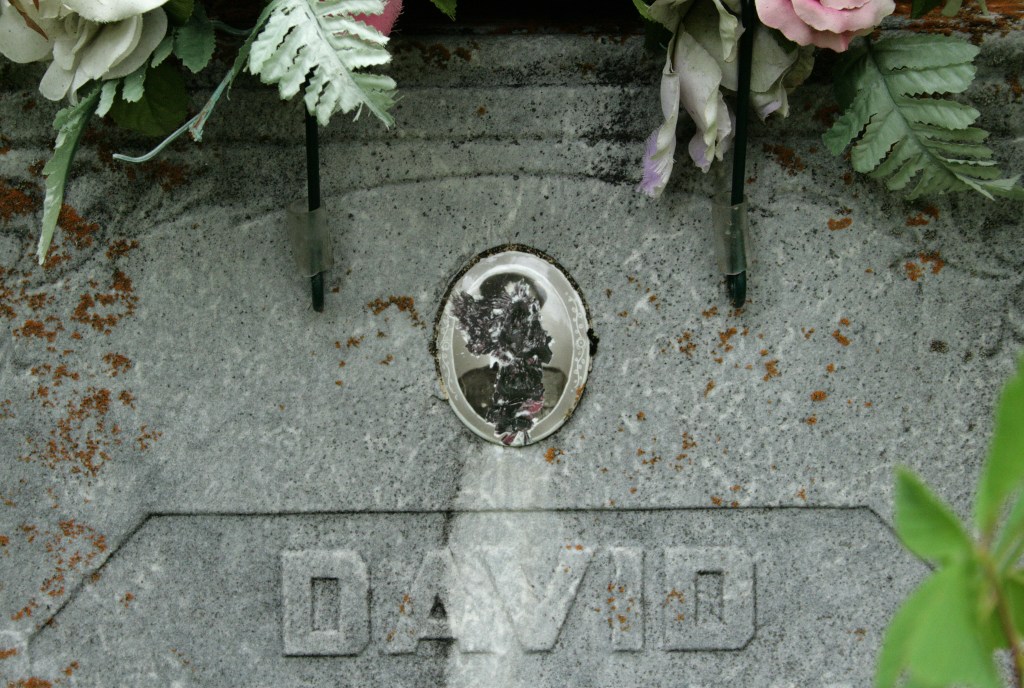
And sometimes, there isn’t much left to see at all.

Sometimes I come across portraits that are so damaged that it’s difficult to make out the person’s face. Even so, I think they’re worth photographing. The damage is part of their story too.

A Different Kind of Portrait

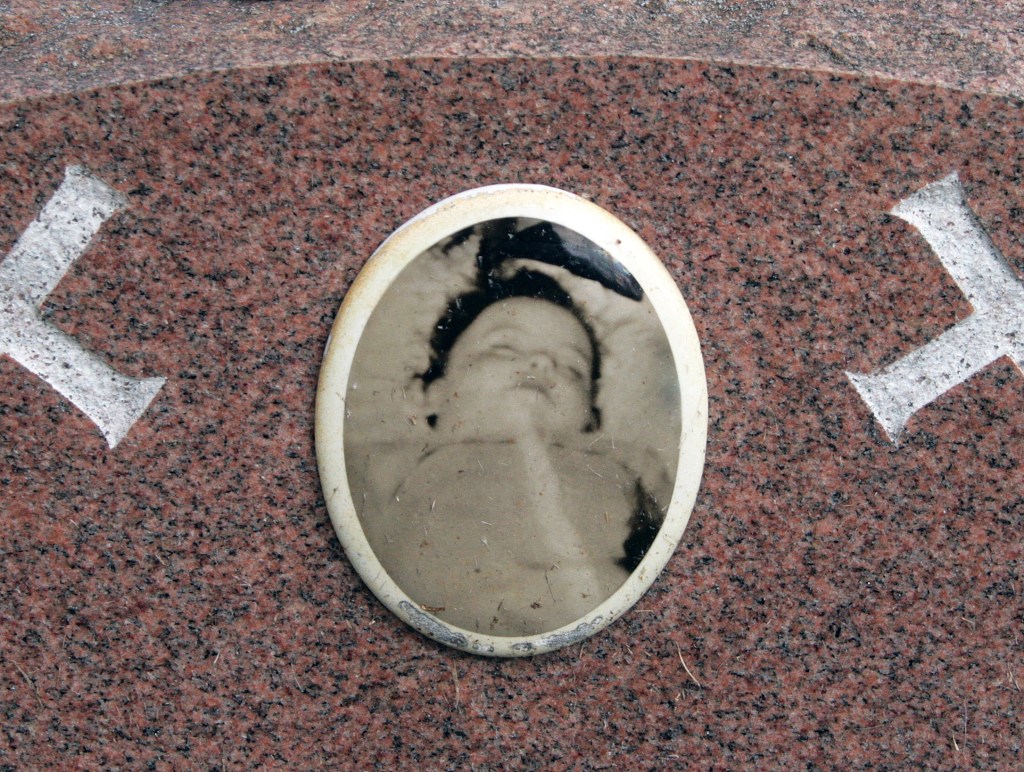
It’s rare here in Northern Ontario, but sometimes I come across a photo of someone who looks like they’re sleeping, or possibly deceased.

Post-mortem photography became common after the introduction of the daguerreotype in 1839.⁴ It continued to be practiced into the early 20th century.⁴ Children were often the subjects because they might never have had a photograph taken while they were alive.⁴

I’ll save the deeper history of post-mortem photography for another post, because there is a lot more to explore there.

What I find most fascinating about these little portraits is how much they can add to a gravestone.

The name and dates tell us when someone lived. The photograph gives us a glimpse of what they looked like. Even when the image has almost completely faded, you can still see the effort that was made to preserve that person’s likeness.

After more than a century outdoors, some of these portraits may be barely recognizable, but they’re still there.

And that’s what makes them worth stopping for.

Thanks for reading!


References:

Stone Stories: The King of Castle Village

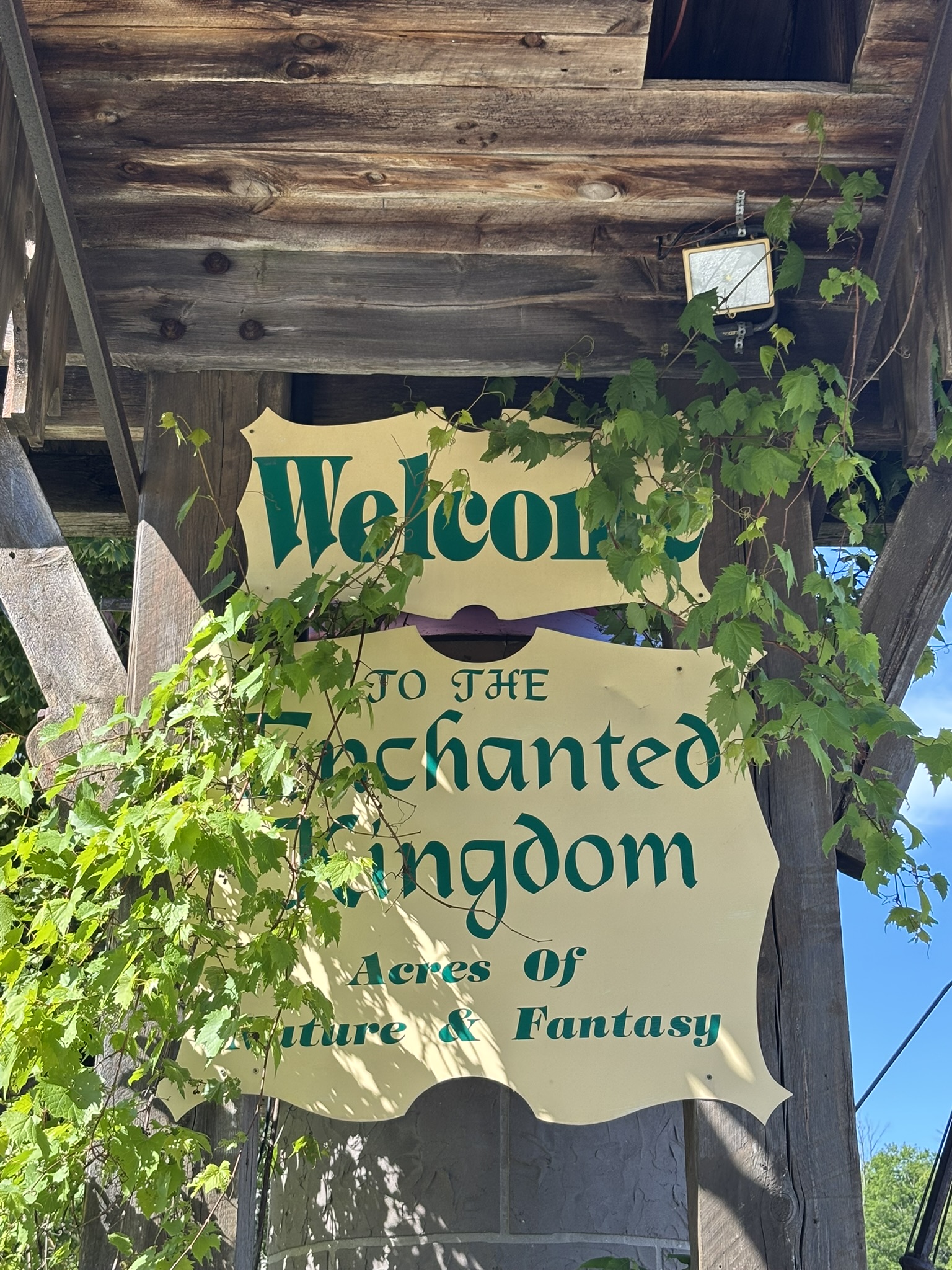
Have you ever heard of Castle Village and the Enchanted Kingdom?

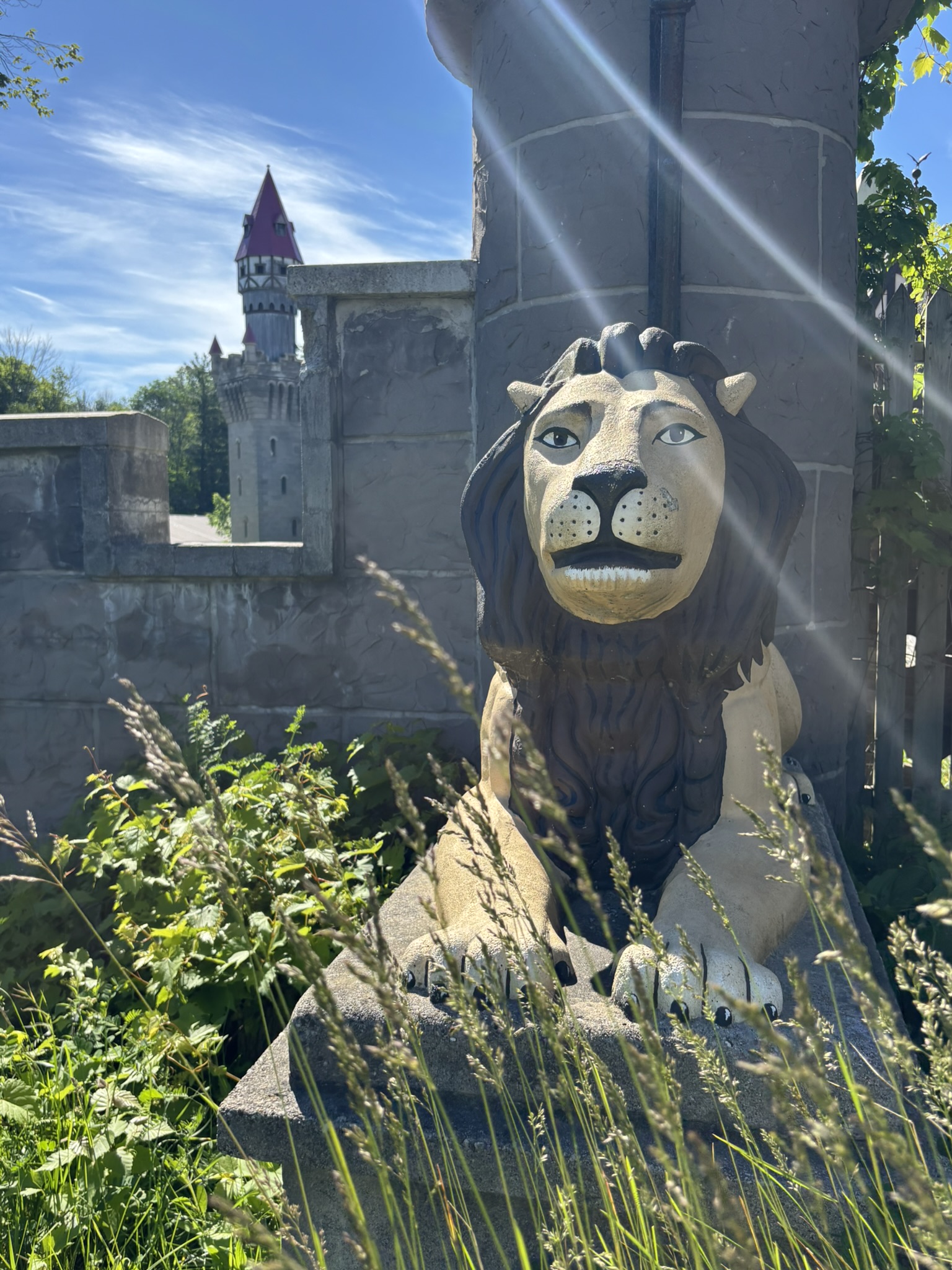
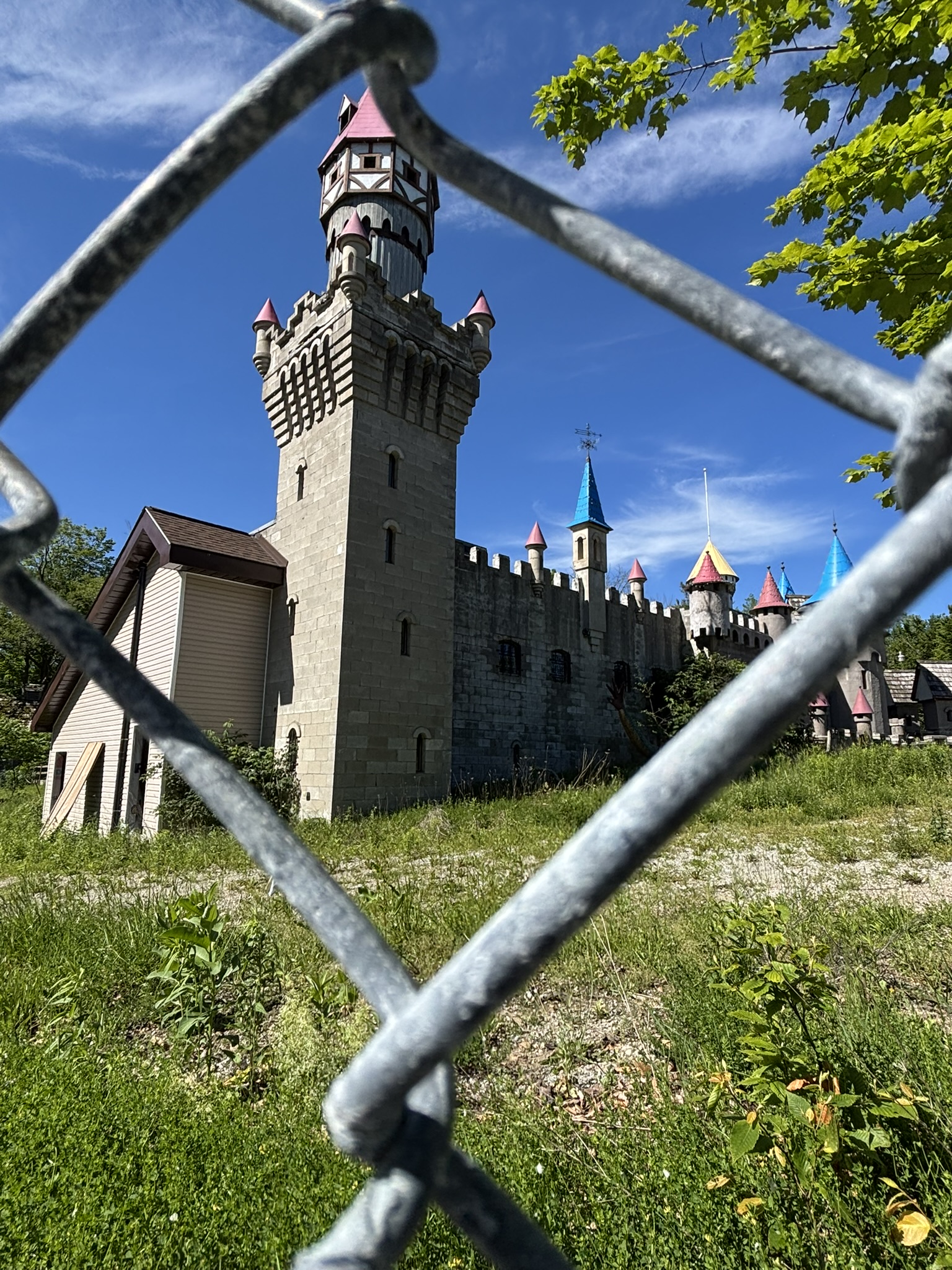
I hadn’t, until I spotted it while on a cemetery road trip a couple of years ago. As we drove along, a storybook castle suddenly appeared on the side of the road. It looked abandoned, and for a moment I wondered if I was seeing things.

What was a castle doing in the middle of rural Ontario? More importantly, why had it been left behind?

I made a note to research it later, and when I planned a recent day trip back to the area, I knew I had to make a couple of extra stops to finally check it out.

The castle was only part of the story. Behind it was the remarkable life of the man who built an entire fantasy world for families to enjoy, and whose final resting place is only a short drive away.

This is the story of Paul Des Roches and the dream he built.

Paul Vincent Des Roches was born on July 3, 1936, and was a talented woodworker, craftsman, and businessman who spent much of his life creating things with his hands.

In 1972, Paul built a castle near Midland, Ontario, with the goal of creating a unique place to sell his handmade crafts and woodworking.¹

Paul created items like birdhouses, candlesticks, and other wooden crafts, and his business became so successful that he was selling his creations almost as quickly as he could make them.1

His gift shop eventually grew to offer nearly 10,000 items, including souvenir spoons and other collectibles.1

What began as a small gift shop quickly became something much bigger. Paul continued expanding the property, eventually working with his daughter to transform the original seven-acre site into a 45-acre attraction filled with museum-like displays, and fantasy-themed areas for visitors to explore.1

Castle Village And Enchanted Kingdom Park

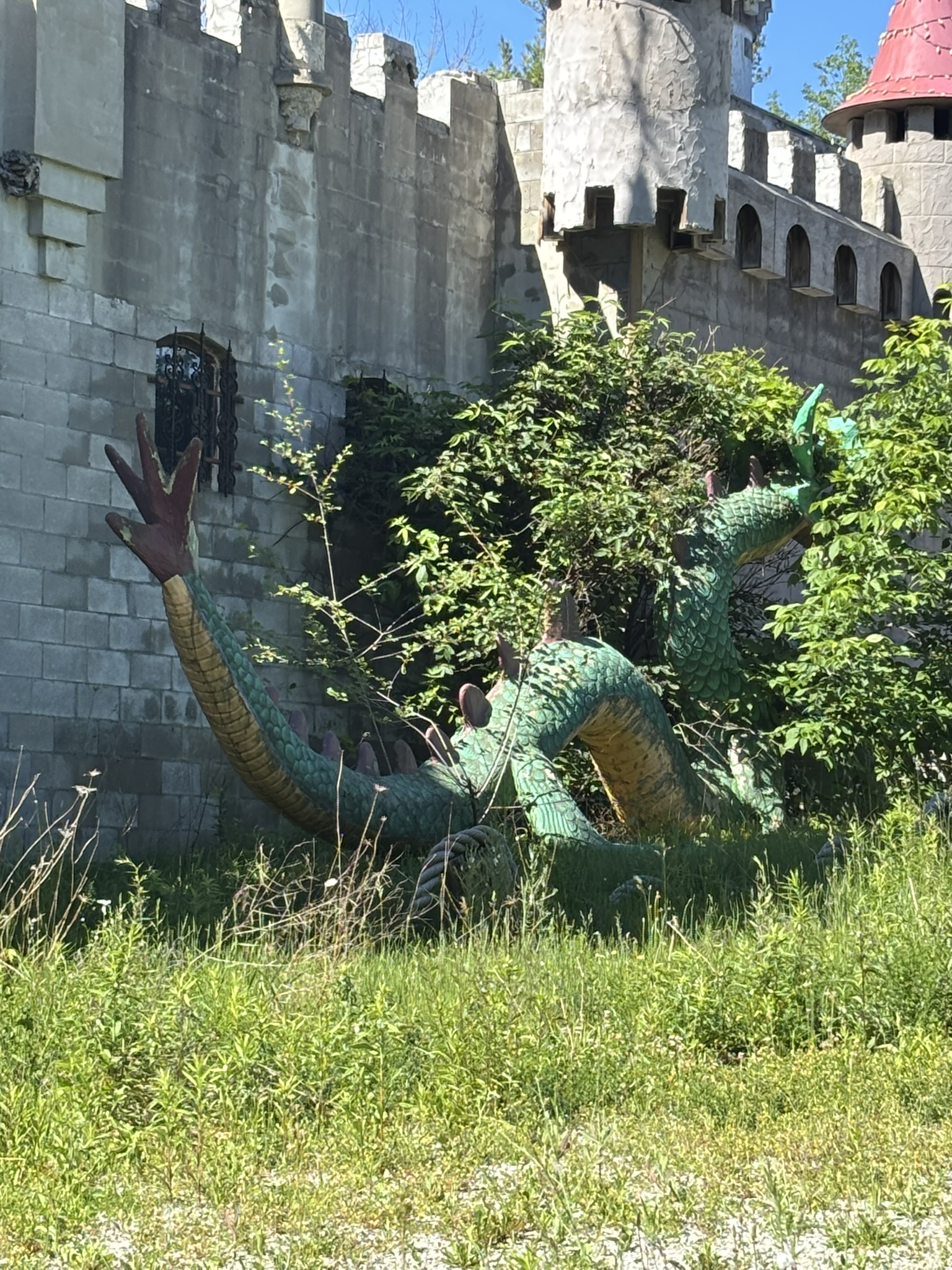
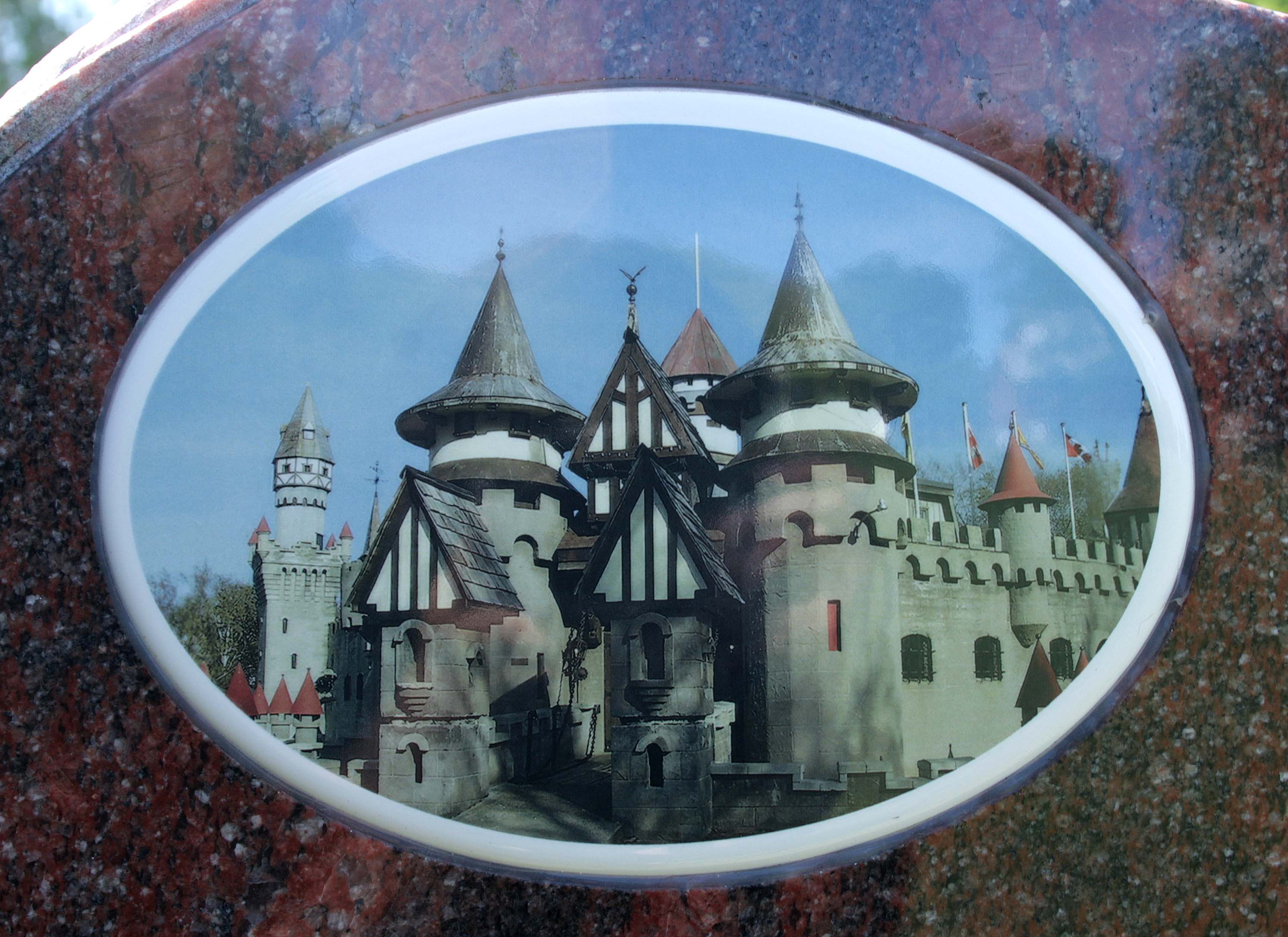
Castle Village and Enchanted Kingdom was unlike anything else in the area. The castle featured towers, a water-spewing dragon, and a moat guarded by creatures from the underworld.1

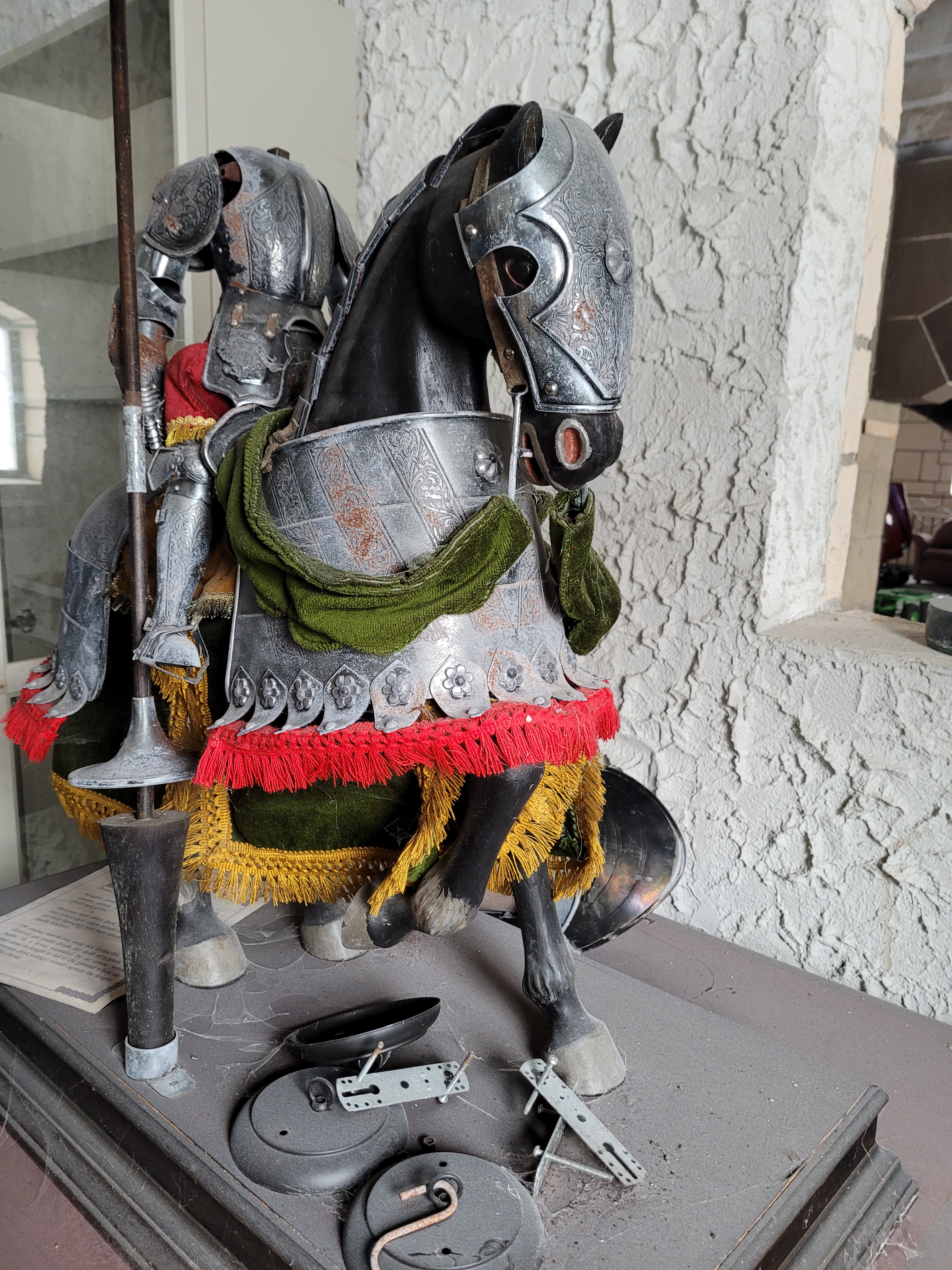
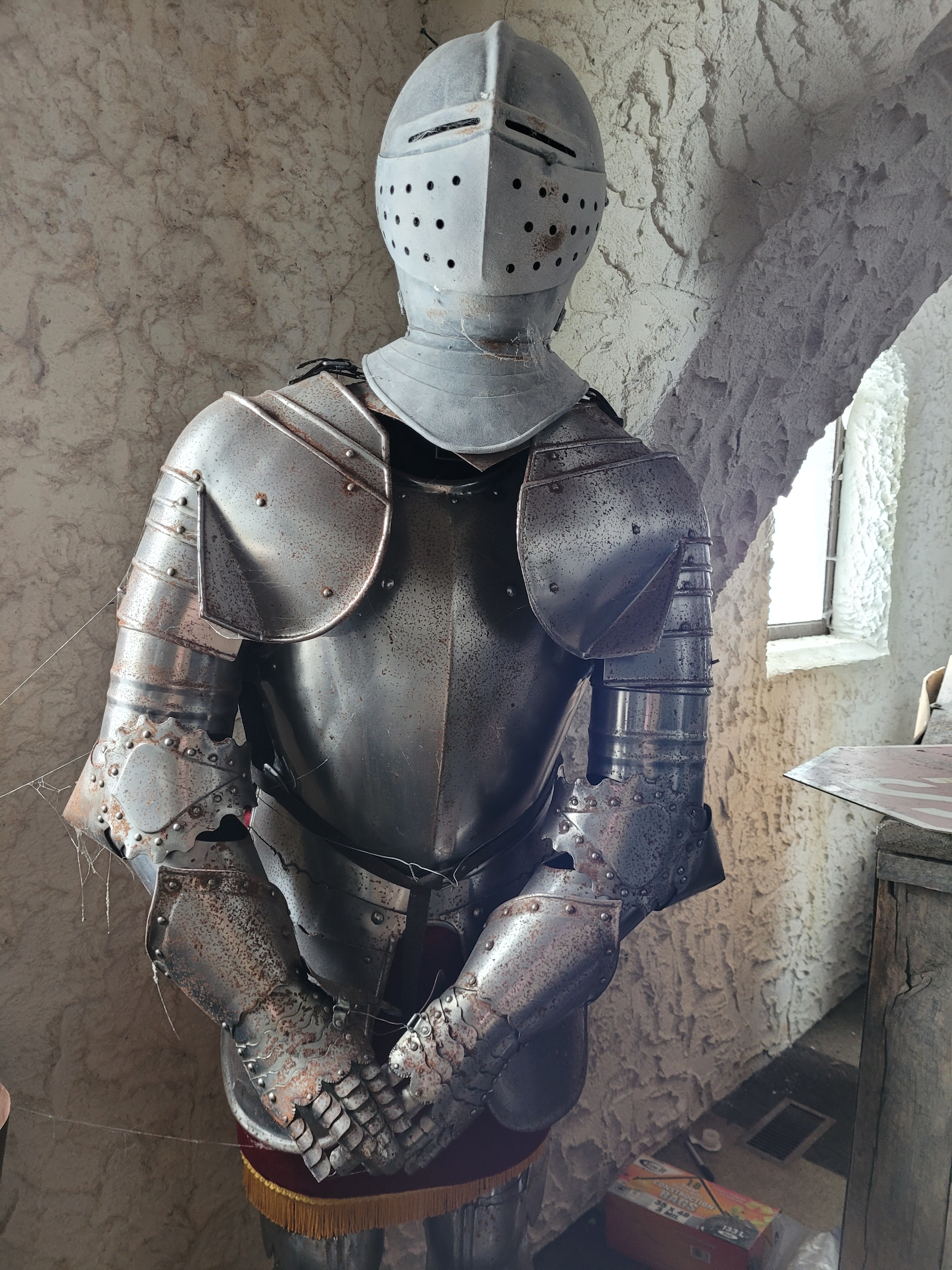
Inside the castle, visitors could explore a showroom that originally displayed early Canadian and American furniture before becoming the Museum of Medieval Arms, Armour and Heraldry.1 The museum featured medieval weapons, life-sized suits of armour, and displays about heraldry, the study of coats of arms and their symbols.1

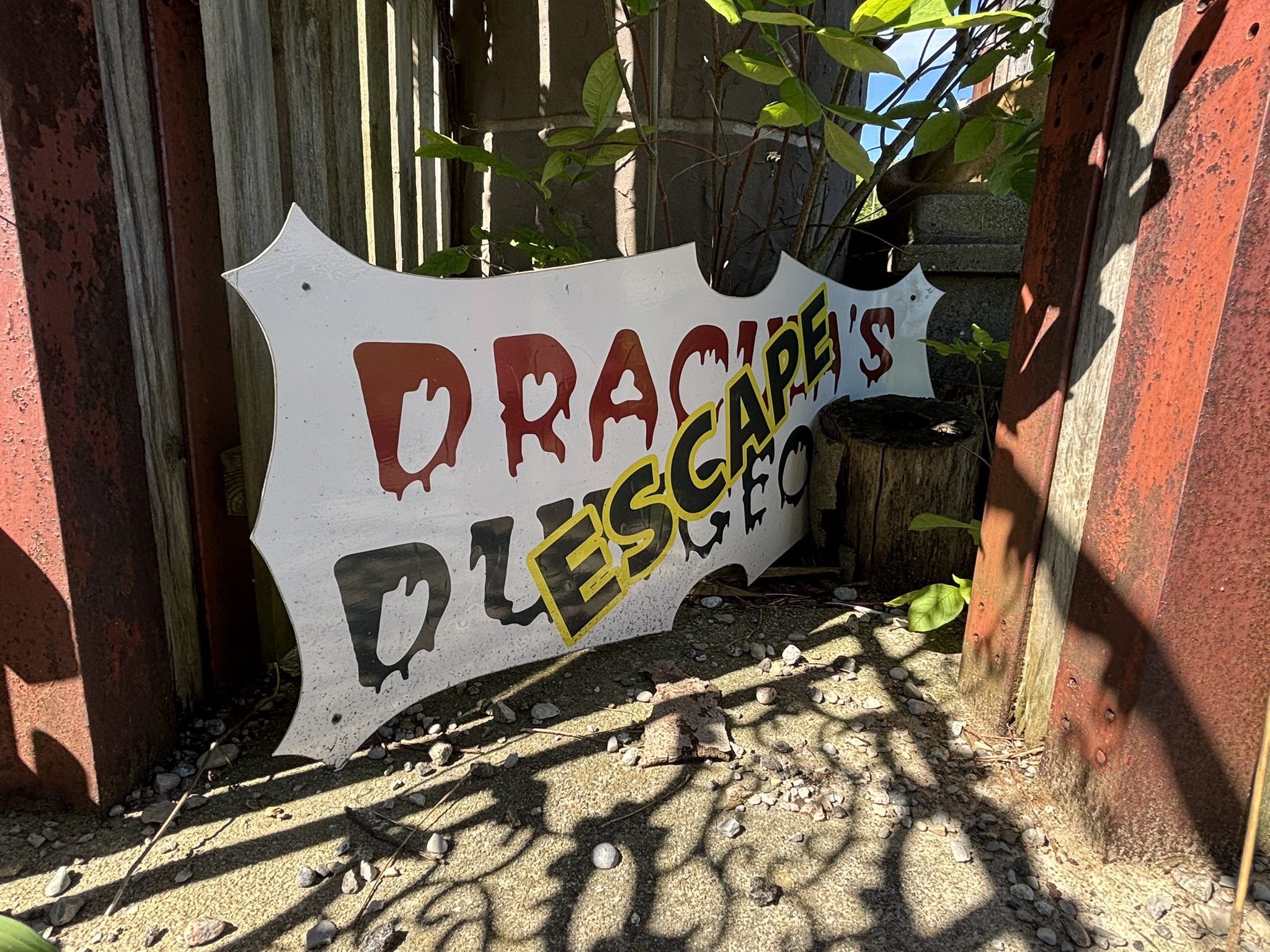
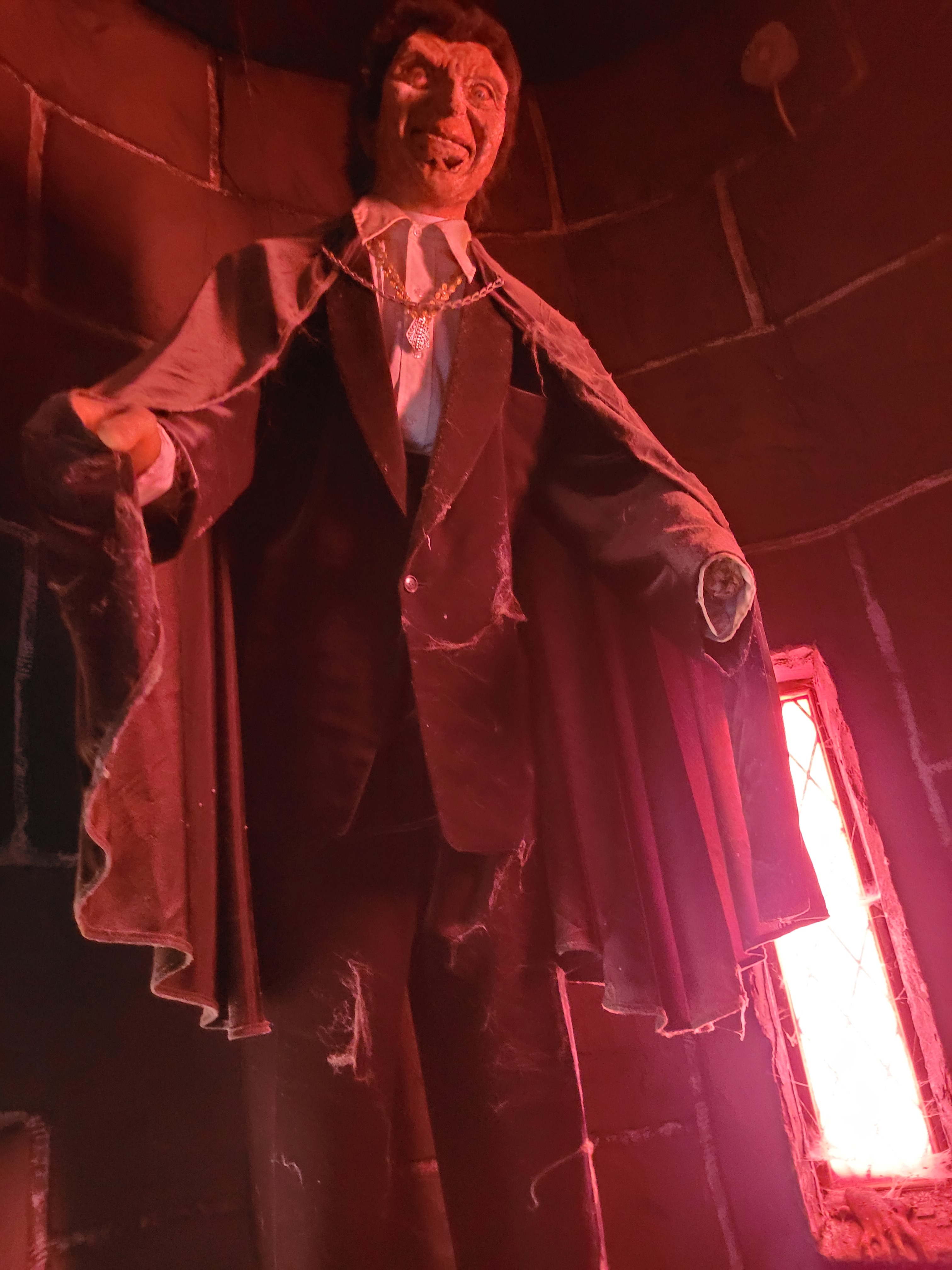
In 1982, Paul added Dracula’s Dungeons, a horror-themed museum hidden beneath the castle.1 Visitors entered by descending a spiral staircase covered in cobwebs before discovering prison cells featuring famous horror characters.1

As the attraction continued to grow, Paul and his daughter created the Enchanted Kingdom Park, a fantasy-themed area built around an educational nature trail.1

Visitors could explore fairy tale cottages inspired by familiar stories, like Snow White’s wishing well, and Hansel and Gretel’s candy house.1 The park also featured Merlin the Magician’s Tower, a grist mill, a giant fountain, and an 80-foot suspension bridge crossing a pond.1

Over the years, Castle Village became a popular tourist attraction, welcoming thousands of visitors and operating as a bilingual destination.1 In 2005, the property received the Provincial Tourism Award from RDEE, a francophone economic development organization.1

In 2008, Paul’s family decided it was time to pursue other interests and placed the property up for sale.1 By then, Paul was 74 years old and dealing with health issues.1

The property remained on the market for several years before being purchased in 2016 by businessman Deo Moreno, who introduced new attractions such as escape rooms, role-playing games, themed weddings, archery, and human foosball.1

After closing during the COVID-19 pandemic, Castle Village never reopened. It is now listed as permanently closed.1

When I visited, it felt like stepping into a forgotten storybook. Nature has slowly begun reclaiming parts of the property, but many of the buildings and structures still remain. It was easy to imagine families walking across the bridges, exploring the fantasy cottages, and discovering something new around every corner.

Even in its current state, Castle Village still reflects Paul’s creativity and determination.

Inside Castle Village

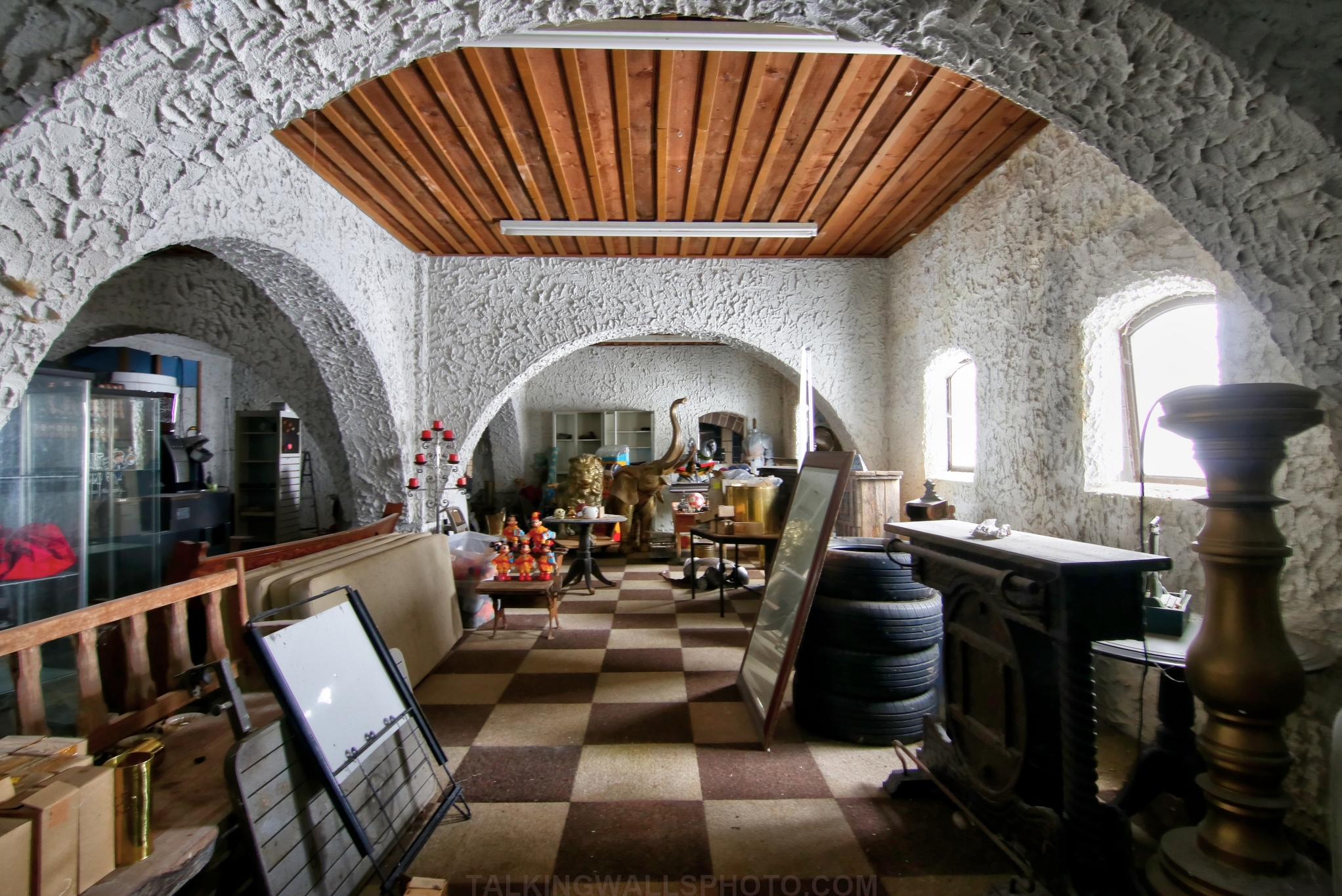
While I was researching Castle Village, I came across the work of photographer Mike Lalonde of Talking Walls Photography, who had the opportunity to photograph inside the property, and document what remains of this once-popular attraction. Mike was kind enough to give me permission to share some of his photographs..

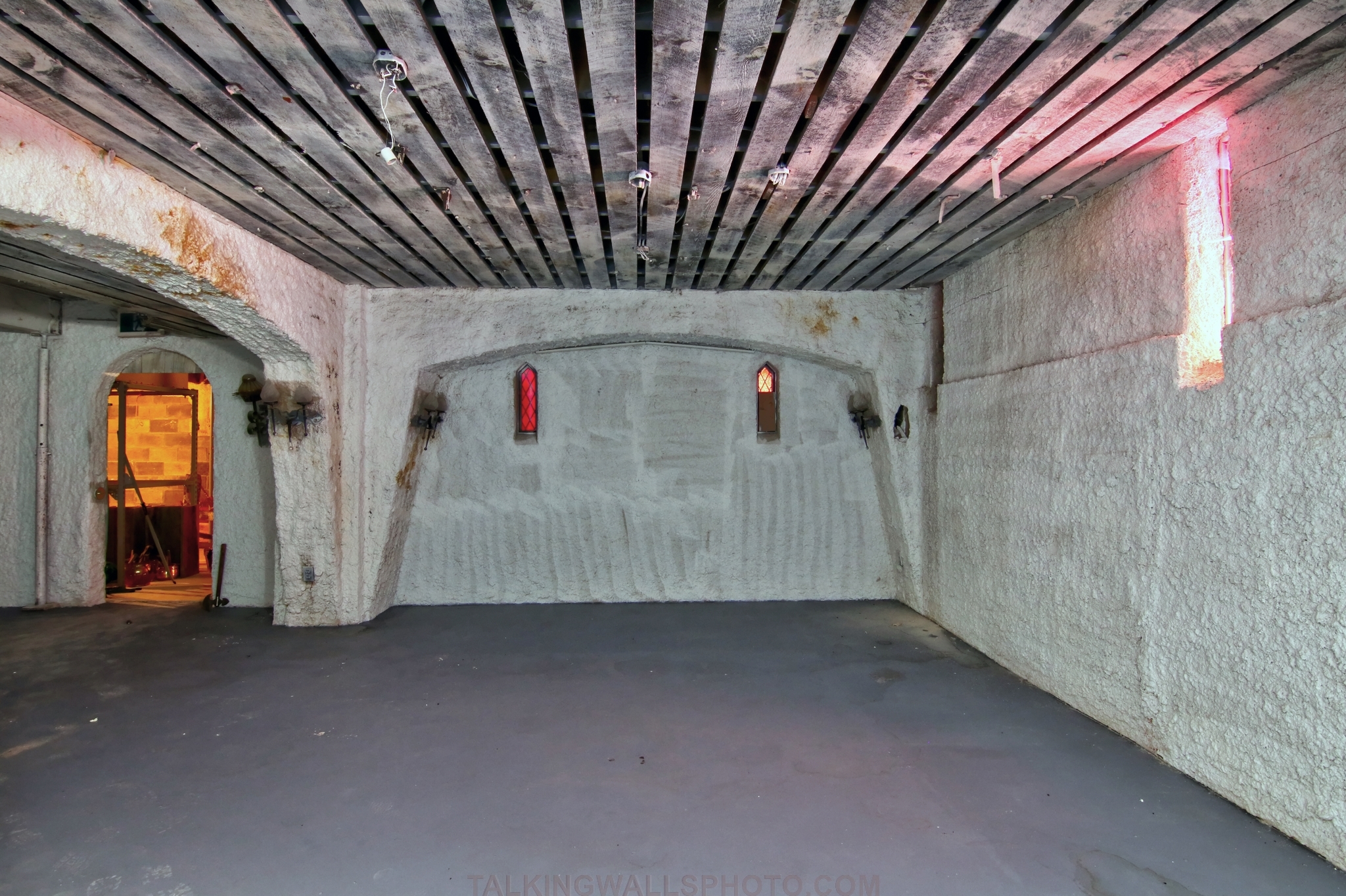
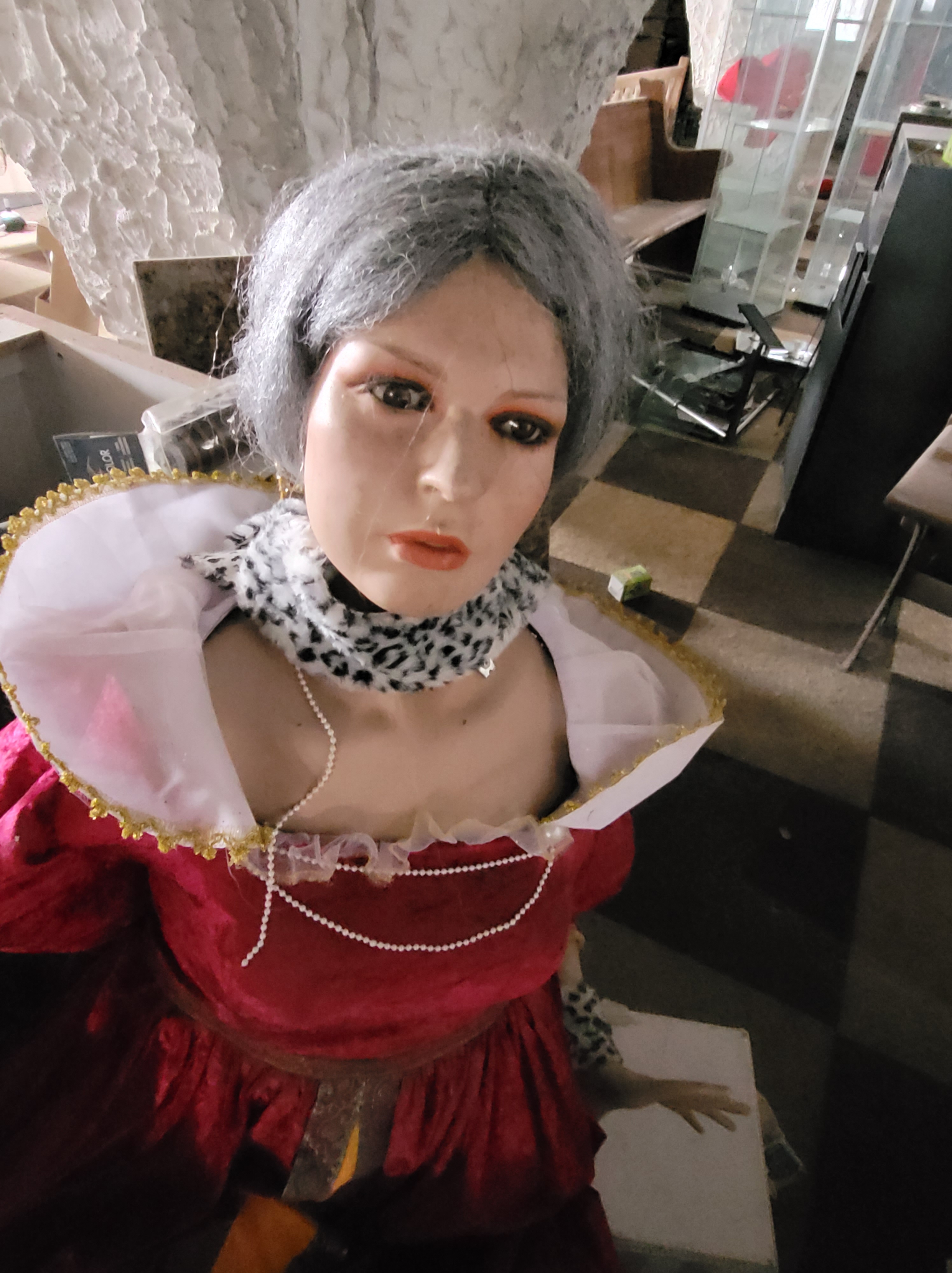
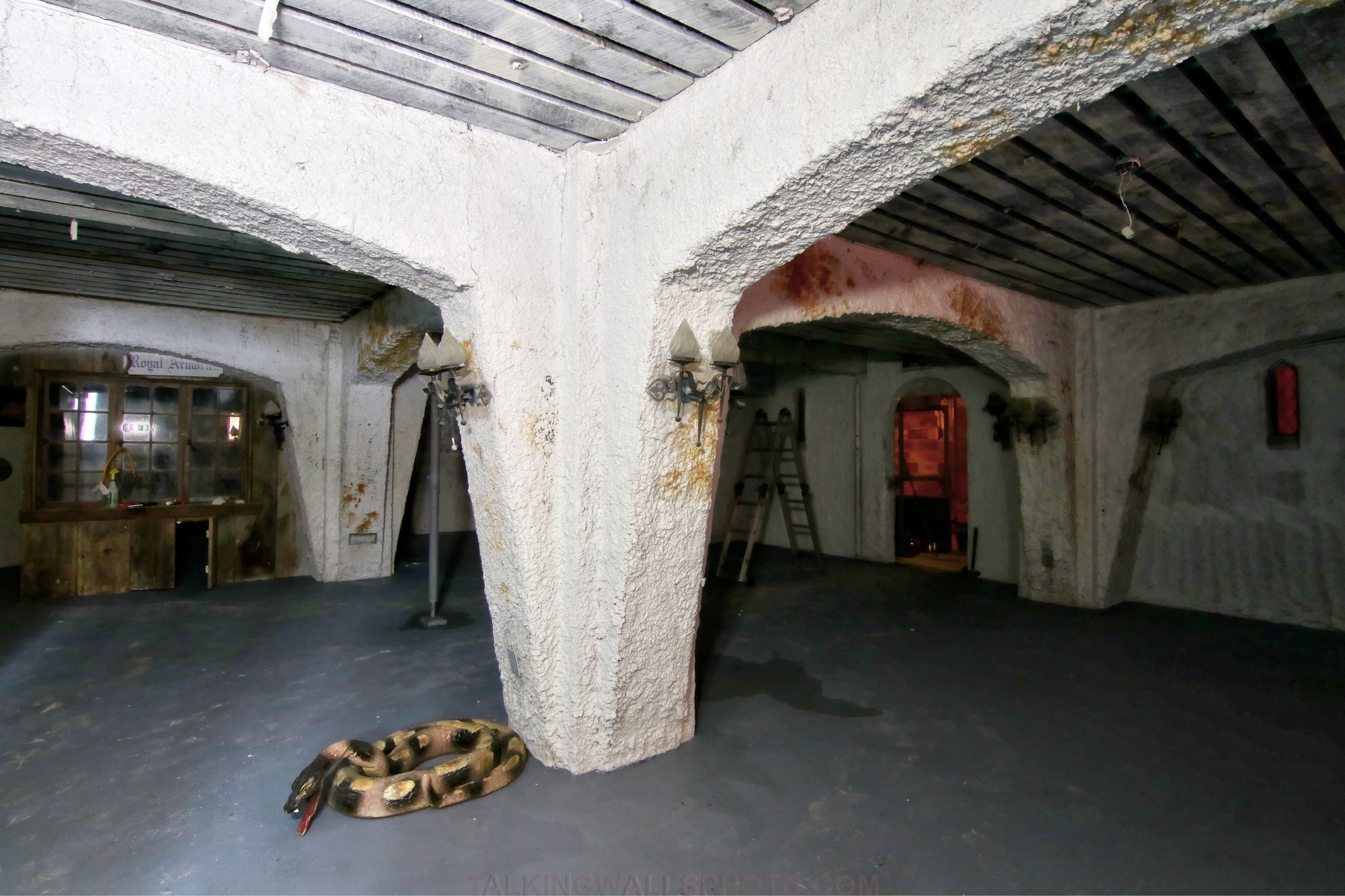
During my visit, I didn’t venture inside, but toured the grounds from outside the fence. I was curious to see what the castle looked like inside. Mike’s photos offer a tiny glimpse of the spaces and artifacts that now sit in silence, covered in dust.

Inside Castle Village, Midland ON ©2023 Photos by Mike Lalonde of Talking Walls Photography. Used with permission.

Sainte-Croix Roman Catholic Cemetery

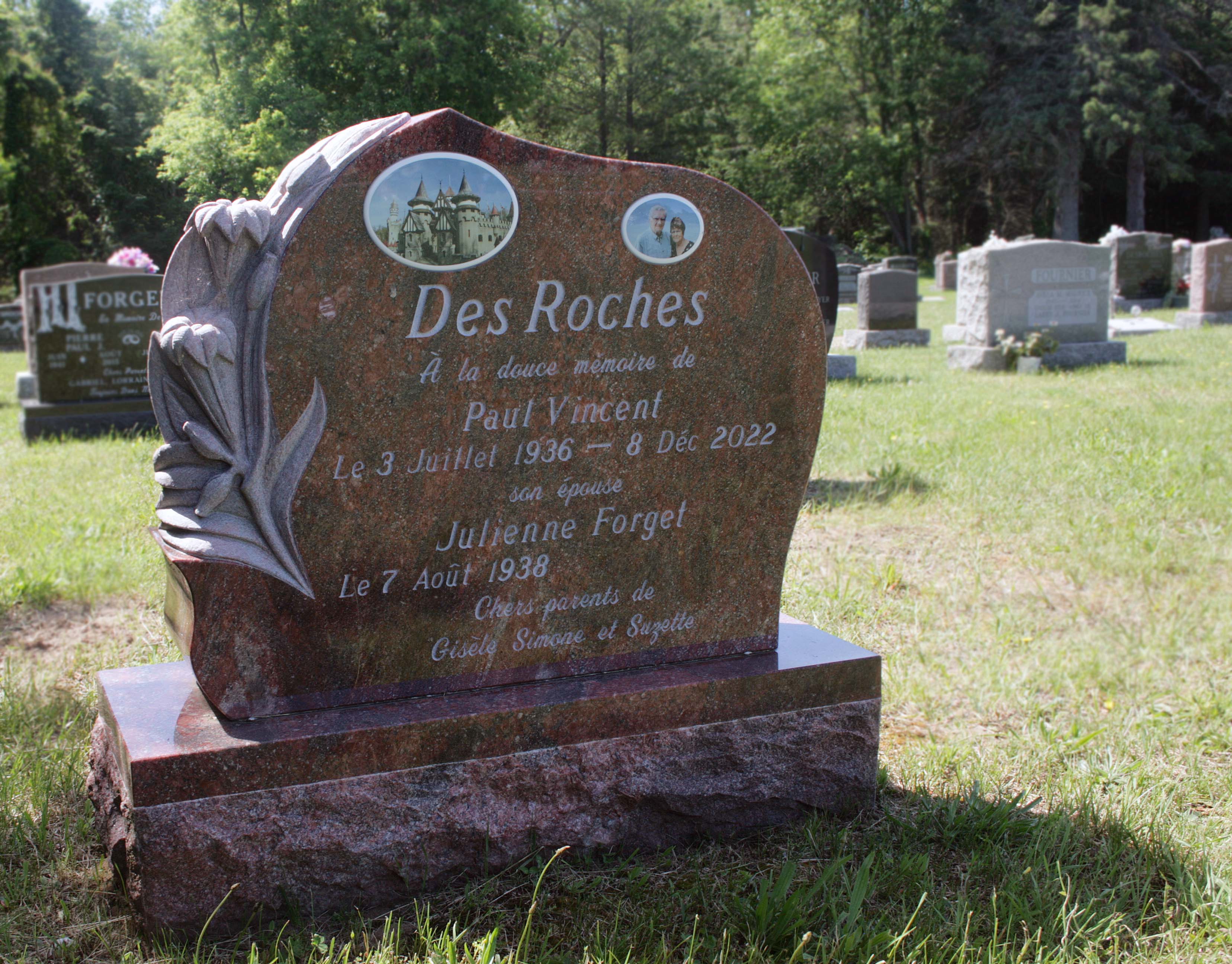
After seeing Castle Village and learning about the man who built it, I wanted to find Paul Des Roches’ grave. That brought me to Sainte-Croix Roman Catholic Cemetery in Tiny Township.

Paul passed away on December 8, 2022, at the age of 86, following a long battle with Parkinson’s Disease.2

The cemetery was quiet when I arrived, much like Castle Village had been earlier in the day. As I searched through the cemetery, I wasn’t sure exactly what I was looking for. Then a ceramic portrait of the castle caught my eye.

I knew immediately that I had found Paul.

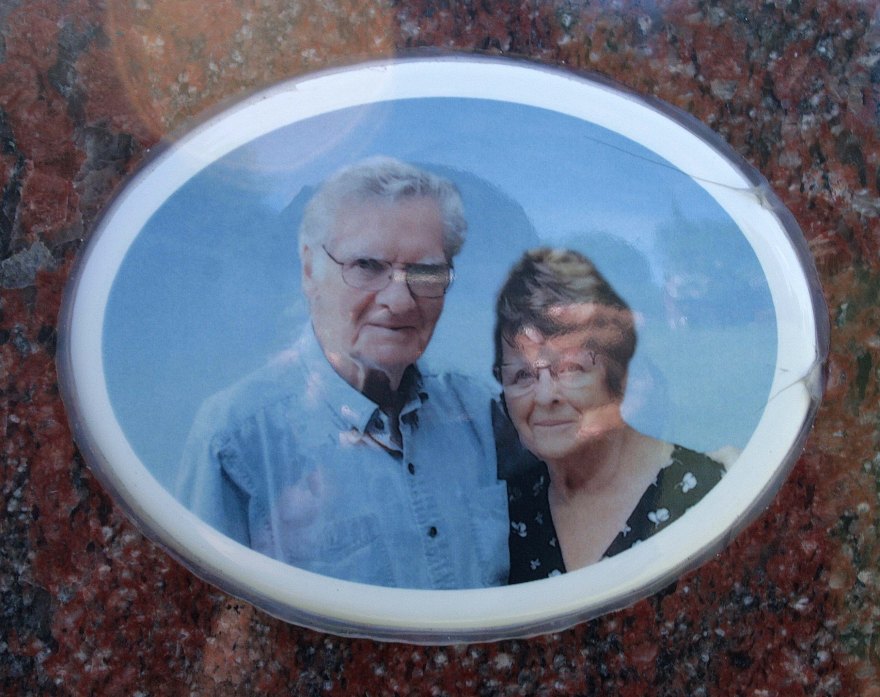
His gravestone features a ceramic portrait of Paul and his wife, along with a second portrait of his Enchanted Kingdom. It’s such a fitting detail for someone whose life was so closely tied to the place he had created.

I took a moment to pay my respects and thank Paul for bringing a little bit of whimsy and creativity into the world.

This story highlights one of my favourite things about visiting cemeteries. You never know where a little curiosity will take you or what you might uncover.

Paul had a dream and actually built it. Castle Village might be quiet now, but his creativity and imagination are still there. It’s a bit inspiring.

I think the world could use more people who are willing to dream up something a little different and make it happen. A little more whimsy wouldn’t hurt either.

Thanks for reading!


References:

  1. Castle Village And Enchanted Kingdom in Midland Ontario | Talking Walls Photography
  2. Paul’s Obituary | Budgell Funeral Home

Stone Stories: Stompin’ Tom Connors and a Sudbury Saturday Night

“The glasses they will tinkle while our eyes begin to twinkle, and we think no more of Inco on a Sudbury Saturday Night”1

If you are familiar with these lyrics and catchy tune, you might be from Northern Ontario. 

Sudbury Saturday Night, released in 1967, just might be Northern Ontario’s signature song. It was written in the mid-1960s by legendary country and folk singer Stompin’ Tom Connors.2 I grew up listening to this and other Stompin’ Tom songs, having been born and raised in Sudbury.

So, when I saw that a road trip with my mom would take me close to the final resting place of this music icon, I knew we had to make the small detour and pay our respects.

Thomas Charles Connors

Thomas Charles Connors was one of Canada’s most recognizable folk and country storytellers. Born in Saint John, New Brunswick to a young single mother, his early years were shaped by poverty and constant moving as he and his mother moved from place to place, often struggling to get by.3 After being placed in the care of the New Brunswick Children’s Aid Society, he was eventually sent to live with a family in Skinner’s Pond, Prince Edward Island.3 By the age of fourteen, he had left and begun hitchhiking across Canada, starting the journey that would define much of his life.3

With his guitar and a growing collection of songs, he spent years travelling from town to town, writing about the people he met and the places he passed through.4 Those experiences would go on to shape the storytelling style he would become known for, rooted in everyday Canadian life, small towns, and working people.4

He earned the nickname “Stompin’ Tom” because of his habit of stomping his boot on a piece of plywood during his shows to keep rhythm, which became part of his signature sound and stage presence.3

What really set him apart was how strongly he stayed rooted in Canada. At a time when many artists were pushed toward the American music industry, he deliberately chose to stay north of the border and write about Canadian places, people, and experiences.5 His songs often feel like snapshots of everyday life, from rail yards to hockey rinks, and that grounded storytelling is a big part of why he is still so widely remembered.

One of his most iconic songs, Sudbury Saturday Night, captures the feeling of a working-class weekend in Northern Ontario and continues to be closely tied to Sudbury’s identity.2

Stompin’ Tom passed away from natural causes in 2013 at the age of 77.6 In the days leading up to his death, he wrote a handwritten letter to his fans, thanking them for the support they had shown him throughout his career and life.6

Erin Cemetery

Stompin’ Tom Connors is buried at Erin Cemetery in Erin, Ontario, alongside the ashes of his mother.7 It’s a small rural cemetery in a town southwest of Toronto, surrounded by rolling countryside where life moves at a slower, more peaceful pace.

On a road trip that took me through the area, I knew this was a stop I couldn’t pass by. There’s something powerful about standing in front of a name you have heard in music your whole life, now carved into stone in a quiet place like this. It shifts the experience from listening to someone’s story to standing directly in the space where part of it now rests.

It was a beautiful summer day when we visited back in July 2024. The sun was bright, and there really was not much shade anywhere in the cemetery. It’s a very open space, except for a small tree-lined area in the west corner. That just happens to be where Connors is laid to rest, which felt like a bit of quiet luck on a hot day.

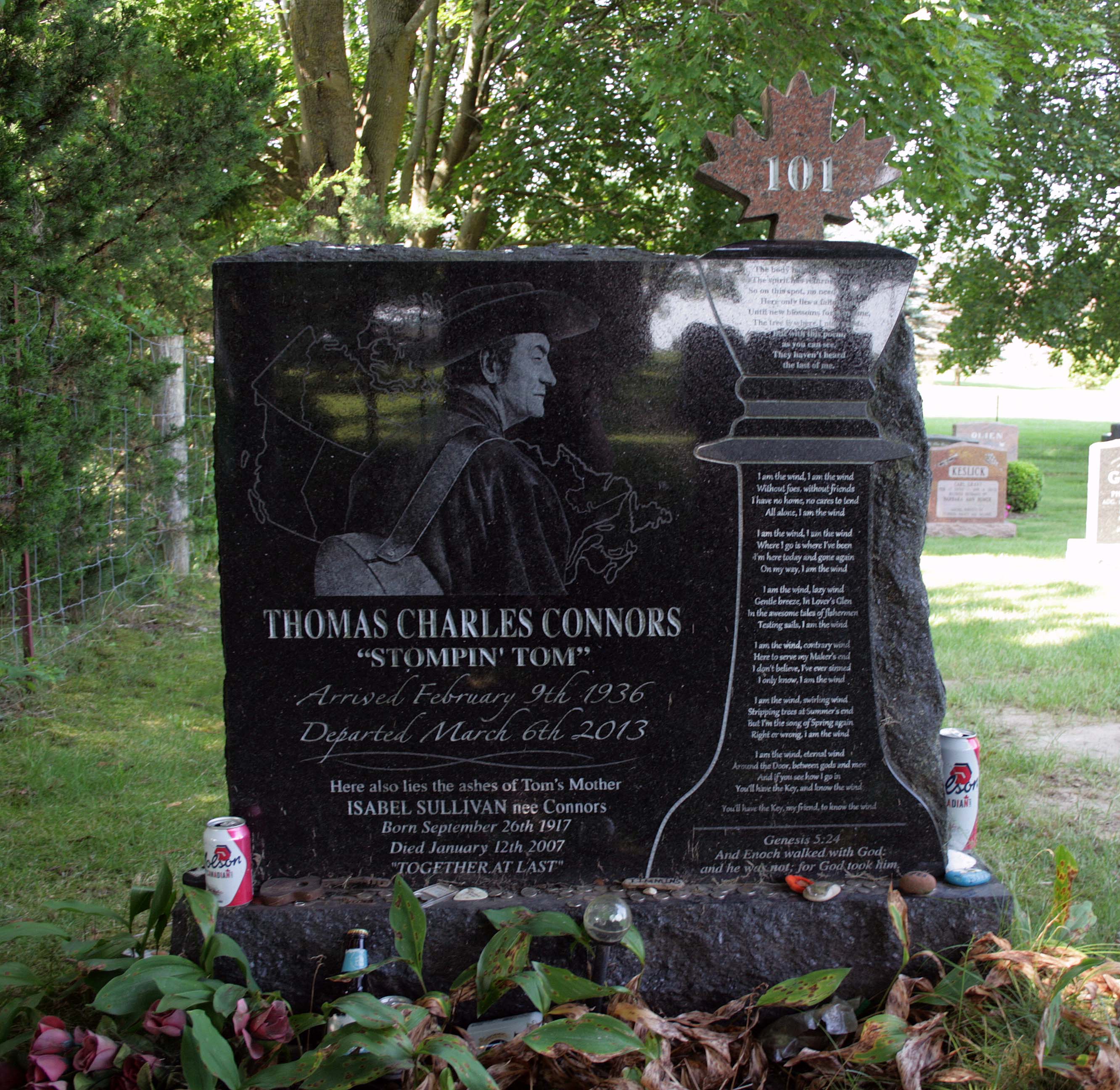
His black granite gravestone immediately stands out, both for its design and for everything left around it. The stone features a portrait of Connors in profile with his guitar, set in front of an outlined map of Canada, a simple but meaningful tribute. There is also a Bible verse inscribed on the stone, adding another personal layer to the memorial.

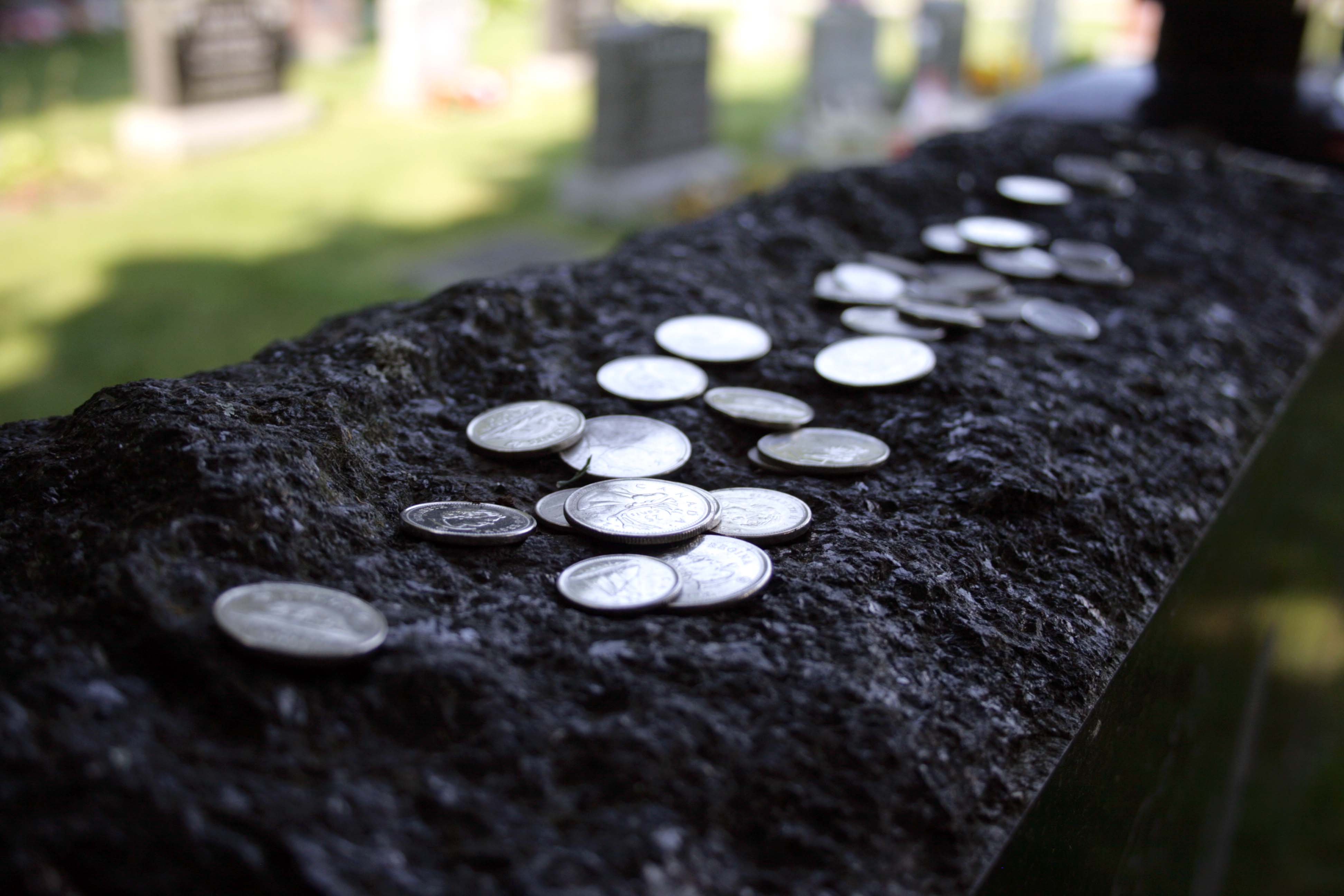
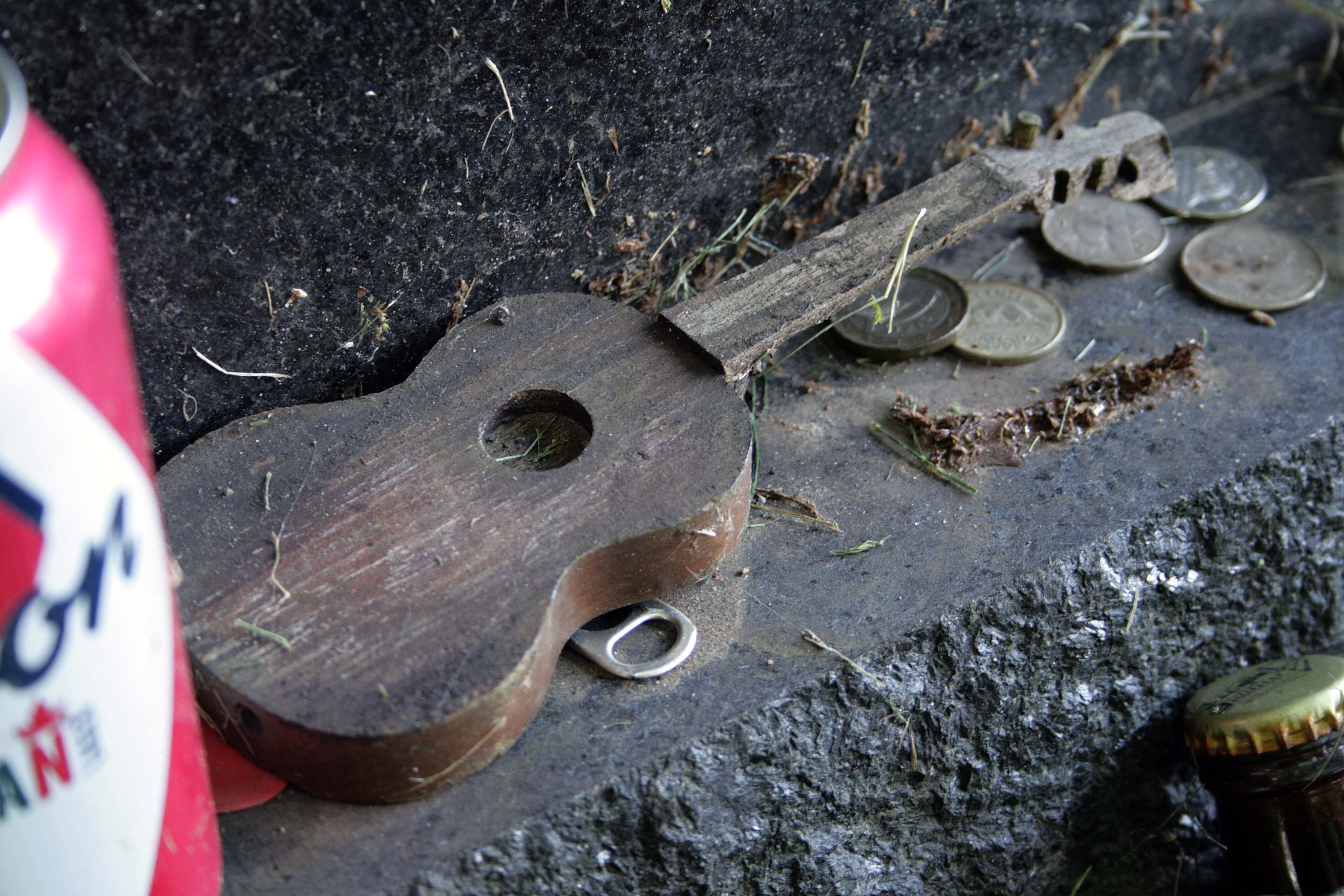
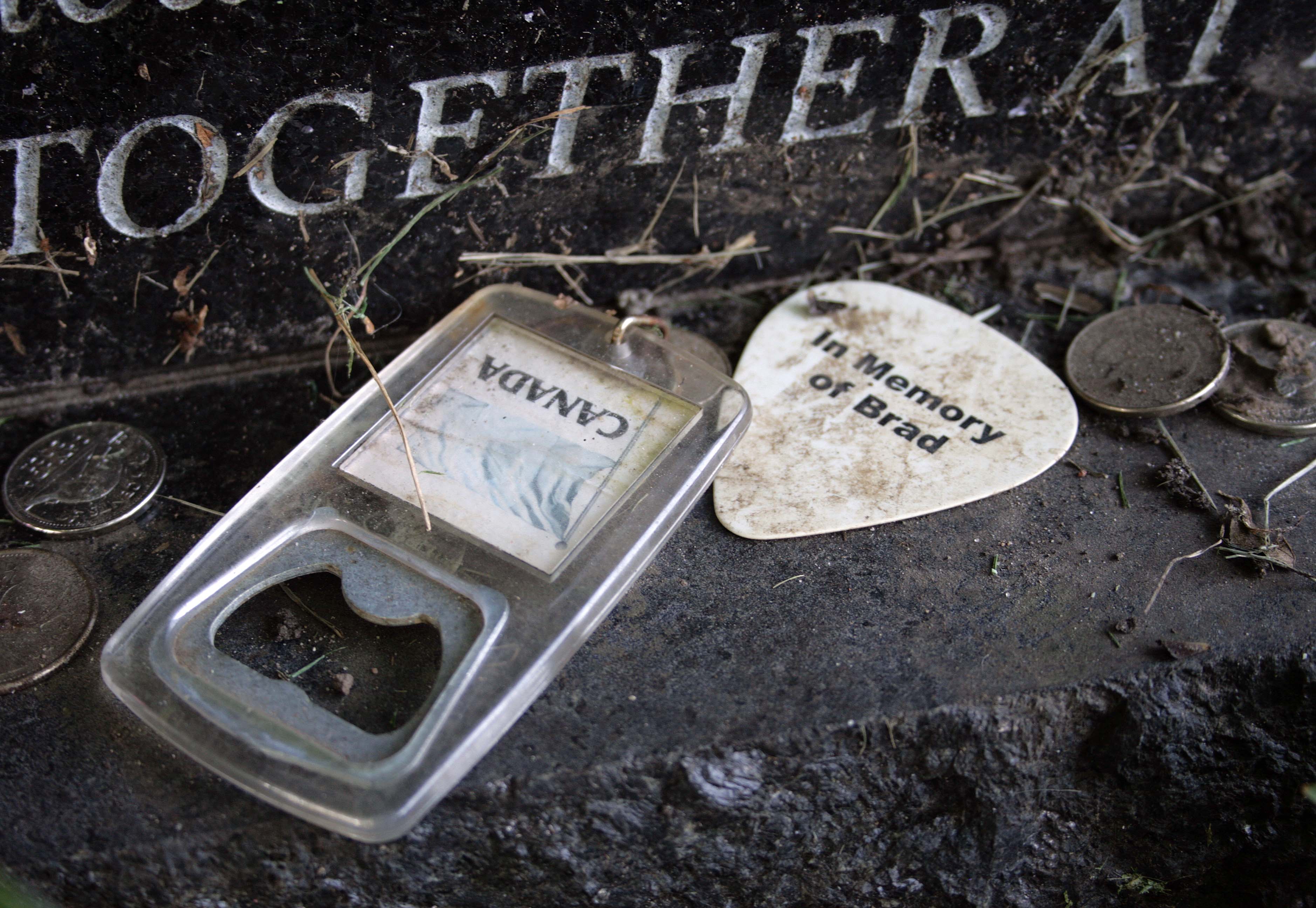
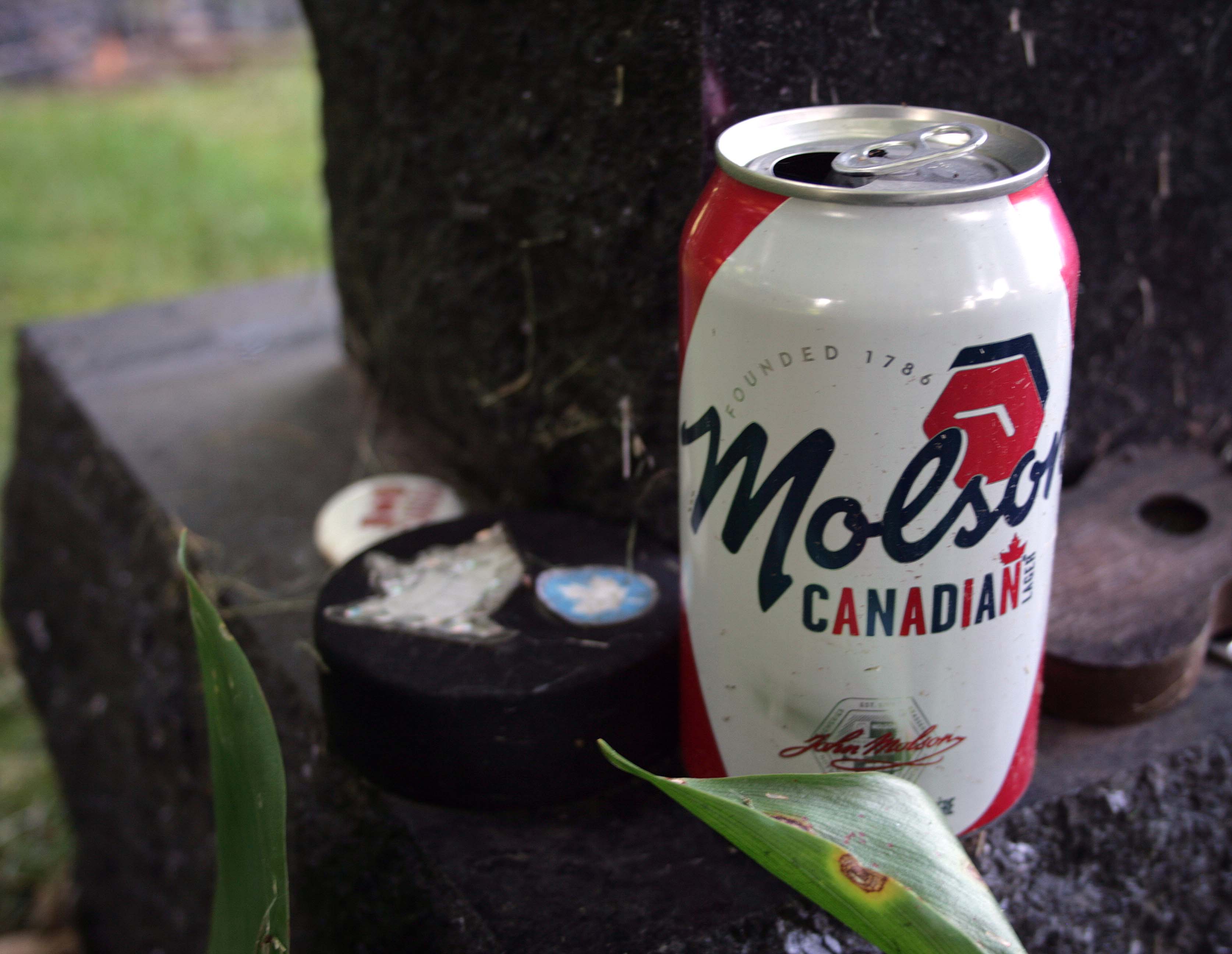
What really caught my attention were the items people had left behind. There was an assortment of coins and small stones, some inscribed with place names like P.E.I. and Timmins, which made it feel like visitors were leaving a piece of where they came from. There was also a small wooden guitar, a bottle opener, and a guitar pick, among other things. Each item felt intentional, like a quiet nod to who he was and the stories he told through his music.

There was no one else in the cemetery when we were there, but it did not feel empty. It felt like a place that is visited often, where people stop in, leave small tokens behind, and take a moment before moving on. It doesn’t feel like a tourist stop. It feels like a place where people keep a quiet conversation going with his music and memory.

A Sudbury Connection

Even though Stompin’ Tom Connors is buried in Erin, his connection to Sudbury runs deep.

Sudbury Saturday Night is arguably one of his most well-known songs, painting a picture of workers heading out to unwind after a long week.2 Over time, it has become closely tied to Sudbury’s identity and is often treated as an unofficial local anthem. The song continues to appear in community projects and tributes that celebrate both the city and its working-class roots.8

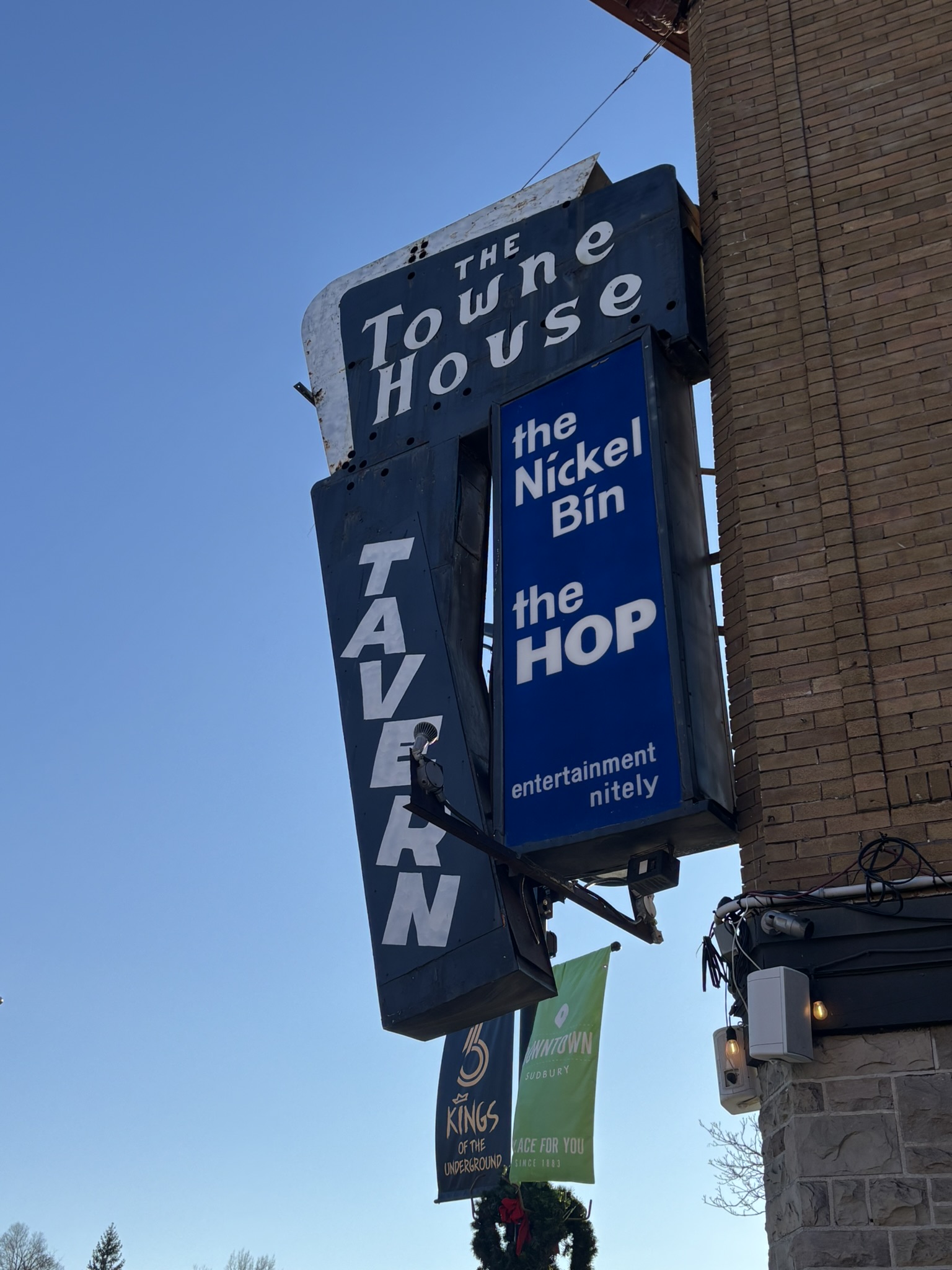
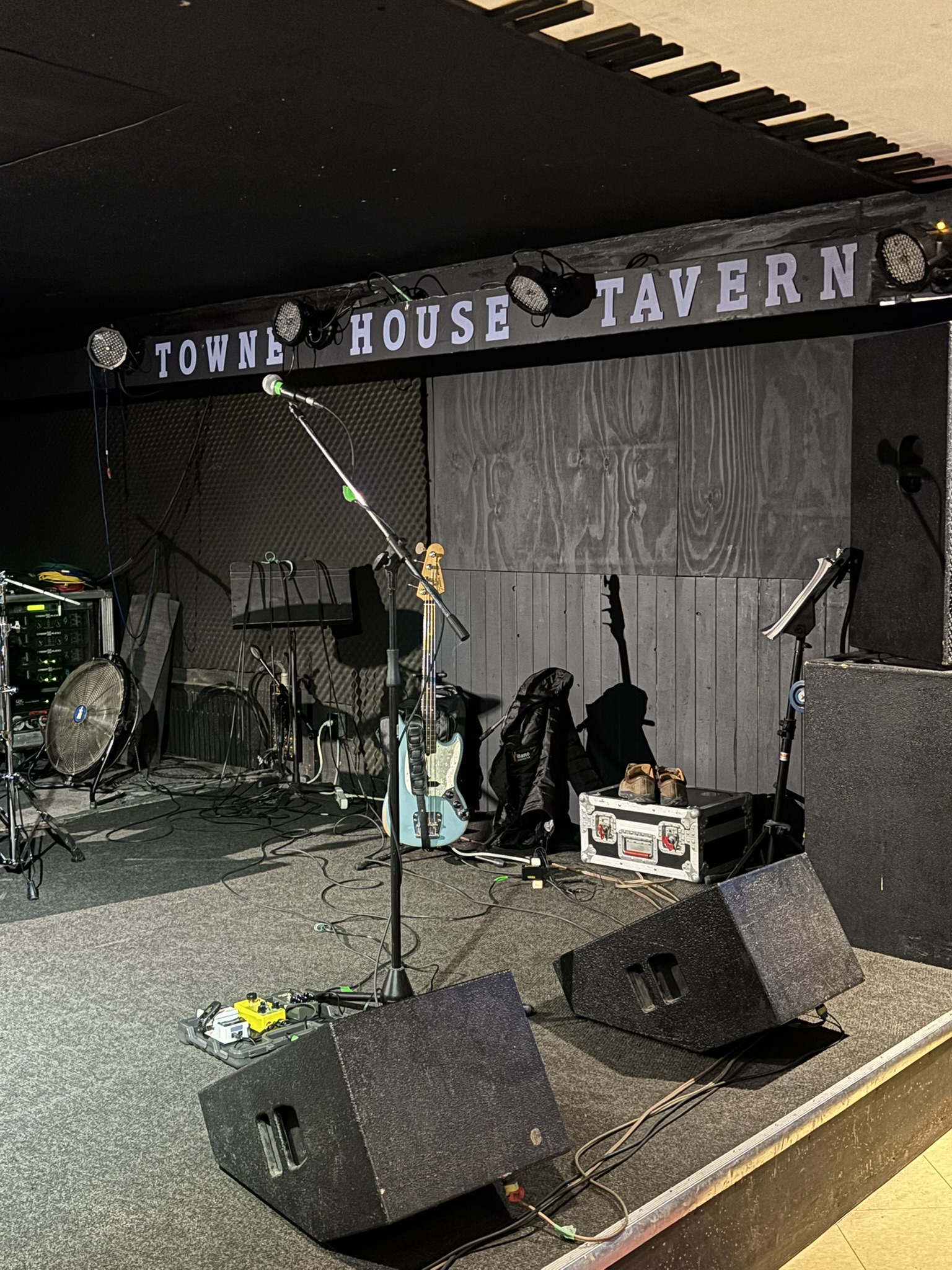
There is also a long-standing legend tied to the Townehouse Tavern, where Connors was performing in the mid-1960s. According to local accounts, he was playing a multi-week run at the bar when he wrote Sudbury Saturday Night, inspired by the energy of the room and the people around him.9

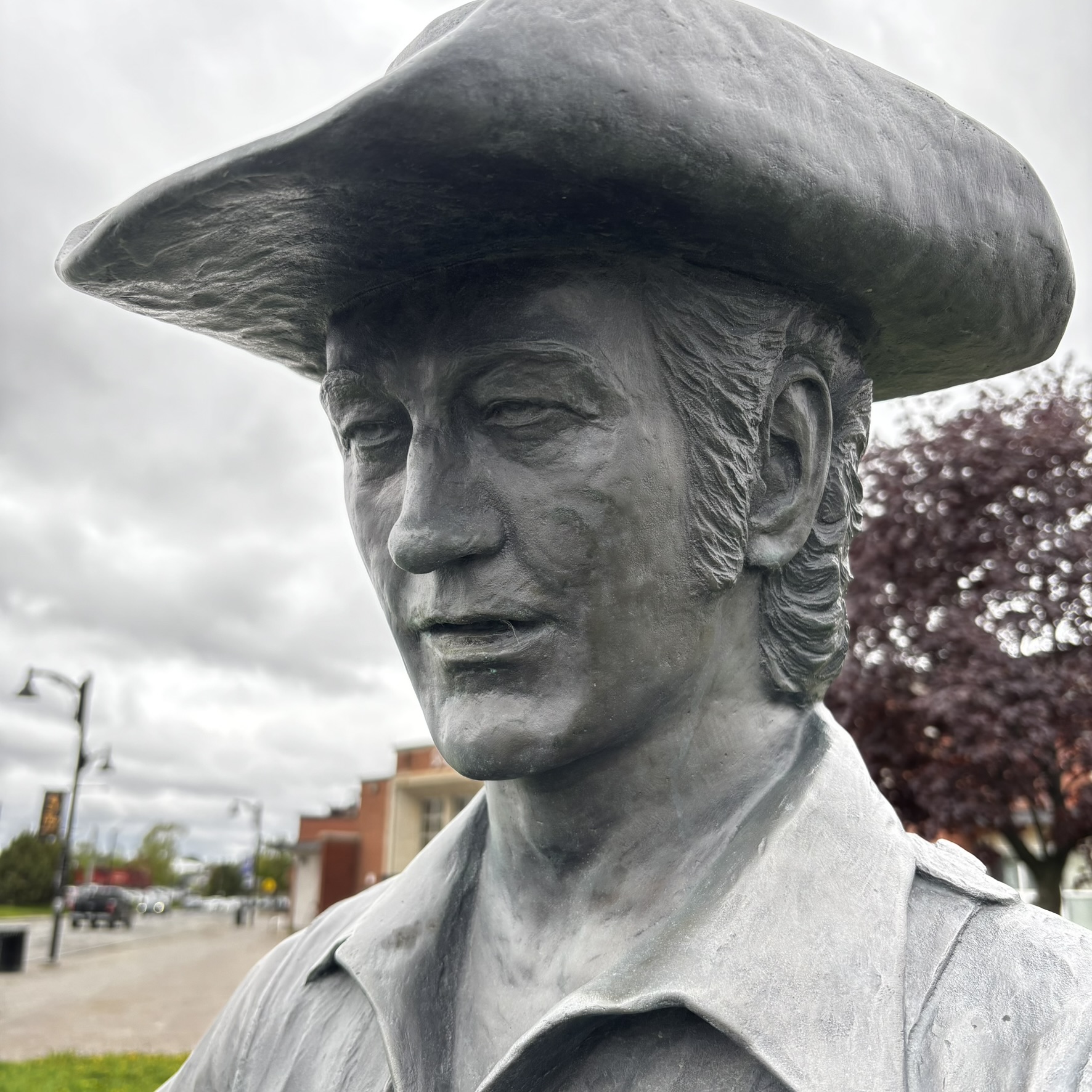
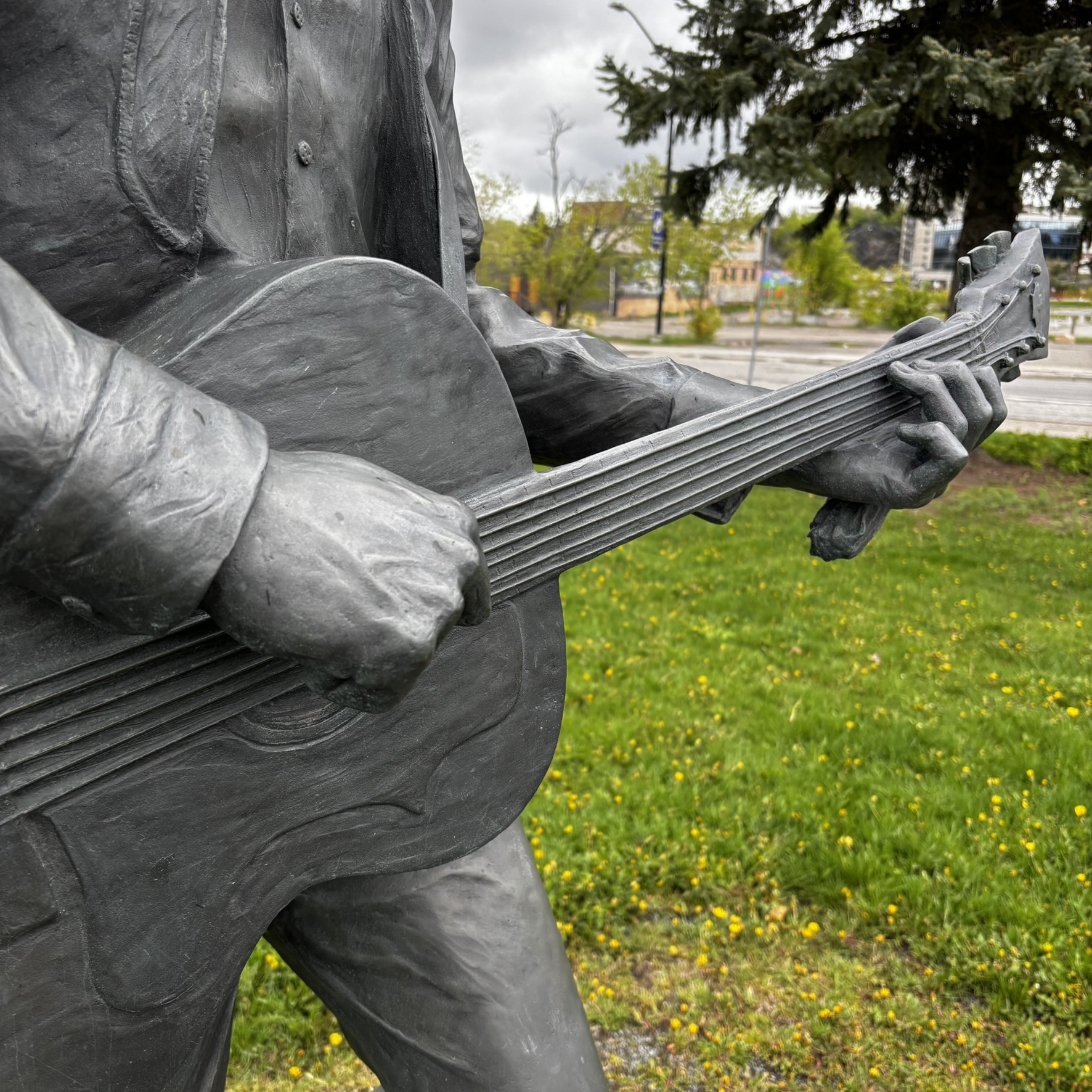
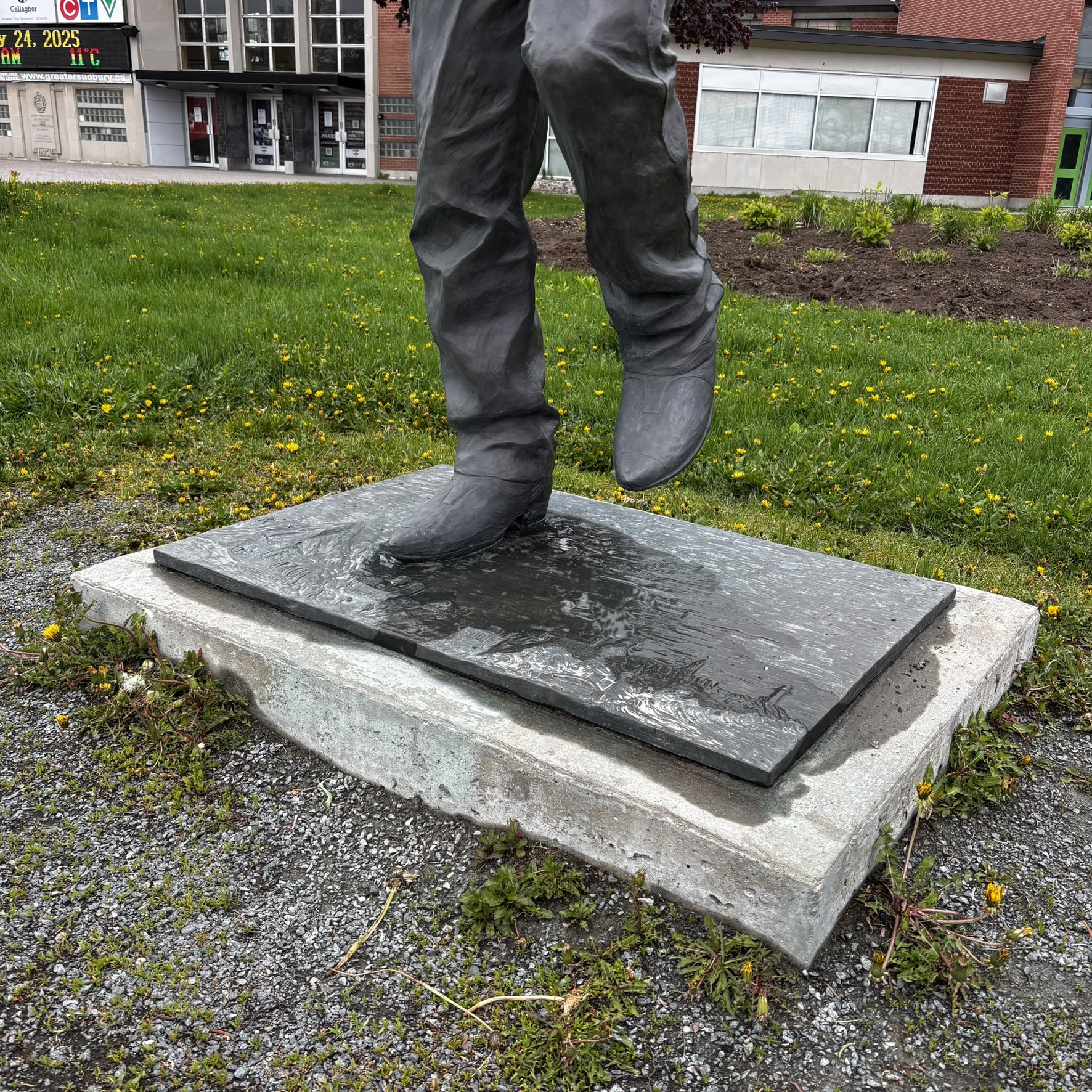
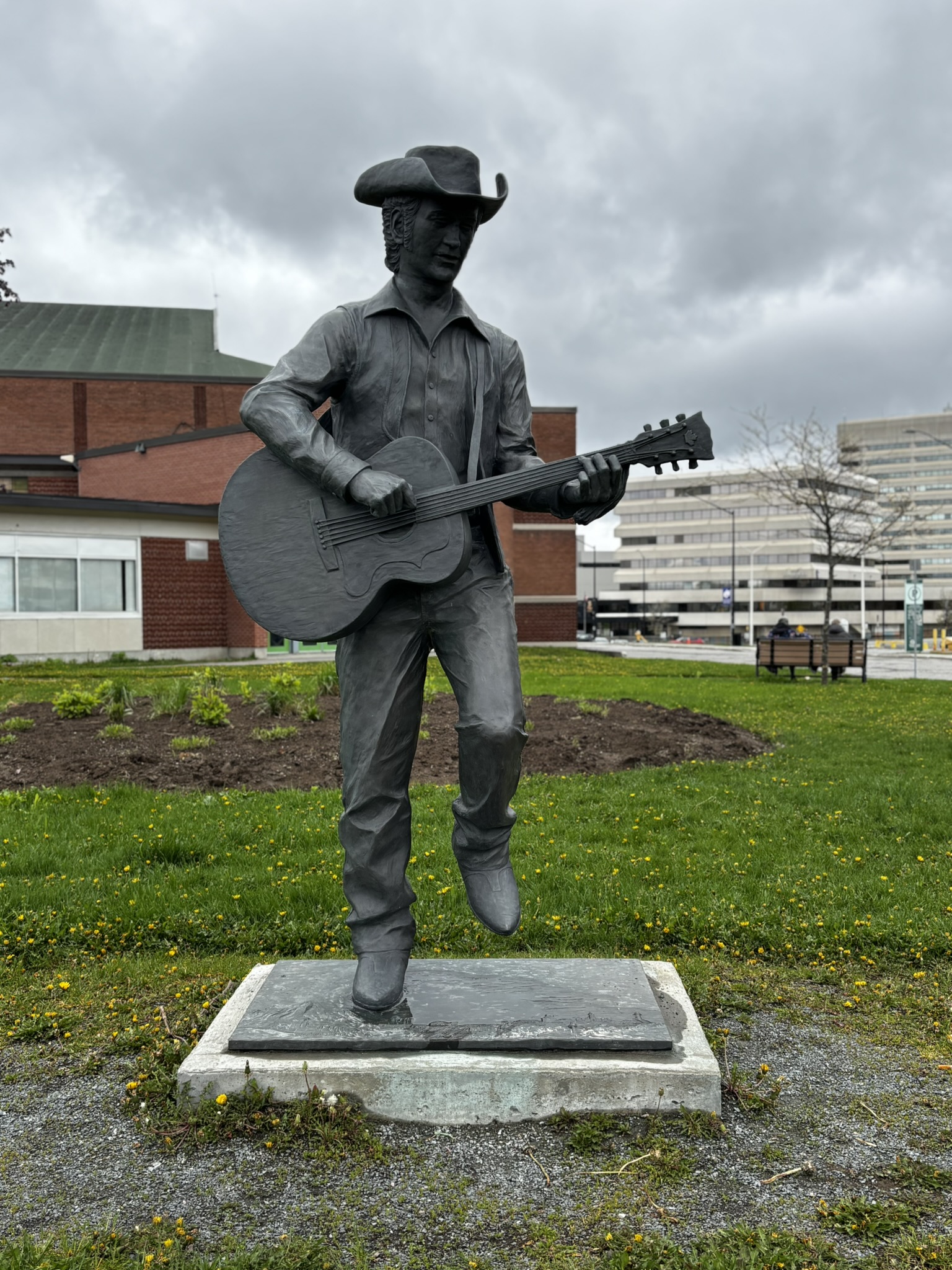
That connection is also visible in the bronze statue of Stompin’ Tom outside the Sudbury Community Arena. The statue, sculpted by Tyler Fauvelle, captures him mid-performance.6 His left hand is positioned for a C chord, one of the main chords used in Sudbury Saturday Night.10 It reflects how deeply his music has become part of the city’s identity and landscape.

Sudbury’s live music scene still carries that same spirit forward, especially at places like The Townehouse Tavern. The venue has long supported Canadian talent, regularly welcoming both local musicians and touring artists from across the country. In many ways, it continues the same spirit Connors championed, giving Canadian voices a stage and keeping grassroots music culture alive in the city.

Together, the song, the statue, and the local music scene show how one artist’s work can become part of a place’s identity in a lasting way.

Visiting Stompin’ Tom Connors’ grave feels like stepping into a quieter side of a very loud legacy. His music is still deeply present in Northern Ontario, and standing at his resting place adds a different kind of weight to songs that already feel familiar.

It made that small road trip detour feel completely worth it, and reminded me just how closely music, memory, and place can be connected.

Thanks for reading


References:

  1. Sudbury Saturday Night lyrics | Lyric Find
  2. What’s Ontario’s signature song? The case for ‘Sudbury Saturday Night,’ by Stompin’ Tom Connors | TVO Today
  3. The Icon | Stompin’ Tom Centre
  4. Stompin’ Tom Connors | The Canadian Encyclopedia
  5. How Timmins gave Stompin’ Tom Connors his first break | TVO Today
  6. Stompin’ Tom Connors dies at 77 | CBC
  7. Tom Connors | Find a Grave
  8. And we’ll all make a music video … on a Sudbury Saturday Night | Sudbury.com
  9. Memorial Stomp for Tom, Saturday |Sudbury.com
  10. Stompin’ Tom Connors statue unveiled in downtown Sudbury | CBC

Cemetery Book Review: Titanic Victims in Halifax Graveyards

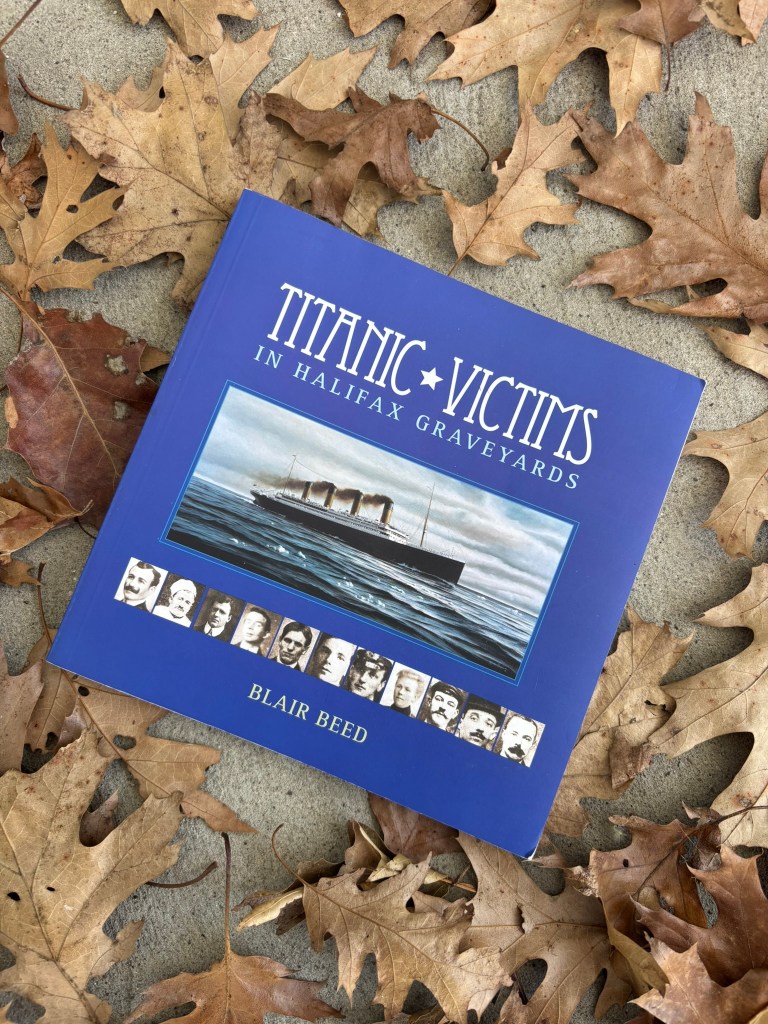
April always makes me think of the Titanic. It’s hard not to, with the anniversary of that tragic sinking approaching. This year, I spent some time reading Titanic Victims in Halifax Graveyards, a book my mom found while thrifting. She’s always been fascinated by Titanic history, and after finishing it, she knew I would love it too, so she passed it along.

Written by Blair Beed and first published in 2001, this book is a deep dive into the stories of Titanic victims who ended up in Halifax, Nova Scotia. Beed, a Halifax resident, brings his experience as a tour guide and tourism professional to the page, giving the book both historical context and local insight.

Here is the synopsis from Goodreads:

“For eighty-five years dozens of victims of one of the most famous ships in history rested quietly in Halifax, Nova Scotia, until the 1997 film Titanic created a renewed interest in the burial sites. Visitors to Halifax have many questions about the city’s connection to the infamous ship. Of the 328 bodies found, why were some buried at sea? Why were 59 bodies sent elsewhere for burial and the rest buried in Halifax? Titanic Victims in Halifax Graveyards answers those questions while telling the intriguing and little-known story of the 150 passengers and crew who were buried in the port city of Halifax. Using official reports and newspaper articles, author Blair Beed provides an outline of life on board the Titanic, describes society as it was in 1912, and highlights the care for the dead taken by the crews of the recovery ships and those who met them on arrival in Halifax. This revised edition, with two new chapters and an updated design, is an important addition to any Titanic library.”

I love that my copy still had the receipt tucked inside. It was purchased at the Maritime Museum in Halifax, which houses many Titanic artifacts. It may seem odd, but I’ve kept the receipt with the book. It feels like a small, tangible connection to the city and the history it preserves.

The book is meticulously researched, walking readers through the victims’ stories with care and detail. It would make an excellent companion if you’re planning to visit the Halifax cemeteries, which I hope to do someday. I’d love to take my mom along too, since she shares my fascination with this history.

The details blew me away! From the recovery mission itself, to how every piece of clothing and even tattoos were documented to help identify the victims. I also appreciated how Beed organizes the book: part historical narrative, part cemetery guide, making it easy to follow the locations and stories of each burial site.

I absolutely loved this book. I’d recommend it to anyone interested in Titanic history, Halifax’s maritime past, or even just those with a morbid curiosity. It’s incredible to realize how much there is still to learn about this tragic event, even 114 years later.

Thanks for reading! 


I am always on the hunt for cemetery-related book recommendations. If you are an author and have a cemetery-related book you would like me to review, please reach out at hello@chantallarochelle.ca. I would love to hear from you!

Cemetery Stories: Canada’s Largest Cemetery

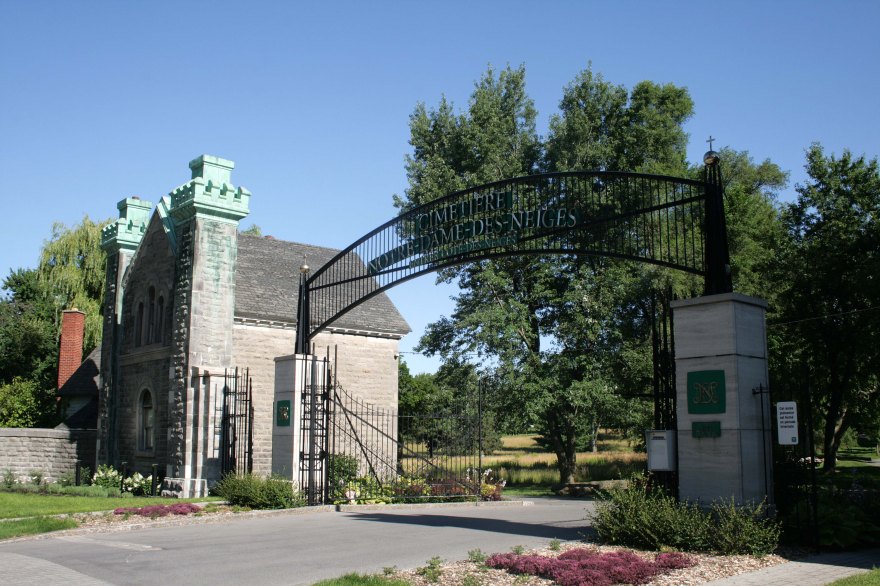
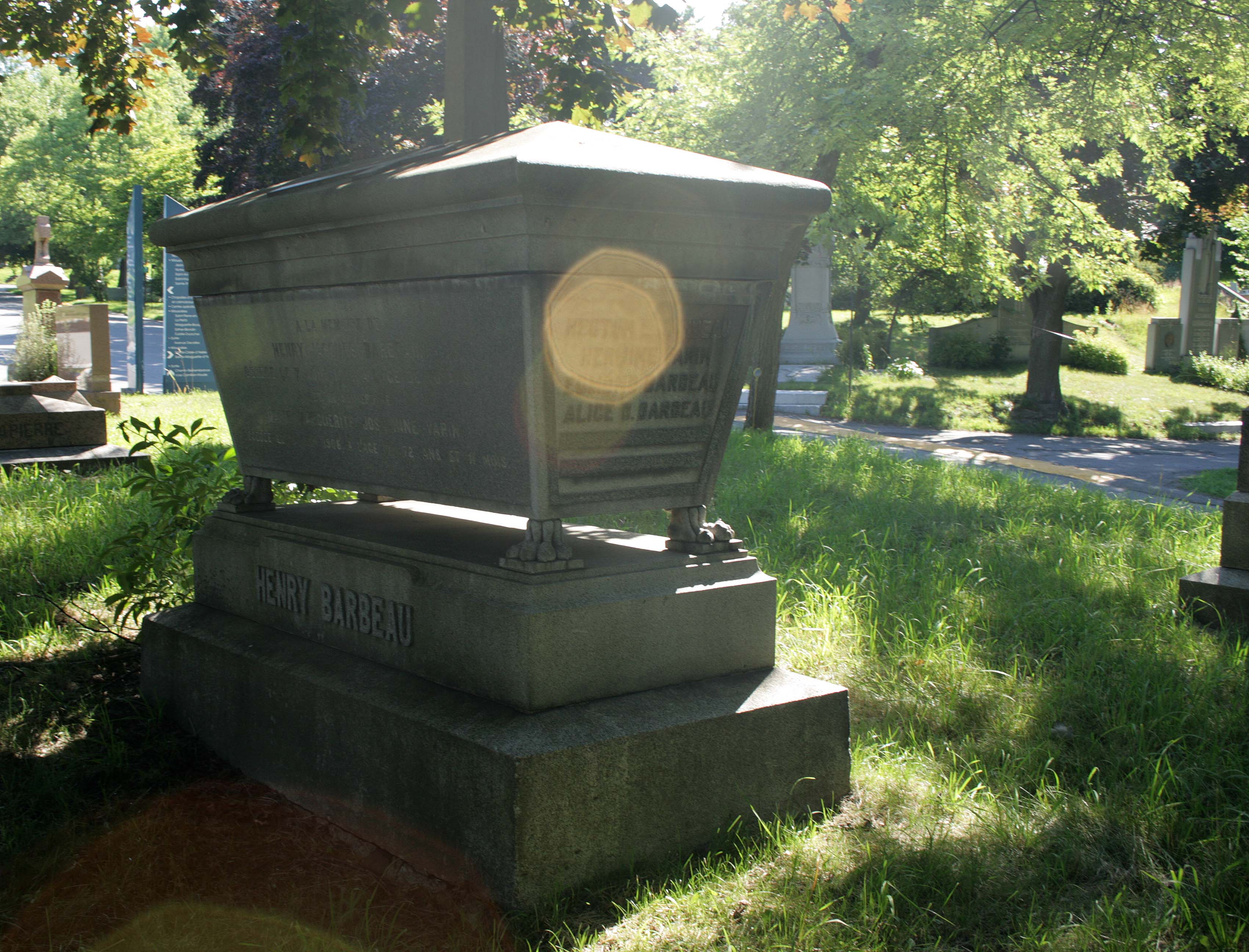
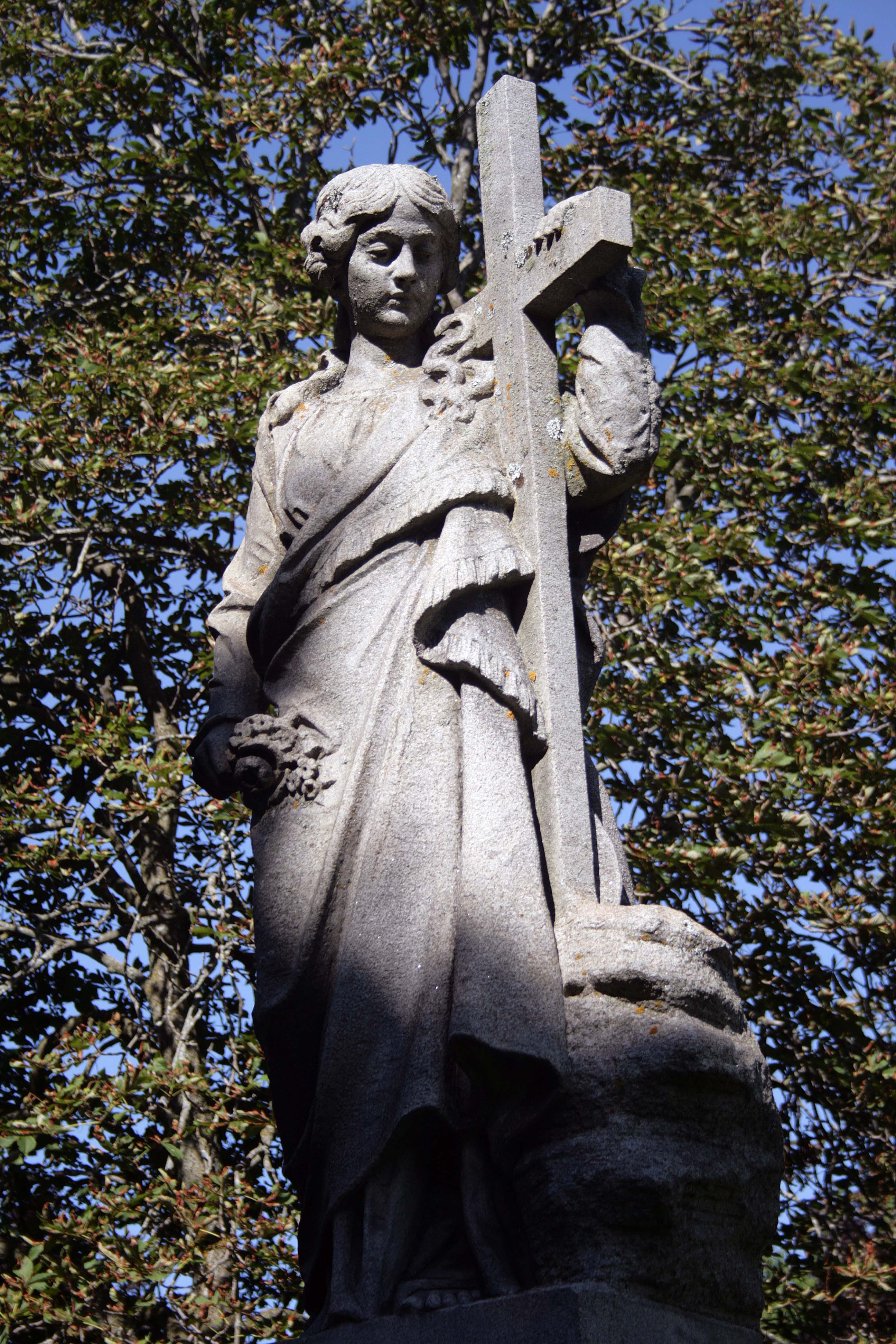
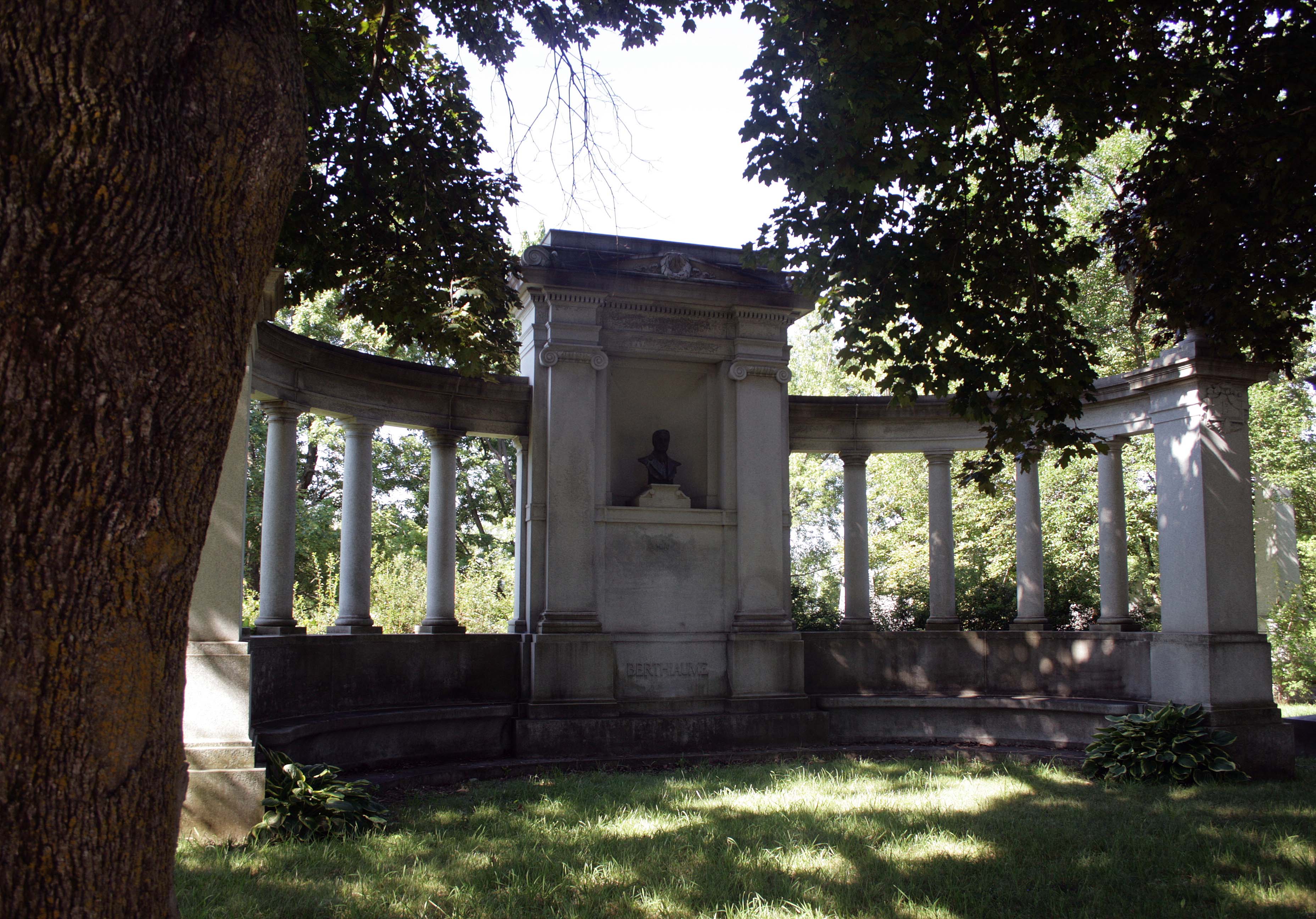
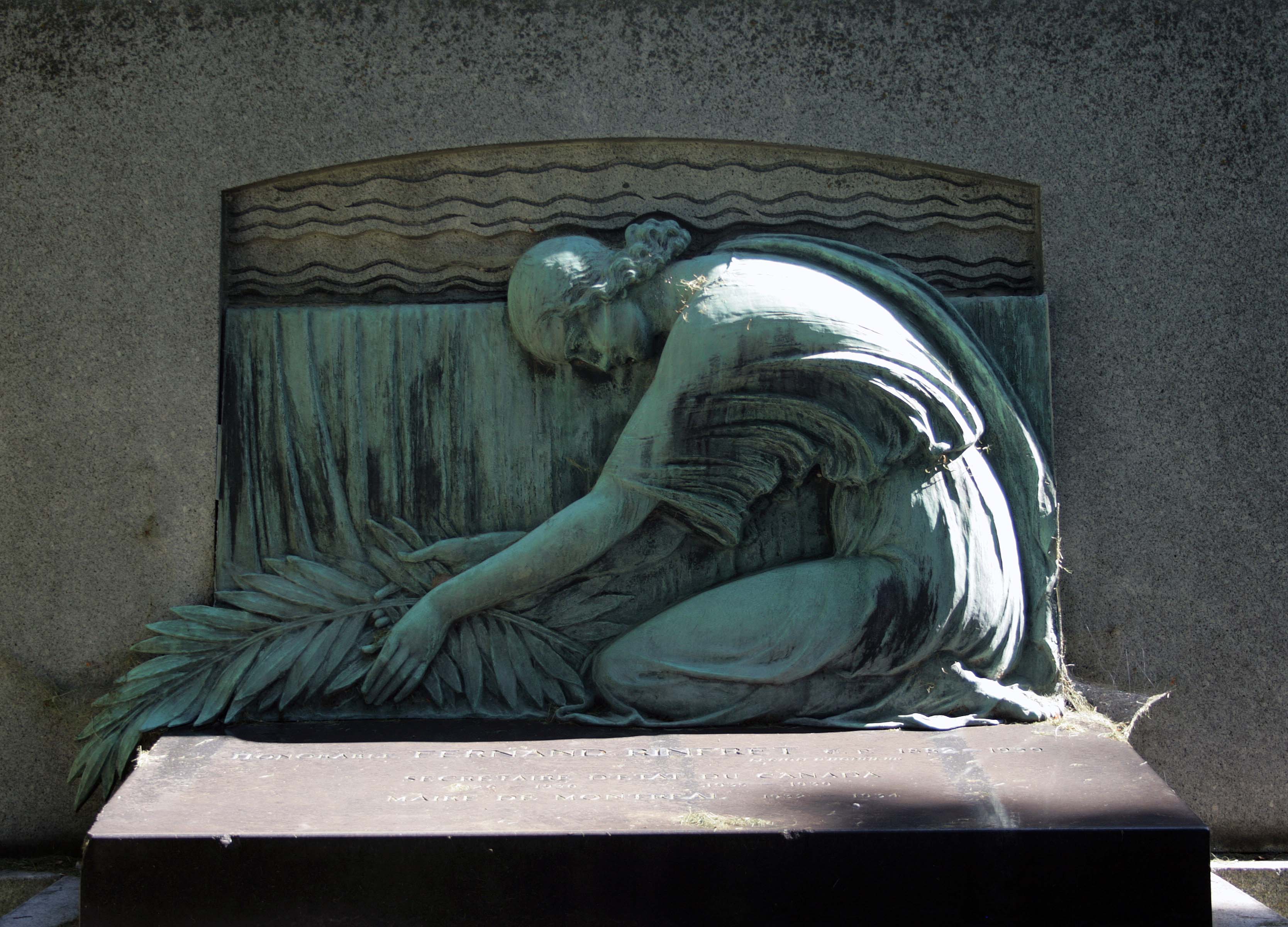
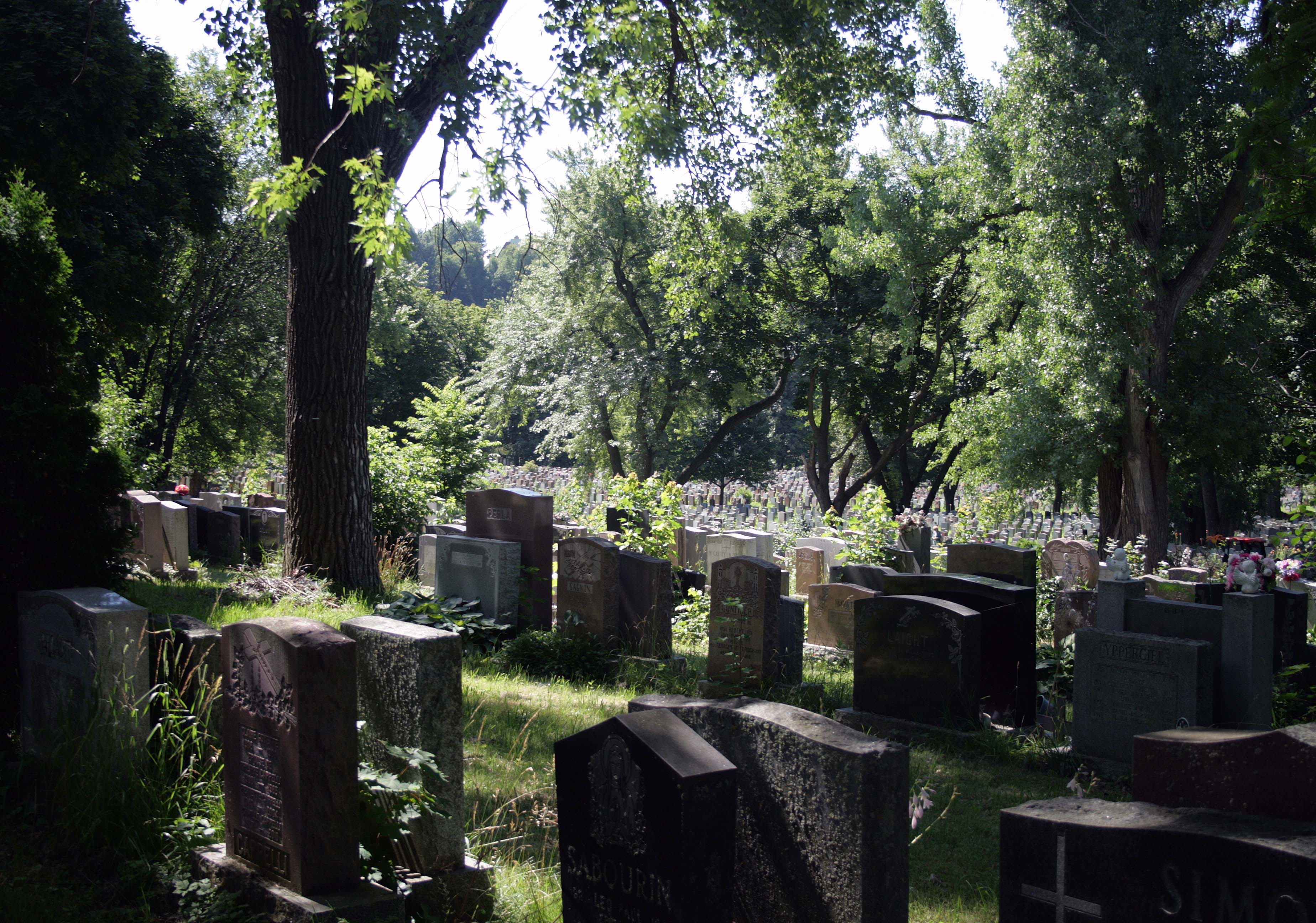
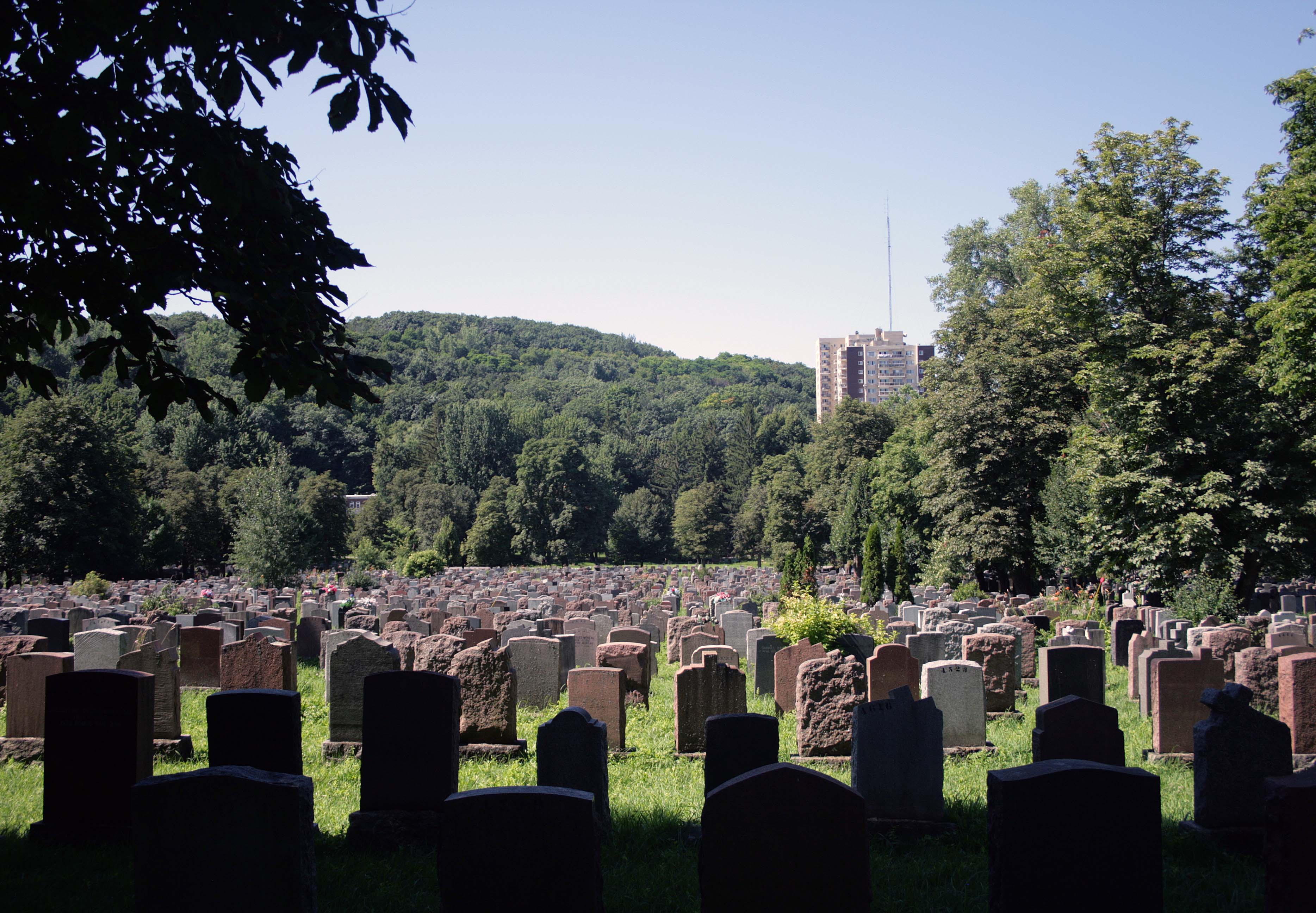
Some cemeteries are small and quiet, tucked behind a church or hidden along a country road. Others are so large they feel more like cities for the dead. Cimetière Notre-Dame-des-Neiges in Montreal definitely falls into that second category.

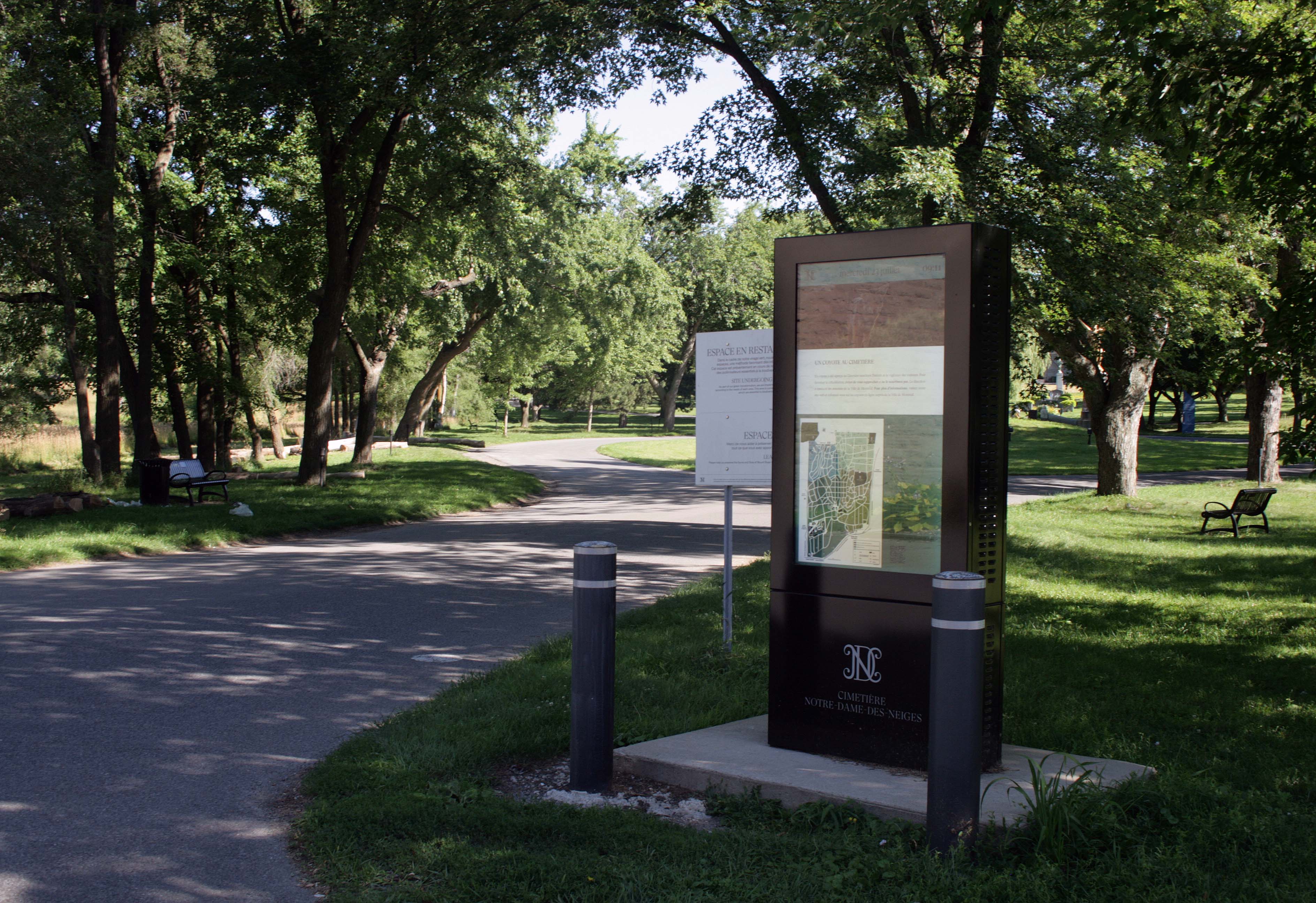
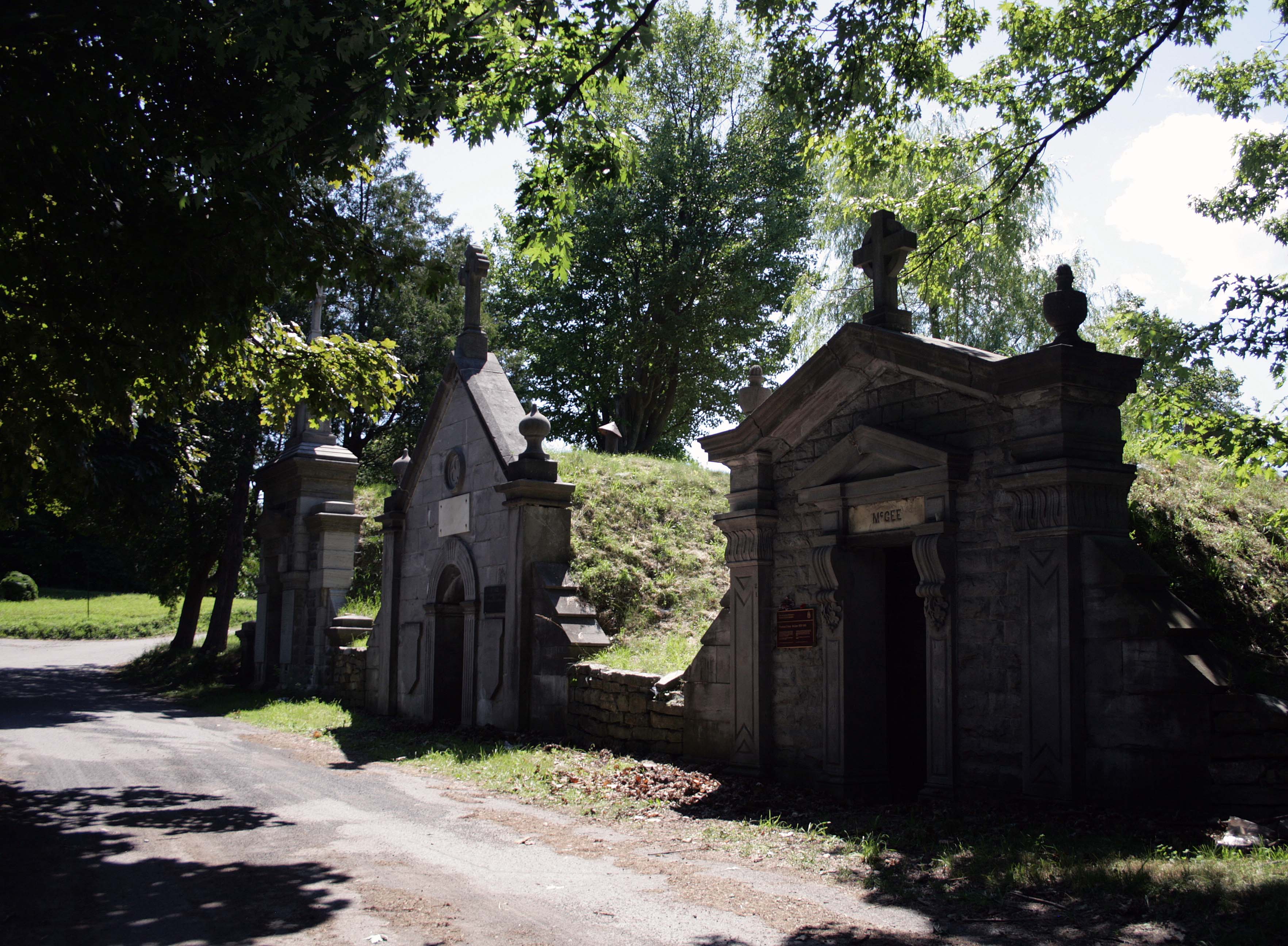
Located on the slopes of Mount Royal, this cemetery is the largest in Canada and one of the largest in North America. With winding roads, towering monuments, and thousands of trees, it feels less like a cemetery and more like a historic park filled with stories.

History

Cimetière Notre-Dame-des-Neiges was founded in 1854 by the parish of Notre-Dame in Montreal. The first burial took place on May 29, 1855, for a 35-year-old Irish woman named Jane Gilroy.¹ Earlier cemeteries had been located near churches, but space and hygiene concerns, along with a 1853 city bylaw, forced a move to Mount Royal.1

Sitting on the mountain gives the cemetery symbolic meaning in Catholic tradition, representing hope for the promised resurrection. Surrounded by nature, it also offers a quiet place for reflection. Walking among the trees and winding paths, visitors can feel the combination of history, art, and natural beauty all at once, which also makes it a great spot for photography.

Today, Notre-Dame-Des-Neiges is recognized as the largest cemetery in Canada and the third largest in North America.²

The cemetery was designed during a time when burial grounds were being reimagined as peaceful landscapes rather than crowded churchyards. Its layout was influenced by the famous Père Lachaise Cemetery in Paris, with winding paths, scenic views, and carefully planned monuments.³

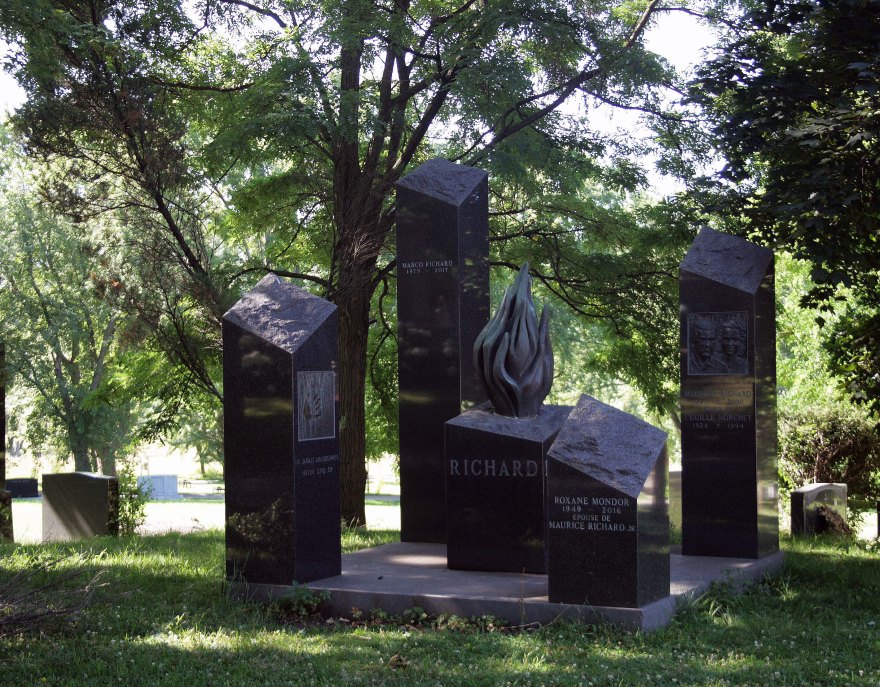
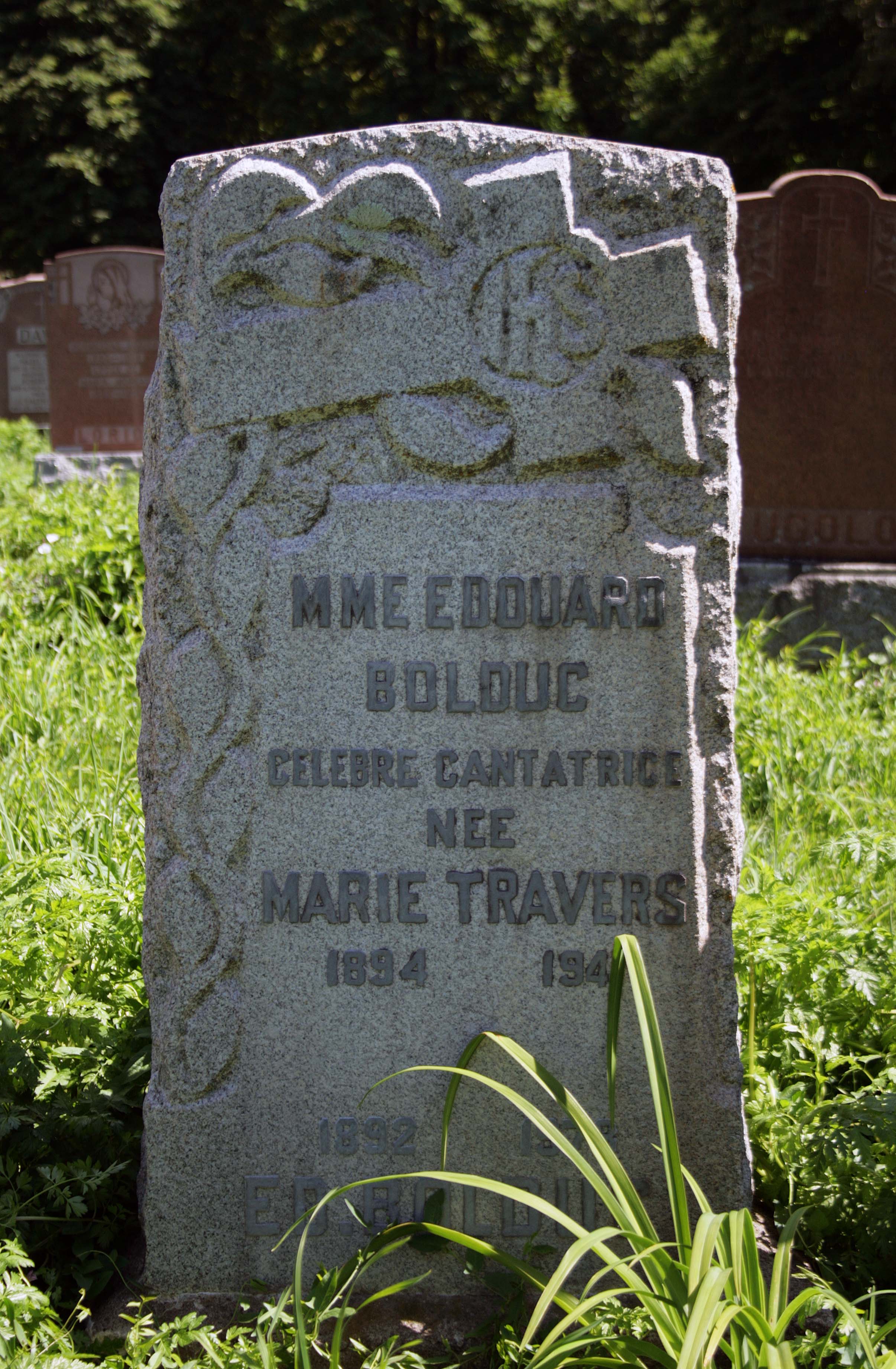
Over the years, the cemetery has become the final resting place for many notable Canadians, including hockey legend Maurice “The Rocket” Richard, beloved folk singer La Bolduc, music producer and talent manager René Angélil, and Sir Georges-Étienne Cartier, one of the “Fathers of Confederation”.⁴

The cemetery also functions as a large natural park, with more than 13,500 trees spread across its grounds.3 Because of its historical, cultural, and artistic importance, the cemetery was designated a National Historic Site of Canada in 1999.5

Haunted

With a cemetery this old and this large, it probably comes as no surprise that there are plenty of ghost stories attached to it.

One of the most well-known spirits is that of Sarah Ellen Page King, also called Sadie. Witnesses say her grave site is haunted by the sounds of a woman and infant weeping and crying.6 Sadie’s story is a tragic one. After losing her infant son George, she was sent to the Saint-Jean-de-Dieu Lunatic Asylum, likely for depression, and remained there for 24 years until she died in 1946.6 Her family never visited or even acknowledged her, and when she was buried beside her son, no tombstone was placed in her memory.6

While other alleged spirits haunt the cemetery, Sadie’s story is the one most often told for its tragic and haunting presence.6

Whether you believe in ghosts or not, it’s easy to see how the atmosphere of such a large and historic place could spark a few spooky legends.

My Visit

I visited in July of last year while I was in Montreal with my fiancé. He had a tattoo appointment, which meant I had some time to myself.

Naturally, I decided to spend it wandering around the cemetery.

Before I arrived, I made a short list of graves I wanted to visit, including “The Rocket” Richard and La Bolduc.

Even with Google Maps to guide me, I still got completely turned around. At one point, I wandered over to the maintenance office just as a bus full of workers was about to head out for the workday. I asked them for directions to the main office, and they kindly offered me a ride. I accepted and took a seat near the front.

They were the grass crew heading out to cut grass and clean up weeds around the cemetery. I happened to be wearing a T-shirt with my logo on it, which sparked a few curious questions. When I told them I was a cemetery photographer, they seemed genuinely interested. Everyone was very kind, and after a short drive, they dropped me off at the main office before heading off to start their workday.

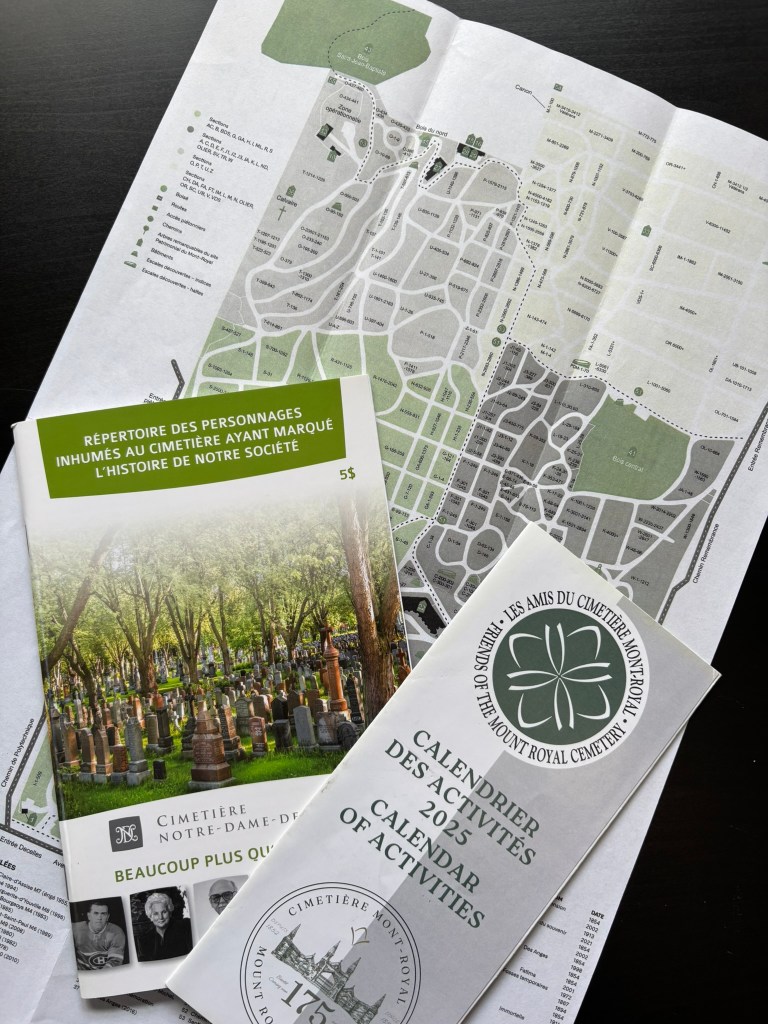
I always try to visit the cemetery office, when there is one, because you never know what kind of interesting things they might have. The office was fairly busy, so I didn’t want to take up too much of their time. I asked if they had any brochures or maps, and they were able to give me a few pamphlets and they had a small booklet for sale. The only booklet they had left was in French, but I happily bought it anyway, since my mother speaks French and could translate it for me later.

To say the cemetery is big is an understatement.

I spent several hours walking the grounds and still only saw a small portion of it. It also happened to be an extremely hot day, so I took plenty of breaks in shady spots to cool down and catch my breath.

I did not manage to visit every grave on my list, but that just means I will have to go back and explore another section of the cemetery.

Even after several hours of walking, I felt like I had only scratched the surface of Cimetière Notre-Dame-des-Neiges. The size alone makes it an adventure, and every path seems to lead to another interesting monument or historic grave.

Next time I visit Montreal, this cemetery will definitely be on my list again. After all, there are still plenty of stories waiting to be discovered.

Thanks for reading!


References:

  1. History and Heritage | Cimetiere Notre-Dame-Des-Neiges
  2. Cimetière Notre-Dame-des-Neiges | Find a Grave
  3. Notre-Dame-des-Neiges Cemetery | Tourisme Montreal
  4. Notre-Dame-des-Neiges Cemetery | Atlas Obscura
  5. Notre-Dame-des-Neiges Cemetery National Historic Site of Canada | Parks Canada
  6. Haunted Montreal Blog #96 – Notre-Dame-des-Neiges Cemetery | Haunted Montreal

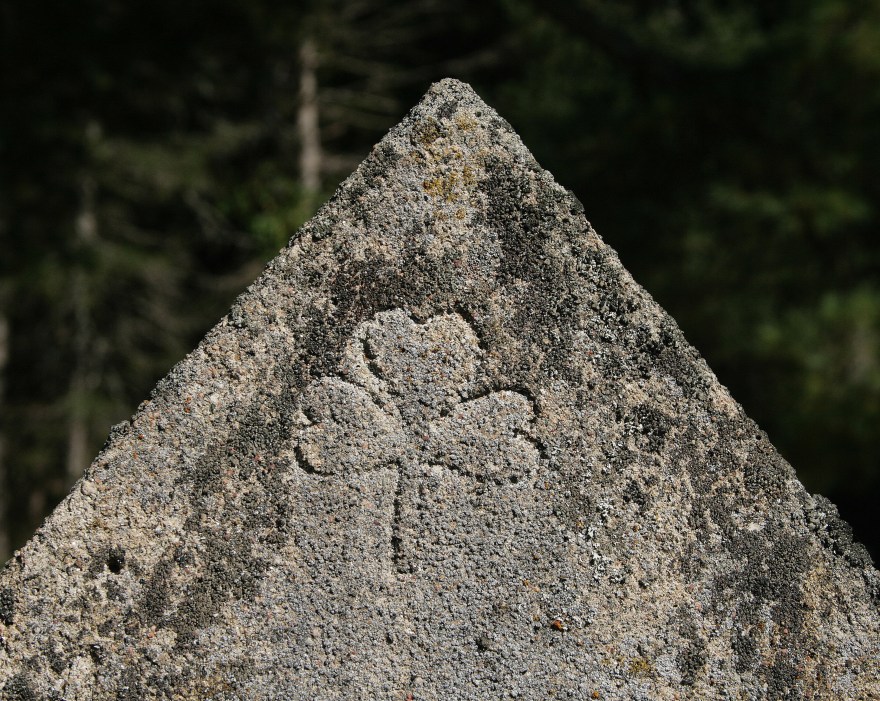
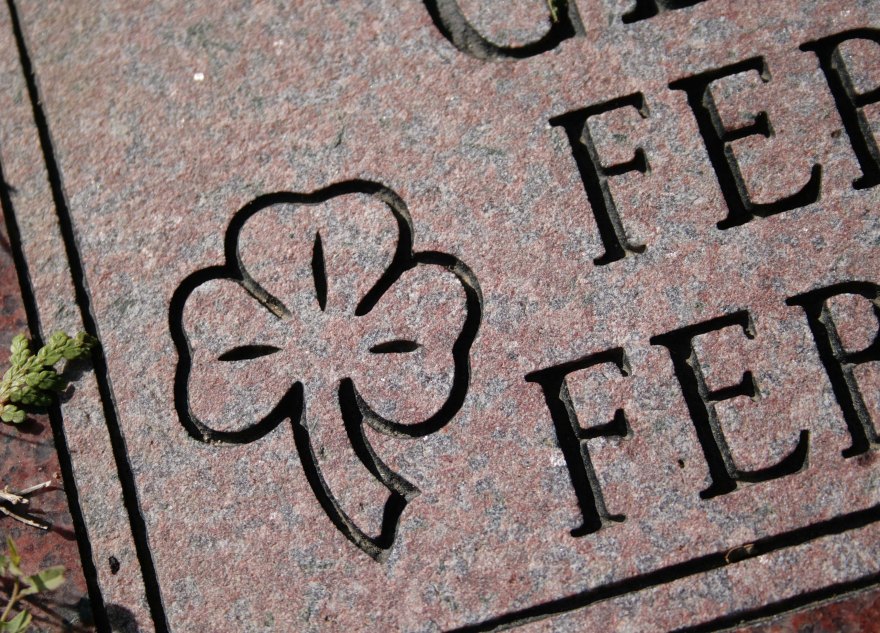
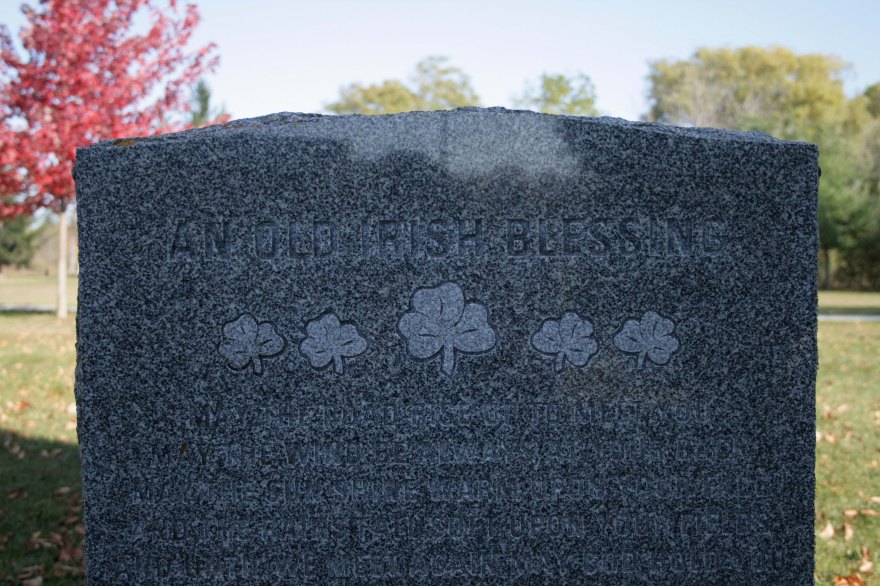
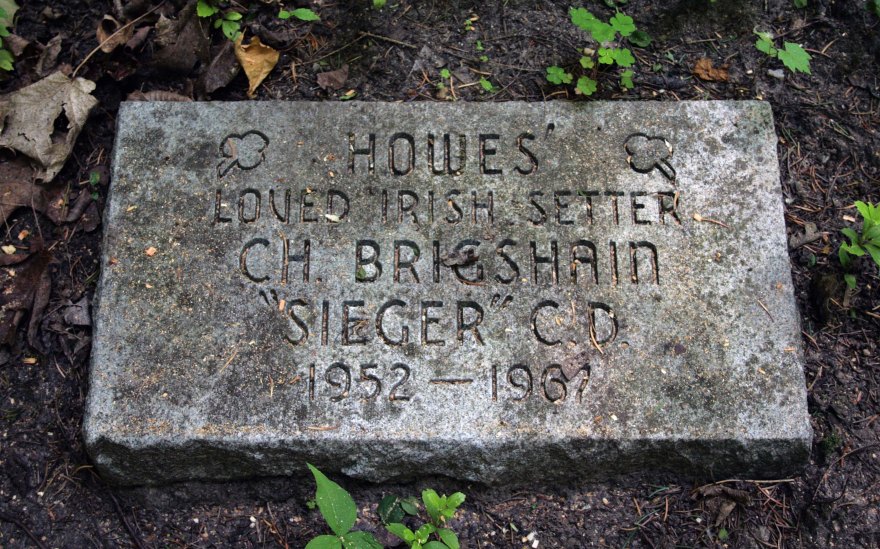
A Collection of Clover & Shamrocks

With Saint Patrick’s Day coming up, it felt like the perfect time to share some clovers and shamrocks that I have photographed over the years.

I love the variety you can find in cemetery symbols, and although clovers and shamrocks are not super common in Ontario, I have come across a few interesting examples.

Clovers and shamrocks often get mixed up, but they are actually two distinct symbols.

Shamrocks

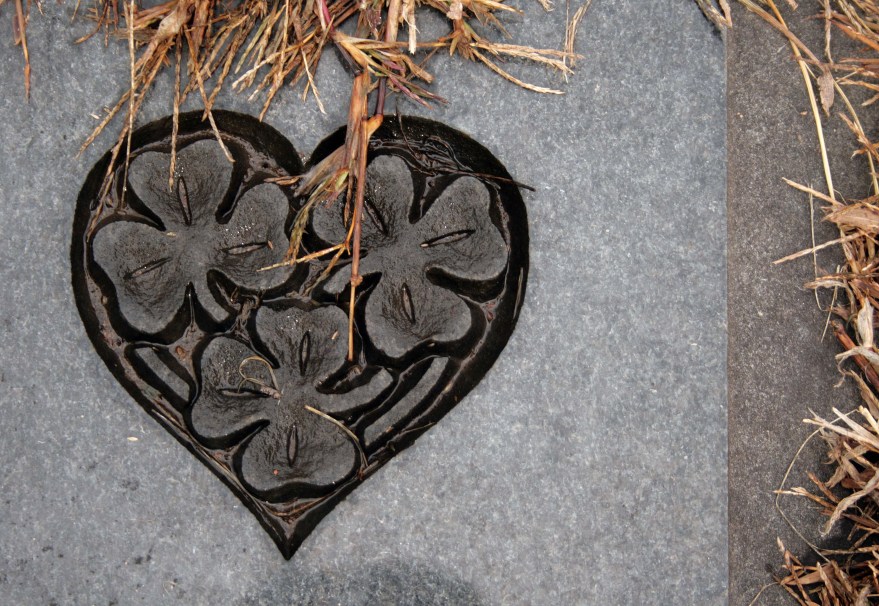
A shamrock has three leaves and is closely connected to Irish culture and identity.¹ It also carries an important religious meaning. According to tradition, Saint Patrick used the three leaves of the shamrock to explain the Holy Trinity: the Father, the Son, and the Holy Spirit.¹ Because of that story, the shamrock became a symbol of both Irish heritage and Christian faith.¹ When it shows up on a gravestone, it can sometimes hint that the person buried there had Irish roots or a connection to Christian faith.

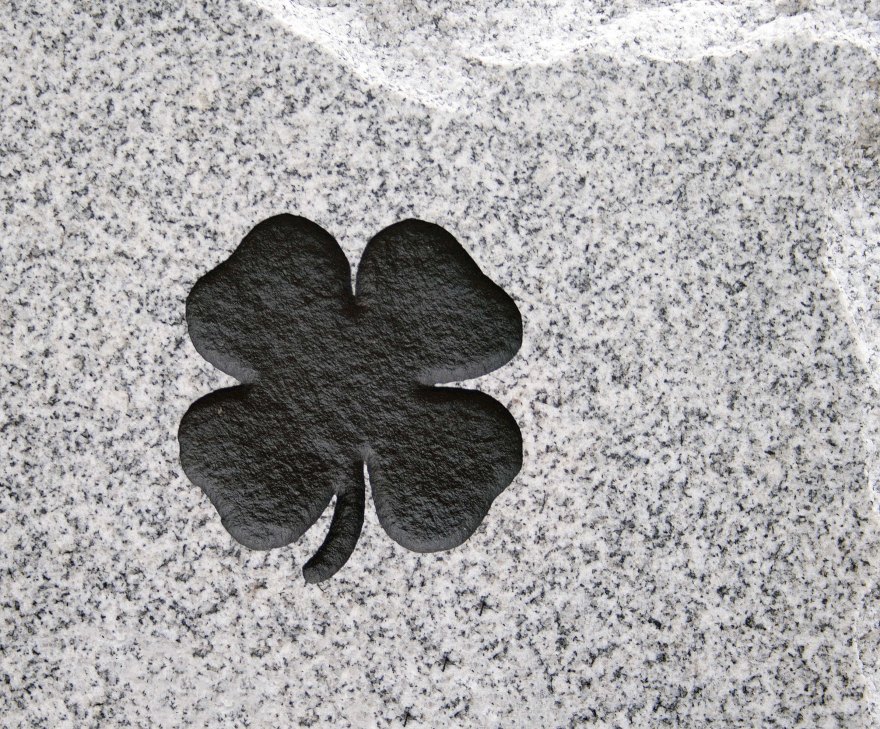
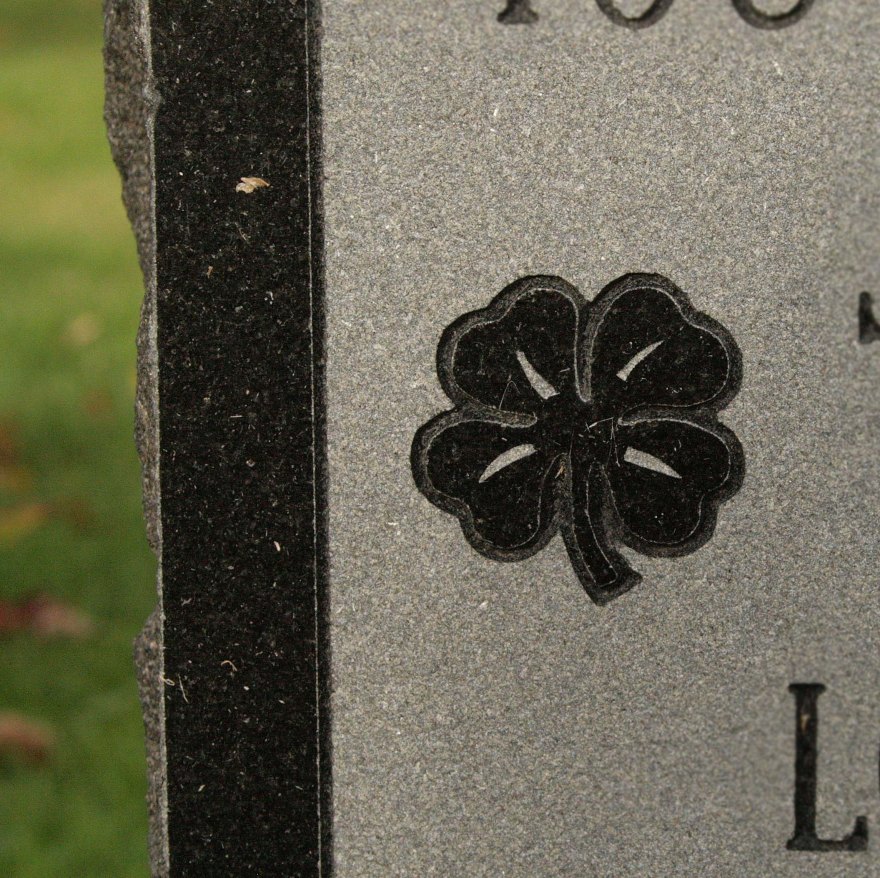
Four Leaf Clovers

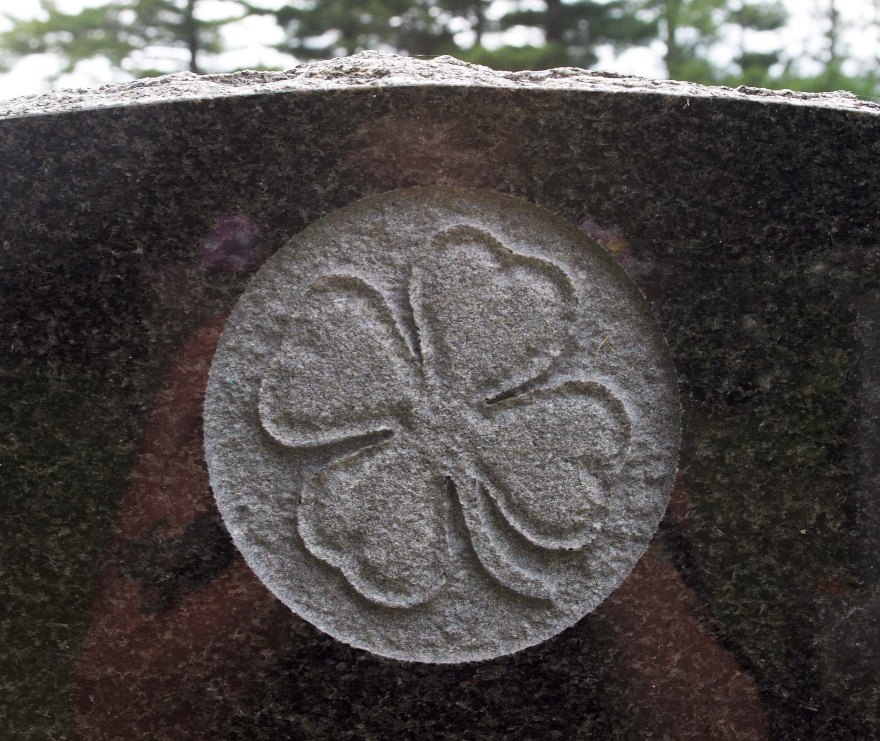
Clovers are most often recognized in their four-leaf form. Unlike the shamrock, the four-leaf clover is not tied to Saint Patrick or religious teaching. Instead, it has long been linked with luck and good fortune.¹ The fourth leaf is actually a rare natural mutation, which is one of the reasons people began to see it as a lucky find.¹ In some traditions, the four leaves are said to represent faith, hope, love, and luck.¹

So if you ever find one in the wild, congratulations! You must be very lucky.


For me, finding these little details is all part of the fun of exploring cemeteries with my camera. Sometimes the smallest carvings end up being the most interesting discoveries.

Thanks for reading!


References:

  1. Shamrocks vs. Clovers by Tui Snider | American Cemetery & Cremation Magazine