If you spend a lot of time in cemeteries, you’ll notice certain symbols popping up again and again—some are familiar, others are a bit more unusual. One symbol I’ve come across often in my cemetery travels is a set of open gates, standing slightly ajar.
So today on the blog, I wanted to take a closer look at this symbol: what it means, where it comes from, and share a few of the interesting examples I’ve photographed over the years.
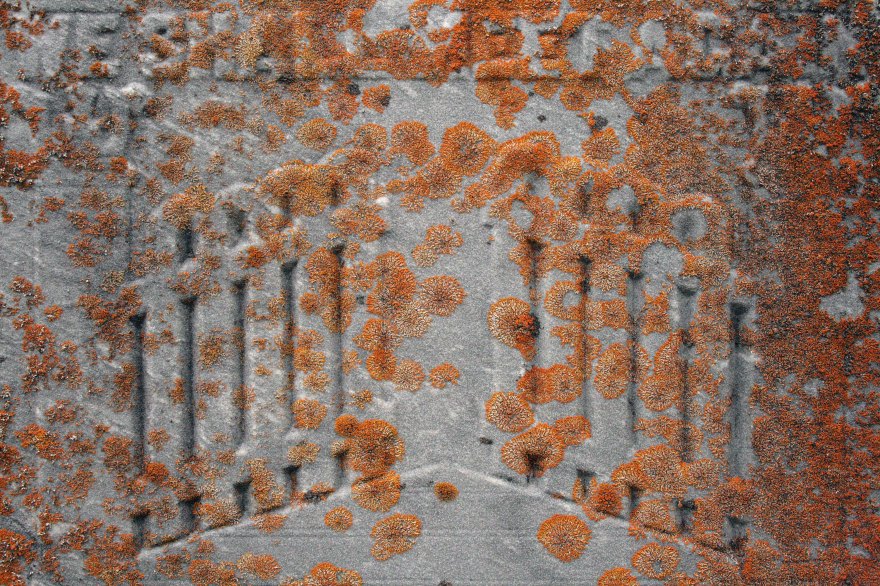
Grandview Cemetery, Massey ON ©2022
There’s something poetic about the image of an open gate. It feels like an invitation or a sign that something—or someone—is waiting just beyond. Sometimes the symbols are ornate, with intricate columns on either side, while others are much simpler.
The “gates ajar” motif has been around for more than a hundred years and was especially common in Victorian and early 20th-century cemeteries. It reflects a comforting belief that death is not the end, but a passage. These gates represent the soul entering Heaven or the afterlife, offering hope and comfort to those left behind.1

Golden Valley Cemetery, Golden Valley ON ©2023

Merrill Cemetery, Roseneath ON ©2022
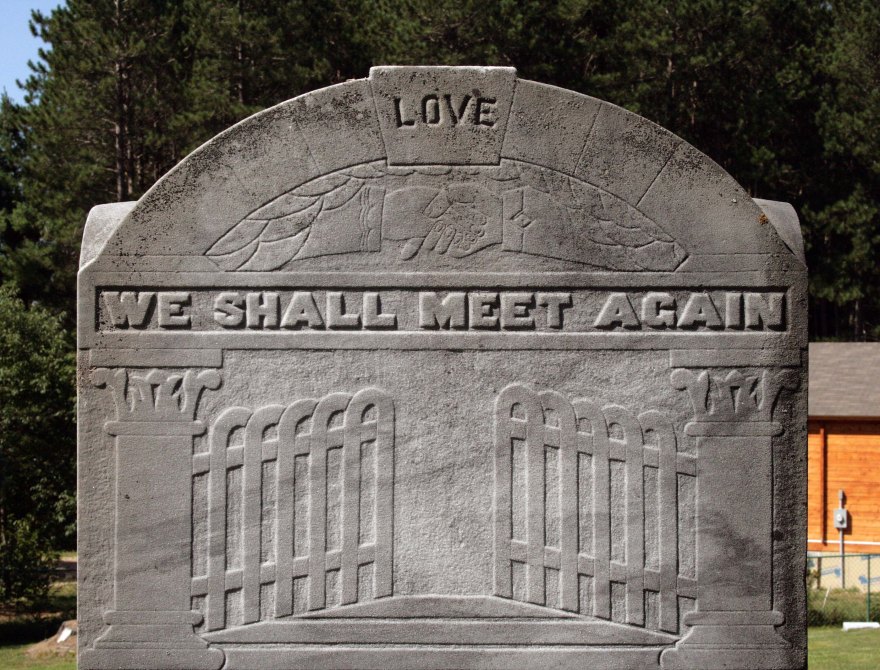
St. John’s Cemetery, Eagle Lake ON ©2022
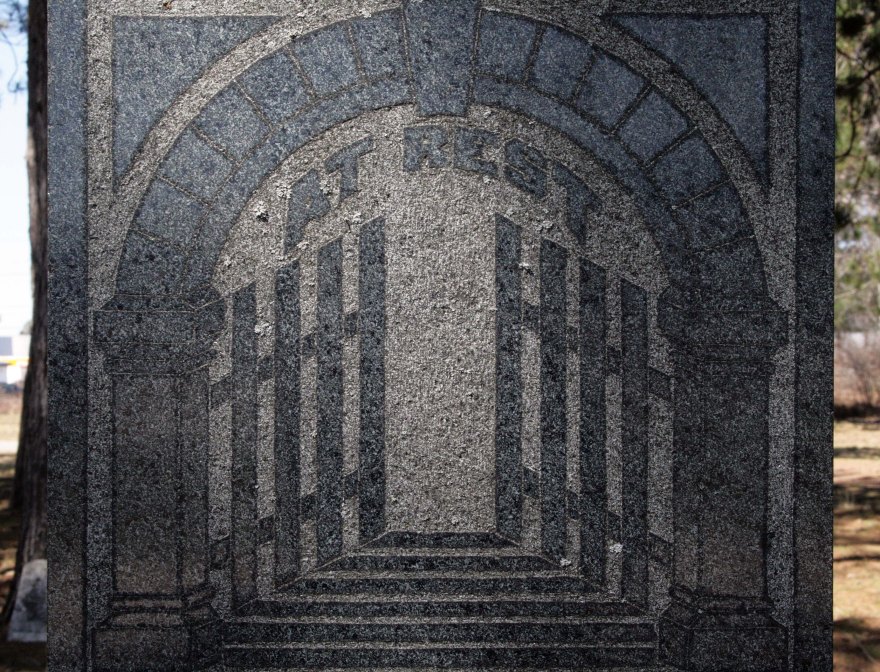
Nipissing Junction Union Cemetery, North Bay ON ©2022

Nipissing Junction Union Cemetery, North Bay ON ©2022

Fairview Cemetery, Niagara Falls ON ©2025

St. Jacques Cemetery, Hanmer ON ©2021
Interestingly, this symbol became even more popular after the release of a novel called The Gates Ajar by Elizabeth Stuart Phelps. Published in 1868, just after the U.S. Civil War, the book follows a young woman grieving her brother. In the book, her aunt explains that the gates of Heaven are never fully closed. Instead, they stay slightly open, allowing souls to move between this world and the next. The book was controversial for its ideas but became a bestseller, inspiring everything from sheet music to flower arrangements…and gravestone symbolism.2

Lasalle Cemetery, Sudbury ON ©2011
Next time you’re walking through a cemetery, take a look around. You might spot a gate carved in stone, just slightly open—and find yourself thinking about what might be on the other side.
Thanks for reading!
References:
- Gravestone symbols and their meanings (PDF) | Wolf Memorial
- Headstone Symbols: Gates Ajar | Save the Graves
 Cemetery Photography by Chantal Larochelle
Wonderful collection, Chantal!
>
LikeLike
Thank you, Jane!
LikeLike