Stone Stories: The Golden Girls of Prospect Cemetery

Have you ever heard of best friends being buried together?

That’s exactly what four women in Toronto chose to do. They lived in the same neighbourhood, supported one another, and made sure they’d stay side by side long after their time on earth. Their story is heartwarming, inspiring, and a little unexpected.

In the heart of Toronto’s Prospect Cemetery sits a shared gravestone marked with one simple word: Friends. The four women behind that stone, Pauline Chorna, Annie Hrynchak, Nellie Handiak and Anna Baran, might not be famous, but their story has captured hearts across Canada and beyond.

These women, friends in life and now in death, chose to be buried together as chosen family. Their decision, made decades ago, quietly reflects a lifestyle that’s now becoming more common, one that embraces shared housing and friendship as a way to age with dignity and connection.1

At a time when most people were buried with relatives, choosing to be buried with friends was unusual and incredibly meaningful, which is part of why their gravestone stands out so much today.

Thank you for being a Friend

Long before the Golden Girls TV show aired in 1985, these four women had already built full lives rooted in friendship and community. All four were immigrants from the Carpathian Mountains, part of a wave of 20th-century migration driven by difficult economic times2. Some say they may have met on the ship that brought them to Canada.2

They each married and raised families, but no matter where life took them, they stayed close. They met regularly to play cards and catch up at the Carpatho-Russian cultural centre, building a bond that lasted decades and continued beyond their lifetimes.

This kind of friendship, and now living arrangement, is part of a growing movement in Canada known as the Golden Girls model. It’s a new way for seniors to share homes instead of moving into care facilities. It helps fight loneliness and can make housing more affordable. In 2019, a bill called the Golden Girls Act was introduced in Ontario to make shared housing easier and more protected by law.3

The movement has grown beyond Toronto, too. In my hometown of Sudbury, for example, a group of women created the Golden Girls Network to help seniors learn more about shared housing. They want people to know that this way of living can offer friendship, safety, and support. It’s not just about saving money, it’s also about finding joy and community in later life.4

Prospect Cemetery

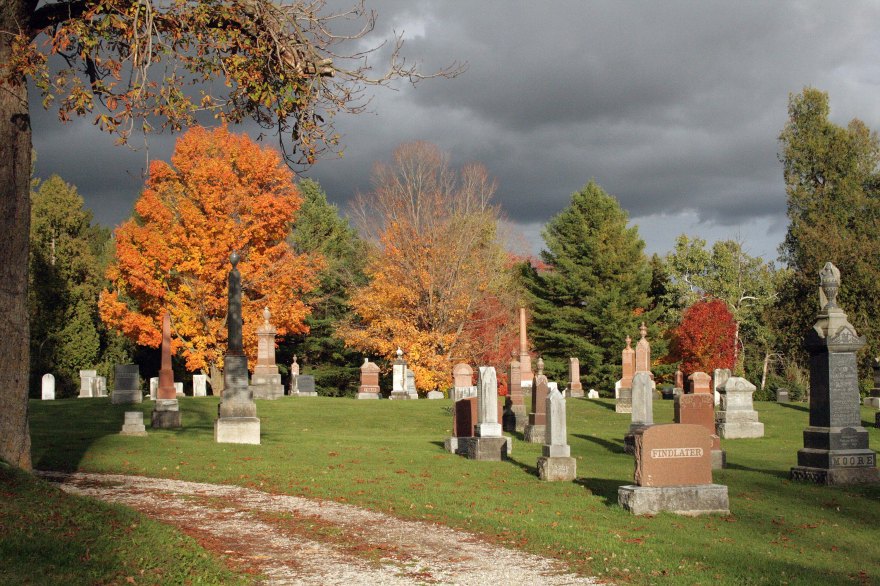
Prospect Cemetery opened in 1890 and has been part of Toronto’s landscape ever since, with peaceful paths and historic stones that reflect more than a century of stories.5

We visited on a chilly, grey day in late April 2025. My fiancé and I were staying in Toronto with friends, and they suggested we take a stroll through the cemetery. The cemetery is quite large, and many locals use it for dog walks, bike lessons and quiet strolls.

Our friends were more than happy to show us around, especially to show us the grave of the well-known Golden Girls.

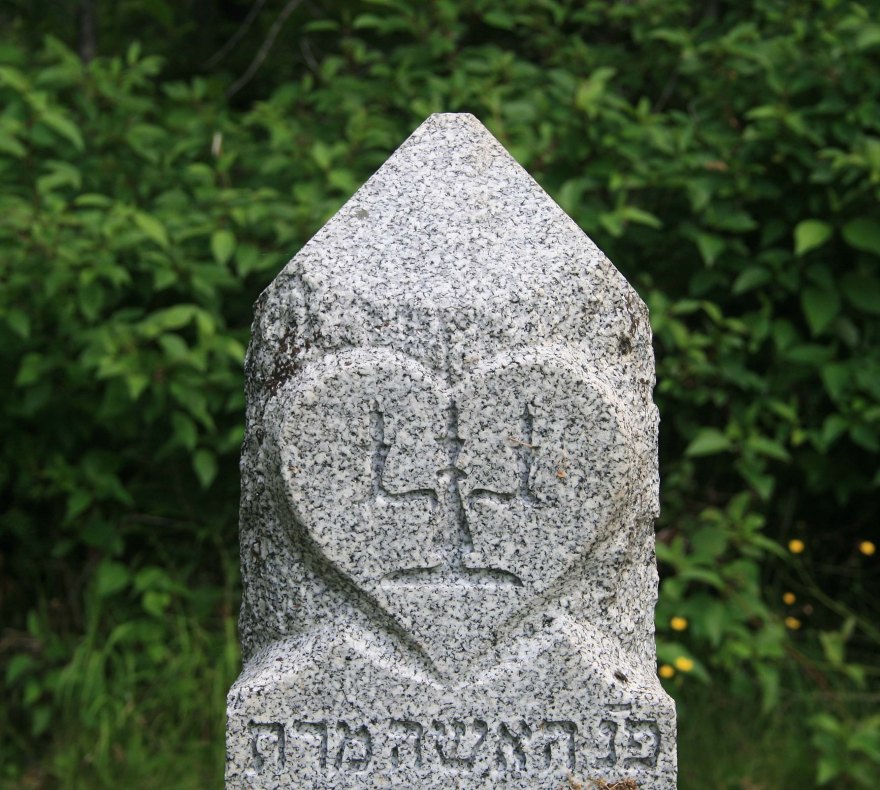
We found their final resting place easily. The red granite stone sits right along the path. At the top, where a family name would usually be, is the word “Friends”, followed by the names and dates for each woman.

Pauline Chorna was the first to pass away on January 30, 1977.

Annie Hrynchak followed on February 6, 1993, at the age of 87.

Anna Baran also passed away on February 6, 1996, 3 years later, at the age of 91.

Nellie Handiak, who had purchased the cemetery plot back in 1968, was the last of the group to pass away.2 She died on June 22, 2006, at the age of 97.

Handiak’s daughter, Jeannie, honoured one of her mother’s final wishes by slipping a deck of cards into her casket.2

When Handiak first told her daughter that everything had already been arranged, even the headstone, Jeannie was taken aback. “Oh, we got that too. We’re gonna be ‘friends’”, her mother had said.2 When asked why, her answer was simple: cards. So when Jeannie placed that deck of cards in the casket, she made sure the four friends could carry on their favourite card games in the afterlife.2

Their story continues to be shared online and in local news, and their gravestone has become a small point of interest for visitors who are moved by their friendship.

So, if you ever find yourself wandering through Prospect Cemetery, take a moment to visit their grave. It might leave you thinking differently about getting older and about how powerful true friendship can be.

Thanks for reading!


References:

  1. Who are the Golden Girls of Prospect Cemetery and why did they decide to spend eternity together? | Toronto Star
  2. Best Friends…Forever | Toronto Star (through Pressreader)
  3. Golden Girls Act to help seniors access shared housing | Registered Nurse Journal
  4. ‘Golden Girls’ concept expands to Sudbury, Northern Ontario | Sudbury Star
  5. Prospect Cemetery | Find a Grave

A Gift Guide for Taphophiles: 2025 Edition

It’s that time of year again, for my annual gift guide for fellow taphophiles!

I can’t believe this is already the fourth edition, but it has quickly become one of my favourite posts to put together. Curating cemetery-themed goodies always feels a bit like treasure hunting, and this year’s list was especially fun to build.

Earlier in November, I tried something new and asked for suggestions to help shape this year’s roundup. The response was fantastic! You shared links, ideas, small shops, artists, and quirky treasures I had never seen before. This guide is a mix of your recommendations, creative finds from makers in the community, and a few items I discovered during my own wanderings this year.

Altogether, it has turned into a great list of 13 gifts any taphophile would be happy to unwrap!

Mortality bumper sticker by Cat Coven

This bumper sticker is a fun pick for anyone drawn to old New England gravestone imagery. The design has a perfect mix of humour and memento mori vibes, making it a great little gift for the cemetery fan in your life who appreciates both style and a touch of existential flair.

Find it at catcoven.com

Gravestone Cleaning Junior Kit from Cemetery Preservation Supply LLC

If you know someone interested in cleaning older gravestones safely, this junior kit is a great place to start. The kit follows the same guidelines used by preservation professionals, which makes it a solid option for beginners or anyone who wants to care for family stones or local historic markers (with permission, of course).

Find it at gravestonecleaner.com

Our Darling gravestone replica by Weeping Widow Antiques

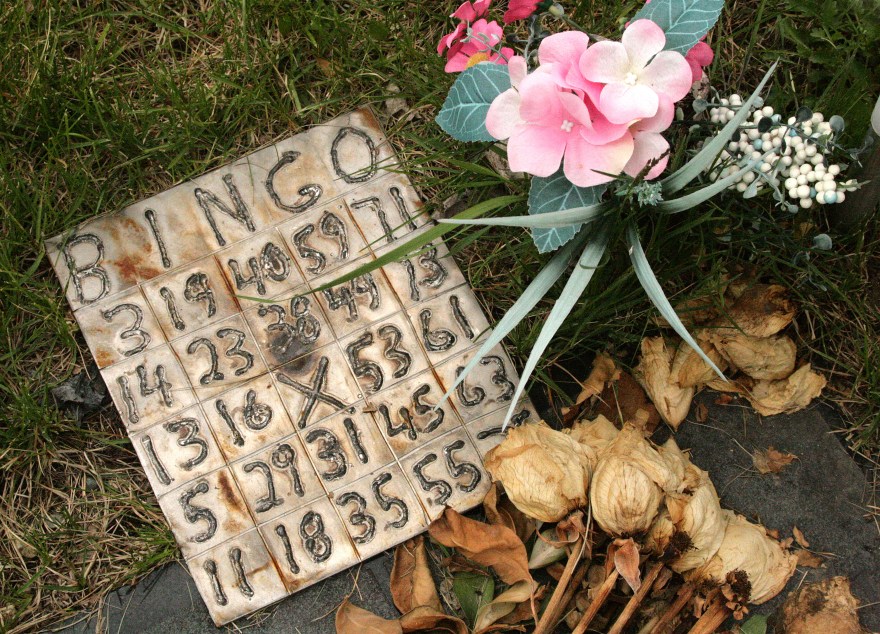
This 3D-printed gravestone is a beautiful, miniature reproduction of a real zinc gravestone for a little boy who passed away in 1882. Every side is detailed, from the praying child to the floral accents. It is perfect for a cabinet of curiosities, shelf display, or as a keepsake. This is also the second time Weeping Widow Antiques has been featured in my annual guide. I am always drawn to their beautiful reproductions!
Find it on Etsy.

Winged Death Head necklace by Red Moth Jewelry

This handmade sterling silver necklace is a beautiful nod to the old winged death head motif found on early New England gravestones. The necklace comes with a sterling silver chain in your choice of length, so you can wear it exactly how you like. Each one is made individually, so every piece has its own subtle charm.

Find it at redmothjewelry.com

Memento Mori decorative pillow by Spider Bite

This decorative pillow is a fun, cozy nod to cemetery aesthetics. Made from soft grey minky fabric with black embroidery, it’s perfect for adding a touch of graveyard charm to any room.

Find it on Etsy.

Etched in Stone: Decoding Hidden Meanings in Cemeteries by Gina Black

This guidebook is a great pick for anyone who loves digging into cemetery symbolism. Gina Black shares her knowledge from years of exploring burial grounds around the world, breaking down the meanings behind the designs, motifs and architectural details we often walk past.

Find it on Amazon.

Cemetery Scavenger Hunt t-shirt TalkDeath x Steffi Lai collab

This black tee features a playful design by Steffi Lai, first seen on the 2024 Cemetery Scavenger Hunt tote bag. Made from soft material and printed locally in Canada, it is comfortable, stylish, and perfect for wearing on your cemetery adventures.

Find it at talkdeath.com

Taphophile Society sticker by Wirehed Laboratories

This vinyl sticker is a fun way to show your love for all things cemetery-related. It is waterproof, scratch-resistant, and sturdy enough for cars, water bottles, or any surface you feel like decorating. The design is perfect for anyone who proudly identifies as a taphophile.

Find it on Etsy.

To Die For: A Cookbook of Gravestone Recipes by Rosie Grant

If you enjoy gravestone recipes, this book belongs on your shelf! To Die For gathers forty recipes that families chose to preserve on or alongside their loved ones’ gravestones. Rosie Grant pairs each dish with photos and family stories that highlight the connection between food and memory. This is a great gift for anyone who loves a mix of history and heartfelt storytelling.

Find it on Amazon.

I reviewed To Die For back in October. You can read that review at chantallarochelle.ca

Easily Distracted by Cemeteries sticker by Magic in Our Bones

This vinyl sticker is a fun little nod to anyone who can’t pass a cemetery without stopping for a closer look. It’s waterproof, durable, and the right size for decorating your water bottle, laptop, or notebook. This is the second time Magic in Our Bones has been featured in my annual guide, which says a lot about how fun their creations are!

Find it on Etsy.

Graveyard Wanderer tote bag by Graveyard Wanders

If you love a practical bag for your cemetery outings, this one fits the bill. The Graveyard Wanderer tote has a sturdy sipper to keep everything secure and a handy inner pocket that is just the right size for the little things that always end up at the bottom of the bag. The silver-embroidered Gothic lettering adds a nice touch, and it’s roomy enough for notebooks, snacks, or whatever you like to bring along on your wanderings.

Find it here, at graveyardwanders.com.

Die Laugh Love illustration by Heather Buchanan

This 8 x 10 print is darkly funny and full of charm. A playful memento mori, it’s perfect for anyone who appreciates a mix of Gothic wit and clever irreverent art. Heather also has a whole cemetery of gravestone illustrations to choose from!

Find it at heatherbuchanen.ca

The Graveyard art print by Katherine Blower

This dark and moody scene invites the viewer to imagine the story behind the ghost searching through the cemetery. Printed on lightly textured, gallery-grade cotton paper with a white border for easy framing. It makes a striking addition to any Taphophiles collection or home decor.

Find it at redbubble.com

And that wraps up the 2025 edition of the gift guide!

I love seeing how much the cemetery-loving community grows and connects each year, and this list really shows that spirit. Whether you are shopping for someone else or treating yourself, I hope you found something that sparks a little joy.

Here’s to another season of celebrating the art, history, and offbeat charm we all appreciate.

Thanks for reading!


Cemetery Photography by Chantal Larochelle is not affiliated with any of these brands and artists. I do not receive any proceeds from sales. I am just sharing products I love!

Cemetery Recipes: Scotcharoo Bars

After taking a break from gravestone recipes over the summer, I’m excited to dive back in with a sweet treat that has a story. Kari Jo Lozenski’s Scotcharoo Bars seemed like the perfect place to start.

Kari was known for her energy, kindness, and the way she brought people together. She managed the AmericInn Hotel in Aberdeen, South Dakota, where she was named National General Manager of the Year in 2015.1 She was also a devoted mom and an active part of her community.

Baking was one of her favourite things to do, and she earned the nickname “Betty Crocker” from friends and family, who loved her treats.1 Kari passed away from breast cancer in 2020, leaving behind memories of good food, laughter, and a whole lot of love.1

According to her gravestone, which can be found in Riverside Cemetery in Aberdeen, this recipe was one of her favourites:

Scotcharoo Bars

  • 6 Cups crushed Rice Crispies
  • 1 1/4 Cup Corn Syrup
  • 1/4 Cup Honey
  • 1 Cup Peanut Butter
  • 1 Cup Sugar
  • 1/2 Bag Butterscotch Chips
  • 1/2 Bag Chocolate Chips

| Crush the Rice Crispies in a big bowl and then measure them out. In a Pan | Add Sugar, CS, PB & Honey. | Heat that until the sugar is dissolved. Do not bring to a boil. Put in pan and melt chips over top and that’s it!!

In The Kitchen

I went into this recipe thinking it would be quick and simple, but the more I studied the recipe, the more tiny question marks popped up. A quick online search cleared some things up, so I gathered my ingredients and cookware and got started.

When I reached out to Tasha Tietz, also known as Graveyard Girl, to ask for permission to use her photos for this post, I also asked if she had any advice for making these bars. Her biggest tip was to use the largest bowl I owned because the crushed Rice Crispies will get everywhere. I usually try to follow gravestone recipes as closely as possible, but I decided I wouldn’t be crushing mine up. I did take her bowl advice, though.

From there, it all came together pretty quickly. I measured out the sugar, corn syrup, honey and peanut butter, then warmed everything on the stove. I kept a close eye on the mixture to make sure it didn’t boil and waited until the sugar was dissolved completely. Once it looked smooth, I poured it over the Rice Crispies and gently folded everything together with a spatula. Then I pressed the mixture into a 9×13 pan, having forgotten to butter it, of course.

The topping was supposed to be a mix of butterscotch and chocolate chips, but my butterscotch had definitely seen better days. I stuck with straight melted milk chocolate chips, which gave the bars a thinner top layer, but honestly, considering the sugar load in this recipe, it didn’t feel like a loss.

That unbuttered pan did come back to haunt me when I tried to cut the bars after they had cooled. Thankfully, a few minutes in the oven at 350°F loosened everything enough for me to pry them out. Crisis averted!

The final result was sweet and chewy, and perfect with a cold glass of milk. Although I didn’t make them exactly according to Kari’s recipe, I did have a lot of fun trying, and they still tasted delicious in the end. I hope I did her memory justice by bringing her recipe to life in my own kitchen.

Recreating Kari’s Scotcharoo Bars was a great way to ease back into gravestone recipes. This recipe is simple, sweet, and exactly the kind of treat that disappears fast. A nice way to spend an afternoon experimenting in the kitchen, remembering Kari and sharing food.

Thanks for reading!


References:

  1. Kari Jo (Ulmer) Lozenski (Obituary) | Schriver’s Memorial Mortuary & Crematory

Cemetery Book Review: Remembrance

November feels like the right time to settle in with a book about memory, loss, and the people who shaped the world before us.

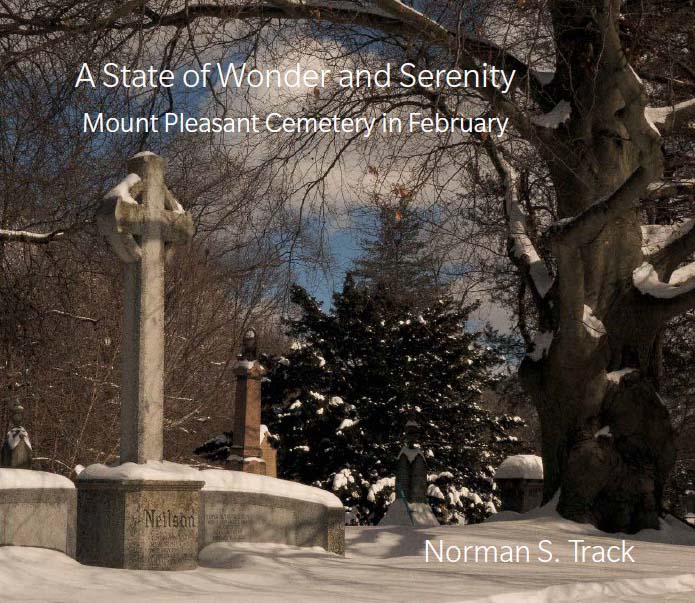
The author of Remembrance, Norman S. Track, kindly reached out and shared a PDF copy with me to review. Self-published in 2019 through Blurb, the book explores war memorials and cemeteries around the world, focusing on how we honour and remember lives shaped by conflict.

With Remembrance Day having just passed, the theme hits close to home.

Here is the book synopsis from Blurb:

“A September 1970 trip to Warsaw, unexpectedly, started me on a journey of memory and remembrance. Twenty-six years later, while walking through the six towers of the Boston New England Holocaust Memorial, I felt myself back in rural Poland traversing the terrain of Treblinka, Gross Rosen, and Auschwitz-Birkenau. Four years later, after extensive study and thought, I traveled throughout Europe visiting sites where incidents occurred, both negative and positive, during the twelve years of the Third Reich. The photographic images of that journey are published in A Voice in the Ashes (2008).

The latest stop on my journey was a visit to Ohlsdorf Cemetery, Hamburg. On 11 May 2017 I photographed a number of military cemeteries, both German and Commonwealth. On the train back to Eppendorf, I started to see these Ohlsdorf images standing together with those from the historical landscape of the Third Reich—all speaking the language of remembrance. This collection of images is a first attempt to explore this concept.”

This is a beautiful book. The photos have a quiet strength to them and carry a lot of emotion. Every image is paired with text that weaves historical detail with the author’s personal experiences at these sites, giving you both facts and feelings. It feels like you’re learning about the past while also witnessing how it lives on in memory.

The layout is clean and simple, giving the photos room to speak for themselves. I love photo books that give the images room to breathe, and Remembrance does that really well. There is a strong balance of context, reflection, and personal connection that brings the sites and the author’s journey together.

If you enjoy cemetery photography, memorials, military history, or books that encourage you to slow down and think, this is a lovely choice. It’s a book meant to be experienced, and not skimmed. It carries a great deal of respect for the places it documents.
I’m always grateful to find cemetery-related books that explore memory with care, and this one does so in a sincere and thoughtful way.

Thanks for reading! 


I am always on the hunt for cemetery-related book recommendations. If you are an author and have a cemetery-related book you would like me to review, please reach out at hello@chantallarochelle.ca. I would love to hear from you!

A Collection of Canadian Military Markers

With Remembrance Day coming up on November 11, I have been thinking a lot about the quiet way we honour those who have served.

One of my favourite ways to reflect is by visiting military graves. There is something powerful about finding these simple, dignified markers in cemeteries across the country.

So, I thought this would be a meaningful time to share a collection of Canadian military gravestones that I have photographed over the years. Each one tells a story, and together they remind us that service and sacrifice are never forgotten.

Canadian Armed Forces members who pass away during service are honoured with a standard military tombstone. These gravestones are arranged through the Department of National Defence and placed by the Commonwealth War Graves Commission when the marker is in one of their cemeteries, or by Public Works and Government Services Canada when it is in a civilian cemetery.1 The goal is to maintain a consistent style and honour each member with the same level of care.1
Veterans who are buried in civilian cemeteries can also receive grave marker support. Veterans Affairs Canada runs a Grave Marker Maintenance Program that repairs, cleans, and restores veteran markers across the country.2

In 2023 alone, more than 110,000 repairs were carried out in communities big and small.3 It is pretty incredible to think about how much work goes into preserving these stones and their stories.

There are clear rules that guide what goes on a military gravestone. The design is simple and respectful. Each one includes the person’s name, rank, service number, unit or branch, and date of death. If the family wishes, an approved religious emblem or a personal inscription can be added. The stones are all made in the same style and materials, so they stay uniform and recognizable.1

Military graves remind us that history is not just something in books. It’s carved in stone and tended with care. Next time you are exploring a cemetery and you see one of these markers, take a moment to pause.

Lest we forget.

Thanks for reading!


References:

  1. Military headstones | Government of Canada
  2. Grave marker maintenance | Veterans Affairs Canada
  3. Over 110,000 repairs made to Veteran grave markers across the country | Government of Canada

October Stone Stories: The Bird Family and Woodchester Villa

Even though Halloween has just passed, it still feels like a perfect time to share another ghost story.

One that stands out is the tale of the Bird family of Bracebridge, Ontario, and the mysterious history of Woodchester Villa. A house known for both its striking architecture and its lingering ghostly rumours.

In April of 2024, my mother and I took a trip to Bracebridge to explore this unique historic site. It was Easter weekend and our first road trip of the season. The Spring thaw had come early, but spring itself hadn’t quite arrived yet. The trees were bare, and the grass was still brown, giving the whole day an autumn feel.

It was fitting, since we were there to visit ghosts.

Henry James Bird

Built in 1882, Woodchester Villa was the dream home of Henry James Bird, a successful wool mill owner who made his mark in Bracebridge, Ontario.1 Henry was born on January 3, 1842, in Woodchester, England, the youngest of eleven children.2 He learned the wool trade in his home country before spending time in Australia and the United States, eventually settling in Canada in 1867.2

Before finding his footing in Bracebridge, Henry worked for the Rosamond Woollen Company in Lanark County.2 A few years later, he bought a mill in Glen Allan, but after a terrible flood damaged the property, he decided it was time for a change.2 Tragically, before he could make the move north, his first wife, Sarah Jane Fraser, and their two young children died of tuberculosis.2 In 1872, Henry moved to Bracebridge, where he opened the Bird Woollen Mill beside the falls.2

Henry quickly became a respected businessman and community leader. He served on the town council and helped bring new public utilities to the growing town, including its first water and fire protection systems.2 His success and civic pride eventually led him to build his grand home, naming it “Woodchester” after the village where his story began.2

Woodchester Villa

Although Woodchester Villa was ahead of its time, it’s also long been tied to strange happenings that add to its eerie charm. The house was closed during our visit, but we spent plenty of time admiring its design and reading the educational panels scattered around the property. They helped us picture what life might have been like for the Bird family living within those walls.

I wandered around the grounds with my camera, hoping to catch a flicker of movement from inside. We didn’t see any spirits, but the landscape itself felt charged, as if the past still lingered quietly on that secluded hilltop.

Woodchester Villa is one of Ontario’s finest examples of an Octagonal house.1 The eight-sided design was inspired by Orson Squire Fowler, an American phrenologist and author who believed octagon homes were healthier and more efficient than traditional square houses.1 Bird fully embraced this philosophy, creating a three-storey home that blended innovation with comfort.2

Inside, the villa featured some impressive amenities for the late 1800s, like indoor plumbing supplied by rainwater tanks on the second floor, a ventilation system that circulated air throughout the house, and even electric lighting, which was rare for the time.2

For all its beauty and history, Woodchester Villa has a reputation for being one of the most haunted spots in Bracebridge. Behind its restored walls, many believe something otherworldly lingers.3

Stories tell of a spectral woman and two ghostly children who seem to wander the rooms.3 Visitors and staff have reported hearing the soft cries of a baby, the quick steps of little feet on the upper floors, and the faint sound of a woman’s voice singing somewhere in the distance.3 Cold spots are often felt throughout the house, especially near the basement stairs. Some have also described the air growing so cold they could see their breath, even in the middle of summer.3

While no one can say for sure who these spirits are, many believe the ghostly woman could be Henry Bird’s first wife, Sarah Jane, accompanied by their two young children.3 All three died of tuberculosis before Henry moved to Bracebridge. Perhaps, as Andrew Hind suggests in Muskoka’s Most Haunted 2, their sudden, tragic deaths left them unable to rest, and they followed Bird north to the home he would later build.3

The idea is both eerie and oddly touching. If the spirits truly belong to Henry’s lost family, Woodchester may represent the life they were meant to share, their love quietly echoing through the halls, long after death.

Bracebridge United Cemetery

After exploring the villa grounds, we visited the nearby Bracebridge United Cemetery, where Henry James Bird and his family are buried.

After some searching, we found the graves of Henry, his second wife Mary Matilda Bird, and several of their children, including Margaret Elizabeth and Catherine.

The cemetery was quiet and calm, yet the connection between the villa and the family’s final resting place added an eerie layer to our visit. Standing at Henry’s grave, I felt surrounded by history and maybe something more. Whether it’s the family’s hardships or the strange energy tied to their home, the Bird story seems to linger beyond the grave.

The Bird family’s story and their haunted home remind us how easily history and mystery can intertwine. Whether or not you believe in ghosts, there’s something about Woodchester Villa that still feels alive with the past.

For anyone interested in cemetery tourism or dark local history, this hauntingly beautiful site is well worth the visit.

Thanks for reading!


References:

  1. Woodchester Villa, Bracebridge | Ontario Heritage Trust
  2. Woodchester History | Bracebridge The heart of Muskoka
  3. Muskoka’s Most Haunted 2 by Andrew Hind | Book

Cemetery Book Review: To Die For

October is full of gatherings. Friends, family, and food, all come together this time of year, with Thanksgiving feasts and Halloween parties aplenty. And what better spooky treat to bring to a fall party than a recipe made from a gravestone?

That’s exactly what Rosie Grant’s new book, To Die For: A Cookbook of Gravestone Recipes, is all about. As someone who often tries out gravestone recipes, I knew this cookbook had to be added to my collection and, of course, reviewed on the blog!

Rosie Grant is a digital archivist and cemetery enthusiast known as @GhostlyArchive on social media. While interning at Washington, D.C.’s Congressional Cemetery, she began to notice the unique things people had engraved on their gravestones.1 After some digging, she discovered that some even included recipes.1 That discovery sparked her project of cooking gravestone recipes and sharing the stories behind them, which eventually led to her new book, To Die For.1

Published in 2025 by HarperCollins, To Die For includes 40 recipes collected from gravestones around the world. Each recipe comes with beautiful full-colour photographs, stories about the people behind the dishes, and even tips on how to document your own family recipes.

Here is a bit of the synopsis from Goodreads:

“For so many, food is a touching, nostalgic thing that brings us together. So much so that some families choose to remember their loved ones through the dishes they made and the food that brought comfort to those around them by immortalizing their recipes on their gravestones.

Thoughtfully and respectfully explored, Rosie has documented this connection between food, legacy, and family, remembering the deceased through the recipes they most loved, and giving their families a platform to share their loved one’s story and cherished dish with the world.”

This is a gorgeous book. The cover illustrations are lovely, and the glossy photos that accompany each recipe are beautiful. The recipes are organized into familiar categories like cookies & brownies, pies & cobblers, and also includes a few savoury dishes too. One of my favourite touches is the inclusion of sample menus at the back of the book. They show how to create an entire meal using only gravestone recipes, which I thought was a fun addition.

What really makes To Die For special though, are the stories. Grant includes personal notes and memories from the families, showing how food connects generations. The stories are touching and heartfelt, reminding us that a recipe is more than just a list of ingredients. It can be a memory, a legacy, and a link to those we’ve lost.

To Die For is a must-read for anyone who loves cemeteries, cooking, or the idea of keeping memories alive through food. It’s a perfect October read, and it would make a great addition to any cookbook shelf. I’ve already tried about half of the recipes in this book, but I’m looking forward to trying out more.

Whether you bake something from its pages or just enjoy the stories, this book captures the sweetness of remembrance in such a unique way.

Thanks for reading! 


I am always on the hunt for cemetery-related book recommendations. If you are an author and have a cemetery-related book you would like me to review, please reach out at hello@chantallarochelle.ca. I would love to hear from you!


References:

  1. How making recipes etched on gravestones changed this student’s perspective on death | CBC

A Collection of Freemason Symbols

After visiting countless cemeteries, you start to notice patterns. Symbols that repeat in different styles and settings. Some are subtle, while others are bold, but each carry its own meaning.

For today’s collection, I want to take a closer look at the symbols associated with the Freemasons and share some examples I’ve photographed over the years.

Freemasonry is one of the oldest and most widespread fraternal organizations in the world. It began with stonemason guilds of the late Middle Ages.1 Over time, it became a society that focuses on moral integrity, personal growth, and helping the community, all while keeping rituals and symbols that have been passed down for centuries.1 Membership was traditionally men only, and lodges operate under larger governing bodies called Grand Lodges.1

Although often secretive, Freemasonry is not a religion. It is a system of moral and ethical teachings that encourages members to live good lives, help others, and seek knowledge.1 Its symbols, which appear in cemeteries, and historic buildings, serve as reminders of ethics, morality, and brotherhood.2

Possibly the most iconic symbol of Freemasonry is the square and compass, tools once used by stonemasons. In Masonic teachings, the square represents acting morally and treating others fairly.3 The compass symbol reminds members to control their desires.3 The “G” in the center is thought to represent Gnosis (the Greek word for knowledge), Generations (passing knowledge down through the ages), and God.3

Another common gravestone symbol shows two hands clasped in a handshake. If both hands have suit cuffs, it is a fraternal handshake, symbolizing brotherhood.3

If one hand points a finger down, it is a Masonic handshake, showing that the deceased was a Freemason.3

A rare version, the double Masonic handshake, shows both hands pointing a finger down, mimicking the square and compass symbol.3

The Freemasons also have a sister organization called the Order of the Eastern Star (OES). It was created to allow female relatives of Master Masons to join in Masonic activities. Today, both men and women can become members.

The OES symbol is an inverted five-pointed star, with each point representing one of the five Biblical heroines and the different roles that a woman can play in life.3 Some people mistake the inverted star as evil or witchcraft, but it actually stands for humility and sacrifice. It’s a reminder of the organization’s values: charity, loyalty, and moral integrity.4

Symbols used by the Freemasons and the Order of the Eastern Star offer us an interesting way to look at history, values, and community. Whether carved in stone or hidden in plain sight, each symbol tells a story and encourages reflection.

Thanks for reading!


References:

  1. What is Freemasonry | The Grand Lodge of Ohio
  2. Behind the Masonic Symbols: The Square and Compasses | The Grand Lodge of Ohio
  3. Understanding Cemetery Symbols: A Field Guide for Historic Graveyards by Tui Snider | Book
  4. Behind the Masonic Symbols: The Eye of Providence | The Grand Lodge of Ohio
  5. The Pentagram: Masonic? Satanic? Or What? | Freemasons for Dummies

Cemetery Book Review: Graves of the Great & Famous

For this month’s book review, I want to share Graves of the Great & Famous. I actually received this book as a Christmas gift from my nephew last year, and I have to say, it was a perfect gift! It’s the kind of book that immediately made me want to start flipping through the pages.

The book, written by Alastair Horne and published in 2022, is a fairly recent release. It’s a fresh addition to any collection for those who enjoy exploring history through graves.

Here is the synopsis from Goodreads:

“From Abraham Lincoln, Martin Luther King, and Princess Diana to Napoleon Bonaparte, Eva Peron, and John Gotti, this book provides a guide to the graves of some of the most renowned figures (good and bad) throughout history. Some, such as communist leaders Ho Chi Minh and Vladimir Lenin, are interred in great mausoleums, where they are visited by millions each year; others are buried in little-known country graveyards.”

One of the first things that stood out to me about this book is just how beautiful it is. It’s filled with full-colour photographs of graves from around the world, making it as much fun to flip through as it is to sit down and read.

It’s a fairly compact guide, but it manages to pack in a lot of detail without ever feeling overwhelming. The only thing I didn’t love was the way it breaks up the main entries with small grave highlights, which sometimes meant flipping back and forth between sections. Not a huge issue, but a bit distracting at times.

Overall, I found it to be a quick and engaging read. It’s one of those books you can pick up for a few minutes and still feel like you’ve learned something new. The stories themselves are fascinating! Some are scandalous or mysterious, while others are deeply heartfelt. One that really stayed with me was the story of Diane Fossey, the primatologist who dedicated her life to studying mountain gorillas. She’s buried in the graveyard she established for the gorillas she worked so closely with, which feels both moving and fitting. The book is filled with stories like that. Some you may already know, and others you might never have heard before.

I think anyone curious about where famous people are buried would really enjoy this book. Cemetery enthusiasts, history buffs, or even casual readers who love a good grave story will find something to appreciate here. For me, it’s the kind of book I know I’ll return to again, to flip through the photos and rediscover the stories.

Have you read Graves of the Great & Famous? I’d love to hear your thoughts in the comments.

Thanks for reading! 


I am always on the hunt for cemetery-related book recommendations. If you are an author and have a cemetery-related book you would like me to review, please reach out at hello@chantallarochelle.ca. I would love to hear from you!

Cemetery Road Trip: The Walkerton Water Tragedy

I rarely stop to think about where our drinking water comes from, let alone whether it’s safe.

In May 2000, the small town of Walkerton, Ontario, faced one of Canada’s worst public health disasters. Contaminated water led to the deaths of seven people and made more than 2,300 people sick.1

Walkerton is about a four-hour drive from where I live, and this year marks the 25th anniversary of that tragedy. In June, my mother and I took a road trip there to visit some of the sites connected to the outbreak and to pay our respects to the lives that were lost.

What Happened in Walkerton

You might remember hearing about this on the news. Walkerton’s drinking water became contaminated with E.coli.1 The source of the contamination was traced back to Well #5, where runoff from a nearby farm had entered the groundwater. Heavy rainfall in early May 2000 carried manure into the well, and the danger was made worse by human error and poor safety practices at the time.1

For days, residents kept drinking the water, completely unaware of the risk. Once it was realized what was happening, it was too late. Within weeks, seven people had died and more than 2,300 others became seriously ill.1 Many survivors continue to live with lasting health problems even today.

The Walkerton Inquiry, led by the Honourable Dennis R. O’Connor, later showed that this wasn’t just one bad well—but a series of failures. Training was inadequate, oversight was weak, and protocols weren’t followed the way they should have been. Out of this tragedy came stricter water safety regulations for Ontario, which eventually shaped how drinking water is managed across Canada.2

Visiting Walkerton

When we arrived in Walkerton, our first stop was the Walkerton Clean Water Centre. It first opened in 2004, and since then has trained over 23,000 water system operators.3 The new state-of-the-art building, which we visited, was opened in 2010. It features a demonstration water distribution system for hands-on training, more room to host seminars, and space to conduct research.3

In May of this year, they offered tours of the facility, close to the anniversary of the tragedy. The timing didn’t work out for us to take a tour, but I still wanted to take a look at the building.

It’s a modern building, with a lovely koi pond just outside its main doors. The large windows have a nice view of the pond, and let in a lot of natural light. There is also a small pond across from the entrance, overgrown with tall grass and cattails, that is surrounded by a little trail loop. I imagine the staff take advantage of that little walking trail on their lunch breaks. I think the water features, while also being pretty, act as little reminders of how important water is to our ecosystem and us.

Our next stop brought us to a small cemetery that wasn’t connected to the tragedy. I am not one to pass up a cemetery visit though, so we made our way to visit. It just so happened to be very close to the Walkerton water tower. After that, we decided to visit a few more cemeteries, the last one of the day being Calvary Cemetery.

Calvary Cemetery is on the outskirts, just south of the town. This cemetery visit was important for our journey, as it is the final resting place of two people who died in the water tragedy.

Edith Pearson, a mother of five and a grandmother of 13, passed away at the age of 82.4 Not far from her rests Lenore Al, a retired part-time librarian, who passed away at the London Health Sciences Centre at the age of 66.4 Their memorial services were held both during the same week.5

It was a very reflective visit, as my mother and I walked the rows searching for these specific graves. It was a scary thought to think what could happen by just drinking a glass of water. Standing in front of their graves also made their story real, bringing it off the page and into reality.

After that somber visit, I thought it might be a good idea to visit something a little more hopeful. The Walkerton Heritage Water Garden features a waterfall that gushes out from a crack in a large rock formation. It’s inspired by the biblical story of Moses, who struck a rock in the desert to bring water to the Israelites.6 It represents water as a positive symbol of life, healing and renewal. The waterfall pours into a small pond that is surrounded by a larger walking trail. There are benches and small clusters of flowers and tall grass that dot the path that leads you back to the memorial fountain.

It was a hot day when we visited, so the occasional cool spray from the waterfall was very welcome. It was a nice little spot for a small walk, but the constant running water made it hard to forget why it was there.

Our first day in Walkerton was a long one. Shortly after our walk, we found something to eat and then settled in to our motel for the night. We had one more site we had to visit.

The next morning, after a good breakfast, I wanted to find Well #5.

Sometimes while planning and researching, it can be tricky to find exact locations, even in this digital age. But I thought we have to give it a try. So with only a street name in my GPS we headed out.

Slowly driving down the dirt road, we kept our eyes peeled for signs of the well. I was getting worried as we reached the end of the road, but I caught the glimmer of what looked like a silver plaque.

We found the well, which has since been capped off, tucked in behind a small building on the edge of a farmer’s field. Today, it’s just a large cement pad with a small silver plaque. If you didn’t know what you were looking at, you may think nothing of it, but the plaque tells the whole story.

“Well 5 Memorial / This plaque marks the location of Walkerton’s former Well 5 / which supplied a portion of the town’s drinking water from / 1978 into the spring of 2000. In mid May of the year 2000, / extremely heavy rains washed a toxic blend of biological / pathogens through the soils and into the vulnerable shaft of / Well 5 and ultimately into Walkerton’s Municipal drinking / water system. The resulting contamination of the town’s / drinking water system lead to the deaths of seven people and / caused thousands of others to fall ill. It is hoped that all those / who visit this location will reflect upon the multiple causes of / this tragedy and will be filled with a renewed reverence for the / comprehensive stewardship of the waters that sustain us all.”

Finding the well was a moving moment, and as the plaque suggested, my mother and I took some time to reflect as we looked into the farmer’s field and at the old well.

Lasting Impact

The story of Walkerton didn’t end in 2000. For many survivors, the contamination left behind long-term health complications that they will carry for the rest of their lives. One of those people was Robbie Schnurr, who became seriously ill during the outbreak.7 The illness damaged his kidneys and digestive system, leaving him to cope with constant pain and health struggles for nearly two decades.7

In May of 2018, Robbie made the heartbreaking decision to end his life through Medical Assistance in Dying (MAID).7 He was just 51 years old. The illness caused by Walkerton’s poisoned water was just too heavy a toll.7 Robbie’s story is a reminder that the impact of what happened in Walkerton wasn’t confined to the weeks of the outbreak. It rippled out for years, forever altering lives and families.

Moving Forward

One of the outcomes of the Walkerton Inquiry was a complete overhaul of Ontario’s drinking water regulations. New laws were brought in to ensure public accountability, proper testing, and better training for those operating municipal water systems—all with the goal of making sure something like this never happens again.2

And yet, even in 2025, not every community in Canada can count on that promise. Some First Nation reserves continue to struggle with unsafe drinking water, some living under boil-water advisories that have lasted for years.8

It’s a frustrating and heartbreaking reality. Safe drinking water should be a basic human right, not a privilege.

Visiting Walkerton was an educational and somber experience. Standing at the memorial fountain, walking through the cemetery, and pausing at Well #5 all carried more weight than just stops on a road trip. It was a chance to reflect on a tragedy that forever shaped this small town, and to see how its lessons continue to make Ontario’s communities safer today.

Twenty-five years later, the Walkerton water tragedy remains a powerful reminder of what’s at stake when safety is ignored. It also reminds us of the resilience of a community that continues to honour those lost, while moving forward with a commitment to never forget.

Thanks for reading!


References:

  1. Inside Walkerton: Canada’s worst-ever E. coli contamination | CBC
  2. Commemorating Walkerton – 20 Years Later | Drinking Water Source Protection Quinte Region
  3. New Walkerton Clean Water Centre Opens | Ontario.ca
  4. The Walkerton Tragedy | Globe and Mail
  5. Second funeral held in town with tainted water | CBC
  6. Walkerton Heritage Water Garden | Bruce Grey Simcoe
  7. In 2000, Walkerton’s poisoned water ruined his life. He decided it was time to end it | Toronto Star
  8. 30 years under longest boil-water advisory in Canada, Neskantaga First Nation pushes for new treatment plant | CBC