A Collection of Canadian Military Markers

With Remembrance Day coming up on November 11, I have been thinking a lot about the quiet way we honour those who have served.

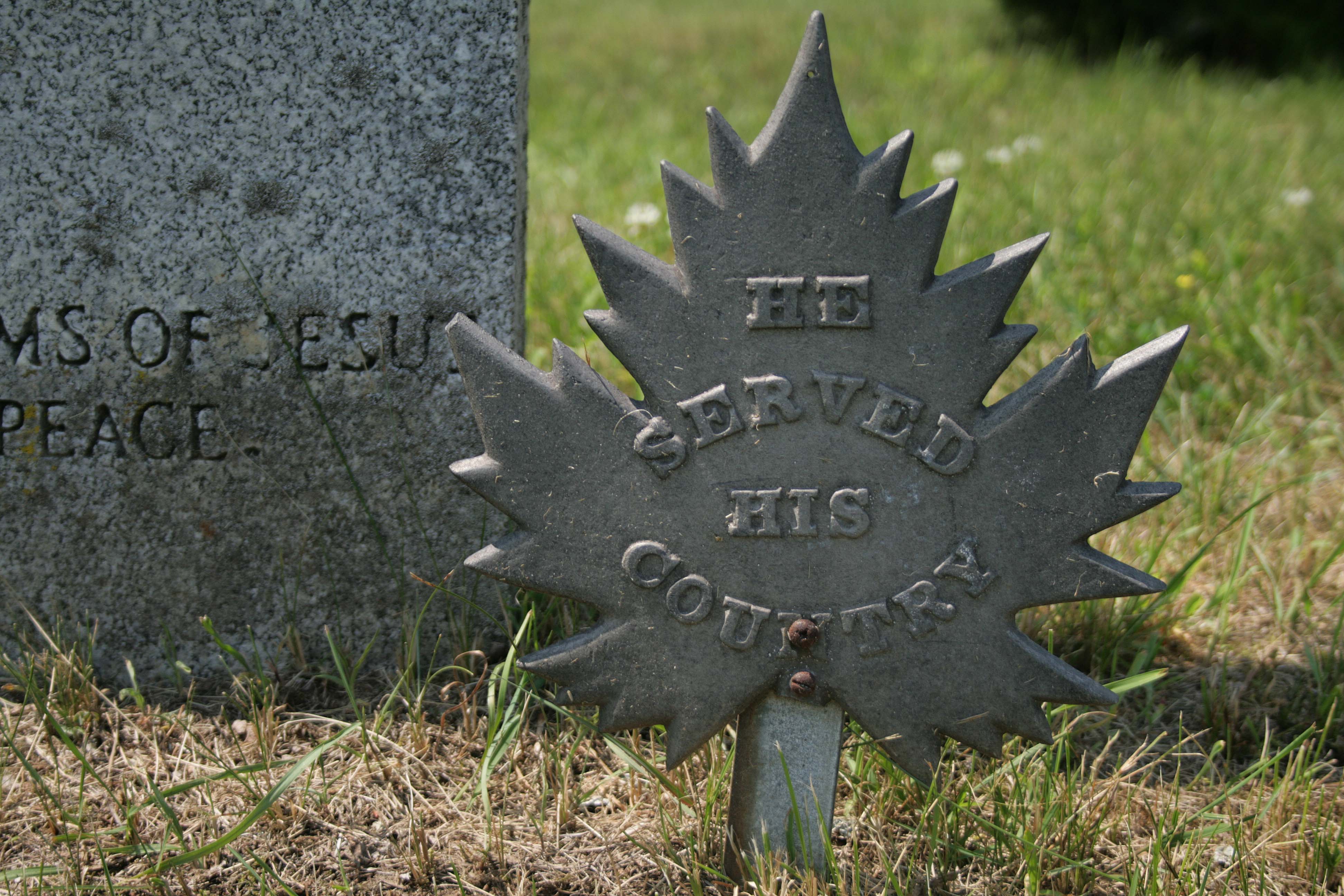
One of my favourite ways to reflect is by visiting military graves. There is something powerful about finding these simple, dignified markers in cemeteries across the country.

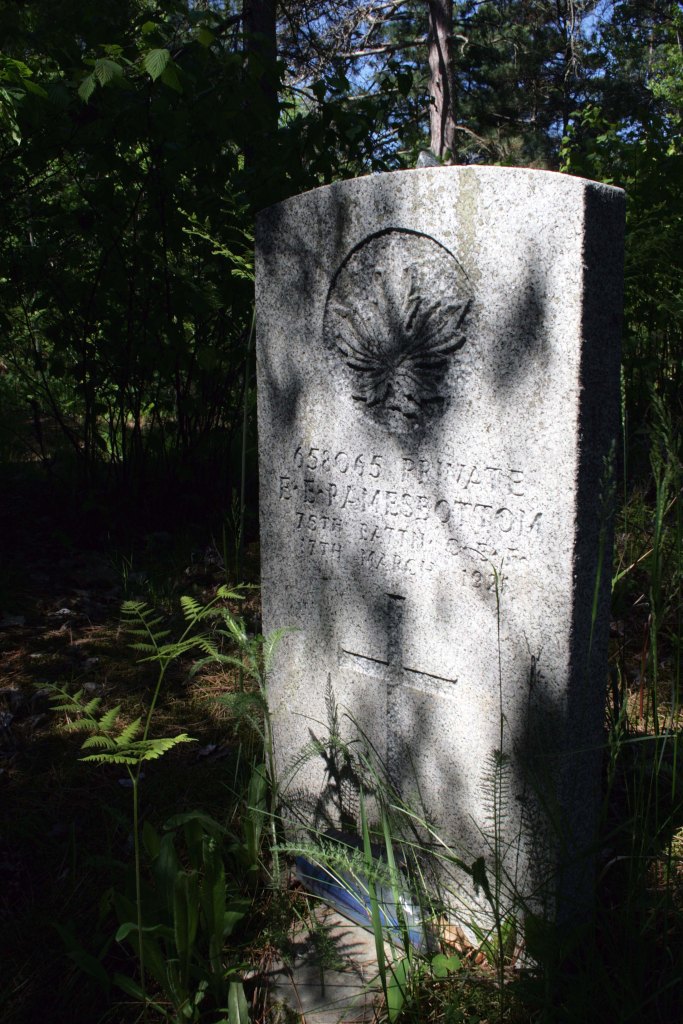
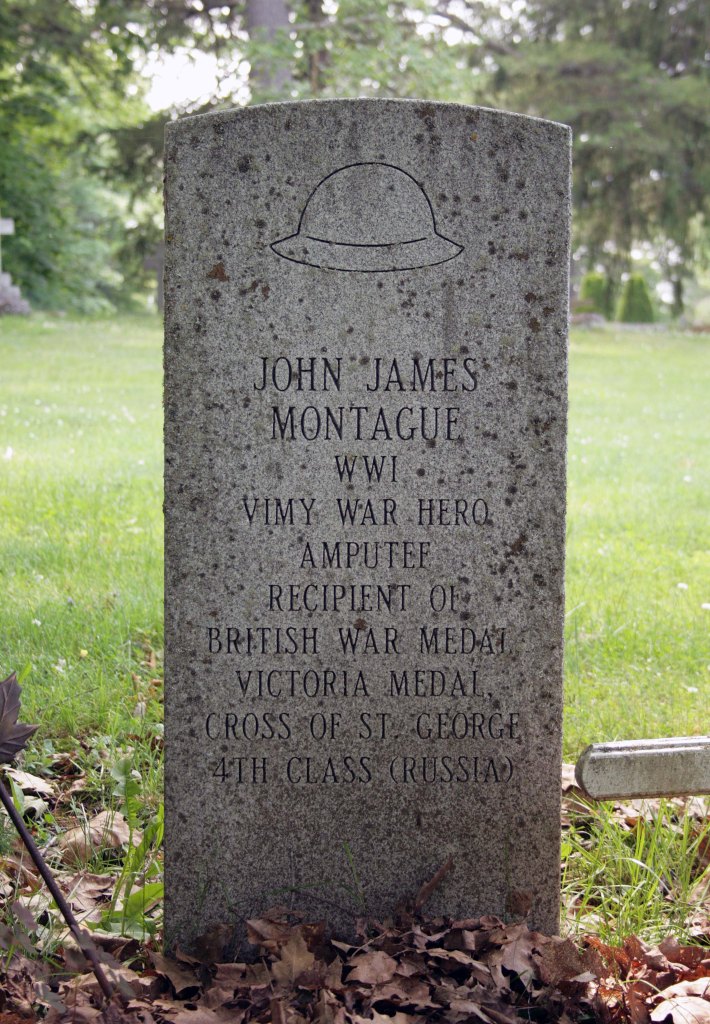
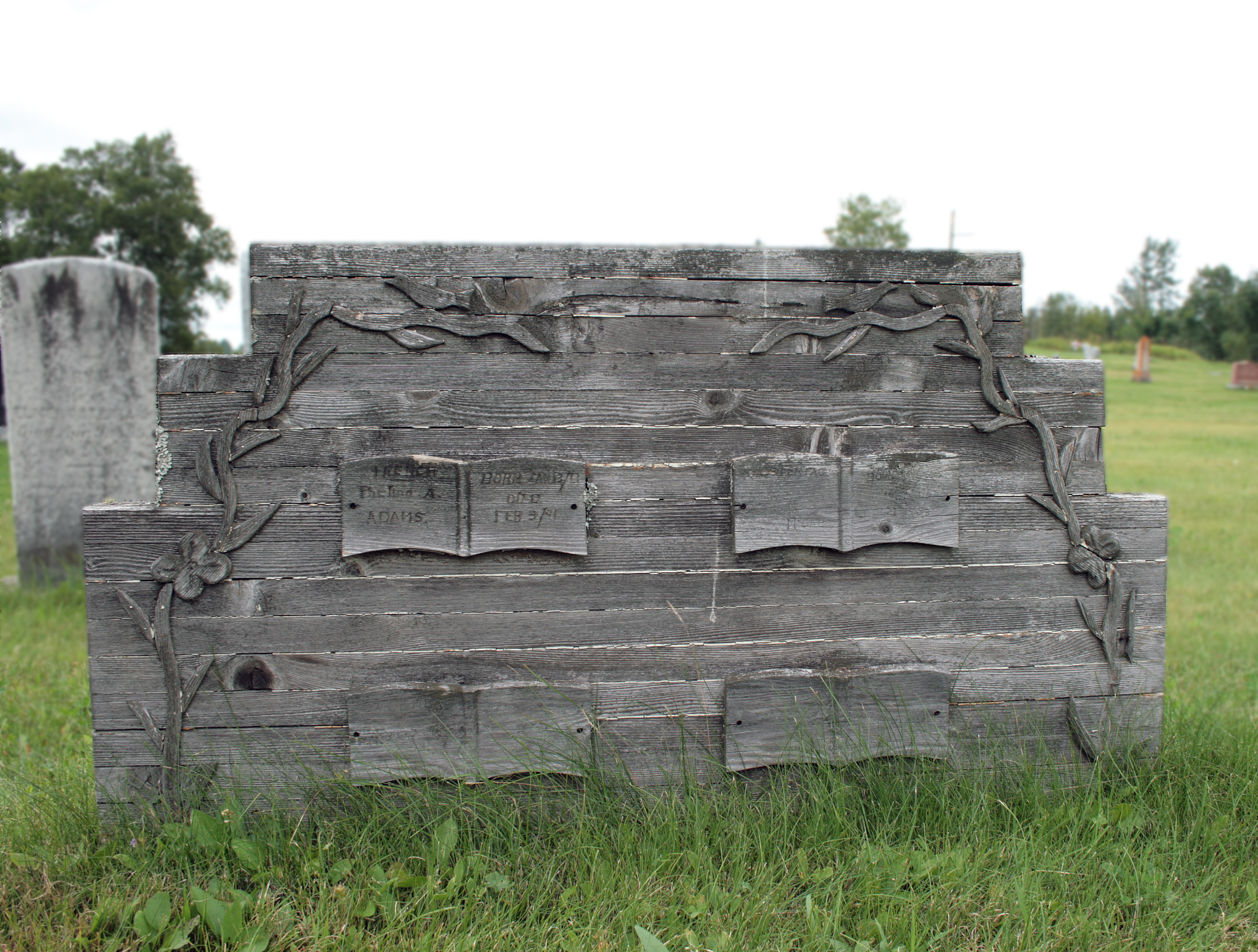
So, I thought this would be a meaningful time to share a collection of Canadian military gravestones that I have photographed over the years. Each one tells a story, and together they remind us that service and sacrifice are never forgotten.

Canadian Armed Forces members who pass away during service are honoured with a standard military tombstone. These gravestones are arranged through the Department of National Defence and placed by the Commonwealth War Graves Commission when the marker is in one of their cemeteries, or by Public Works and Government Services Canada when it is in a civilian cemetery.1 The goal is to maintain a consistent style and honour each member with the same level of care.1

Veterans who are buried in civilian cemeteries can also receive grave marker support. Veterans Affairs Canada runs a Grave Marker Maintenance Program that repairs, cleans, and restores veteran markers across the country.2

In 2023 alone, more than 110,000 repairs were carried out in communities big and small.3 It is pretty incredible to think about how much work goes into preserving these stones and their stories.

There are clear rules that guide what goes on a military gravestone. The design is simple and respectful. Each one includes the person’s name, rank, service number, unit or branch, and date of death. If the family wishes, an approved religious emblem or a personal inscription can be added. The stones are all made in the same style and materials, so they stay uniform and recognizable.1

Military graves remind us that history is not just something in books. It’s carved in stone and tended with care. Next time you are exploring a cemetery and you see one of these markers, take a moment to pause.

Lest we forget.

Thanks for reading!


References:

  1. Military headstones | Government of Canada
  2. Grave marker maintenance | Veterans Affairs Canada
  3. Over 110,000 repairs made to Veteran grave markers across the country | Government of Canada

World Photography Day: Capturing Cemeteries Through My Lens

Tuesday, August 19, is World Photography Day, a day to celebrate the art of photography in all its forms.

Over the years, I’ve dabbled in just about every type of photography—product, food, portrait, weddings—but nothing has ever felt as natural or creatively fulfilling as photographing cemeteries and gravestones.

I find there’s something deeply meaningful about capturing the details of an old tombstone, the way the light filters through the trees, or the quiet beauty of a forgotten graveyard. Cemeteries are full of history, and every stone has a story to tell. But stone doesn’t last forever—inscriptions fade, wooden markers break, and time slowly wears away these pieces of the past.

That’s why I believe cemetery photography is more than just an creative hobby, it’s a way of preserving history.

So today, on World Photography Day, I’m celebrating the quiet art of cemetery photography—the way it connects us to the past, sparks curiosity, and ensures that these stories aren’t lost to time.

If you’ve ever thought about bringing your camera (or even just your phone) to a cemetery, I highly recommend it. You never know what history you might capture.

Do you have a favourite cemetery photo you’ve taken? I’d love to see it! Share it with me on Facebook or Instagram and don’t forget to use the tag #WorldPhotographyDay.

Happy World Photography Day!

Taking a Summer Break – Be Back Soon!

It’s that time of year again—time to unplug, unwind, and hit the road!

I’ll be taking a little break to relax, recharge, and of course, do some sightseeing (because let’s be real, I can’t resist a good road trip).

Naturally, the time off will include a few cemetery visits, because what’s a vacation without a little gravestone hunting? I’ve got some exciting road trips planned, and I’m sure they’ll lead to some interesting stories for future blog posts.

While there won’t be any new blog posts during my break, my regular scheduled social media posts will still be going up.

I’ll be back soon with plenty to share, but in the meantime, I hope you all have a great summer!

Thanks for reading!

A Collection of Gates Ajar

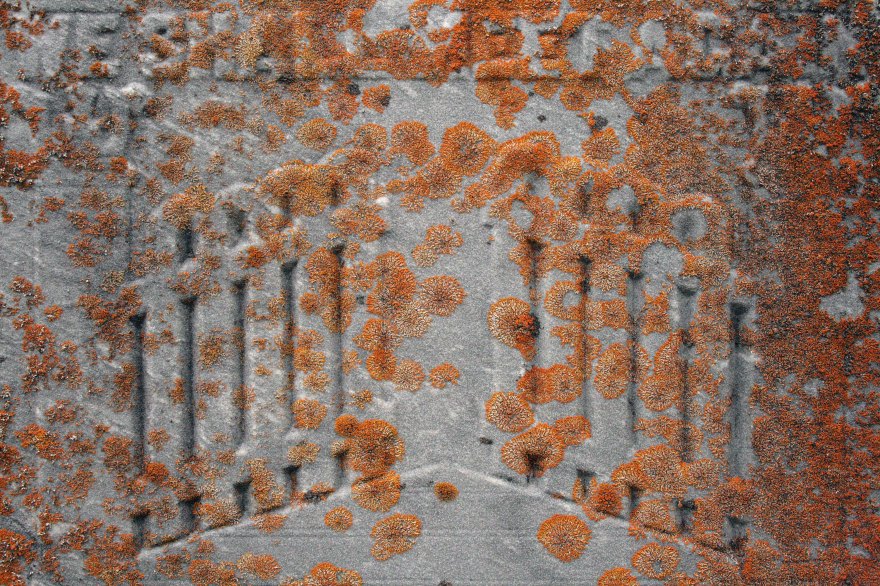
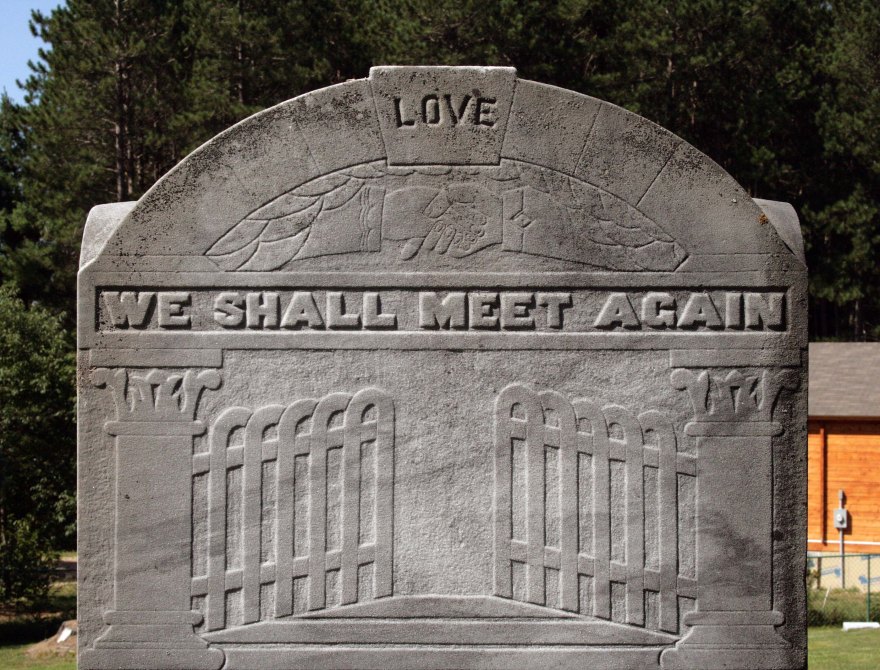
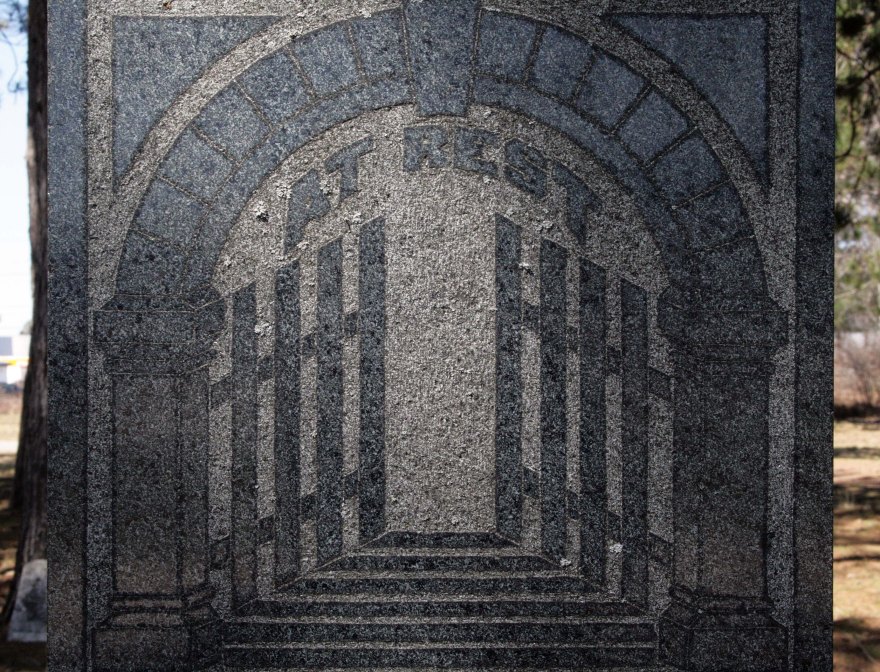
If you spend a lot of time in cemeteries, you’ll notice certain symbols popping up again and again—some are familiar, others are a bit more unusual. One symbol I’ve come across often in my cemetery travels is a set of open gates, standing slightly ajar.

So today on the blog, I wanted to take a closer look at this symbol: what it means, where it comes from, and share a few of the interesting examples I’ve photographed over the years.

There’s something poetic about the image of an open gate. It feels like an invitation or a sign that something—or someone—is waiting just beyond. Sometimes the symbols are ornate, with intricate columns on either side, while others are much simpler.

The “gates ajar” motif has been around for more than a hundred years and was especially common in Victorian and early 20th-century cemeteries. It reflects a comforting belief that death is not the end, but a passage. These gates represent the soul entering Heaven or the afterlife, offering hope and comfort to those left behind.1

Interestingly, this symbol became even more popular after the release of a novel called The Gates Ajar by Elizabeth Stuart Phelps. Published in 1868, just after the U.S. Civil War, the book follows a young woman grieving her brother. In the book, her aunt explains that the gates of Heaven are never fully closed. Instead, they stay slightly open, allowing souls to move between this world and the next. The book was controversial for its ideas but became a bestseller, inspiring everything from sheet music to flower arrangements…and gravestone symbolism.2

Next time you’re walking through a cemetery, take a look around. You might spot a gate carved in stone, just slightly open—and find yourself thinking about what might be on the other side.

Thanks for reading!


References:

  1. Gravestone symbols and their meanings (PDF) | Wolf Memorial
  2. Headstone Symbols: Gates Ajar | Save the Graves

Tiny Tombstones and Big Stories: Visiting Little Canada

A few weeks ago, I took a trip to Little Canada in Toronto. While most people go there to see the miniature landmarks, I was there with a slightly different goal in mind: finding the cemeteries!

Little Canada is a truly unique attraction that shrinks down the Great White North into incredibly detailed miniature scenes. Using intricate models and lighting effects, this ever-growing miniature world brings Canadian landmarks, cities, and culture to life. It’s a love letter to the country, built on a foundation of storytelling.

On our visit, my fiancé and I were lucky enough to get a personal tour from Heidi, a senior leader in marketing, who shared behind-the-scenes insights that made the experience even more special.

The story behind Little Canada is charming in its own right. On our tour, we met the founder, Jean-Louis Brenninkmeijer who was inspired to start this project after helping his son with a school assignment about Canada. That seed of an idea grew into the sprawling, detailed world you can visit today. Everything in the exhibit—from the fishing boats in Little East Coast to the recognizable Parliament buildings in Little Ottawa—is designed with storytelling in mind. Even the hidden details, like the many Easter Eggs scattered throughout each scene, tell their own whimsical stories.

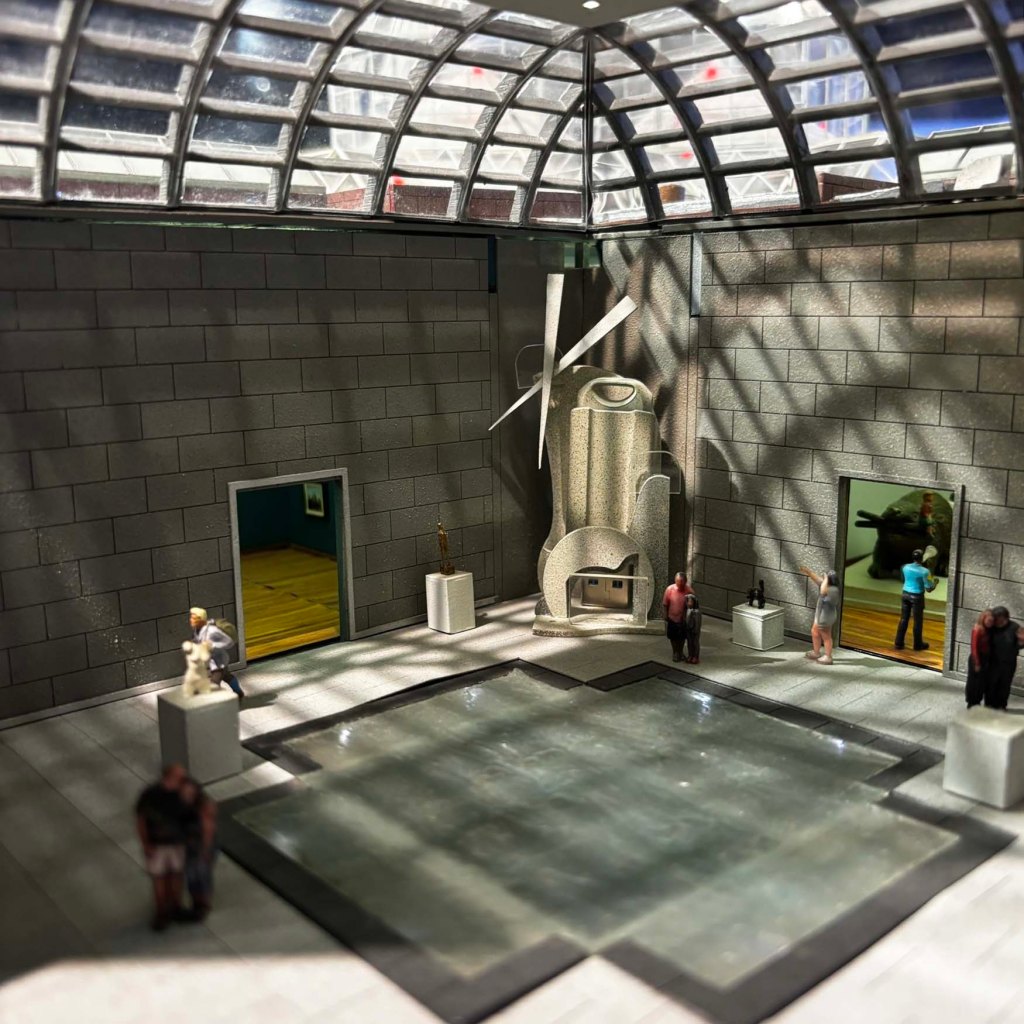
What’s my favourite Easter Egg? Besides Bigfoot? (Look for him in Little Quebec!) I’d have to say the time capsule that is hidden in the National Gallery in Little Ottawa. Jean-Louis shared the story behind this Easter Egg with me.

The day before Little Canada opened its doors, the entire team contributed something to a USB stick, and sealed it away in this tiny gallery space, masquerading as a sculpture. The plan is to open this tiny time capsule when the building lease is up—20 to 30 years from now! I love the idea of a time capsule, it’s a moment frozen in time, much like a cemetery is.

Speaking of cemeteries, Heidi was very kind, making sure to point them out as we travelled through all the exhibits.

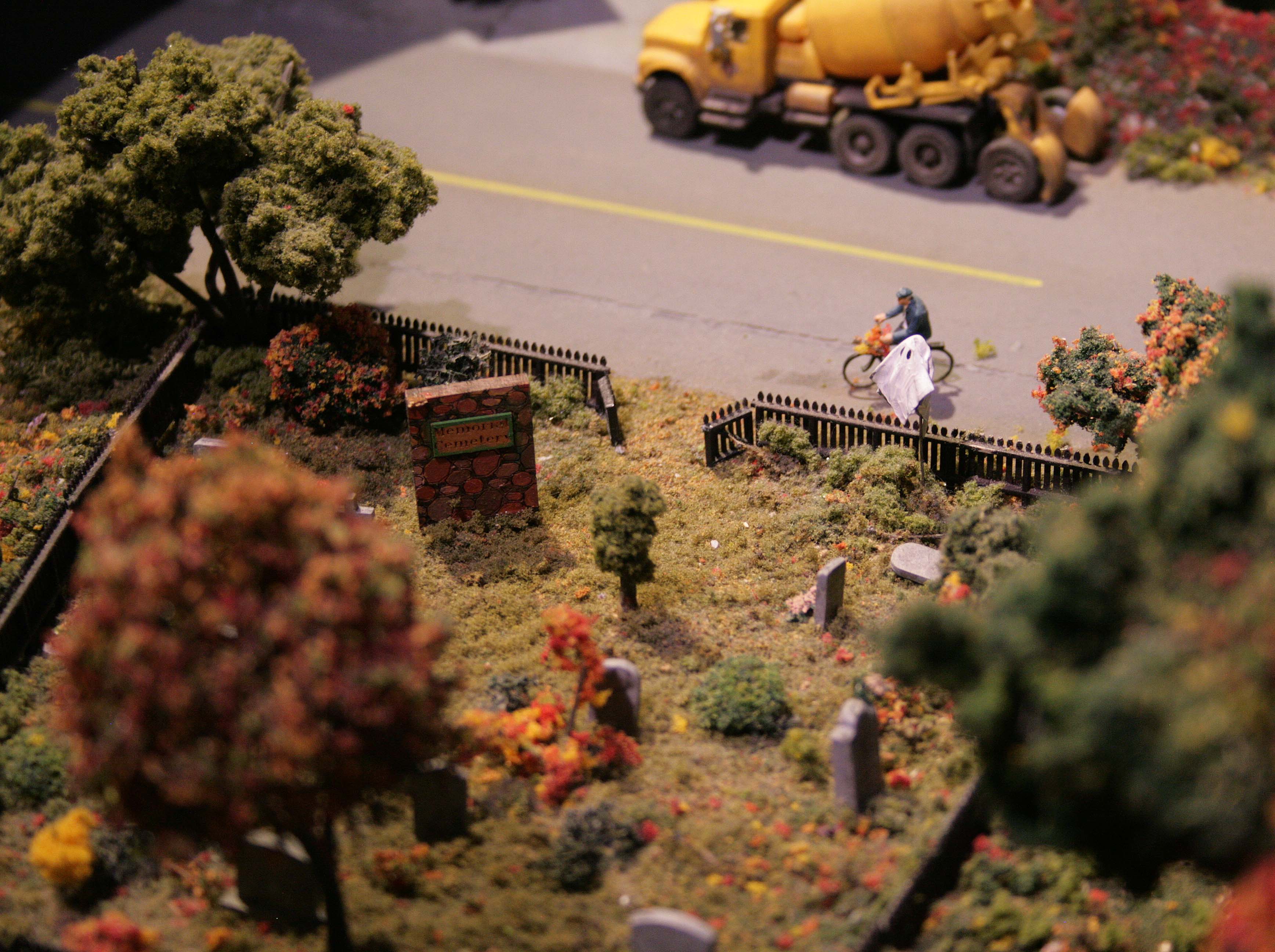
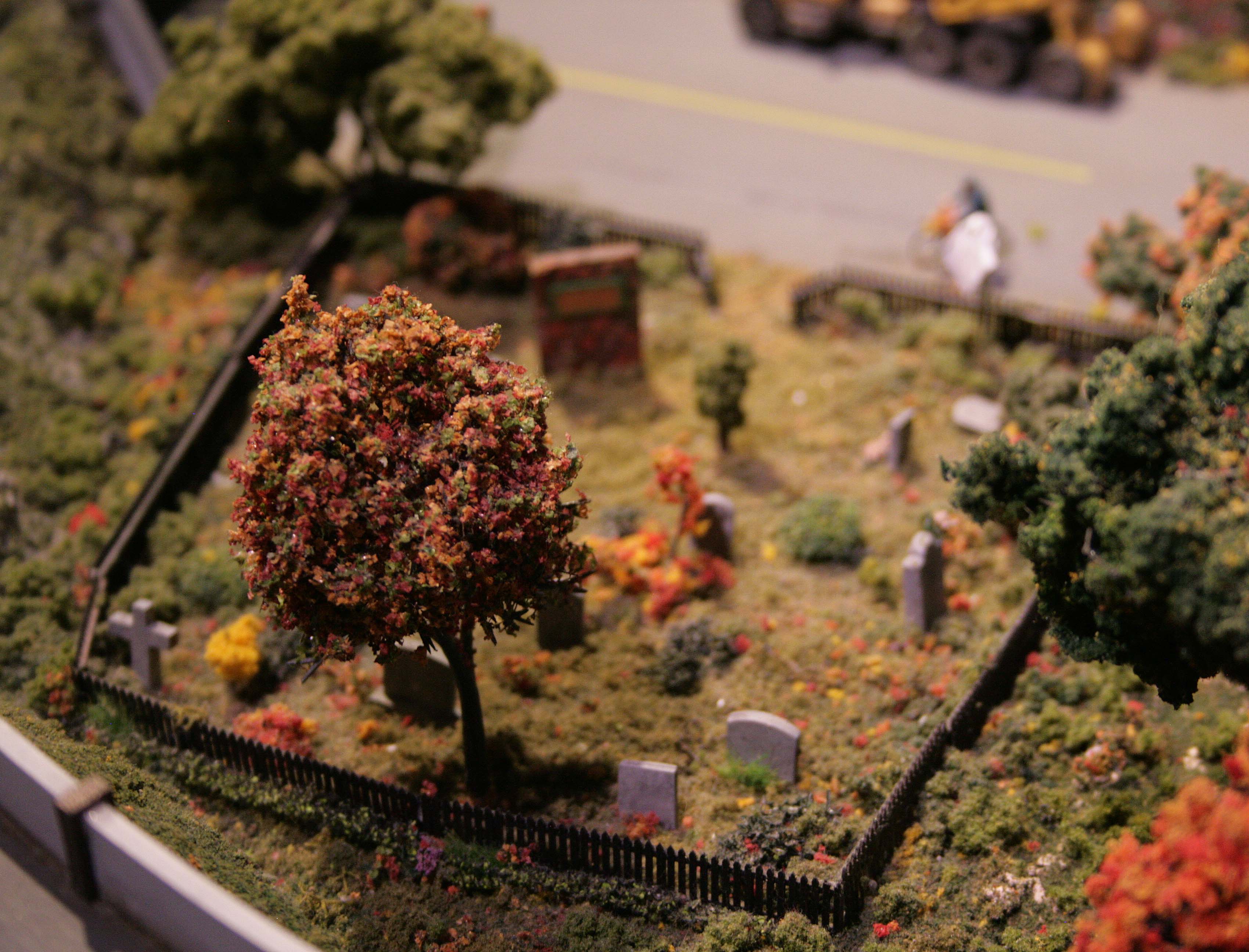
The first cemetery was tucked in among the highway in the Little Golden Horseshoe. A little stone cairn sits at the entrance, with the name Memory Cemetery carved into it. A handful of gravestones sit within a fence, surrounded by trees in full autumn colours. This little cemetery is not based on any real-world cemetery but is an example of a small rural cemetery, with its own resident ghost that sits on one of the fence posts. A good example of some of the whimsy that can be found throughout Little Canada.

The second cemetery we found was in Little East Coast. This rural cemetery is based on Cavendish Community Cemetery, in Prince Edward Island. It features a replica gravestone of Lucy Maud Montgomery, the Canadian author best known for her Anne of Green Gables book series. Surrounded by fall colours and marked by a replica cemetery sign, that even includes “Resting Place of L.M. Montgomery” in impossibly small type. This cemetery is also a busy one, with some people paying their respects, and others having what I first thought was a picnic—until I looked closer at my photos and realized it was a Ouija board session! Another example of the unexpected storytelling hidden in these tiny scenes.

Both of the cemeteries were small, but incredibly detailed—down to the engraved names and the uneven ground. I can’t say I ever photographed a cemetery in a 1:87 scale before!

Scattered throughout all the little scenes were also tiny monuments and war memorials, similar to what you would find while wandering a small town or city. It’s interesting to note how prevalent these places of memorial and remembrance really are.

As we explored the display wall, where some of the 5-inch Little Me figures are displayed, there is also a small section devoted entirely to the Vimy Ridge Memorial. Even scaled down, it’s a striking memorial. Designed to commemorate Canadians who fought and died in World War I, the real Vimy Ridge Memorial in France is a place of reflection and national pride. I was struck by the thought that cemeteries and monuments—no matter their size—inspire memory, honour, and connection.

It’s easy to see how much heart goes into every scene and detail. At the Maker’s Window, we had the chance to speak to some of the lovely women who bring these miniature scenes to life. The attention to detail, and at such a small scale, is amazing! Talking to them made me realize that this isn’t just about scale and architecture. It’s about the people behind the scenes, pouring care, creativity, and pride into every tiny building, street, and story.

Of course, I couldn’t visit Little Canada without getting Littlized!

The Littlization process allows you to have a 3D scan of yourself turned into a miniature figurine, a Little Me, to take home or be placed somewhere in the display. It’s a fun nod to personal storytelling and a reminder that all these little pieces make up something much bigger.

We spent about three hours exploring the exhibits, and I could easily see myself going back again and still not spotting every detail. There’s history, humour, sentimentality, and a strong sense of community behind it all.

Little Canada may be small in scale, but its message is big: Canadian stories matter. Whether that’s the story of a national battle memorial, a hidden USB time capsule, or a tiny cemetery, each piece tells us something about who we are, and what we value.

And, if you’re someone like me, drawn to hidden stories, Little Canada has no shortage of tiny wonders to explore.

Thanks for reading!

A Collection of Chalices

One of my favorite things about wandering through cemeteries is discovering unique gravestone symbols. Over the years, I have noticed that certain motifs pop up again and again. It’s so interesting to see how these symbols can change depending on where you are.

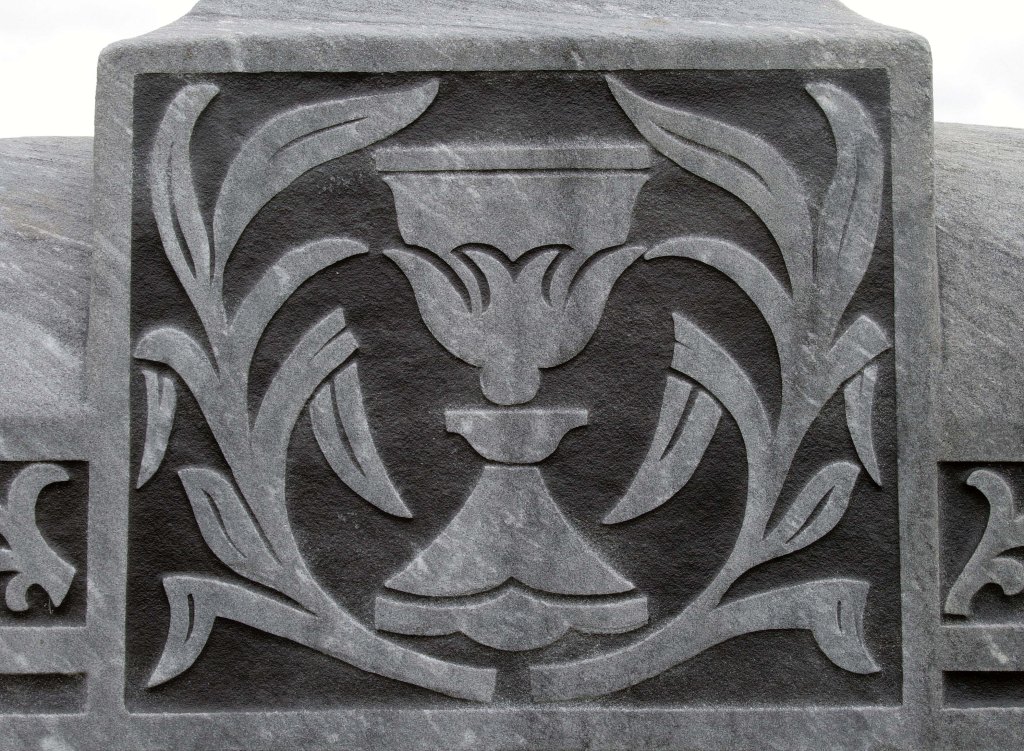
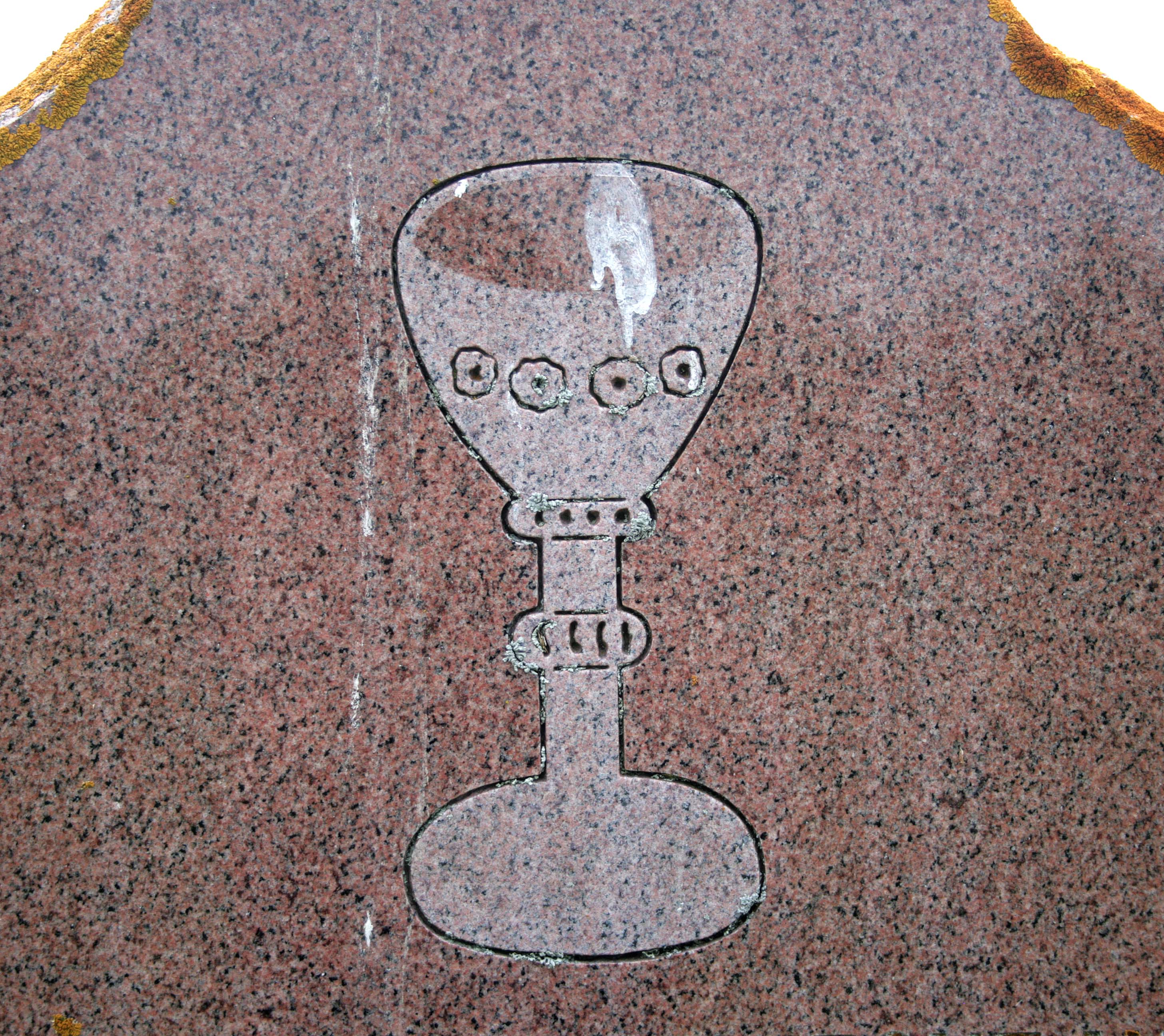
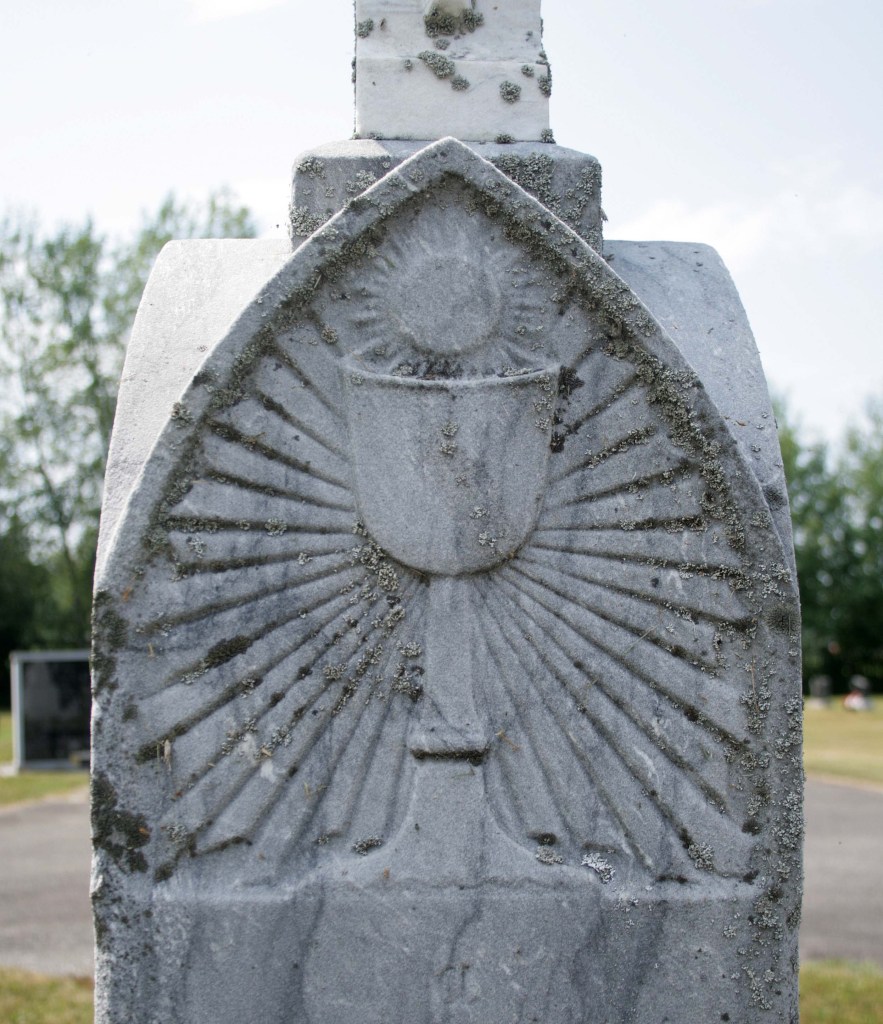
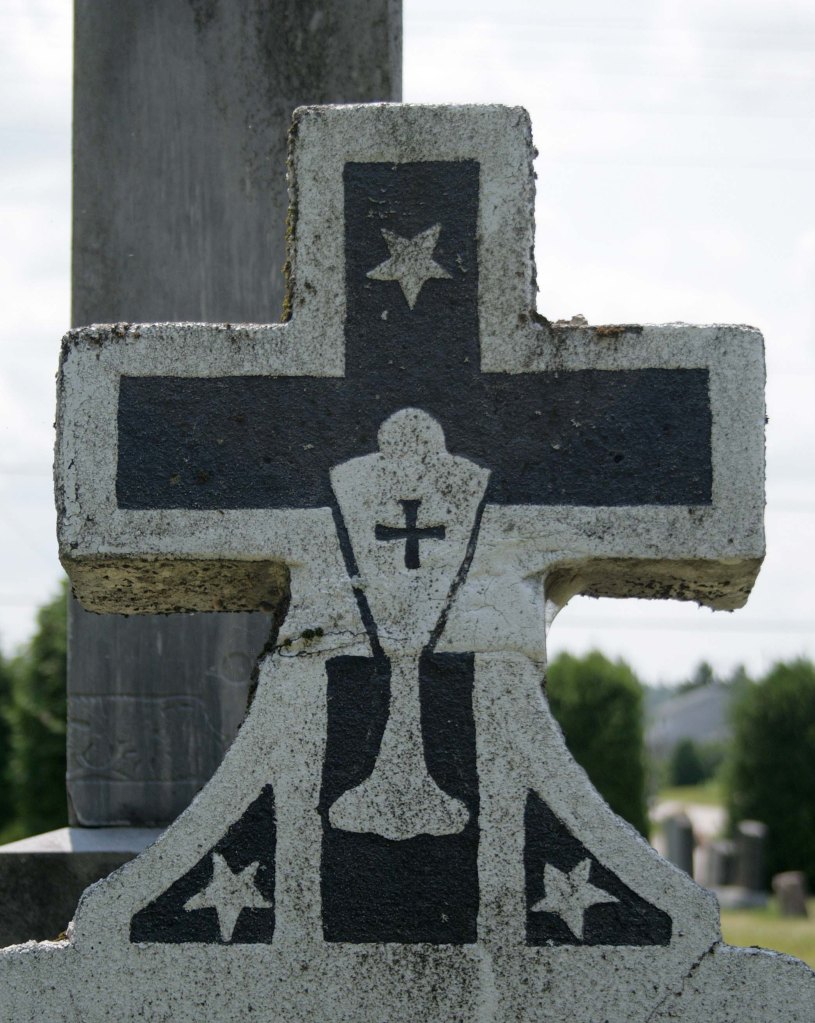
Today, I want to take a closer look at the chalice as a gravestone symbol—what it represents and how it’s been depicted in different places. The variations I have found over the years show just how much it can change depending on location. It’s interesting to note that the chalice is a very common symbol in the Abitibi-Temiscamingue region of Quebec.

The chalice is a Christian symbol, that is commonly depicted as a cup with a stem, similar to a wine glass. It is thought to symbolize Christianity’s holy sacrament and the act of communion. It can also represent mankind’s deep yearning to be filled with Christ’s divine teachings and grace.1

Sometimes the chalice is depicted with a circle above it, symbolizing the consecrated Eucharist, which represents the Catholic rite of Holy Communion. This combination of symbols is often found on the gravestones of priests.2

Have you come across a chalice symbol on your cemetery walks? Or noticed any other symbols that pop up often in your local cemeteries? I’d love to hear about it in the comments.

Thanks for reading!


References:

  1. Understanding Cemetery Symbols: A Field Guide for Historic Graveyards by Tui Snider
  2. Headstone Symbols: Understanding Cemetery Symbolism | Everlife Memorials

Stone Stories: The Youngest Member of the Group of Seven

After visiting both of Tom Thomson’s graves, I was inspired to visit the graves of all the members of the Group of Seven.

As a graphic designer, I have a little background in art history and I have long admired their work. Standing at Thomson’s first resting place at Canoe Lake sparked a desire to pay my respects to the others who also helped shape Canadian art.

So today on the blog, I want to share my visit to the grave of Franklin Carmichael in Orillia, Ontario.

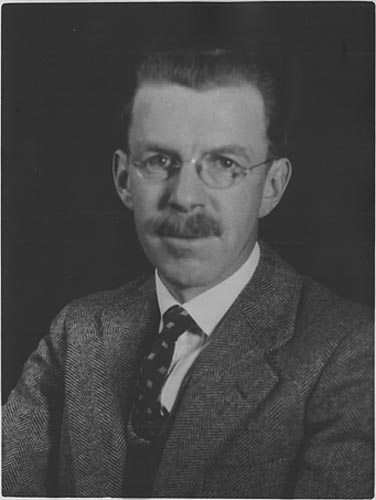
Franklin Carmichael

Born in 1890 in Orillia, Franklin Carmichael showed early signs of artistic talent, which his mother quickly nurtured by enrolling him in music and art lessons.1 In his teenage years, he worked in his father’s carriage-making shop, where he honed his skills as a designer, striper, and painter.1 By 1910, Carmichael moved to Toronto to attend the Ontario College of Art, where he studied under renowned instructors.1

In April of 1920, Carmichael found his place within the emerging Group of Seven, joining artists like A.Y. Jackson, Lawren Harris, and J.E.H. MacDonald in their mission to capture Canada’s untamed wilderness.1 Despite being the youngest member of the group, Carmichael’s work, particularly his depictions of Ontario’s northern landscapes, were just as striking and bold as those of his peers.1 His travels to Lake Superior and the La Cloche Mountains were the backdrop for some of his most celebrated works, where watercolors became the defining feature of his style.1

Carmichael would go on to teach at the Ontario College of Art and later founded the Canadian Group of Painters, after the Group of Seven disbanded in 1933.1

Orillia Museum of Art & History

The Orillia Museum of Art & History sits in the heart of downtown Orillia and is housed in the historic Sir Samuel Steele Memorial Building. My mother and I parked the car on a side street and slowly walked along the sidewalk to the museum as we took in the views of the downtown core. It was a beautiful fall day when we visited, so the streets were bustling with activity.

We began our museum visit on the top floor and slowly made our way back down, through the myriad of exhibits. The museum’s collection intertwines local history with artistic expression.

When we visited, the Teachers and Their Enduring Impact—The Legacy of Jose Salas exhibit had just opened. This exhibit featured artwork by Jose Salas, an art teacher at the local college, as well as artwork from of his students.2 It was a lovely exhibit that showcased the profound influence a teacher can have on their student’s creative journeys.

While viewing this exhibit, I couldn’t help but think about Carmichael and what kind of influence he had on his students when he taught at the Ontario College of Art. Having taken quite a few art classes myself, I wondered what it may have been like to be taught by one of the famous Group of Seven.

The museum also has a permanent exhibit that features some of the more prominent figures from Orilla, like Gordon Lightfoot, Stephen Leacock, and of course—Franklin Carmichael.

After taking in everything the museum had to offer, it was time to make our way to the cemetery to pay our respects.

St. Andrews and St. James Cemetery

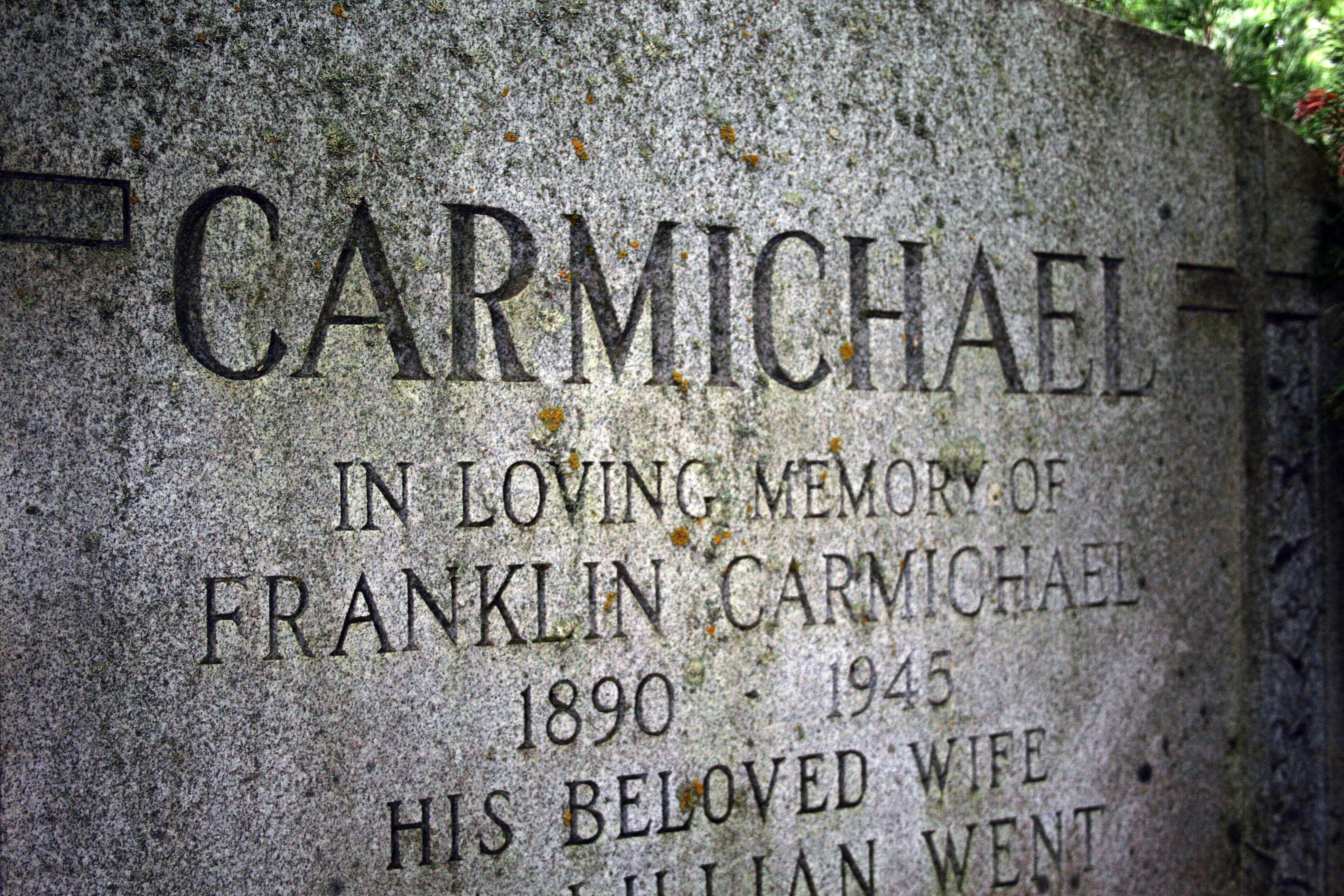
Franklin Carmicheal passed away in Toronto, on October 24, 1945, following a regular day of teaching classes. As he began his drive home, he suffered a heart attack in his car; he was only 55 years old.3

Carmichael is laid to rest in St. Andrews and St. James Cemetery in his hometown of Orilla. His final resting place is marked with an elegant grey granite stone, that is engraved with ivy and crosses. He is laid next to his beloved wife, Ada Lillian Went Carmichael, who passed away in 1964.

Buried alongside Carmichael in the family plot, are his daughter Mary Franklin Carmichael Mastin, and her husband. Mary dedicated much of her life to preserving her famous father’s legacy.4 She was also a writer and journalist, writing about nature and conservation.4 She passed away in 2012, at the age of 91 at St. Gabriel’s Villa, in Chelmsford, Ontario.4

In contrast to the busy streets, the cemetery was very quiet. My mother and I were the only visitors. As I stood at Carmichael’s graveside, I reflected on how his contributions to the art world have influenced and inspired countless generations of Canadian artists. I was a little surprised, though, to find that no flowers or grave goods had been left at his grave, something I had expected for an artist of his caliber. It made me think about how a person’s life story can sometimes be quietly forgotten, and the importance of remembrance.

I really enjoyed my visit to Orillia. Exploring Franklin Carmichael’s legacy was a unique opportunity to reflect on the power of art and how it connects us to the land and each other. From the Orillia Museum of Art & History to his gravesite, it was a lovely trip that gave me a deeper appreciation for Carmichael’s work and the lasting impact he had on Canadian art.

Thanks for reading!


References:

  1. Franklin Carmichael | The Group of Seven
  2. Teachers and Their Enduring Impact—The Legacy of Jose Salas | Orillia Museum of Art & History
  3. Franklin Carmichael | Roberts Gallery
  4. Mary Franklin Carmichael Mastin | Find a Grave

Stone Stories: The Voice of the Great Lakes

“They might have split up or they might have capsized
They may have broke deep and took water
And all that remains is the faces and the names
Of the wives and the sons and the daughters”1

These lyrics from Gordon Lightfoot’s iconic song The Wreck of the Edmund Fitzgerald have long been etched in the minds of listeners, who like me, have found themselves enthralled by Lightfoot’s masterful storytelling.

This song, along with many of his other hits, like If You Could Read My Mind and Sundown, have created the soundtrack for countless Canadians, evoking the beauty, melancholy, and vastness of our Canadian landscape.

Today on the blog, I want to share my experience from this past September. I had the opportunity to visit the Gordon Lightfoot Sculpture Park and his final resting place in his hometown of Orillia, Ontario.

Gordon Lightfoot

Gordon Meredith Lightfoot was born on November 17, 19382 in the small town of Orillia, the gateway to the Muskokas.3 From an early age, Lightfoot showed a natural talent for music, learning the piano, teaching himself to play drums, and later picking up the guitar.2 In 1957, Lightfoot left Canada, going to Los Angeles to study jazz orchestration at Westlake College of Music.2 After returning to Canada in the late 1950s, he began to sing folk songs and play guitar around Toronto.2

It didn’t take long for Lightfoot to make his mark on the Canadian music scene. His folk-infused ballads quickly captured the essence of the Canadian spirit. Throughout his career, Lightfoot released over 20 albums and was known for his blend of folk, country, and soft rock—a style uniquely his.2

Lightfoot received numerous prestigious awards throughout his music career, including multiple Juno awards, and was inducted into the Canadian Music Hall of Fame in 1986.2 He also earned honours like the Order of Canada, Order of Ontario, and a Governor General’s Performing Arts Awards.2 Lightfoot was recognized in the Canadian Songwriters Hall of Fame and received a Lifetime Achievement award from SOCAN and the Toronto Music Awards.2

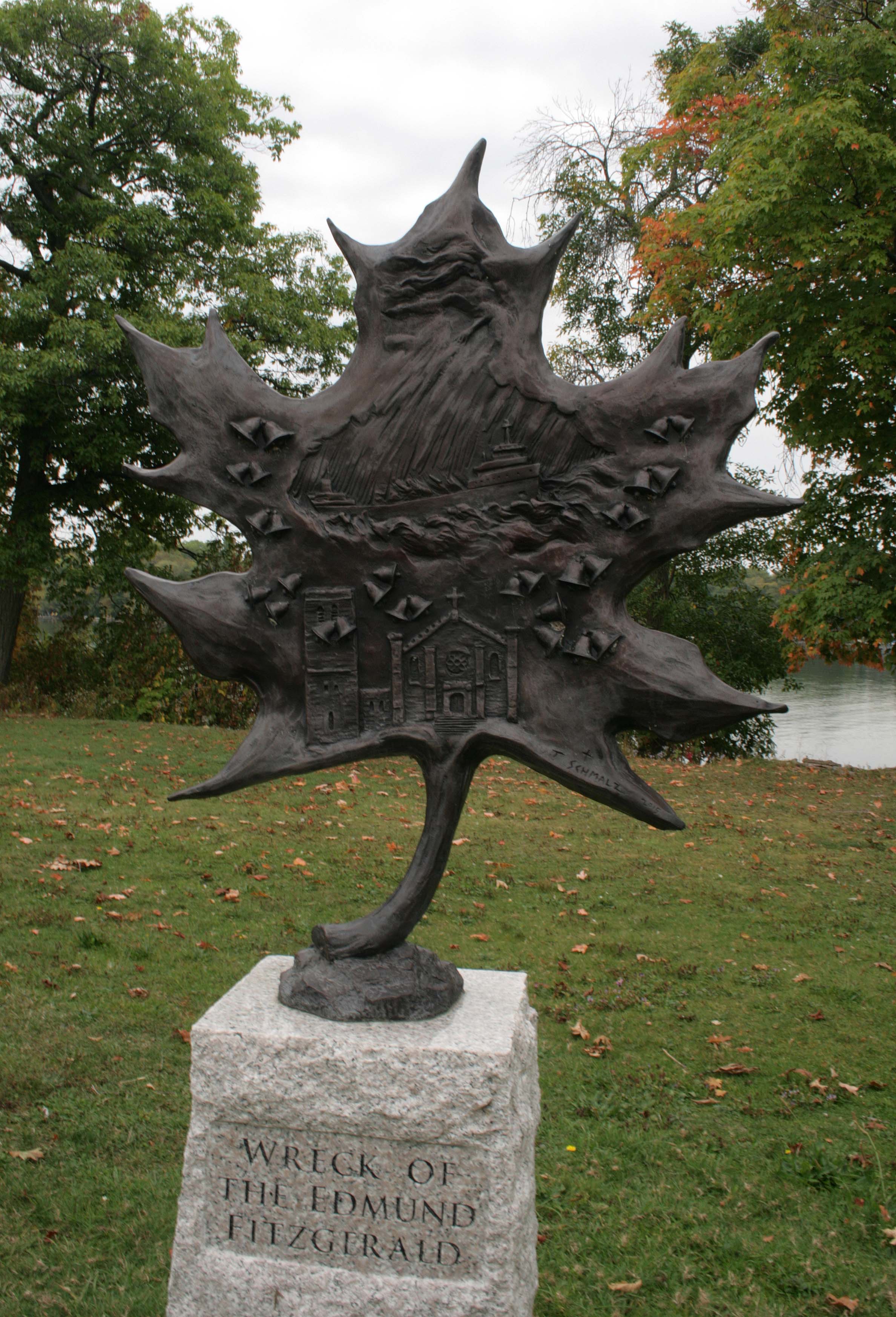
One of my favorite Lightfoot songs is based on a real-life event, the tragic sinking of the S.S. Edmund Fitzgerald. The Wreck of the Edmund Fitzgerald, in my opinion, is one of his most famous and most haunting ballads.

The song is a tribute to all the lives lost in the shipwreck, on November 10, 1975. It’s estimated that between 7:20 and 7:30 p.m. on that fateful day, the ship vanished and sank with 29 men onboard.4

Gordon Lightfoot Sculpture Park

I knew my visit to Orillia would not be complete without a visit to the Gordon Lightfoot Sculpture Park and walking trail. We visited in late September, and the trees were just beginning to change. A perfect day for a walk.

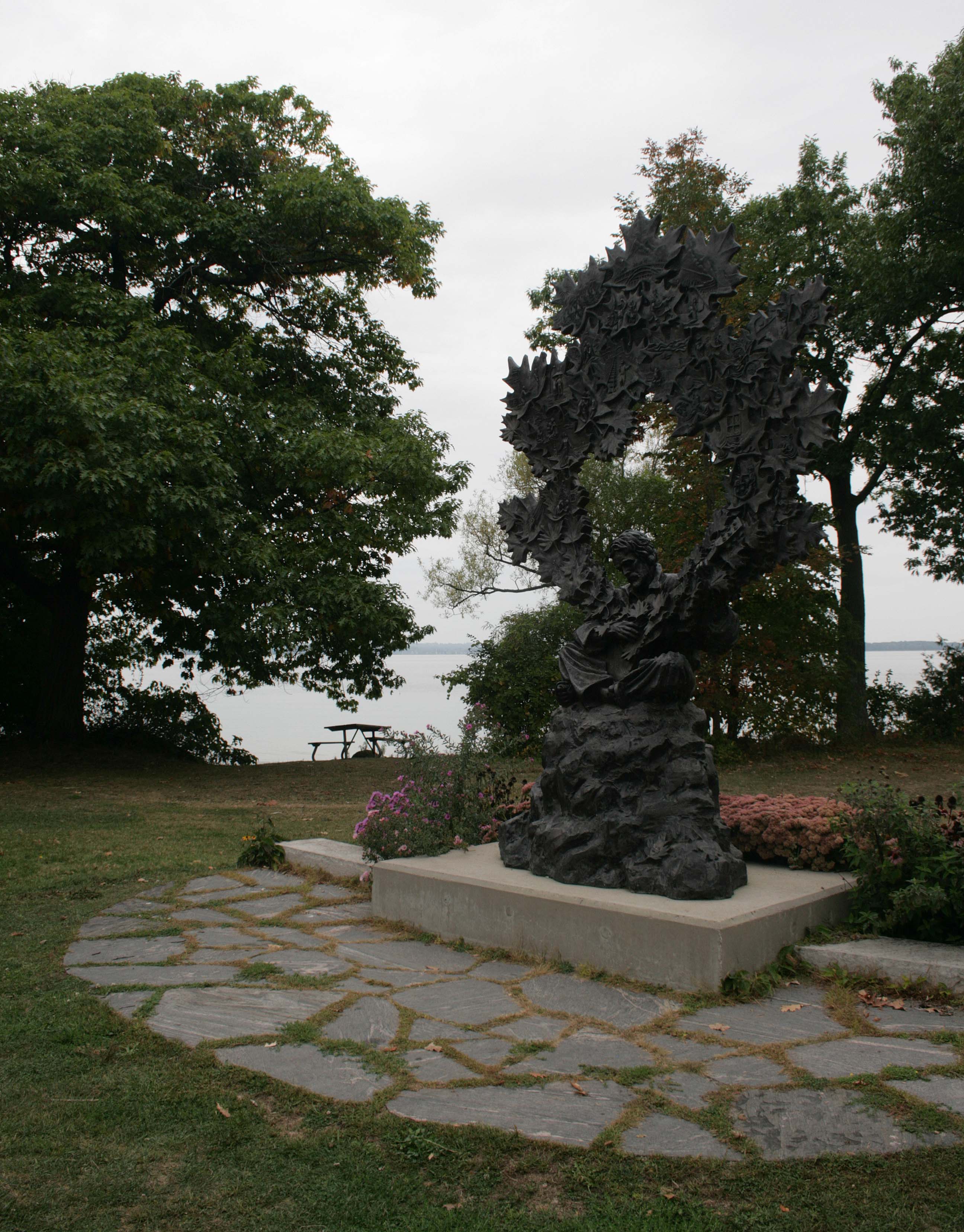
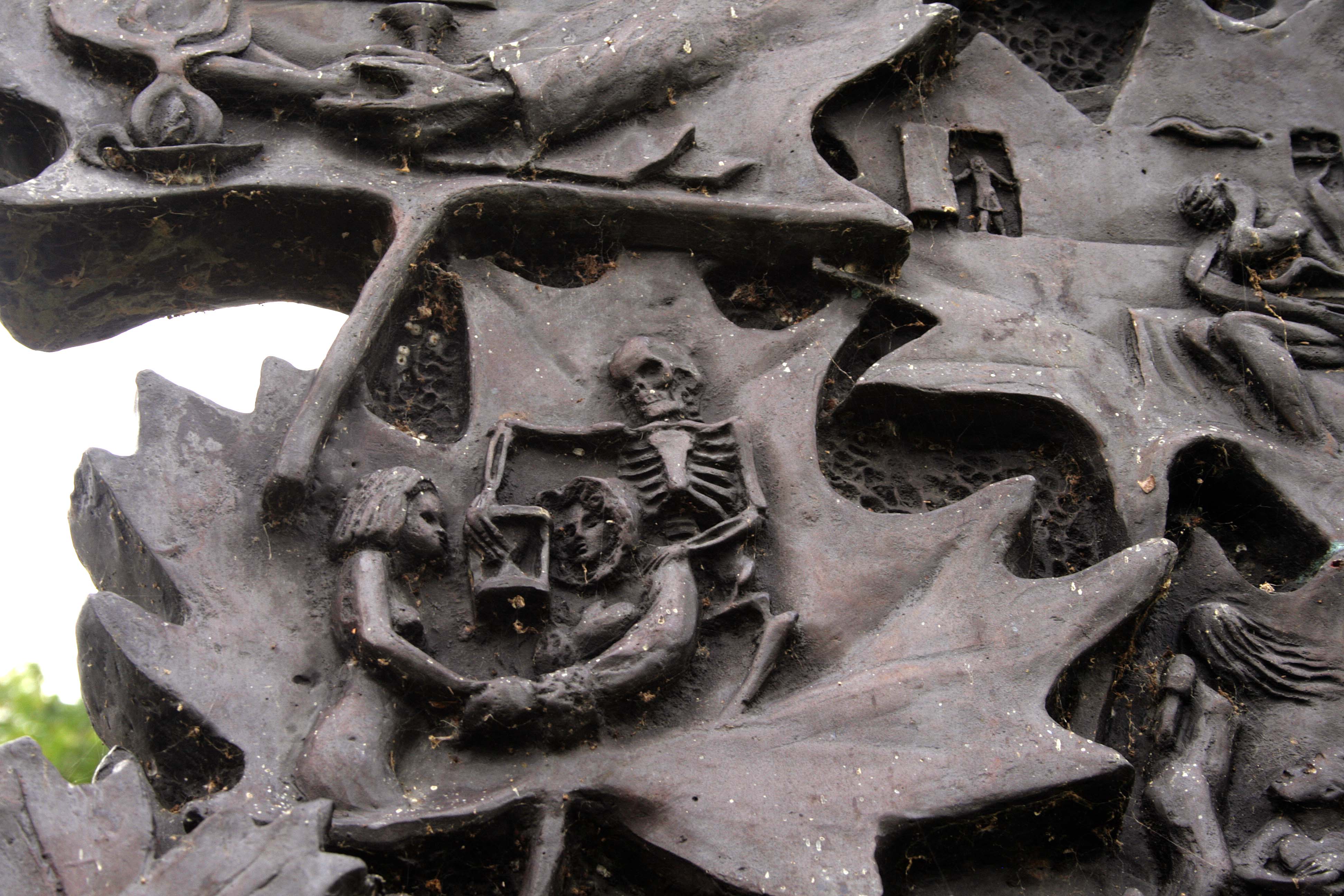
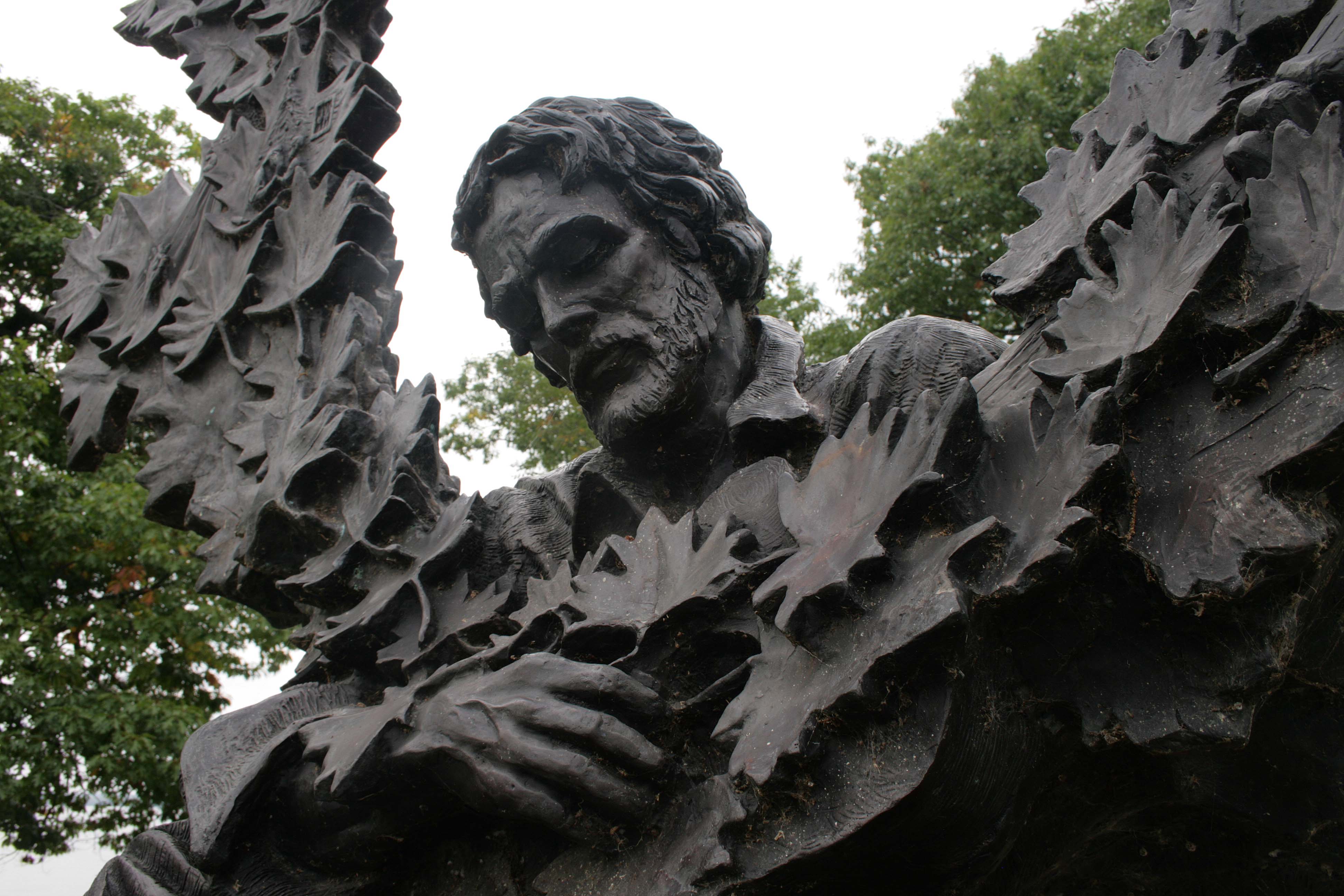
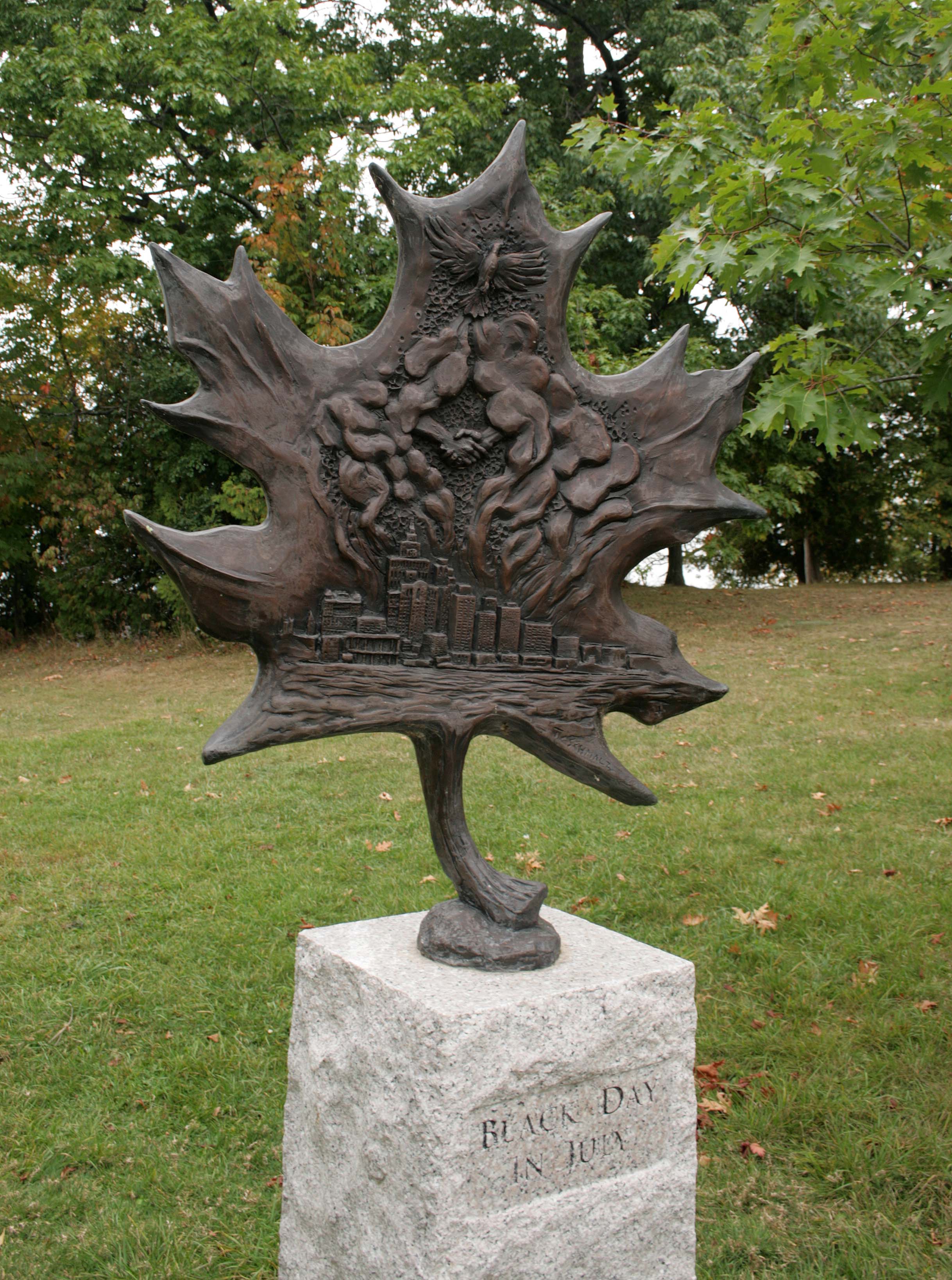
The sculpture park is a beautiful and artistic tribute to Lightfoot’s music and legacy, celebrating both his achievements and his connection to the area. The park’s centerpiece is a striking, larger-than-life bronze sculpture of Lightfoot, sitting cross-legged with his guitar in hand. It captures him in his element, mid-song as his music comes alive around him, depicted on maple leaves that encircle him.
I took some time to reflect while standing before the statue. The park is not just a collection of art pieces, but a reflection of Lightfoot’s connection to the land, his music, and the people who grew up listening to his songs.

My mother and I were not the only visitors to the park that day. There were throngs of people walking the trails, many with large cameras in hand. I noticed they all took some time to admire the beautiful sculpture work and reflect on Lightfoot’s life and work as well.

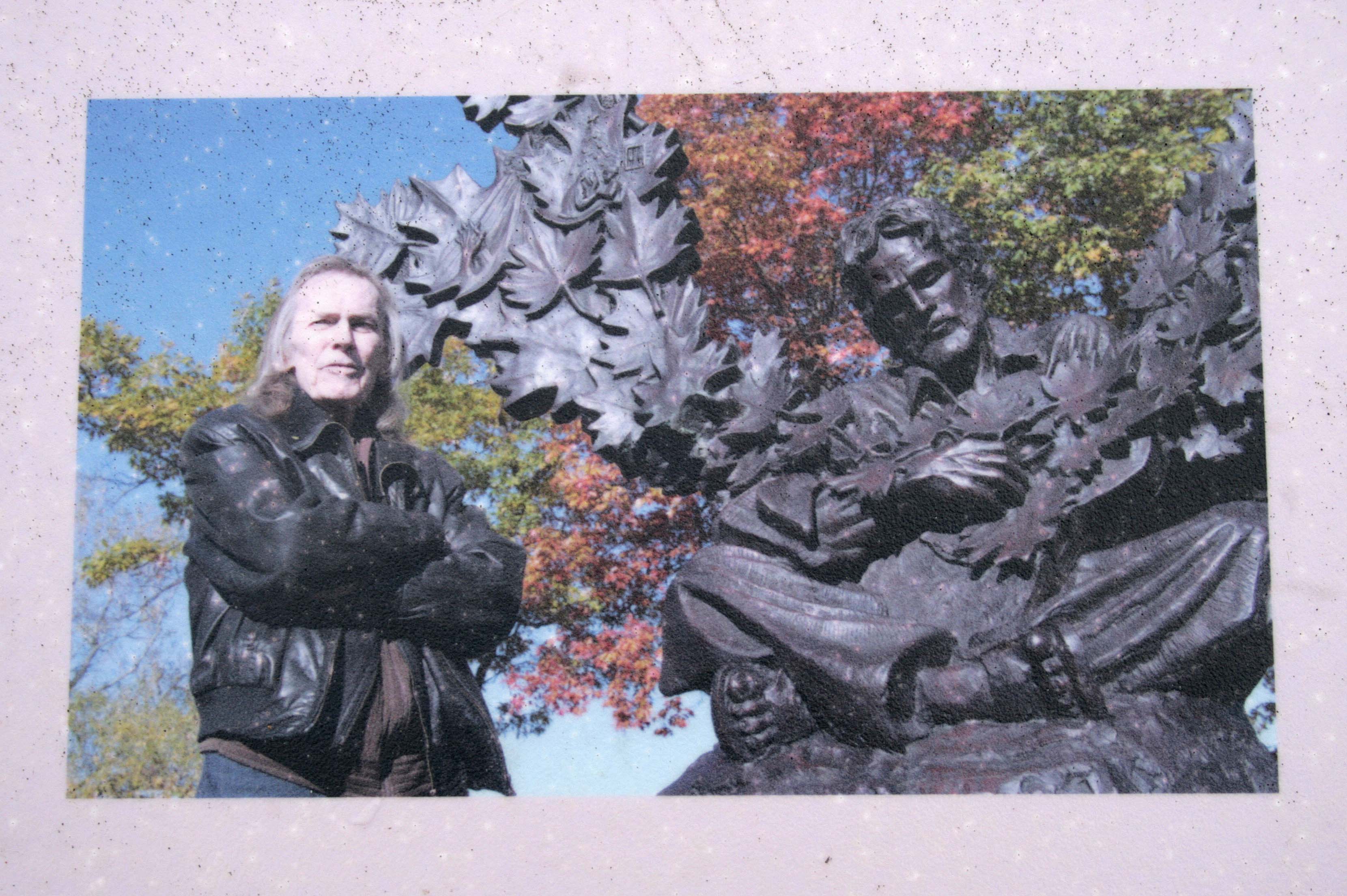
I wondered if Lightfoot himself had known about this sculpture park. I was pleasantly surprised to see a large plaque that showed Lightfoot smiling as he stood beside his younger, bronze self. He was in attendance for the unveiling in 2015, and said humbly “I’m honoured, much more so than any of the honours I’ve received up to this point in time.”5

St. Andrews and St. James Cemetery

After walking the entirety of the walking trail loop, my mother and I made our way back to the car. We decided since the area was so nice that we would have our picnic lunch in the sculpture park, before heading to our next destination—the cemetery.

It was a short drive from the park to St. Andrews and St. James Cemetery. The cemetery was quiet and serene, offering beautiful views of the surrounding forest, although we were not the only living souls visiting the cemetery that day. There was an older couple who were also meandering through the cemetery paths.

Gordon Lightfoot passed away of natural causes, in a hospital in Toronto, at the age of 84.6 He was laid to rest in St. Andrews and St. James Cemetery in May of 2023, beside his mother and father. His mother, Jessie Vick Trill Lightfoot passed away in 1998 at the age of 88.7 His father, Gordon Meredith Lightfoot Sr. passed away in 1974 at the age of 63.8

The gravestone is simple, yet elegant—a testament to the quiet humility Lightfoot always embodied, despite his fame. The inscription simply reads “Together Forever”.

Visiting Gordon Lightfoot’s grave and walking the trails at the Sculpture Park in Orillia was a beautiful and memorable experience. I couldn’t help but think about how his music had been woven into the fabric of Canada’s history. More than just melodies, they’re stories that often capture the essence of the Canadian experience.

There is something special about visiting the final resting place of someone whose music has shaped the soundtrack of a country.

What is your favorite Gordon Lightfoot song?

Thanks for reading!


References:

  1. The Wreck of the Edmund Fitzgerald by Gordon Lightfoot | S.S. Edmund Fitzgerald Online
  2. Gordon Lightfoot | The Canadian Encyclopedia
  3. Location | City of Orillia
  4. The Tragedy | S.S. Edmund Fitzgerald Online
  5. Gordon Lightfoot sculpture unveiled in Orillia | Orillia
  6. Canadian singer-songwriter Gordon Lightfoot dead at 84 | NBC News
  7. Jessie Vick Trill Lightfoot | Find a Grave
  8. Gordon Meredith Lightfoot Sr. | Find a Grave

Why I Love Cemeteries: Exploring Beauty and History

I am someone who has always found beauty in unexpected places. I am also a very curious person and love to uncover hidden stories. That’s why I love sharing my experiences and discoveries with you!

As we step into a new year, I thought it would be a perfect time to reflect on something I am very passionate about—cemeteries.

Whether you’re new to the blog or a long-time reader, please indulge me as I share more about why I find these spaces so fascinating.

For many, cemeteries might seem somber or even eerie places, but to me, they are so much more. They are open-air art galleries and museums. Each gravestone, mausoleum, and statue tells a story. The craftsmanship is often breathtaking, but there is beauty in everything—from the intricately carved angels to the weathered inscriptions that are just barely legible.

Some of my most memorable moments have been spent marveling at unique gravestones and wondering about the lives they represent. I have often come across a heartbreaking epitaph that has made me stop suddenly, creating an instant connection to someone from another time.
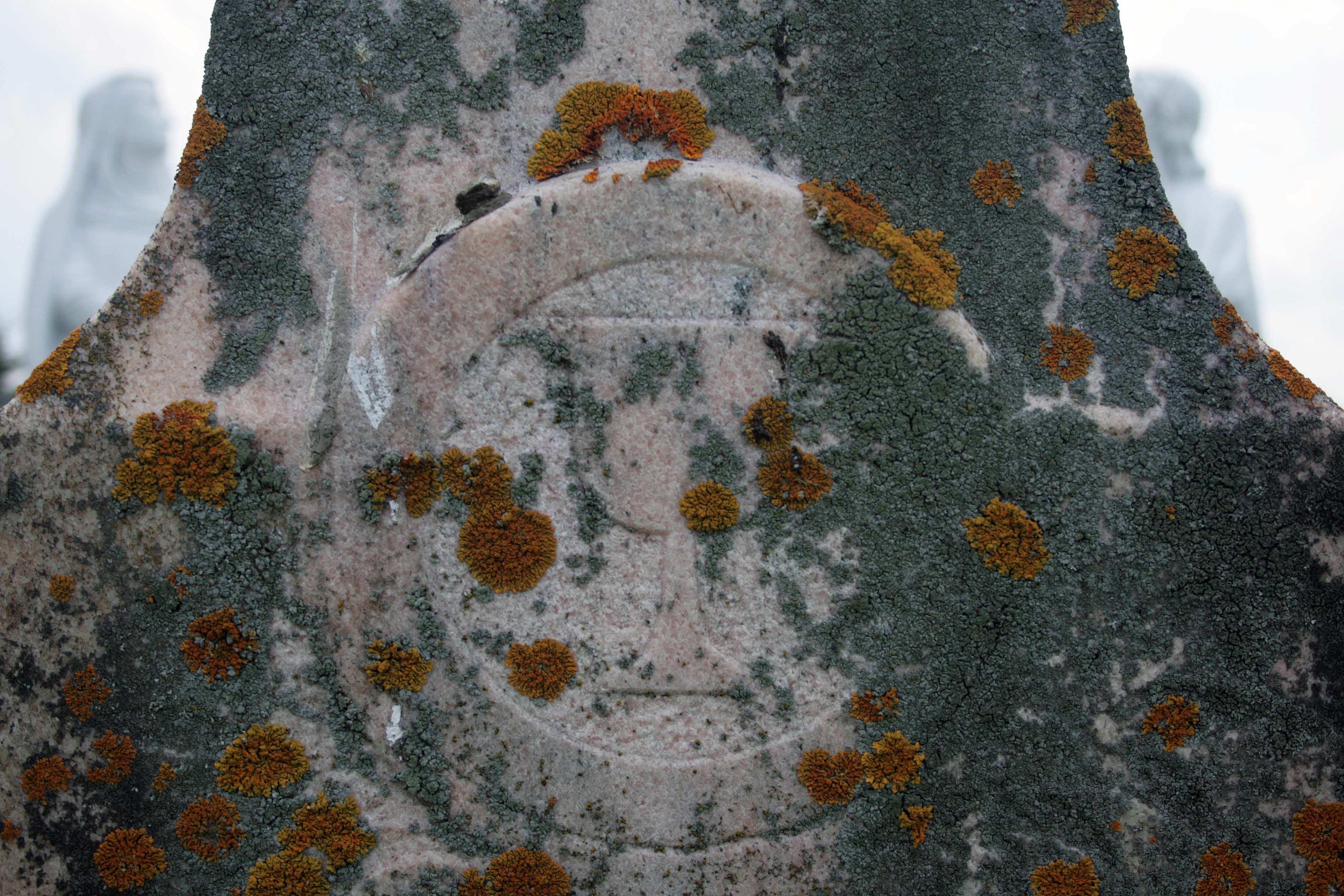
Cemeteries are like windows into history, serving as archives etched in stone. They showcase how cultures, traditions, and art have evolved through the years. Walking through an older cemetery really does feel like stepping back in time. You might find names that were once very common, family plots that tell stories of love and loss, or monuments commemorating an important historical event.

Cemeteries aren’t just places for remembering the past—they can also be vibrant spaces for the living.

Many people visit cemeteries for activities like walking, jogging, or bird-watching. The diversity of wildlife, trees, and flowers can also offer a quiet retreat for nature lovers. As an animal lover myself, I treasure the unexpected encounters with wildlife that cemeteries can provide, like watching a red cardinal perched on a gravestone, or hearing the distant gobble of a wild turkey while wandering among the tombstones.

Above all, cemeteries are filled with stories. Stories of those who are laid to rest, but also the stories we create when we visit them. Whether it’s a quiet moment of reflection, an unexpected historical discovery, or unraveling a cemetery mystery, these spaces remind us of the beauty and complexity of life.

So, if you’ve never thought of cemeteries in this way, or you already have an appreciation for them, I hope this post inspires you to see them in a new light. If you are already a seasoned taphophile, I would love to hear about your favorite cemetery experiences in the comments.

Let’s celebrate these unique spaces together as we step into the new year!

Thanks for reading!

A Year in Review – 2024

2024 is coming to a close, and I can’t help but feel incredibly thankful for all the opportunities, experiences, and connections this year has brought. From cemetery explorations to unexpected shoutouts, 2024 has been a year of gratitude, growth, and gravestone recipes!

So today on the blog, I want to reflect on some highlights that have made this year so memorable. From shoutouts and collaborations, here’s a look back at why I consider 2024 an exciting year.

Cemetery Adventures

This year, I was able to visit 117 new cemeteries, and revisited 9, bringing my total for this year to 126. Every cemetery visit is always an adventure, uncovering hidden stories and beautiful gravestones. One cemetery visit that stands out this year, was visiting the gravesite of Elizabeth Barnes, the Witch of Plum Hollow. Exploring the folklore and history surrounding this incredible woman was eye-opening. These experiences continue to remind me of the powerful connection between memory and place.

Highlights

One of my favorite projects this year was contributing a guest post to The Haunted Walk’s blog, titled Beyond the Headstones: 5 Surprising Secrets to Discover in Cemeteries. Writing this post gave me the chance to share some of the hidden stories and unexpected gems you can uncover in these places of rest.

Another exciting milestone was being interviewed for American Cemetery and Cremation Magazine. Being featured in their June issue, and sharing my passion for cemeteries and the stories they hold was such a rewarding experience.

Trying out gravestone recipes and sharing these experiences has been an ongoing passion project for me, and this year, it gained attention far beyond what I could imagine.

My gravestone recipe posts were referenced in the Bust article Take it to the Grave: Rosie Grant Went Viral for Recreating Gravetsone Recipes. Although the article features fellow taphophile Rosie Grant’s amazing work, it also linked to my Peach Cobbler and Chicken Soup recipe posts, connecting people to my blog. Seeing my blog posts highlighted as part of a broader cultural conversation about food, memory, and legacy feels a bit surreal.

Other press highlights included Funeral Basics linking to my blog post about Connie’s Date & Nut Bread, and the New York Post directing readers to the cemetery recipes on my website. These moments are heartwarming reminders of how food can connect us to the past in meaningful ways.

The international attention has been just as exciting! An Italian article explored the growing trend of gravestone recipes and referenced my work, while the Czech publication Neviditelny Pes also referenced my work and highlighted the charm of these recipes carved in stone.

Maybe the most thrilling moment for me though, was receiving a shoutout from Rhett and Link on their Good Mythical Morning episode, We Try Cemetery Food. Watching them discuss my work was an unforgettable moment that brought a whole new audience to my blog, and I am very grateful for their support.

Collaborations

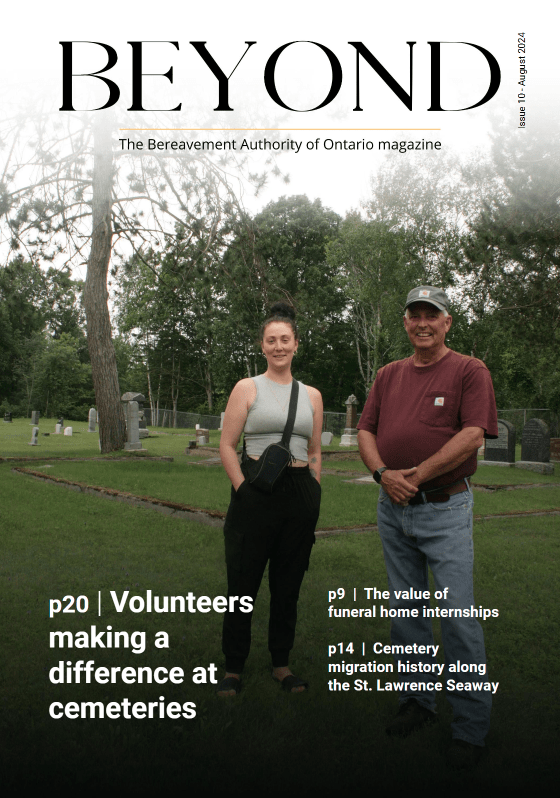
This year, I loved working with my friends over at the Bereavement Authority of Ontario. I had the pleasure of contributing some freelance photography to the August issue of Beyond magazine. Their publication is filled with educational and thought-provoking content and seeing my work featured in their layout is a great milestone.

I am truly appreciative for all this recognition. None of which would be possible without the incredible community of readers, collaborators, and supporters who’ve been with me on this journey. Whether you have followed along for the recipes, the cemetery exploring, or the stone stories, thank you for being a part of this adventure.

Looking ahead to 2025, I’m excited to continue exploring, writing, and sharing these unique experiences. Here’s to another year of meaningful connections and unexpected discoveries!

How was your 2024? I’d love to hear about your highlights and plans for the coming year in the comments.

Thanks for reading!