A Collection of Chalices

One of my favorite things about wandering through cemeteries is discovering unique gravestone symbols. Over the years, I have noticed that certain motifs pop up again and again. It’s so interesting to see how these symbols can change depending on where you are.

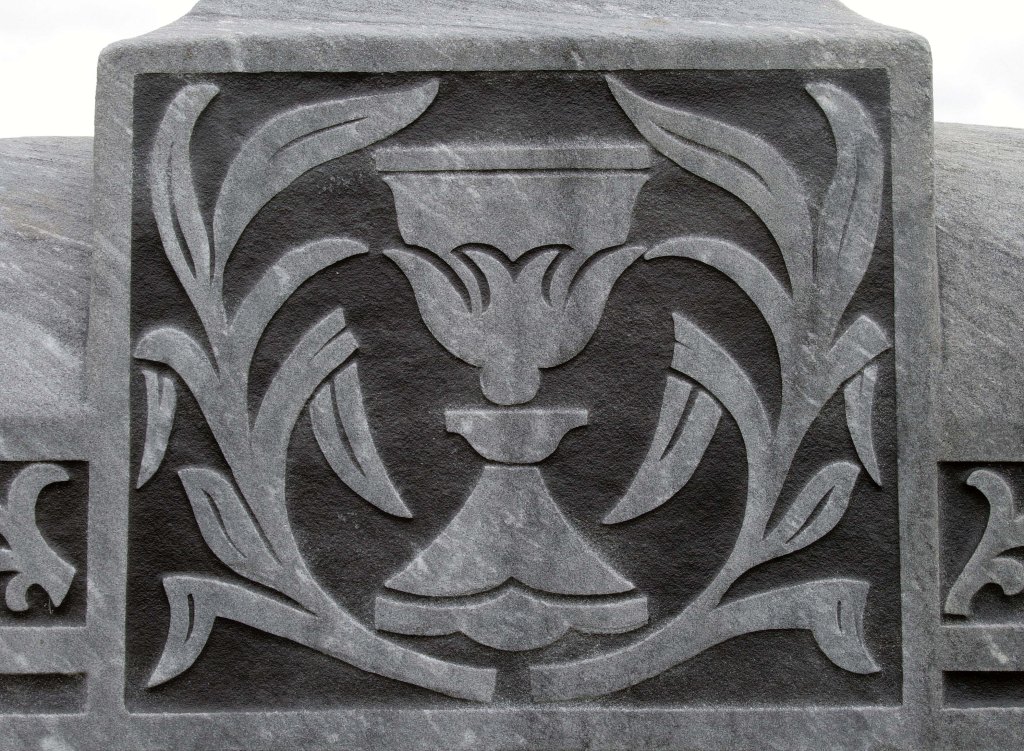
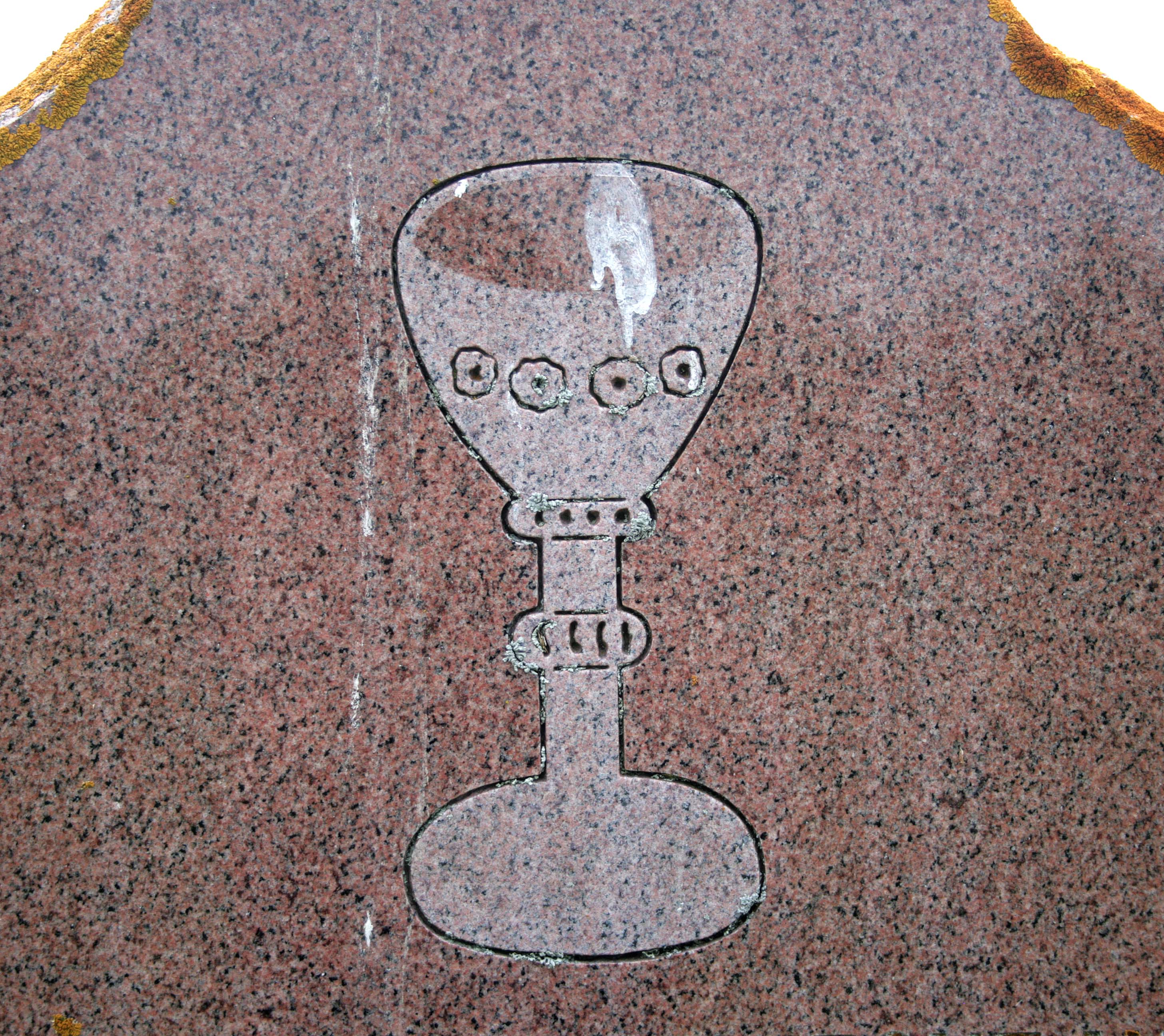
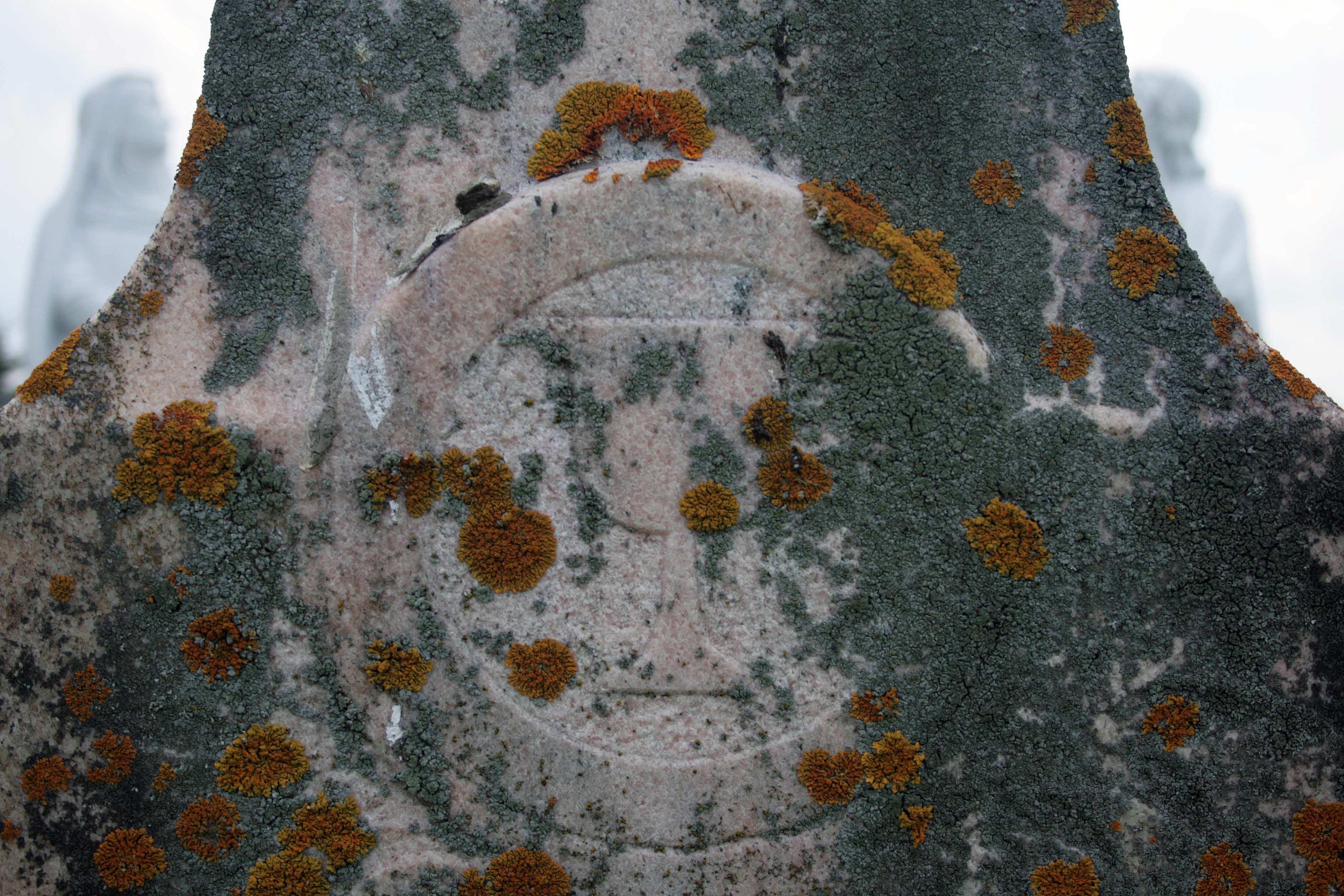
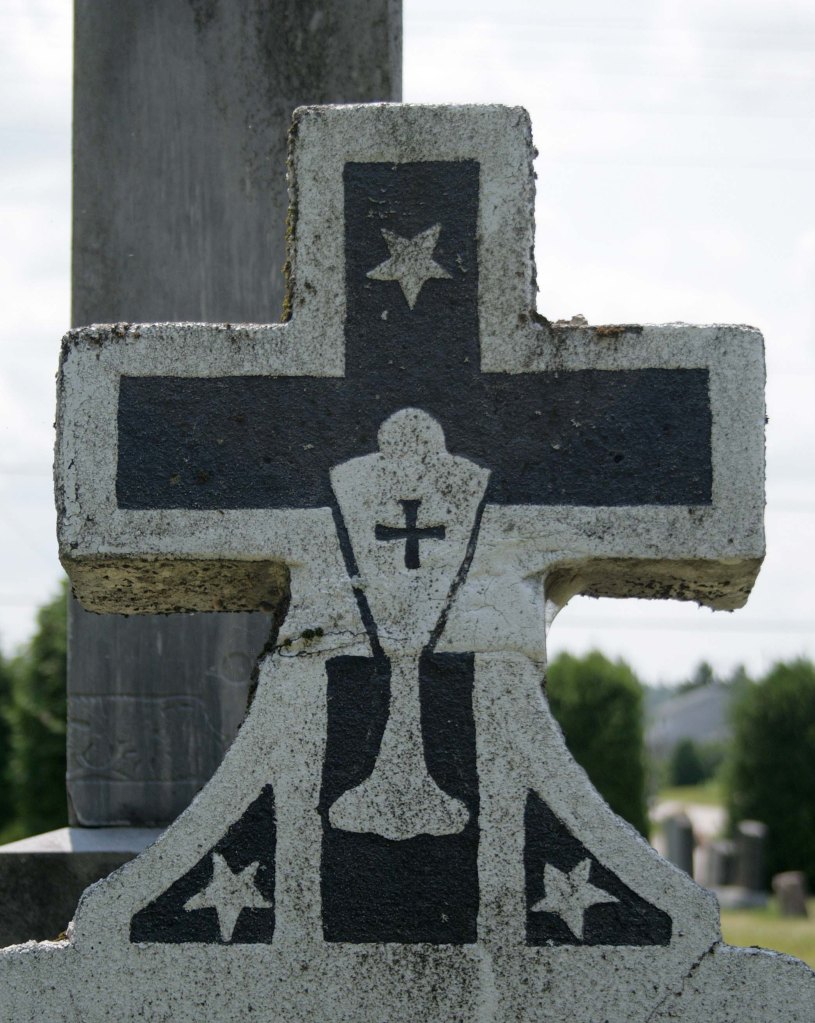
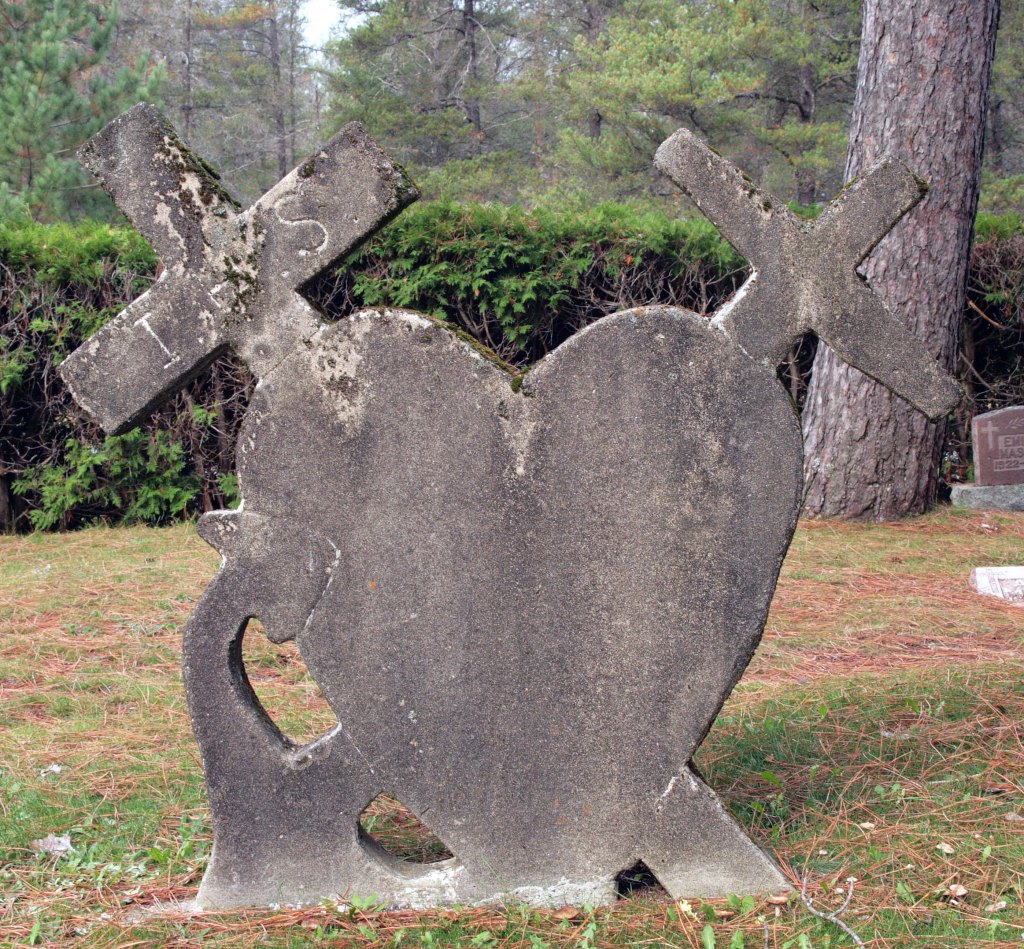
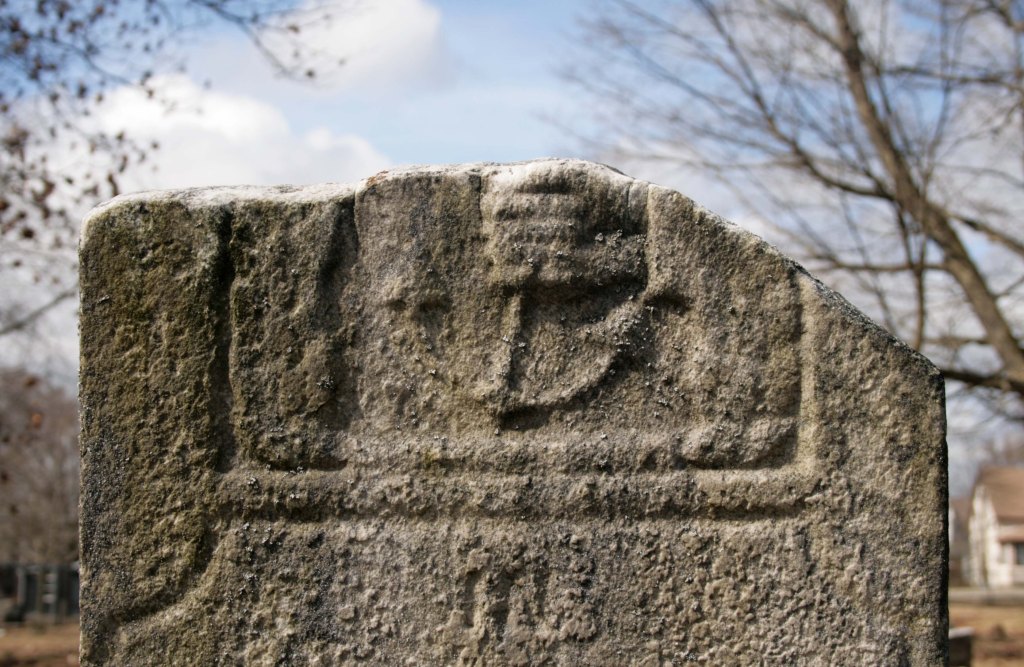
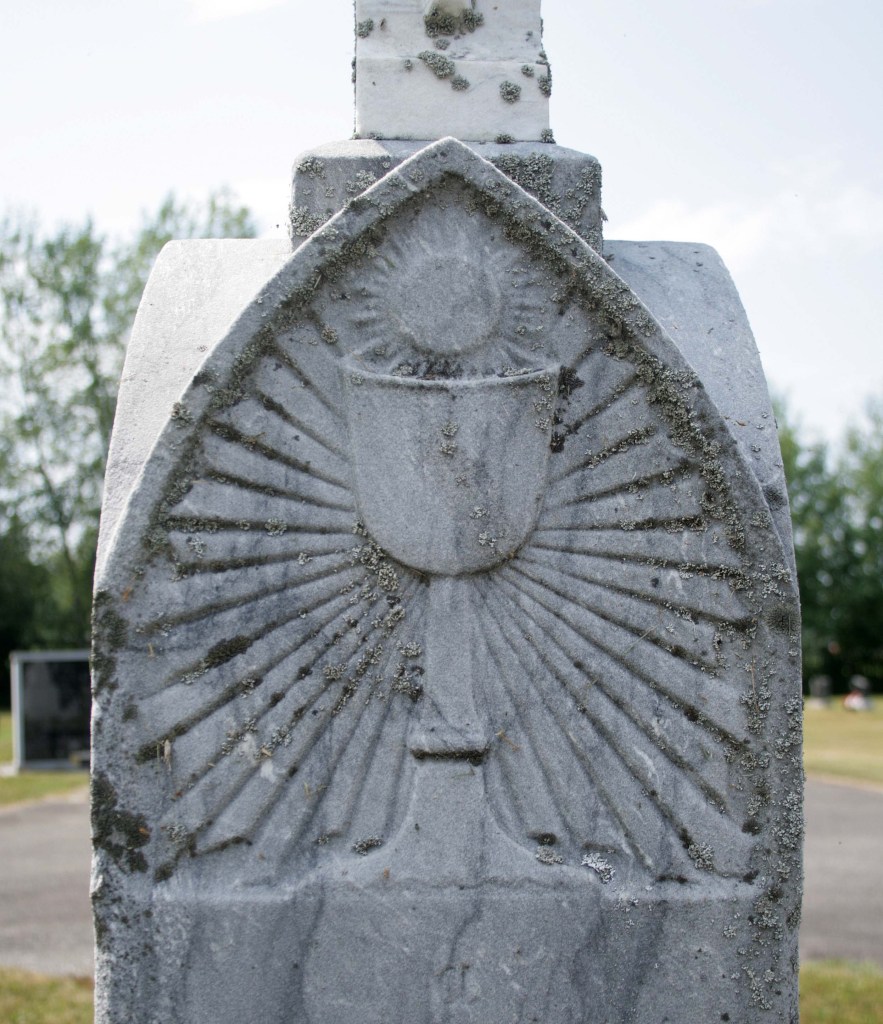
Today, I want to take a closer look at the chalice as a gravestone symbol—what it represents and how it’s been depicted in different places. The variations I have found over the years show just how much it can change depending on location. It’s interesting to note that the chalice is a very common symbol in the Abitibi-Temiscamingue region of Quebec.

The chalice is a Christian symbol, that is commonly depicted as a cup with a stem, similar to a wine glass. It is thought to symbolize Christianity’s holy sacrament and the act of communion. It can also represent mankind’s deep yearning to be filled with Christ’s divine teachings and grace.1

Sometimes the chalice is depicted with a circle above it, symbolizing the consecrated Eucharist, which represents the Catholic rite of Holy Communion. This combination of symbols is often found on the gravestones of priests.2
Have you come across a chalice symbol on your cemetery walks? Or noticed any other symbols that pop up often in your local cemeteries? I’d love to hear about it in the comments.

Thanks for reading!


References:

  1. Understanding Cemetery Symbols: A Field Guide for Historic Graveyards by Tui Snider
  2. Headstone Symbols: Understanding Cemetery Symbolism | Everlife Memorials

A Collection of Anchors

Every gravestone symbol and motif tells a story.

If you spend a lot of time in cemeteries, you will often start to notice the repetition of certain symbols. Throughout my travels, I have seen the shift in common cemetery symbols. What might be a common motif found in one area might be uncommon in another.

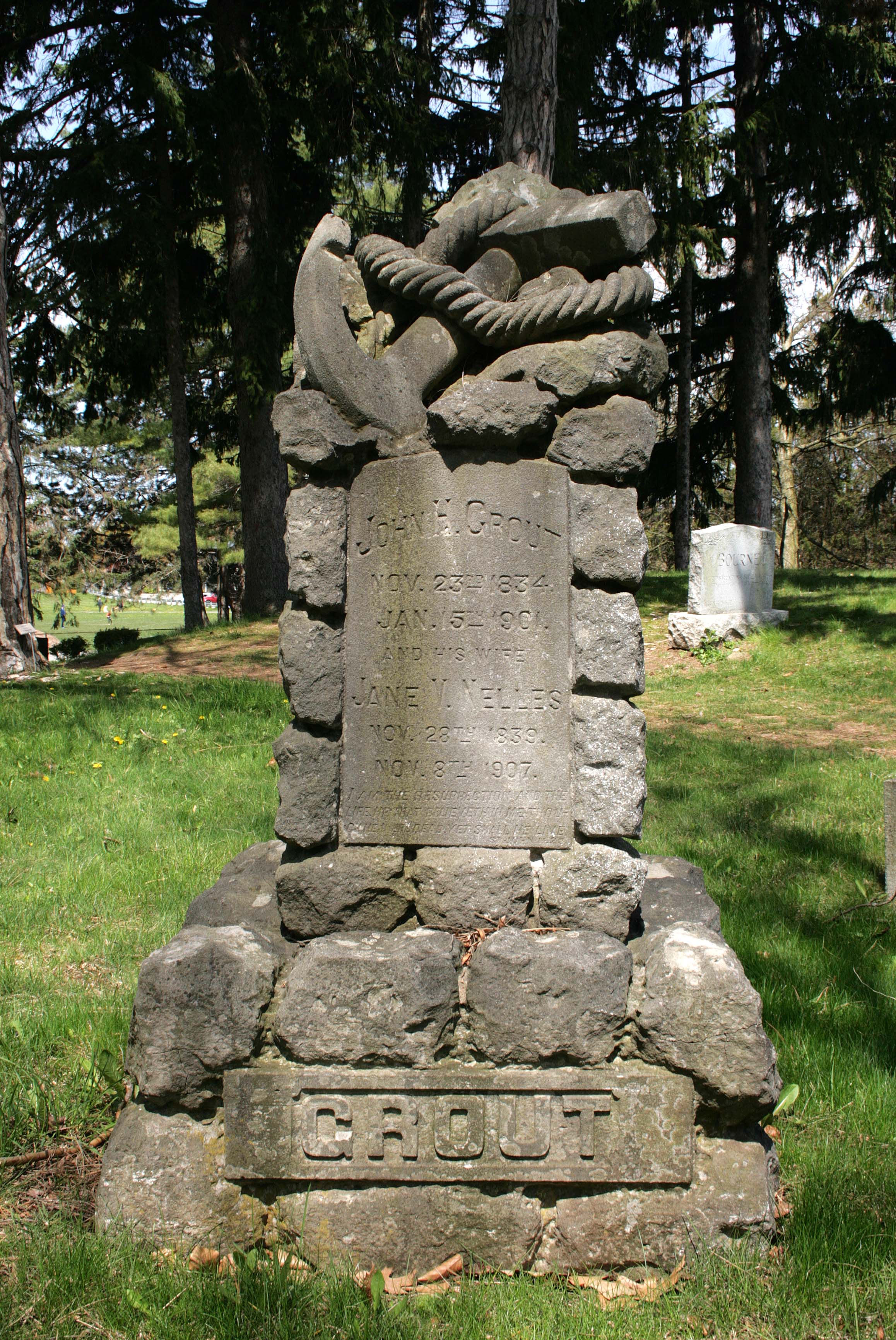
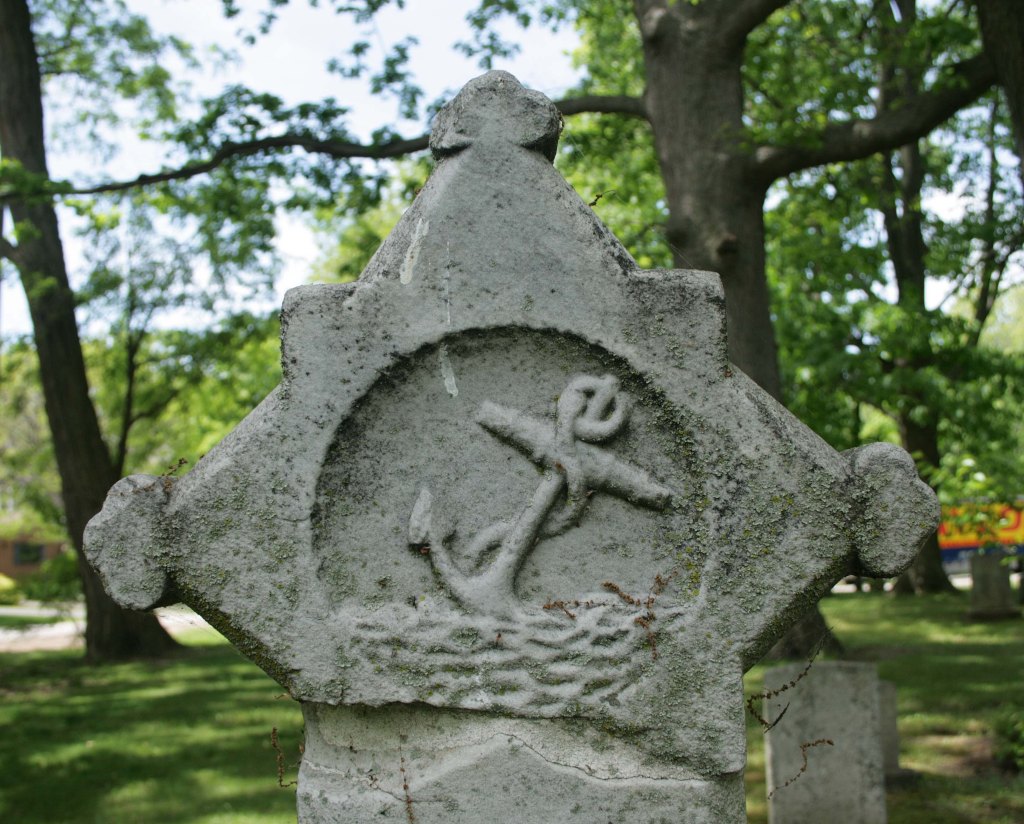
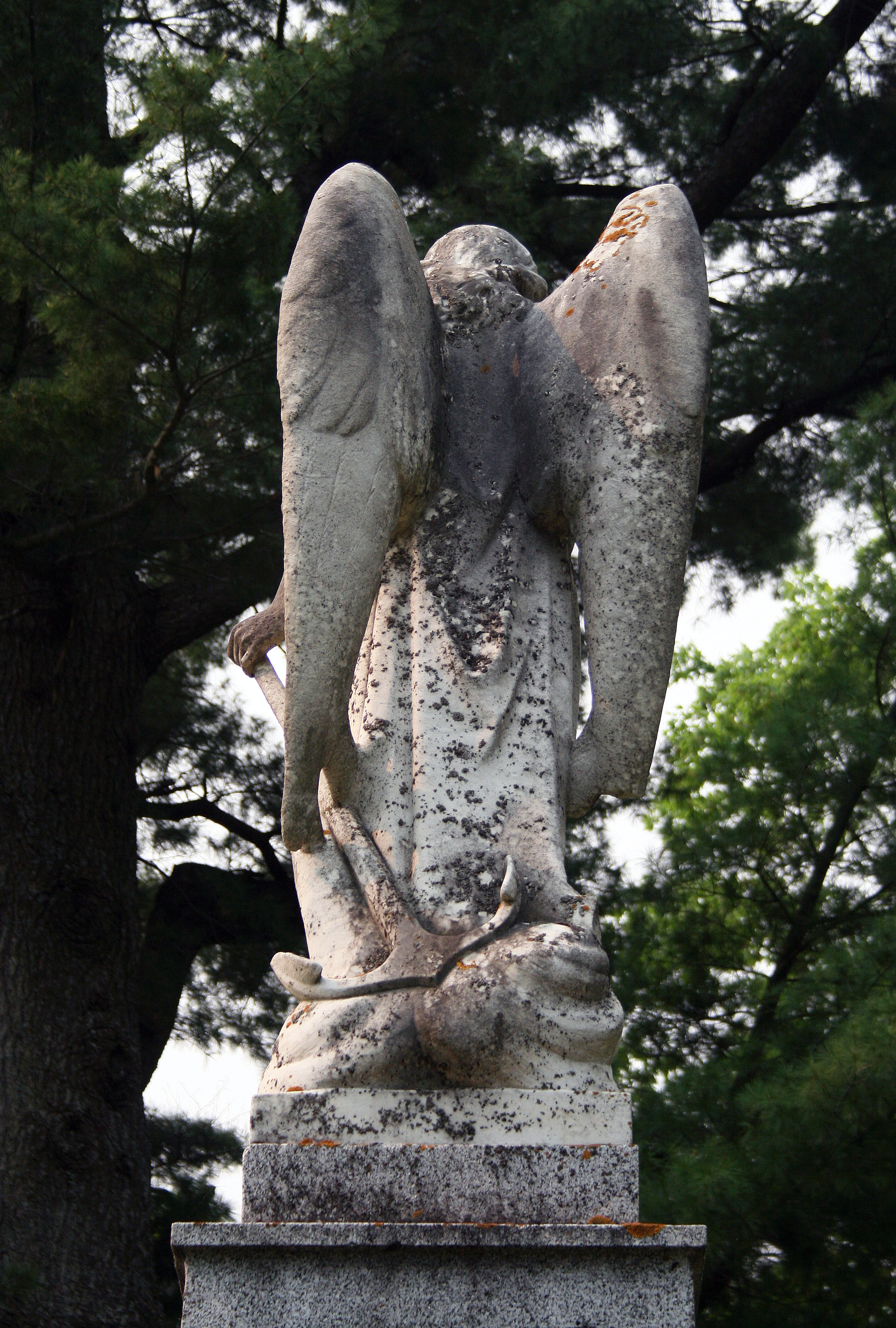
As I travel Ontario more frequently, I have noticed more and more anchor symbolism. So today on the blog, I wanted to look a little closer at this symbol, what it represents, and some of the examples I have photographed in my travels.

Sometimes anchors are found on the graves of sailors or those who have died at sea, but this is rare. The anchor is a Christian symbol and represents hope, steadfastness, and calm.

The symbolism is thought to come from passages in the bible, “Which hope we have as an anchor of the soul, both sure and steadfast, and which entereth into that within the veil;” 

“Those without hope may be like a ship tossed on the sea…”

You might also come across a female figure holding an anchor. The anchor signifies that this is Hope, one of the Seven Virtues.

The Seven Virtues are traits that some of those of the Christian faith aspire to. According to Tui Snider’s book Understanding Cemetery Symbols, this list of traits was created by Greek philosophers and then adopted by Christian scholars. Sometimes the virtues are labeled on the statue’s pedestal, but you must look closely at their design for clues.

Have you ever found a unique version of an anchor symbol? I would love to read about your finds in the comments.

Thanks for reading!


References:

  • Understanding Cemetery Symbols: A Field Guide for Historic Graveyards by Tui Snider | Book
  • Stories in Stone: The Complete Guide to Cemetery Symbolism by Douglas Keister | Book

A Collection of Tree Stones

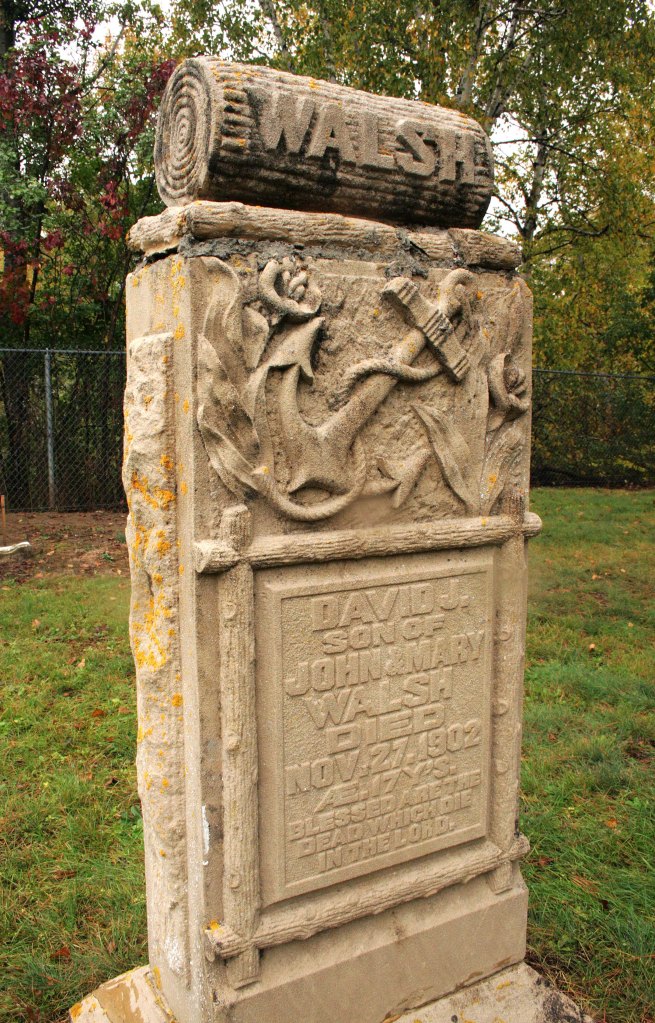
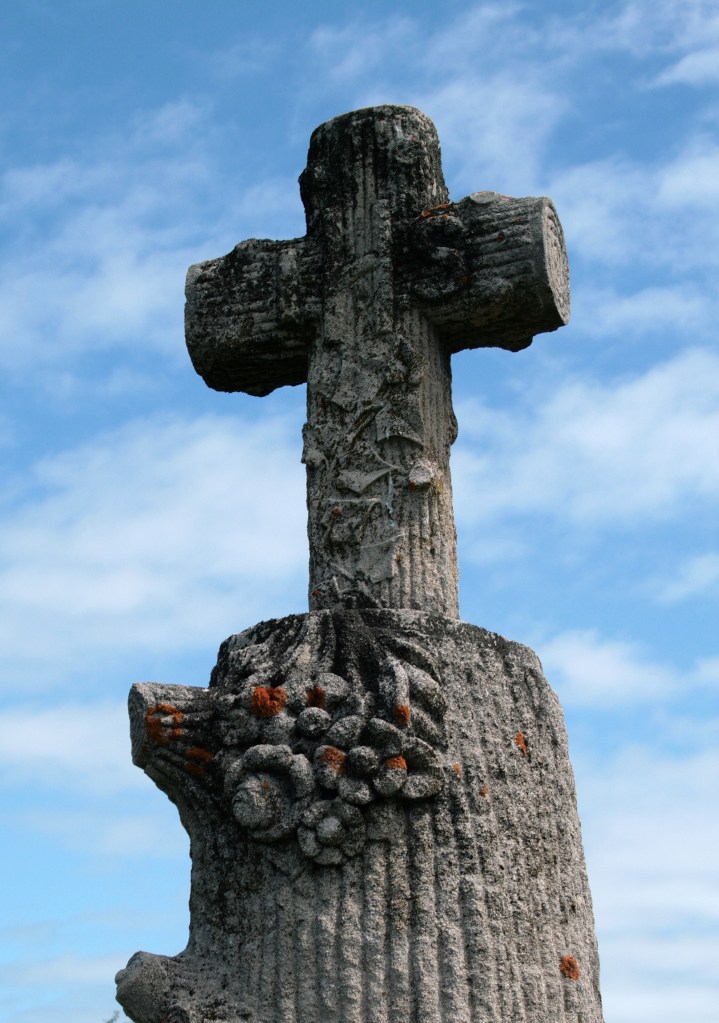
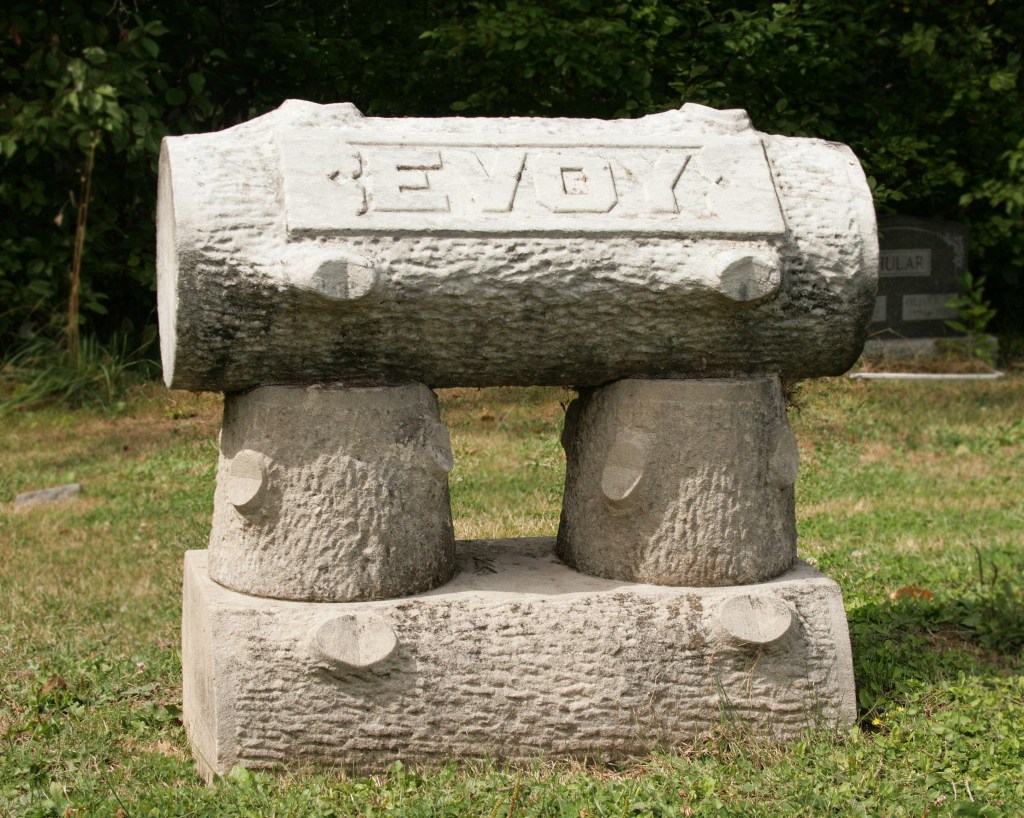
While wandering a cemetery, have you ever come across a monument that is shaped and textured to look like a tree? Today, I want to take a closer look at these types of grave markers, called tree stones. Although they are a bit harder to come by in Northern Ontario, you can find them, and they are usually very easy to spot since they are so unique!

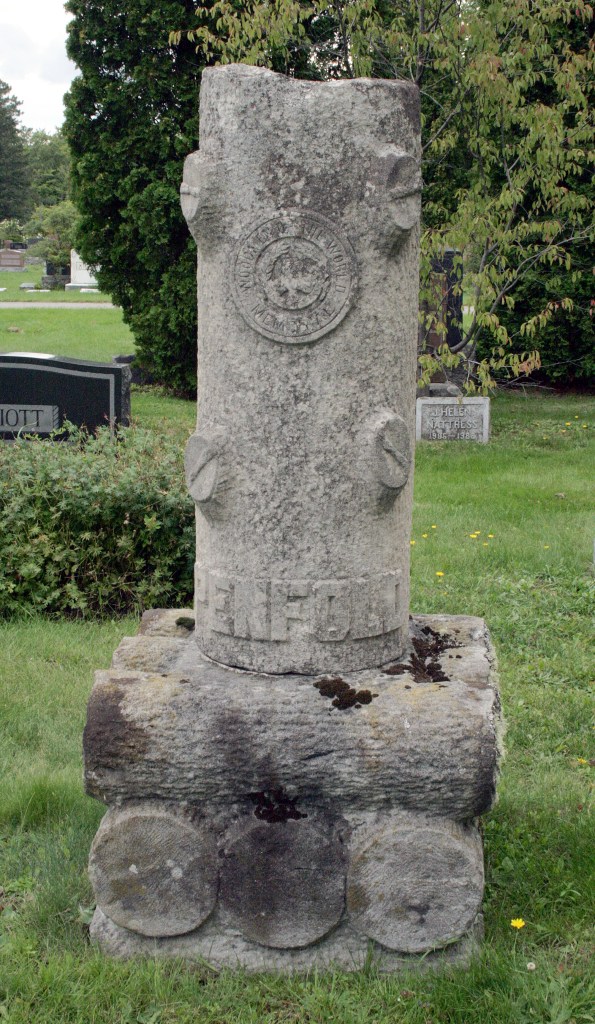
Tree stones are often used as memorials for members of the Woodmen of the World, a fraternal organization. This fraternal order was started in 1890, and membership included those who worked in particularly dangerous professions. The organization offered health insurance and death benefits to its members, which included a tree stone tombstone.1

Woodmen of the World tree stones, often bare the Woodmen crest, as well the tools of the trades like an axe and sledgehammer, representing the works of man. You may also find other symbols on tree stones like ivy or doves, representing friendship and peace, respectively.

The severed branches or tree stump of a tree stone, Woodmen of the World or otherwise, often represents a life cut short. We often see this combined with other symbolism, like a lamb or dove laying in front of a stump. Lambs and doves are often found on the graves of small children, symbolizing innocence and purity.

Sometimes the number of logs on a tree stone can be symbolic of the number of children the deceased had. A tree stone can also be seen as a representation of the tree of life, symbolizing knowledge. 

Have you ever come across a tree stone? Or maybe a Woodmen of the world memorial? I would love to hear about your finds, in the comments. 

Thanks for reading! 


References:

  1. Understanding Cemetery Symbols: A Field Guide for Historic Graveyards by Tui Snider