A Collection of Urns

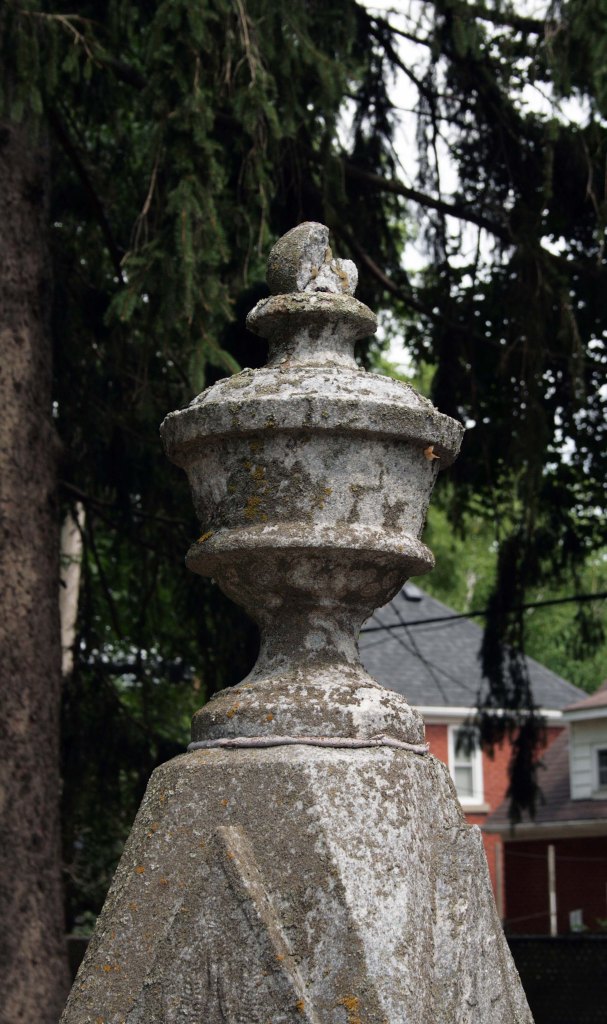
If you spend a lot of time in cemeteries you will often start to notice the repetition of certain cemetery symbols and motifs. In Ontario, more so in southern Ontario, urns tend to be a common gravestone symbol.

Although cremation was rarely practiced in North America at the time, the urn became a popular symbol in the Victorian era. Urns as a funerary symbol were adapted from Ancient Greece. Cremation was commonly practiced by the Ancient Greeks, who used ceremonial urns. As a gravestone symbol, the urn represents the body reduced to its most basic elements and the ascension of the spirit to heaven. Today cremation is a common practice, having started its climb to popularity in the 1980s.

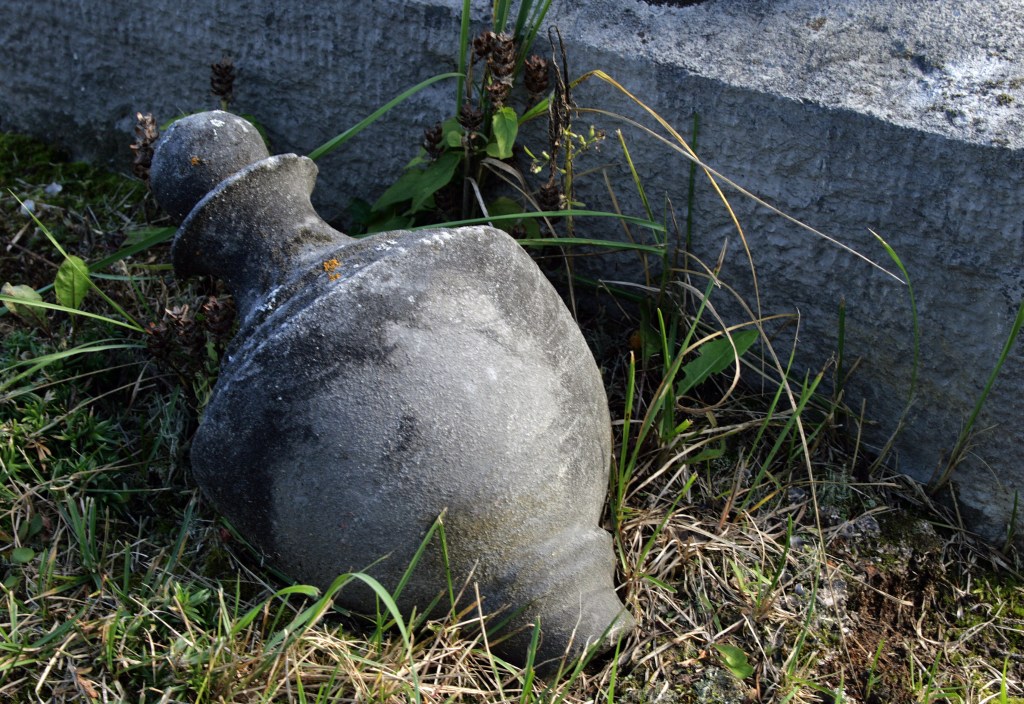
I have found and photographed many urns during my cemetery walks, so today I wanted to share some of them with you.

Like many graveyard symbols, the urn can be found depicted in a variety of ways. Each version of the symbol has a slightly different meaning. This is one of the reasons I find cemetery symbolism so interesting. It is a language unto itself. 
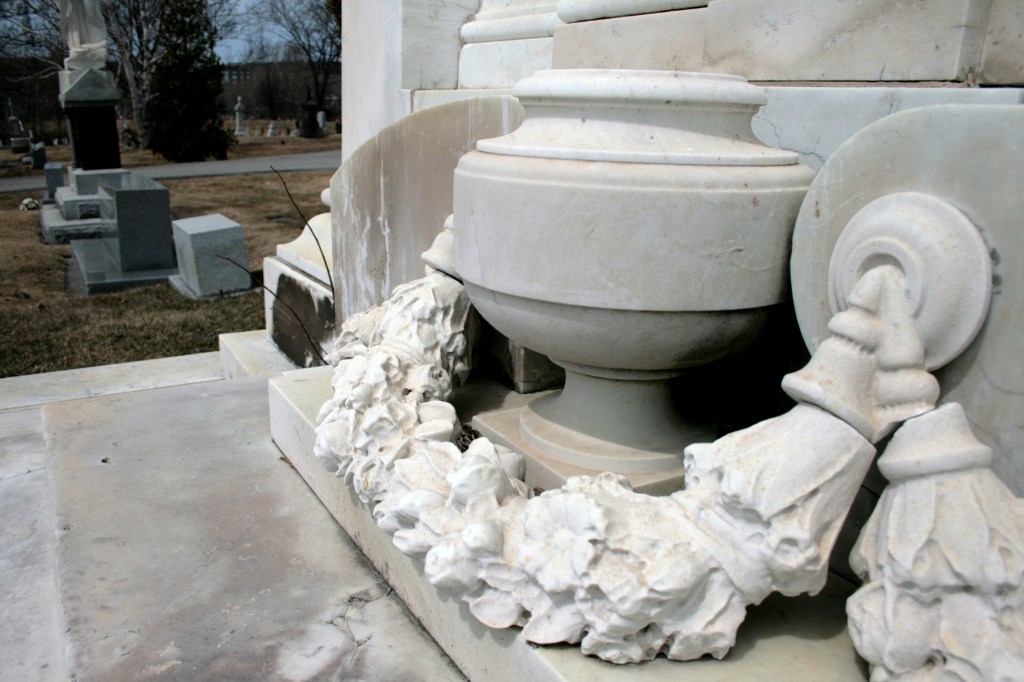
The Victorians were very fond of drapery, and you might come across what looks to be a fabric made of stone draped over an urn. Fabric draped over a gravestone is often thought to symbolize the veil between life and death. The fabric might also represent the shedding of earthly clothes as the deceased moves from this life to the afterlife. 

Have you ever found a unique version of an urn symbol? I would love to read about your finds in the comments. 

Thanks for reading!


References:

  • The History of Cremation in North America | Une Belle Vie Memorial Urns
  • Understanding Cemetery Symbols: A Field Guide for Historic Graveyards by Tui Snider 
  • Stories in Stone: The Complete Guide to Cemetery Symbolism by Douglas Keister

A Collection of Crosses

Crosses have to be the most easily recognizable and common symbol found in cemeteries and funerary art. There are so many variations of this Christian religious symbol. Since crosses are so common, you may think if you have seen one, you’ve seen them all—but I would beg to differ!

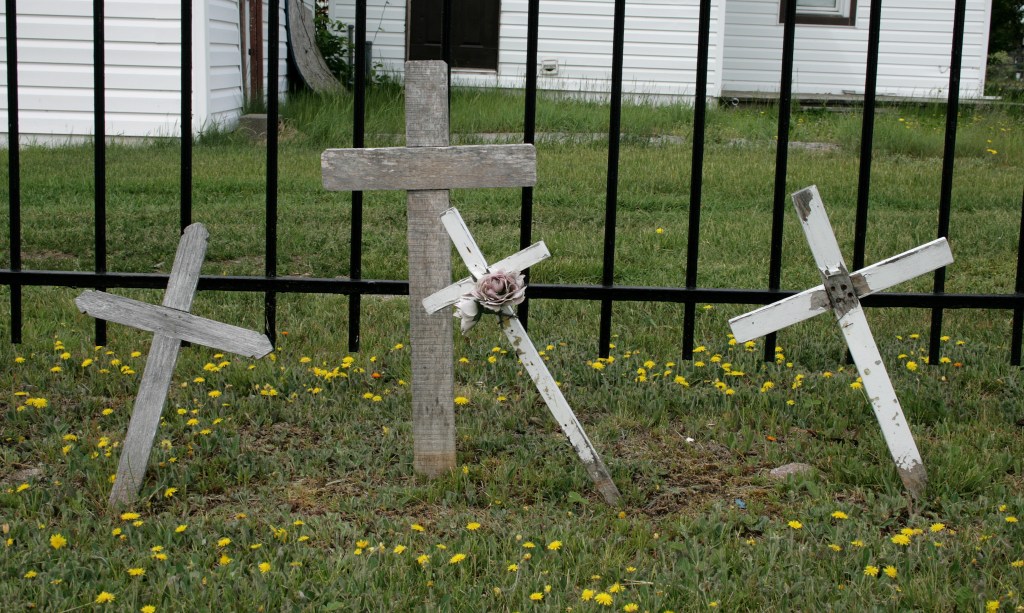
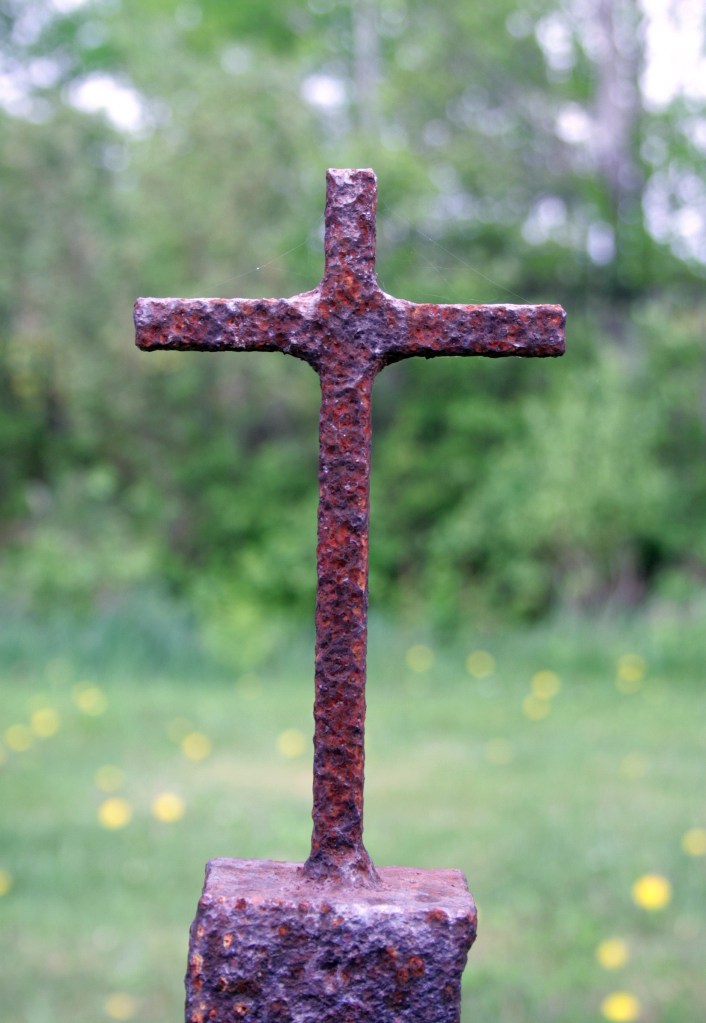
Today I wanted to take a closer look at this funerary symbol and share some of the many crosses I have photographed over the years.

First off, let’s look at the difference between a cross and a crucifix, as they are not the same thing. A crucifix shows the body of Jesus nailed to it, while a cross does not.

A Latin cross is probably the most common cross found in cemeteries. This cross has no embellishments. It is sometimes called a Protestant cross, because it can represent Jesus as risen, instead of focusing on his suffering on the cross.

A Botonee cross has a trefoil, three lobes, at each end that symbolizes the holy trinity.

A Celtic cross is easily recognizable. It usually has a Celtic knot pattern engraved on it and also includes a nimbus, a distinctive circle that represents the union of heaven and earth. These crosses are often found at the graves of those with Irish heritage.

In the example below you can also see the letters IHS in the center. This is sometimes called a Christogram. There are a couple of different theories about what the letters IHS stand for. One theory is that it is an abbreviation of the Latin phrase “in hoc signs vines” (In this sign you will conquer), another line of thought is that it’s an abbreviation of the Latin phrase “Jesus Hominum Salvator” (Jesus, Saviour of Men). According to Doug Keister’s book Stories in Stone: A field guide to cemetery symbolism and iconography, these letters are the first three letters of Jesus’ name using the Greek alphabet.

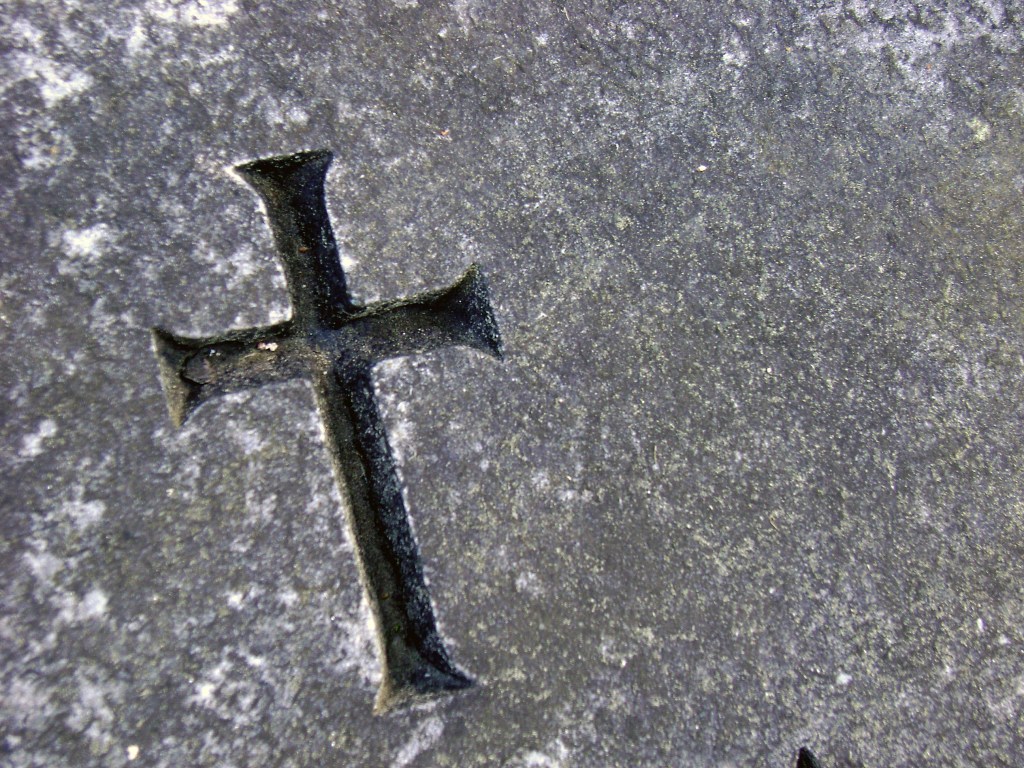
A Congé cross is a variation of the Latin cross, where the ends of the arms flare out slightly.

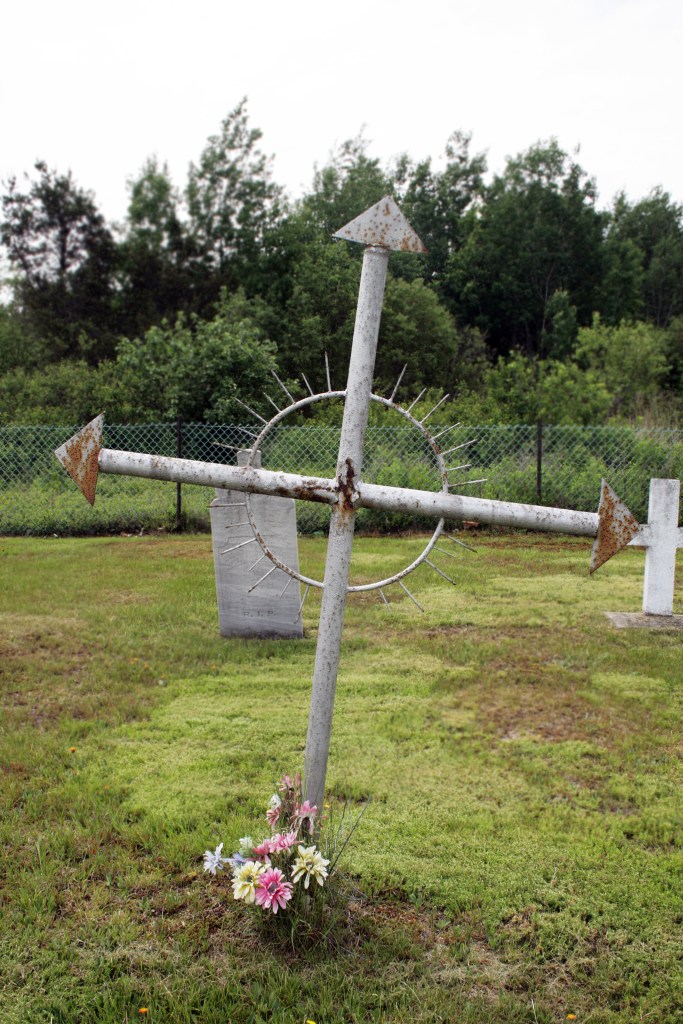
A Glory cross, sometimes called a Rayed cross, has rays emanating from its center that symbolize the glory of God.

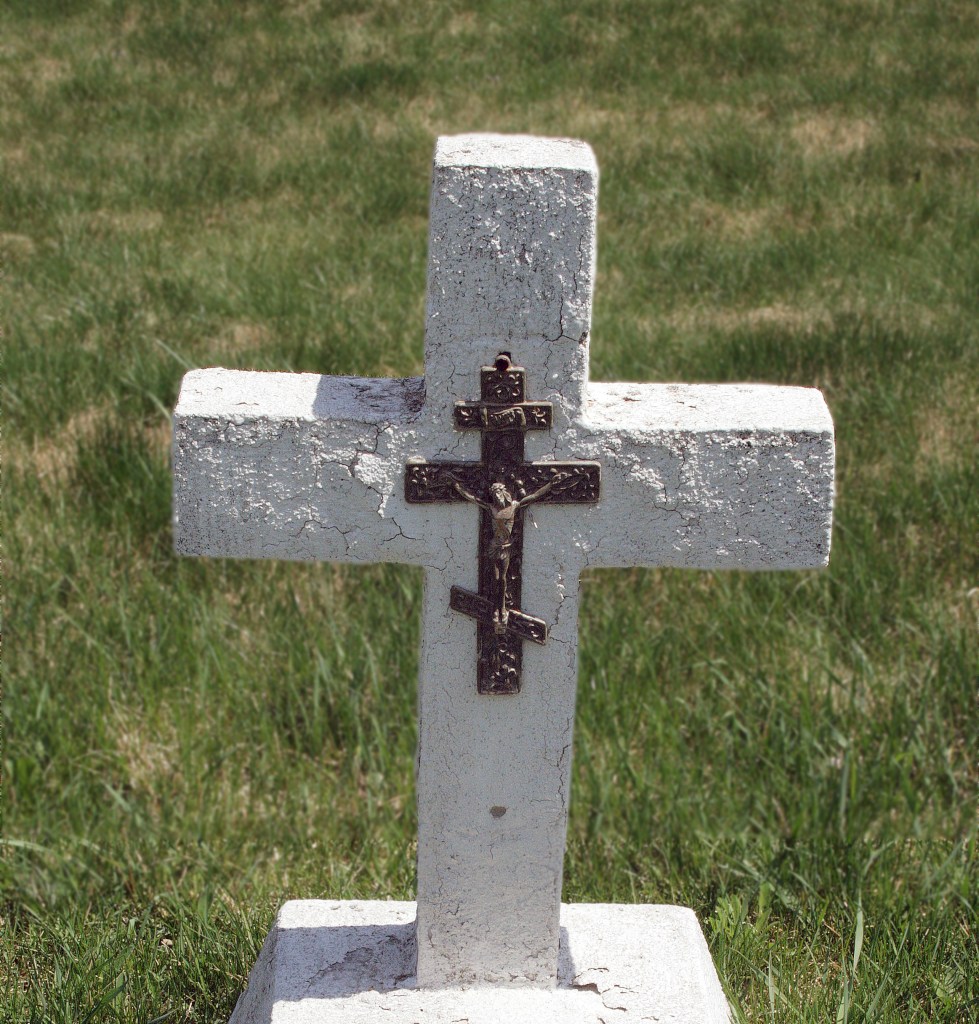
Below is an example of an Eastern crucifix on a white Latin cross. The Eastern cross is easily recognizable by its two horizontal cross bars, and one slanted one. This cross is a symbol of Eastern Orthodox religions. This one would be considered a crucifix, as it has the tortured body of Jesus nailed to it.

An Agony cross has sharp points at the end of each arm. This is said to represent the suffering or agony, that Jesus endured. This cross is sometimes called a pointed cross or a cross of suffering.

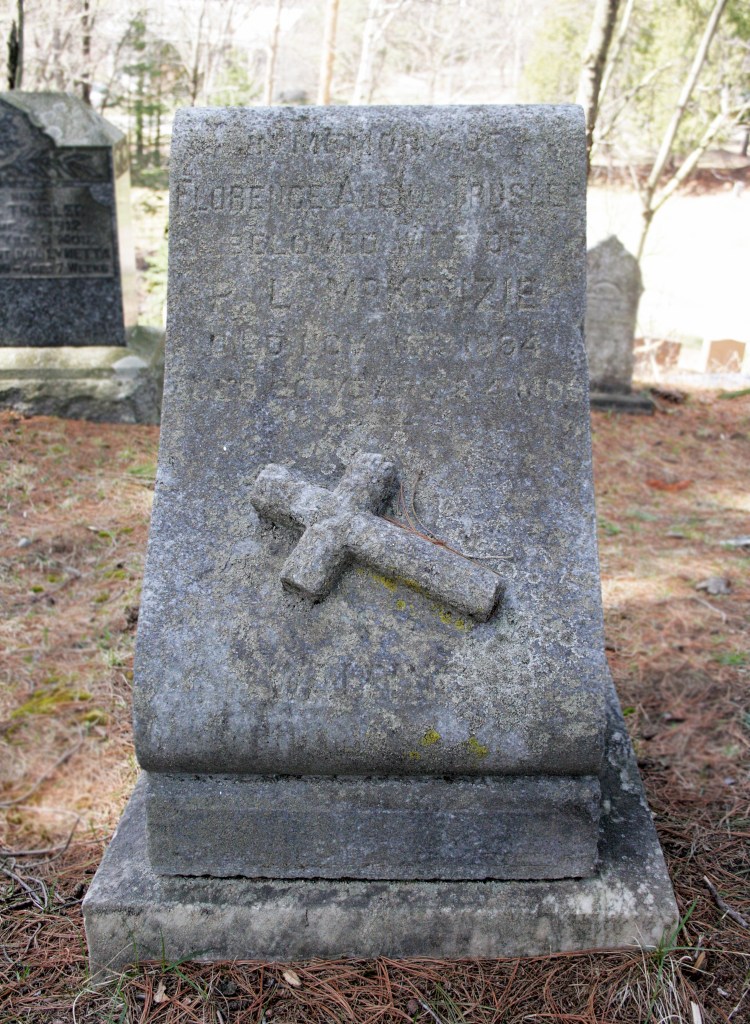
A Portate cross is a cross that is angled diagonally. It’s angled the way someone would carry it over their shoulder to drag it.


References: