
One of my favourite things about wandering through cemeteries is coming across gravestone symbols. Over the years, I’ve noticed that certain themes appear again and again. I’ve also noticed that symbolism is evolving, that modern grave symbols are starting to reflect everyday life rather than religion or tradition. These symbols often say the most about a person, quietly hinting at what mattered to them beyond their name and dates.
Today, I want to take a closer look at bingo cards as a gravestone symbol.
I’ve photographed many of these symbols over the years, and each one has its own take on the same idea. It’s interesting to see how the simple card design is depicted and sometimes filled in. Seeing this symbol appear in different cemeteries really highlights how a shared love of a game can become a lasting part of someone’s story.
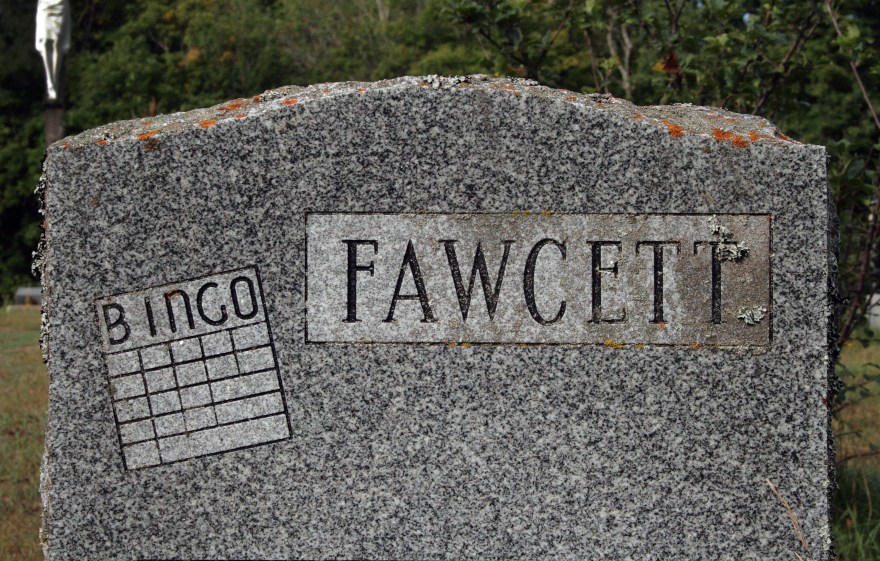
Sacred Heart Cemetery, Trout Creek ON ©2022
A Brief History of Bingo
Bingo’s roots stretch back several centuries. The game can be traced all the way back to 16th-century Italy, where a lottery-style game called Il Gioco del Lotto d’Italia became popular with the public.1 From there, variations of the game spread across Europe, including a version played in France in the 1700s that used cards with numbered grids, something that will feel very familiar to modern bingo players.¹
The modern game of bingo took shape in the United States in the early 20th century. Before it was called bingo, it was known as “beano,” a carnival game where players used dried beans to mark numbers on cards and shouted “Beano!” when they won.¹ In 1929, New York toy salesman Edwin S. Lowe encountered the game at a carnival near Atlanta, Georgia, and immediately saw its potential.¹
According to popular accounts, the name changed after Lowe overheard a player accidentally yell “Bingo!” instead, and the new name stuck.¹
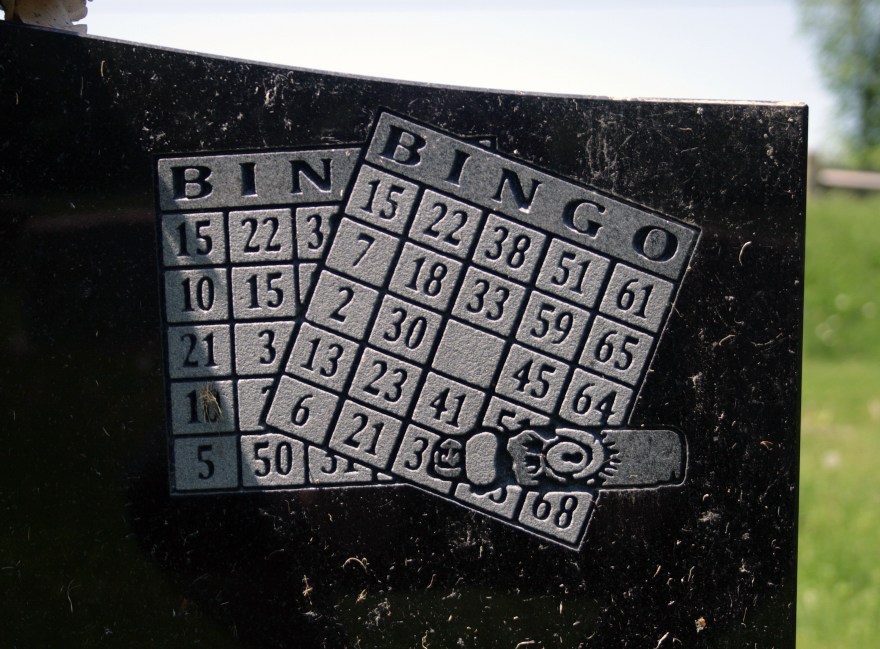
Saint Joseph’s Cemetery also known as Saint Joseph Roman Catholic Cemetery, Powassan ON ©2024
Lowe helped turn bingo into the organized game we recognize today. He hired Columbia University mathematician Carl Leffler to create thousands of unique bingo card combinations, reducing the chances of ties and repeated number patterns.¹ By 1930, Leffler had designed 6,000 different cards.¹ Lowe’s company went on to produce bingo cards nationwide, helping the game spread through churches, community halls, and social clubs.²
Bingo quickly became known not just as a game of chance, but as a social activity rooted in routine, friendship, and shared time together.²
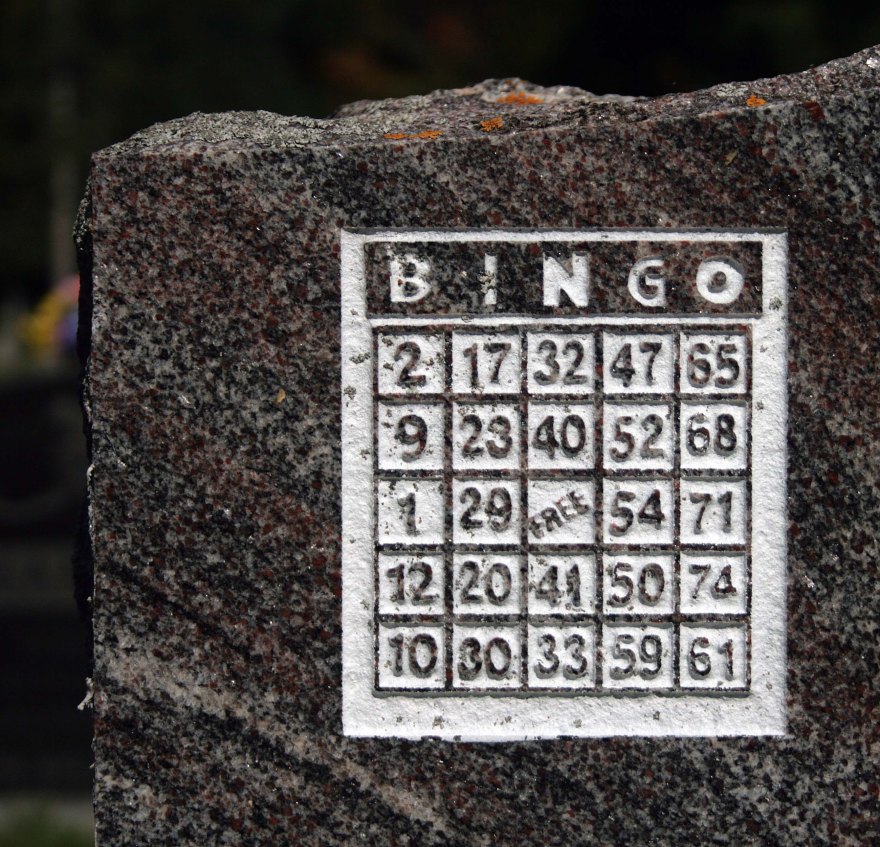
Saint Marks Anglican Cemetery, Midland ON ©2023
As bingo grew into a familiar part of everyday life, its also found its way into cemetery symbolism.
Bingo cards are a relatively modern gravestone symbol, especially when compared to traditional imagery like crosses, flowers, or angels. Their appearance reflects a broader shift in cemetery symbolism, where markers are becoming more personal and more closely tied to everyday life. For some visitors, a bingo card carved into stone might come as a surprise. It is not a symbol most people expect to see in a cemetery!
For those who knew the person, though, the meaning is often immediately clear. Bingo is a social game, tied to routine, friendship, and shared experiences. An engraved bingo card can represent a deep love for the game, but it can also point to a wider social circle and a sense of community. These stones quietly celebrate connection, showing that even simple joys can leave a lasting mark.
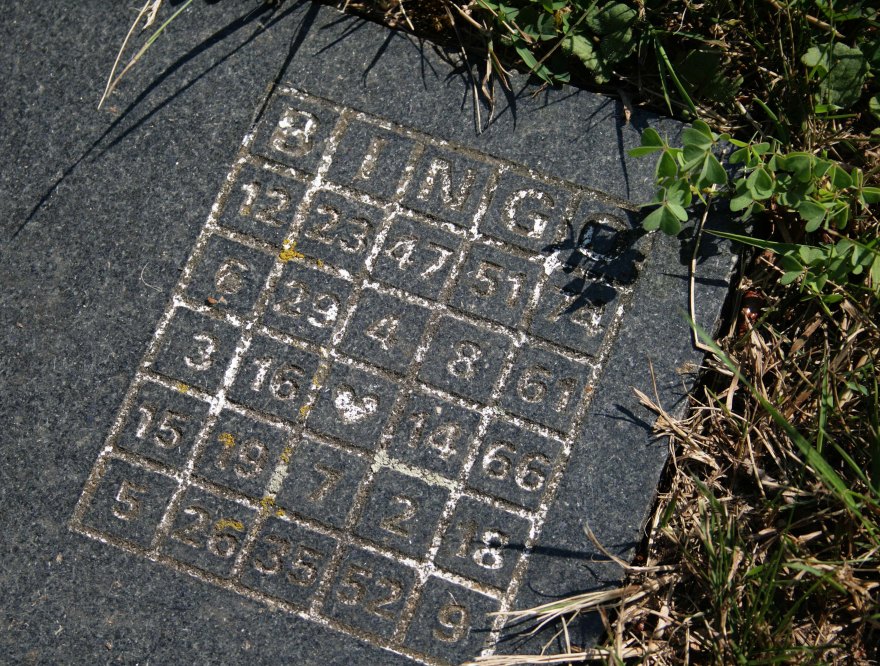
Our Lady of The Assumption Cemetery, Brentwood ON ©2025
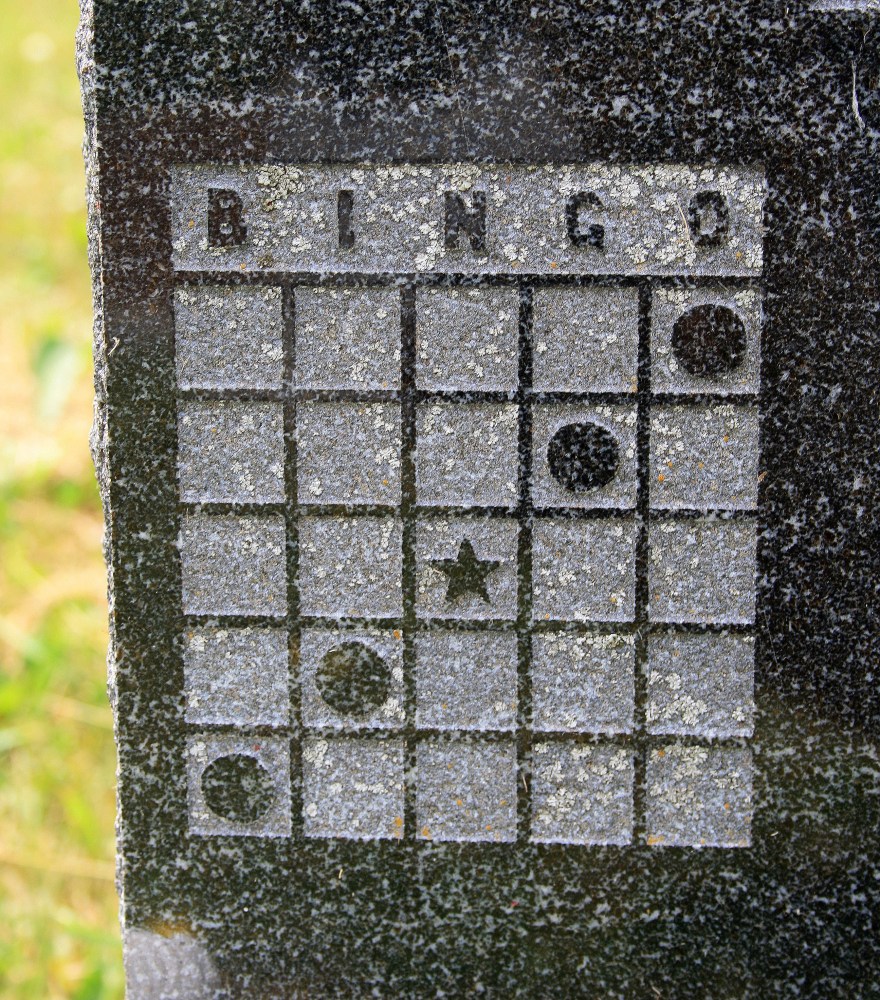
St. Jean Baptiste Cemetery, Earlton ON ©2023
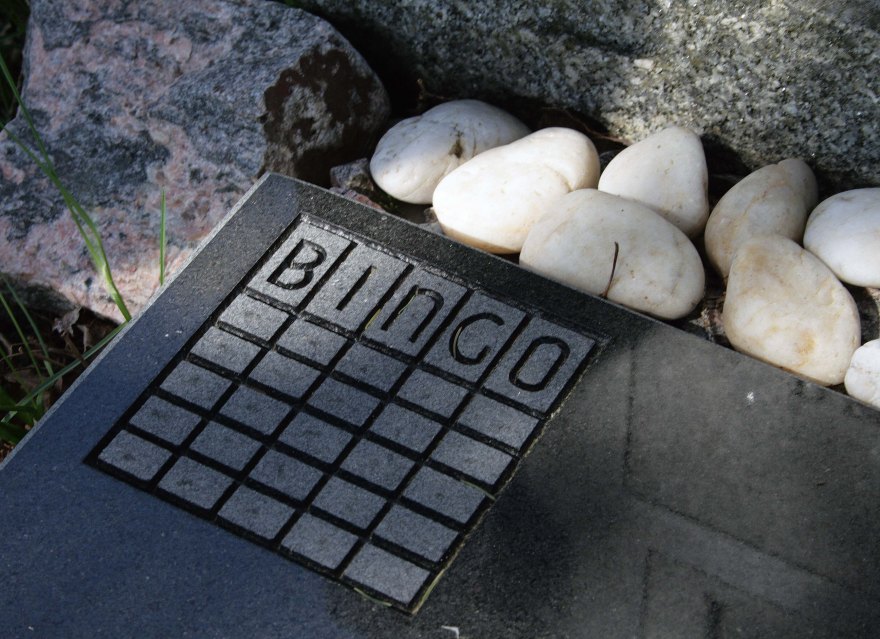
All Peoples Cemetery, Monetville ON ©2023
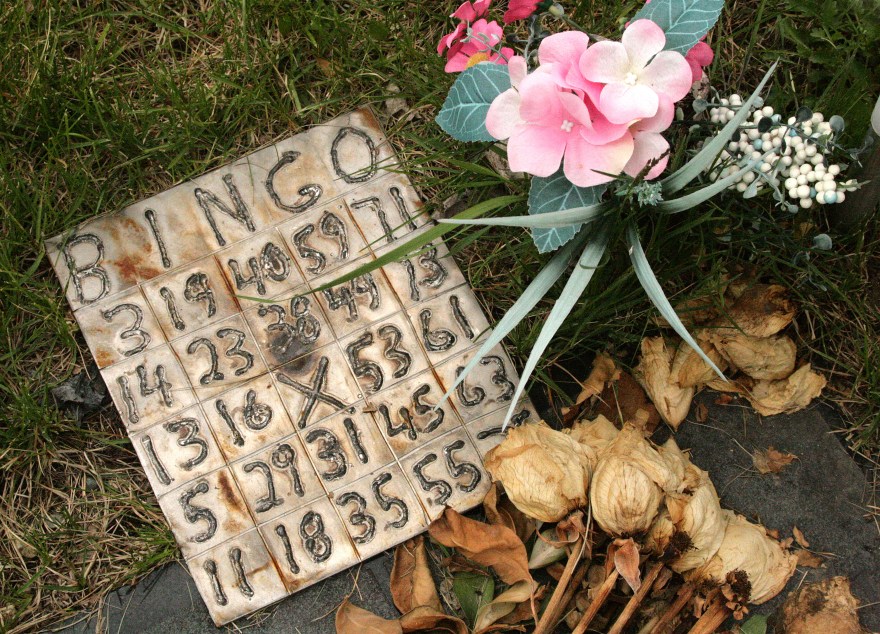
Grandview Cemetery, Massey ON ©2022
Bingo card gravestones are a reminder that memorials do not have to be solemn to be meaningful. They can reflect laughter, routine, and the small joys that shaped a life. Every time I come across one, I am reminded that cemeteries are full of stories, not just of how people died, but of how they lived.
Thanks for reading!
References:
- Bingo: History of the Game | Thought Co.
- History and Evolution of Bingo | Longmont Bingo Alley










 Cemetery Photography by Chantal Larochelle