Stone Stories: The Tangled Truth of J.E.H. MacDonald

On a recent trip to Toronto with my fiancé, we found ourselves with a bit of free time to explore—and for me, that usually means a visit to a cemetery.

Our friends we were staying with suggested we take a walk to Prospect Cemetery, one of the larger and more historic burial grounds in Toronto. It was a chilly, grey day for late April, but despite the dreary weather, it was perfect for a quiet stroll.

There’s something extra special about sharing my love of cemeteries with others. I pointed out some grave symbolism along the way, and our friend—who used to bring their daughter here to bike ride—showed us some of their favourite gravestones.

But I also had a bit of a personal mission too: to visit the grave of J.E.H. MacDonald, one of the founding members of The Group of Seven.
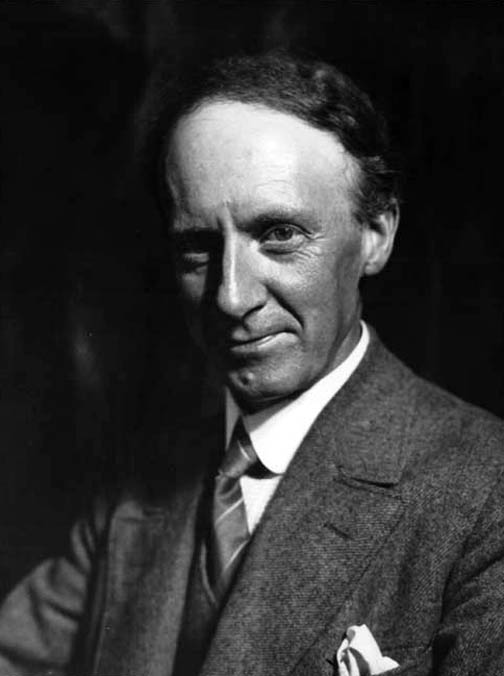
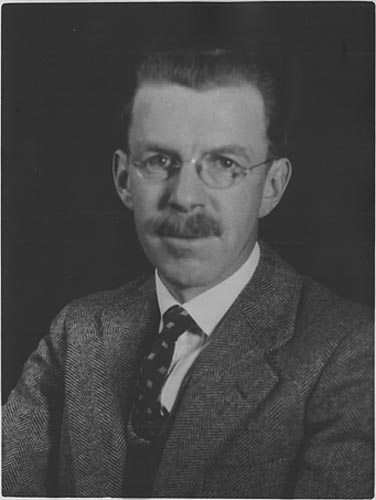
J.E.H. MacDonald

James Edward Hervey MacDonald was born in Durham, England in 1873 and moved to Canada with his family in 1887.1 He trained in commercial art and landed a job at Grip Ltd., a Toronto design firm that turned out to be a creative hot spot for future Group of Seven artists.2

MacDonald mostly painted with oil, a paint that let him build rich textures and bold, expressive brushwork into his landscapes. He had a special talent for using bright, sometimes unnatural colours to set a mood rather than literal realism. His style focused more toward the feelings and spirit of the landscape rather than detailed realism.2

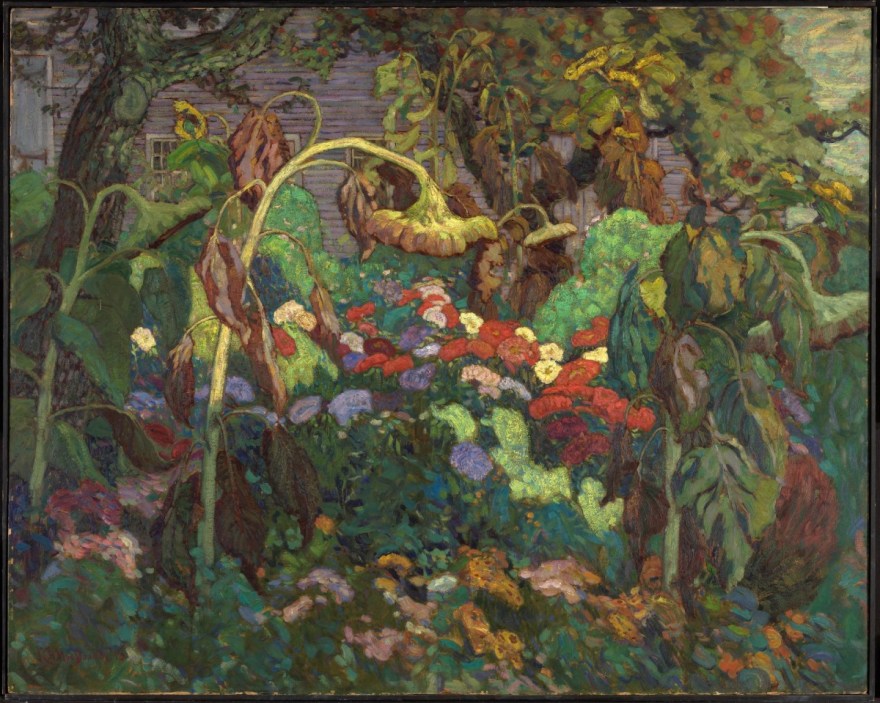
He was especially inspired by the wild landscapes of Algoma and the Rocky Mountains. His 1916 painting The Tangled Garden shows just how much colour and movement played into his work.2 Besides painting, he also taught art and eventually became the principal of the Ontario College of Art in 1929.2 He helped shape not only Canadian art but also the next generation of artists.
Controversy

MacDonald made headlines again in late 2023—long after his death—but not for the reasons you’d expect.

The Vancouver Art Gallery had been showing ten oil sketches that were believed to be his work, donated back in 2015. But after some doubts were raised, experts took a closer look—and discovered they were fakes!3

Experts tested the pigments, looked at the brushstrokes, and compared the style to his known works. The materials didn’t match what MacDonald would’ve had during his lifetime, and the way the art was created didn’t quite fit either.4

In a refreshing move, the gallery didn’t just quietly pull the pieces—they created a whole exhibit about the forgery, cleverly called A Tangled Garden.4 The title, a nod to MacDonald’s famous painting, added a bit of irony to the situation.

I respect how the gallery handled it. They used the opportunity to teach people about how art is authenticated and how fakes are detected. In the end, MacDonald’s reputation stayed strong—no copy could ever capture the depth and meaning of his real work.

Prospect Cemetery

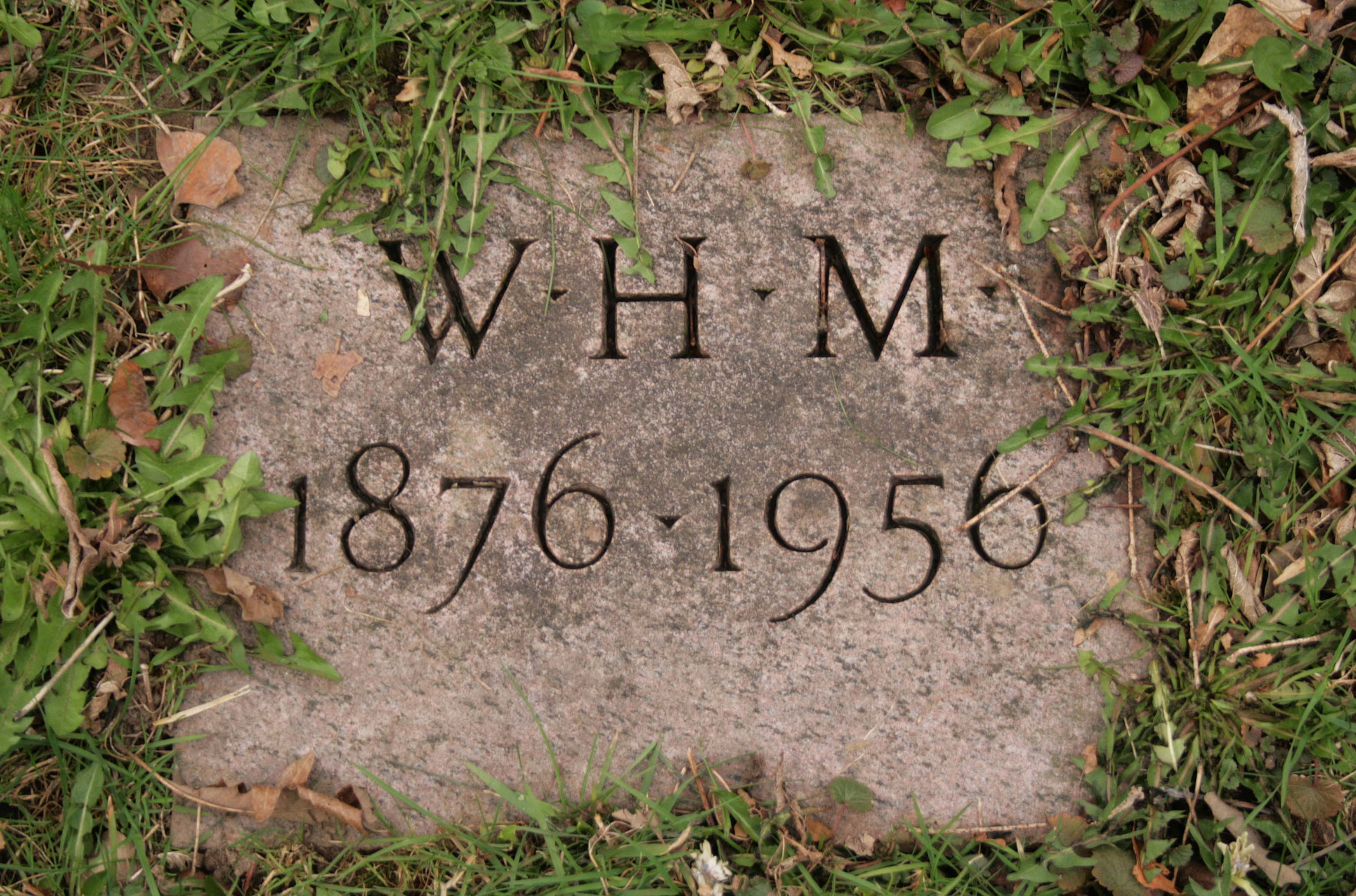
J.E.H. MacDonald passed away in 1932 after suffering a stroke. He was only 59. He’s buried in the family plot in Prospect Cemetery in Toronto.5 His grave is simple, tucked away among the rows of headstones. A foot stone with his initials J.E.H.M., and his birth and death dates sits in front of a larger family stone with the MacDonald name. Next to it is another foot stone marked W.H.M. / 1876—1956. I’m not certain, but I believe he might be laid to rest beside his brother, William Henry MacDonald.

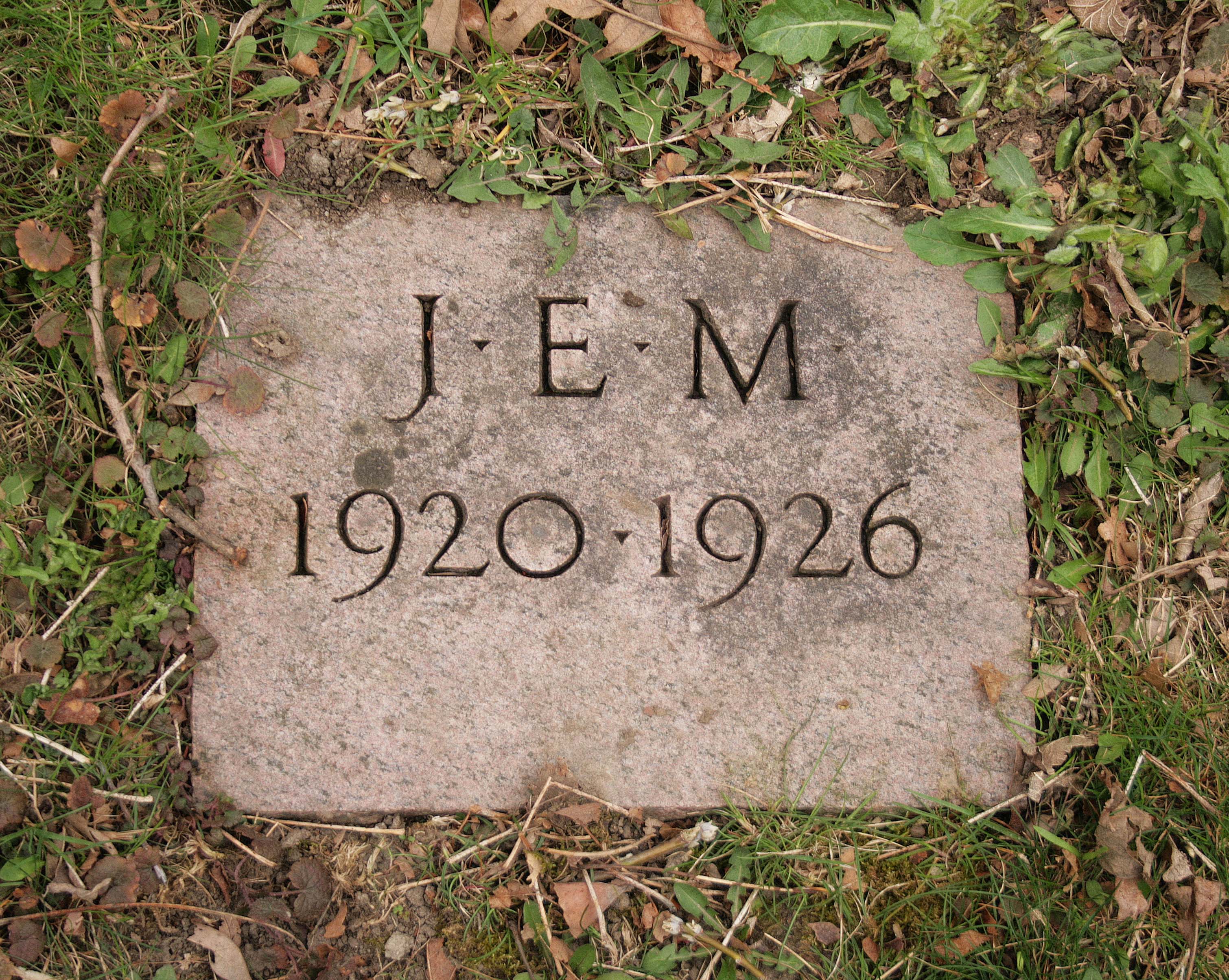
There is another foot stone in the MacDonald family plot that is a bit of a mystery. The stone is engraved with the letters J.E.M. and the dates 1920-1926. Unfortunately, I haven’t been able to uncover any details about this child’s grave.

Standing in front of MacDonald’s grave felt like another little win in my personal journey to visit the final resting places of all the Group of Seven artists. This was the third grave I’ve visited so far, and I find it fascinating how different each artist’s marker is.

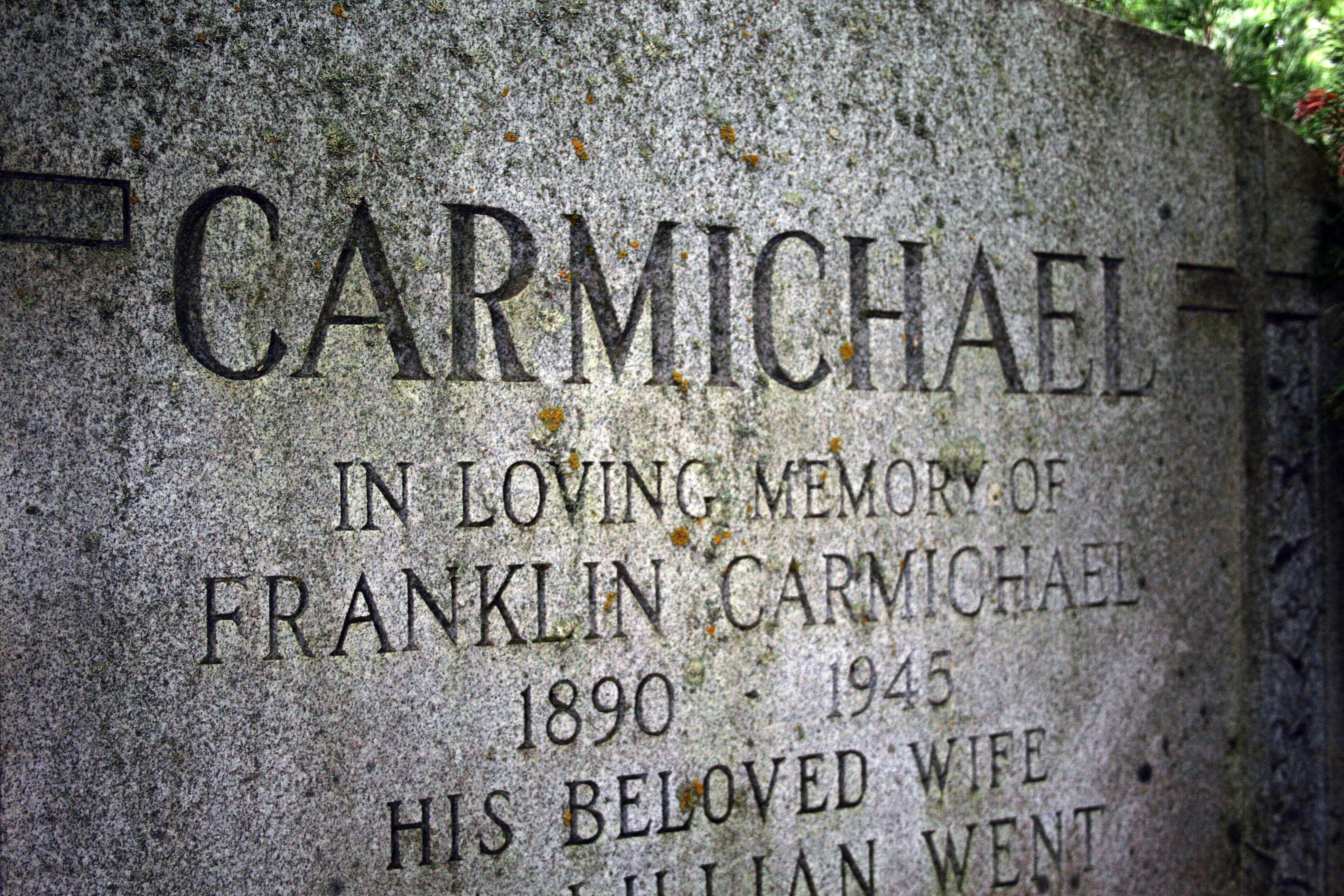
Despite their fame, none of their gravestones are flashy. Like Franklin Carmichael’s grave, MacDonald’s grave didn’t have any grave goods—no paintbrushes, no small stones, no tiny canvases. But there was something powerful about the peacefulness of the spot.

There’s something grounding about visiting the grave of someone whose work you admire. You see where their story ended, but you also carry part of their legacy with you. That day in Prospect, under grey skies and the hum of city life just beyond the trees, felt like the perfect moment to reflect on MacDonald’s impact.

Whether through his bright, expressive paintings or the recent conversations around art authenticity, J.E.H. MacDonald still shapes how we see Canada. His grave may be modest, but his influence on Canadian art is anything but.

Thanks for reading!


References:

  1. J. E. H. MacDonald | The Canadian Encyclopedia
  2. James Edward Hervey MacDonald | The Group of Seven
  3. These Group of Seven artist’s sketches are fake — and that’s the point of this Vancouver Art Gallery exhibit | CBC
  4. Museum Realizes Ten J.E.H. MacDonald Sketches Are Fakes—and Puts Them on Display | Smithsonian Magazine
  5. J E H MacDonald | Mount Pleasant Group
Stone Stories: The Youngest Member of the Group of Seven

After visiting both of Tom Thomson’s graves, I was inspired to visit the graves of all the members of the Group of Seven.

As a graphic designer, I have a little background in art history and I have long admired their work. Standing at Thomson’s first resting place at Canoe Lake sparked a desire to pay my respects to the others who also helped shape Canadian art.

So today on the blog, I want to share my visit to the grave of Franklin Carmichael in Orillia, Ontario.

Franklin Carmichael

Born in 1890 in Orillia, Franklin Carmichael showed early signs of artistic talent, which his mother quickly nurtured by enrolling him in music and art lessons.1 In his teenage years, he worked in his father’s carriage-making shop, where he honed his skills as a designer, striper, and painter.1 By 1910, Carmichael moved to Toronto to attend the Ontario College of Art, where he studied under renowned instructors.1

In April of 1920, Carmichael found his place within the emerging Group of Seven, joining artists like A.Y. Jackson, Lawren Harris, and J.E.H. MacDonald in their mission to capture Canada’s untamed wilderness.1 Despite being the youngest member of the group, Carmichael’s work, particularly his depictions of Ontario’s northern landscapes, were just as striking and bold as those of his peers.1 His travels to Lake Superior and the La Cloche Mountains were the backdrop for some of his most celebrated works, where watercolors became the defining feature of his style.1

Carmichael would go on to teach at the Ontario College of Art and later founded the Canadian Group of Painters, after the Group of Seven disbanded in 1933.1

Orillia Museum of Art & History

The Orillia Museum of Art & History sits in the heart of downtown Orillia and is housed in the historic Sir Samuel Steele Memorial Building. My mother and I parked the car on a side street and slowly walked along the sidewalk to the museum as we took in the views of the downtown core. It was a beautiful fall day when we visited, so the streets were bustling with activity.

We began our museum visit on the top floor and slowly made our way back down, through the myriad of exhibits. The museum’s collection intertwines local history with artistic expression.

When we visited, the Teachers and Their Enduring Impact—The Legacy of Jose Salas exhibit had just opened. This exhibit featured artwork by Jose Salas, an art teacher at the local college, as well as artwork from of his students.2 It was a lovely exhibit that showcased the profound influence a teacher can have on their student’s creative journeys.

While viewing this exhibit, I couldn’t help but think about Carmichael and what kind of influence he had on his students when he taught at the Ontario College of Art. Having taken quite a few art classes myself, I wondered what it may have been like to be taught by one of the famous Group of Seven.

The museum also has a permanent exhibit that features some of the more prominent figures from Orilla, like Gordon Lightfoot, Stephen Leacock, and of course—Franklin Carmichael.

After taking in everything the museum had to offer, it was time to make our way to the cemetery to pay our respects.

St. Andrews and St. James Cemetery

Franklin Carmicheal passed away in Toronto, on October 24, 1945, following a regular day of teaching classes. As he began his drive home, he suffered a heart attack in his car; he was only 55 years old.3

Carmichael is laid to rest in St. Andrews and St. James Cemetery in his hometown of Orilla. His final resting place is marked with an elegant grey granite stone, that is engraved with ivy and crosses. He is laid next to his beloved wife, Ada Lillian Went Carmichael, who passed away in 1964.

Buried alongside Carmichael in the family plot, are his daughter Mary Franklin Carmichael Mastin, and her husband. Mary dedicated much of her life to preserving her famous father’s legacy.4 She was also a writer and journalist, writing about nature and conservation.4 She passed away in 2012, at the age of 91 at St. Gabriel’s Villa, in Chelmsford, Ontario.4

In contrast to the busy streets, the cemetery was very quiet. My mother and I were the only visitors. As I stood at Carmichael’s graveside, I reflected on how his contributions to the art world have influenced and inspired countless generations of Canadian artists. I was a little surprised, though, to find that no flowers or grave goods had been left at his grave, something I had expected for an artist of his caliber. It made me think about how a person’s life story can sometimes be quietly forgotten, and the importance of remembrance.

I really enjoyed my visit to Orillia. Exploring Franklin Carmichael’s legacy was a unique opportunity to reflect on the power of art and how it connects us to the land and each other. From the Orillia Museum of Art & History to his gravesite, it was a lovely trip that gave me a deeper appreciation for Carmichael’s work and the lasting impact he had on Canadian art.

Thanks for reading!


References:

  1. Franklin Carmichael | The Group of Seven
  2. Teachers and Their Enduring Impact—The Legacy of Jose Salas | Orillia Museum of Art & History
  3. Franklin Carmichael | Roberts Gallery
  4. Mary Franklin Carmichael Mastin | Find a Grave

Stone Stories: Chasing Tom Thomson Part II

If you’re a long-time reader of my blog, you may remember a post I wrote last year about searching for the first grave of Tom Thomson

Yes, this famous Canadian painter has two final resting places. Although there is speculation on where he actually rests in peace. Last August, my mother and I went on a camping trip in Algonquin Park, to find the spot of his first burial. This August, we wanted to pay our respects at his second, and supposedly final resting place.

Tom Thomson is one of Canada’s most notable painters and a forefather of the Group of Seven. To this day, his death remains a mystery. He was last seen alive on July 8, 1917. He was setting out on a solo trip on Canoe Lake in his signature dove-grey canoe. Eight days later, on July 16th, his body was found floating in the lake. The story goes that he was hastily buried in Mowat Cemetery, on Canoe Lake. When his family found out, they had his remains exhumed and brought to Leith, Ontario to be buried in the Leith United Churchyard.1 Many questions remain; What happened to Thomson? Was his body really moved? This is where the details get muddy, and almost immediately rumors swirled about how Thomson died, and where his resting place truly lies. Over the years there have been many attempts to find out the truth, but nothing conclusive has been determined. Maybe we will never know… 

Since my mother and I had made the trip to visit Canoe Lake last year, we thought it only fitting to make a trip to Owen Sound this summer to pay our respects at Thomson’s second gravesite. Visiting Owen Sound and Leith also gave us the chance to see Thomson’s artwork in person. Our first stop when we arrived in Owen Sound, was to visit the Tom Thomson Art Gallery, lovingly referred to as The TOM.

The TOM, of course, is named after the iconic Canadian landscape artist. It has a nationally significant collection of contemporary and historical art, including artifacts and important works by Tom Thomson and the Group of Seven.2 

My mother and I were both excited to see Thomson’s original paintings, having only seen prints at the art centre in Algonquin Park the summer before. The small collection of his works on display at the time we visited was beautiful. It’s easy to see why he was sometimes called the Canadian Van Gogh. The thing that struck me right away was how small these canvases’ were, small enough to be packed up into a canoe. It was easy to imagine Thomson sitting on the shores of Canoe Lake, bringing these small canvases’ to life. 

Along with seeing Thomson’s beautiful work, we also had the chance to see life as Thomson saw it, through photographs he had taken himself. The exhibit Tom Thomson: Field of Vision presents 40 photographs that were taken by Thomson. His niece Jessie Fisk, discovered a small bundle of photo negatives that were captured by the artist, supposedly taken during the last seven years of his life. This collection of photographs presents an intimate look into Thomson’s life, and experiences, through his own lens.3

It was an interesting experience to look at these photos and to see through Thomson’s eyes, in a way. The photo that stood out to me the most was of a gravestone. It’s the gravestone of James Watson, thought to be the first person buried at Mowat Cemetery. That means that Thomson had visited his future resting place while he was alive. I wonder if he ever thought that he would one day be buried there? It’s interesting to note how legible the stone was at that time. Today, the stone is barely legible, with just a faint indication that it was ever inscribed. 

While visiting the gallery, we had an interesting encounter with another fan of Thomson’s work, a woman visiting all the way from California. She was very interested in Thomson’s life and death and was on a special birthday trip to visit historic Thomson locations. The week before, she had gone with a guide to visit Mowat Cemetery, by canoe. During our conversations, the question of where we thought his final resting place was came up. She seemed relieved when I said I agreed with her and believed he still rests in Mowat Cemetery.

Yes, I think there is strong evidence that he still lies in Mowat. Funny enough, before really knowing Thomson’s full story, when my mother and I left Mowat Cemetery last year, she said that she felt like he was still there. Regardless of our feelings, we still wanted to visit his second grave in Leith, Ontario. 

Leith is a small hamlet, about 13 minutes from Owen Sound. In this beautiful part of Grey County, you can find gorgeous views of Georgian Bay, the Coffin Ridge Boutique Winery, and the historic Leith United Church and graveyard. Unfortunately, I didn’t get a chance to stop into Coffin Ridge, but there is always next time. 

Leith United Church, located on Tom Thomson Lane, was built in 1865, and is considered “one of the finest examples of pre-Confederation architecture in Ontario’s Sydenham Township”.4 The church was closed in 1969, but since 1992, the Friends of Leith Church continue to preserve and restore the building by holding fundraisers and special events, like concerts.4

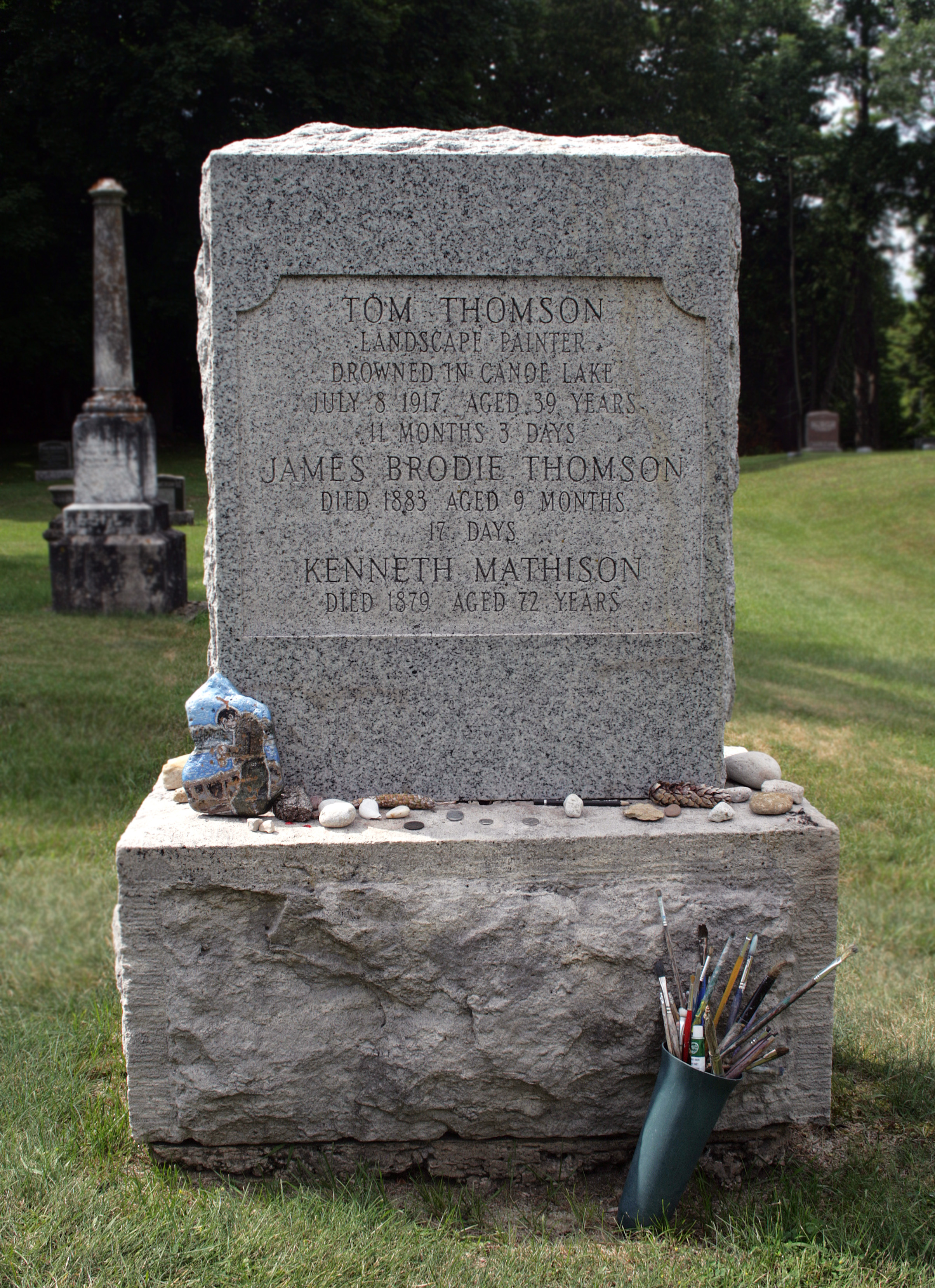
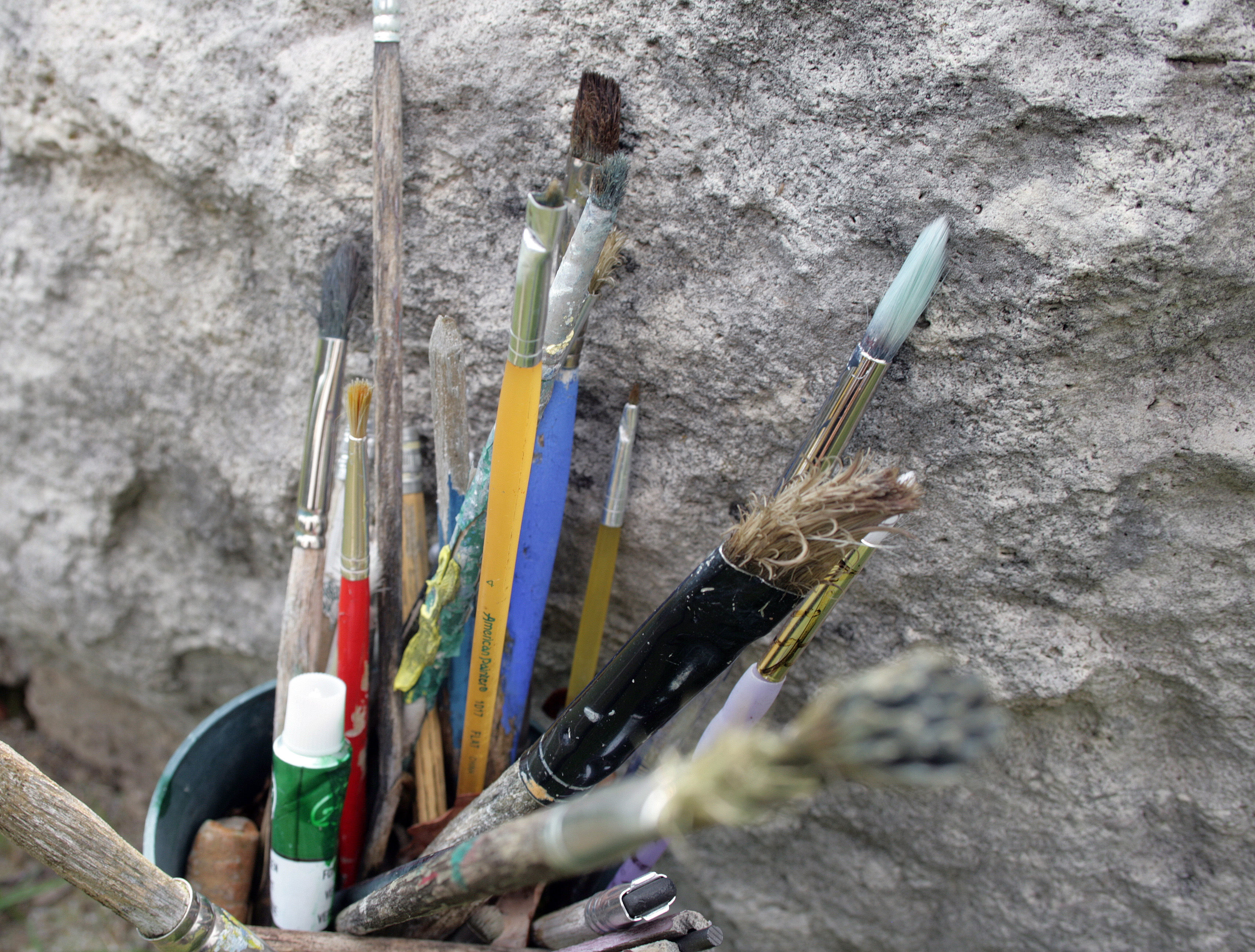
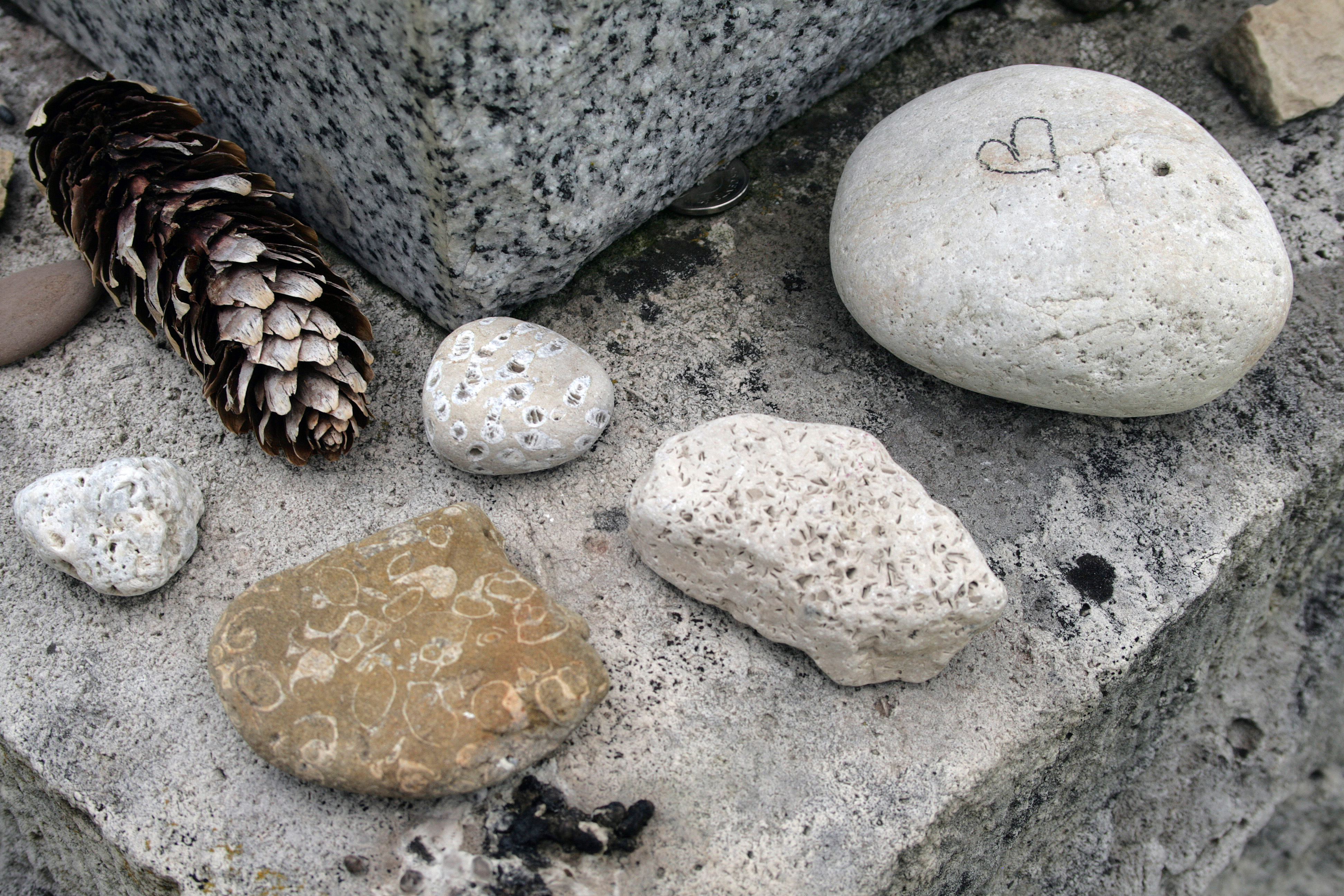
We had a beautiful day for a graveyard stroll, the day we visited the churchyard. It wasn’t hard to find the Thomson family plot at all. There are historical plaques and signs to direct you right to it. The graveyard itself is a decent size, but not big enough to get lost in. We could see right away that Thomson was still very popular as there were many grave goods left at his graveside, including a cup filled with paintbrushes, and a lovely rock painting of Thomson. The base of his gravestone is filled with stones, coins, and other items left by those who have come to pay their respects. 

According to the gravestone, Thomson’s third youngest brother, James Brodie Thomson, who sadly passed away very young, in 1883 also lies here. Along with his maternal grandfather Kenneth Mathison, a member of the Free Masons who passed away in 1879 at the age of 72. Thomson’s oldest brother George Thomson also is laid to rest in the Leith United Church graveyard, with his wife. 

I was curious as to where Thomson’s parents are buried. After some searching on Find A Grave, I found that they are both laid to rest in Greenwood Cemetery in Owen Sound. I did visit Greenwood Cemetery on this trip, but didn’t know to search for them. Thomson’s father, John Thomson, is buried with his first wife, Margaret Mathison, and his sister-in-law turned second wife Henrietta Mathison. 

I love wandering cemeteries and graveyards, but being able to connect a life and legacy to a name makes it even more rewarding. Viewing original artwork, and photographs that Thomson created, built a connection that deepened the experience of visiting his gravesite and paying our respects. And making these connections all started in a cemetery! I loved learning new aspects of Canadian history and how this trip brought us to places we had never visited before. Owen Sound is a beautiful little city and I look forward to having the chance to visit again. I had so much fun on this trip and look forward to where cemeteries will bring me next.

Thanks for reading! 


References:

  1. Death on a painted lake: The Tom Thomson tragedy | Canadian Mysteries.ca
  2. About Tom Thomson Art Gallery | City of Owen Sound
  3. Tom Thomson: Field of Vision | City of Owen Sound
  4. Leith Church | Grey County