With Remembrance Day coming up on November 11, I have been thinking a lot about the quiet way we honour those who have served.
One of my favourite ways to reflect is by visiting military graves. There is something powerful about finding these simple, dignified markers in cemeteries across the country.
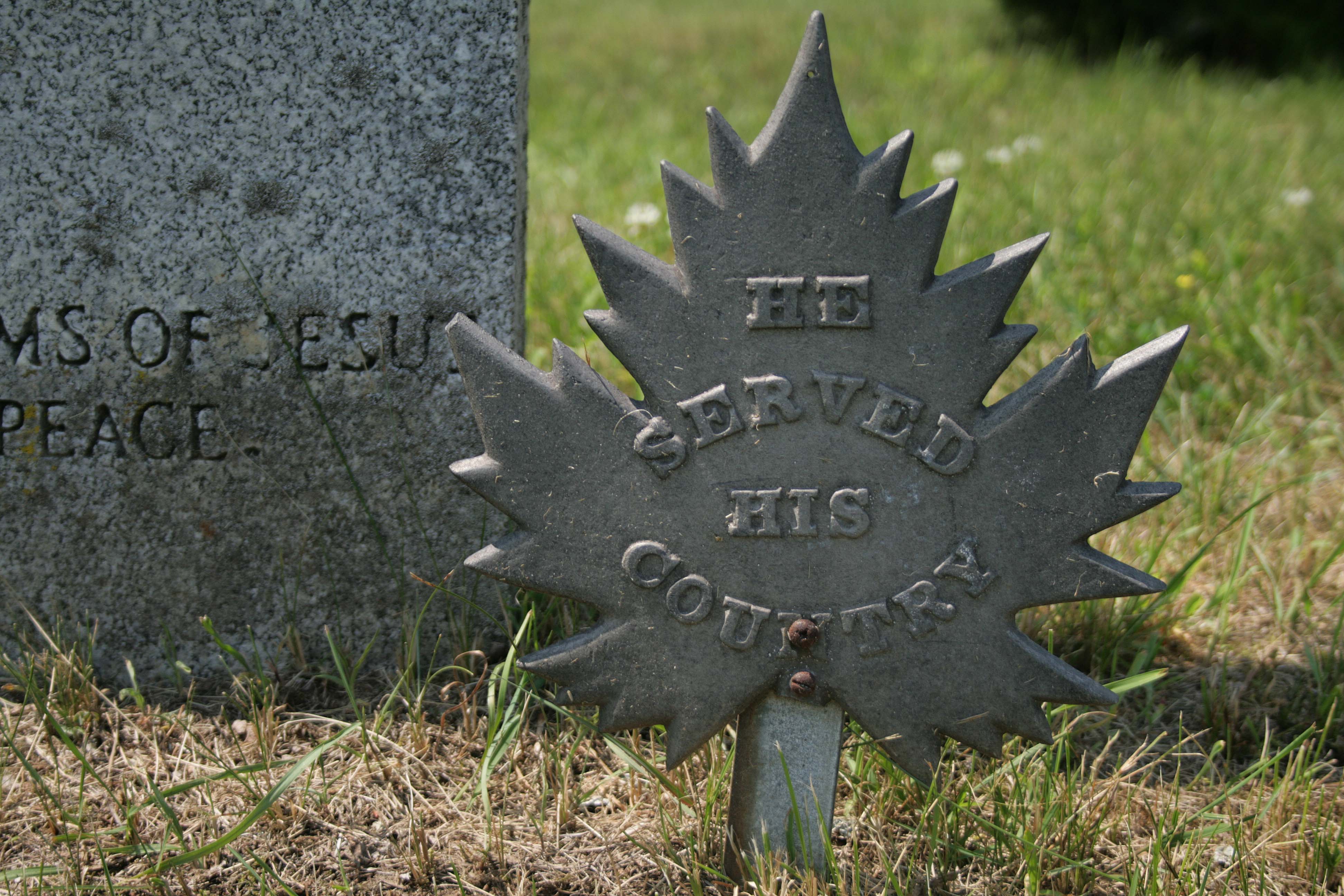
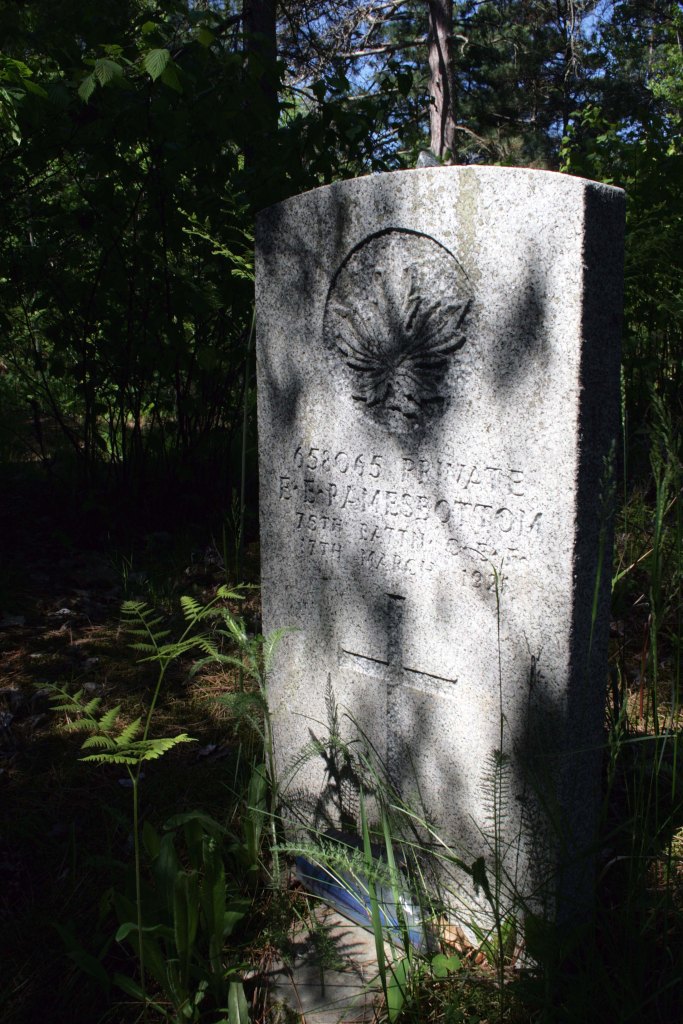
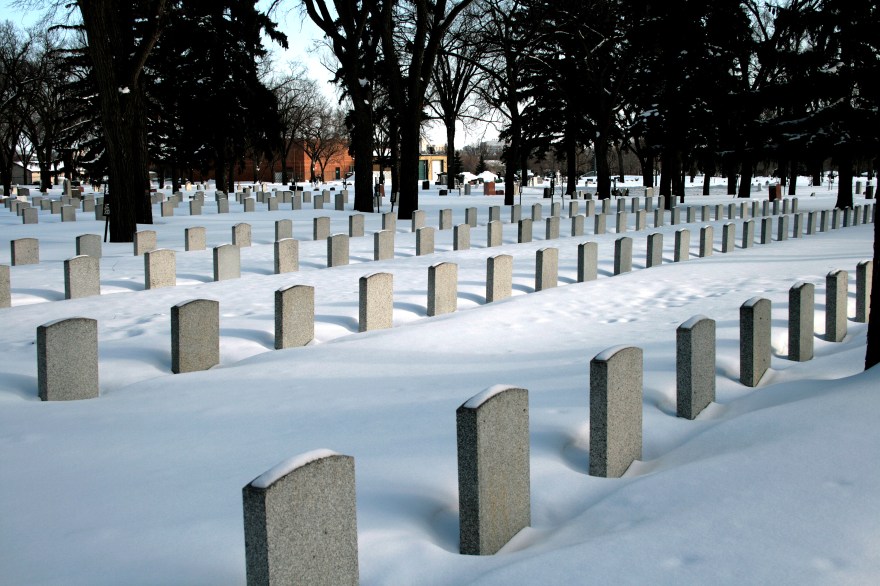
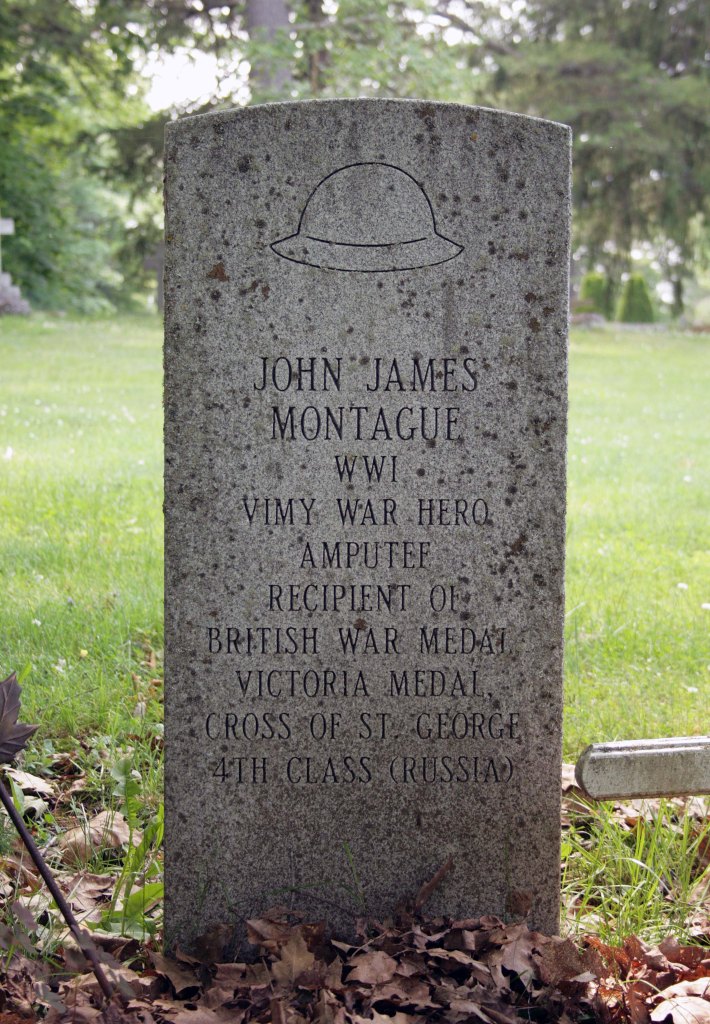
So, I thought this would be a meaningful time to share a collection of Canadian military gravestones that I have photographed over the years. Each one tells a story, and together they remind us that service and sacrifice are never forgotten.
Canadian Armed Forces members who pass away during service are honoured with a standard military tombstone. These gravestones are arranged through the Department of National Defence and placed by the Commonwealth War Graves Commission when the marker is in one of their cemeteries, or by Public Works and Government Services Canada when it is in a civilian cemetery.1 The goal is to maintain a consistent style and honour each member with the same level of care.1
Veterans who are buried in civilian cemeteries can also receive grave marker support. Veterans Affairs Canada runs a Grave Marker Maintenance Program that repairs, cleans, and restores veteran markers across the country.2
In 2023 alone, more than 110,000 repairs were carried out in communities big and small.3 It is pretty incredible to think about how much work goes into preserving these stones and their stories.
There are clear rules that guide what goes on a military gravestone. The design is simple and respectful. Each one includes the person’s name, rank, service number, unit or branch, and date of death. If the family wishes, an approved religious emblem or a personal inscription can be added. The stones are all made in the same style and materials, so they stay uniform and recognizable.1
Military graves remind us that history is not just something in books. It’s carved in stone and tended with care. Next time you are exploring a cemetery and you see one of these markers, take a moment to pause.
In honor of Remembrance Day this year, Monday, November 11th, I want to take a moment to reflect on the significance of this solemn occasion and the powerful symbol of sacrifice that is the Tomb of the Unknown Soldier.
This day, which marks the end of hostilities during the First World War and honors all who have served in times of conflict, holds deep meaning for Canadians. While Remembrance Day has been observed since 1919, its evolution over the years—from its origins as Armistice Day to the shift in date and name in 1931—demonstrates its lasting importance in our collective memory.1 In this week’s post, I want to delve into the history behind the Tomb of the Unknown Soldier, a tribute that today stands as a symbol of the many soldiers who gave their lives without recognition.
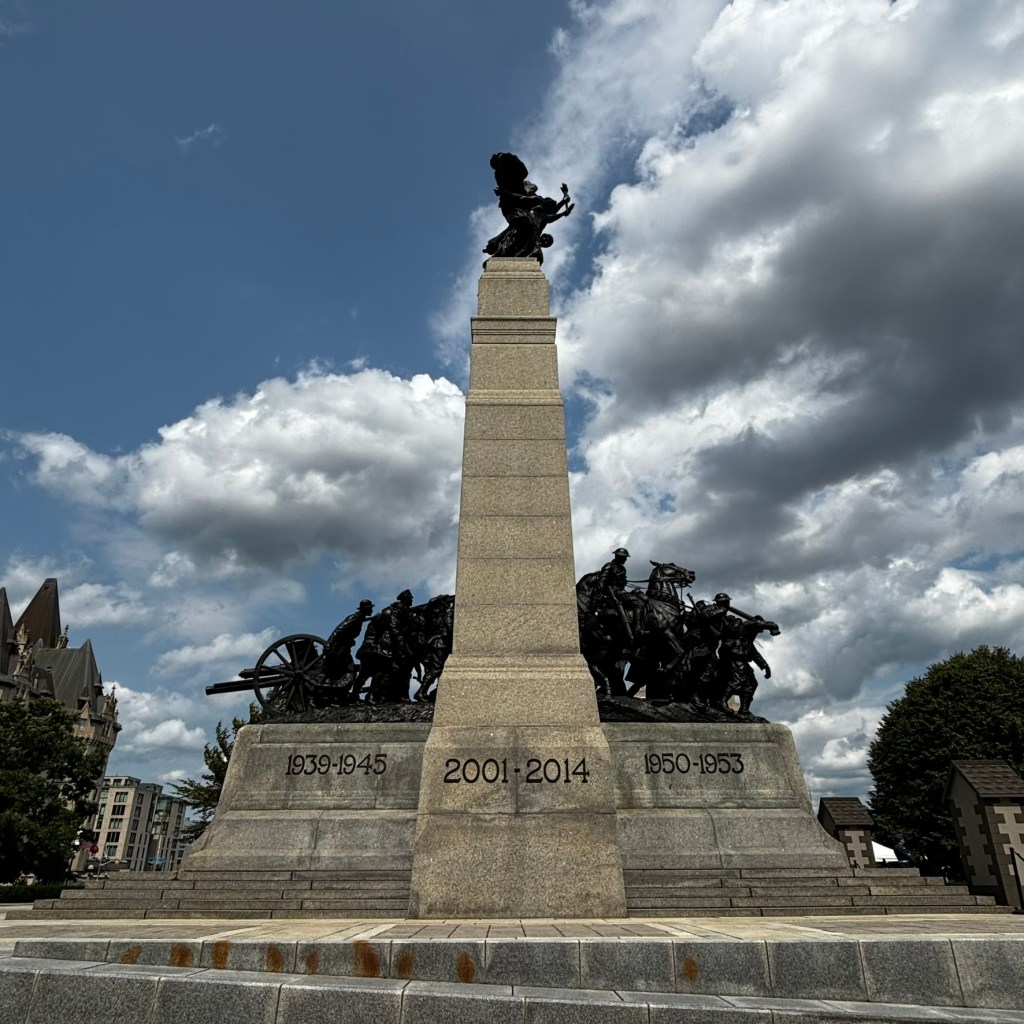
The tomb of the unknown soldier lies in front of the National War Memorial at Parliament Hill. The large monument, a cenotaph, was unveiled in 1939 to commemorate the Canadian response to the First World War. It has grown to symbolize the sacrifice of all Canadians who have served in times of war.2
The Royal Canadian Legion, with help from Veteran’s Affairs Canada, began work to bring the Unknown Soldier home in the spring of 1998.3 As a Millenium project, this undertaking was not an easy task and many veterans were anxious to see this tomb built, as a reminder for new generations of the cause and consequences of war.3,4
Exhaustive work was completed to choose the remains that would be repatriated. The remains were selected from among 6,846 unknown soldiers of the First World War.5 The set of remains that now lie at rest in the sarcophagus at the base of the war memorial comes from Cabaret-Rouge British Cemetery, in Souchez, France.4
The Unknown Soldier’s remains were exhumed on May 25, 2000, by the Commonwealth War Graves Commission. The remains were then repatriated to Canada in a Canadian Forces aircraft, where they would lay in state for three days in the Hall of Honor in the Centre Block of Parliament.5 On May 28, 2000, the remains were laid to rest in a sarcophagus made of granite, during an interment ceremony. Soil from each Canadian province and territory was placed on the casket. They also included some soil from France.6
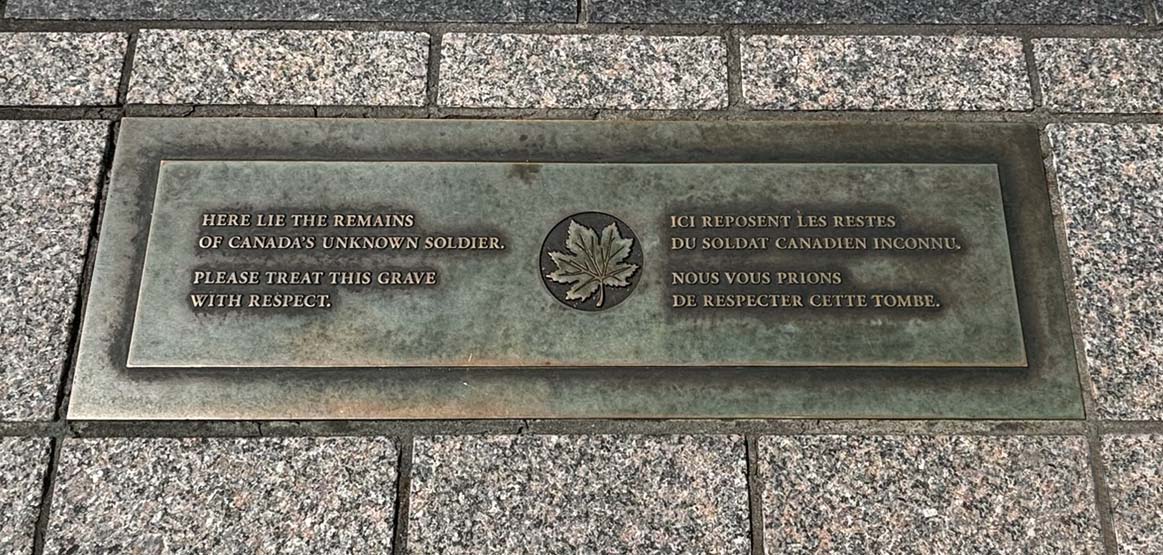
The inscription on the tomb reads “The Unknown Soldier / Le Soldat inconnu”. There is also a brass plaque embedded in the ground in front of the tomb which reads: “Here lie the remains / of Canada’s Unknown Soldier. / Please treat this grave / with respect.”
The tombstone marking the first resting place of our unknown soldier, in France, was also brought to Canada and now hangs in the Memorial Hall of the Canadian War Museum in Ottawa.
The inscription reads: “A Soldier / of the Great War / A Canadian Regiment / Known Unto God”
Original gravestone of the Unknown Soldier, Canadian War Museum. Photo by Craig Baird, Canadian History Ehx https://canadaehx.com/ Photo used with permission.
The Memorial Hall of the Canadian War Museum has a unique design feature, where every year on November 11th, at 11 a.m. the sun filters through a window in the hall, directly illuminating the headstone.7
A new gravestone was placed to mark the original burial site, now empty, in Cabaret-Rouge British Cemetery. The stone, similar in appearance to the original gravestone, is engraved with a maple leaf and the following epitaph, “The Former Grave Of An / Unknown Canadian Soldier / Of The First World War. / His Remains Were Removed / On 25 May 2000 And Now / Lie Interred At The / National War Memorial / In Ottawa Canada.”4
The Changing of the Guard
This summer, while I was visiting family in Ottawa, I had the opportunity to visit the Tomb of the Unknown Soldier and witness the changing of the guard.
Since 2007, the Canadian Armed Forces have posted sentries to stand guard at the tomb, with a rotation of personnel from the Royal Canadian Navy, Canadian Army, Royal Canadian Air Force, and Canadian Ranger units from across the country.8 During the summer months, the changing of the guard ceremony occurs every hour, on the hour, between 9 a.m. and 5 p.m.
The ceremony is a somber occasion that reflects respect for Canada’s fallen soldiers. As the sentries execute their precise and disciplined movements, the atmosphere was heavy with reverence. The ceremony serves as a powerful reminder of the sacrifices made in the name of freedom and those who gave their lives in service.
While visiting the tomb, I was struck by the weight of history and felt the significance of honoring those whose identities may be lost, but whose sacrifices will never be forgotten.
We will never know the identity of the Unknown Soldier—but that’s the point.
In war, the remains of soldiers may be badly damaged, or destroyed. Even though a great effort was made to find and identify remains, many were not found at all. Almost 20,000 Canadians who died in the First World War have no identifiable graves.4 Some could only be identified as Canadians, by uniform buttons or badges, and were buried with a simple military marker, like our unknown soldier.4
So this Remembrance Day, as we pause to honor the sacrifices of those who served, remember also the unknown soldier—the many who gave their lives, whose identities are now lost to history.










 Cemetery Photography by Chantal Larochelle