Cemetery Stories: Canada’s Largest Cemetery

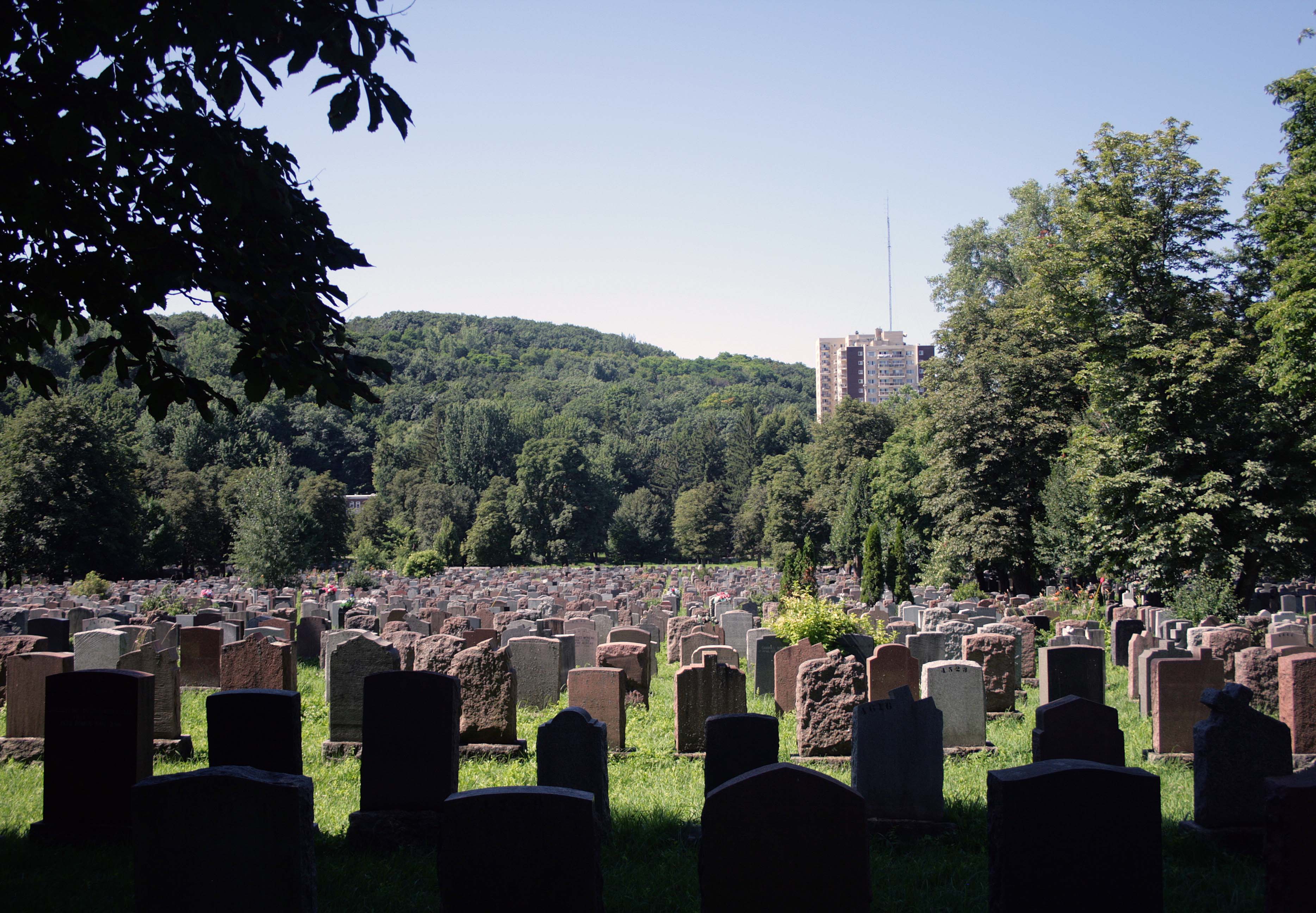
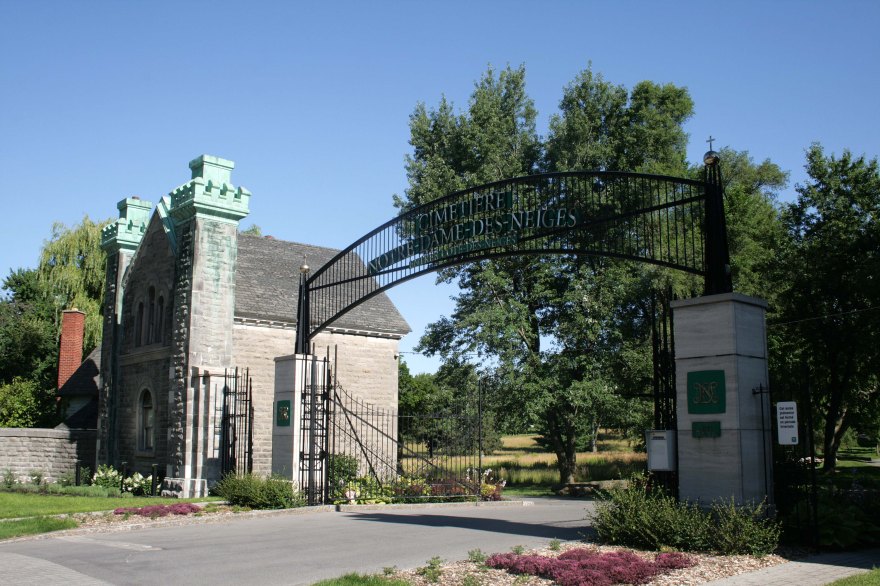
Some cemeteries are small and quiet, tucked behind a church or hidden along a country road. Others are so large they feel more like cities for the dead. Cimetière Notre-Dame-des-Neiges in Montreal definitely falls into that second category.

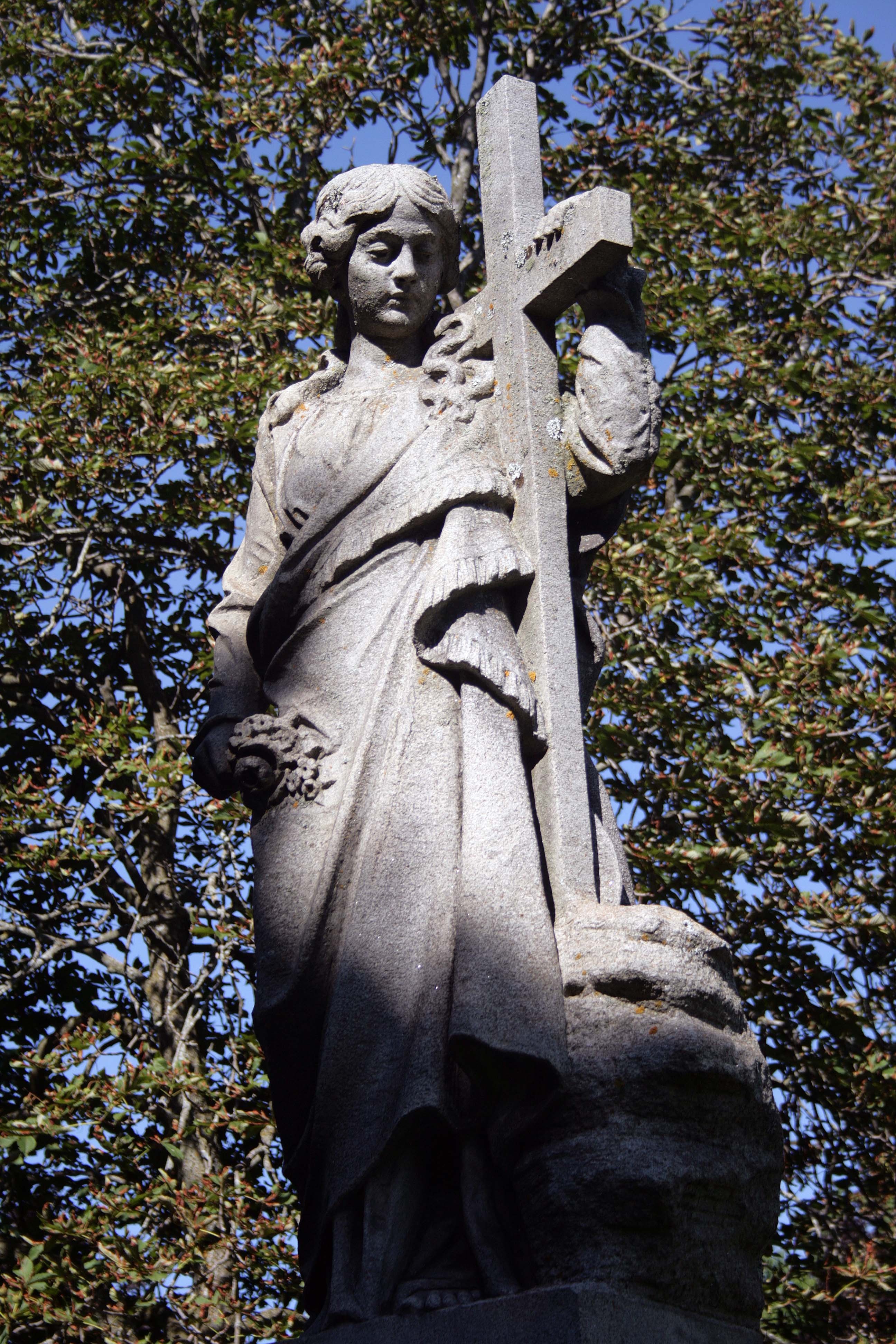
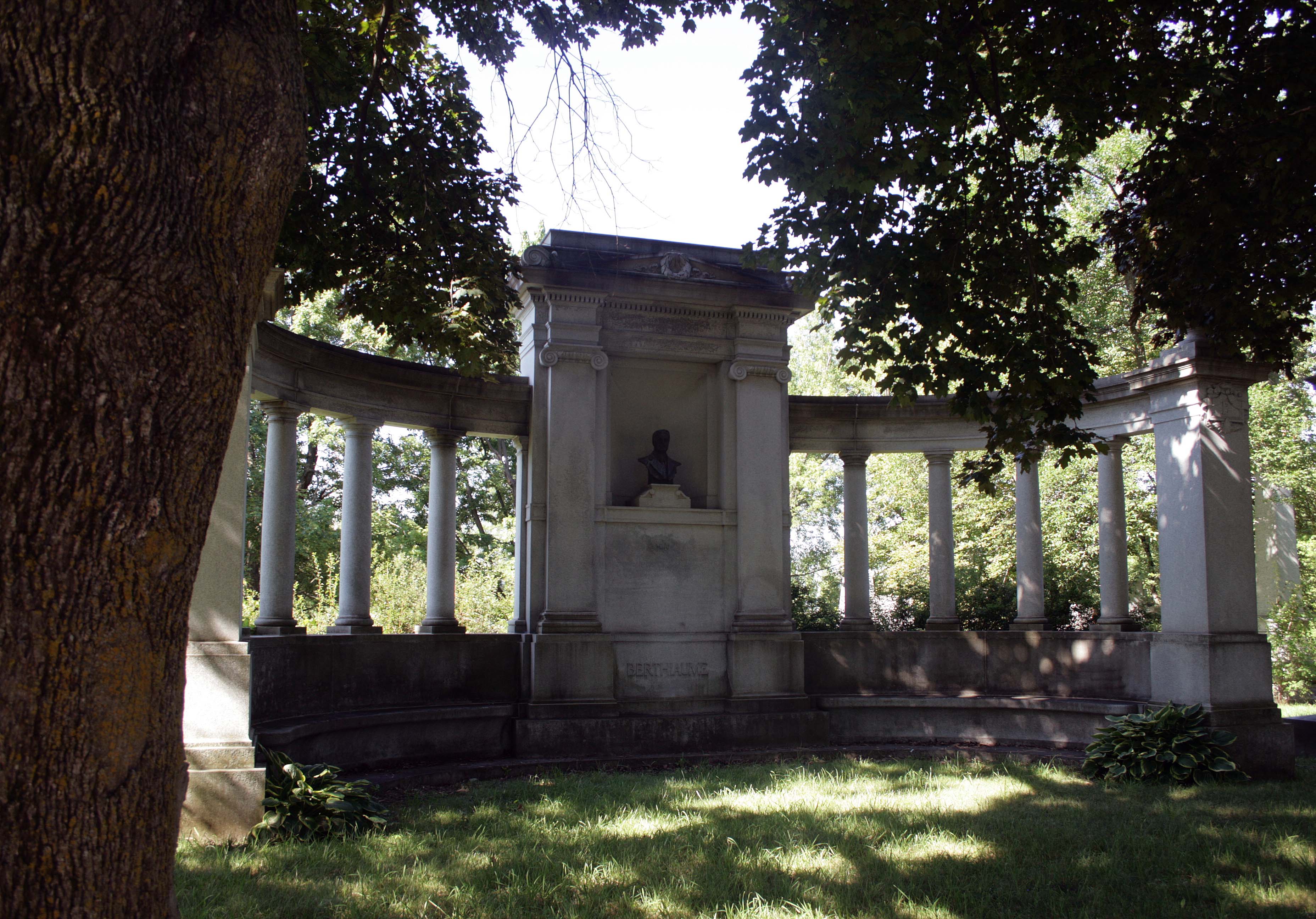
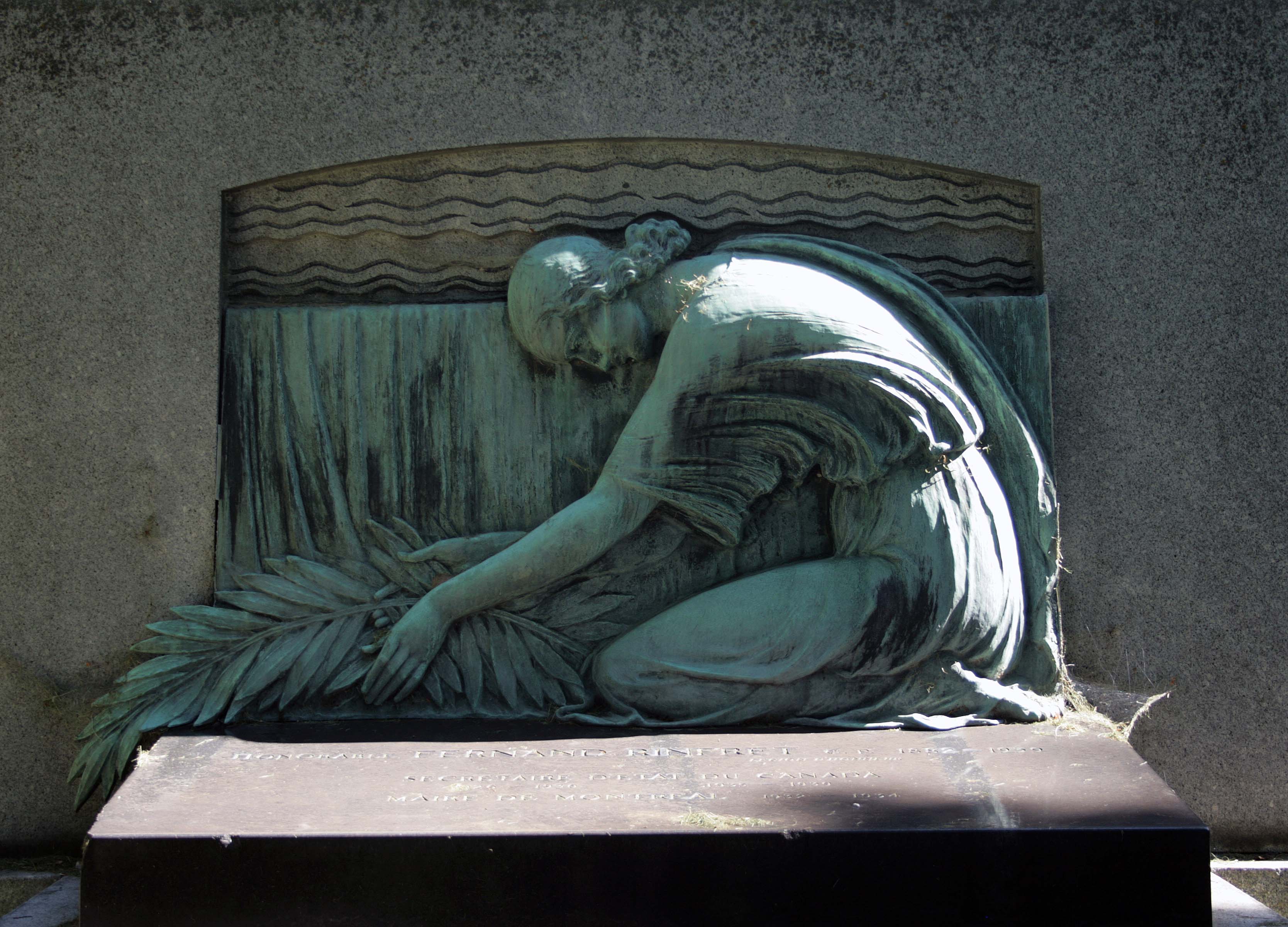
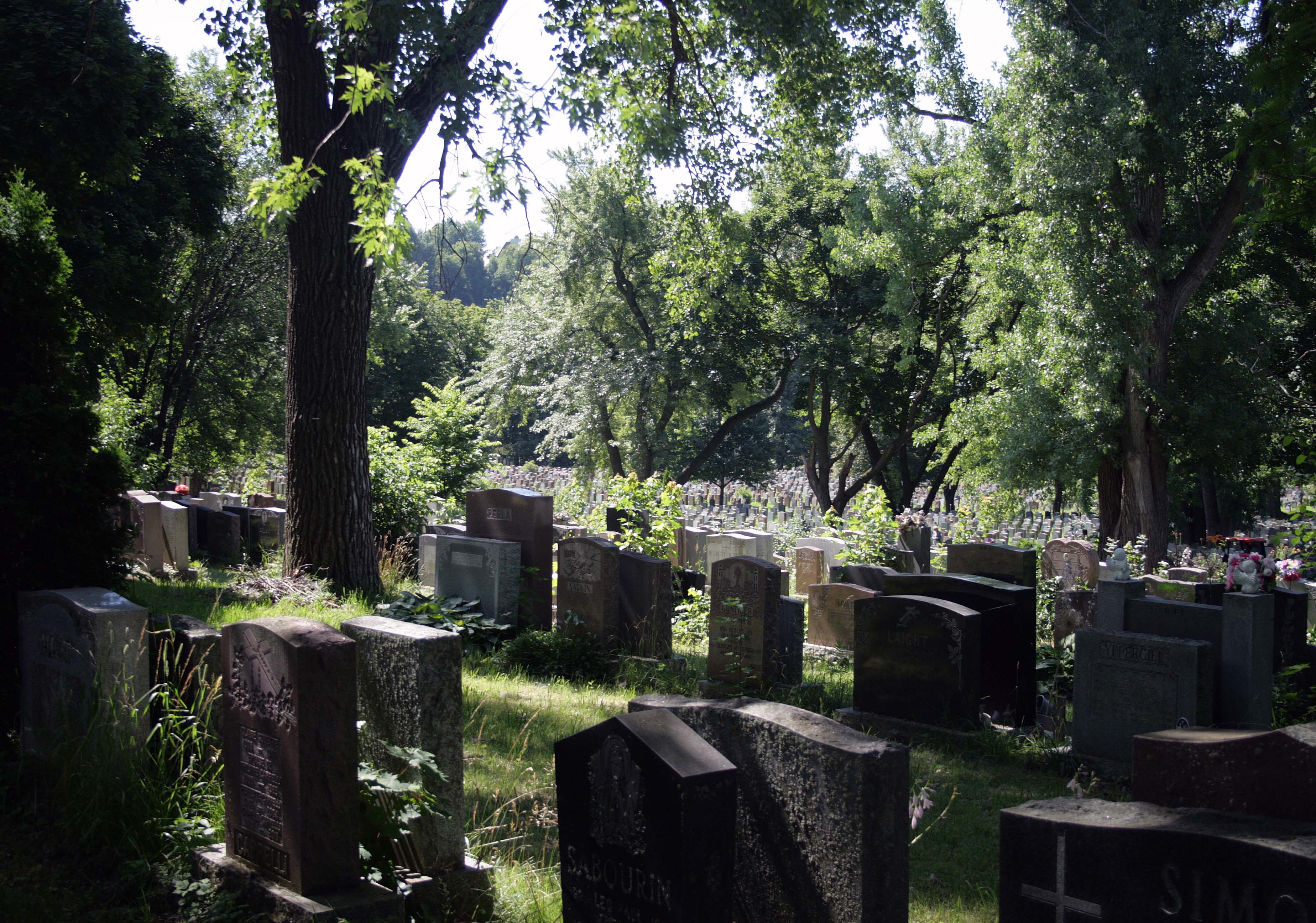
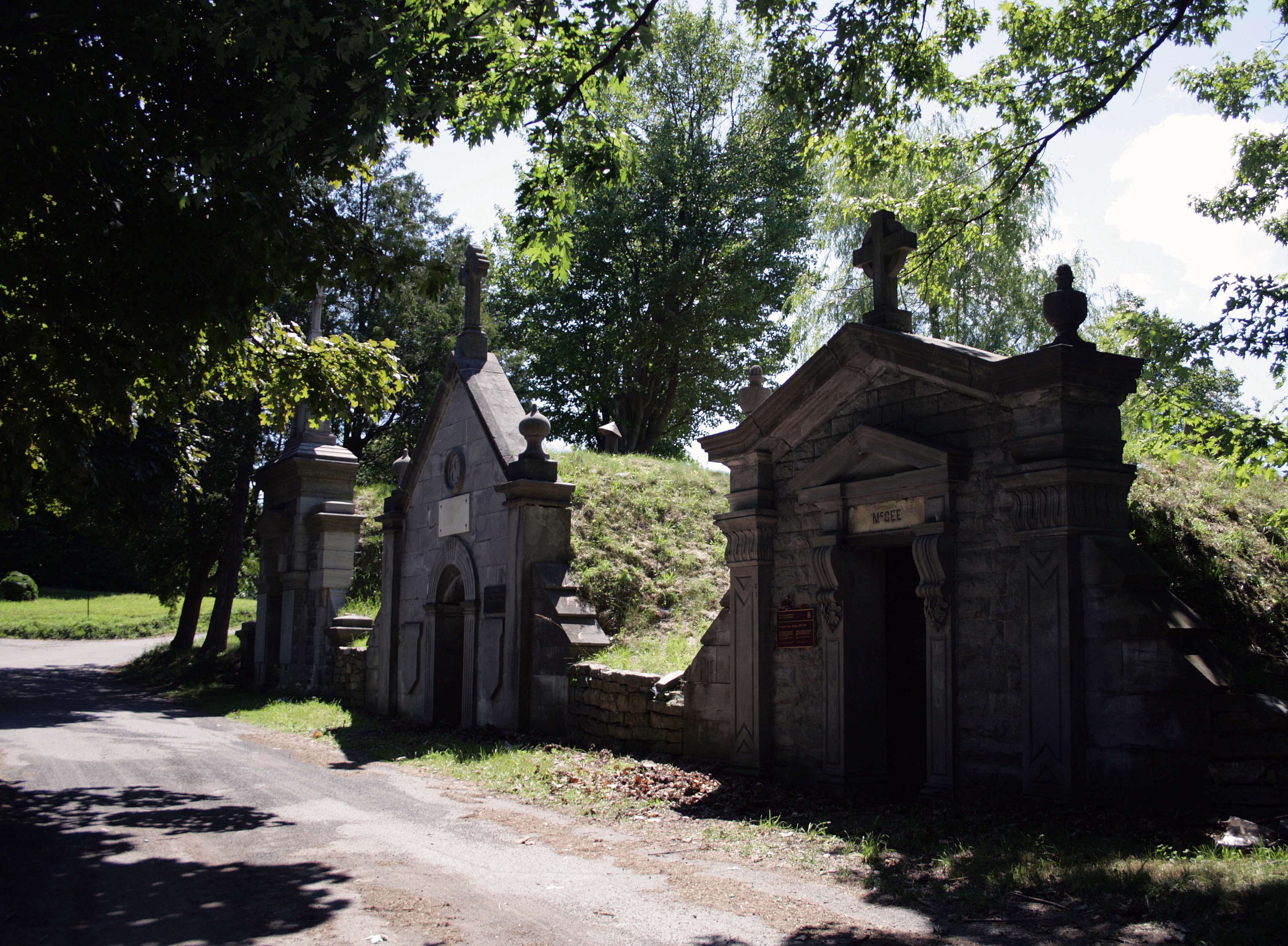
Located on the slopes of Mount Royal, this cemetery is the largest in Canada and one of the largest in North America. With winding roads, towering monuments, and thousands of trees, it feels less like a cemetery and more like a historic park filled with stories.
History

Cimetière Notre-Dame-des-Neiges was founded in 1854 by the parish of Notre-Dame in Montreal. The first burial took place on May 29, 1855, for a 35-year-old Irish woman named Jane Gilroy.¹ Earlier cemeteries had been located near churches, but space and hygiene concerns, along with a 1853 city bylaw, forced a move to Mount Royal.1

Sitting on the mountain gives the cemetery symbolic meaning in Catholic tradition, representing hope for the promised resurrection. Surrounded by nature, it also offers a quiet place for reflection. Walking among the trees and winding paths, visitors can feel the combination of history, art, and natural beauty all at once, which also makes it a great spot for photography.

Today, Notre-Dame-Des-Neiges is recognized as the largest cemetery in Canada and the third largest in North America.²

The cemetery was designed during a time when burial grounds were being reimagined as peaceful landscapes rather than crowded churchyards. Its layout was influenced by the famous Père Lachaise Cemetery in Paris, with winding paths, scenic views, and carefully planned monuments.³

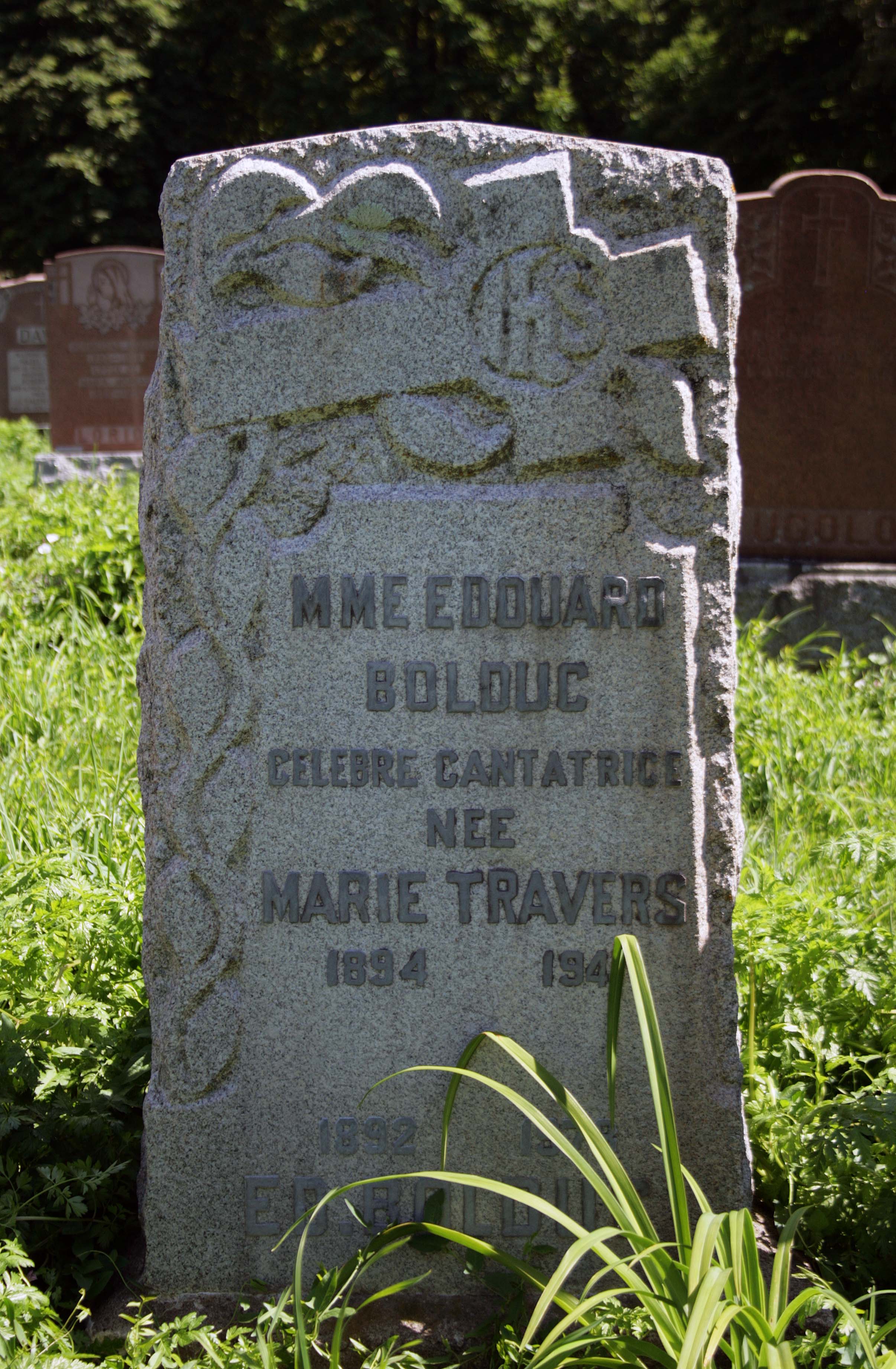
Over the years, the cemetery has become the final resting place for many notable Canadians, including hockey legend Maurice “The Rocket” Richard, beloved folk singer La Bolduc, music producer and talent manager René Angélil, and Sir Georges-Étienne Cartier, one of the “Fathers of Confederation”.⁴
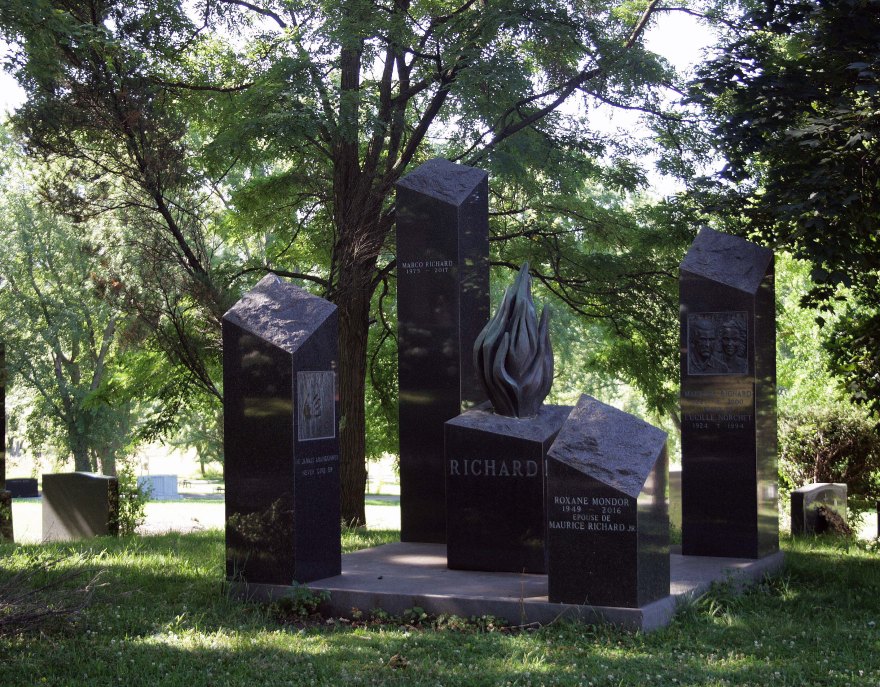
The cemetery also functions as a large natural park, with more than 13,500 trees spread across its grounds.3 Because of its historical, cultural, and artistic importance, the cemetery was designated a National Historic Site of Canada in 1999.5

Haunted

With a cemetery this old and this large, it probably comes as no surprise that there are plenty of ghost stories attached to it.

One of the most well-known spirits is that of Sarah Ellen Page King, also called Sadie. Witnesses say her grave site is haunted by the sounds of a woman and infant weeping and crying.6 Sadie’s story is a tragic one. After losing her infant son George, she was sent to the Saint-Jean-de-Dieu Lunatic Asylum, likely for depression, and remained there for 24 years until she died in 1946.6 Her family never visited or even acknowledged her, and when she was buried beside her son, no tombstone was placed in her memory.6

While other alleged spirits haunt the cemetery, Sadie’s story is the one most often told for its tragic and haunting presence.6

Whether you believe in ghosts or not, it’s easy to see how the atmosphere of such a large and historic place could spark a few spooky legends.

My Visit

I visited in July of last year while I was in Montreal with my fiancé. He had a tattoo appointment, which meant I had some time to myself.

Naturally, I decided to spend it wandering around the cemetery.

Before I arrived, I made a short list of graves I wanted to visit, including “The Rocket” Richard and La Bolduc.

Even with Google Maps to guide me, I still got completely turned around. At one point, I wandered over to the maintenance office just as a bus full of workers was about to head out for the workday. I asked them for directions to the main office, and they kindly offered me a ride. I accepted and took a seat near the front.

They were the grass crew heading out to cut grass and clean up weeds around the cemetery. I happened to be wearing a T-shirt with my logo on it, which sparked a few curious questions. When I told them I was a cemetery photographer, they seemed genuinely interested. Everyone was very kind, and after a short drive, they dropped me off at the main office before heading off to start their workday.

I always try to visit the cemetery office, when there is one, because you never know what kind of interesting things they might have. The office was fairly busy, so I didn’t want to take up too much of their time. I asked if they had any brochures or maps, and they were able to give me a few pamphlets and they had a small booklet for sale. The only booklet they had left was in French, but I happily bought it anyway, since my mother speaks French and could translate it for me later.
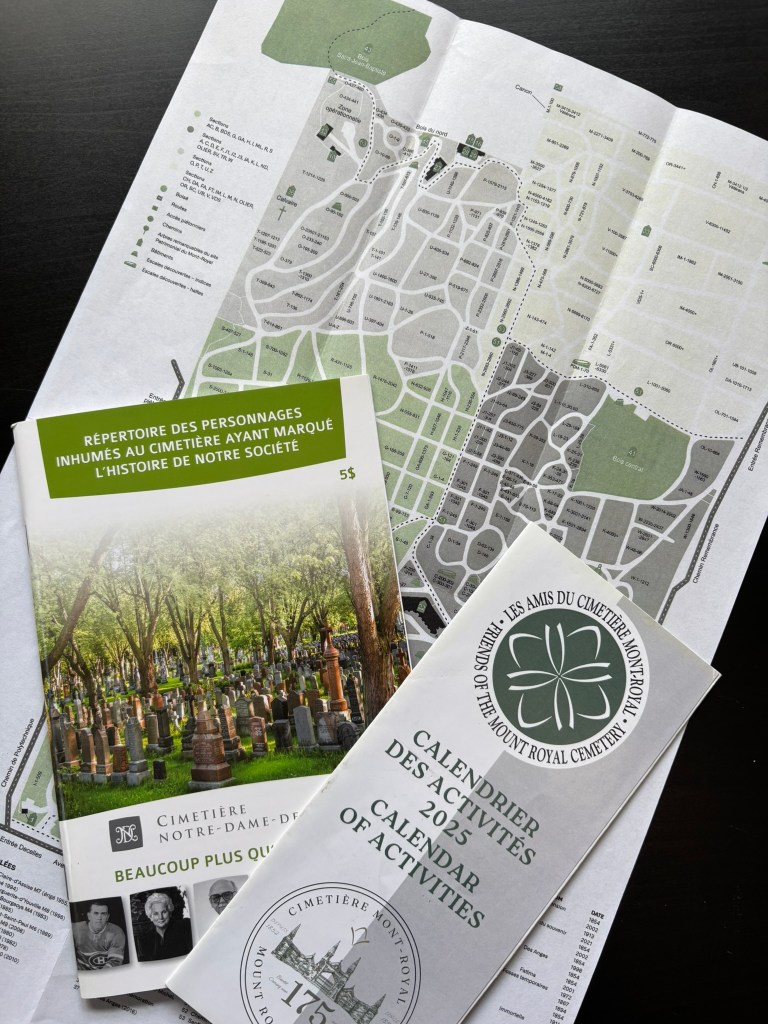
To say the cemetery is big is an understatement.

I spent several hours walking the grounds and still only saw a small portion of it. It also happened to be an extremely hot day, so I took plenty of breaks in shady spots to cool down and catch my breath.

I did not manage to visit every grave on my list, but that just means I will have to go back and explore another section of the cemetery.
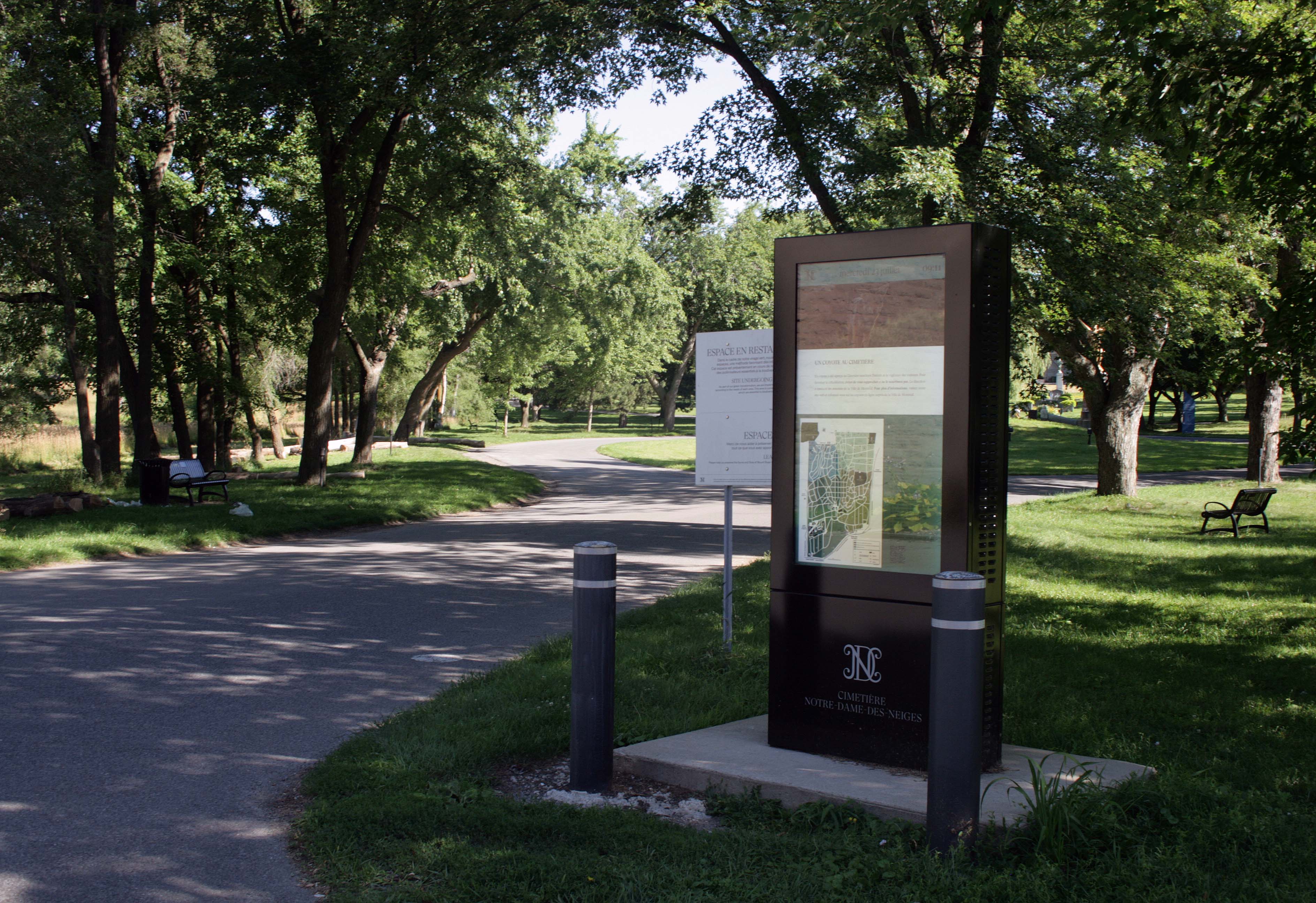
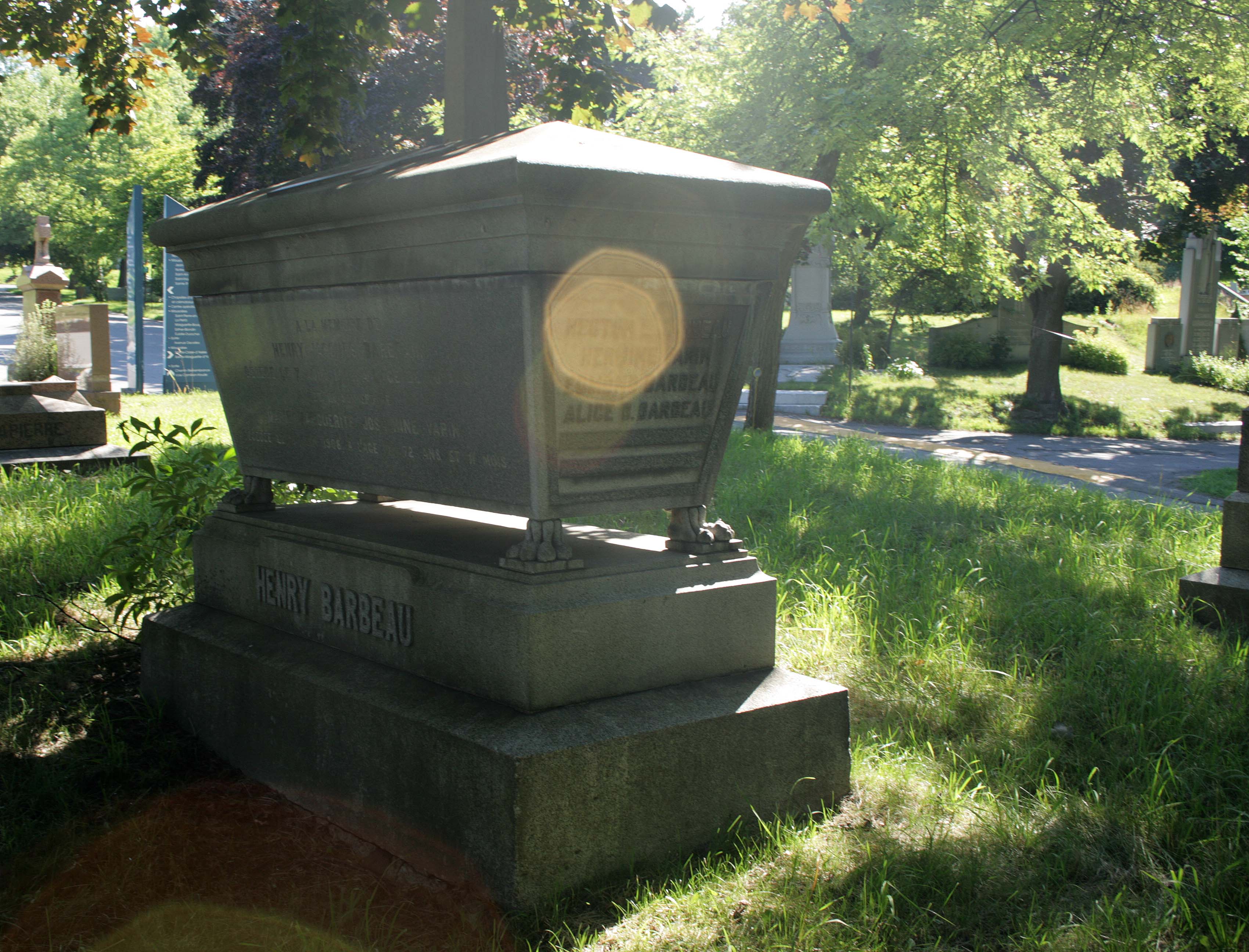
Even after several hours of walking, I felt like I had only scratched the surface of Cimetière Notre-Dame-des-Neiges. The size alone makes it an adventure, and every path seems to lead to another interesting monument or historic grave.

Next time I visit Montreal, this cemetery will definitely be on my list again. After all, there are still plenty of stories waiting to be discovered.

Thanks for reading!


References:

  1. History and Heritage | Cimetiere Notre-Dame-Des-Neiges
  2. Cimetière Notre-Dame-des-Neiges | Find a Grave
  3. Notre-Dame-des-Neiges Cemetery | Tourisme Montreal
  4. Notre-Dame-des-Neiges Cemetery | Atlas Obscura
  5. Notre-Dame-des-Neiges Cemetery National Historic Site of Canada | Parks Canada
  6. Haunted Montreal Blog #96 – Notre-Dame-des-Neiges Cemetery | Haunted Montreal

A Collection of Chalices

One of my favorite things about wandering through cemeteries is discovering unique gravestone symbols. Over the years, I have noticed that certain motifs pop up again and again. It’s so interesting to see how these symbols can change depending on where you are.

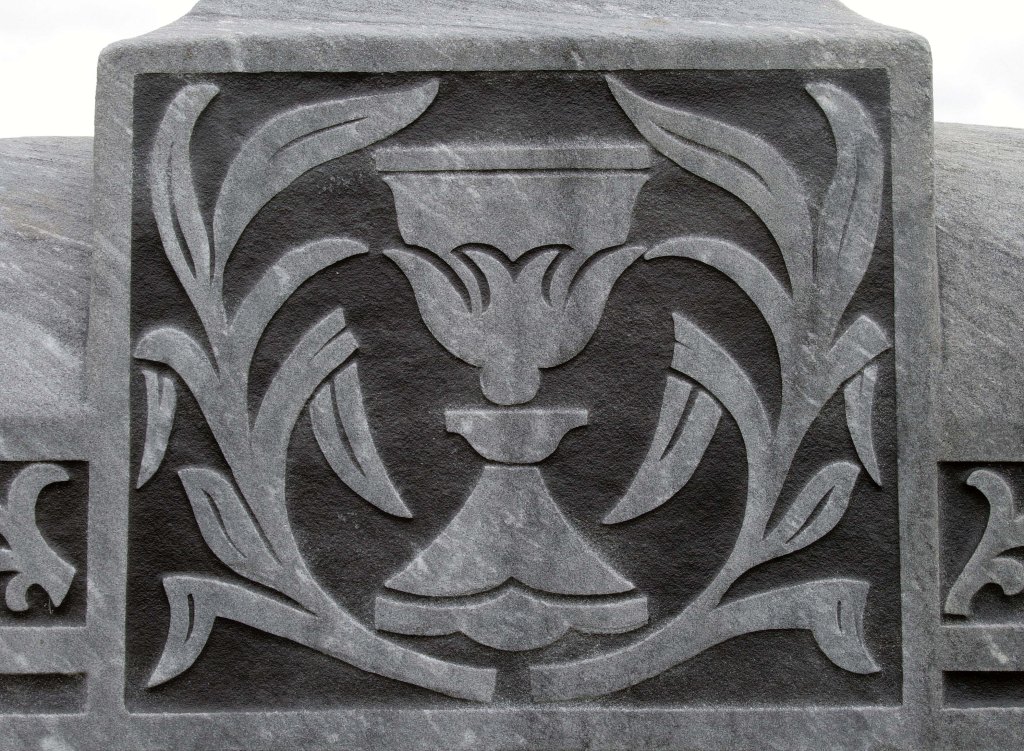
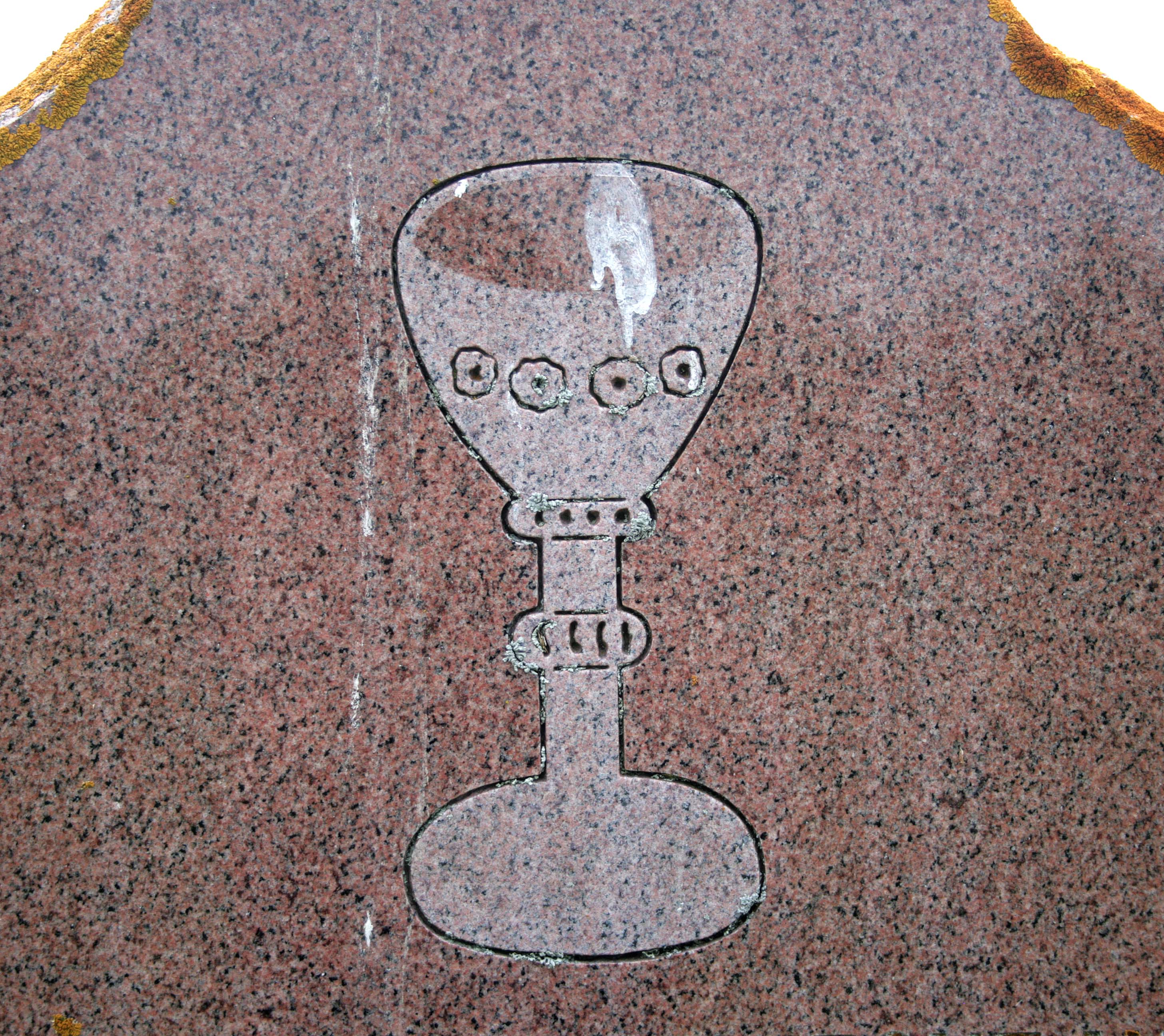
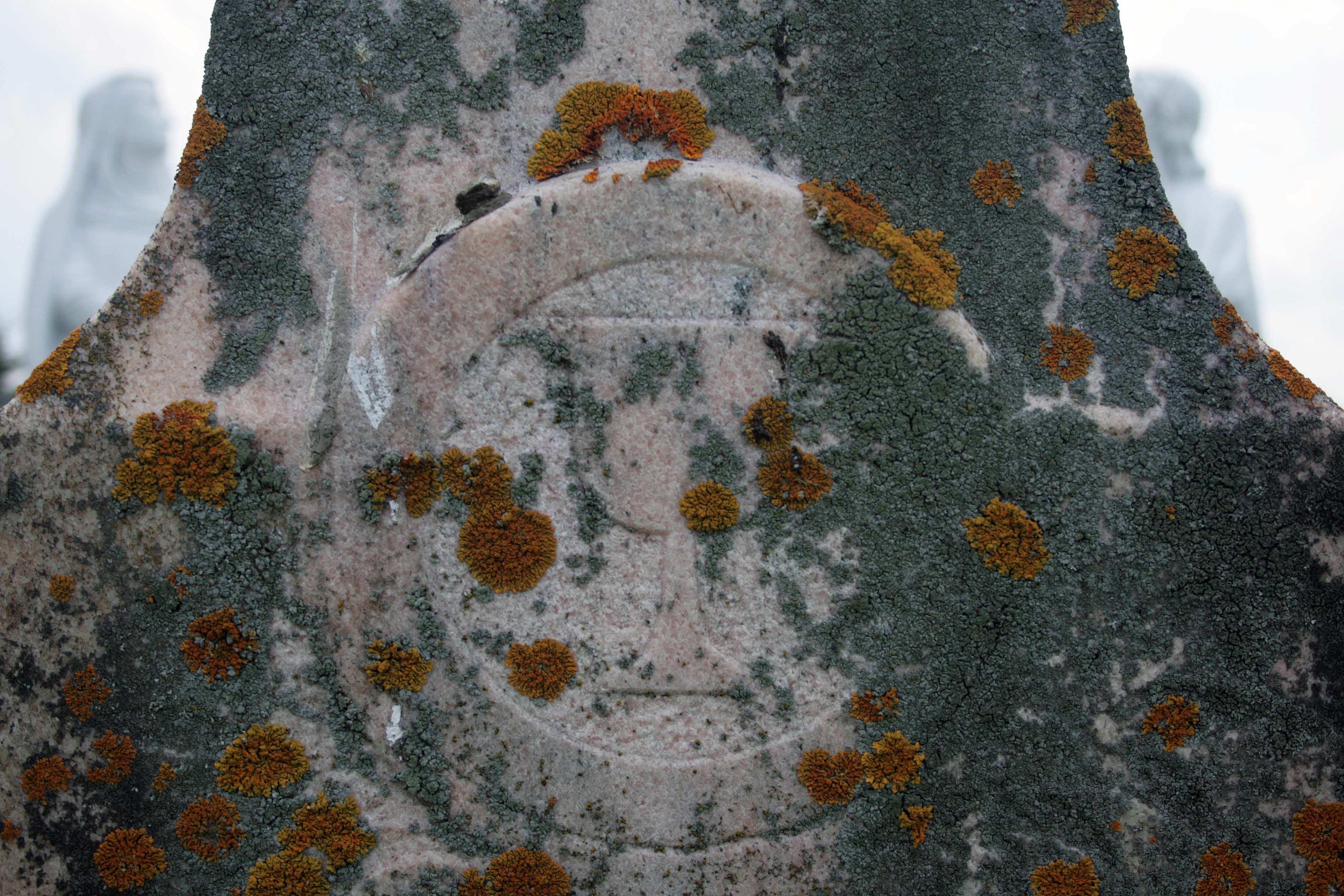
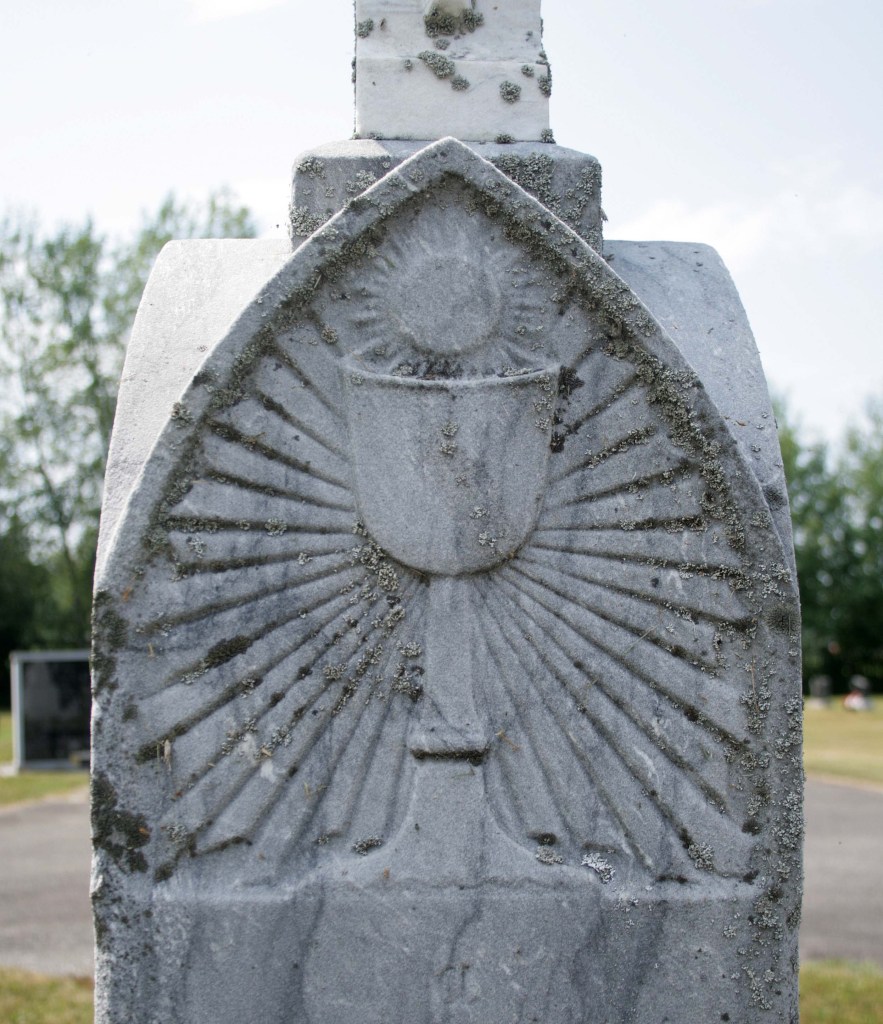
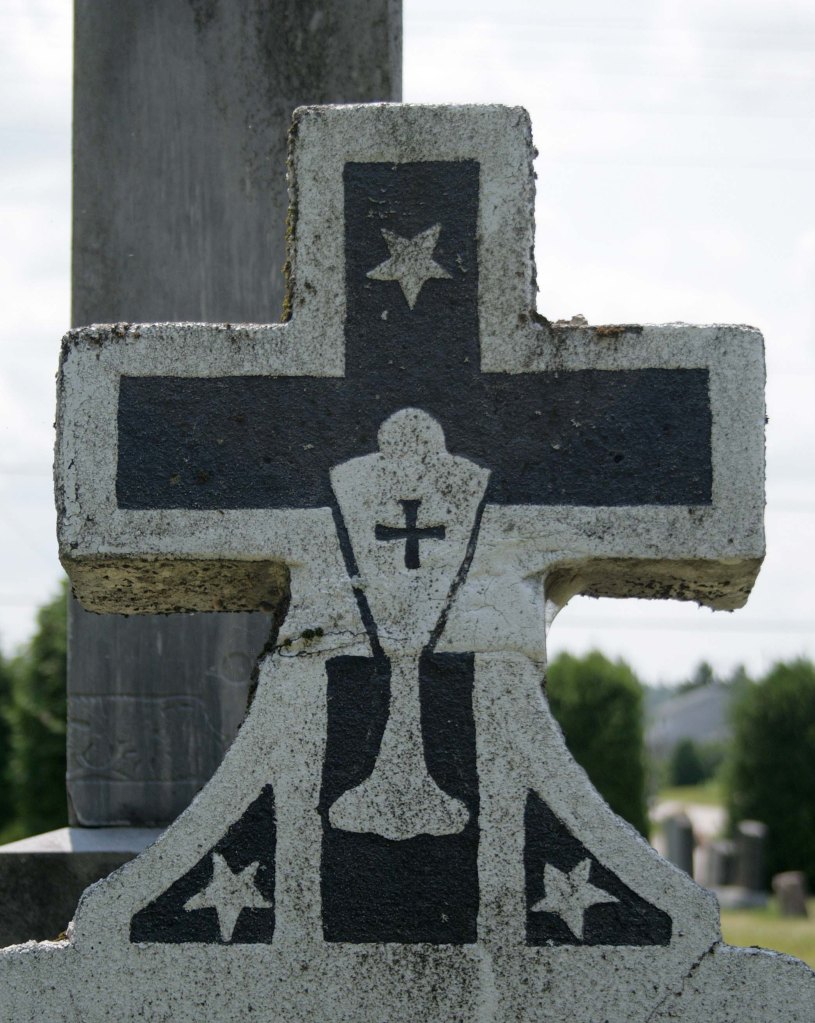
Today, I want to take a closer look at the chalice as a gravestone symbol—what it represents and how it’s been depicted in different places. The variations I have found over the years show just how much it can change depending on location. It’s interesting to note that the chalice is a very common symbol in the Abitibi-Temiscamingue region of Quebec.

The chalice is a Christian symbol, that is commonly depicted as a cup with a stem, similar to a wine glass. It is thought to symbolize Christianity’s holy sacrament and the act of communion. It can also represent mankind’s deep yearning to be filled with Christ’s divine teachings and grace.1

Sometimes the chalice is depicted with a circle above it, symbolizing the consecrated Eucharist, which represents the Catholic rite of Holy Communion. This combination of symbols is often found on the gravestones of priests.2

Have you come across a chalice symbol on your cemetery walks? Or noticed any other symbols that pop up often in your local cemeteries? I’d love to hear about it in the comments.

Thanks for reading!


References:

  1. Understanding Cemetery Symbols: A Field Guide for Historic Graveyards by Tui Snider
  2. Headstone Symbols: Understanding Cemetery Symbolism | Everlife Memorials

Time for a Vacation

It’s that time of year again! 

For the next two weeks I will be taking some time to step away from my computer and work life to enjoy the waning summer weather. I am hoping to disconnect, step out of routine, and explore with friends and family. 

I plan on visiting quite few cemeteries while I am away, like Canadas largest cemetery in Montreal. I also plan to pay my respects at the second resting place of Tom Thomson. So keep an eye out for some upcoming blog posts about those adventures. 

That being said, I will not be monitoring my social media channels while I am away, and I will reply to all questions and comments on my return. Regularly scheduled social posts will continue to go up as normal, except for my weekly blog posts. 

I hope everyone takes some time for themselves this summer to relax and recharge!

Thanks for reading! 

A Collection of Cemetery Flowers

The winter weather seems to be dragging on this year. We got a lot of snow this winter in Northern Ontario, which I think is adding to this feeling. It feels like it will never all melt. I am trying to be optimistic, and am hoping to be hiking and visiting cemeteries soon. For the last couple of weeks, I have been focused on planning cemetery road trips, near and far. I am ready to get outside, it’s supposedly Spring after all!

The official first day of Spring was March 20th, so I wanted to share something a bit more colorful to help ring in the Spring season. Flower arrangements are often found on gravestones, in plastic, or made of fresh blooms. You might also find bright and vibrant cemetery flowers planted on graves or cemetery grounds. Each variety of flower holds a special meaning, that also varies by color. So for today’s collection, I wanted to share some cemetery flowers I have photographed over the years and take a look at what they might symbolize.

These delicate light blue hydrangeas symbolize regret, apology, and forgiveness.1 Seeing them at a graveside or planted on a grave intensifies that meaning for me. 

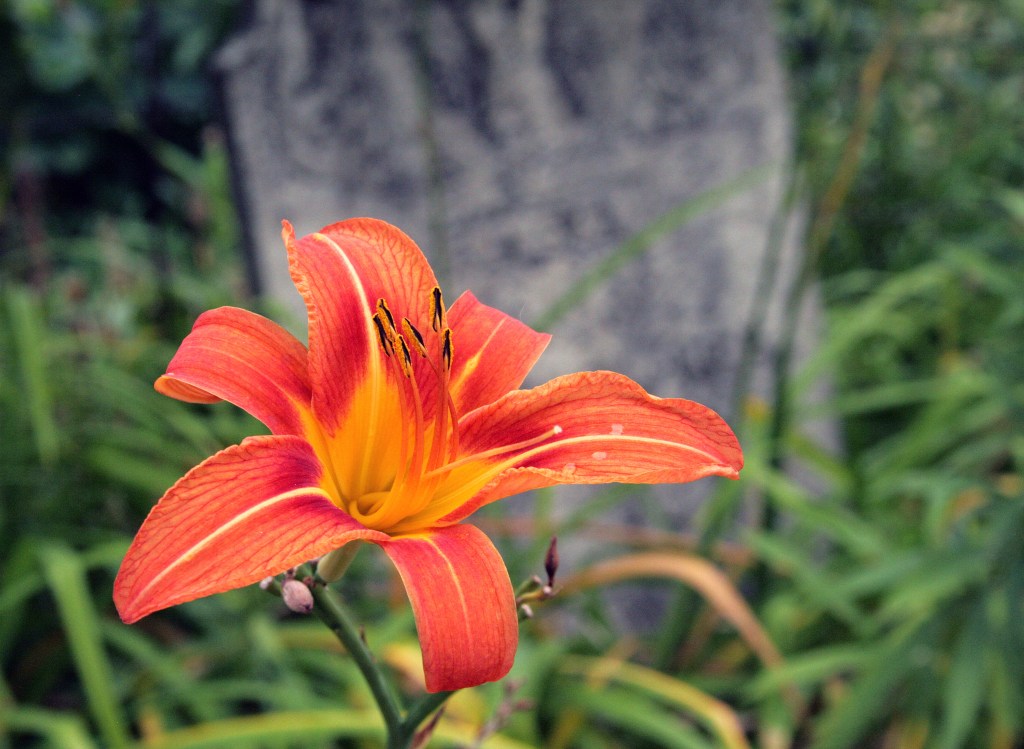
Daylilies bloom during the day and close up at night. Orange or yellow daylilies commonly symbolize love and devotion, as well as joy, beauty, and courage. A dark orange, or redder daylily like the one pictured, may symbolize a deep passion.2

Lilac shrubs are one of the earliest plants to bloom in the Spring, and because of this, are thought to symbolize a fresh start and renewal.3 Pink lilacs commonly symbolize first love.4 I was able to capture this yellow swallowtail visiting this lilac bush. Yellow swallowtail butterflies represent grace and the free nature of the soul.5 Fitting since this photo was taken in a cemetery. 

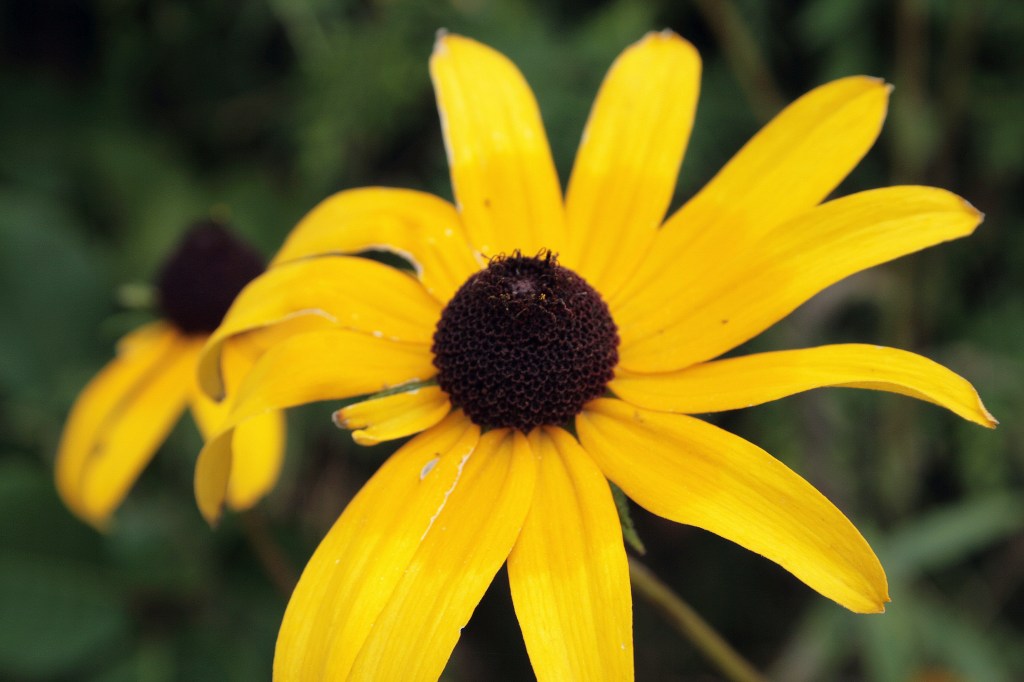
Black-eyed Susans are a common sight here in Northern Ontario. They are also sometimes called brown-eyed Susans because of their dark brown-to-black centers. Black-eyed Susans are thought to symbolize resilience and endurance as well as justice and truth.6

Begonias have a lot of symbolism tied to them, but are commonly seen as a symbol of uniqueness, gratitude, and harmony, but can also be a symbol of caution. Yellow begonias are thought to be a representation of hope, kindness, or friendship.7

I am still working on learning to identify different types of plants, in bloom and on gravestones. I find it fascinating that there is a meaning for practically everything! Looking at all these colorful blooms has got me excited to be visiting cemeteries and enjoying the sunshine soon. 

I hope wherever you are, you will be enjoying the sunshine soon as well if you’re not already. Happy Spring! 

Thanks for reading!


References:

  1. Hydrangea Meaning and Symbolism | Fresh Trimming
  2. Interesting Daylily Flower Meaning And Symbolism You Want To Know | Florgeous
  3. Lilac Flower Meaning And Symbolism | Florgeous
  4. Language, Significance And Symbolism Of The Beautiful Lilacs For Sale | Agriforest Bio-Technologies Ltd.
  5. Swallowtail Butterfly Natural History | Bug Under Glass 
  6. Black-eyed Susan Symbolism and Meaning | Symbolsage
  7. Ultimate Guide to Begonia Flower Meaning and Symbolism | Petal Republic

A Personal Cemetery Mystery

I have been thinking a lot lately about my connection to cemeteries. I recently read Death’s Garden Revisited, edited by Loren Rhoads. It’s a collection of 40 personal essays by people from all walks of life, regarding their own connections with cemeteries. I saw a lot of myself in those essays, and it has encouraged me to look back on past events in my own life that have attributed to my love of cemeteries. 

One of those moments that stand out, is a family story that has been passed down by my mother. I was too young at the time, so I have no memory of it, but my mother has told me the story many times.

When I was a child, I saw an angel in a cemetery.

Now you may be thinking, well yes, there are lots of angels in cemeteries! And yes, this is very true. Angel statues are a very common sight in Catholic cemeteries. Children are also known to have overactive imaginations, and I was no exception. I did have an imaginary friend growing up. But I am curious and wanted to learn more about the circumstances of this cemetery visit.

One of my earliest memories is of attending my uncle’s funeral in Elliot Lake. I was very young, maybe 5 or so, but I vividly remember the funeral parlor. I remember the smell of the parlor, as well as seeing many somber family members, sitting in dark leather armchairs. I don’t remember the cemetery though. Was this the same moment? Were we visiting the cemetery after the funeral service? 

In 2021, my mother and I took a drive to Elliott Lake to do some hiking and cemetery wandering. We visited my uncle in the cemetery. I had no recollection of being there, but my mother had vivid memories of the place. She said it looked a lot different; there had not been as many graves in the section where my uncle was laid to rest. Over the years it had become a very popular section. It was so full that the cemetery opened another section at the back, which was now about half full. The cemetery has no standing gravestones, only flat grave markers. No angel statues here. My Mom confirmed this was not the cemetery where I saw an angel.

It turns out there is MUCH more to this story. 

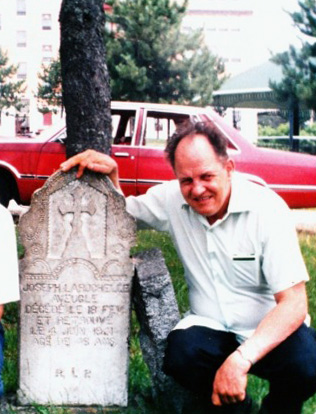
In the summer of 1987, My mother, father and I were visiting my uncle in Quebec for a family reunion. I would have been about 3 years old. It was planned to be a big reunion of my father’s side of the family. Unfortunately, only we showed up. My uncle was a bit dismayed but decided to not let that ruin our visit, so there was a change of plans. Since we were close to Quebec City we would visit some old stomping grounds and visit some cemeteries to visit family. There was one family member in particular that my dad and uncle wanted to find—their uncle Joseph Larochelle.

The story goes that my great-uncle, Joseph Larochelle who was blind, went out into a snowstorm with his dog. His Family members told him not to go out, because of the blustery winter weather—but he went anyway. He said he would be fine since he had his dog with him. Unfortunately, he lost his way in the storm and went missing. Tragically, both he and his dog perished in the storm. He had gotten stuck on a fence and was not able to break free. He was not found until the late spring. 

My dad and uncle did manage to find the grave of Joseph. They took a picture with the gravestone that has some details of what happened to him. The gravestone states he was blind, died February 18, and was found June 4. I don’t know the year, as the photo is a little hard to read. It was while visiting this cemetery that I saw an angel. 

The gravestone reads: “Joseph Larochelle / Blind / Died February 18 / And Found / June 4, 19_1 / Aged __ Yrs. / R.I.P”

I have reached out to my aunts and uncles to see if they have more information, or know which cemetery he is buried in. I have not been able to find anything much so far. My searches on Find a Grave and Ancestry have not turned up anything yet. I have an idea where to look—Quebec City, but I don’t have much more than that at the moment. I would love to learn more about my great-uncle, as well as the cemetery where he is laid to rest. Is it filled with stone angels? 

When I started looking into this story, I didn’t expect to uncover a cemetery mystery. I love a good cemetery mystery, and it’s even more intriguing to have a family connection to one. I will keep researching and maybe will have an update on this story in the future. In the meantime, I will continue to go down cemetery rabbit holes looking for answers. Maybe I’ll also get closer to answering my question about my cemetery angel. 

Thanks for reading!

A Collection of Handmade Stones

If you spend a lot of time in cemeteries, especially in Northern Ontario, you will start to notice the repetition of certain symbols and motifs. In Ontario and Quebec, something I have come across frequently is handmade stones.

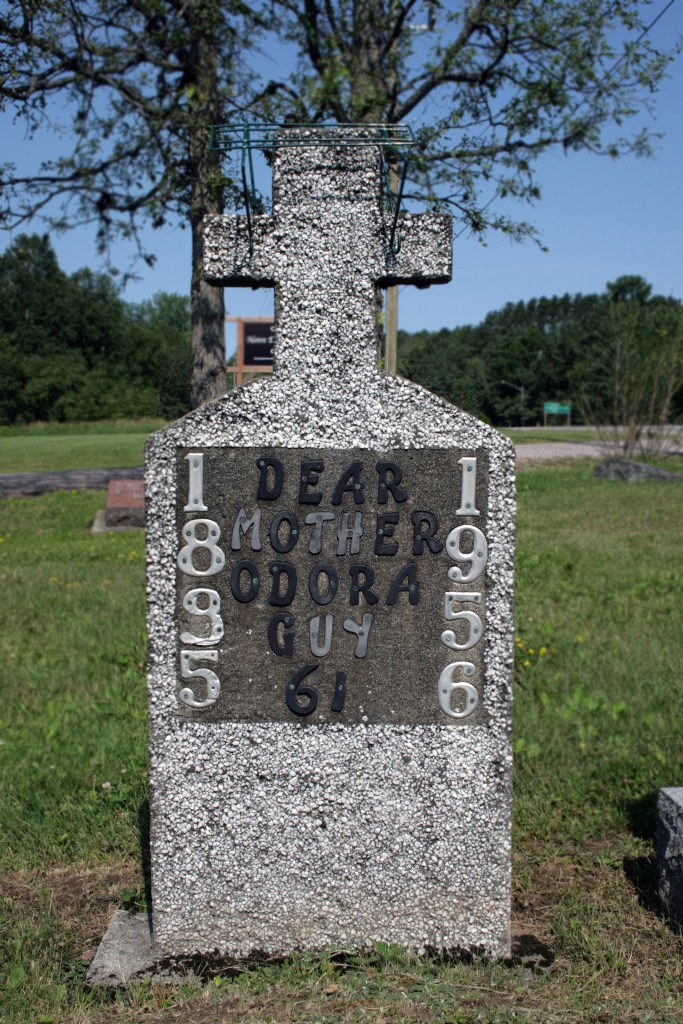
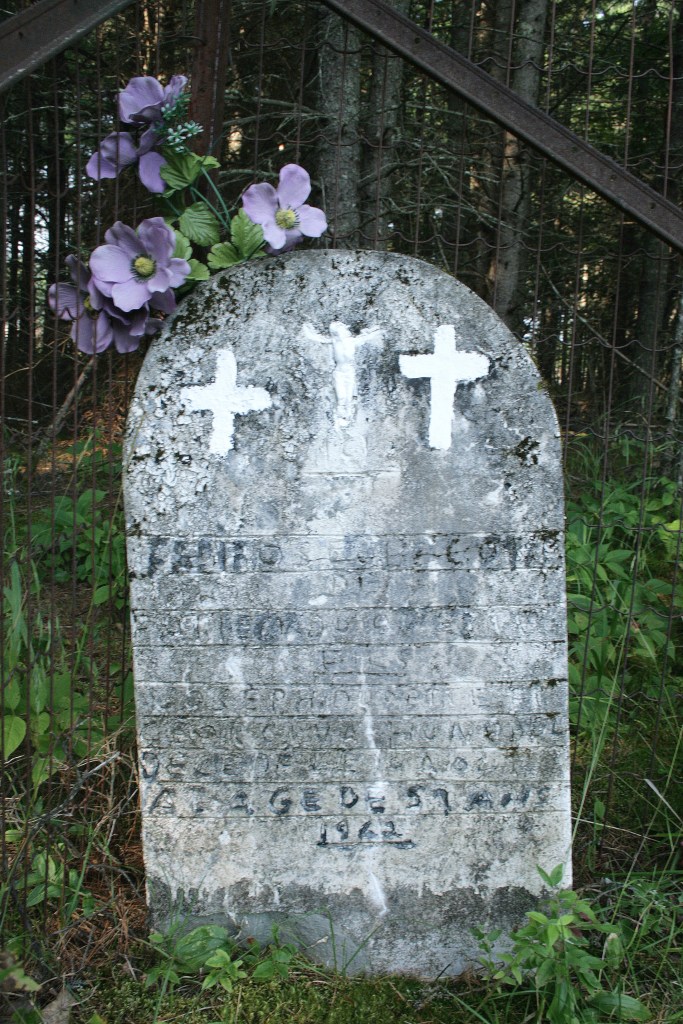
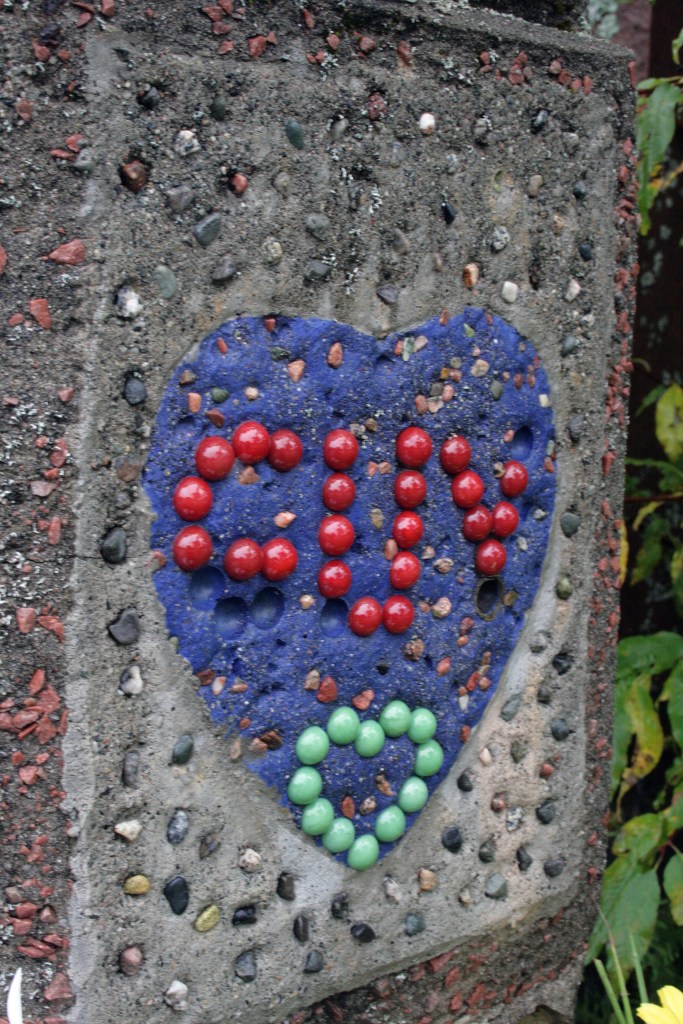
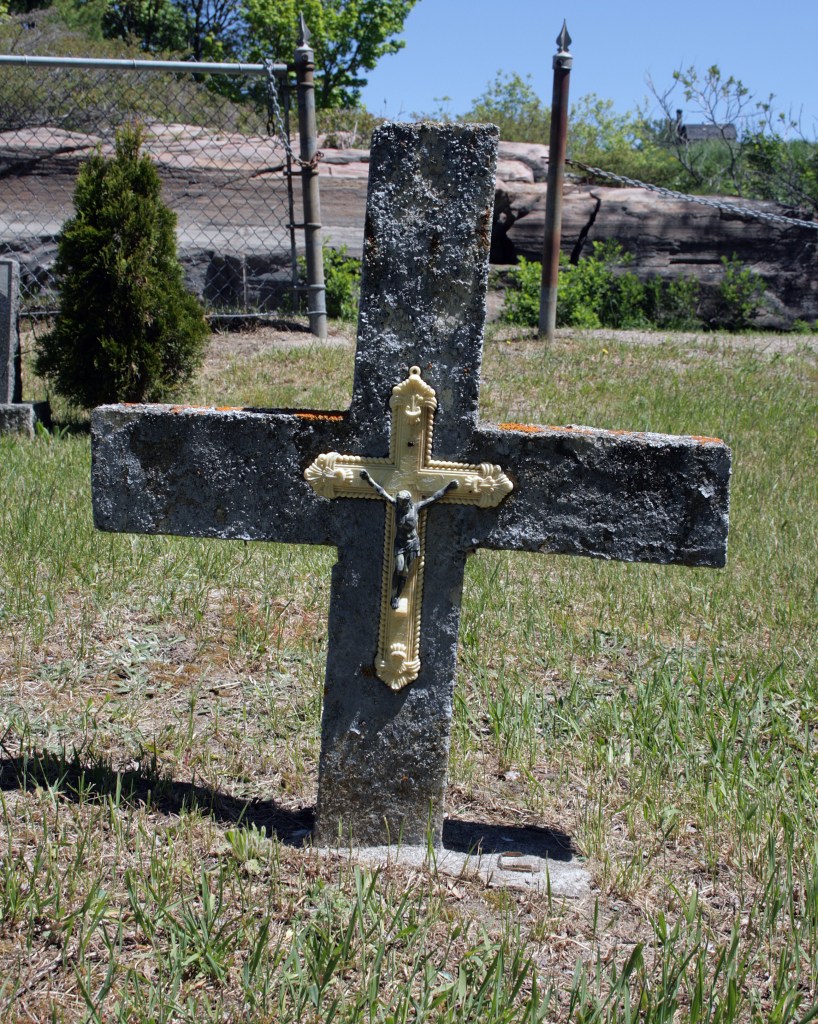
These stones have been lovingly hand-poured in cement, adorned with crucifixes, stones, and other baubles, and usually have hand lettering. They are beautiful representations of love for those who have passed. There could be many reasons why a handmade stone was created, and each one is unique and beautiful with its own charm.

I love finding handmade stones and have photographed many over the years. I wanted to share some of them with you.