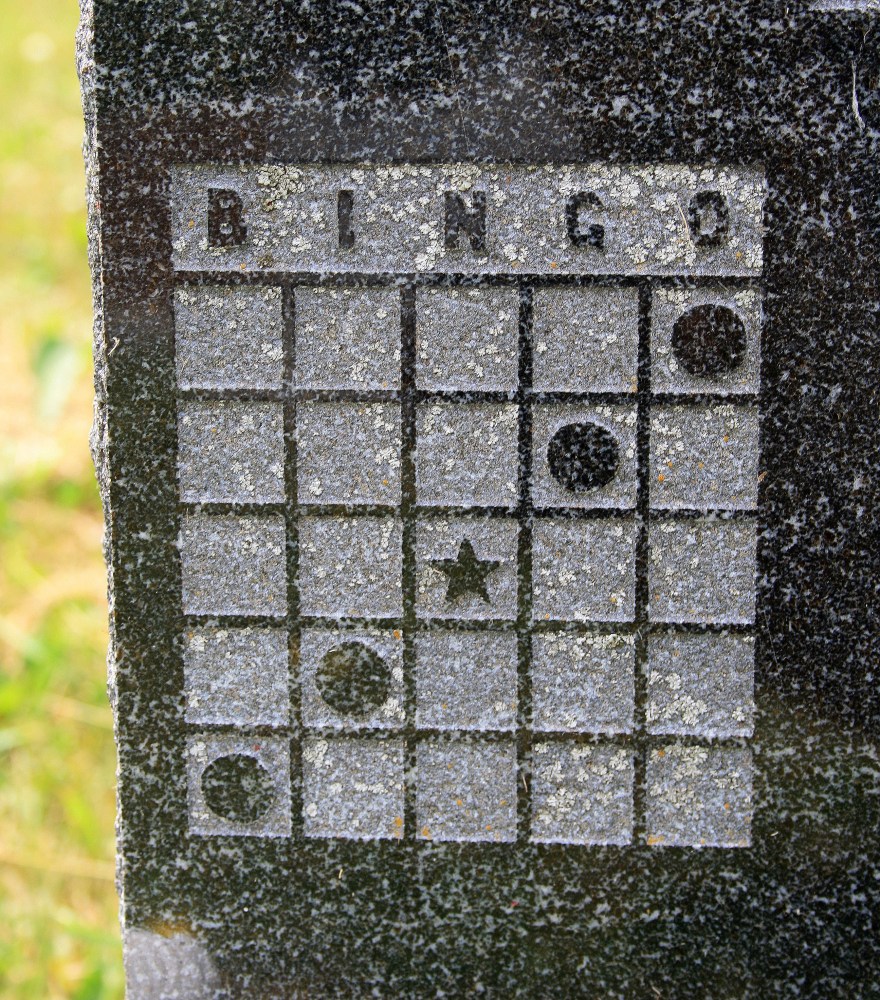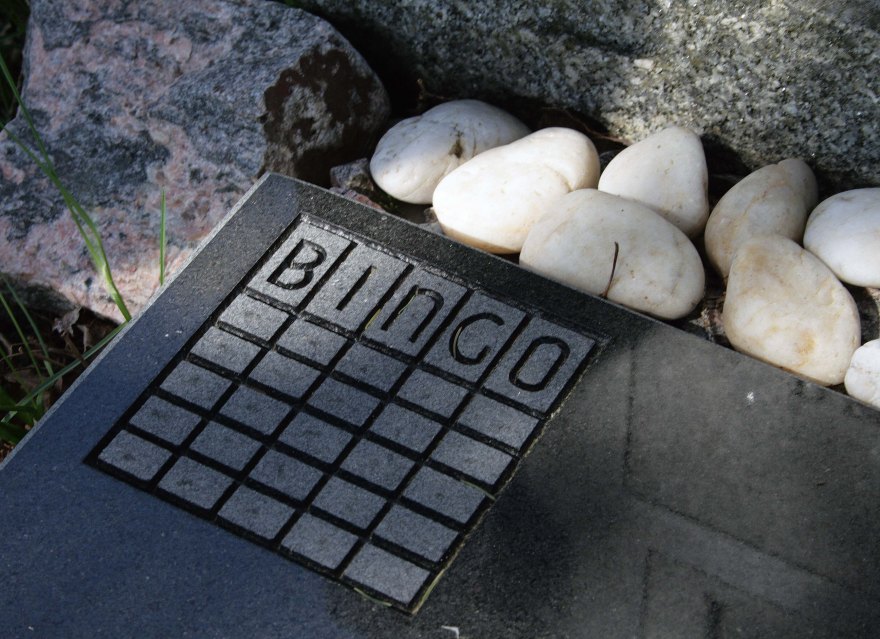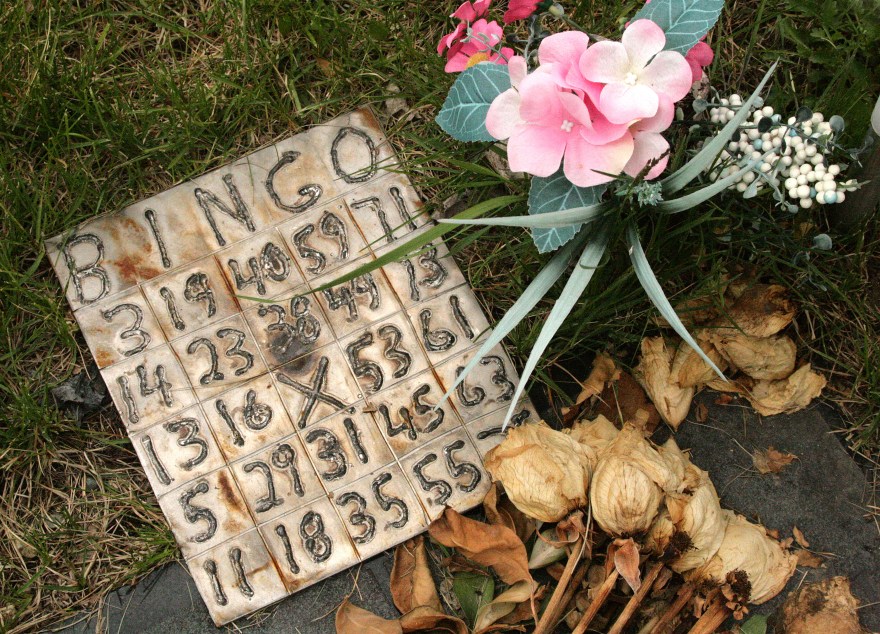
A Collection of Freemason Symbols

After visiting countless cemeteries, you start to notice patterns. Symbols that repeat in different styles and settings. Some are subtle, while others are bold, but each carry its own meaning.

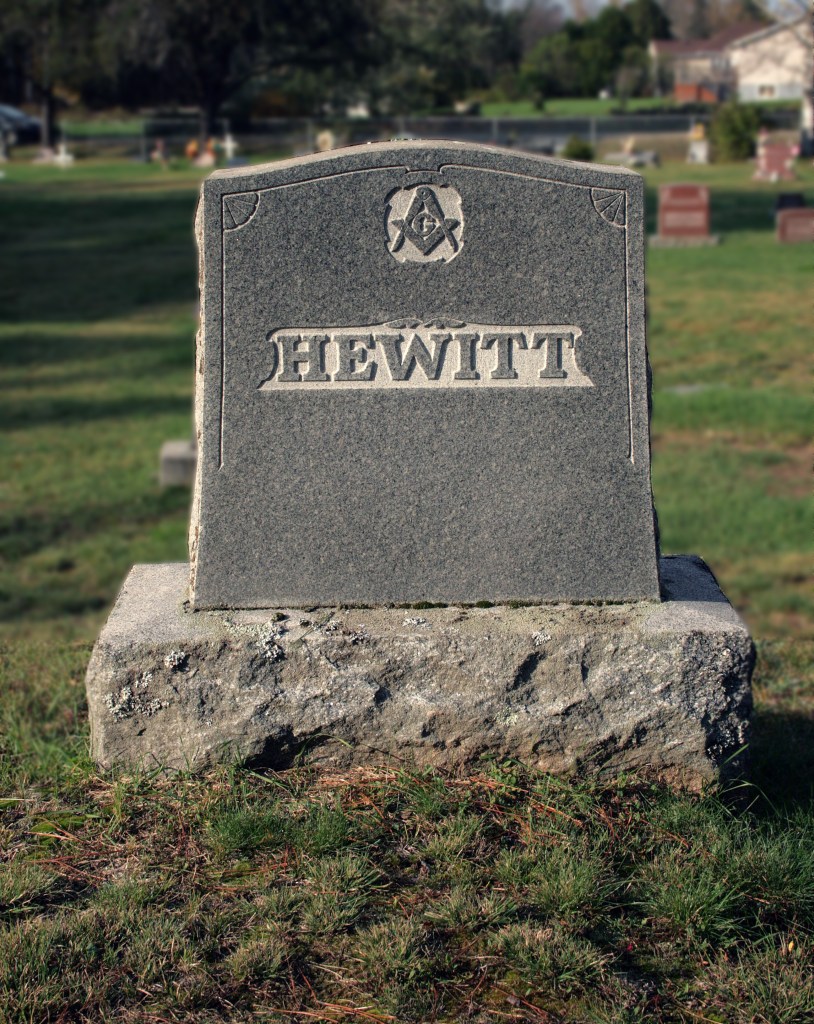
For today’s collection, I want to take a closer look at the symbols associated with the Freemasons and share some examples I’ve photographed over the years.

Freemasonry is one of the oldest and most widespread fraternal organizations in the world. It began with stonemason guilds of the late Middle Ages.1 Over time, it became a society that focuses on moral integrity, personal growth, and helping the community, all while keeping rituals and symbols that have been passed down for centuries.1 Membership was traditionally men only, and lodges operate under larger governing bodies called Grand Lodges.1

Although often secretive, Freemasonry is not a religion. It is a system of moral and ethical teachings that encourages members to live good lives, help others, and seek knowledge.1 Its symbols, which appear in cemeteries, and historic buildings, serve as reminders of ethics, morality, and brotherhood.2

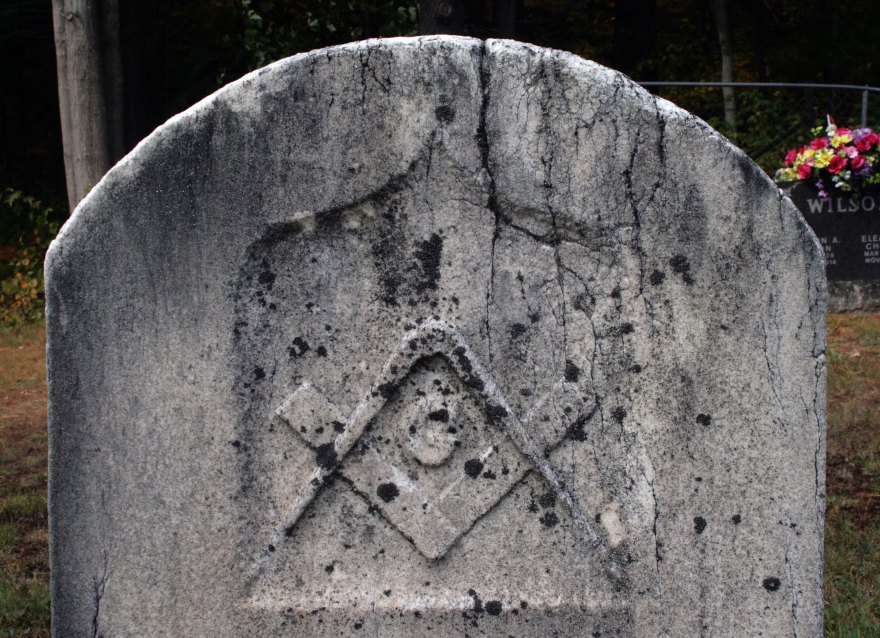
Possibly the most iconic symbol of Freemasonry is the square and compass, tools once used by stonemasons. In Masonic teachings, the square represents acting morally and treating others fairly.3 The compass symbol reminds members to control their desires.3 The “G” in the center is thought to represent Gnosis (the Greek word for knowledge), Generations (passing knowledge down through the ages), and God.3

Another common gravestone symbol shows two hands clasped in a handshake. If both hands have suit cuffs, it is a fraternal handshake, symbolizing brotherhood.3

If one hand points a finger down, it is a Masonic handshake, showing that the deceased was a Freemason.3

A rare version, the double Masonic handshake, shows both hands pointing a finger down, mimicking the square and compass symbol.3

The Freemasons also have a sister organization called the Order of the Eastern Star (OES). It was created to allow female relatives of Master Masons to join in Masonic activities. Today, both men and women can become members.

The OES symbol is an inverted five-pointed star, with each point representing one of the five Biblical heroines and the different roles that a woman can play in life.3 Some people mistake the inverted star as evil or witchcraft, but it actually stands for humility and sacrifice. It’s a reminder of the organization’s values: charity, loyalty, and moral integrity.4

Symbols used by the Freemasons and the Order of the Eastern Star offer us an interesting way to look at history, values, and community. Whether carved in stone or hidden in plain sight, each symbol tells a story and encourages reflection.

Thanks for reading!


References:

  1. What is Freemasonry | The Grand Lodge of Ohio
  2. Behind the Masonic Symbols: The Square and Compasses | The Grand Lodge of Ohio
  3. Understanding Cemetery Symbols: A Field Guide for Historic Graveyards by Tui Snider | Book
  4. Behind the Masonic Symbols: The Eye of Providence | The Grand Lodge of Ohio
  5. The Pentagram: Masonic? Satanic? Or What? | Freemasons for Dummies

A Collection of Gates Ajar

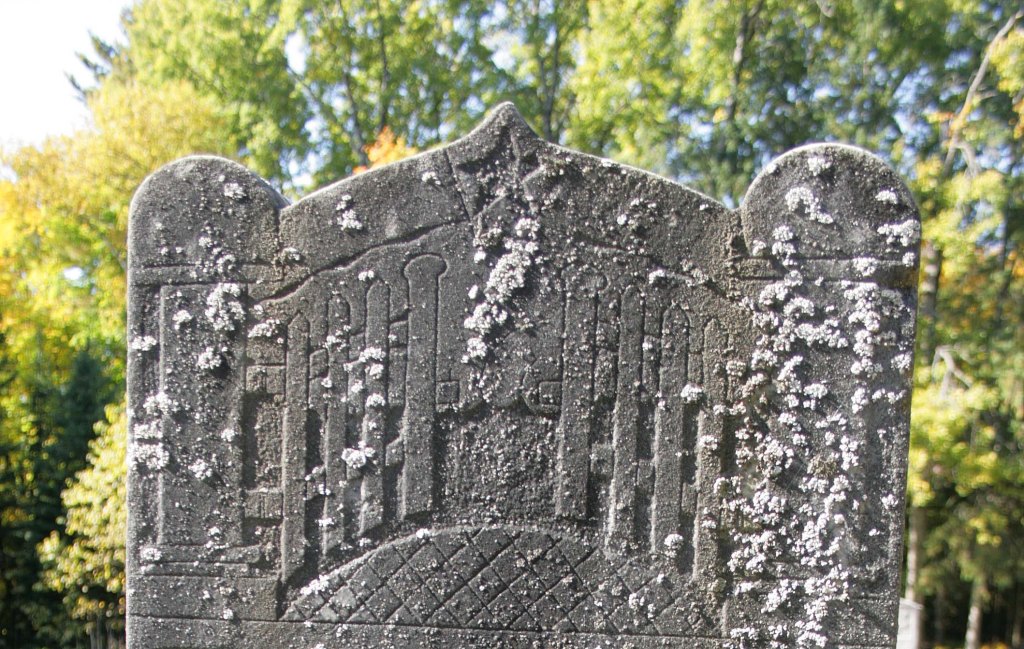
If you spend a lot of time in cemeteries, you’ll notice certain symbols popping up again and again—some are familiar, others are a bit more unusual. One symbol I’ve come across often in my cemetery travels is a set of open gates, standing slightly ajar.

So today on the blog, I wanted to take a closer look at this symbol: what it means, where it comes from, and share a few of the interesting examples I’ve photographed over the years.

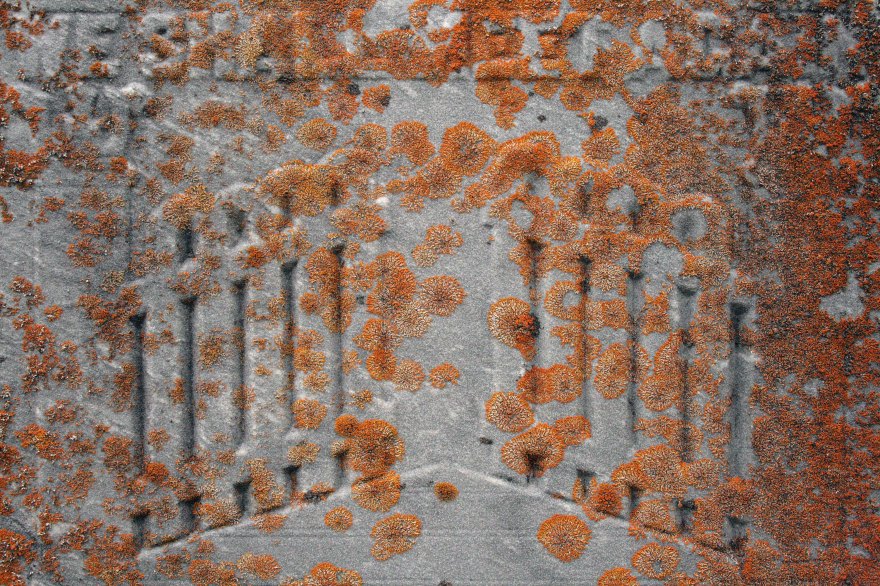
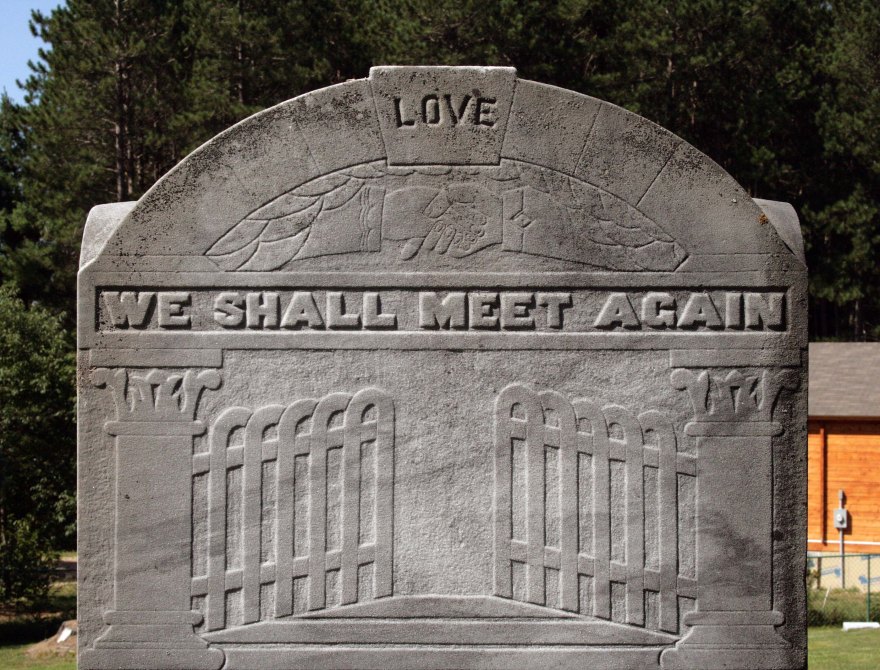
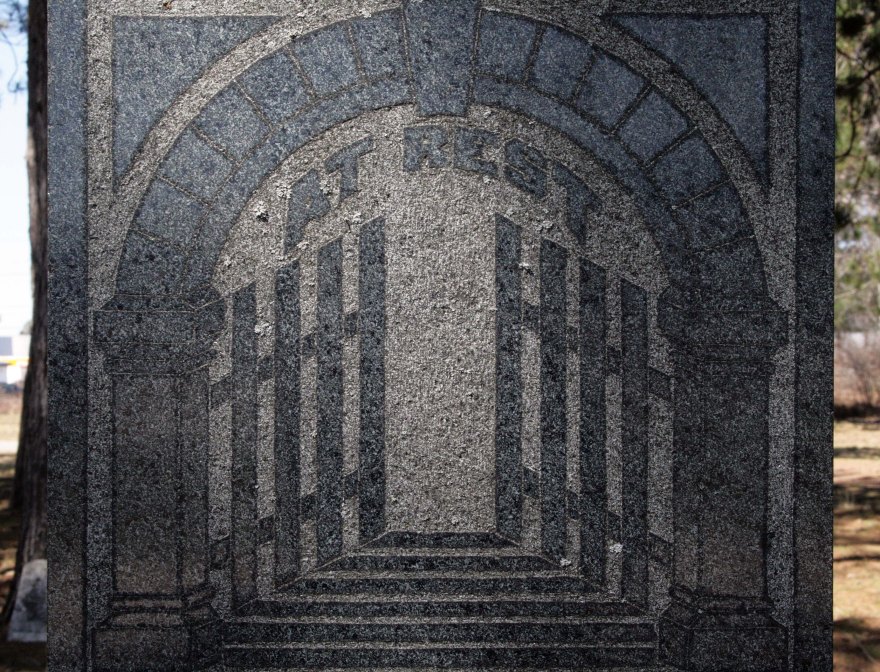
There’s something poetic about the image of an open gate. It feels like an invitation or a sign that something—or someone—is waiting just beyond. Sometimes the symbols are ornate, with intricate columns on either side, while others are much simpler.

The “gates ajar” motif has been around for more than a hundred years and was especially common in Victorian and early 20th-century cemeteries. It reflects a comforting belief that death is not the end, but a passage. These gates represent the soul entering Heaven or the afterlife, offering hope and comfort to those left behind.1

Interestingly, this symbol became even more popular after the release of a novel called The Gates Ajar by Elizabeth Stuart Phelps. Published in 1868, just after the U.S. Civil War, the book follows a young woman grieving her brother. In the book, her aunt explains that the gates of Heaven are never fully closed. Instead, they stay slightly open, allowing souls to move between this world and the next. The book was controversial for its ideas but became a bestseller, inspiring everything from sheet music to flower arrangements…and gravestone symbolism.2
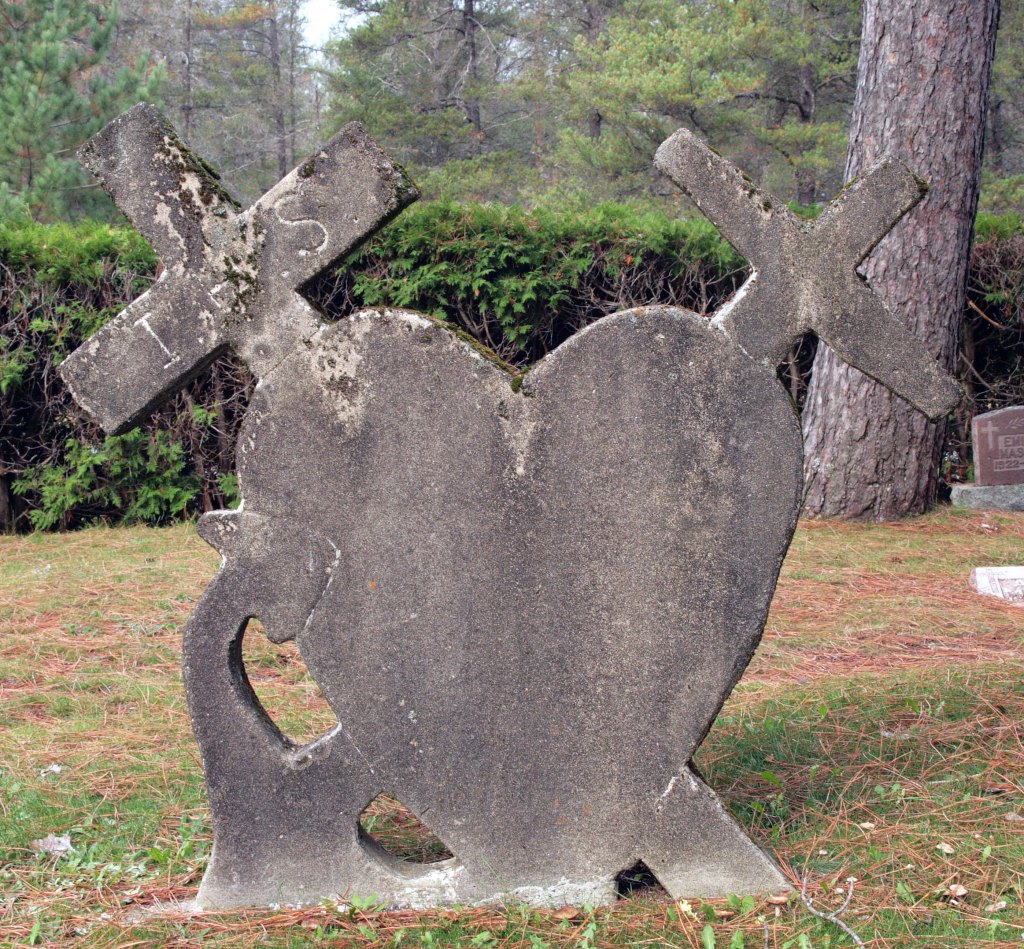
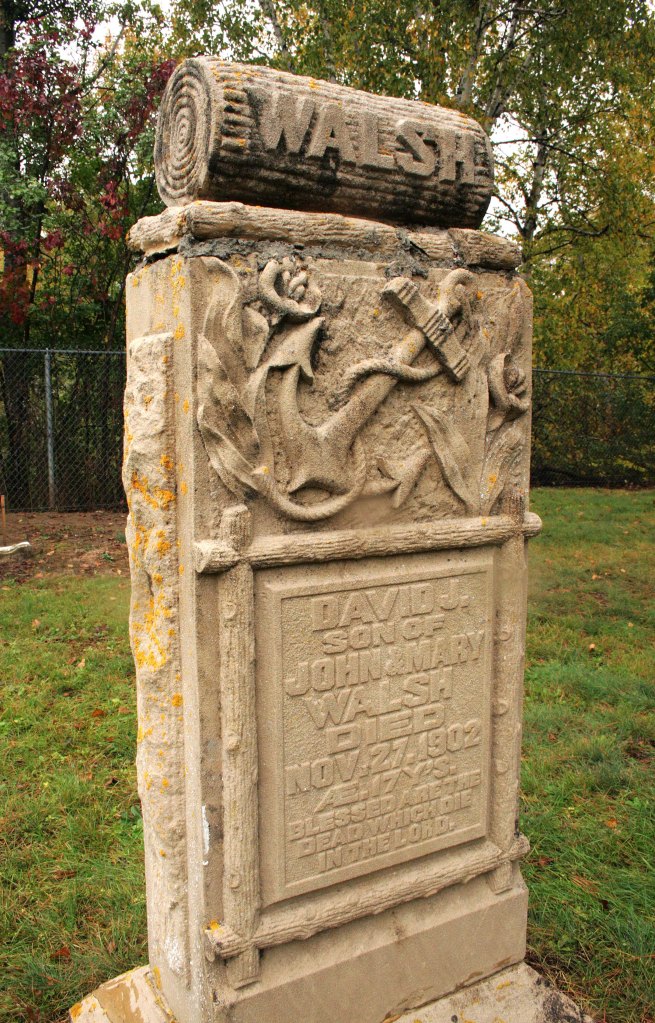
Next time you’re walking through a cemetery, take a look around. You might spot a gate carved in stone, just slightly open—and find yourself thinking about what might be on the other side.

Thanks for reading!


References:

  1. Gravestone symbols and their meanings (PDF) | Wolf Memorial
  2. Headstone Symbols: Gates Ajar | Save the Graves

The Beauty and Symbolism of Cemeteries in the Spring

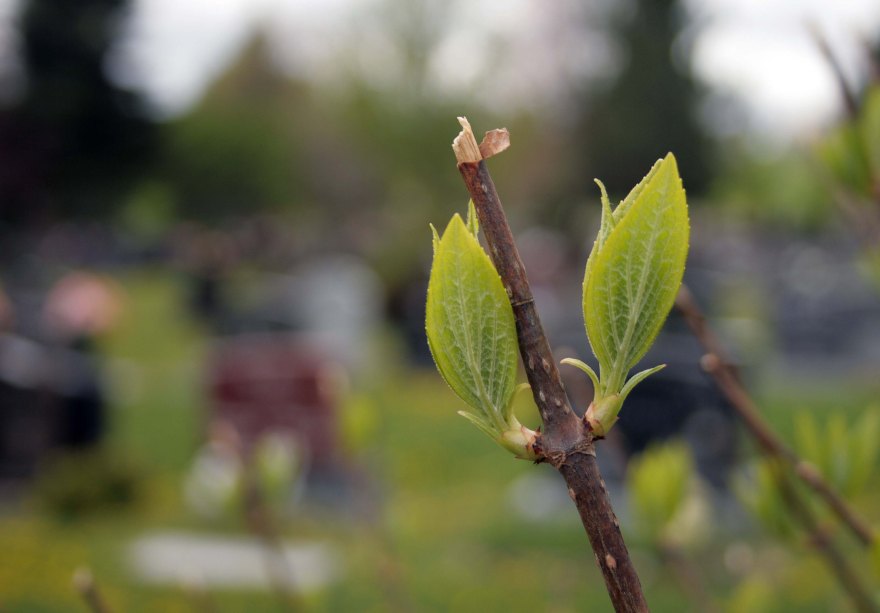
Spring is finally here! After months of snow and cold, it’s so refreshing to feel the sun again and hear the birds singing. Everything is starting to wake up—even cemeteries.

There’s something calming about walking through a cemetery while the trees are budding and the flowers are in bloom. The air smells fresher, and the world feels full of new beginnings. It’s a gentle reminder that life keeps going, even after loss.

Spring is all about growth and change. Trees grow new leaves, flowers bloom, and the grass turns green again. In cemeteries, this feels extra meaningful. You’re surrounded by the past, but everywhere you look there are also signs of new life. Even in places of rest, life still finds a way to come back.

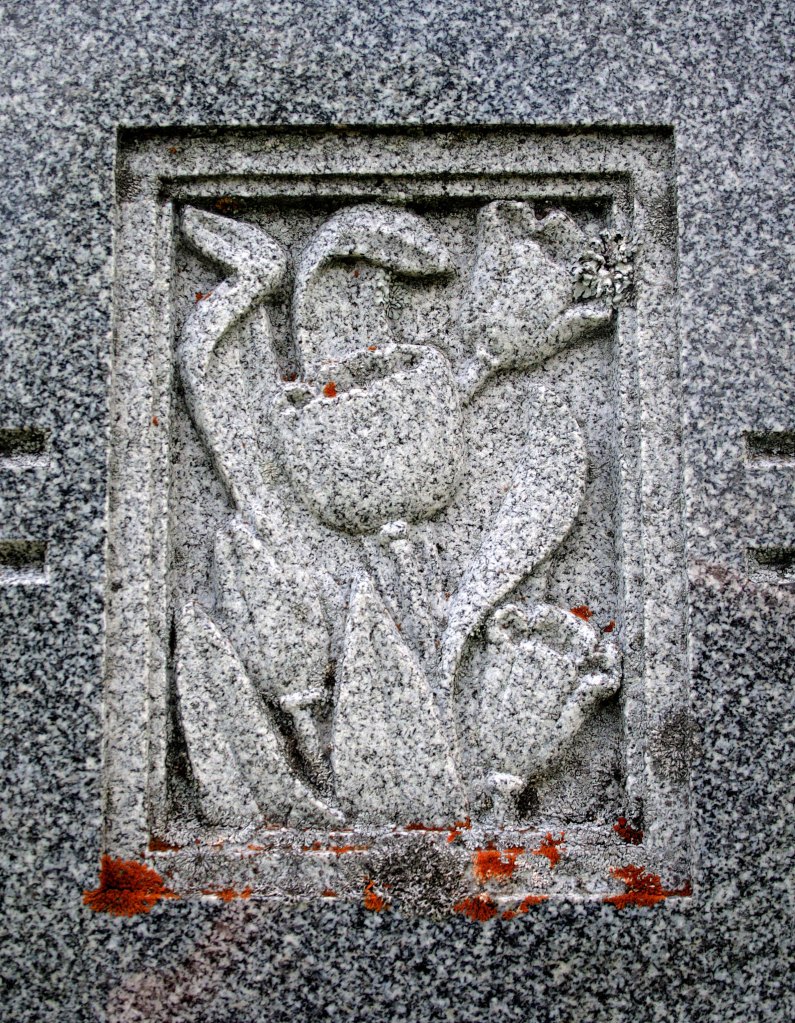
You can often find flowers carved into gravestones, each carrying their own special meaning. Roses are one of the most common, with a variety of meanings based on how they are depicted. A full rose usually represents love or beauty, while a rose with a broken stem is thought to symbolize a life cut down in their prime. A rosebud with a broken stem, on the other hand, represents a young life cut short.1

Tulips are the only flower that continues to grow after they have been cut from the bulb. This might be why tulips as a gravestone symbol, are thought to represent eternal life.1

My first cemetery road trip of the season happened at the end of April, when my Mom and I headed to Bracebridge to explore the area. We visited four cemeteries that day, a little library, and a Rotary garden that hadn’t started blooming yet.

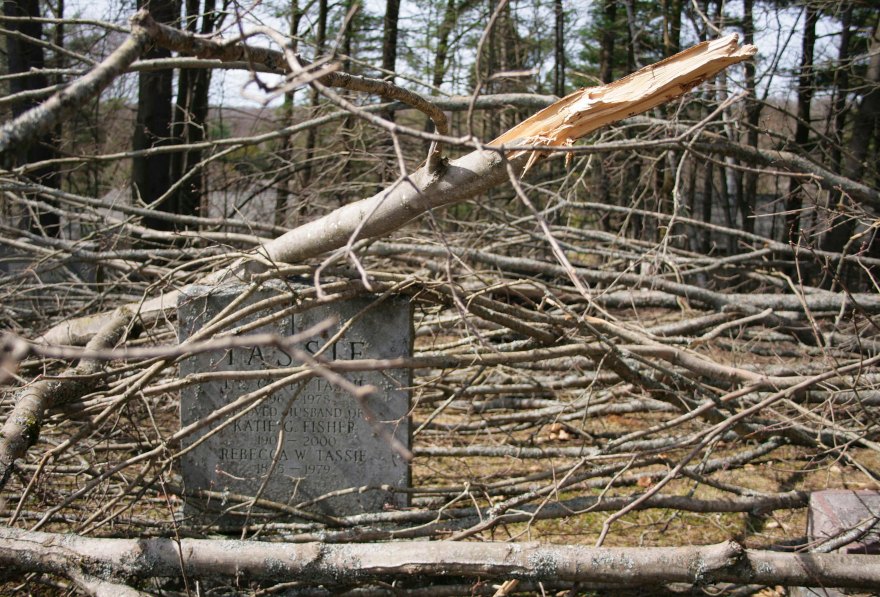
An ice storm had hit the area a few weeks earlier, and there was still a lot of damage in the cemeteries. Branches were down, trees had snapped, and the usual spring cleanup hadn’t happened yet.

Still, even with the mess left behind by the storm, I could see signs of spring trying to break through. The birds were singing again in places that had been silent all winter.

Spring doesn’t always arrive quickly, and it’s not always neat and pretty. My trip to Bracebridge reminded me of that. But just like the cycle of life and death, the seasons keep moving forward. Even after hard times, beauty does return. Cemeteries in the spring shows us that healing happens, growth is always possible, and memories live on in every blooming flower and standing stone.

So whether you’re out for a peaceful walk, taking photos, or just enjoying the sunshine, take a few minutes to breathe in some of that fresh air, and enjoy the flowers around you. Cemeteries in spring are full of quiet beauty and gentle reminders that life is blooming all around us—if we take the time to look.

Thanks for reading!


References:

  1. Understanding Cemetery Symbols: A Field Guide for Historic Graveyards by Tui Snider

A Collection of Chalices

One of my favorite things about wandering through cemeteries is discovering unique gravestone symbols. Over the years, I have noticed that certain motifs pop up again and again. It’s so interesting to see how these symbols can change depending on where you are.

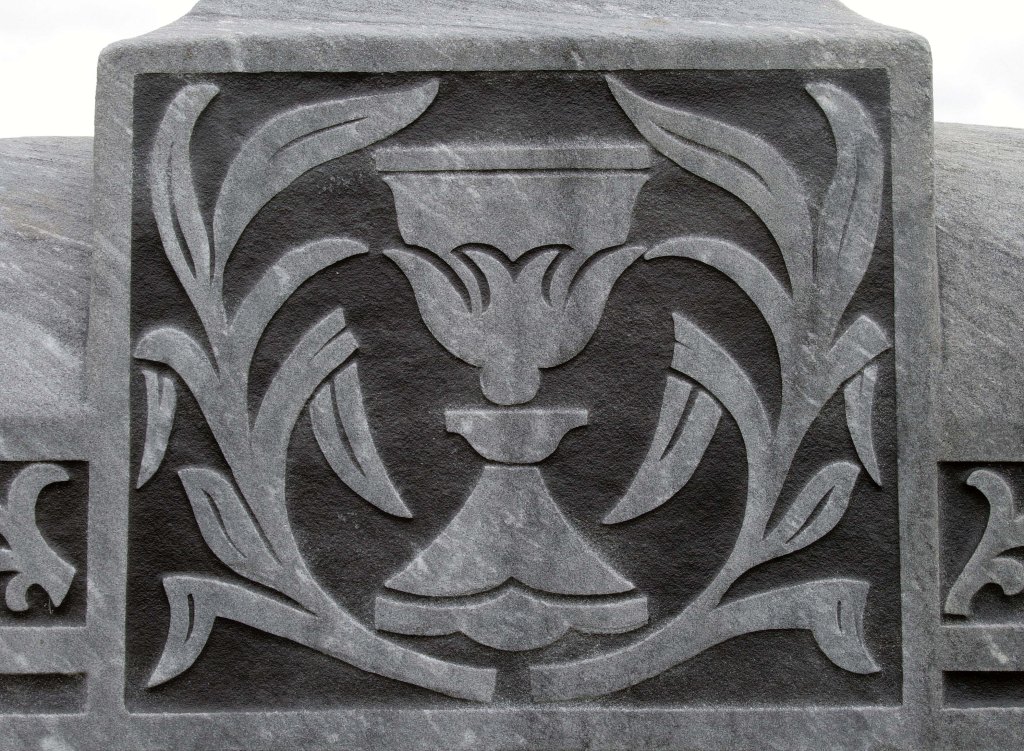
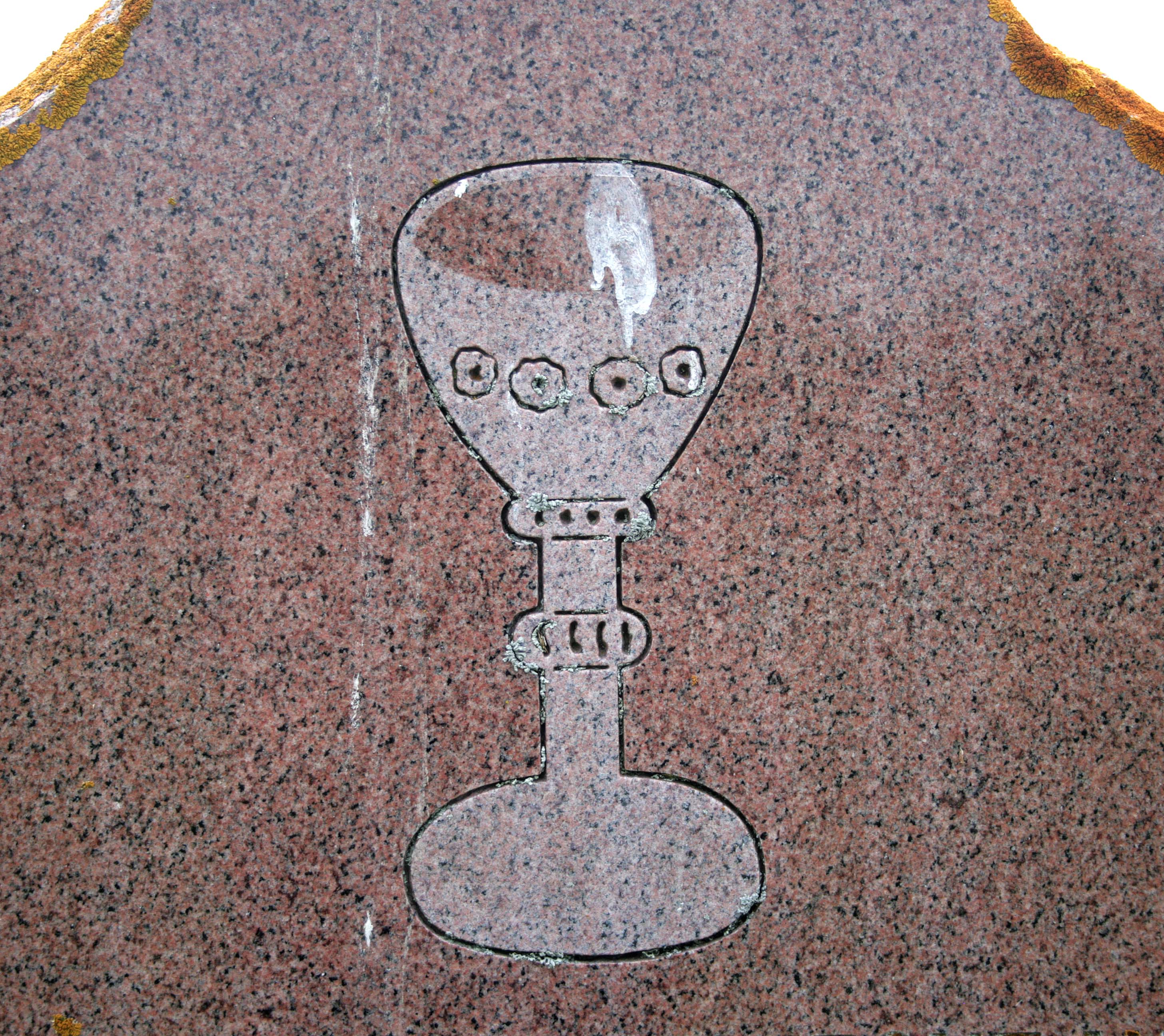
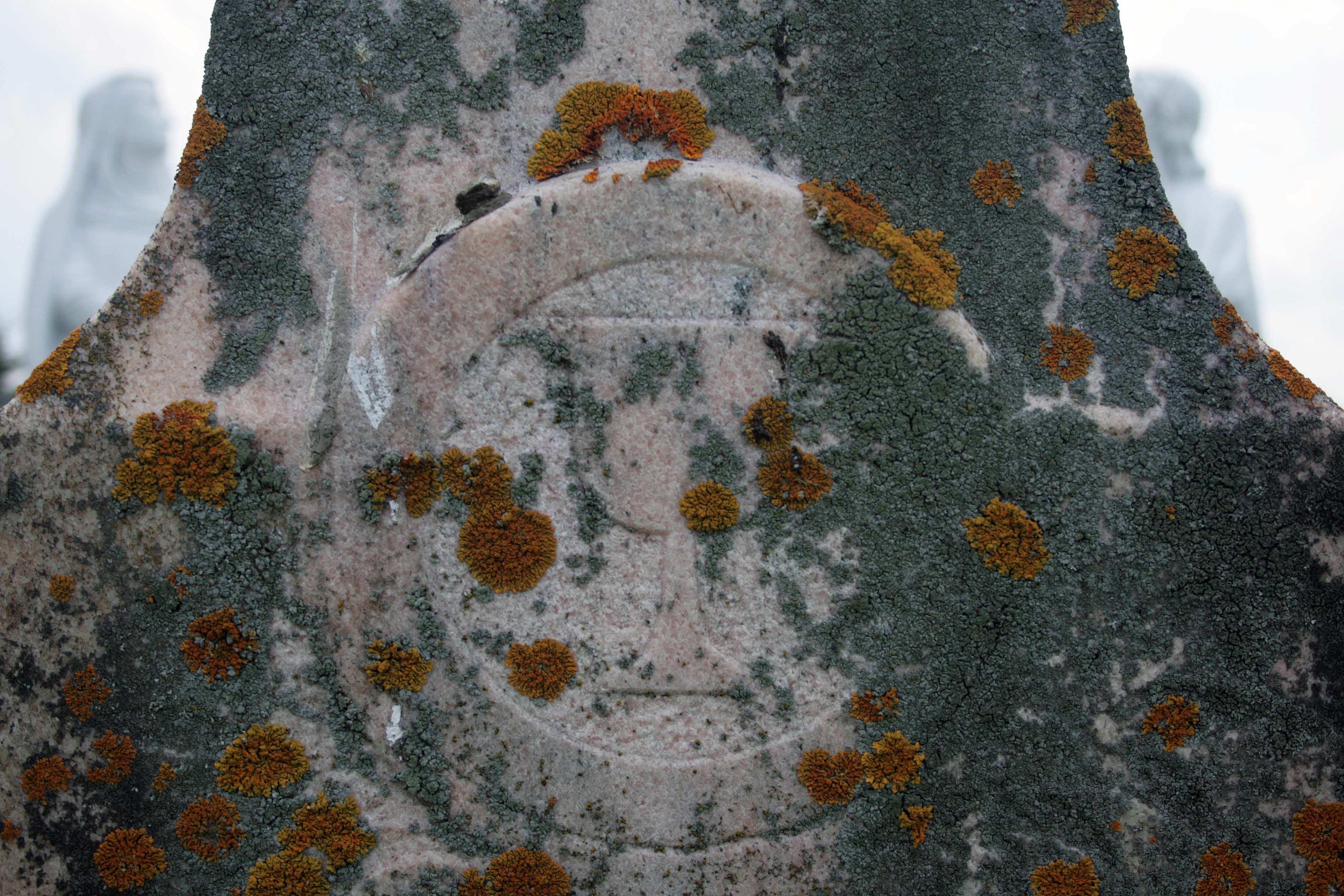
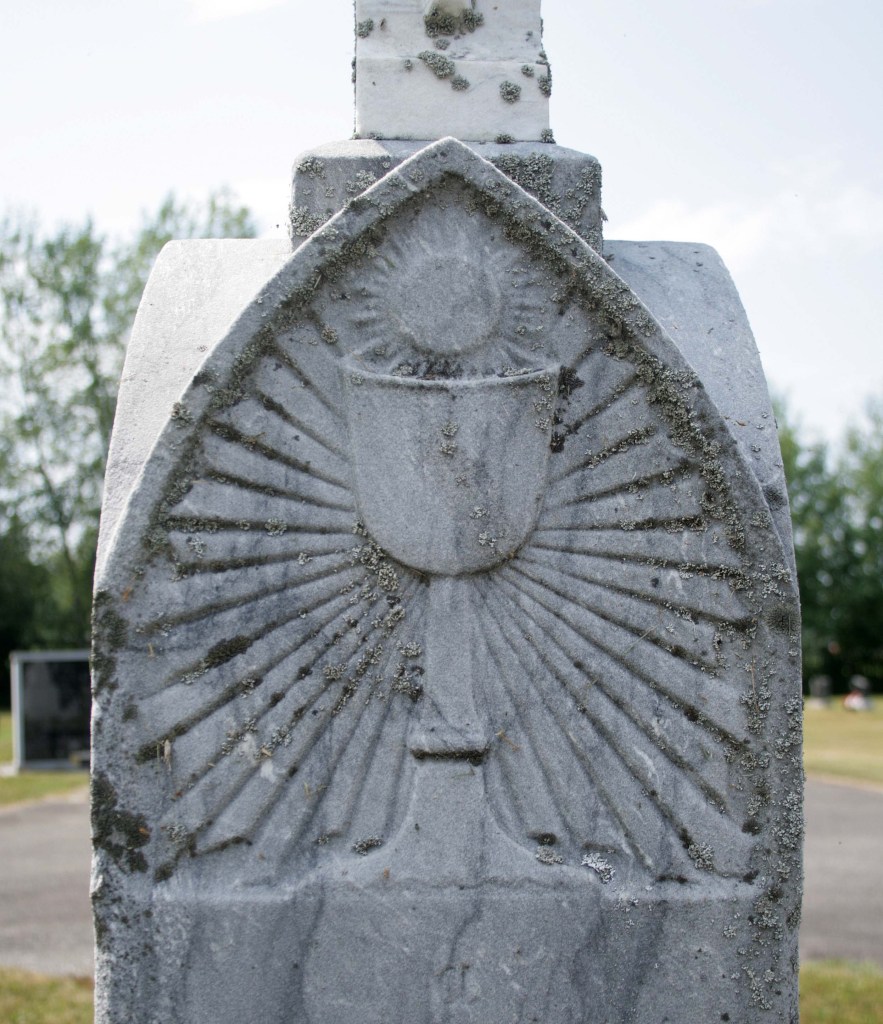
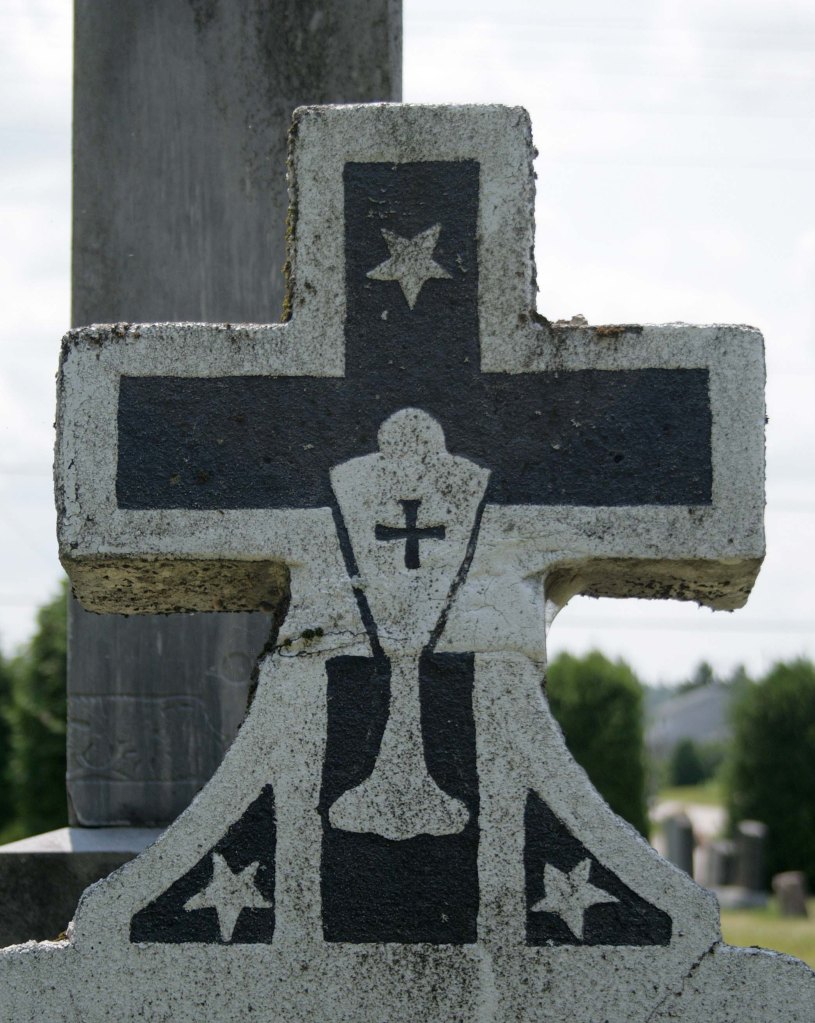
Today, I want to take a closer look at the chalice as a gravestone symbol—what it represents and how it’s been depicted in different places. The variations I have found over the years show just how much it can change depending on location. It’s interesting to note that the chalice is a very common symbol in the Abitibi-Temiscamingue region of Quebec.

The chalice is a Christian symbol, that is commonly depicted as a cup with a stem, similar to a wine glass. It is thought to symbolize Christianity’s holy sacrament and the act of communion. It can also represent mankind’s deep yearning to be filled with Christ’s divine teachings and grace.1

Sometimes the chalice is depicted with a circle above it, symbolizing the consecrated Eucharist, which represents the Catholic rite of Holy Communion. This combination of symbols is often found on the gravestones of priests.2

Have you come across a chalice symbol on your cemetery walks? Or noticed any other symbols that pop up often in your local cemeteries? I’d love to hear about it in the comments.

Thanks for reading!


References:

  1. Understanding Cemetery Symbols: A Field Guide for Historic Graveyards by Tui Snider
  2. Headstone Symbols: Understanding Cemetery Symbolism | Everlife Memorials

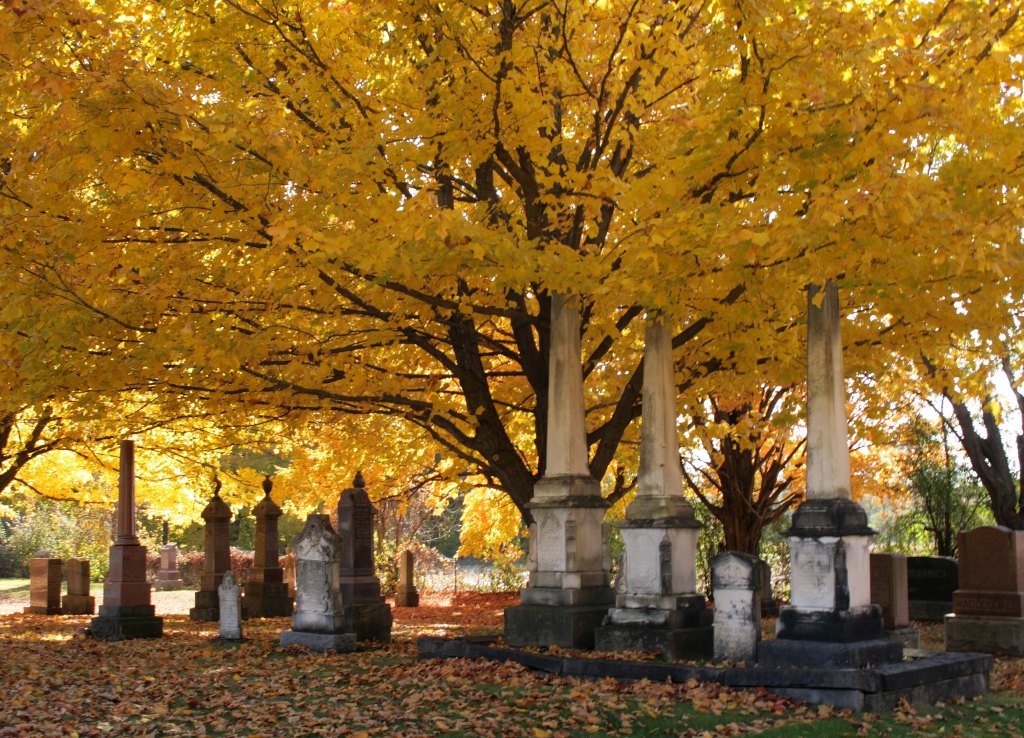
The Beauty and Symbolism of Cemeteries in Fall

Cemeteries in the fall are my favorite.

There is just something magical about wandering through a cemetery bathed in the warm colors of autumn. So today on the blog, I explore how the crunch of leaves underfoot and the cool breeze tousling your hair as you walk among the headstones, creates a uniquely reflective experience.

The Autumn Equinox

The stunning yellows, oranges, and reds herald the changing of the seasons and mark the transition from verdant green to withered rotting leaves. The falling leaves remind us of the cycle of life and that everything dies.

Autumn begins on the fall equinox, usually on September 22 or 23. The equinox happens twice a year in the Northern Hemisphere, occurring between the summer and winter solstices.1 It marks the point where the sun crosses the equator’s path and becomes positioned exactly between the Northern and Southern hemispheres.1 On the equinox, day and night are approximately the same length, but the fall equinox marks the beginning of longer nights and shorter days.1

As we lose daylight earlier, the yellow glow during the golden hour is intensified, creating a golden light that beautifully bathes the gravestones. It’s a photographer’s dream!

Gravestone symbolism draws heavily from Greek mythology, so it seems only fitting to share the Greek story of Persephone’s return, an anecdote used to explain why the seasons work the way they do.

In the story, Persephone was abducted by Hades and forced to live in the Underworld. Demeter, Persephone’s mother, searched far and wide for her daughter. Demeter threatened to make the earth a barren place until her daughter was returned to her.2

A deal was struck: because Persephone had eaten four pomegranate seeds while in the Underworld, she would return to Hades and live with him for four months out of the year.2

So when Persephone traveled to the Underworld to fulfill her four-month stay, Demeter’s sadness at being separated from her daughter was expressed by the barrenness of autumn and the winter cold.2

Thinning of the Veil

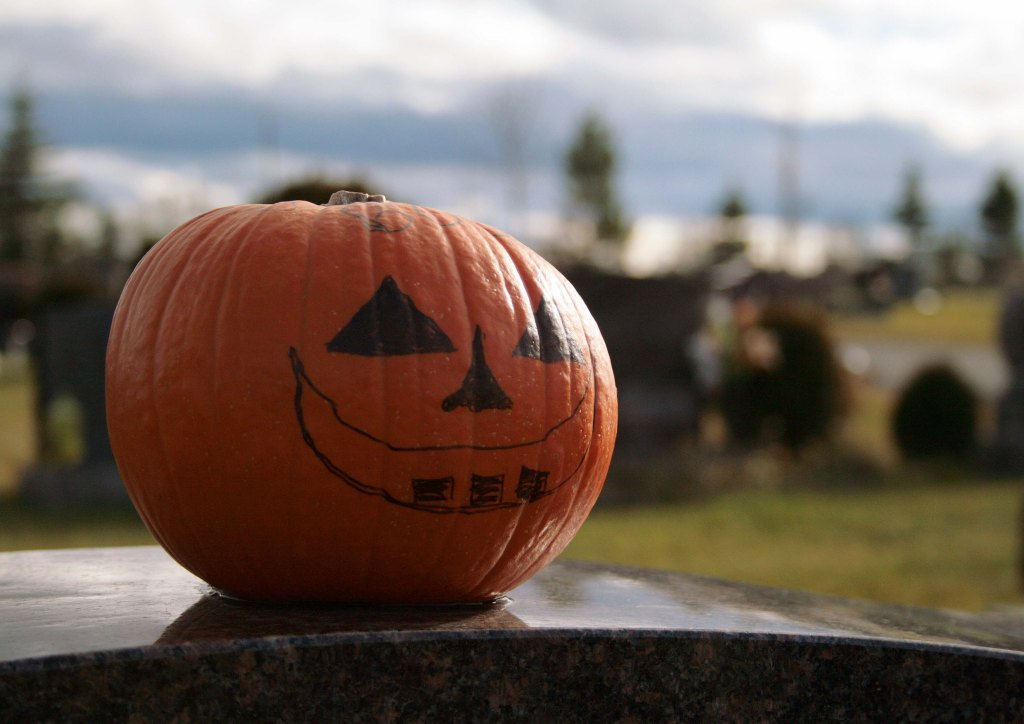
The month of October can be considered the peak of autumn, with the fall colors reaching their most vibrant, usually during the first couple of weeks. The beginning of October is also considered by many to be the start of the spooky season, which culminates on October 31st, Halloween.

Halloween night is said to be when the veil between the living and the dead is the thinest. This is thought to mean that it is the one night when spirits can cross over the easiest to communicate with loved ones.

The idea of a veil between life and death can sometimes be found in cemetery art.

A draped urn, for instance, is a popular Victorian-era motif, borrowed from Ancient Greece. The Ancient Greeks commonly cremated their dead, and the symbol of a ceremonial urn was adapted to represent the idea of the body being reduced to its barest elements while the soul ascends to heaven. Often draped in a cloth, this drapery is thought to symbolize the veil between the living and the dead.3

Another symbol that symbolizes this concept is the gates ajar. This grave symbol was popularized by author Elizabeth Stuart Phelps in her 1868 book The Gates Ajar. The story follows a woman coming to terms with the death of her brother, who died in the Civil War. This symbol features an open gate, symbolizing that the gates to Heaven are not closed, and that departed souls can pass back and forth.3

Halloween Traditions

As you might expect Halloween is celebrated all over the world. It is one of the oldest holidays after all. There are many ways to celebrate, the most obvious being donning a scary costume and going door-to-door for tricks or treats. But there are other Halloween traditions, older traditions that are practiced in all parts of the world.

It’s not surprising that some of them involve cemeteries!

In France, All Saints Day and All Souls Day are celebrated by children going house to house collecting flowers that they use to decorate graveyards and churches.4

To celebrate Dia De Los Muertos, also known as Day of the Dead, in Mexico families will have picnics in graveyards at the graveside of their loved ones, to remember and celebrate their life.4

In Portugal, wine and chestnuts are brought to feast on, in the cemetery.4

And in Rome, they celebrate Feralia, which is similar to the Day of the Dead in many ways. Families visit loved ones in the cemetery and also bring offerings for the spirits of their loved ones who linger at their graveside.4

The symbolism of gravestones, like the draped urn and gates ajar, echoes the stories of Persephone and the thinning veil between the living and the dead. As Halloween approaches, traditions around the world invite us to remember and celebrate our loved ones in these revered spaces.

So, this fall, take some time to wander through a cemetery, and let the beauty and tranquility inspire some reflection on the spirit of Halloween—the connections we hold with those who have passed, the stories they leave behind, and the traditions that keep their memory alive.

Thanks for reading!


References:

  1. The Equinox and Solstice | Met Office
  2. Persephone and the Seasons | Hellenic Museum
  3. Understanding Cemetery Symbols: A Field Guide for Historic Graveyards by Tui Snider | Book
  4. Halloween Traditions: How the World Celebrates Halloween | Medium

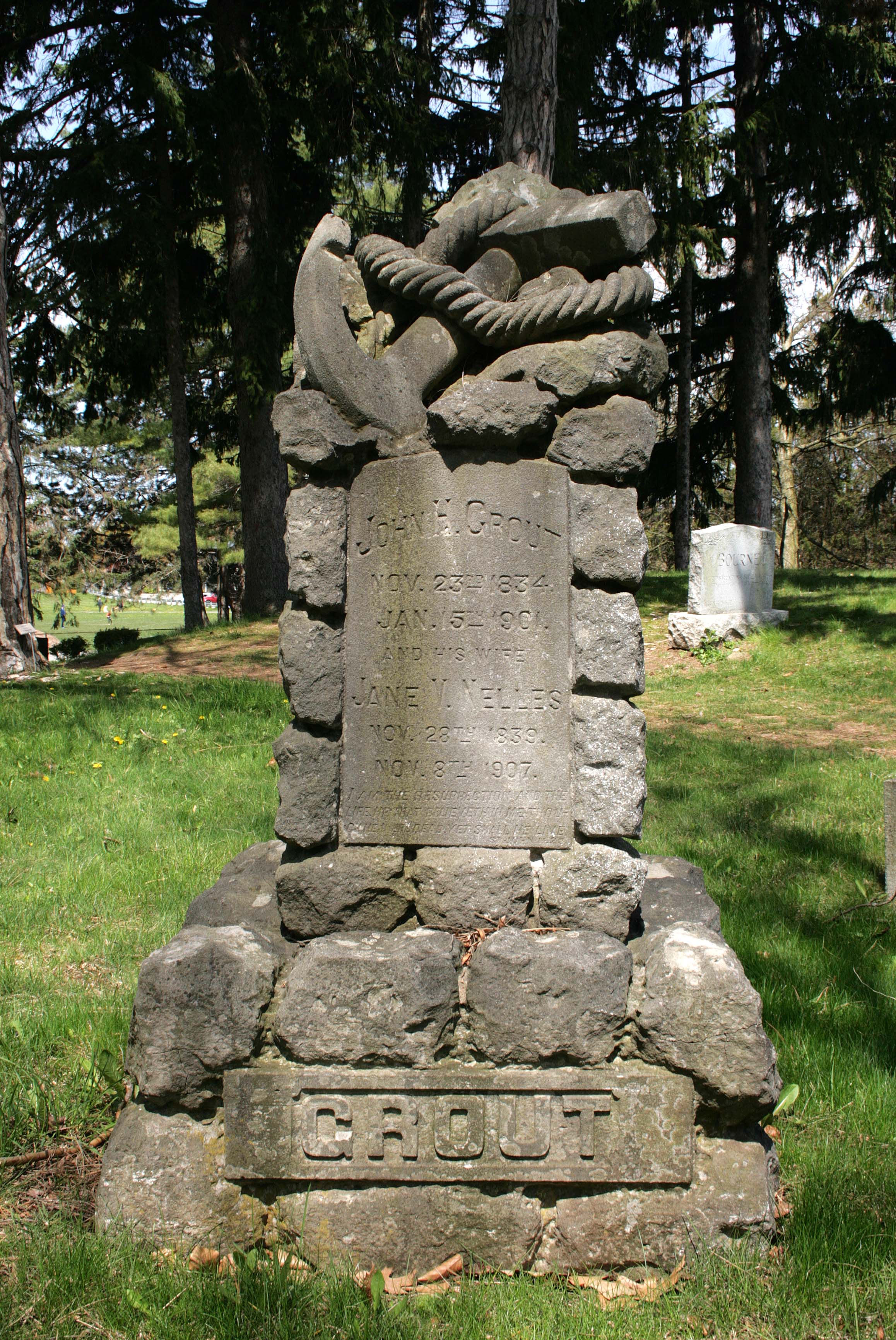
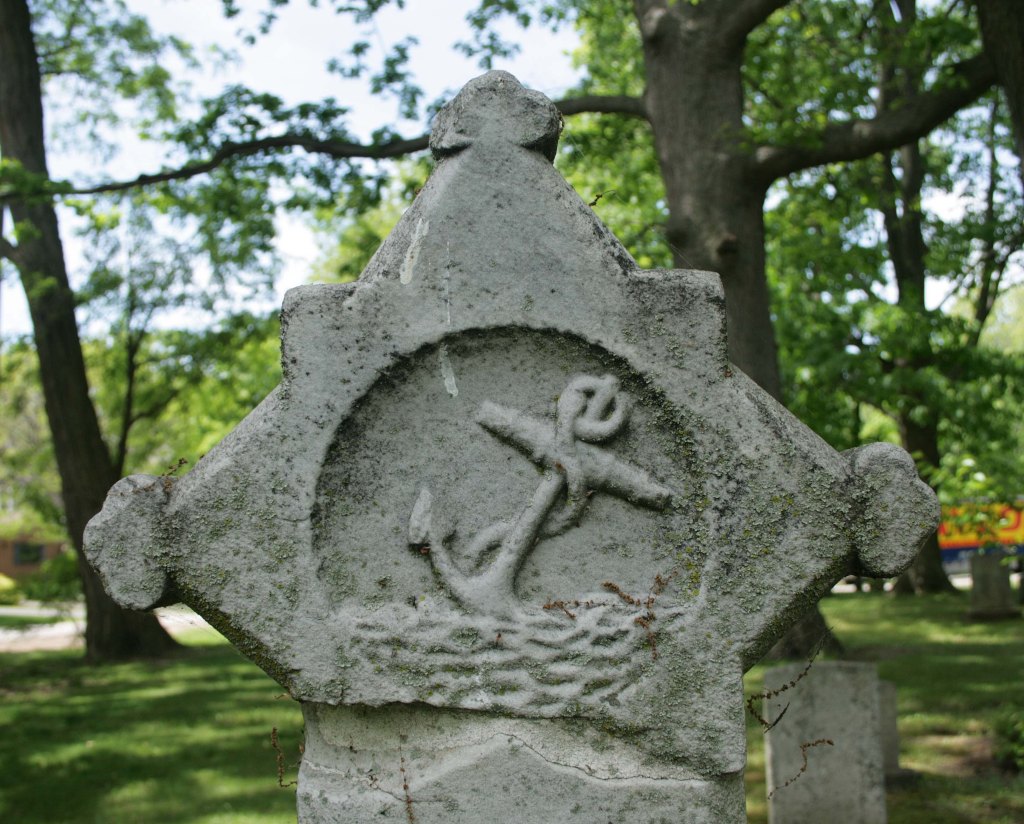
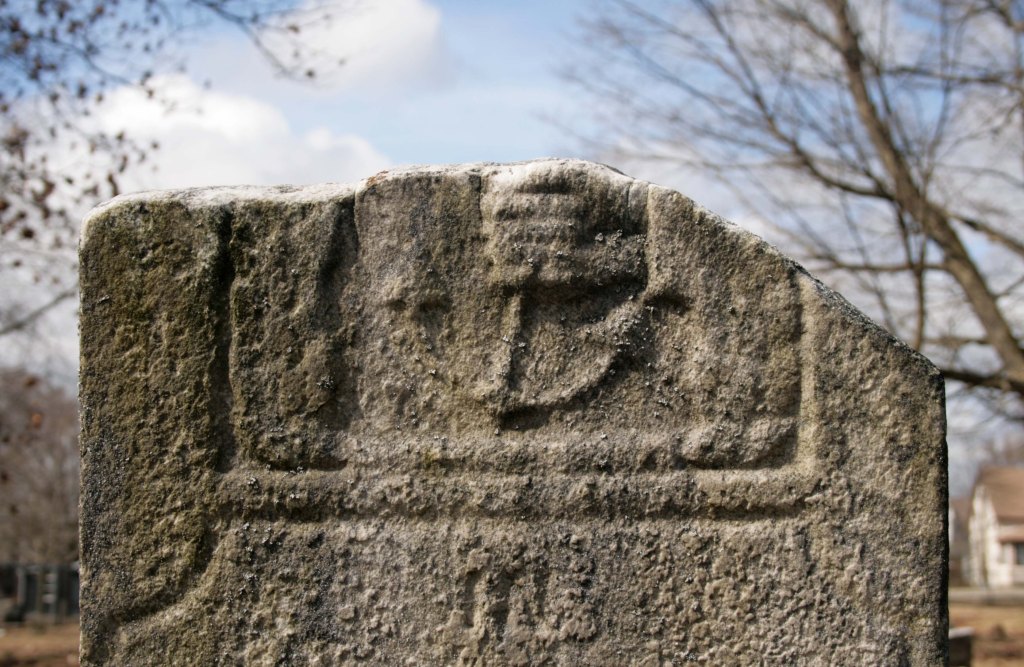
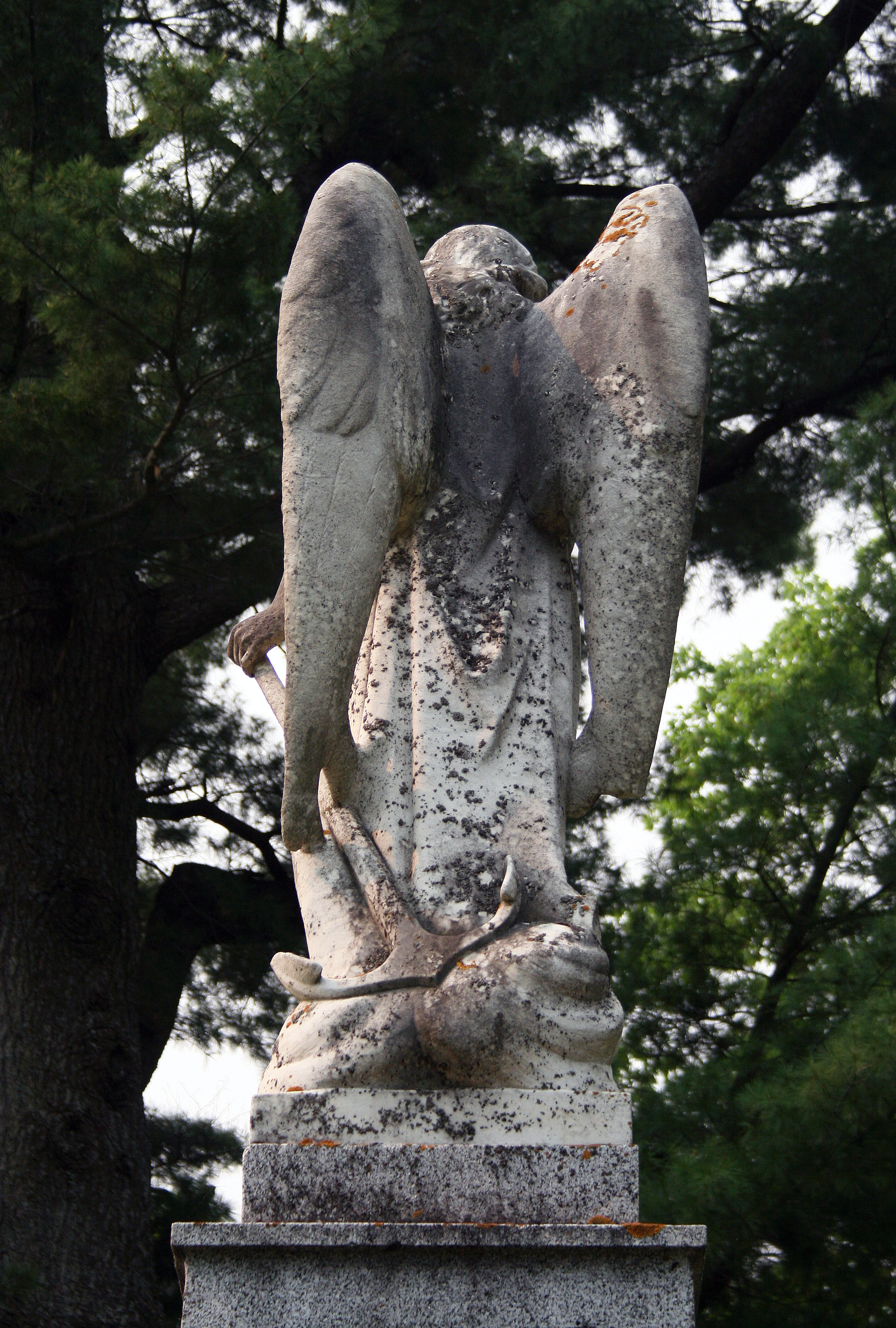
A Collection of Anchors

Every gravestone symbol and motif tells a story.

If you spend a lot of time in cemeteries, you will often start to notice the repetition of certain symbols. Throughout my travels, I have seen the shift in common cemetery symbols. What might be a common motif found in one area might be uncommon in another.

As I travel Ontario more frequently, I have noticed more and more anchor symbolism. So today on the blog, I wanted to look a little closer at this symbol, what it represents, and some of the examples I have photographed in my travels.

Sometimes anchors are found on the graves of sailors or those who have died at sea, but this is rare. The anchor is a Christian symbol and represents hope, steadfastness, and calm.

The symbolism is thought to come from passages in the bible, “Which hope we have as an anchor of the soul, both sure and steadfast, and which entereth into that within the veil;” 

“Those without hope may be like a ship tossed on the sea…”

You might also come across a female figure holding an anchor. The anchor signifies that this is Hope, one of the Seven Virtues.

The Seven Virtues are traits that some of those of the Christian faith aspire to. According to Tui Snider’s book Understanding Cemetery Symbols, this list of traits was created by Greek philosophers and then adopted by Christian scholars. Sometimes the virtues are labeled on the statue’s pedestal, but you must look closely at their design for clues.

Have you ever found a unique version of an anchor symbol? I would love to read about your finds in the comments.

Thanks for reading!


References:

  • Understanding Cemetery Symbols: A Field Guide for Historic Graveyards by Tui Snider | Book
  • Stories in Stone: The Complete Guide to Cemetery Symbolism by Douglas Keister | Book

A Collection of Mourning Figures

One of my favorite things about cemeteries is the variety of symbolism you can find. After so many years wandering cemeteries, I have noticed some common motifs. An interesting thing I have also noticed is that depending on where you are in Northern Ontario, those common symbols will be different. I’d wager that the same could be said for other parts of the world as well.

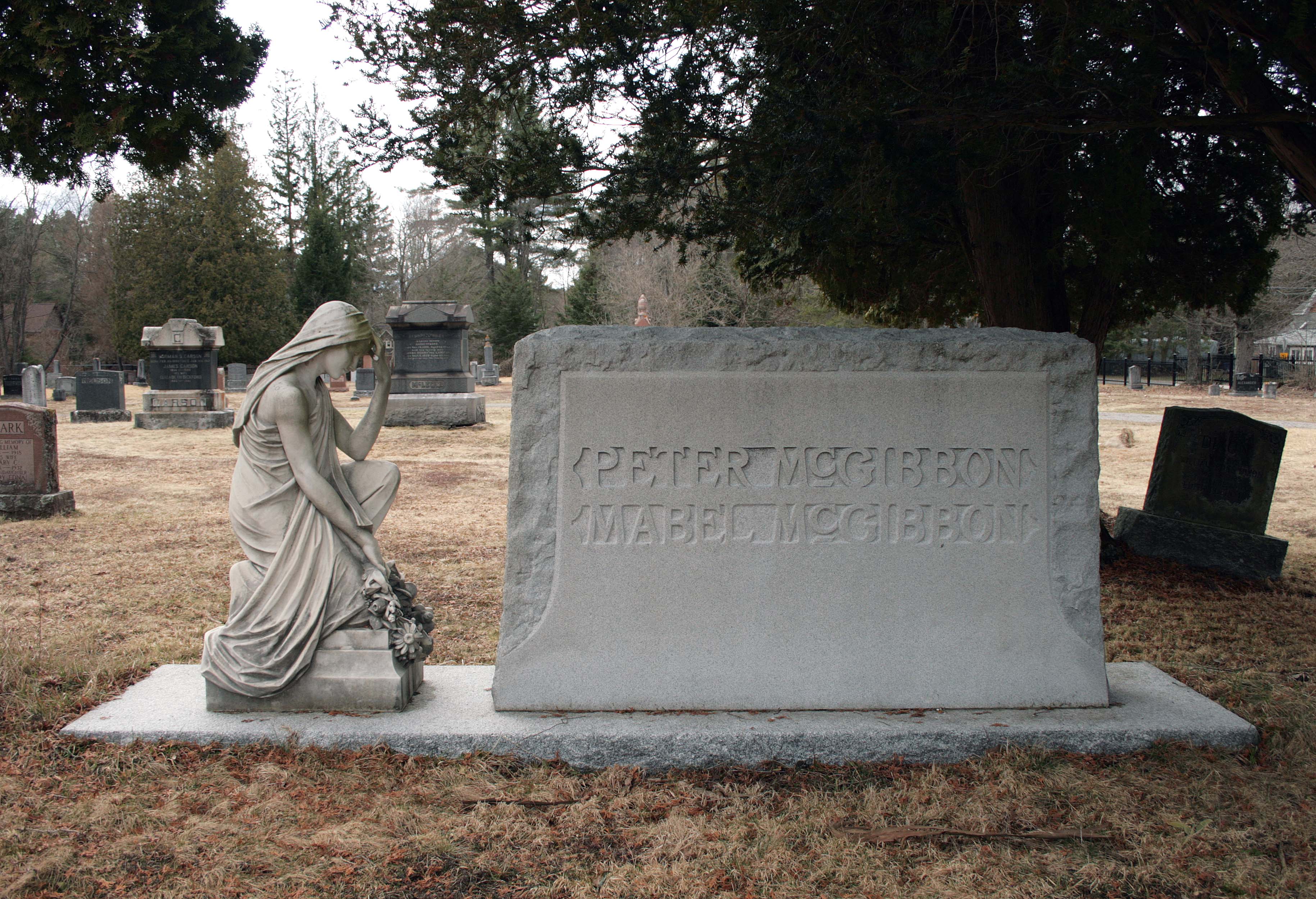
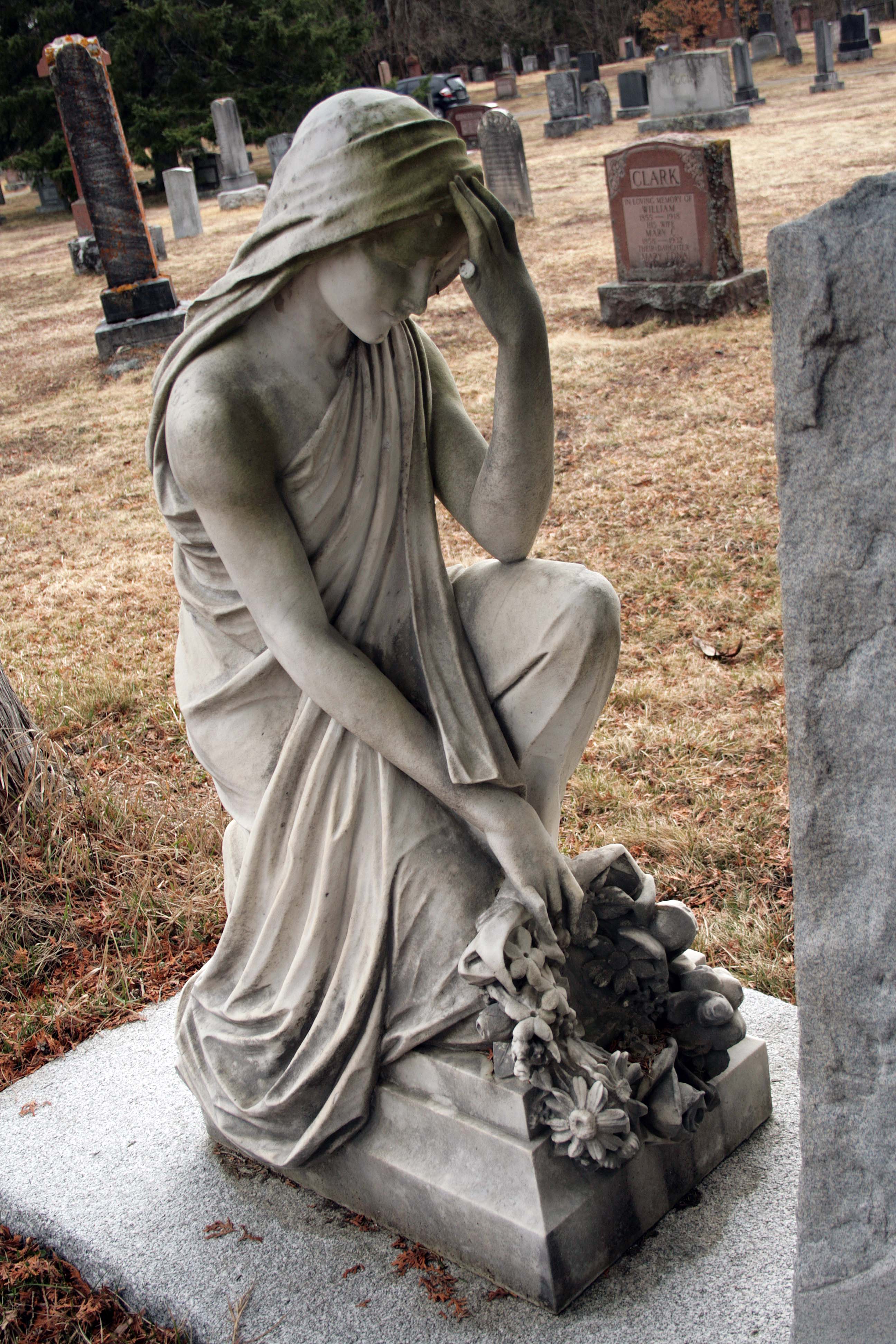
On some recent cemetery road trips in Simcoe County and the Muskokas, I noticed many different forms of mourning figures. This symbol is not very common in my local cemeteries. So today on the blog, I wanted to look deeper at this symbol and share some of the examples I have come across so far this year.

Grief and mourning were popular grave motifs in the Victorian era. As death was such a big part of life in that time, it affected everything from fashion and jewelry to of course funeral practices and gravestones.1 

One of the many ways that grief was expressed was through the use of mourning or weeping figures. These figures were often depicted as kneeling or standing over a grave in a display of deep grief and mourning. Sometimes a mourning figure can also symbolize an early or sudden death.

Mourning figures are sometimes depicted holding wreaths or flowers. Flowers are thought to represent that life is fleeting, while the circular wreath is thought to symbolize eternal memory and immortality.2

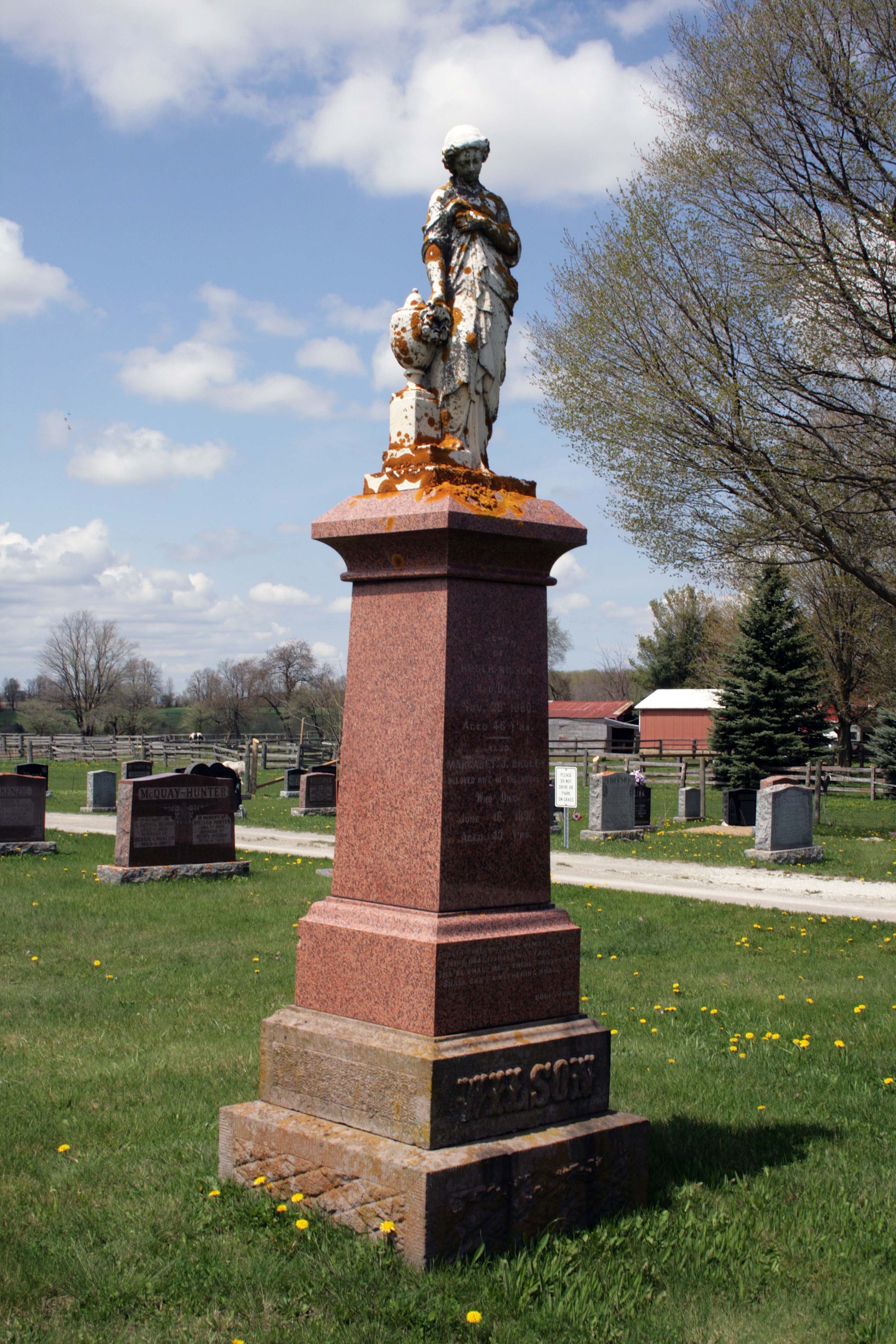
Urns are another common Victorian grave symbol that sometimes accompanies a mourning figure. Borrowed from the Ancient Greeks who often cremated their deceased, urns represent the physical body being reduced to its barest elements as the soul ascends to Heaven.2

Sometimes weeping willows also appear with mourning figures. Weeping willows are strongly associated with grief and mourning, as their name suggests. They are another grave symbol adapted from the Ancient Greeks.2

I am always in awe and inspired by the art I find in cemeteries. It’s one of the reasons I love walking among the gravestones.

Have you come across any similar mourning figures in your local cemeteries? I would love to read about your findings in the comments.

Thanks for reading!


References:

  1. Cemetery Symbolism: What Do Those Mysterious Monuments Mean? | Laurel Hill
  2. Understanding Cemetery Symbols: A Field Guide for Historic Graveyards by Tui Snider

Cemetery Book Review: Stories in Stone

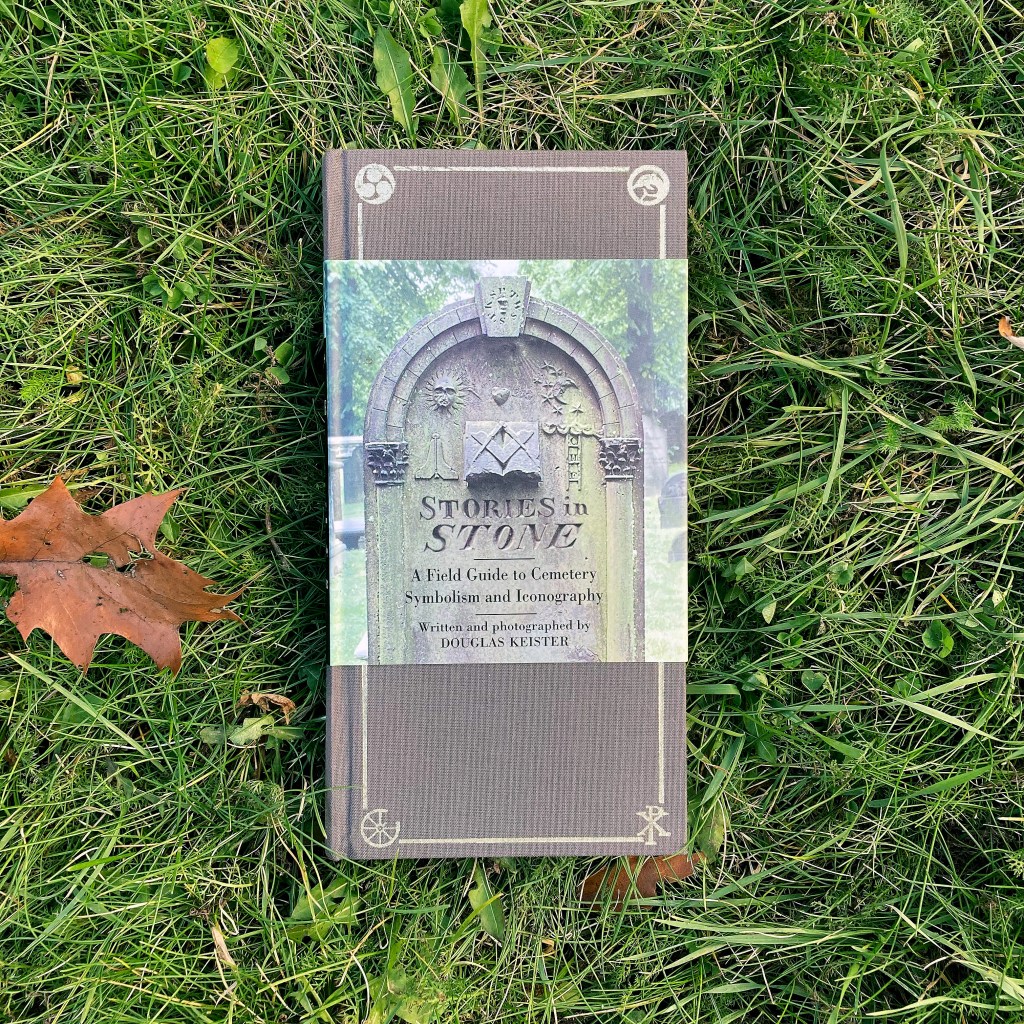
For this month’s cemetery book review, I wanted to talk about Stories in Stone: A Field Guide to Cemetery Symbolism and Iconography by Douglas Keister. I have been meaning to share this one for a while now. This is one of my favorite cemetery books, and one of my go-to reference books when it comes to looking up symbolism. I see it pop up now and then on the cemetery side of Instagram and Facebook and thought I should finally share my thoughts on it. 

This book has been on my bookshelf for a very long time and it is something I go back to over and over again. It is a great resource for explaining the meaning and history behind most of the symbolism and iconography you will come across in a cemetery. Every symbol has a meaning, and the descriptions can range from simple to quite in-depth. The book itself is compact, so it’s easy to slip it into your hiking or camera bag if you want to take it with you on your cemetery travels. It’s filled with full-color photos as well to help identify all the variety of symbols you might come across. 

Here is a snippet of the book synopsis from Goodreads.com: “Stories in Stone provides history along with images of a wide variety of common and not-so-common cemetery symbols and offers an in-depth examination of stone relics and the personal and intimate details they display; flora and fauna, religious icons, society symbols, and final impressions of how the deceased wished to be remembered. Douglas Keister has created a practical field guide that is compact and portable, perfect for those interested in family histories and genealogical research.”

I don’t recall where I picked up my copy, but it is a reference I use often. I never bring mine with me on my cemetery travels, but my cloth-bound hardcover copy has a special place at my desk for easy access when I need to look something up. This book covers iconography from A to Z, as well as the different art styles and architecture that can be found in cemeteries. It covers everything from religious and military symbols to fraternal organizations and secret societies. Douglas Keister is also an amazing photographer and his beautiful color photos of detailed gravestone symbols add depth to the descriptions. It also has a very thorough index at the back, which is very handy for moving back and forth throughout the book. 

The name Douglas Keister may sound familiar to you. This is not the first book of his that I have reviewed. Back in July 2022, I reviewed his book Going out in Style: The Architecture of Eternity. You can read that review here. Douglas is no stranger to cemeteries and has written quite a few books about them. He is a photographer, author, and co-author of forty-five critically acclaimed books, twenty-five of which are on architecture.2

I highly recommend this book to any budding taphophiles and those interested in learning more about cemetery symbolism and history. This book would be a handy tool for genealogists as well, as many interesting and thoughtful things can be learned about the deceased based on what is on their gravestone.

This book has been an invaluable resource for me. I have always loved learning more about the stories that gravestones can tell us, and finding new symbols to research and learn about is one of my favorite things. It’s a beautiful, high quality book, that I think is an essential addition to any taphophiles library. 

Have your read Stories in Stone? I would love to read your thoughts in the comments.

Thanks for reading! 


I am always on the hunt for cemetery-related book recommendations. Please feel free to share yours in the comments. If you are an author and have a cemetery-related book you would like me to review, please reach out at hello@chantallarochelle.ca. I would love to hear from you.


References:

  1. Stories in Stone: A Field Guide to Cemetery Symbolism and Iconography | Goodreads.com
  2. About Douglas Keister | DouglasKeister.com

A Collection of Weeping Willows

While working on an upcoming project, I was going through my photo archive and found myself frequently stopping on the images of weeping willows. I have captured an interesting variety in the last few years. I love weeping willows, they have a very unique look. They are not common in my area, in the forests, or on graves. 

So for today’s collection, I wanted to take a closer look at this cemetery symbol and share some of the different versions I have found and photographed during my cemetery walks.

As the name implies, weeping willows commonly symbolize grief and mourning. They are a very common Victorian-era cemetery symbol. Adopted from the Ancient Greeks, the weeping willow can represent immortality and life after death. Weeping willows are sometimes associated with the Underworld because, in Greek mythology, Orpheus brought with him a willow branch on his travels to the Underworld to save Eurydice from Hades.1 The symbolism of immortality stems from the fact that willow trees are very hardy, and can survive heavy damage.

A variety of the weeping willow motif you might find is a weeping willow standing beside a gravestone. I love the idea of a gravestone on a gravestone. 

Another variation you might come across is of a weeping willow and urn. The urn represents death itself, and the willow again symbolizes grief.2 This motif was a popular gravestone symbol of the late eighteenth and early nineteenth century. You might also see weeping willows paired with a lamb or a cross.3 I have yet to come across these variations. 

I noticed that the majority of the ones I found were in Southern Ontario. As I explore more Ontario cemeteries this summer, I hope I will come across a few more to photograph. I would love to find some more variations on the symbol. If you have any suggestions for where I might look, I would love to hear about them in the comments. 

Thanks for reading!


References:

  1. Understanding Cemetery Symbols: A Field Guide for Historic Graveyards by Tui Snider
  2. Mastering Cemetery Iconography | The Academy at Penguin Hall
  3. Stories in Stone: The Complete Guide to Cemetery Symbolism by Douglas Keister

A Collection of Doves

This week, I had originally planned on posting a cemetery recipe for Red Lantern Cheese dip, from the gravestone of Debra Ann Nelson. But, I had some issues finding the correct ingredients and the recipe didn’t turn out as expected. So I will continue my hunt for the elusive ingredients. 

Instead, this week I will share a collection of Dove’s. If you have been following this blog for a little while, you may have noticed that I sometimes like to share collections of my favorite photos of some of the cemetery symbols I find on my cemetery walks. I have been photographing cemeteries for over 15 years, and in that time I have noticed some repetition of certain symbols and motifs. I find cemetery symbolism so interesting and love looking at what the different variations of a symbol mean.

Doves are not as common a symbol as lambs in Northern Ontario, but they represent similar ideas. Doves commonly are a symbol of peace, but when used in funerary art, they also represent innocence and the Holy Spirit. Doves may appear in many forms, such as sculpture or bas-relief. There are also different variations of doves, and each carries additional meaning.

Sometimes a dove may be depicted carrying something in its mouth. A dove with an olive branch in its mouth may represent peace. This symbolism also can be traced to Ancient Greece. A dove carrying a broken flower bud in its mouth often symbolizes a life cut short. 

The position and angle of the dove may have some significance as well. A dove flying downward is thought to represent the Holy Spirit coming down from heaven.

Another variation of a dove you might find, is a dove that looks like it might be dead. A dead dove sadly represents a life cut short. This variation may also be found lying in front of, or on top of a tree stump; which is also a symbol of a life cut short.

Have you come across a different variation of this symbol? I would love to hear about it in the comments.

Thanks for reading!


References:

  1. Understanding Cemetery Symbols: A Field Guide for Historic Graveyards by Tui Snider
  2. Stories in Stone: The Complete Guide to Cemetery Symbolism by Douglas Keister