Some cemeteries feel alive with history, and sometimes with something else entirely!
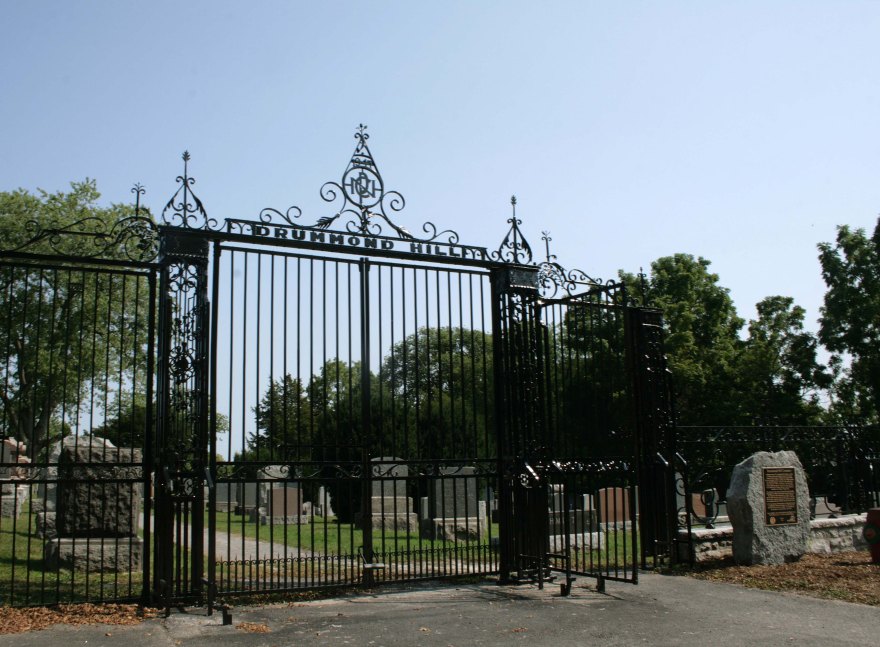
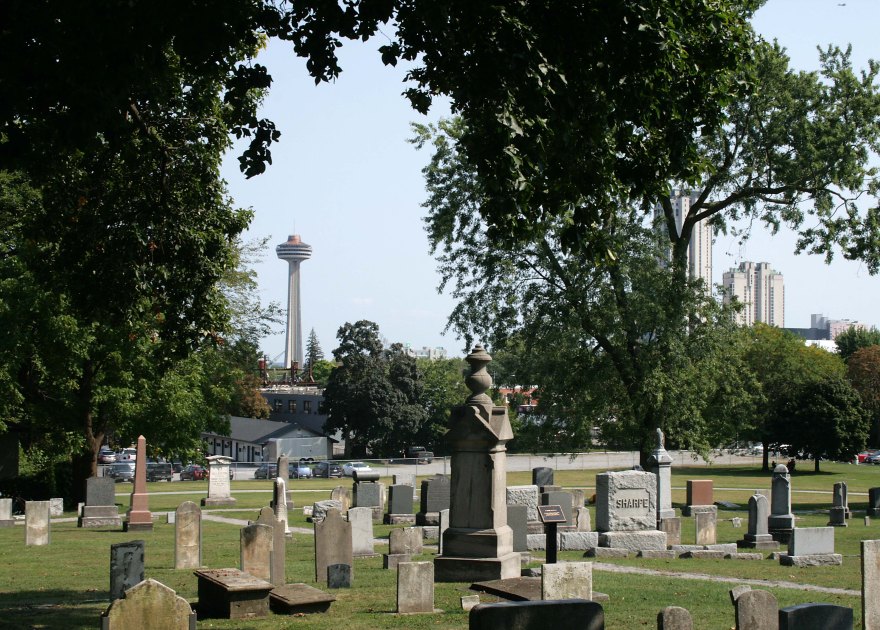
Drummond Hill Cemetery in Niagara Falls is one of those places. Known as the site of one of the fiercest battles of the War of 1812, it’s also considered Canada’s most haunted cemetery.
Long before its haunted reputation took hold, Drummond Hill was a popular tourist stop, even rivalling Niagara Falls. Visitors came for battlefield tours led by veterans eager to share their stories.1
Drummond Hill was once farmland, but on July 25, 1814, it became the site of the Battle of Lundy’s Lane, one of the bloodiest conflicts of the War of 1812.2 The hill’s high ground made it strategically important, and the fighting went on for six hours before darkness and heavy losses brought it to an end.2 Both sides lost more than 800 men, and although each claimed victory, the Americans withdrew the next day, ending their advance into Upper Canada.2
Today, a large stone monument stands on the hill to honour those who fought and to mark the battlefield.3 Beneath it lies a vault containing the remains of 22 British soldiers.3
The first recorded burial at Drummond Hill is John Burch. He was originally buried on his farm in 1797 and re-interred here in 1799.3 That means this ground was already being used as a burial place well before the battle. Over time, the cemetery grew to roughly 4 acres and now contains more than 25,000 burials.4 The site is managed by the City of Niagara Falls and remains semi-active, though plots are no longer for sale.3
Among those buried here are veterans, Loyalist settlers, and many early Niagara families. One of the most visited graves belongs to Laura Secord, the woman who warned British forces of an American attack during the War of 1812.4 Another notable grave is that of Karel Soucek, the daredevil who famously survived his barrel plunge over Niagara Falls.5 You will also find markers and monuments for soldiers and local leaders from the region’s early days.3
With its violent past and long history, it’s no surprise Drummond Hill has a haunted reputation. Many stories connect back to the battle, where soldiers were killed and buried on the grounds.6 Visitors and locals have reported seeing ghostly soldiers walking among the gravestones, or appearing at a distance before fading away.6
It’s said that the cemetery is haunted by two distinct groups of soldiers.1 One group is a troop of five soldiers dressed in Royal Scots uniforms, limping across the former battlefield before vanishing.1 The second group is said to consist of three British Soldiers in red coats, slowly making their way up the hill and settling into a steady march, before disappearing.1
Laura Secord’s monument, which features a lifelike bust, has also been linked to supernatural occurrences. Some visitors say that her statue seems to watch them as they walk by, as if she’s still keeping a watchful eye on things.1 These reports, combined with the age of the cemetery and its battlefield history, make Drummond Hill a place where history and the supernatural feel closely connected.1
When I visited Drummond Hill, I made sure to stop at Laura Secord’s grave. Standing in front of her stone was moving, knowing her bravery has become such a lasting part of Canadian history.
During my visit, I did have one unsettling experience, but it had nothing to do with the supernatural.
I came across someone under the influence, wandering through the cemetery. For the first time in all my cemetery visits, I felt unsafe. It was a harsh reminder of how deeply the opioid crisis has reached into our communities, even historic sites like this. That moment pulled me out of the past and reminded me of the struggles happening right now.
Drummond Hill Cemetery is layered with stories. It carries the weight of the War of 1812, the lives of pioneers and heroes, and the ghostly legends of soldiers who never left. It’s a place where history and mystery meet, and where the past feels close. Visiting left me reflecting not only on the history that shaped this ground, but also on the realities of the present.
Haunted or not, Drummond Hill remains one of Canada’s most fascinating and important cemeteries.
Thanks for reading!
References:
Haunted Cemeteries: True Tales From Beyond the Grave by Edrick Thay | Book
You can’t help but notice them. The Bell Mansion in Sudbury, Ontario, is one of those places. It’s grand, full of history, and, if the stories are true, maybe even haunted.
Despite its spooky reputation, it’s also been a popular spot for wedding photos, with its striking architecture offering a mix of romance and a touch of haunted charm.
But while the mansion still stands for now, its future is uncertain, and its past lingers in more ways than one.
William Joseph Bell, better known as Willie Joe, was born in Pembroke, Ontario, in 1858.1 He started in the lumber industry at just 18, working as a scaler and lumberjack in Quebec.1 By the time he moved to Northern Ontario in 1896, he had already made a name for himself.1 He quickly climbed the ranks, becoming Vice-President and General Manager of the Spanish River Lumber Company in 1901.1 His influence didn’t stop there; he also ran a hardware company and sat on the board of National Grocers Ltd.1
In 1886, he married Katherine Skead, the daughter of an Ottawa senator, and the couple eventually settled in Sudbury.1 Beyond business, they were generous community builders. Their greatest gift may be Bell Park, a beautiful green space on Ramsey Lake, which they donated in 1926.2 A gift that continues to benefit Sudbury today.
The park remains one of the city’s most beloved gathering spots, offering accessible recreation for people of all ages. Just as Bell Park connects residents with nature, the Bell Mansion connects them with the city’s past, standing as a reminder of the Bells’ influence and Sudbury’s early growth.
The Bell Mansion
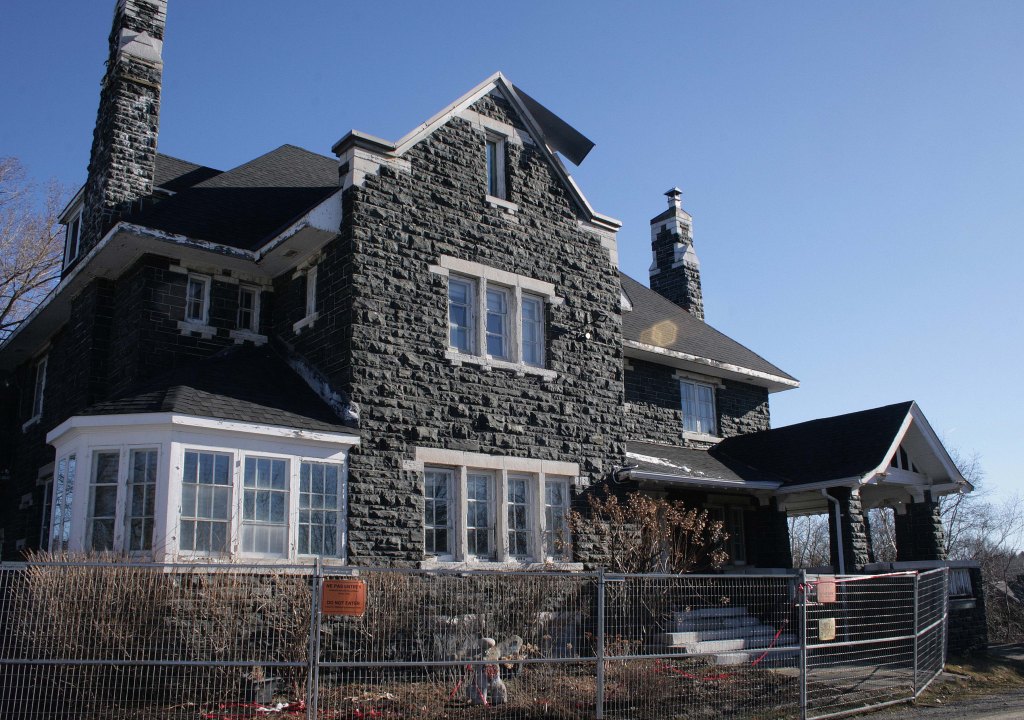
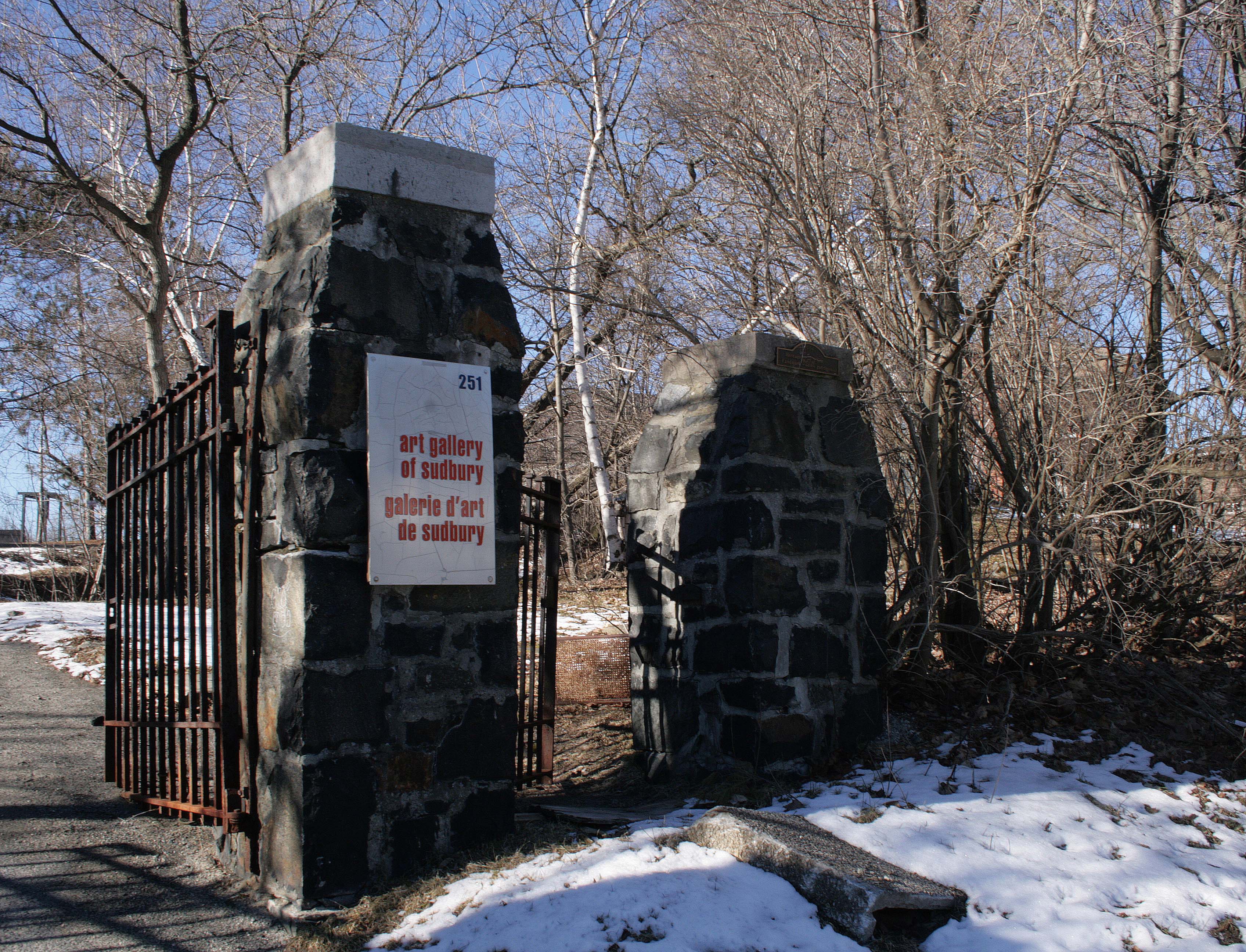
Built in 1907, the Bell Mansion, also known as Belrock, is beautiful. Made from local stone in the Arts and Crafts style, the house once sat on 155 acres, stretching from Elizabeth Street down to Ramsey Lake.3,4 That land is now Bell Park, but back then it was all part of the Bell’s massive estate. The mansion itself is a 6,000-square-foot beauty, complete with a coach house, greenhouse, and a separate house for the servants.4
On December 3, 1955, disaster struck when a fire gutted the home, leaving little more than stone walls standing.5 Only one room survived—the conservatory.5 The Nickel Lodge Masons bought the property, but their rebuilding plans never came to life.5 For more than a decade, the mansion sat empty until the Centennial Committee of the Chamber of Commerce led renovations in 1966.5 Two years later, ownership was transferred to Laurentian University, which leased the space to the Art Gallery of Sudbury.5
For decades, the gallery displayed countless exhibits within the mansion’s walls. But what fascinates people just as much as the art are the ghost stories.
Over the years, people have reported eerie sounds such as rustling skirts, heels clicking across the floor, and even ghostly horses neighing outside.6 Many believe Katherine Bell still keeps watch over her home.6 Staff and security have both described phantom footsteps, loud crashes with nothing disturbed, and objects disappearing only to reappear days later.5
The most memorable stories involve a woman’s voice that can be heard eerily singing throughout the house. It’s seems to be loudest in the conservatory, the only room spared by the fire.5 Some say Katherine is still rehearsing for one last ghostly concert.5
She may not be alone. Visitors claim William Bell also makes his presence known, through heavy footsteps and sightings of a tall figure in a dark suit and top hat, quietly watching over the gallery.5
Another mystery once puzzled visitors: the sound of children laughing and playing inside the house, even though the Bells never had children of their own.5 The voices eventually faded, but the questions remain. Who were they, and what tied them to the mansion?5
In 2024, I visited to photograph the exterior. Though currently closed to the public and sadly in visible disrepair, the mansion still has an undeniable elegance, and definitely still has stories to tell.
For all their ties to Sudbury, the Bells aren’t buried there.
Instead, they rest in Calvin United Church Cemetery in Pembroke, Ontario, a peaceful spot along Boundary Road East where six cemeteries line the street.
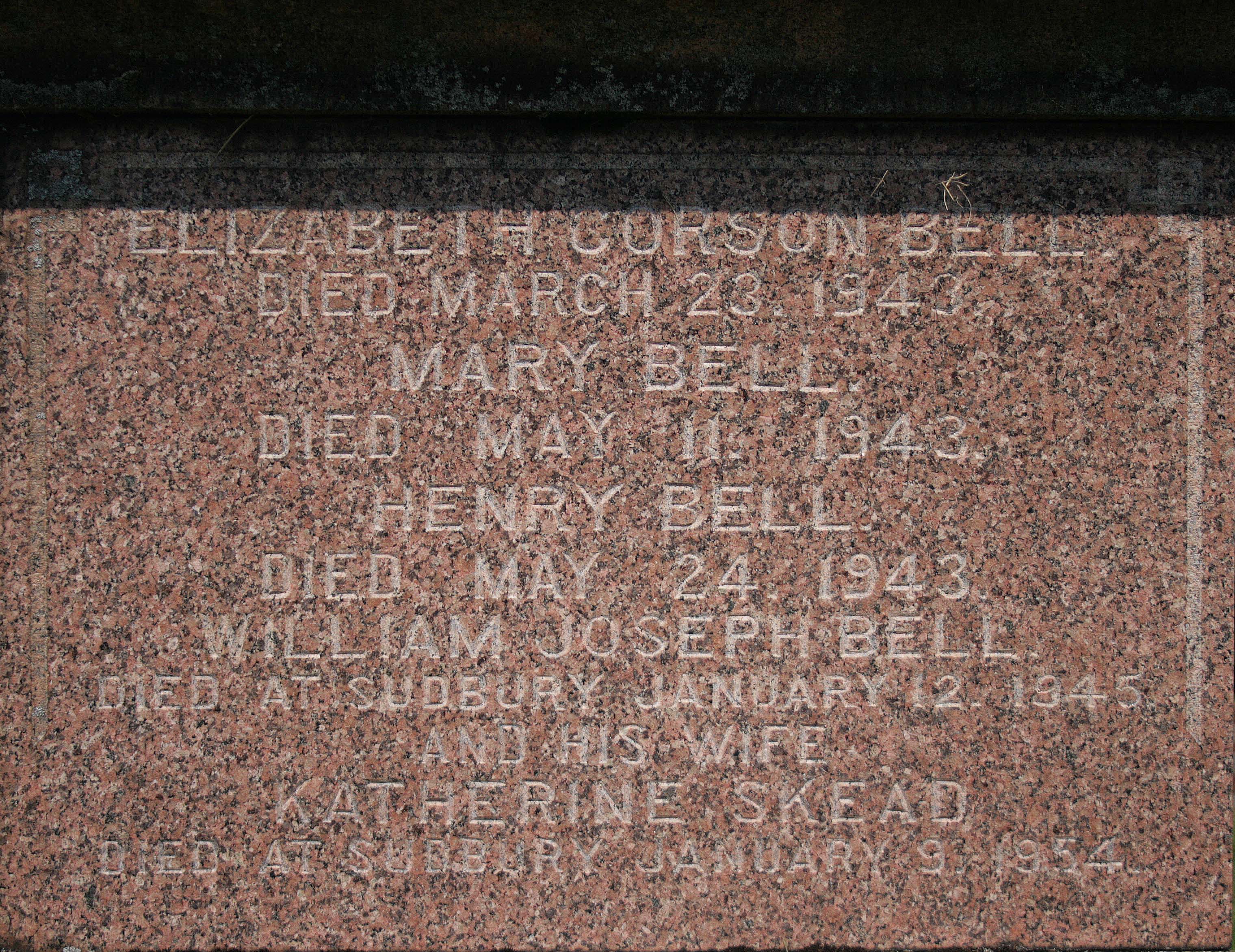
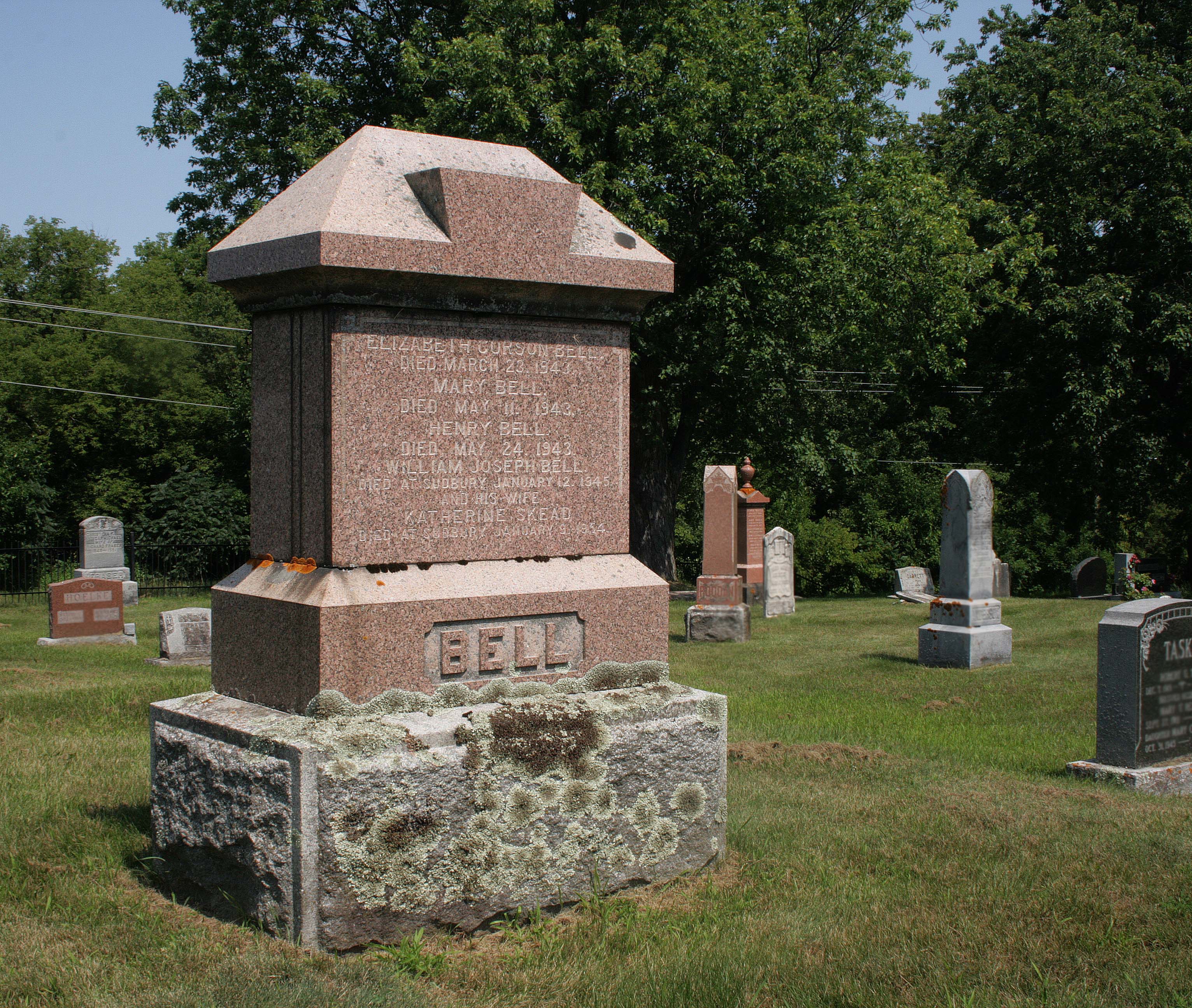
William Joseph Bell died in January 1945 at the age of 87 from complications of a leg injury,and was buried in the family plot.5 When Katherine Bell passed away in her home at age 90 in 1954, she was laid to rest beside him.7 William’s parents and three siblings are also buried in the family plot. Their large pink granite monument is simple and understated. It’s a sharp contrast to the grandeur of the mansion they left behind.
On my way back from Ottawa in 2024, I stopped in to visit their graves. Despite their prominence in Sudbury, I was surprised they weren’t buried there. With the help of reference photos, I eventually found their gravestone and was able to pay my respects.
In late 2024, Laurentian University announced it would list the property for sale, saying repairs were too costly.8The Art Gallery of Sudbury, which had long occupied the mansion, has already relocated as part of Laurentian’s insolvency process.8
In response, local advocates launched a petition urging that the grounds remain open to the public and that the heritage designation be respected.9 Many argue the mansion is too important a piece of Sudbury’s history to lose.10 That is one of the reasons I felt it was important to photograph it and share its story.
Whether you believe in ghosts or not, there’s no denying that this house has a past worth remembering.
Summer is winding down, but everything still feels full of life.
Trees are lush with green leaves, flowers are in full bloom, and the bees are buzzing all around. Cemeteries reflect that same energy. It’s the time of year when nature is at it’s fullest—and in cemeteries, that adds an extra layer of meaning.
Even in these quiet places, there’s life all around. It reminds me that cemeteries aren’t only about endings—they’re also about remembering lives that were full, loved, and meaningful.
Sometimes, it’s not just the greenery that brings cemeteries to life; it’s the wildlife too, and summer can be the best time to spot them.
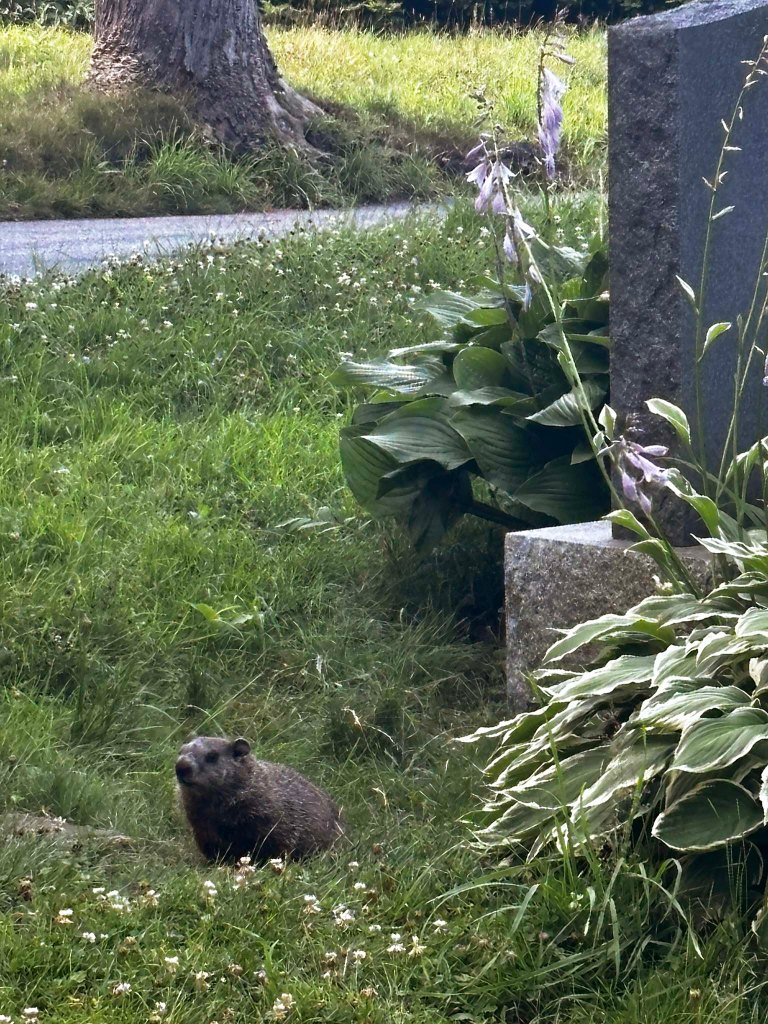
On a recent visit to Notre-Dame-des-Neiges Cemetery in Montréal, I spotted a couple of groundhogs throughout the cemetery who froze in place when they saw me. Like little furry statues, they stared me down until I had passed by. Moments like that make cemeteries feel even more alive, with nature and memory sharing the same space.
Of course, summer cemetery visits do have their challenges. The noonday sun can be intense, and without shade, it can be easy to overheat. On summer road trips, sunscreen and water are a must! Sometimes I’ll even sit down to rest under a tree—a chance to slow down for a minute and also take it all in.
Another thing I love about graving in the summer—especially here in Northern Ontario—is the longer daylight hours. Around this time of year, the sun usually sets between 8:30 and 9 p.m., which gives me lots of time to explore and take photos.
This post wraps up my series exploring how cemeteries change throughout the seasons. If you missed the earlier posts, you can still read about cemeteries in the Fall, Winter, and Spring. Each season really does bring its own mood.
What’s your favourite season to visit cemeteries?
Mine is still Fall. I can’t resist the crunchy leaves, cooler air, and all the moody vibes that come with Halloween season. But honestly, every season has something beautiful to offer, and I’ve enjoyed exploring them all.
In 2010, a friend and I visited a place that felt frozen in time—an abandoned prison cemetery hidden deep in the Northern Ontario wilderness. Thirteen years later, we went back.
What we found was both familiar and completely changed.
The Burwash Industrial Prison Farm isn’t just an old correctional centre—it’s a strange and haunting mix of history, decay, and memory. The prison is long closed, the buildings are crumbling, and the cemetery tucked away in the forest has become almost forgotten.
But pieces of the past still linger there, if you know where to look.
The Burwash Industrial Farm opened in 1914, about 30 minutes south of Sudbury, Ontario. It was designed to be a self-sufficient correctional facility—almost like a village tucked away in the forest. At its peak, the property stretched across 35,000 acres and included a farm, a lumber operation and mill, a 20-bed hospital, and even a tailor shop.1
Burwash Industrial Farm housed between 180 and 820 minimum- and medium-security inmates, who typically served sentences of three months to two years, less a day.1 They spent their days working on the prison farm or doing maintenance around the property. The idea was that routine and hard work could help with rehabilitation. Over the years, the prison grew to include three permanent camps, and several temporary ones. It also became home to a small town of staff and their families, with a population between 600 and 1,000 people.1
The prison was remote by design—difficult to escape from, and just as difficult to reach unless you knew where you were going.
Over time, the facility became known as Camp Bison. The name comes from the herd of wood bison that once lived on the property.2 These animals roamed the land while the prison was active, and the nickname stuck even long after both the prison and bison were gone.
At the time Burwash was slated for closure in 1974, it was the largest industrial farm and the second-largest reformatory in Ontario’s correctional system.1 But the facility was considered too expensive to operate. That July, it was announced that Burwash would be shut down to save money.3 The staff were told they had to leave, and the inmates were relocated to other institutions. After that, the province began looking at alternative uses for the remaining buildings and the massive piece of land.3
What’s left today is a patchwork of wilderness, ruins, and stories.
Abandoned
After the prison shut down in 1975, most of the buildings were left to the elements. Over time, nature began to reclaim the site. The once-bustling correctional community turned into a ghost town.
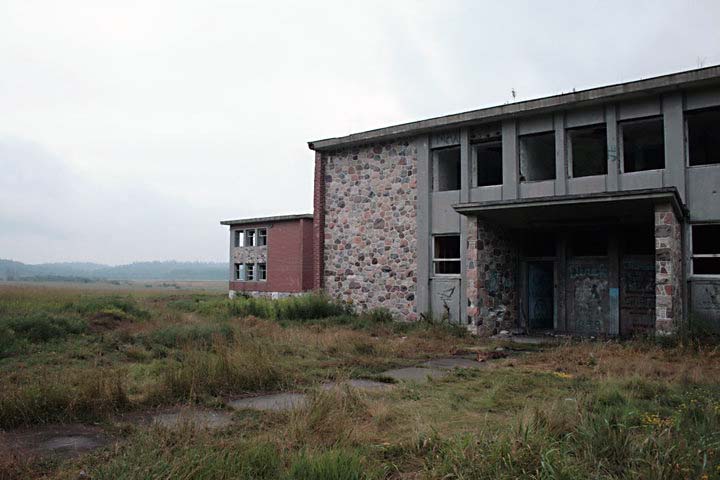
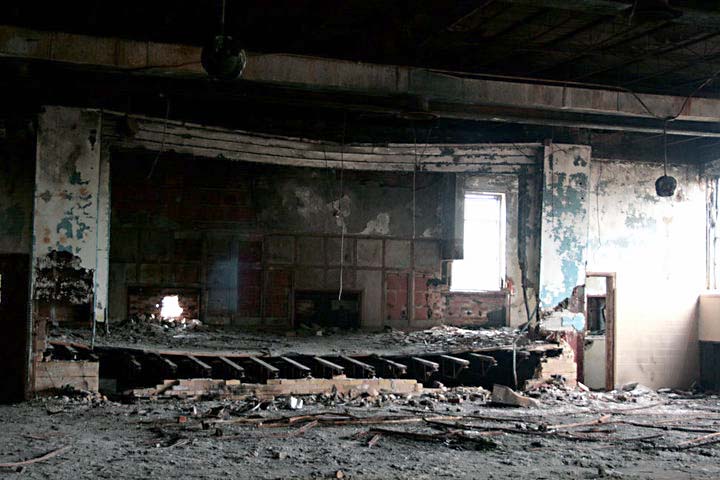
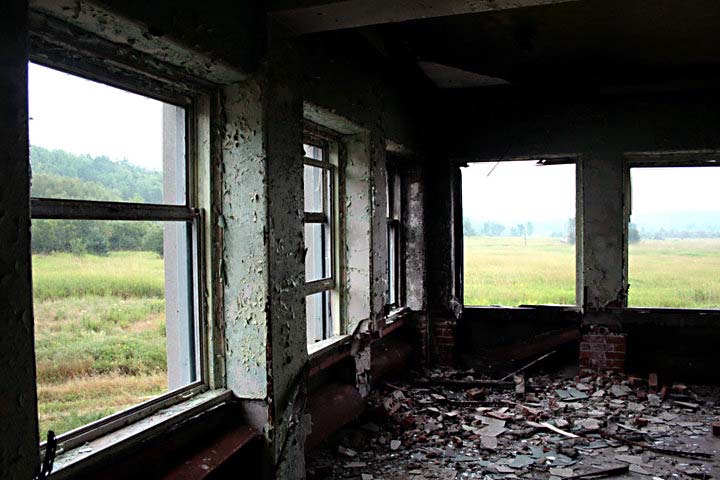
Some structures were demolished, but a few—including the main cell block—were left standing, crumbling slowly in the woods. The site became a magnet for urban explorers, ghost hunters, photographers, and curious hikers.4
When we visited in 2010, it was quiet—eerily so. There were no signs, no official routes, and no other people around. Just long trails, wilderness, and the remains of buildings just barely holding on.
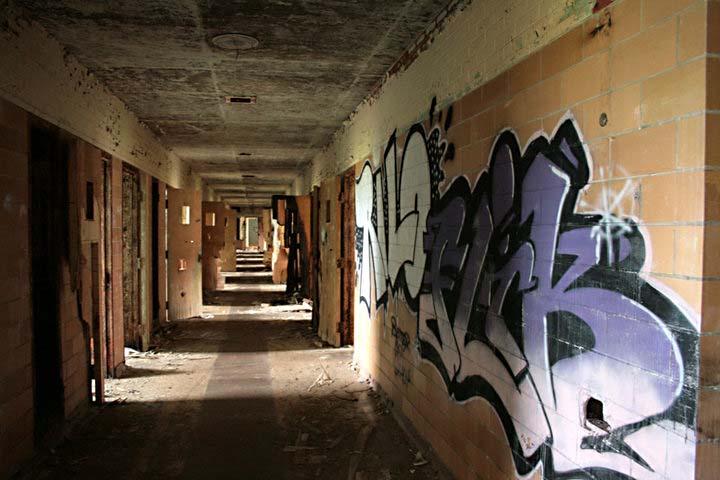
It was very surreal how, after driving through the wilderness on an ATV, the main cell block emerged out from the forest. The cracked windows, peeling paint, and eerie silence gave the place a haunted feel, even in broad daylight.
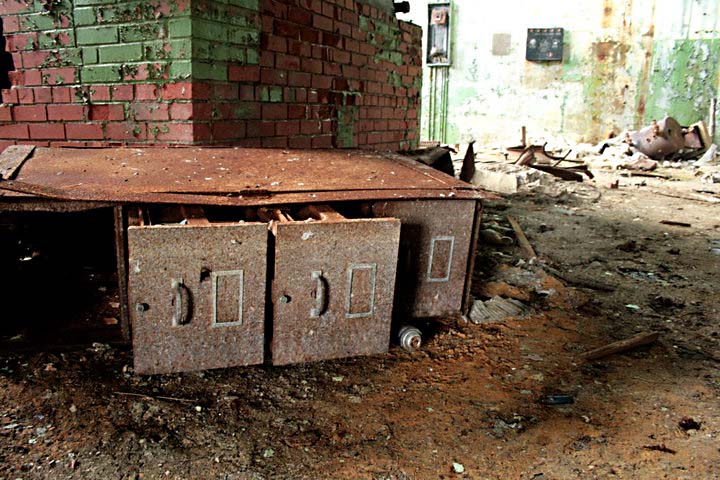
There was graffiti everywhere. Some of it was creepy, but a lot was just tagging and random vandalism. It was clear the site gets a lot of visitors—who weren’t always careful. Broken glass and porcelain, rusted metal, and signs of fires made it obvious that time, weather, and people had all left their marks.
Despite the damage, I found the experience strangely moving. It felt like walking through a lost chapter of history. There was a heaviness to the place, but also a sense that stories were still lingering in the walls.
It’s no surprise that Burwash has picked up a haunted reputation over the years. Visitors have reported strange noises, shadowy figures, and an overwhelming feeling of being watched. A prison guard supposedly haunts the prison, after having hanged himself when he learned that the place was closing. People say you can hear his nightstick tapping the metal bars, especially in the basement.5
Tucked away in the trees, at the edge of Cemetery Lake, is the Burwash Industrial Prison Farm Graveyard. This was the first prison graveyard I had ever visited, and I wasn’t sure what to expect. Its the final resting place of inmates who died while serving their prison sentences.
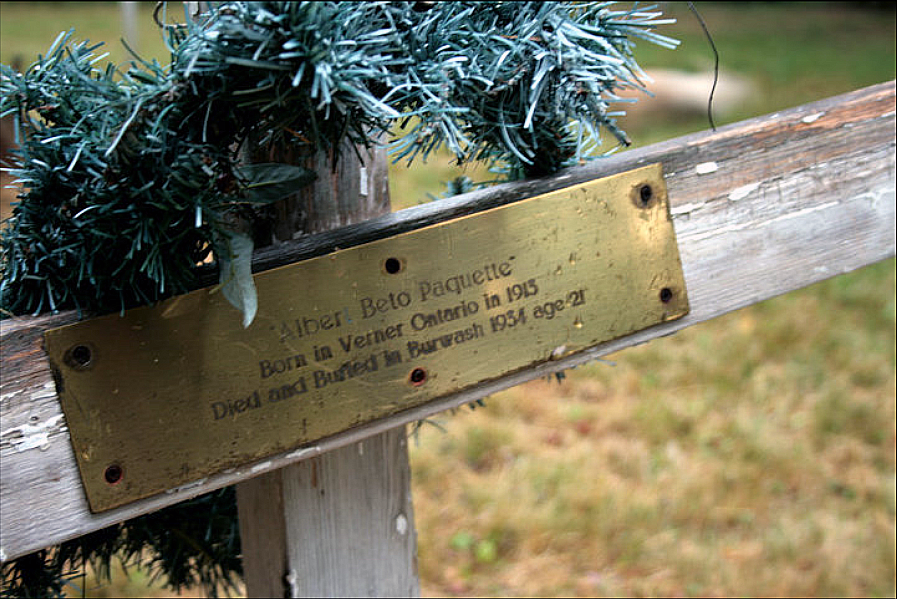
Most of the people buried here were prisoners who had no family to claim their remains. Between 12 to 20 inmates are believed to be buried in the cemetery, their graves marked only by simple wooden crosses.6 When the prison closed in 1975, no attempt was made to move them—the cemetery was simply abandoned.4
Records show that during the Spanish Flu epidemic in 1918, more than 30 people died at Burwash; including inmates, a nurse sent in from Toronto, and the wife of one prisoner who had come to visit.7 We don’t know for sure if any of these victims were buried in the cemetery, but it’s possible.
When we first visited in 2010, the cemetery was surprisingly accessible, although still hidden. The road was maintained, and I remember we were able to drive right up to it. The grass had been maintained, and though the markers were few, the space felt quietly cared for.
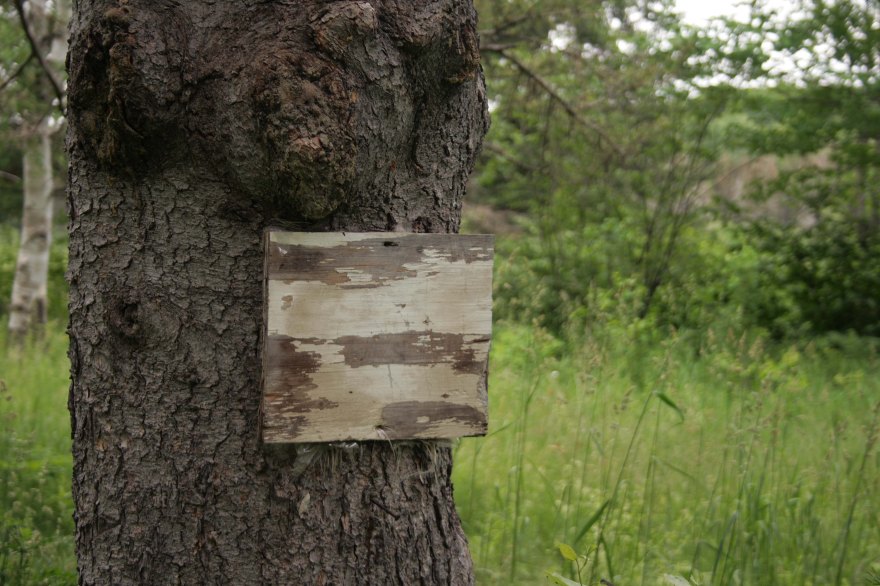
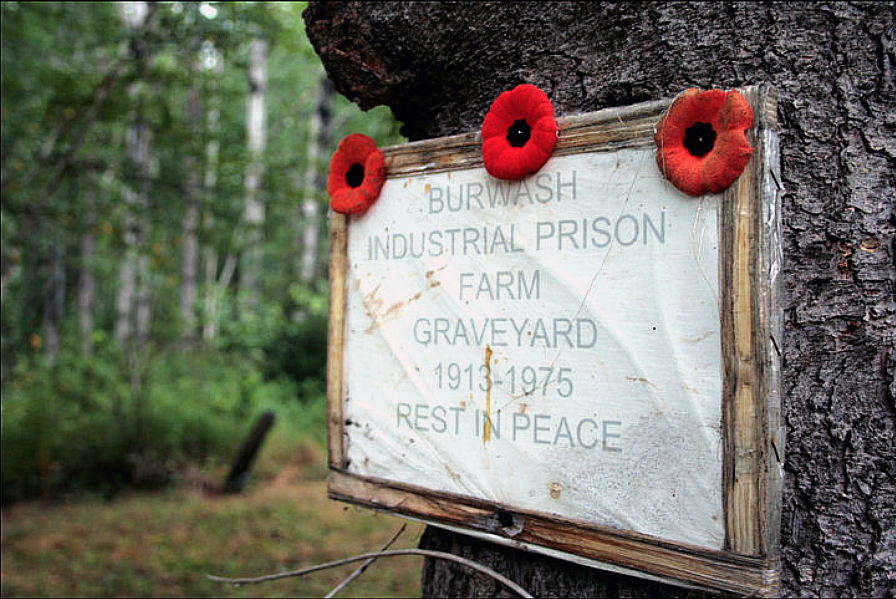
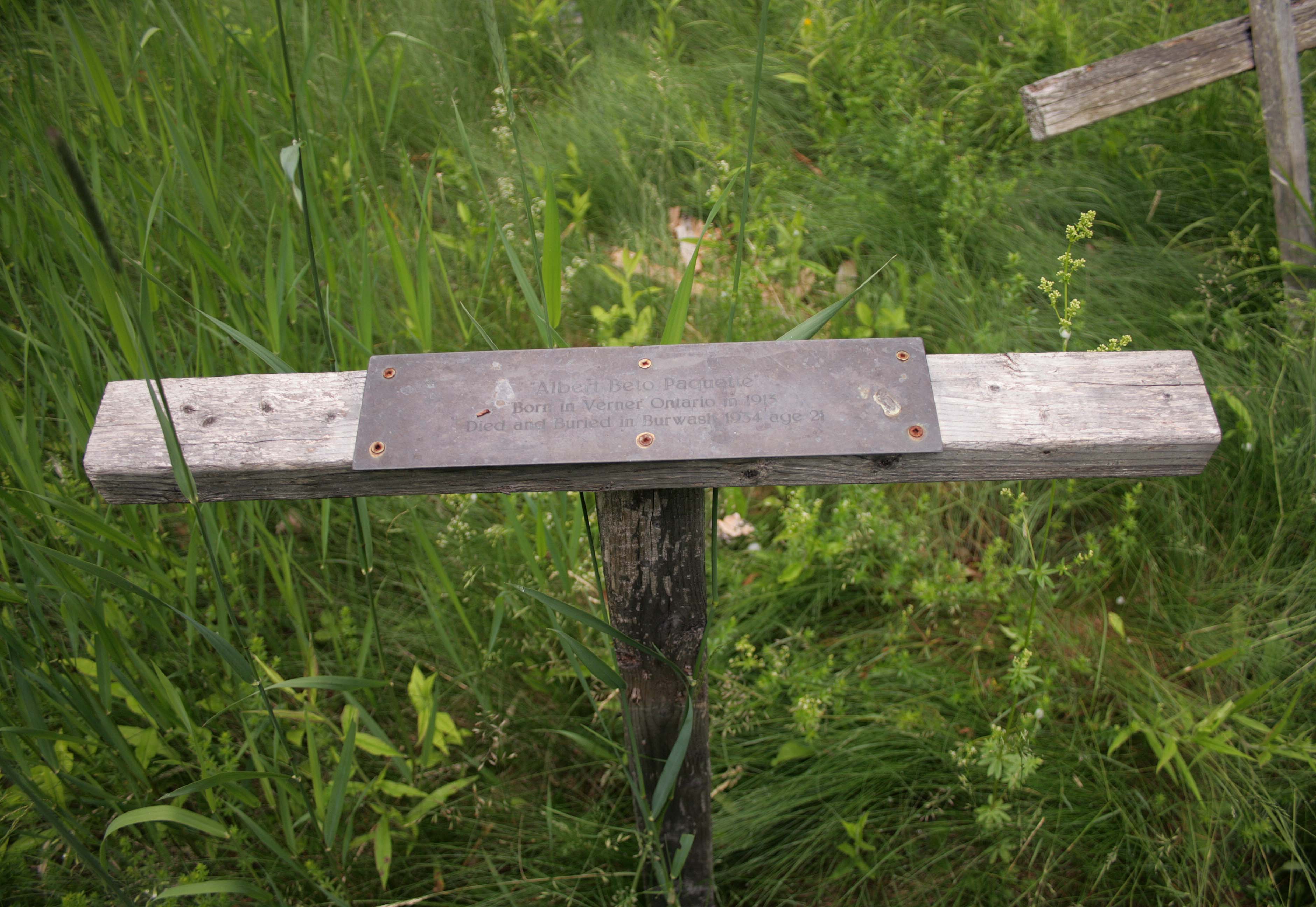
No polished stones or statues. Just plain wooden crosses. A few had small metal plaques. There was no formal cemetery sign, but a small framed sign hung on a tree near the entrance, quietly marking the space.
Thirteen years later, I came back. This time, the road was gone, and the cemetery was nearly unrecognizable.
It’s strange how a place can change so much.
In 2010, I remembered smooth roads and a tidy clearing. But in 2024, the gravel road was now a rugged, overgrown path—winding downhill, with deep ruts carved into the ground.
We parked in a grassy clearing nearby and walked into the forest. The bugs found us instantly, swarming like we were fresh meat. We followed what looked like a path through thick brush and knee-high grass.
Eventually, we reached a small clearing at the edge of the lake, the end of the road. I knew we had arrived—but it didn’t feel like the same place.
The cemetery was completely overgrown. Tall grass had swallowed the crosses whole. Most of the wooden markers were now broken or fallen. Any names or numbers that may have once been visible were long faded. Even the small frame marking the cemetery had been bleached by years of sun and rain, and was now blank.
It felt more like a ghost of a cemetery than a resting place. And yet, standing there, surrounded by wild grass and silence, I was reminded again why places like this matter.
Today, Burwash is a mix of forest, forgotten history, and scattered ruins.
If you’re planning to visit the prison, do your research and be prepared for an adventure. The site is on private land, and trespassers can be prosecuted. That said, Avalon Eco Resort offers a legal way to access the property, via a waiver and a small fee.3
There’s a small parking area near the train tracks, close to the start of a 4.5 km hike to the site. The road is no longer open to vehicles—only foot traffic, bikes, and ATVs. Parts of the trail are flooded, and while ATVs can get through, hikers and cyclists may have to get creative to find “alternative” paths.3
Visiting the cemetery is a different story. It’s not on private land, so there’s no need for special permission. But it’s still easy to miss in the forest, and it’s a bit of a hike.
Today, only fragments of Burwash remain. Most of the buildings are gone, but the land still whispers its stories. The cemetery is especially easy to miss if you don’t know it’s there. But for those who make the trip—who follow the overgrown path and brave the bugs to stand among the fallen crosses—it’s a place that stays with you.
Even in decay, Burwash reminds us how quickly places—and people—can disappear. But it also reminds us that memory lingers—in the rust, the rubble, and the wild grass growing where names once stood.
But recently, I became curious about what kind of cemetery podcasts might exist. As someone who has always been fascinated by the history, culture, and stories buried within cemeteries, I figured it was time to explore what podcasts had to offer.
From eerie tales of haunted burial sites to deep dives into sustainable burial practices, there’s a whole world of interesting cemetery content out there.
Here are 13 cemetery podcasts you should check out this year.
This short podcast series explores the many ways people have commemorated their dead—whether through gravestones, memorials, or historical markers. Unfortunately, there haven’t been any new episodes since 2019.
Hosted by the Necro Tourist this podcast covers famous graves, infamous hauntings, and all the graveyard gossip. Although there have not been any new episodes since 2023, the early episodes are filled with interesting cemetery stories.
Hosts Lori, Hannah, and Sheena casually chat and share cemetery stories that are sometimes incredible, sometimes eerie, and always interesting. Fair warning though, it can take a while for them to get into the good stuff.
Hosted by Caitlin Howe and Frances Ferland, Grave Escapes brings the voices of the departed back to life. Each episode uncovers a new life story, offering a deep dive into the lives of those now at rest.
Grave Matters dives into the complex connections between death, cemeteries, and culture. Episodes cover sustainable burial practices, the rise of natural burial grounds, and shifts in how we think about death care with thought-provoking discussions.
For those who enjoy a good historical ghost story, The Grim offers well-researched spine-chilling tales of haunted cemeteries and eerie graveyard legends from around the world.
Hosts Jennie and Dianne explore old cemeteries, their preservation, and the lives of those buried there. Their deep dives into these sometimes forgotten histories are both fascinating and informative.
This podcast explores cemeteries and burials worldwide, uncovering the inspiring stories and eerie legends that have grown from these final resting places.
Hosted by Liz Clappin, Tomb With A View offers an insightful exploration of American cemeteries, focusing on their history, preservation, and cultural significance.
This podcast is primarily focused on the funeral industry, Undertaking regularly explores topics involving cemeteries and burial practices. Filled with insightful interviews with industry professionals, each episode offers a unique and cultural look at death.
While these next three podcasts aren’t solely focused on cemeteries, each features episodes that delve into cemetery-related topics or are closely related to cemeteries and graveyards.
Created by The Order of the Good Death, this podcast explores the history of death, burial, and mourning practices across different cultures and eras. While not specifically focused on cemeteries, it often touches on fascinating stories and histories that are closely connected to them.
The official podcast of The Haunted Walk, Haunted Talks explores the paranormal, dark history, and ghostly tales. Some episodes venture into haunted cemeteries and the eerie legends that surround them.
Author J.W. Ocker is all about visiting strange and unusual places. Cemeteries and burial grounds sometimes make their way into episodes, as Ocker visits and explores the stories behind odd and interesting sites.
Whether it’s the history, the stories, or the spooky tales—there’s sure to be a podcast on this list to satisfy your curiosity.
Is there a podcast I should add to the list? Let me know in the comments.
“They might have split up or they might have capsized They may have broke deep and took water And all that remains is the faces and the names Of the wives and the sons and the daughters”1
These lyrics from Gordon Lightfoot’s iconic song The Wreck of the Edmund Fitzgerald have long been etched in the minds of listeners, who like me, have found themselves enthralled by Lightfoot’s masterful storytelling.
This song, along with many of his other hits, like If You Could Read My Mind and Sundown, have created the soundtrack for countless Canadians, evoking the beauty, melancholy, and vastness of our Canadian landscape.
Today on the blog, I want to share my experience from this past September. I had the opportunity to visit the Gordon Lightfoot Sculpture Park and his final resting place in his hometown of Orillia, Ontario.
Gordon Meredith Lightfoot was born on November 17, 19382 in the small town of Orillia, the gateway to the Muskokas.3 From an early age, Lightfoot showed a natural talent for music, learning the piano, teaching himself to play drums, and later picking up the guitar.2 In 1957, Lightfoot left Canada, going to Los Angeles to study jazz orchestration at Westlake College of Music.2 After returning to Canada in the late 1950s, he began to sing folk songs and play guitar around Toronto.2
It didn’t take long for Lightfoot to make his mark on the Canadian music scene. His folk-infused ballads quickly captured the essence of the Canadian spirit. Throughout his career, Lightfoot released over 20 albums and was known for his blend of folk, country, and soft rock—a style uniquely his.2
Lightfoot received numerous prestigious awards throughout his music career, including multiple Juno awards, and was inducted into the Canadian Music Hall of Fame in 1986.2 He also earned honours like the Order of Canada, Order of Ontario, and a Governor General’s Performing Arts Awards.2 Lightfoot was recognized in the Canadian Songwriters Hall of Fame and received a Lifetime Achievement award from SOCAN and the Toronto Music Awards.2
One of my favorite Lightfoot songs is based on a real-life event, the tragic sinking of the S.S. Edmund Fitzgerald. The Wreck of the Edmund Fitzgerald, in my opinion, is one of his most famous and most haunting ballads.
The song is a tribute to all the lives lost in the shipwreck, on November 10, 1975. It’s estimated that between 7:20 and 7:30 p.m. on that fateful day, the ship vanished and sank with 29 men onboard.4
S.S. Edmund Fitzgerald. Photo: United States Army Corps of Engineers, Public domain, via Wikimedia Commons
Gordon Lightfoot Sculpture Park
I knew my visit to Orillia would not be complete without a visit to the Gordon Lightfoot Sculpture Park and walking trail. We visited in late September, and the trees were just beginning to change. A perfect day for a walk.
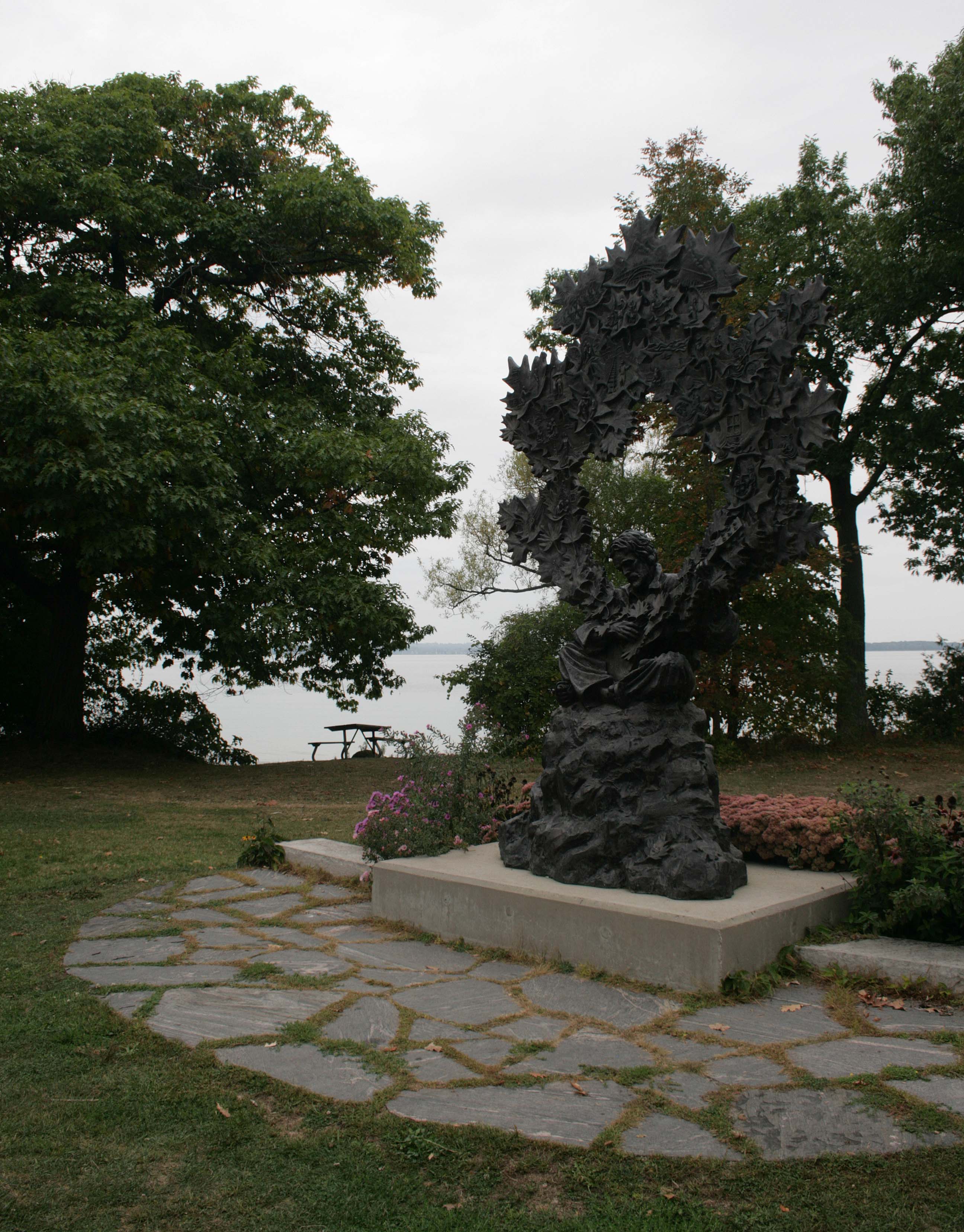
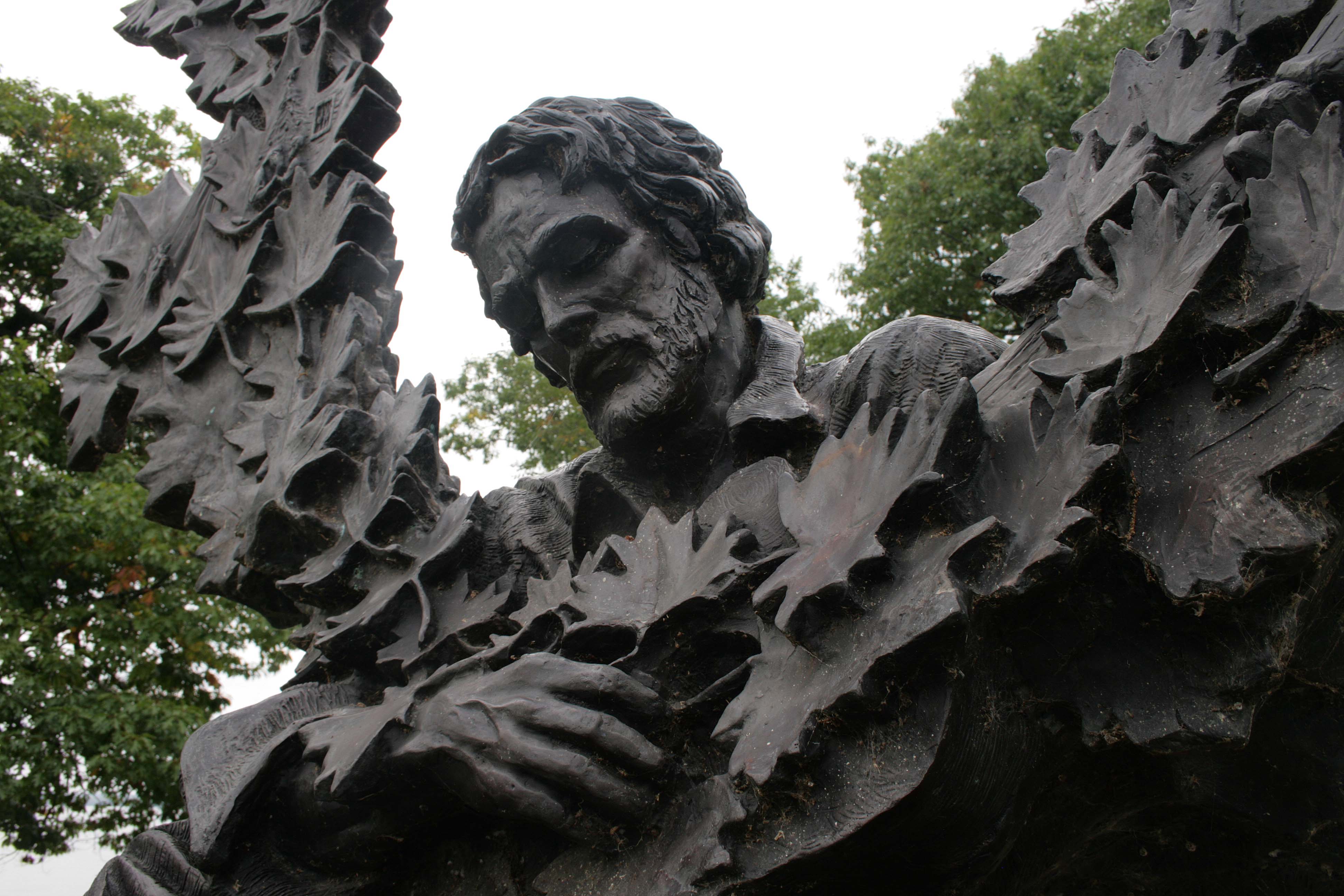
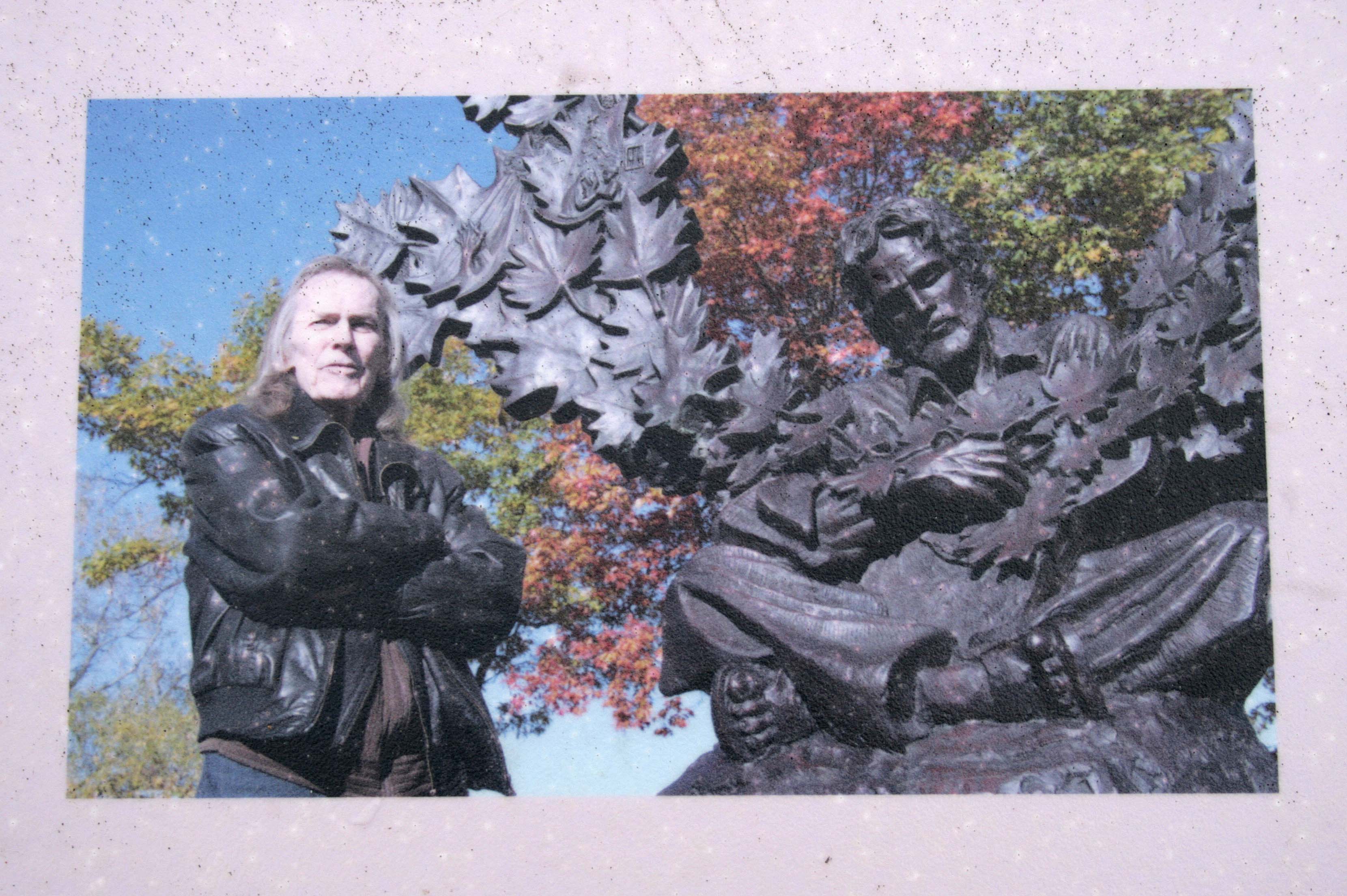
The sculpture park is a beautiful and artistic tribute to Lightfoot’s music and legacy, celebrating both his achievements and his connection to the area. The park’s centerpiece is a striking, larger-than-life bronze sculpture of Lightfoot, sitting cross-legged with his guitar in hand. It captures him in his element, mid-song as his music comes alive around him, depicted on maple leaves that encircle him. I took some time to reflect while standing before the statue. The park is not just a collection of art pieces, but a reflection of Lightfoot’s connection to the land, his music, and the people who grew up listening to his songs.
My mother and I were not the only visitors to the park that day. There were throngs of people walking the trails, many with large cameras in hand. I noticed they all took some time to admire the beautiful sculpture work and reflect on Lightfoot’s life and work as well.
I wondered if Lightfoot himself had known about this sculpture park. I was pleasantly surprised to see a large plaque that showed Lightfoot smiling as he stood beside his younger, bronze self. He was in attendance for the unveiling in 2015, and said humbly “I’m honoured, much more so than any of the honours I’ve received up to this point in time.”5
After walking the entirety of the walking trail loop, my mother and I made our way back to the car. We decided since the area was so nice that we would have our picnic lunch in the sculpture park, before heading to our next destination—the cemetery.
It was a short drive from the park to St. Andrews and St. James Cemetery. The cemetery was quiet and serene, offering beautiful views of the surrounding forest, although we were not the only living souls visiting the cemetery that day. There was an older couple who were also meandering through the cemetery paths.
Gordon Lightfoot passed away of natural causes, in a hospital in Toronto, at the age of 84.6 He was laid to rest in St. Andrews and St. James Cemetery in May of 2023, beside his mother and father. His mother, Jessie Vick Trill Lightfoot passed away in 1998 at the age of 88.7 His father, Gordon Meredith Lightfoot Sr. passed away in 1974 at the age of 63.8
The gravestone is simple, yet elegant—a testament to the quiet humility Lightfoot always embodied, despite his fame. The inscription simply reads “Together Forever”.
Visiting Gordon Lightfoot’s grave and walking the trails at the Sculpture Park in Orillia was a beautiful and memorable experience. I couldn’t help but think about how his music had been woven into the fabric of Canada’s history. More than just melodies, they’re stories that often capture the essence of the Canadian experience.
There is something special about visiting the final resting place of someone whose music has shaped the soundtrack of a country.
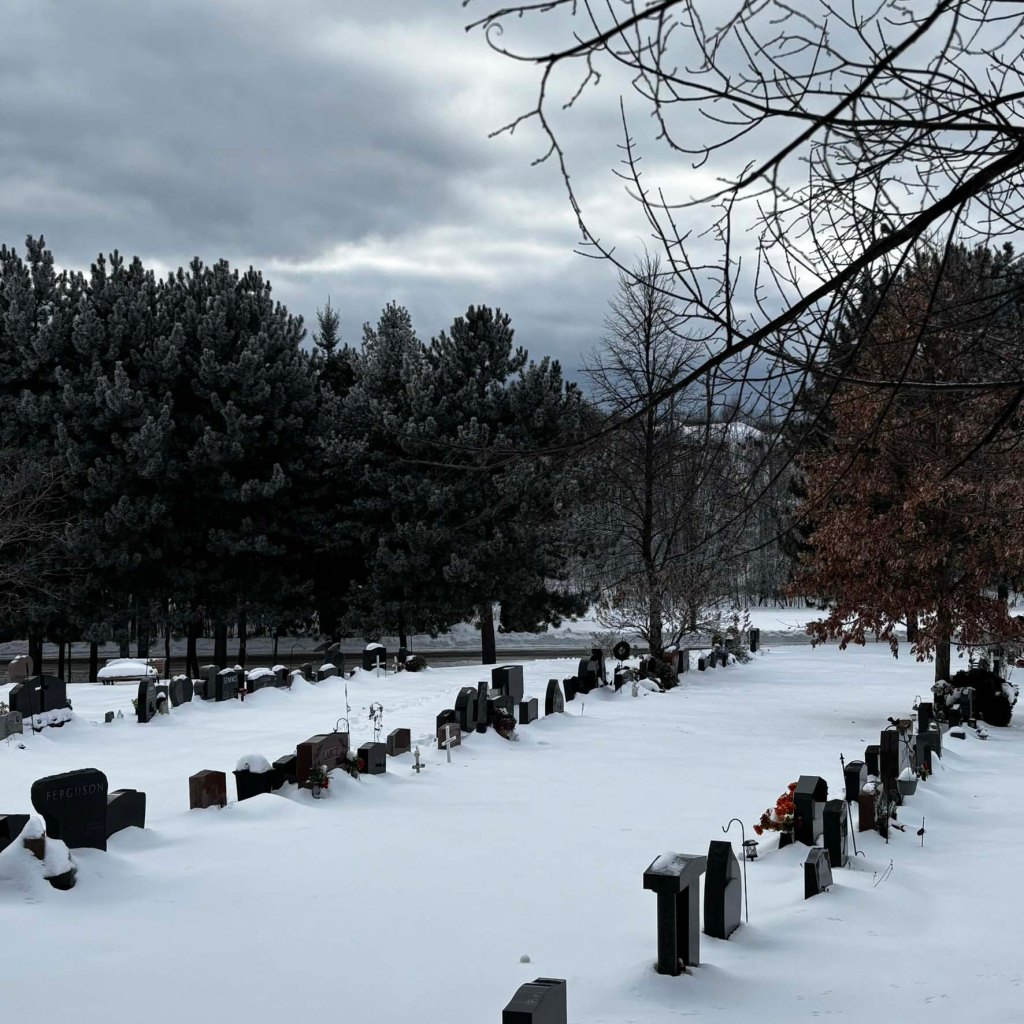
As winter settles in, it’s hard to ignore the changing of the seasons. The chilly air, shorter days, and the snow-covered gravestones mark the end of field season for me. I have always seen snow-covered cemeteries as just too risky to explore—both for me and the gravestones.
While the cold usually keeps me indoors for the next couple of months, it brings something special to the cemeteries I love so much. There is a stillness in the air, and cemeteries in winter do offer something unique that cemeteries in the warmer months just don’t have.
Winter is often seen as a time for rest and renewal. Nature takes a break during these colder months, and cemeteries seem to do the same. The chill in the air makes everything feel still.
For me, the winter season is a time to focus on rest and recharging, while also refocusing on photo editing and research. Nothing is more relaxing to me than being curled up on the couch with a good book. But winter is also a time for reflection on life’s cycles. The season reminds us that life, like death, is all part of the same cycle. Nature’s rhythms, whether still still or full of growth are always changing, just like us.
I’ll be honest, winter is not my favorite season, and I don’t have a lot of experience visiting cemeteries in the snow. The bitter cold and early darkness does not appeal to me. But I will admit that cemeteries in winter have an almost haunting beauty that I can’t ignore.
The bare trees against a pale sky, and the contrast between the dark gravestones against white snow, create a mood that’s both peaceful and a bit mysterious. It’s the kind of scene that makes you stop for a moment.
Even though this isn’t the time I usually seek out cemeteries, I made an effort this weekend to stop in to one, to appreciate the unique atmosphere it creates.
One interesting thing I found about cemeteries in the winter is the light. With the sun being lower in the sky, the light creates long and dramatic shadows, adding texture and depth to the landscape. I find the gravestones just look different in the winter light.
The unique angles of the light during winter do make it a great time to play around with shadows and textures. For anyone interested in photography, winter cemeteries offer a chance to capture the landscape in a new way.
As I think about how winter enhances the beauty of cemeteries, I realize that the symbolism of the season offers us an important reminder of the ongoing cycle of life. Winter is a time of rest and reflection, but it’s also a time to prepare for what comes next.
So will you be visiting any cemeteries this winter? Whether you’re stopping by to honor a loved one or just take in the beauty of the season, cemeteries in the winter do have a lot to offer.
A few years ago, my fiancé and I started a new October tradition. We were engaged in October, and to celebrate we planned a cute weekend getaway at a haunted hotel. We visited a haunted pub and enjoyed the small-town charm and fall weather.
We had so much fun that we started thinking about other haunted hotels we could visit—and the tradition was born!
This year, our Haunted Holiday took us to Toronto.
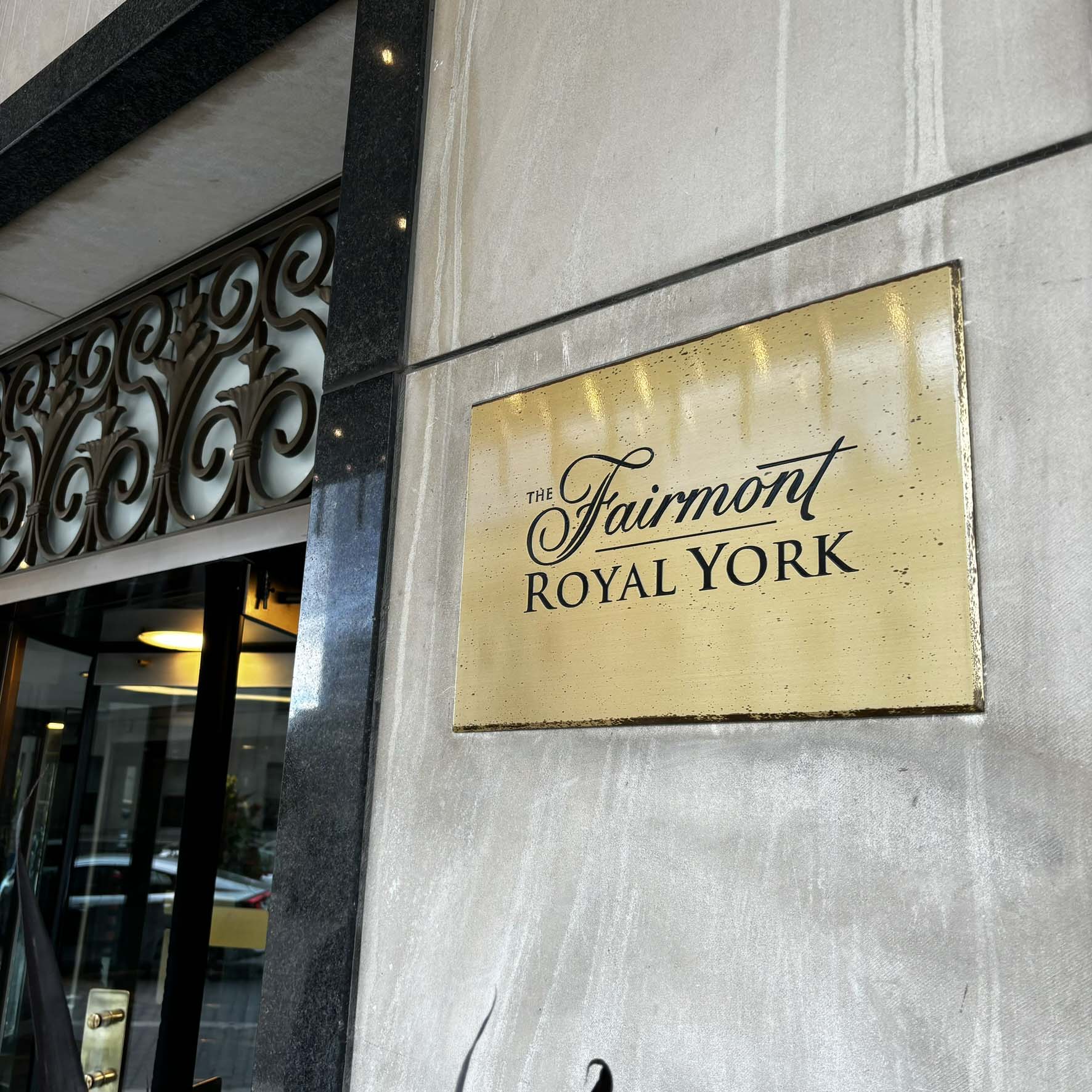
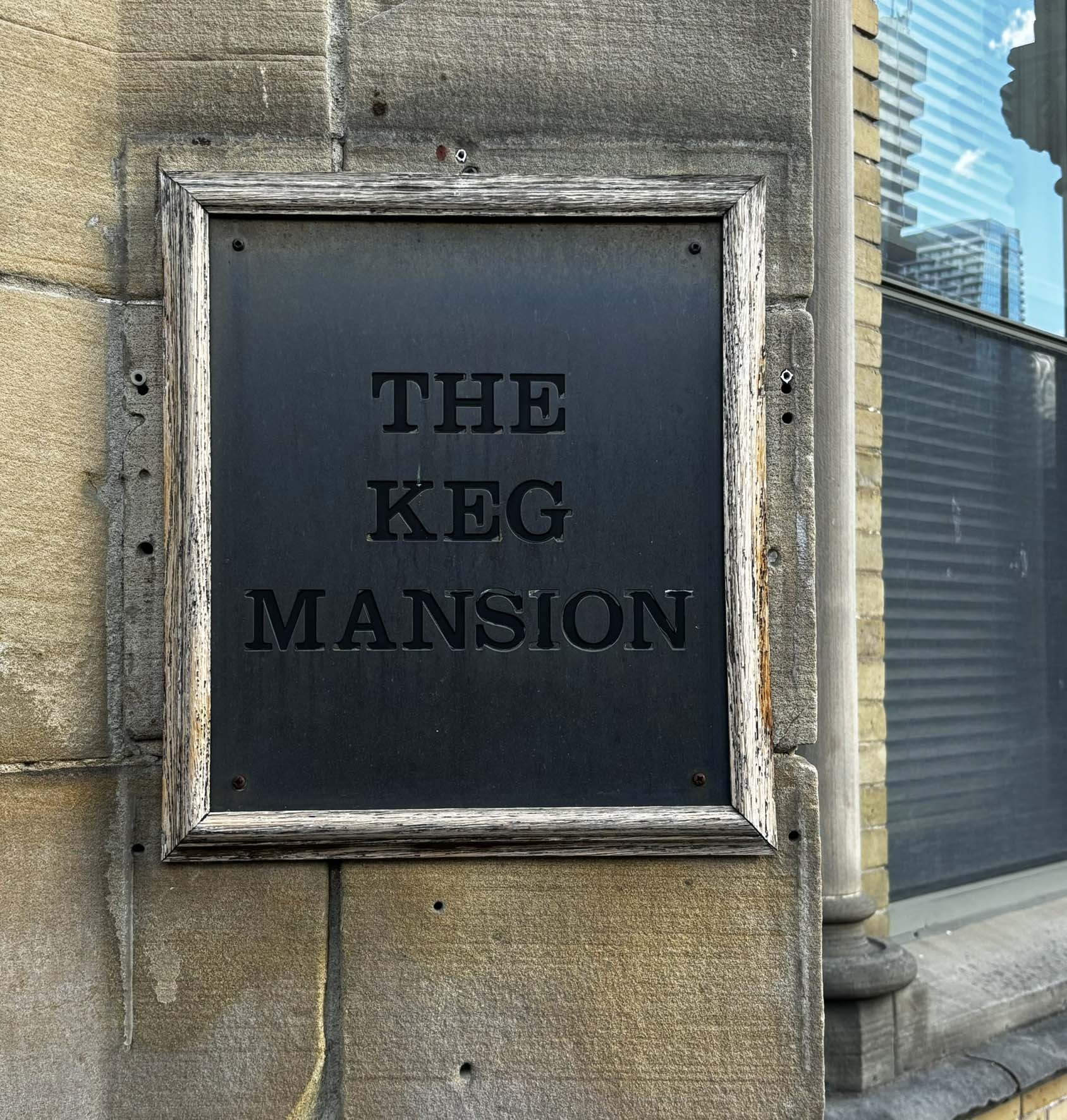
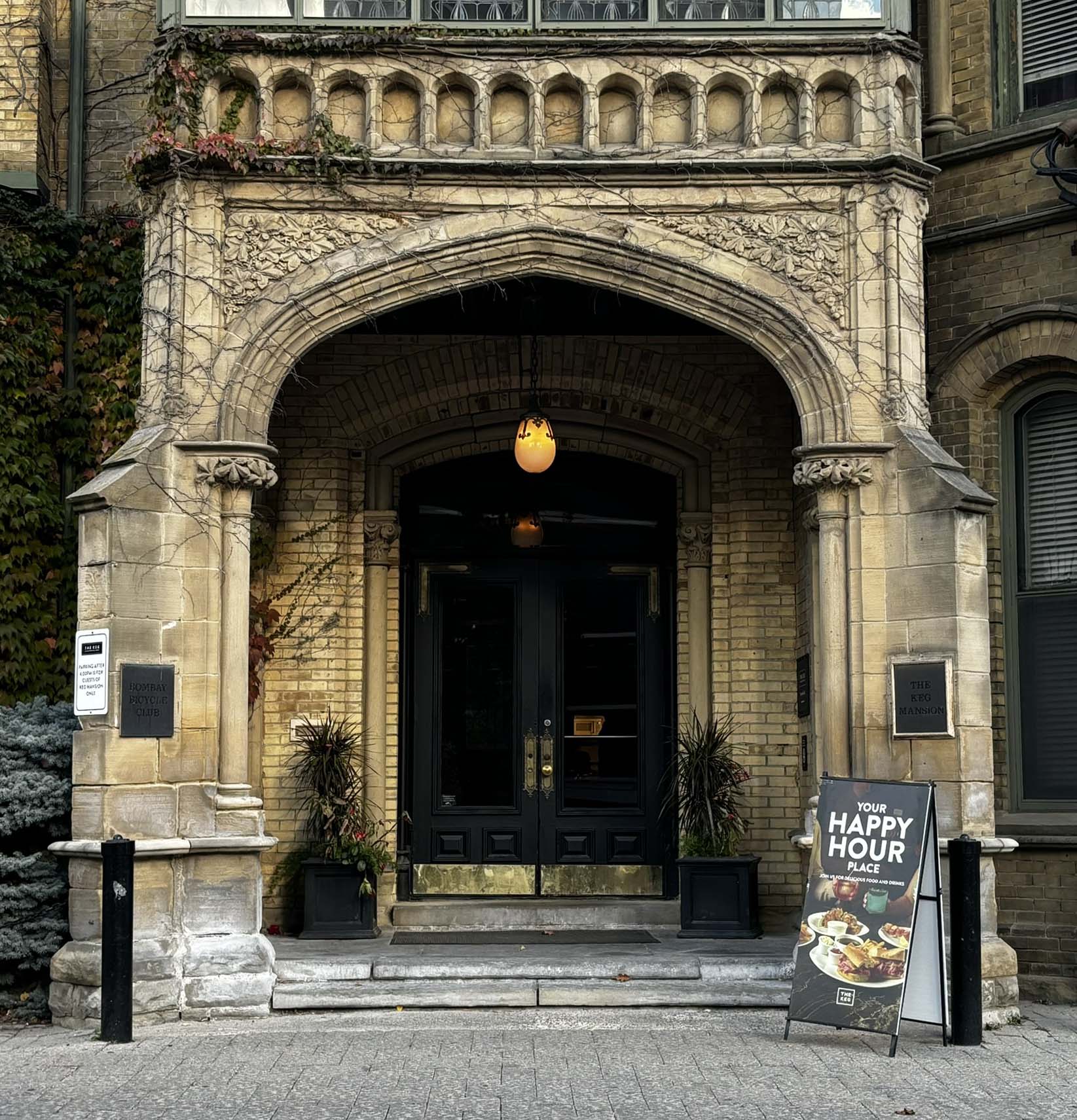
We had tickets to see the iconic heavy metal band Iron Maiden at the Scotia Bank Centre at the end of October, so it made sense to make a weekend trip. I did a bit of research into haunted locations in the city and booked us a room at the Fairmount Royal York. We also made reservations for a romantic dinner at a 157-year-old historic building known today as the Keg Mansion.
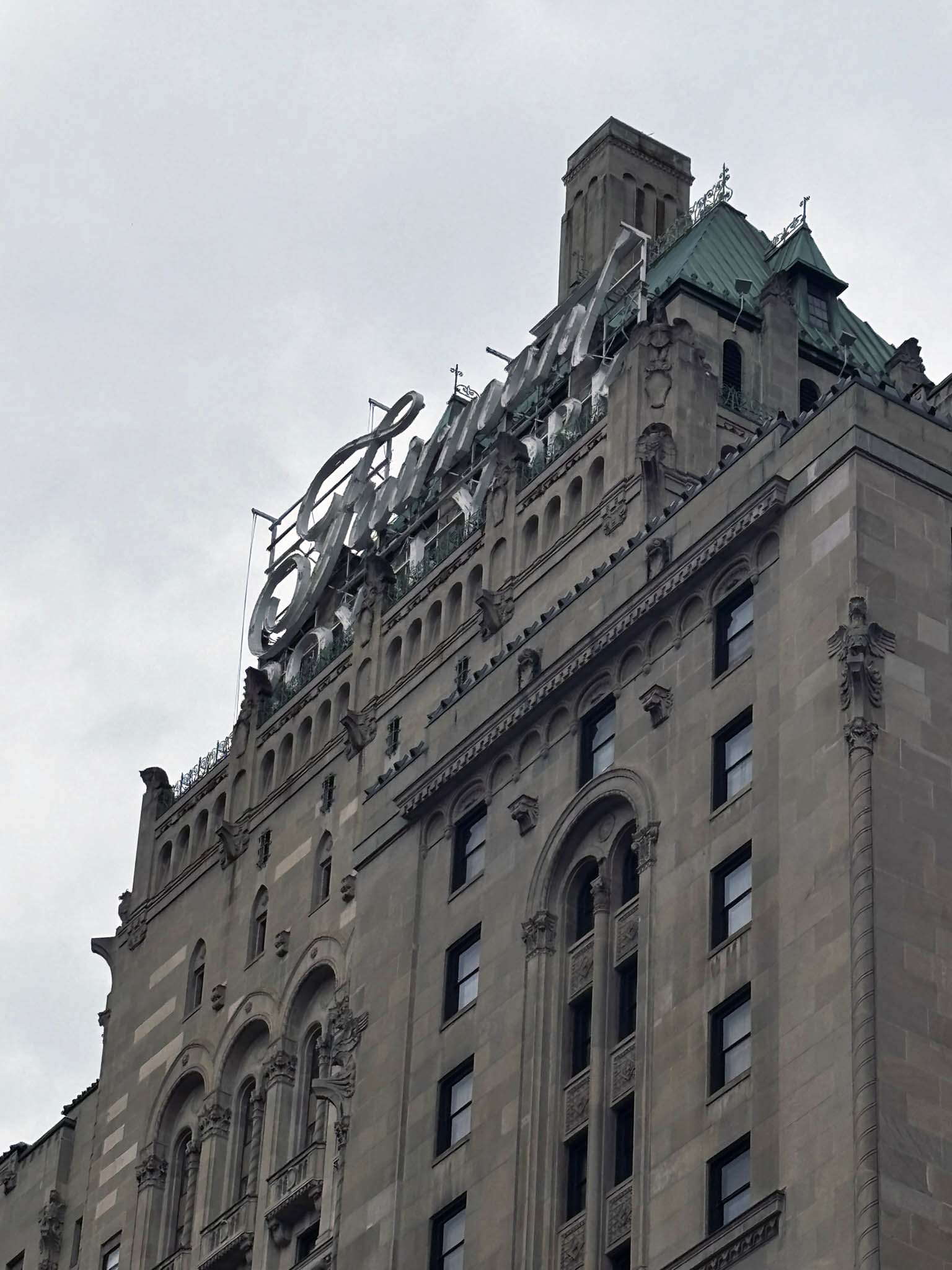
The Royal York Hotel was built in 1928-1929, by the Canadian Pacific Railway as part of its coast-to-coast chain of grand hotels. The skyscraper hotel was the tallest in the British Commonwealth at that time and dramatically altered the Toronto skyline.1
Today it’s one of Toronto’s most famous landmarks.
This stately hotel has played host to many celebrities and dignitaries over the years, such as Louis Armstrong, Ella Fitzgerald, and the Royal family.2 With such a storied past, it’s no surprise that it might also hosts a few ghosts.
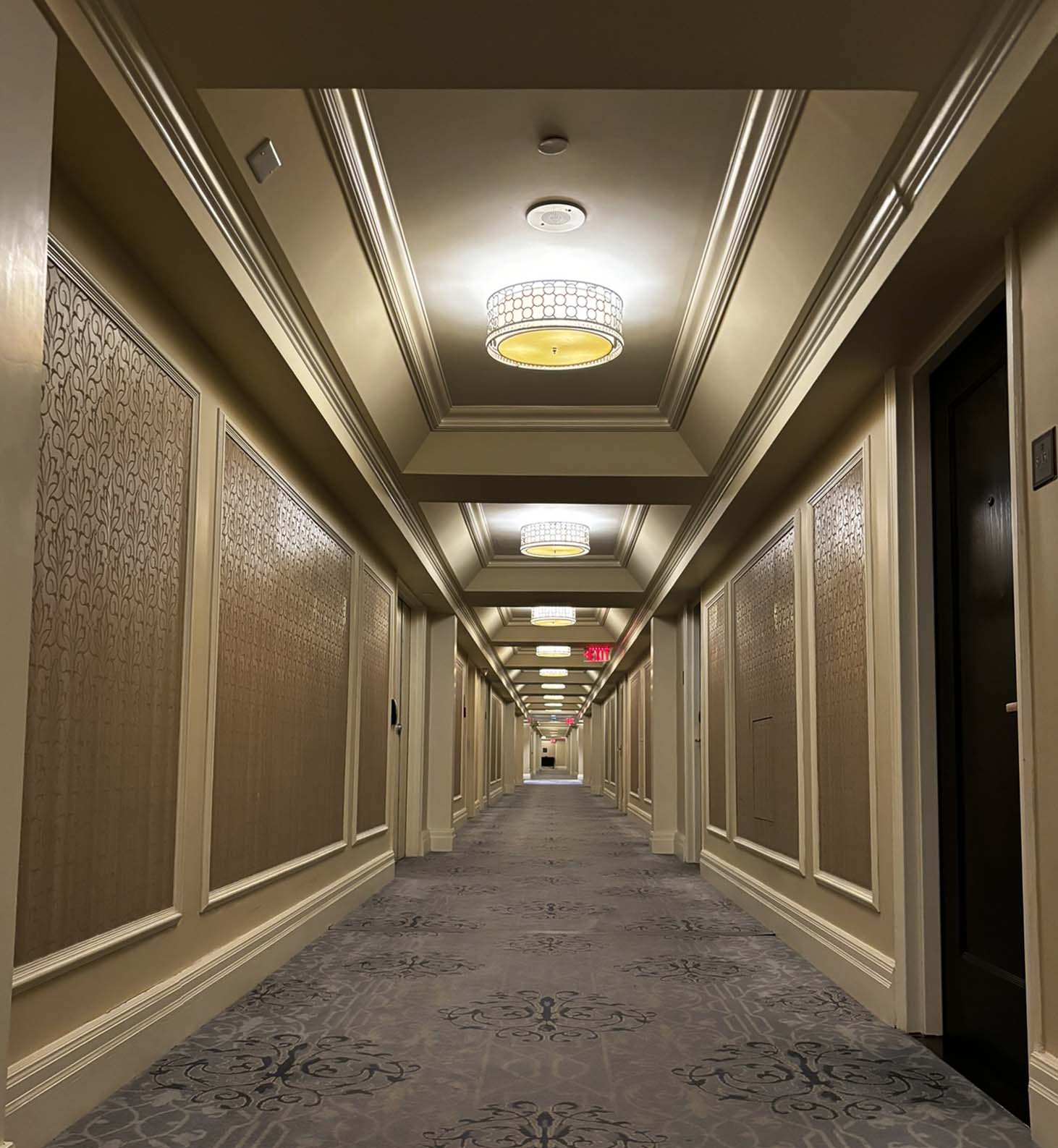
The most reported haunting is that of a gentleman who wanders the halls on the 8th floor. He is said to be wearing a purple jacket. This ghostly figure is sometimes seen accompanied by the sounds of children running up and down the halls while laughing. Those who have heard the ghostly children have peeked outside their chamber door to see an empty hallway and find silence. Some have peeked out to see the man in the purple jacket.3
My fiancé and I were eager to chat with someone about the supposed hauntings when we checked in. Unfortunately, we didn’t meet anyone who had any stories to share with us, either being recent hires or as one put it, worked only during the day when nothing spooky happens.
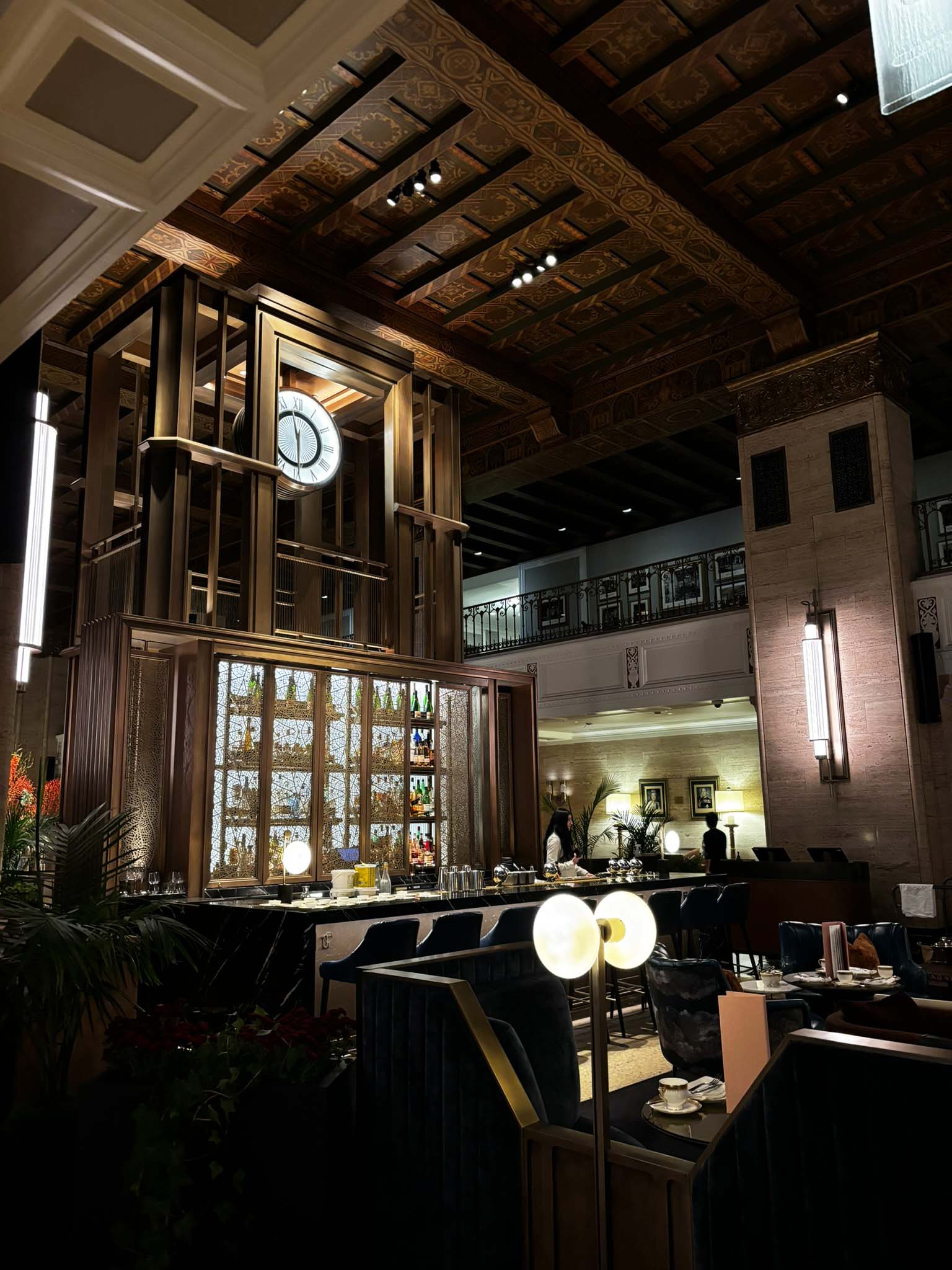
The hotel is immense and beautiful, so we took a bit of time to explore our surroundings while making our way up to our room on the 9th floor.
After dropping off our things and settling into our new home for the night, we had some free time before our dinner reservation. We had just enough time for a cemetery visit, some window shopping, and a drink or two at a pub.
Mount Pleasant Cemetery
Opened in 1876, Mount Pleasant Cemetery is considered one of Canada’s most historic cemeteries. It was designed by Henry Adolph Engelhardt and is a beautiful example of landscape design, inspired by the European and American garden cemeteries of the 19th century.4
Spanning 83 hectares in the middle of the city, the many winding paths provide picturesque views of the park-like landscape.4 Mount Pleasant features one of the finest tree collections in North America and walking and running trails that span 1 km, 3 km, and 5 km routes.5
Mount Pleasant is the final resting place of many prominent Canadians, including former Prime Minister William Lyon Mackenzie King, Nobel Prize winner Frederick Banting, founder of the Eaton’s department store Timothy Eaton, and renowned pianist Glenn Gould.6
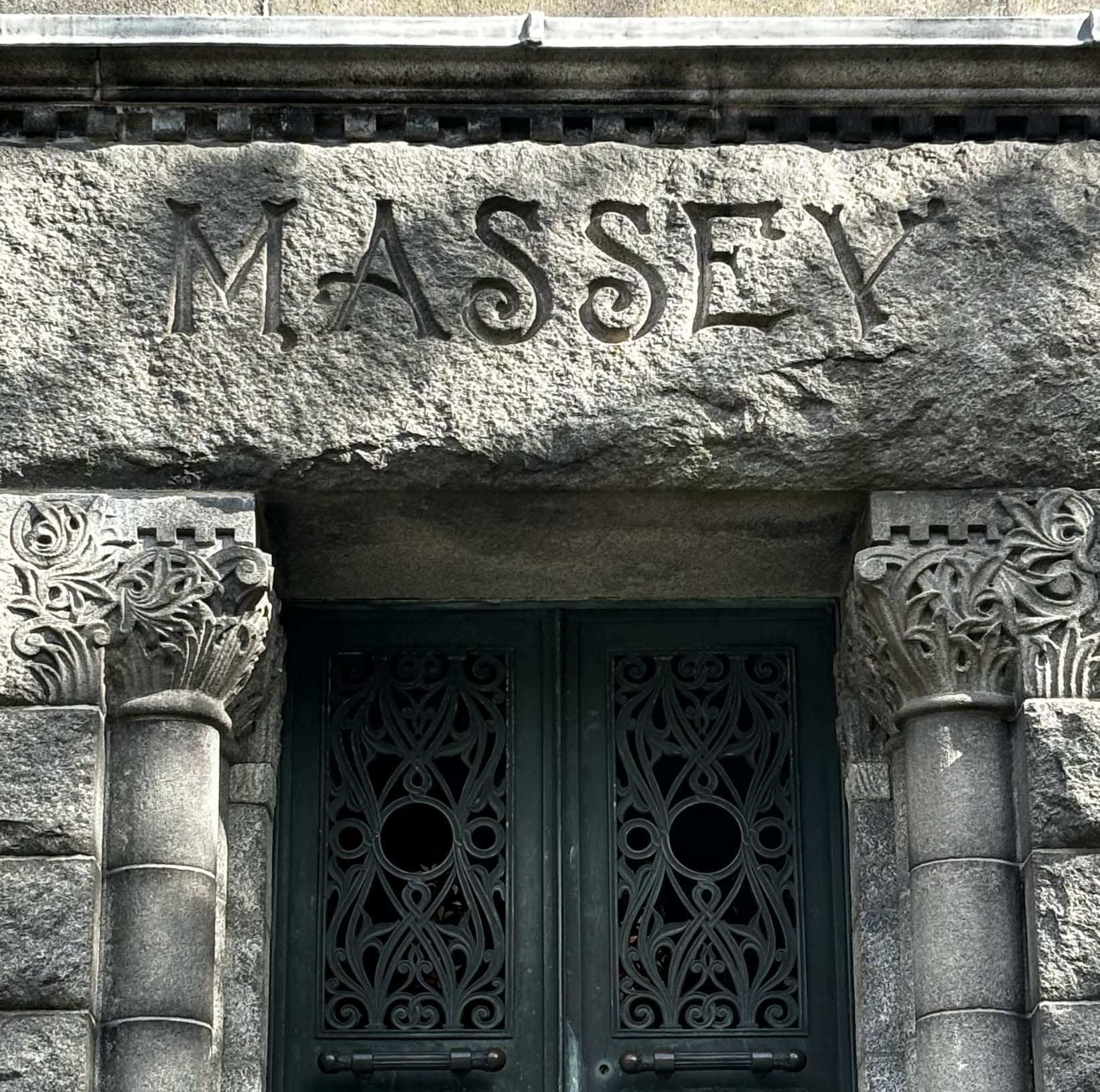
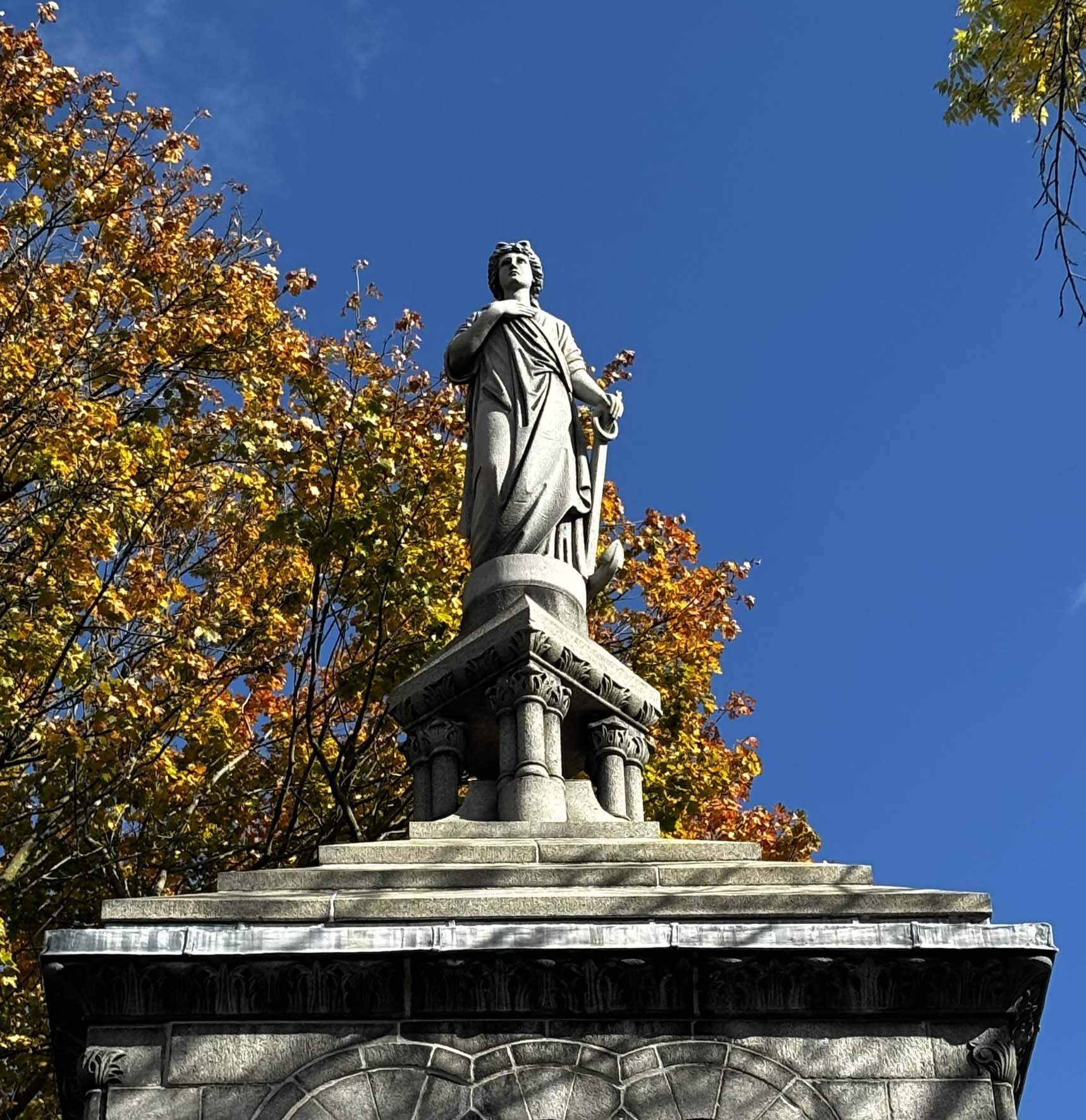
It’s also the final resting place of many members of the prominent Massey Family. The Massey Mausoleum was built in 1891. Designed in the Romanesque style, the family crypt features a tower, a below-grade crypt, and a statue of Hope, one of the seven virtues perched on top of its roof.7 Industrialist and philanthropist Hart Massey rests within the walls of this mausoleum, as well as his wife Eliza Ann Phelps Massey, and some of their children, like Lillian Frances Massey Treble.
I was particularly interested in visiting the final resting place of Lillian, as we would be dining with her ghost later that evening.
The Massey Mausoleum is massive and was easy to spot once I was pointed in the right direction. I will admit I did need to get directions from a groundskeeper as the cemetery is quite large and easy to get lost in. Especially when you are easily distracted by gravestones, like me.
Standing in front of the immense family crypt, I was in awe of the wealth and stature of this family, which I assume is one of the reasons for building such a massive final resting place.
I peeked inside and admired the beautiful stained glass, in the small sepulchre. The shaft of light coming from the stained glass windows in the ceiling lit the inside of the tomb just enough to make out the nameplates marking the shelves within the crypt. It felt like a special privilege to be able to see inside this final resting place of such a prominent Toronto family.
After paying my respects and taking a few more photos, I made my way back to my waiting fiancé. I excitedly showed him my photos as I described everything I saw during my short walk in the cemetery.
After a short rest and an iced pumpkin spice latte, we continued on our walk down Yonge Street stopping in at a shop here and there. We eventually sat down at a nice little pub called The Quail, where we enjoyed a few drinks and chatted with the owner. Now that I think about it, we completely forgot to ask the owner if he had any ghost stories to share.
But not to worry, we would get our fill of ghost stories at supper time!
The Keg Mansion
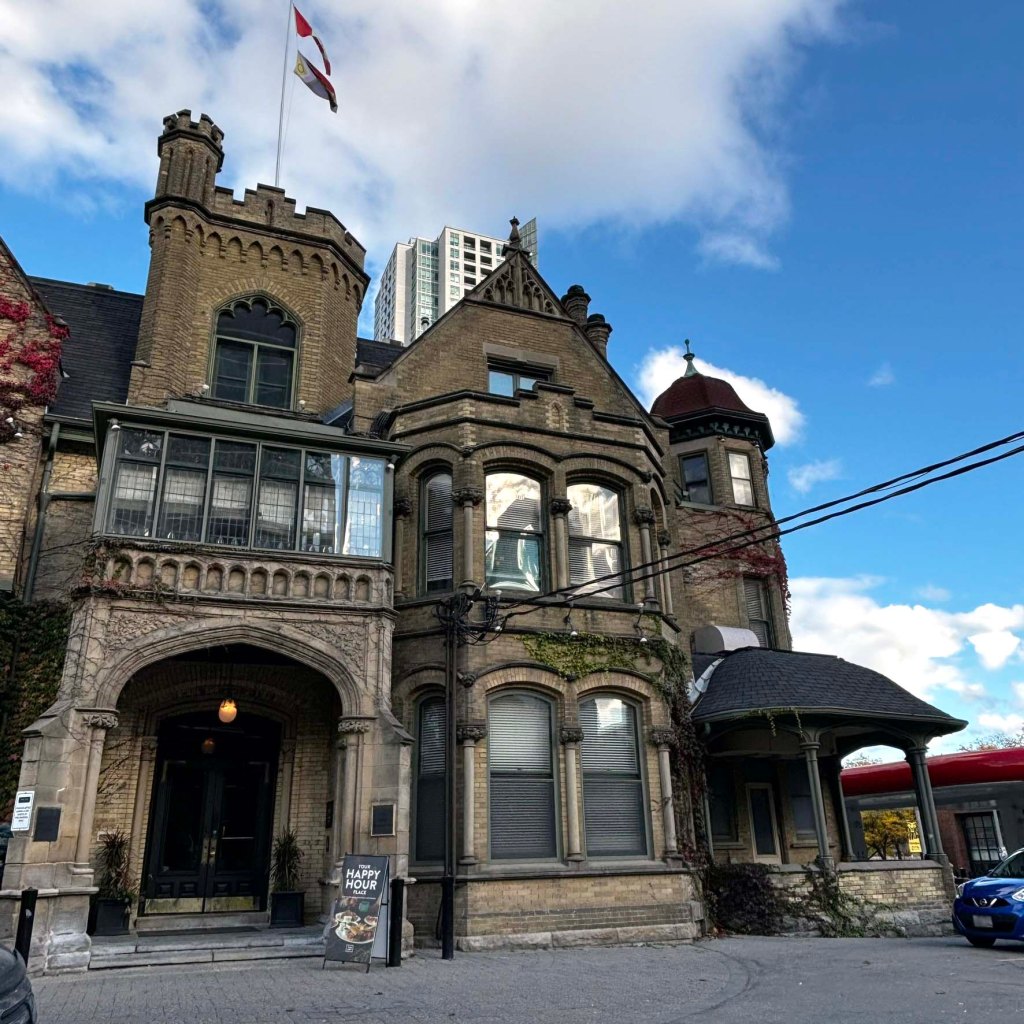
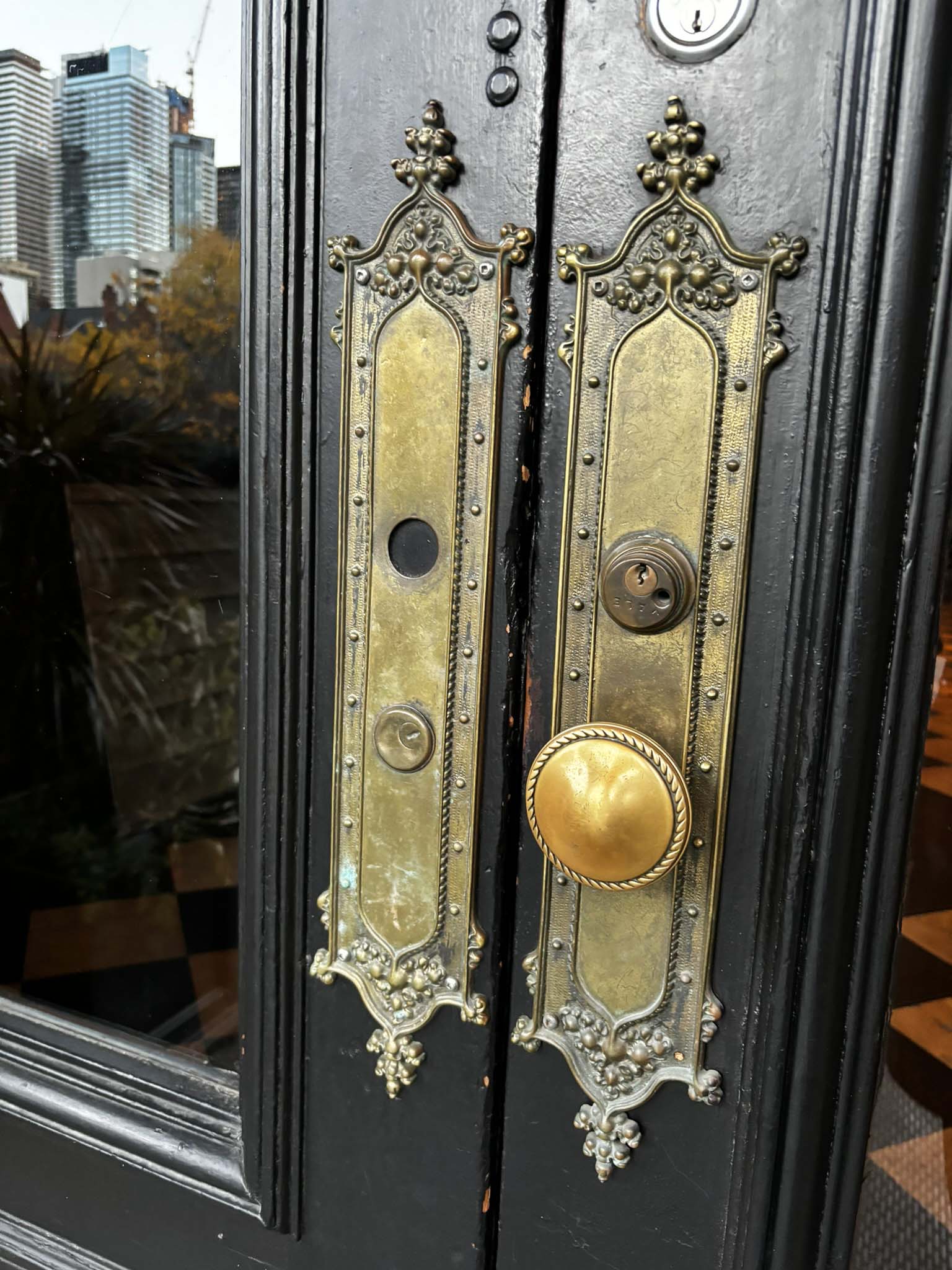
Our dinner reservation brought us to the Keg Mansion, a former home of the Massey family. Built in 1867, this elaborate mansion housed 26 different rooms and 17 fireplaces.8 The home was purchased in 1882 by Hart Massey, a Cleveland agricultural equipment salesman, and his wife. They would make additions to the ornate mansion by adding a turret, verandah, and a greenhouse.8
After Hart Massey passed away in 1896, at the age of 72, the estate was taken over by his daughter Lillian Massey. She would name the Mansion Euclid Hall, and reside there until her death. After her passing, the house was entrusted to the University of Toronto, serving as the home for many different establishments over the years. In 1975, the building received heritage status, and in 1976 became the home of The Keg Steakhouse + Bar. Today, it’s known as the Keg Mansion.8
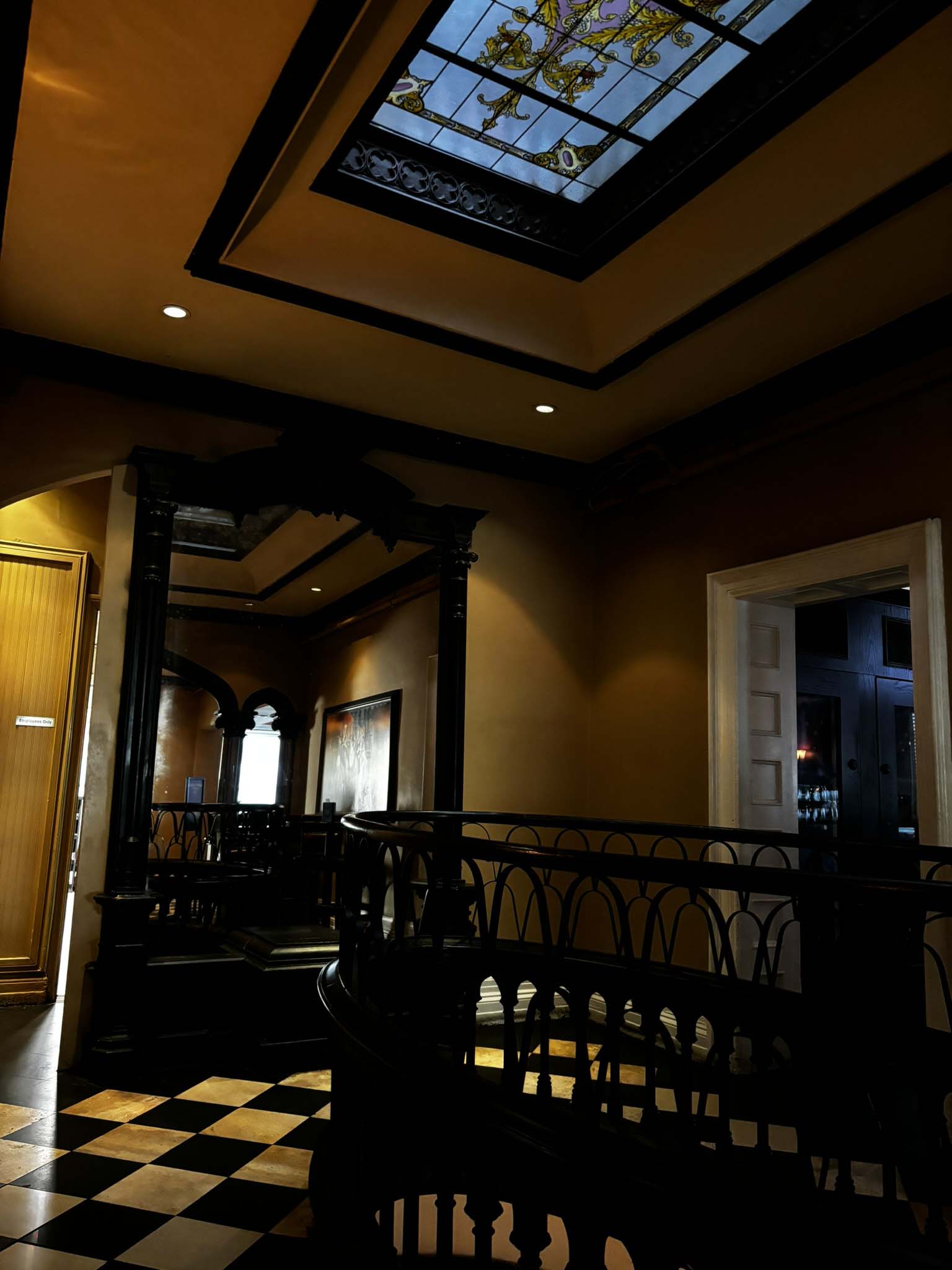
The Keg Mansion does not shy away from its ghostly history. When we arrived for our reservations we were quietly seated on the second floor. Of course, we asked right away if our server had had any ghostly encounters to share. She didn’t have any stories of her own to tell, but she kindly offered to bring over the “ghost book”, a collection of reported hauntings by staff and restaurant patrons.
I was happy to peruse the reported hauntings while they brought out our drinks. Some of the stories I was familiar with, like the story of Lillian Massey and her maid. Lillian passed away in the house in 1915, at the age of 61. Lillian was beloved by her staff, and her maid in particular took her death very hard. The story goes that after learning of Lillian’s death, her maid, distraught with grief brought a length of rope with her upstairs to the oval vestibule, where she fashioned a noose and hung herself.9
The vestibule is still a feature in the Mansion today, just outside the washrooms on the second floor. People have reported seeing Lillian’s spirit as well as the spirit of her maid, in various rooms throughout the house. The washrooms, in particular the women’s washroom, are thought to be one of the most haunted areas in the Mansion. Patrons have reported feeling cold spots, and even capturing ghostly images in photographs taken in a mirror above the fireplace in that washroom.
The stories I found most fascinating though were the sightings of the ghost of a young boy.
Throughout our meal, my fiancé and I couldn’t help eavesdropping on the conversations happening around us. The ghostly phenomenon happening at the Mansion is well known, and we were not the only ones asking questions about ghosts.
One server stopped by our table and told us a story about a mother and son who had come to the Mansion for supper. The little boy went to the bathroom, and on his return told his mother that there had been another little boy in the bathroom, all alone. Worried, the mother told her server who in turn told a manager. The manager went to the bathroom right away to see if the little boy needed help, but there was no one there.
We would learn later in the evening that there had been a young Massey boy, who also died in the house, who was around 10 years old. His playful ghost is also often reported.
Geoff, the Bar Manager stopped by our table after our meal and told us about his encounter with the child ghost. He had been walking with a tray of drinks past the front door area, where the large staircase is when he overheard a little girl telling her mother she wanted to play with the trains. The mother, confused, asked her daughter what she meant. In response, the little girl pointed to the empty staircase and said she wanted to play trains with the little boy. She was quite emphatic saying that he was playing with the trains and that she wanted to play too.
Except there was no one on the stairs, no little boy, and no toy trains!
Geoff assured us that even though the ghosts were very active, no one had experienced anything malicious. My fiancé and I hoped we would have an encounter of our own, but alas we didn’t experience anything. We both made it a point to visit the washrooms, and I did take a few selfies in the bathroom mirror, but I didn’t capture anything.
What we did have was a lovely evening of good wine, good food, and ghost stories.
After dinner we made our way back to the hotel to freshen up, then it was off to the Scotia Bank Centre for an evening of heavy metal. Iron Maiden put on an excellent show!
After a couple of hours of rocking out, we walked back to our hotel, stopping on the 8th floor to take a look around. It was quiet on that floor, so we returned to our own room for the night.
Although we didn’t get to experience any hauntings ourselves, we both agreed that it was a great weekend. You can’t go wrong with romance, ghost stories, and heavy metal. It was definitely a haunted holiday for the books.
Earlier this month, two friends and I traveled to Oakville, Ontario for another birthday cemetery road trip. It was a bit ambitious, with us hitting the road at the crack of dawn. We planned to beat the traffic, but also to get a head start on the day since it would be a four-hour drive, each way.
Since it would be such a long drive, we wanted to give ourselves as much time as possible to tour the town and sight-see. And yes, of course, visit cemeteries. There was one stop that was very high on our list—the final resting place of American actor and tap-dancing legend, Gregory Hines.
Gregory Oliver Hines was born February 14, 1946, in New York, New York. Hines began tap lessons at the age of four and would spend much of his childhood practicing and performing alongside his older brother, Maurice Hines.1
The Hines Brothers performed their song-and-dance act all over the United States. In 1963, their father joined them, turning the duo into a trio. They continued to make a name for themselves, making countless TV appearances.1 But in 1973, Hines recognized that tap dancings popularity was declining and left the act to pursue a musical career and start a band. This was short-lived though, and Hines soon returned to New York and the stage.1
In the early 80’s, Hines made the transition to Television and film actor. His first feature film credit is his portrayal of Josephus in the comedy/musical Mel Brook’s History of the World Part I (1981). Known for his accomplished choreography and tap dancing, many of Hines’ films showcase his dancing. He starred alongside veteran tap dancer Sammy Davis Jr. in the 1989 film Tap. Credited with 49 acting roles, Hines was a successful and versatile actor. Some of his most successful films are Running Scared (1986), Renaissance Man (1994), and Waiting to Exhale (1995). I would be remiss if I didn’t also list his cameo in the fan favorite, The Muppets Take Manhattan (1984).2
In 2002, Hines was diagnosed with liver cancer. He kept his diagnosis private, sharing his health struggle with only family and close friends. A year later, Hines succumbed to the illness en route to the hospital, from his home in Los Angeles.3Gregory Hines passed away on August 9, 2003, he was 57.
Hines is remembered by his two children, a son, and daughter, from two previous marriages. His memorial service took place on August 13, 2003, at Saint Monica’s Catholic Church in California. Based on the photographs I found online, it looks like it was an emotional service, with many Hollywood stars in attendance. Hines is laid to rest in Saint Volodymyr Ukrainian Cemetery in Oakville, Ontario, beside his fiancé Negrita Maria Truszyk Jayde.
Saint Volodymyr Ukrainian Cemetery, also known as West Oak Memorial Gardens, is owned and operated by St. Volodymyr Cathedral. It was founded in 1984, and sits on 100 acres of property that overlooks Sixteen Mile Creek. Today, it’s thought to be the largest Ukrainian cemetery in Canada.4
It was a beautiful sunny day when we visited Saint Volodymyr. Right away, we noticed how busy the cemetery was. Many people were visiting loved ones, cleaning gravesites, and paying their respects.
I knew before we arrived that the cemetery was a large one, so I had come prepared. I wanted to make sure we had plenty of time to pay our respects and wouldn’t spend all our time searching. With coordinates in hand, we were able to drive directly to the grave of Gregory Hines.
I’m not sure if it was done on purpose, or if it is just because of the sheer size of the cemetery, but there was a perfect parking space just off the path. Just big enough for one vehicle, across from the famous grave.
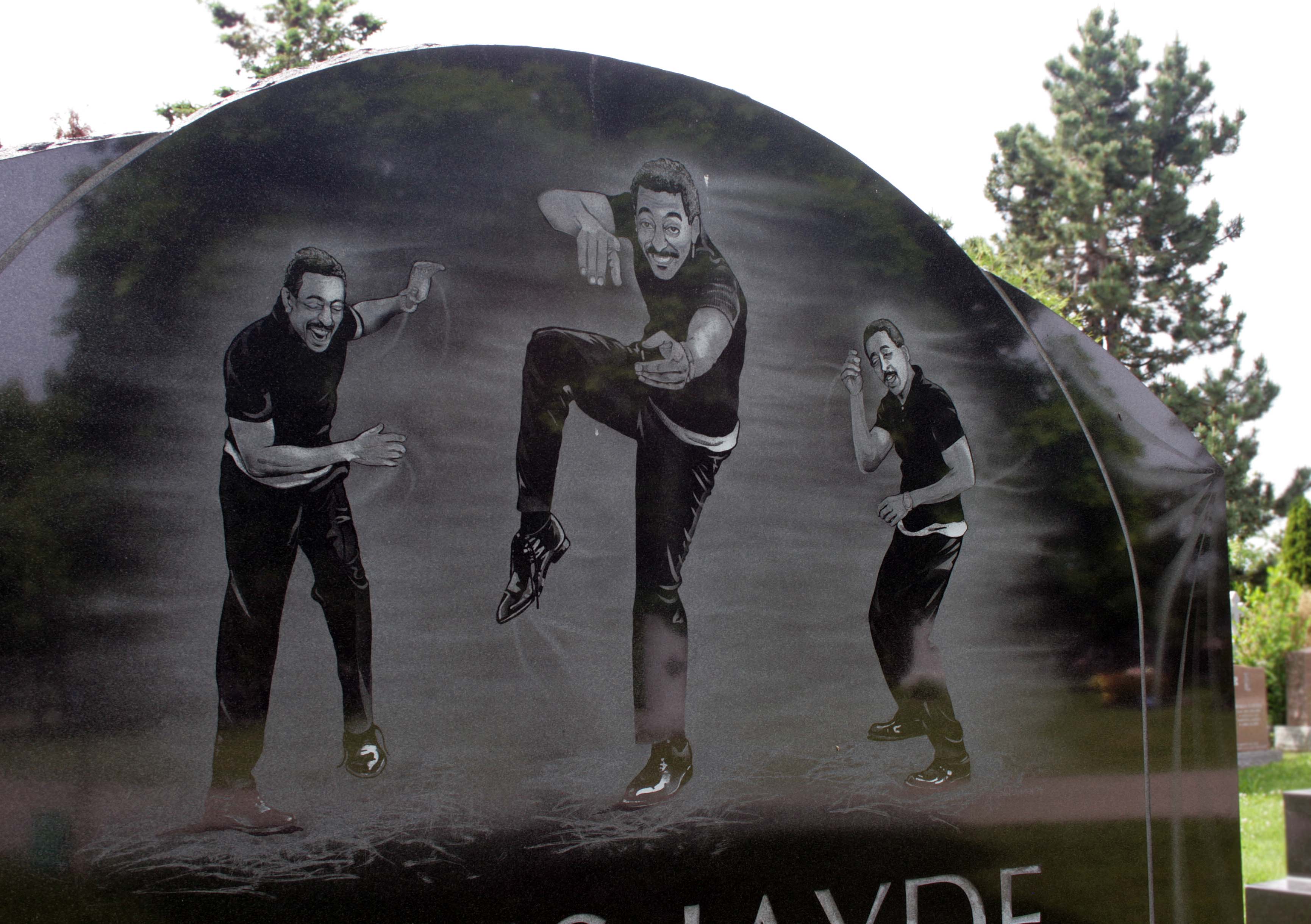
The Hines-Jayde gravestone is a beautiful monument, made from black granite. At the top of the stone is a sandblasted engraving of Hines dancing, framed by what looks like curtains on either side of the stone. He is depicted with a look of joy and happiness on his face. It’s a lovely representation of what he is best known for, and what was such a large part of his life.
“Hines Jayde / Gregory Oliver / Hines / Feb. 14, 1946 / Aug. 9, 2003 / Together Forever / Negrita Maria / Hines Jayde / July 5, 1958 / Aug. 28, 2009 / So all sing in their festive dance. / “Within you is my true home” Psalms 87:7”
It was easy to tell that we were not the only ones who had made a trip to visit this gravesite. There were many grave goods left behind on the day we visited. These included stones, candles, and oil lamps. There was also a heel and toe plate placed at the base of the gravestone. These plates are mounted to the bottom of a shoe and used to tap dance.
After paying our respects we wandered the cemetery a little bit, exploring the meandering paths. It’s a beautiful cemetery with its trees creating some beautiful dappled light across the gravestones. I noticed that there were many black granite stones, in some sections that were even the same style.
I also noticed many oil lamps left at graves. It reminded me of the Jewish practice of leaving pebbles on top of gravestones. Some graves had only one of two oil lamps, while others had handfuls of them surrounding the stones. I can just imagine how beautiful they would look at night with all of the lamps lit up.
You might be asking yourself how an American-born actor came to be buried in a Canadian cemetery. I had the same question.
It looks like the reason is because of Hines’ fiancé Negrita Jayde, who is Canadian. A celebrity in her own right, Jayde was an athlete and an author. She was an award-winning professional bodybuilder from Toronto, Ontario, and wrote two books about the subject. She was also an actor, having starred in the action/sci-fi film Safety Zone in 1996.5
Although Hines and Jayde did not get the chance to get legally married before his death, Jayde did take Hines’ last name.6 When Jayde passed away six years, later in 2009 from cancer, she she was laid to rest beside him.
I’m very happy I was able to help one of my best friends pay her respects to one of her favorite actors. I’m also happy that I had the chance to pay my respects as well. Visiting famous graves is always an interesting experience because so often we feel so connected to them, even though we don’t know them on a personal level. TV and film actors, in particular, can feel like our best friends because of how invested we can get into their characters or their careers. So getting the chance to pay our respects at their gravestone can sometimes be a surreal experience.
Have you ever visited a famous grave? I would love to read about your experience in the comments.
When I was a child, my family often made trips to Quebec to visit extended family. My father loved to use the shortcut through Field, as it cut about 30 miles off our five-hour drive to Val d’Or. We always stopped for a meal at the McDonald’s beside Ms. Claybelt, the 12-foot-tall Holstein cow.
On the way back from our family visits we would add another stop to our route, which also became a road trip tradition. That was stopping at a small unassuming Book Shop that sits beside Highway 11.
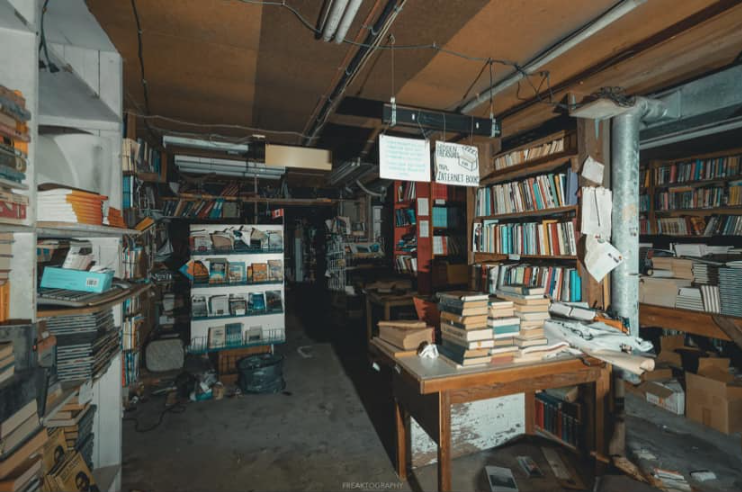
I have many fond memories of this little highway book shop, that today sits abandoned. Just like the many books that have sat on the now neglected shelves, the Book Shop has its own interesting story to tell.
When Douglas Pollard opened his small print shop, called Pollard Press in 1957, I don’t think he ever imagined how big it would become. What started as a small commercial print shop in his garage, printing general office stationary eventually turned into a Northern cultural landmark.1
The story goes that one of Pollard’s customers asked to barter used books instead of cash to pay his bills. From then on the demand for books became greater and the shop expanded many times over the years to accommodate the growing collection of books.1
Being originally a print shop, it was a natural move for Pollard to start printing and publishing books in the 1970s2. 467 original titles were published through the Highway Book Shop, focusing on local history and Canadian literature.1
What started as a 20’ x 25’ wooden building eventually expanded into a 10,000 square footprint, consisting of building add-ons and even three highway trailers that were used to store nothing but books.2No wonder so many people made it a mandatory stop in their travels, sometimes just to experience the sheer size of its collection.
I remember as a young girl getting lost among the stacks of books. It was so mind-blowing to me that the staff could find anything in that sea of books. However, the inventory was well maintained and kept very up-to-date. The Book Shop even maintained a list for those looking for specific titles. You could add your name to the list with your desired title and eventually, you might get a call that your book was found. Naturally, this could take some time, even years!2
Pollard, and his first wife Jean Ririe Hope, spent a lot of time at book fairs and conventions, always on the hunt for good books to add to their shop. Pollard even purchased lots of discarded Library books, that were sometimes hit-or-miss for quality.
After Pollard’s first wife passed away, he eventually remarried and brought his second wife into the fold of the Highway Book Shop. Mary Lois Williams was a Librarian with a Master of Library Science from the University of Toronto. She left the Librarian life trading it to work in the Book Shop when she married Pollard in 1986.3
After Pollard died in 2009, Lois worked to keep the Book Shop running. It was a valiant effort, but she ultimately decided to close the shop in 2011. At 87 years old, her heart was just not in the same way anymore.1
Visiting Cobalt
I visited Cobalt in October of 2022 with my mother. We wanted to take advantage of the fall colors and visit some local historical sites. We also wanted to visit Douglas and Lois Pollard in the cemetery, to pay our respects.
We spent most of our time in Cobalt visiting the Heritage Silver Trail, a self-guided trail system that takes you to 14 locations throughout the small town, that highlights the history of the silver mining rush. Unfortunately, when we visited, a lot of places were closed. This was also the case of the bookstore we had hoped to visit, White Mountain Publications.
White Mountain Publications was high on our list to visit as it houses some books that were rescued from the Highway Book Shop after it closed. I was hoping to speak to someone about how many books were rescued and if there were plans to rescue more. White Mountain also published a book that I was hoping to purchase on this trip, called Highway Book Shop: Northern Ontario’s Unexpected Treasure written by Lois Pollard. I ended up purchasing the book through White Mountain’s website instead.
Of course, there were many cemetery stops planned for this trip, but the one we wanted to visit most was the Cobalt Veterans Cemetery. This cemetery is located in Haileybury, a small town adjacent to Cobalt. The cemetery sits beside two other cemeteries; directly beside Mount Pleasant Cemetery, and across the road from the Haileybury Catholic Cemetery.
The Cobalt Veterans Cemetery is the smallest of the three, although Find a Grave lists 332 memorials. I would not have thought there were that many laid to rest there based on the cemetery’s small size. It did make finding the Pollards less of a challenge.
Douglas Pollard passed away on November 25, 2009, at the age of 84. His obituary states that he passed away suddenly at Temiskaming Hospital4, but in her book Highway Book Shop, Lois briefly touches on that fateful night. Like any other normal day, after closing time Pollard went upstairs to retire for the night, as they lived in a small apartment above the book shop. When she followed him upstairs, only ten minutes later, she found that he had “quietly passed away”. Doctors confirmed that he had died of cardiac arrest.2
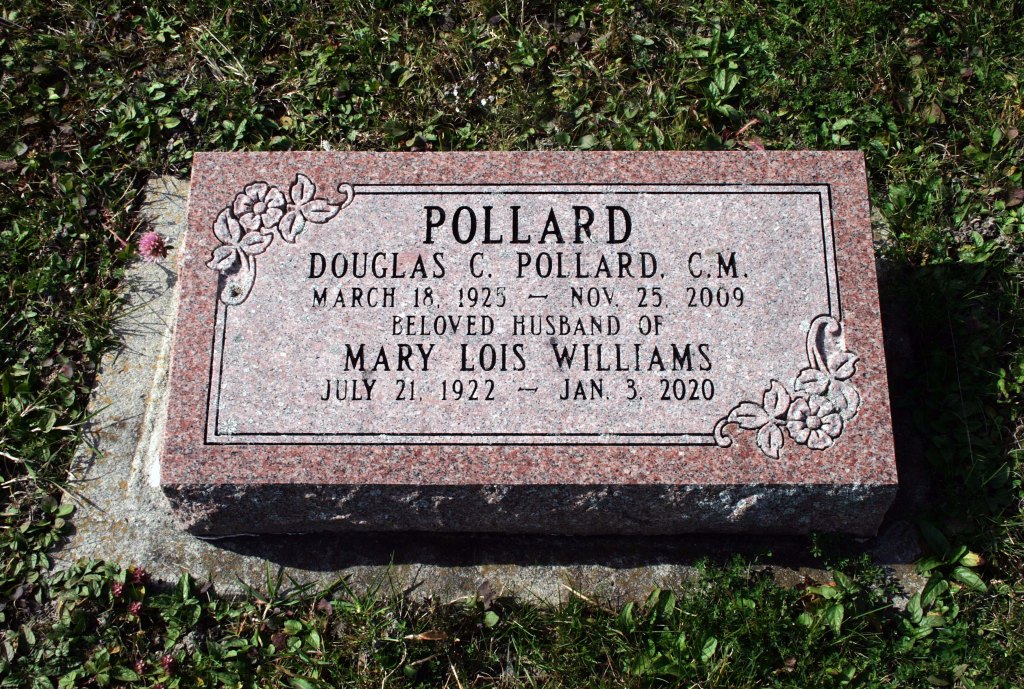
Douglas is laid to rest beside his second wife, Lois Pollard who passed away on January 3, 2020, at the age of 98. Their gravestone reads: “Pollard / Douglas C. Pollard. C.M. / March 18, 1925 — Nov. 25, 2009 / Beloved Husband of / Mary Lois Williams / July 21, 1922 — Jan. 3, 2020”
Douglas’s first wife, Jean Pollard is laid to rest in Valleyview Cemetery in New Liskeard. Jean passed away in October of 1979, unexpectedly on the operating table during a planned second open-heart surgery.2
The Book Shop Today
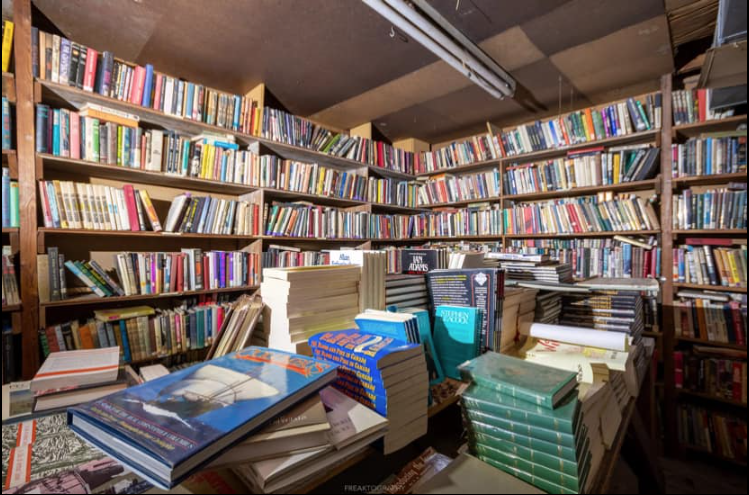
The Book Shop closed its doors forever on May 29, 2011. In 2012 it was purchased by new owners, but the Book Shop never re-opened.5 Rumour has it that the inventory of approximately one million books1was left behind on the shelves. As noted above, White Mountain Publishers did rescue some of the books, but is it true that the large majority were left behind?
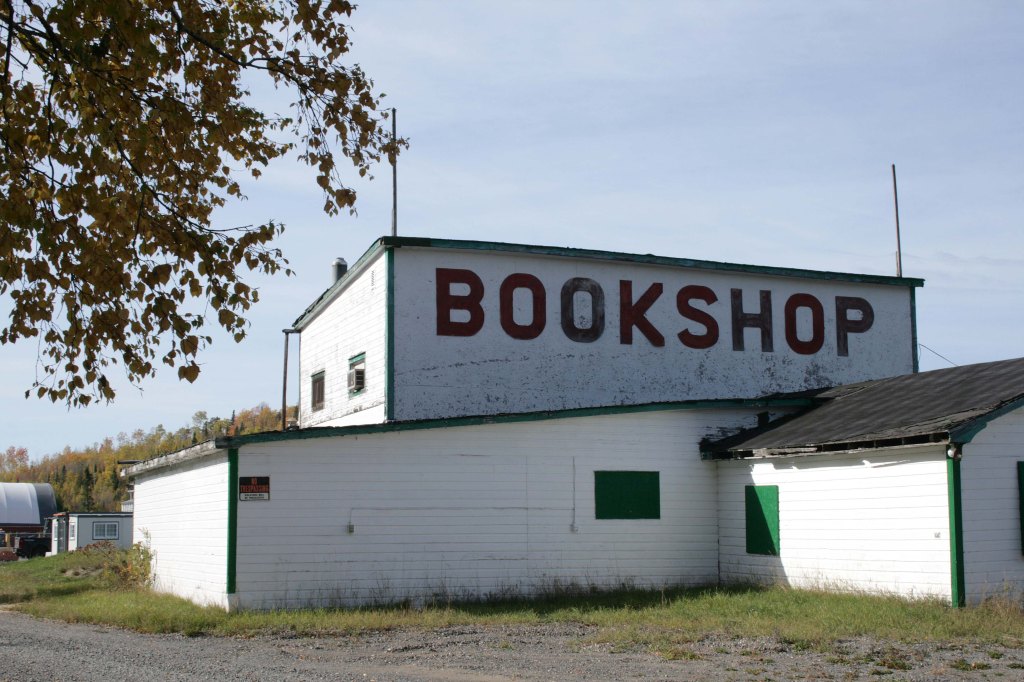
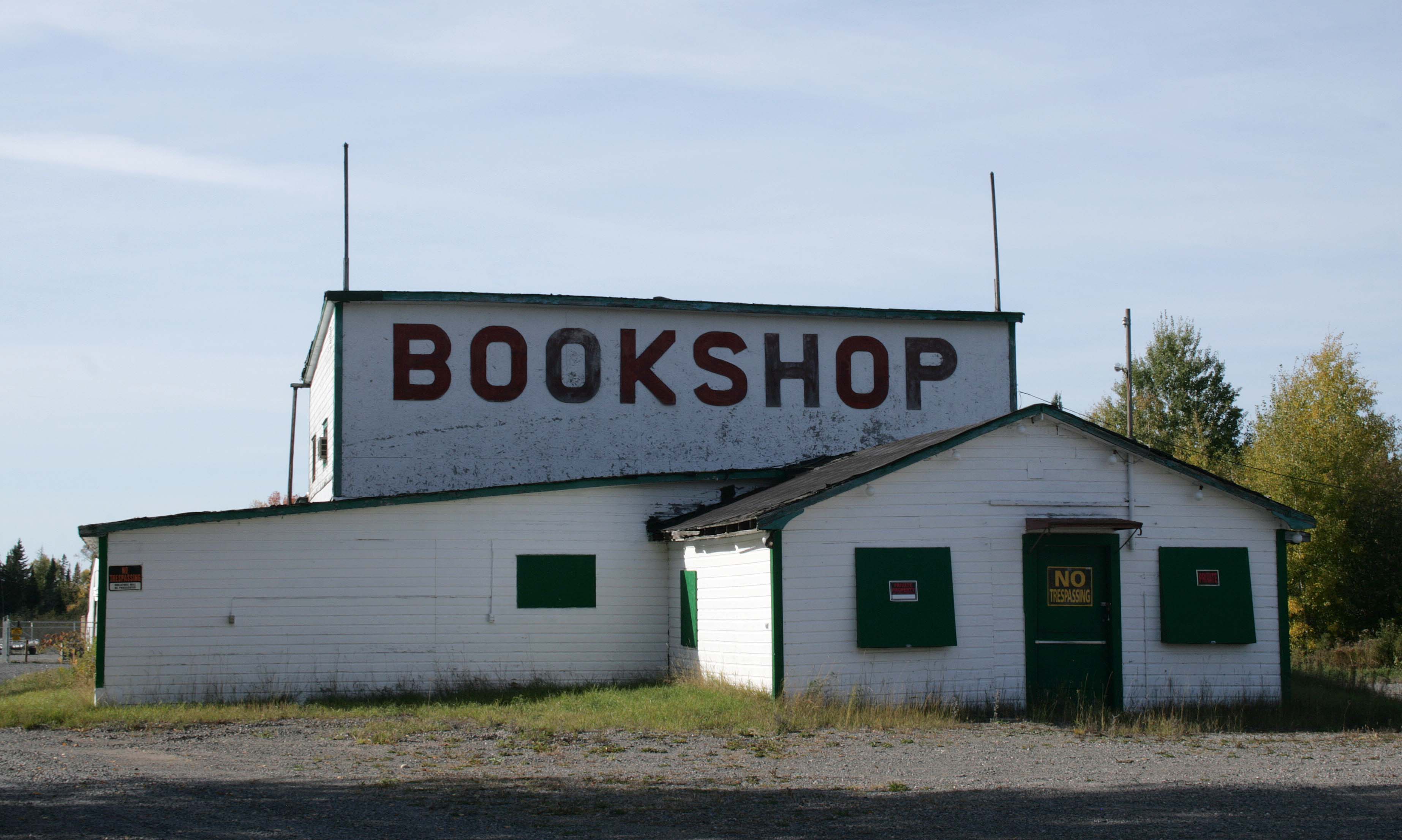
When we visited the Highway Book Shop on our way back home from visiting Cobalt, we took some time to walk around the building outside. The large sign that stands by the road that once welcomed visitors is slowly deteriorating. The building facade has peeled and faded over the years, and the grass is now growing wild.
We were hoping to catch a glimpse of the stacks of books inside, instead, we got a whiff of the strong musty smell of old books. Depending on where you stand outside the front of the building, you can catch that unmistakable smell. I can just imagine what it must smell like inside the building.
While touring the grounds we chatted about our memories of visiting the Book Shop. My mother remembers speaking with Lois on our many visits over the years. We also talked about the books—about all the books that were left behind, and wondering about what types of books we could find given the chance. Both of us are not brave enough to cross into urban exploration territory, but luckily we are not the only curious ones.
The good people over at Freaktography have ventured inside to document what the Book Shop looks like today and prove once and for all that the rumor is true, they did leave the books behind. You can watch their video Exploring a HUGE Abandoned Book Store over on their YouTube channel.
Their video and photos show a time capsule, and books in rows upon rows of bookshelves for as far as the eye can see. It looks just like I remember. I am not the only one who has tried to imagine what an abandoned building full of molding and rotting books might smell like. The folks at Freaktography have been asked the question before:
“I have been asked by people, “What did it smell like in there?”, it smells exactly like you would think it does – like old books. It has warm, thick air and the rows upon rows of books give a muffled sensation when talking, there is no echo and it is eerily silent.”6
I can only imagine how surreal it would be to walk through those stacks again. Watching the walk-through video does make me a bit sad though. So many books left behind. I wonder what unique and rare finds there might be, what treasure could be found. I mean a lot of those books might be dated and useless now, such as the maps and tech manuals. But just imagine what old and out-of-print finds there might be buried in there as well.
Maybe one day someone will be given the go-ahead to slowly pour through those lost tomes, and bring some of them back into the light. I know I would love to, given the chance.
It was really interesting looking into the backstory of this abandoned landmark, and a piece of my childhood. Learning about the lives and passions of the people who brought the Book Shop to life highlights the fact that there are so many interesting stories out there.




































 Cemetery Photography by Chantal Larochelle