Last weekend, some friends and I went on a cemetery road trip in the Burks Falls area. I was really surprised at the amount of white bronze markers that we found. Almost every cemetery we visited had 1 or more zinkys. I had never come across that many before. They are not a common sight in my local Sudbury cemeteries.
So for today’s blog post, I thought I would share a collection of white bronze markers.
In January 2022, I wrote a post that looked more into the history of these unique gravestones. Zinkys as they are lovingly referred to, are also known as white bronze. You can recognize these types of headstones by their bluish-grey color, and if you give them a gentle tap, it should produce a hollow metallic sound.
These types of gravestones never came back into fashion after World War I, but because of their durability, you can still find them in great condition.

Emsdale United Church Cemetery also known as Emanuel United Church Cemetery, Emsdale ON ©2022
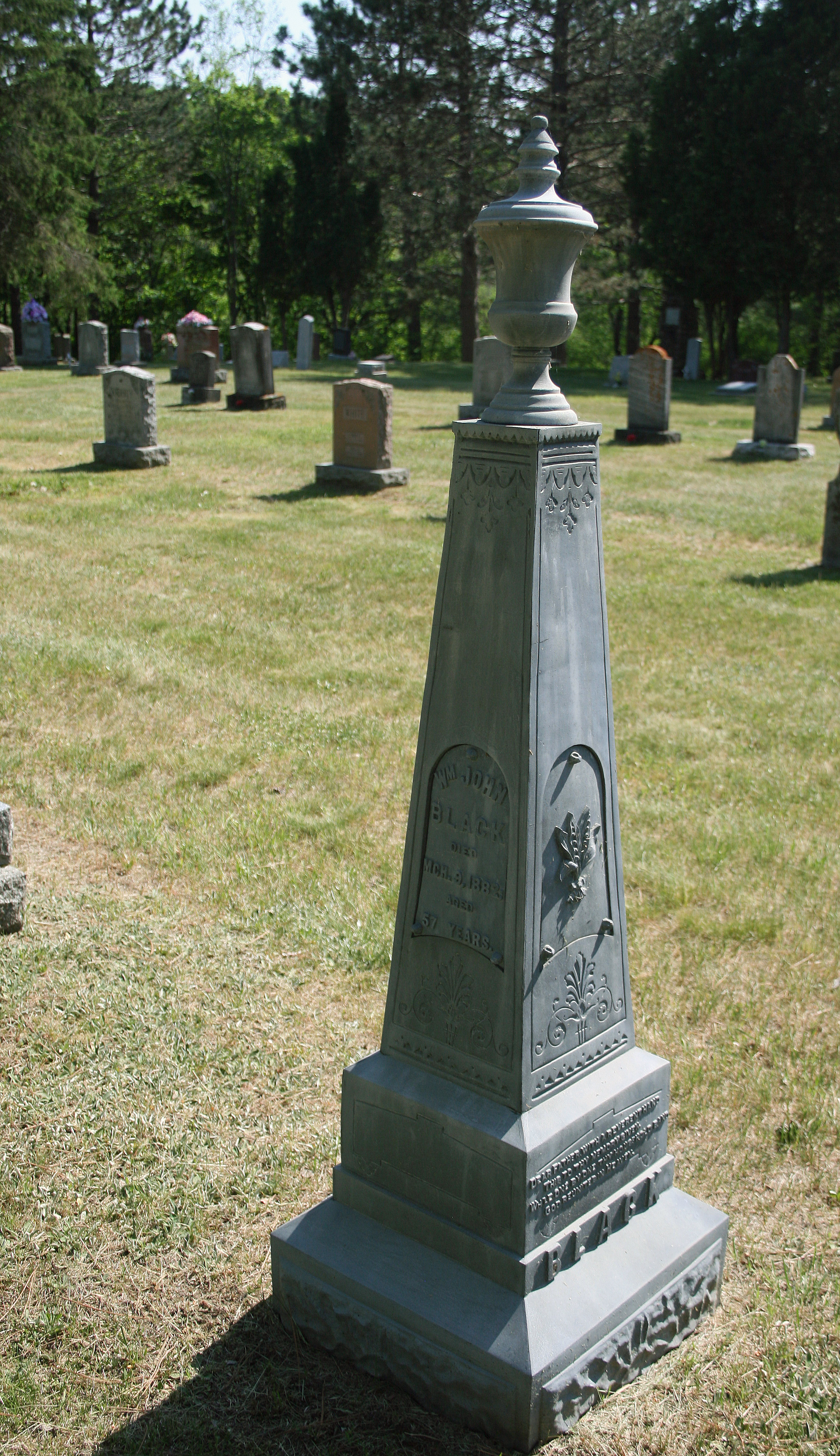


Spence Cemetery, Magnetawan ON ©2023

Midlothian Memorial Cemetery, Midlothian ON ©2023
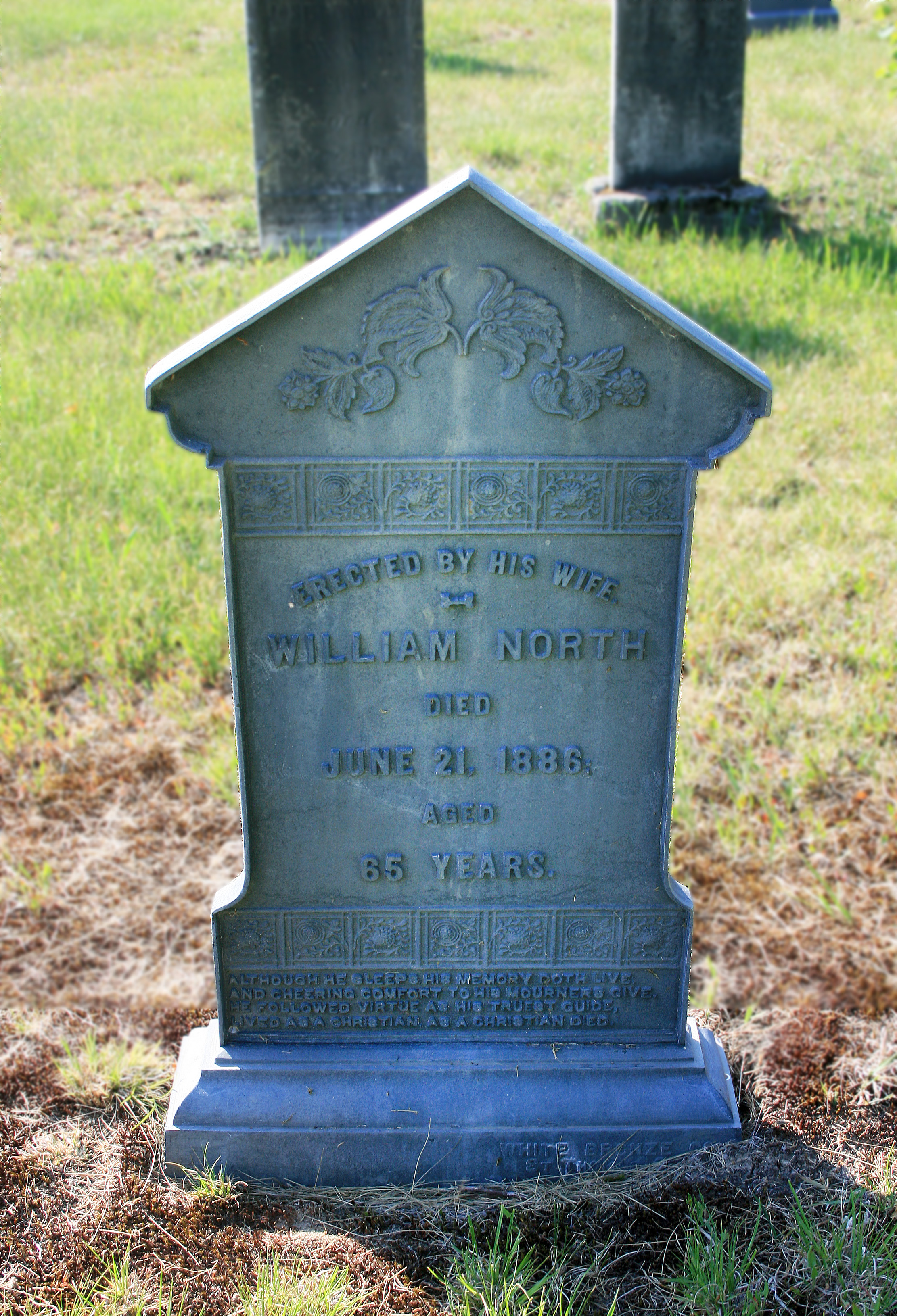

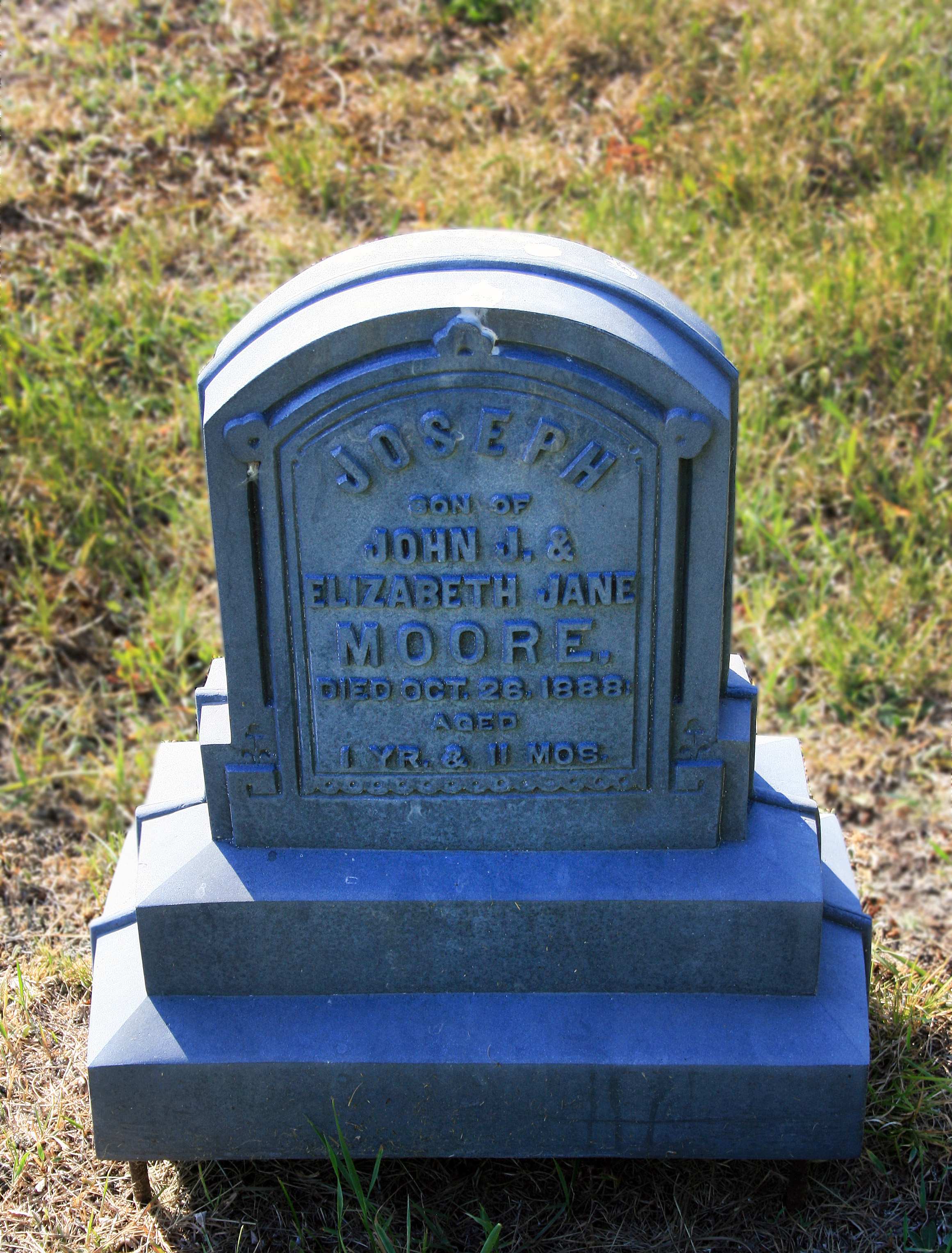
Fairholme Cemetery also known as Dunchurch-Fairholme Cemetery, Dunchurch ON ©2023
Although these markers are very durable, they do sometimes get damaged. According to Understanding Cemetery Symbols by Tui Snider, in the United States during the prohibition era, it was claimed that bootleggers would pry the panels off of these monuments to hide their contraband booze. I am curious if this was also a practice in Canada, as I have found some markers with their panels pried off.

Hurdville Cemetery, Hurdville ON ©2023

Emsdale United Church Cemetery also known as Emanuel United Church Cemetery, Emsdale ON ©2022
Have you found some of these unique gravestones in your local cemeteries? Do you have a favorite design? I would love to read about it in the comments.
Thanks for reading!
References:
- Understanding Cemetery Symbols: A Field Guide for Historic Graveyards by Tui Snider


 Cemetery Photography by Chantal Larochelle