October Cemetery Stories: Canada’s Most Haunted Cemetery

Some cemeteries feel alive with history, and sometimes with something else entirely!

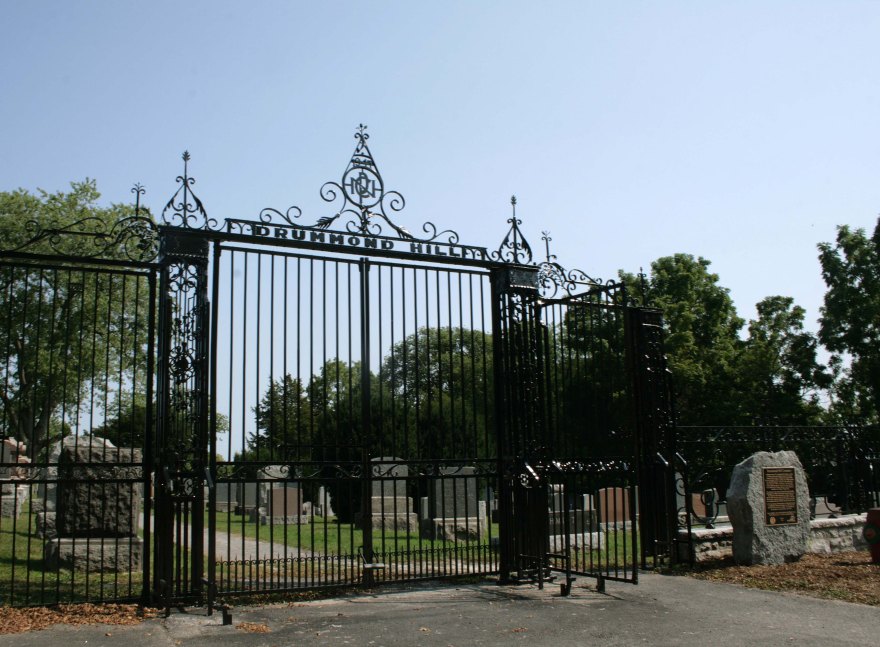
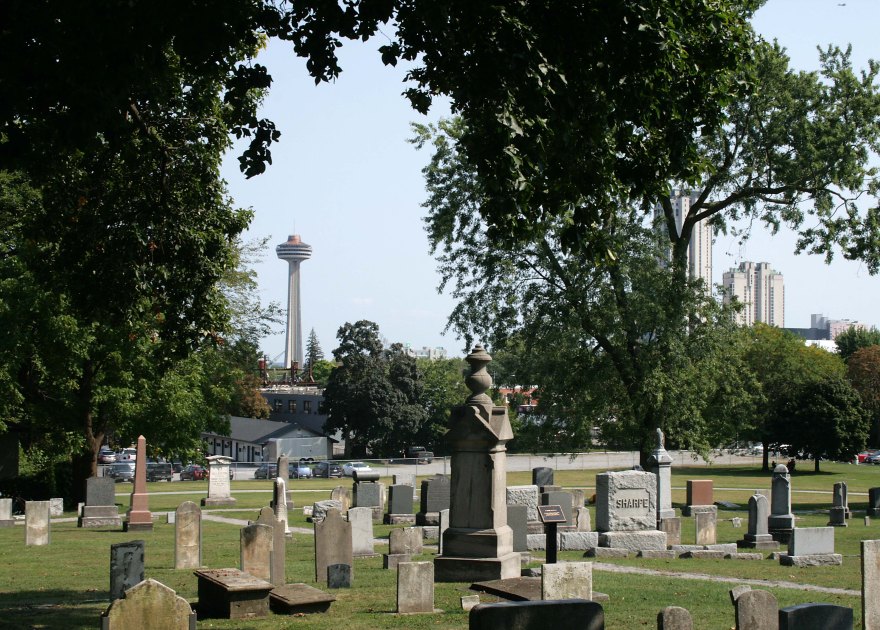
Drummond Hill Cemetery in Niagara Falls is one of those places. Known as the site of one of the fiercest battles of the War of 1812, it’s also considered Canada’s most haunted cemetery.

Long before its haunted reputation took hold, Drummond Hill was a popular tourist stop, even rivalling Niagara Falls. Visitors came for battlefield tours led by veterans eager to share their stories.1

Drummond Hill Cemetery

Drummond Hill was once farmland, but on July 25, 1814, it became the site of the Battle of Lundy’s Lane, one of the bloodiest conflicts of the War of 1812.2 The hill’s high ground made it strategically important, and the fighting went on for six hours before darkness and heavy losses brought it to an end.2 Both sides lost more than 800 men, and although each claimed victory, the Americans withdrew the next day, ending their advance into Upper Canada.2

Today, a large stone monument stands on the hill to honour those who fought and to mark the battlefield.3 Beneath it lies a vault containing the remains of 22 British soldiers.3

The first recorded burial at Drummond Hill is John Burch. He was originally buried on his farm in 1797 and re-interred here in 1799.3 That means this ground was already being used as a burial place well before the battle. Over time, the cemetery grew to roughly 4 acres and now contains more than 25,000 burials.4 The site is managed by the City of Niagara Falls and remains semi-active, though plots are no longer for sale.3

Among those buried here are veterans, Loyalist settlers, and many early Niagara families. One of the most visited graves belongs to Laura Secord, the woman who warned British forces of an American attack during the War of 1812.4 Another notable grave is that of Karel Soucek, the daredevil who famously survived his barrel plunge over Niagara Falls.5 You will also find markers and monuments for soldiers and local leaders from the region’s early days.3

Haunted

With its violent past and long history, it’s no surprise Drummond Hill has a haunted reputation. Many stories connect back to the battle, where soldiers were killed and buried on the grounds.6 Visitors and locals have reported seeing ghostly soldiers walking among the gravestones, or appearing at a distance before fading away.6

It’s said that the cemetery is haunted by two distinct groups of soldiers.1 One group is a troop of five soldiers dressed in Royal Scots uniforms, limping across the former battlefield before vanishing.1 The second group is said to consist of three British Soldiers in red coats, slowly making their way up the hill and settling into a steady march, before disappearing.1

Laura Secord’s monument, which features a lifelike bust, has also been linked to supernatural occurrences. Some visitors say that her statue seems to watch them as they walk by, as if she’s still keeping a watchful eye on things.1 These reports, combined with the age of the cemetery and its battlefield history, make Drummond Hill a place where history and the supernatural feel closely connected.1

When I visited Drummond Hill, I made sure to stop at Laura Secord’s grave. Standing in front of her stone was moving, knowing her bravery has become such a lasting part of Canadian history.

During my visit, I did have one unsettling experience, but it had nothing to do with the supernatural.

I came across someone under the influence, wandering through the cemetery. For the first time in all my cemetery visits, I felt unsafe. It was a harsh reminder of how deeply the opioid crisis has reached into our communities, even historic sites like this. That moment pulled me out of the past and reminded me of the struggles happening right now.

Drummond Hill Cemetery is layered with stories. It carries the weight of the War of 1812, the lives of pioneers and heroes, and the ghostly legends of soldiers who never left. It’s a place where history and mystery meet, and where the past feels close. Visiting left me reflecting not only on the history that shaped this ground, but also on the realities of the present.

Haunted or not, Drummond Hill remains one of Canada’s most fascinating and important cemeteries.

Thanks for reading!


References:

  1. Haunted Cemeteries: True Tales From Beyond the Grave by Edrick Thay | Book
  2. Battle of Lundy’s Lane National Historic Site of Canada | Government of Canada
  3. Drummond Hill Cemetery | City of Niagara Falls
  4. Drummond Hill Cemetery | Find a Grave
  5. Karel Soucek | Find a Grave
  6. The Most Haunted Cemetery in Canada is Drummond Hill | Ghost Walks

Cemetery Book Review: Cemetery Stories

I’ve been reading cemetery-related books for a long time now, so when I spotted this one on Amazon, I was immediately intrigued. The title promised a fascinating dive into graveyards and everything connected to them—a must-read for anyone interested in the eerie, mysterious, and macabre side of cemeteries.

Today, I’m sharing my review of Cemetery Stories: Haunted Graveyards, Embalming Secrets, and the Life of a Corpse After Death by Katherine Ramsland.

Ramsland, a professor of forensic psychology and author, what happens after death—how society deals with it, the process of burial, and what takes place in and around cemeteries. She interviews a range of people in the American death industry, covering topics from embalming and funeral practices to more unusual and supernatural stories.

Here is the synopsis from Goodreads:

“Admit it: You’re fascinated by cemeteries. We all die, and for most of us, a cemetery is our final resting place. But how many people really know what goes on inside, around, and beyond them? Enter the world of the dead as Katherine Ramsland talks to mortuary assistants, gravediggers, funeral home owners, and more, and find out about: If you’ve ever scoffed at the high price of burying the dead, or ever wondered how your loved ones are handled when they die, or simply stared at tombstones with morbid fascination, then take a trip with Katherine Ramsland and learn about the booming industry — and strange tales — that surround cemeteries everywhere.”

Despite the title, I found the actual cemetery content surprisingly sparse. The stories and interviews are interesting, but each topic is covered quickly before moving on to the next. The book feels more like a broad overview of the funeral industry, with only a small portion devoted to cemeteries.

If you’re already familiar with the basics of the death industry, you might find it too surface-level to offer anything new. That being said, I think Cemetery Stories would be a good fit for readers who are just starting to explore funeral practices and cemeteries.

One section I struggled with was the final chapter, which discusses necrophilia. In my opinion, it was unnecessarily graphic and didn’t match the tone of the rest of the book. It felt gratuitous and didn’t really add anything meaningful to the overall discussion.

That said, if you’re new to the subject or curious about the behind-the-scenes aspects of death care, this book is a decent introduction. It covers a wide range of topics and provides some memorable glimpses into the industry. Just be aware that it’s not in-depth by any means—and you might want to skip that last chapter if you’d rather avoid reading explicit material.

Thanks for reading!


I am always on the hunt for cemetery-related book recommendations. If you are an author and have a cemetery-related book you would like me to review, please reach out at hello@chantallarochelle.ca. I would love to hear from you!

Cemetery Stories: Burwash Industrial Prison Farm Graveyard

In 2010, a friend and I visited a place that felt frozen in time—an abandoned prison cemetery hidden deep in the Northern Ontario wilderness. Thirteen years later, we went back.

What we found was both familiar and completely changed.

The Burwash Industrial Prison Farm isn’t just an old correctional centre—it’s a strange and haunting mix of history, decay, and memory. The prison is long closed, the buildings are crumbling, and the cemetery tucked away in the forest has become almost forgotten.

But pieces of the past still linger there, if you know where to look.

Burwash Industrial Prison Farm

The Burwash Industrial Farm opened in 1914, about 30 minutes south of Sudbury, Ontario. It was designed to be a self-sufficient correctional facility—almost like a village tucked away in the forest. At its peak, the property stretched across 35,000 acres and included a farm, a lumber operation and mill, a 20-bed hospital, and even a tailor shop.1

Burwash Industrial Farm housed between 180 and 820 minimum- and medium-security inmates, who typically served sentences of three months to two years, less a day.1 They spent their days working on the prison farm or doing maintenance around the property. The idea was that routine and hard work could help with rehabilitation. Over the years, the prison grew to include three permanent camps, and several temporary ones. It also became home to a small town of staff and their families, with a population between 600 and 1,000 people.1

The prison was remote by design—difficult to escape from, and just as difficult to reach unless you knew where you were going.

Over time, the facility became known as Camp Bison. The name comes from the herd of wood bison that once lived on the property.2 These animals roamed the land while the prison was active, and the nickname stuck even long after both the prison and bison were gone.

At the time Burwash was slated for closure in 1974, it was the largest industrial farm and the second-largest reformatory in Ontario’s correctional system.1 But the facility was considered too expensive to operate. That July, it was announced that Burwash would be shut down to save money.3 The staff were told they had to leave, and the inmates were relocated to other institutions. After that, the province began looking at alternative uses for the remaining buildings and the massive piece of land.3

What’s left today is a patchwork of wilderness, ruins, and stories.

Abandoned

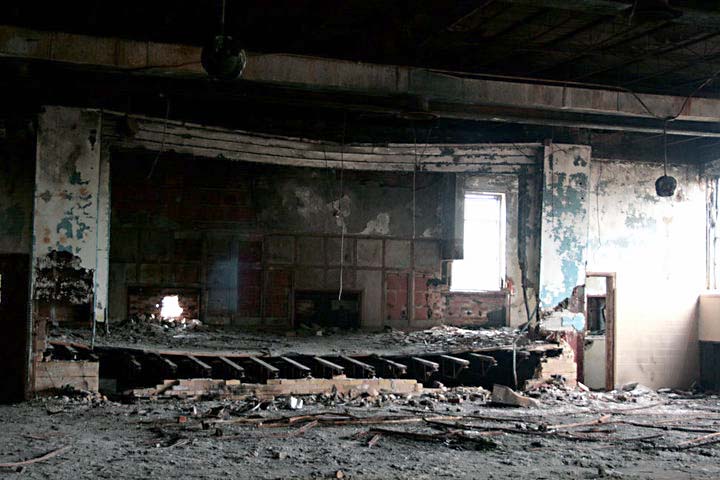
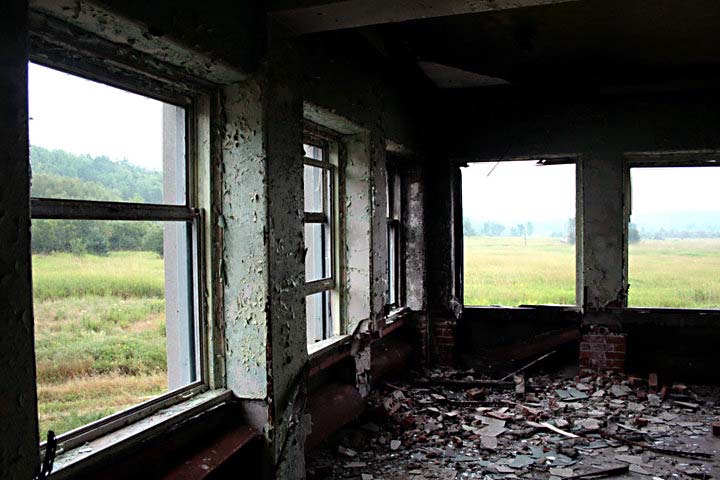
After the prison shut down in 1975, most of the buildings were left to the elements. Over time, nature began to reclaim the site. The once-bustling correctional community turned into a ghost town.

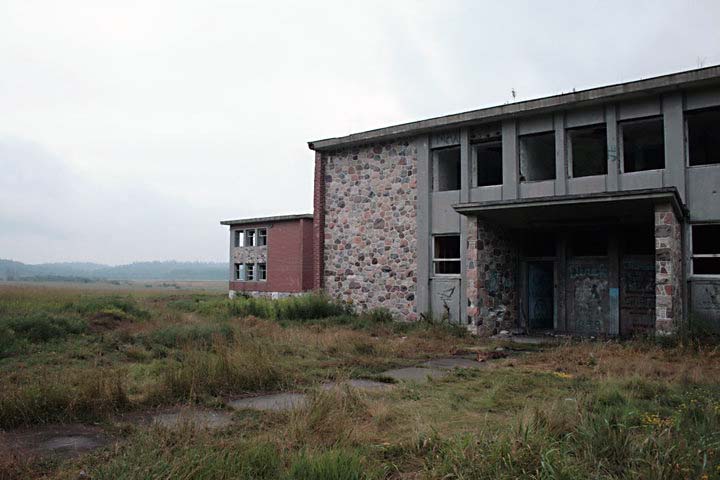
Some structures were demolished, but a few—including the main cell block—were left standing, crumbling slowly in the woods. The site became a magnet for urban explorers, ghost hunters, photographers, and curious hikers.4

When we visited in 2010, it was quiet—eerily so. There were no signs, no official routes, and no other people around. Just long trails, wilderness, and the remains of buildings just barely holding on.

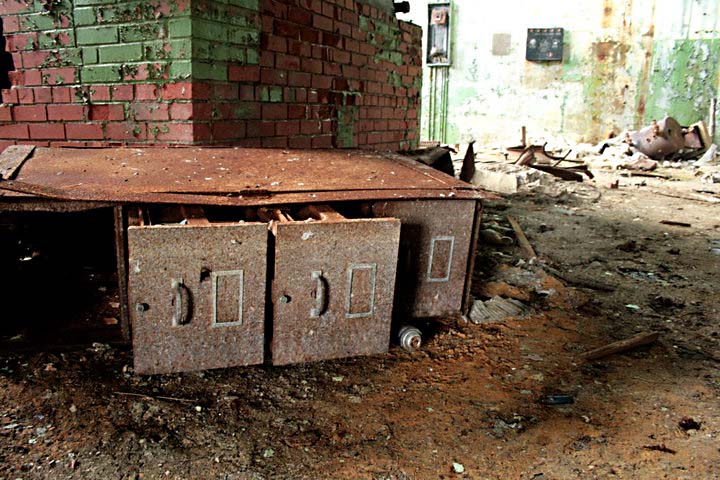
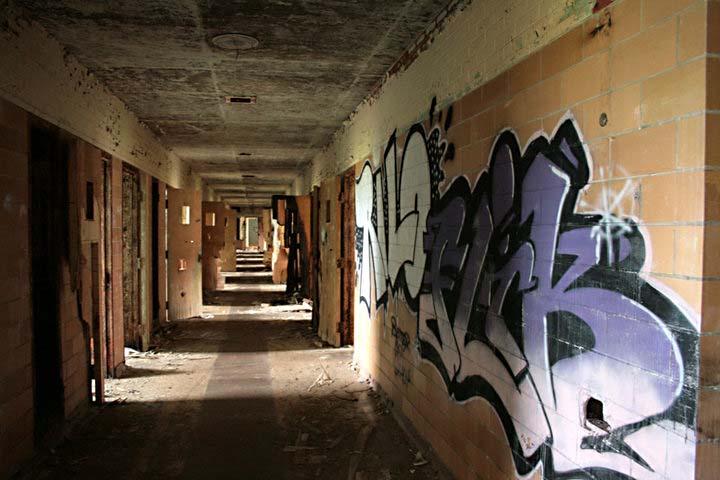
It was very surreal how, after driving through the wilderness on an ATV, the main cell block emerged out from the forest. The cracked windows, peeling paint, and eerie silence gave the place a haunted feel, even in broad daylight.

There was graffiti everywhere. Some of it was creepy, but a lot was just tagging and random vandalism. It was clear the site gets a lot of visitors—who weren’t always careful. Broken glass and porcelain, rusted metal, and signs of fires made it obvious that time, weather, and people had all left their marks.

Despite the damage, I found the experience strangely moving. It felt like walking through a lost chapter of history. There was a heaviness to the place, but also a sense that stories were still lingering in the walls.

It’s no surprise that Burwash has picked up a haunted reputation over the years. Visitors have reported strange noises, shadowy figures, and an overwhelming feeling of being watched. A prison guard supposedly haunts the prison, after having hanged himself when he learned that the place was closing. People say you can hear his nightstick tapping the metal bars, especially in the basement.5

Burwash Industrial Prison Farm Graveyard

Tucked away in the trees, at the edge of Cemetery Lake, is the Burwash Industrial Prison Farm Graveyard. This was the first prison graveyard I had ever visited, and I wasn’t sure what to expect. Its the final resting place of inmates who died while serving their prison sentences.

Most of the people buried here were prisoners who had no family to claim their remains. Between 12 to 20 inmates are believed to be buried in the cemetery, their graves marked only by simple wooden crosses.6 When the prison closed in 1975, no attempt was made to move them—the cemetery was simply abandoned.4

Records show that during the Spanish Flu epidemic in 1918, more than 30 people died at Burwash; including inmates, a nurse sent in from Toronto, and the wife of one prisoner who had come to visit.7 We don’t know for sure if any of these victims were buried in the cemetery, but it’s possible.

When we first visited in 2010, the cemetery was surprisingly accessible, although still hidden. The road was maintained, and I remember we were able to drive right up to it. The grass had been maintained, and though the markers were few, the space felt quietly cared for.

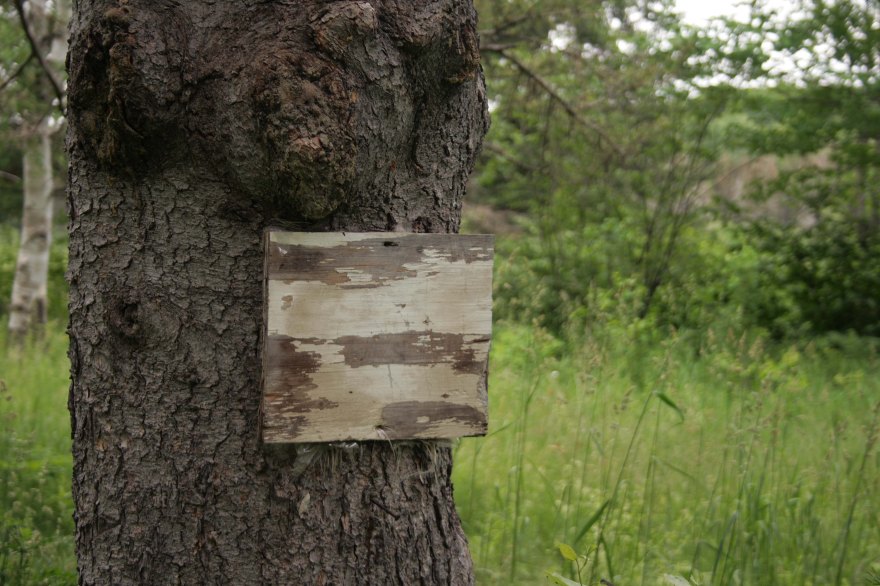
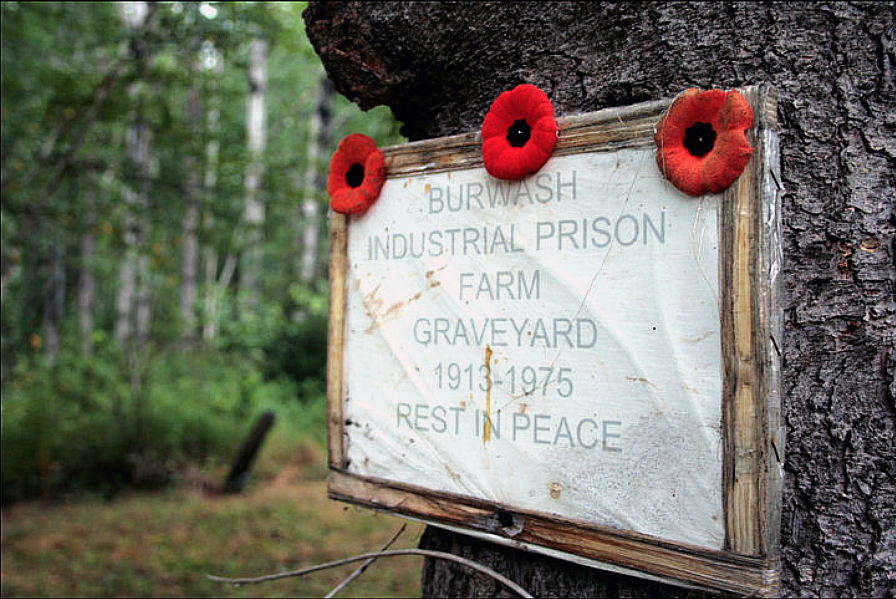
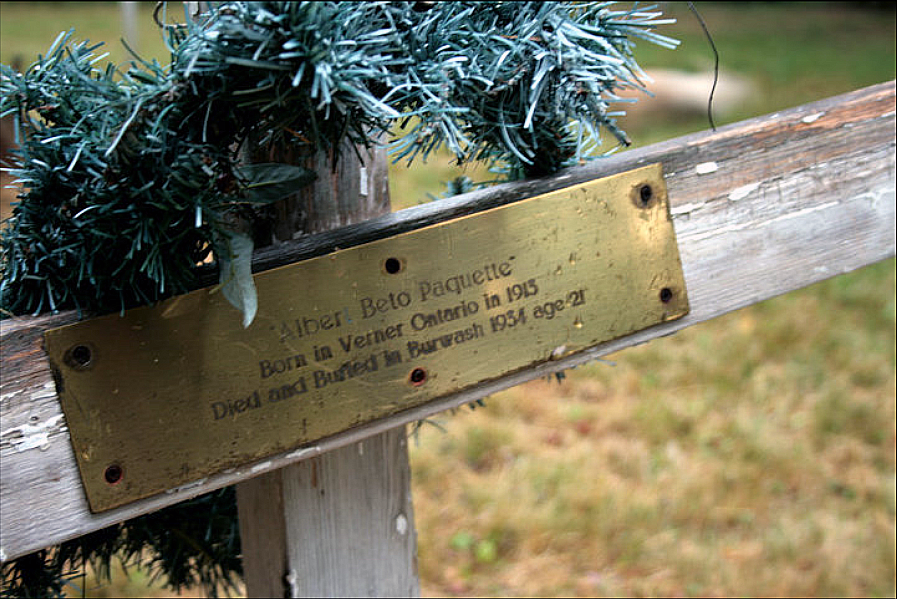
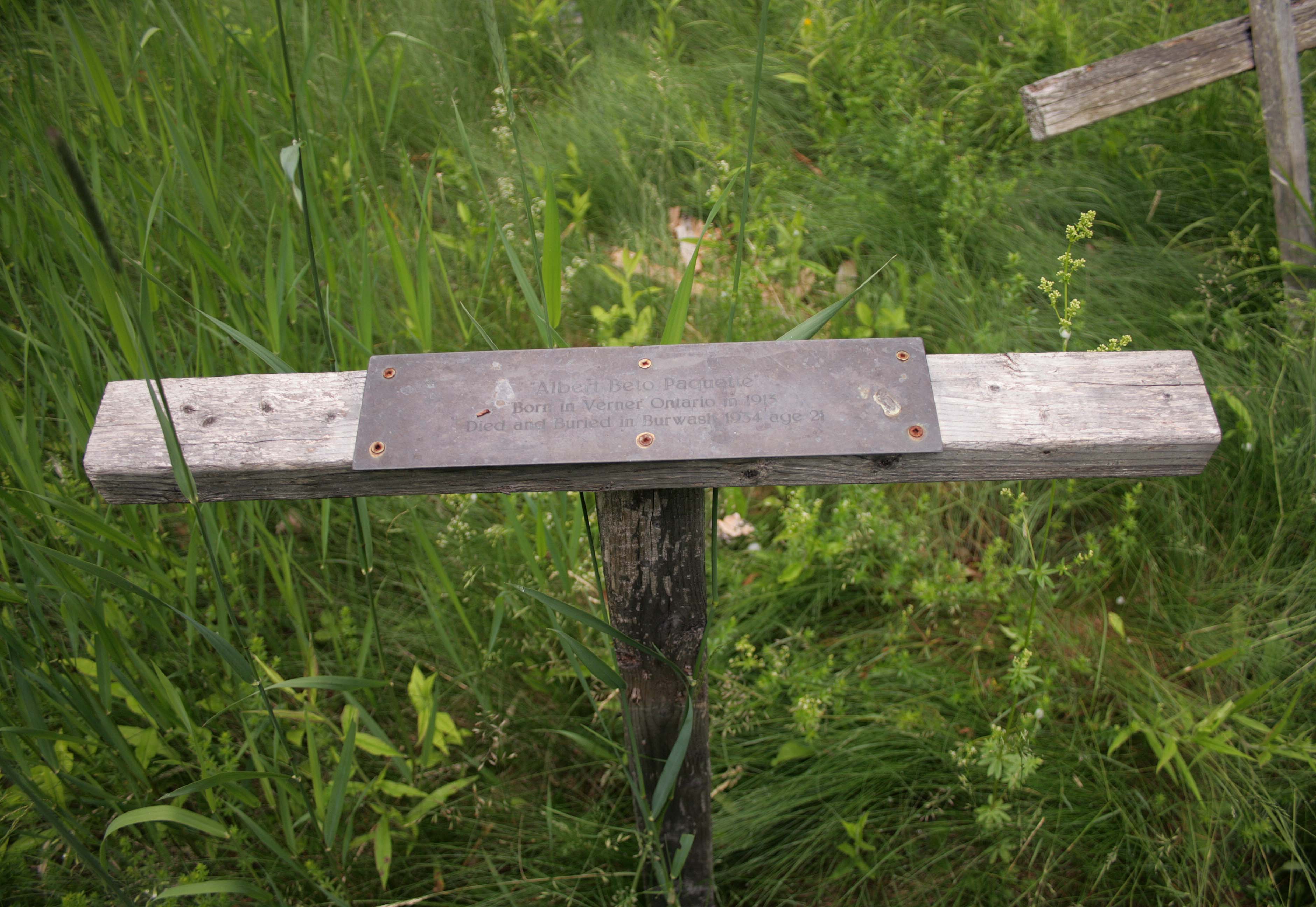
No polished stones or statues. Just plain wooden crosses. A few had small metal plaques. There was no formal cemetery sign, but a small framed sign hung on a tree near the entrance, quietly marking the space.

Thirteen years later, I came back. This time, the road was gone, and the cemetery was nearly unrecognizable.

It’s strange how a place can change so much.

In 2010, I remembered smooth roads and a tidy clearing. But in 2024, the gravel road was now a rugged, overgrown path—winding downhill, with deep ruts carved into the ground.

We parked in a grassy clearing nearby and walked into the forest. The bugs found us instantly, swarming like we were fresh meat. We followed what looked like a path through thick brush and knee-high grass.

Eventually, we reached a small clearing at the edge of the lake, the end of the road. I knew we had arrived—but it didn’t feel like the same place.

The cemetery was completely overgrown. Tall grass had swallowed the crosses whole. Most of the wooden markers were now broken or fallen. Any names or numbers that may have once been visible were long faded. Even the small frame marking the cemetery had been bleached by years of sun and rain, and was now blank.

It felt more like a ghost of a cemetery than a resting place. And yet, standing there, surrounded by wild grass and silence, I was reminded again why places like this matter.

They can be forgotten—but they shouldn’t be.

Burwash Today

Today, Burwash is a mix of forest, forgotten history, and scattered ruins.

If you’re planning to visit the prison, do your research and be prepared for an adventure. The site is on private land, and trespassers can be prosecuted. That said, Avalon Eco Resort offers a legal way to access the property, via a waiver and a small fee.3

There’s a small parking area near the train tracks, close to the start of a 4.5 km hike to the site. The road is no longer open to vehicles—only foot traffic, bikes, and ATVs. Parts of the trail are flooded, and while ATVs can get through, hikers and cyclists may have to get creative to find “alternative” paths.3

Visiting the cemetery is a different story. It’s not on private land, so there’s no need for special permission. But it’s still easy to miss in the forest, and it’s a bit of a hike.

Today, only fragments of Burwash remain. Most of the buildings are gone, but the land still whispers its stories. The cemetery is especially easy to miss if you don’t know it’s there. But for those who make the trip—who follow the overgrown path and brave the bugs to stand among the fallen crosses—it’s a place that stays with you.

Even in decay, Burwash reminds us how quickly places—and people—can disappear. But it also reminds us that memory lingers—in the rust, the rubble, and the wild grass growing where names once stood.

Thanks for reading!


References:

  1. Burwash Industrial Farm | Ontario Heritage Trust
  2. The History – Burwash and a Town Within | History of Burwash Industrial Farm
  3. Burwash Correctional Center | Atlas Obscura
  4. The sole reminder of a long-vanished town – Abandoned Ontario jail a favourite among urban explorers | Canadian Military History
  5. This Haunted Prison in Burwash, Ontario | Reddit
  6. Burwash Industrial Prison Farm Graveyard | Find a Grave
  7. Who died at Burwash? When the 1918 flu epidemic collided with Canada’s ‘enemy aliens’ policy | Sudbury.com

Cemetery Book Review: The Speaking Stone

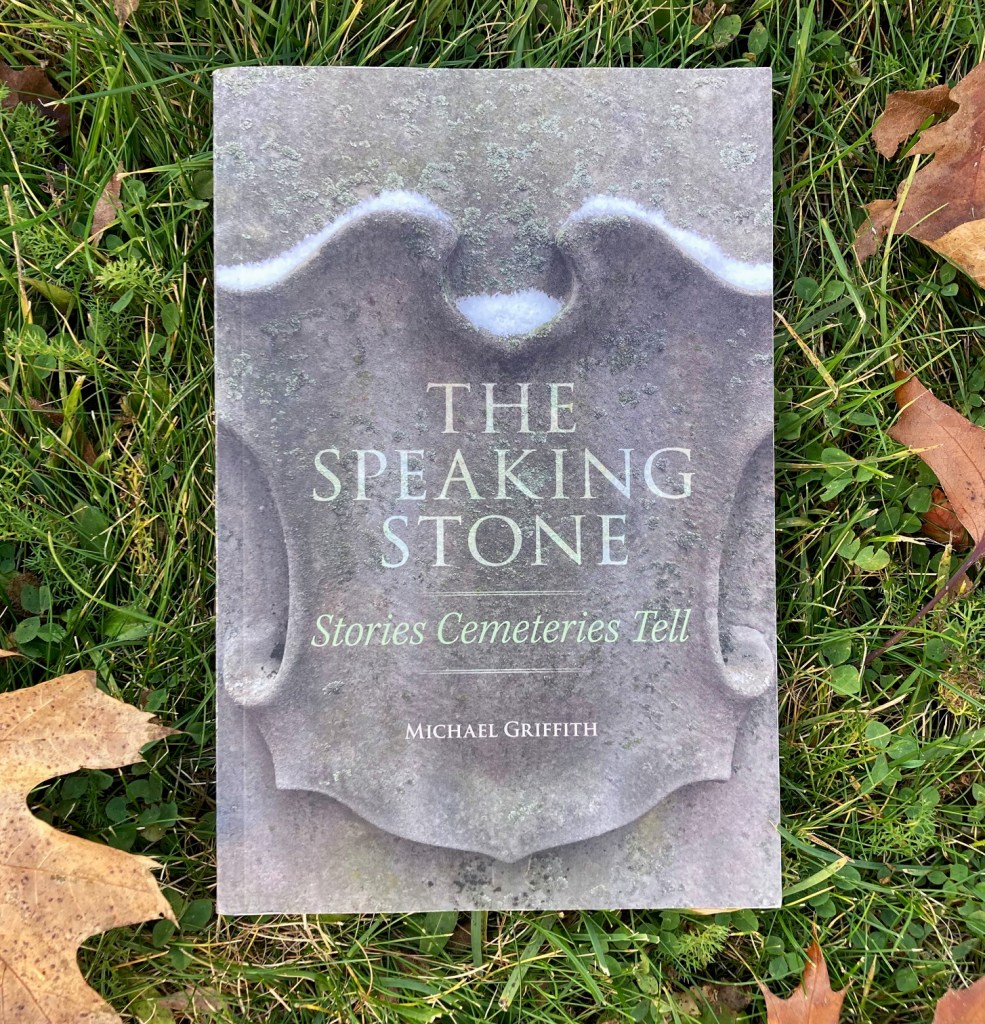
For this month’s cemetery book review, I wanted to share The Speaking Stone: Stories Cemeteries Tell by Michael Griffith. This collection of essays is a celebration of those quiet, curious moments when a stroll through a graveyard leads to more than just reflection—it sparks discovery.

Griffith, a long-time Cincinnati resident, and kindred spirit, spent countless hours wandering Spring Grove Cemetery, allowing his curiosity to guide him to unexpected tales of interesting figures, quirky epitaphs, and forgotten lives.

Here is a snippet from the book synopsis on Goodreads:

The Speaking Stone is a literary love letter to the joys of wandering graveyards. While working on a novel, author and longtime Cincinnati resident Michael Griffith starts visiting Spring Grove Cemetery and Arboretum, the nation’s third-largest cemetery. Soon he’s taking almost daily jaunts, following curiosity and accident wherever they lead. The result is this fascinating collection of essays that emerge from chance encounters with an interesting headstone, odd epitaph, unusual name, or quirk of memory. Researching obituaries, newspaper clippings, and family legacies, Griffith uncovers stories of race, feminism, art, and death.”

Published in 2021, The Speaking Stone is a newer book that captures Griffith’s daily visits to Spring Grove Cemetery, where his curiosity leads him to discover some really fascinating stories. From famous figures to lesser-known individuals, each essay brings a fresh and unexpected perspective.

What I really enjoyed about the book was the variety of stories the author uncovers. I found it mirrors my own passion for exploring cemeteries—sometimes it’s a random gravestone or quirky detail that sends you down that research rabbit hole. While I may never get to visit Cincinnati, reading about its rich history and unique residents was a real treat.

The paperback version includes both color and black-and-white photos, which add another layer to the stories, though I found myself wishing there were more photos to accompany each essay.

Still, The Speaking Stone is a great read for anyone who loves the unexpected stories cemeteries have to offer. Whether you are a seasoned taphophile or just someone who loves history, this book offers a fascinating mix of surprising tales and historical insights.
Thanks for reading! 


I am always on the hunt for cemetery-related book recommendations. If you are an author and have a cemetery-related book you would like me to review, please reach out at hello@chantallarochelle.ca. I would love to hear from you.

Cemetery Stories: House of Industry & Refuge Cemetery

Last Summer, my mother and I took a trip to Wellington County, thanks to a surprise road trip from Guess Where Trips. You might remember the blog post I wrote about the whole experience last year.

One of the most memorable stops on our adventure was the Wellington County Museum and Archives, a place that doesn’t just preserve history, but really brings it to life. Nestled between the charming towns of Fergus and Elora, this museum isn’t just a collection of artifacts—it’s a storyteller, sharing the life stories of the people who once walked its halls.

But the museum wasn’t the only thing that left an impact on us. Today, I want to share a bit more about our experience—both visiting the museum, and the cemetery were some of the House of Industry and Refuge residents were laid to rest.

Wellington County Museum and Archives

The Wellington County Museum and Archives is housed in a building with a fascinating and, at times heartbreaking history.

Designated as a National Historic Site, this building holds the title of the oldest remaining rural House of Industry and Refuge in Canada.1 Established in 1877, it originally provided a home for the poor, homeless, and destitute of Wellington County. Over the years, approximately 1,400 men, women, and children sought refuge within these walls.1

Today, the museum has taken on a whole new role. Instead of providing shelter, it now shares knowledge, offering programs, exhibits, and resources that dive into local history, art, and culture.2

And the grounds? Well, they have their own stories to tell.

When my mother and I visited, we started exploring the top floor and made our way down. Although there were many exhibits at the time, including one about 19th-century fashion, I was most drawn to the history of the Poor House itself and the people who had lived there.

Wellington County Poor House

Back in the 19th century, poverty was seen as a moral failing rather than an unfortunate circumstance. That’s where places like the Wellington County House of Industry and Refuge came in.3 Also known as the Poor House, it was one of several institutions across Ontario designed to provide shelter and work for those in need. Life here wasn’t easy, but the goal was to make the Poor House as self-sufficient as possible.3

The facility operated as an industrial farm, with thirty acres of land used to grow oats, turnips, wheat, and even apples from a 100-tree orchard.3 Livestock provided eggs, meat, and fresh butter, while any surplus goods were sold in town to help cover the cost of necessities like sugar, coffee, and bread.3

Life in the Poor House was structured and demanding. Residents—often referred to as “inmates”—had to work to earn their keep.3 The strict rules and expectations reflected the era’s attitudes toward poverty and self-sufficiency. It wasn’t until 1947 when the facility was renamed the Wellington County Home for the Aged, that things started to shift.3 The term “inmate” was finally dropped and replaced with “resident”—a small but important change.3

The Home remained in operation until 1971 when its last residents were moved to Wellington Terrace, a new senior home in Elora.3 Just a few years later, in 1975, the building reopened as the Wellington County Museum.3

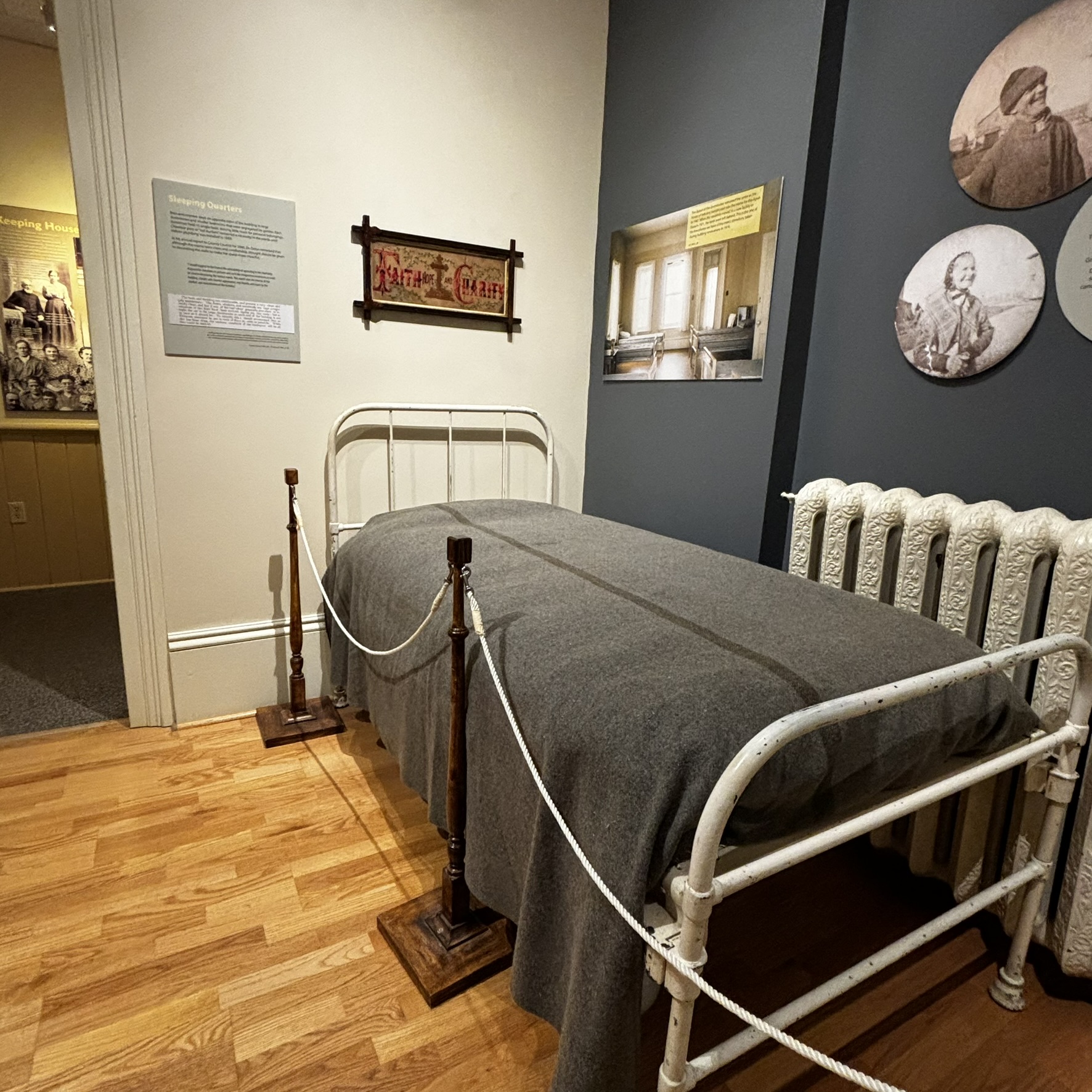
Walking through the museum, I couldn’t help but feel the weight of its history. Panels line the walls, sharing stories of past residents, and exhibits display artifacts that once belonged to them. Although the items were simple—a worn bed, an old suitcase—they evoked so much emotion. These weren’t just objects, they were pieces of someone’s life.

Considering the hardships experienced by its former residents, it’s no surprise that some people believe the museum is haunted. Visitors and staff alike have reported seeing shadowy figures, hearing unexplained footsteps, and even witnessing elevators moving on their own.4

The most well-known spirit is said to be that of a former resident named Anna. People have claimed to hear women arguing in empty rooms, or furniture being rearranged.4 Is it just an old building settling? Or is history lingering in more ways than one?

House of Industry and Refuge Cemetery

When the museum closed for the day, my mother and I made our way to the cemetery—a quiet but powerful reminder of the lives that once filled the Poor House.

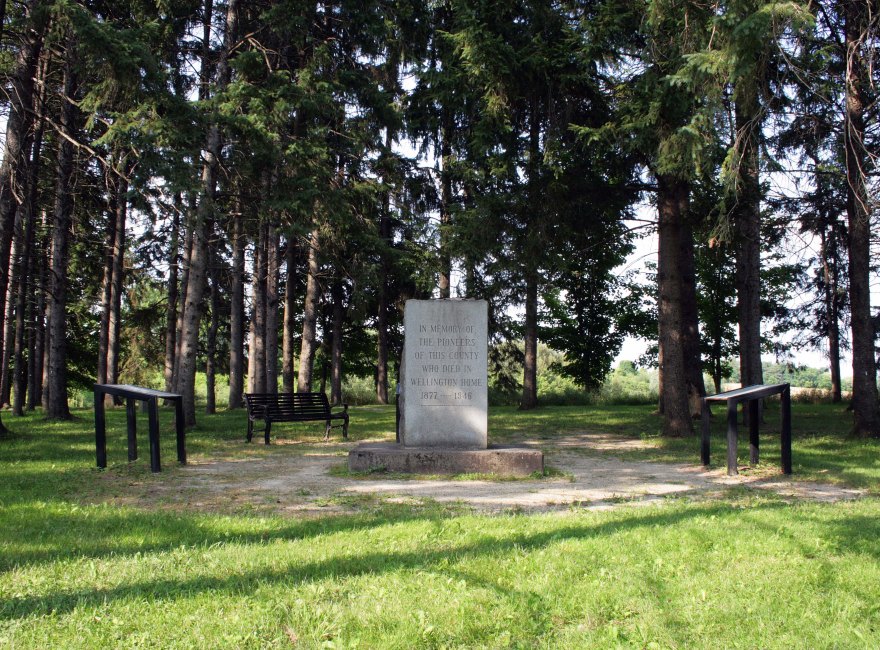
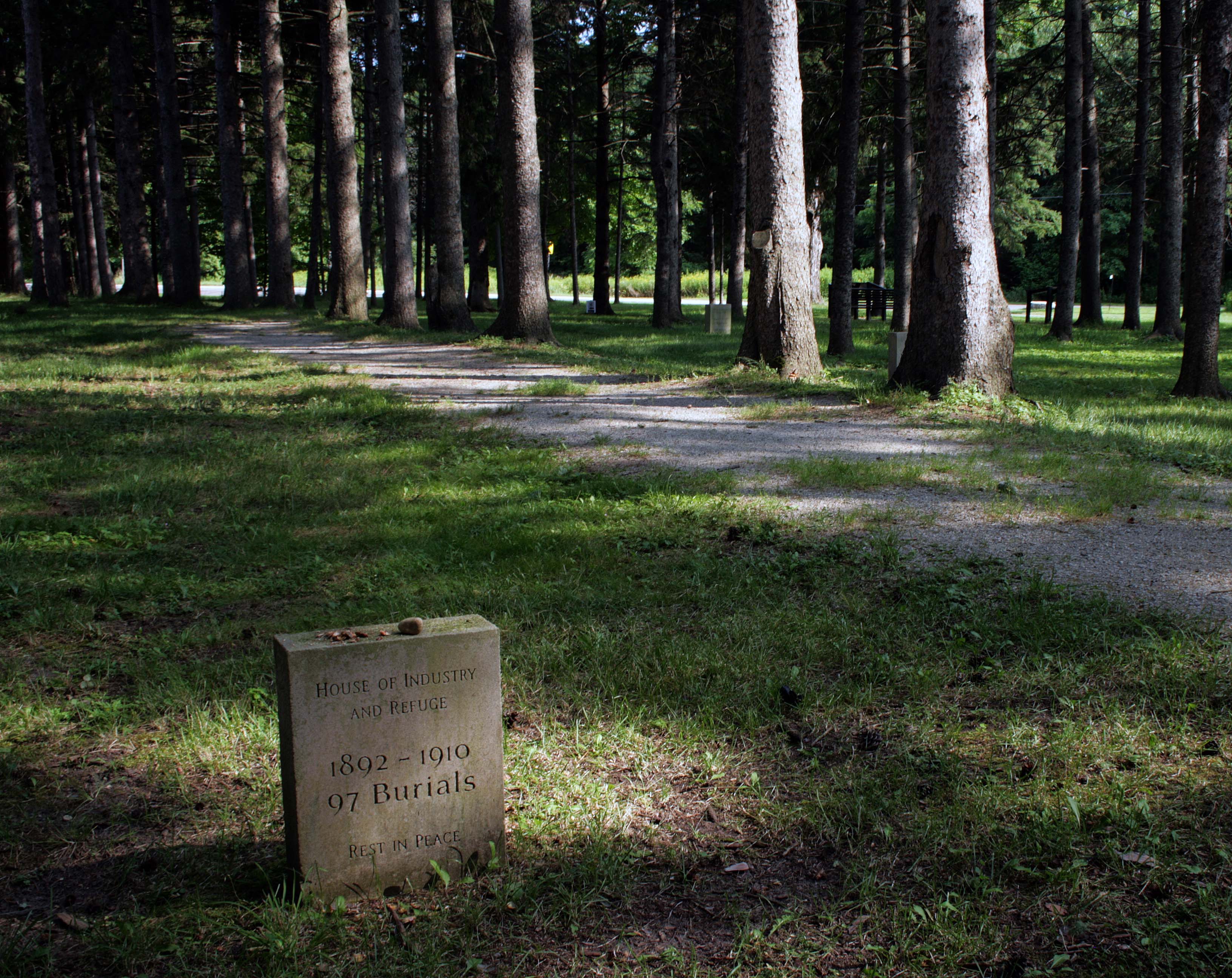
A short drive took us to a small parking lot near the cemetery entrance. From there, a scenic trail led to a repurposed train bridge that spans the highway. It was a beautiful day, and the surrounding forest was lush and green. After crossing the bridge, we descended a staircase with informational panels that peeked out from behind the foliage. The staircase led us down to a clearing, where tall trees provided shade over a few gravestones.

The cemetery is the final resting place for 271 men, women, and children who had no family to claim them.5 Originally, the graves were marked with simple wooden crosses, but over time, those markers deteriorated and disappeared. Today, small gravestones mark the sections of the cemetery, and a larger central monument lists the names of those buried here.

James Burk was the first to be buried in the cemetery on December 21, 1877.5 Often only the gravedigger, clergyman, and undertaker were present for the burials.5 The oldest person to be buried in the cemetery was 106 years old, while the youngest was under a year old.5 The last burial to take place here was for Samuel Nichols who passed away on December 14, 1946.5

Standing in that clearing, surrounded by the names of those who had lived and died here was quite moving. The stories of some of these individuals might have been lost to time, but the community has worked hard to ensure that they are remembered.

Visiting the Wellington County Museum and the House of Industry and Refuge Cemetery was like stepping back in time. It gave me a glimpse into a world where life was unimaginably hard, but also where people persevered against the odds.

The transformation of the Poor House into a museum and cultural hub is a great example of how we can honour the past while also moving forward. History isn’t always easy to confront, but it’s essential to remember—because it shapes who we are today.

Have you ever visited a historic site that really stuck with you? I’d love to hear your thoughts in the comments. If you’re ever in Wellington County, I highly recommend stopping by this museum and its cemetery. It’s a place that truly brings history to life.

Thanks for reading!


References:

  1. About Us | Wellington County Museum and Archives
  2. Plan a Visit | Wellington County Museum and Archives
  3. The Poor House Story | Wellington County Museum and Archives
  4. Historic Haunts Tour | Guess Where Trips
  5. House of Industry & Refuge Cemetery | Find a Grave

October Cemetery Stories: Torrance Cemetery

I love a good spooky story, especially in October. So for today’s blog post, I want to share another October cemetery story—this time coming from the Muskokas.

Earlier this year I planned a cemetery road trip that would take me around Lake Muskoka; visiting Bala, Torrance, Gravenhurst, Bracebridge, and Port Carling. I had quite a few cemetery stops planned as well as some other picturesque stops. At that same time, Canadian author Andrew Hind was coming out with a new book called Muskoka’s Most Haunted 2.

Hind is a freelance writer specializing in history, travel, lifestyle, and the paranormal. He has written quite a few books about hauntings in Ontario. So, I was pleasantly surprised when I read the book and discovered it has a chapter on Torrance Cemetery!

Torrance Cemetery

The small hamlet of Torrance was settled in 1870 by three families; Torrance, Coulter, and Jestin, all originally from Eramosa, Ontario.1 They had traveled to the area to explore a free land grant offered by the Government of Canada.1 The community was named after William Torrance, who was the first postmaster.1 The Torrance Union Cemetery, also known as Whiting Family and Church Cemetery, is located on the site of the first school that was erected in the township, in 1875.2

Today, the Township of Muskoka Lakes operates and maintains Torrance Cemetery, along with 11 other cemeteries in cottage country.3 They state that they offer a “peaceful” resting place for loved ones of all faiths, but Torrance Cemetery has a long history of being anything but peaceful.3

Haunted Family Mausoleum

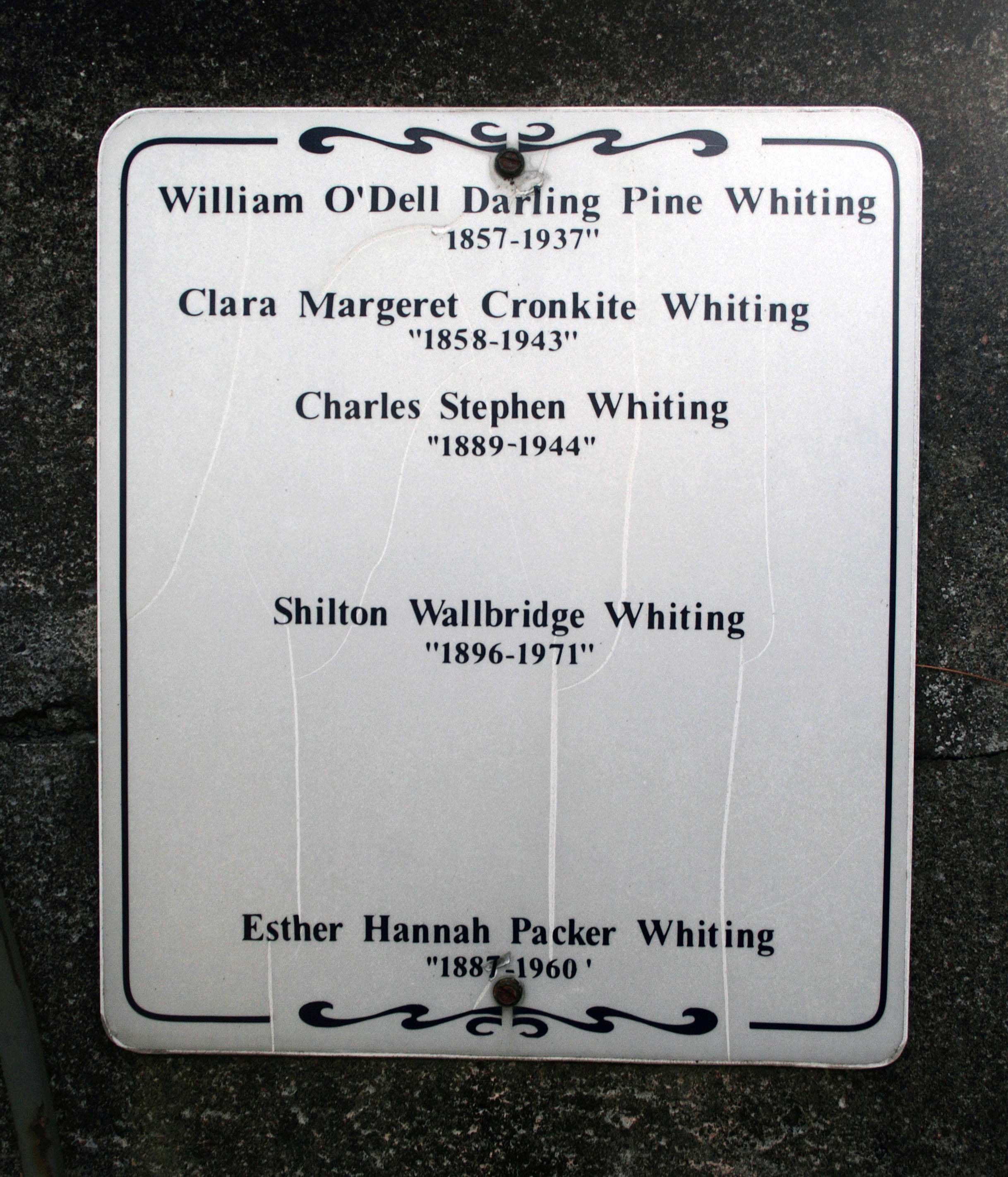
The lone, stone mausoleum belongs to the Whiting family. Their story is one fraught with tragedy. William O’Dell Darling Pine Whiting was born in 1857, in England.4 Whiting came to Canada in the late 1870s and briefly served in the Riel Rebellion as a member of the Northwest Grenadiers militia regiment in 1885, which is when he fell in love with the Muskokas.4,5

In 1892, he would return to the area, this time with his wife Clara Margaret Cronkite and their young family.5 Whiting purchased a large piece of waterfront property on Lake Muskoka, with dreams of building the finest resort in Ontario.5 He would call it Brighton Beach Hotel, reminiscent of a similar hotel back in Brighton Beach, England.4 Unfortunately, Whiting’s dream would never bear fruit. Only a week after the official opening, in July 1895, the grand hotel burned to the ground. Luckily, no one was injured.5

In 1898, Whiting revived his dream, this time on a smaller scale.5 The second incarnation of the hotel, Brighton Beach II4, had more success. It welcomed vacationers for two decades, before tragedy struck a second time in 1917.4,5 Sadly, this fire had one casualty. It claimed the life of Whiting’s infant granddaughter.5

Whiting never rebuilt, and never recovered after the loss of his granddaughter.5 Whiting passed away in 1937, and was laid to rest in the Whiting Family mausoleum in Torrance Cemetery. His wife Clara is also laid to rest within the stone crypt, alongside two of their children—and it seems their spirits are not at rest.5

There have been many reports over the years of paranormal activity taking place in and around the crypt. Ghost lights have been reportedly spotted, as well as full-bodied apparitions and disembodied voices.5 Are the spirits restless or were they awakened by something more sinister?

There is a particularly terrifying story of vandalism and desecration of the family vault. The crypt was broken into, and a coffin smashed open.5 The dead did not rest in peace that night.

The haunted reputation of the cemetery has garnered some attention as various ghost hunters and paranormal investigators have visited the cemetery. All trying to capture proof of ghostly phenomenon.

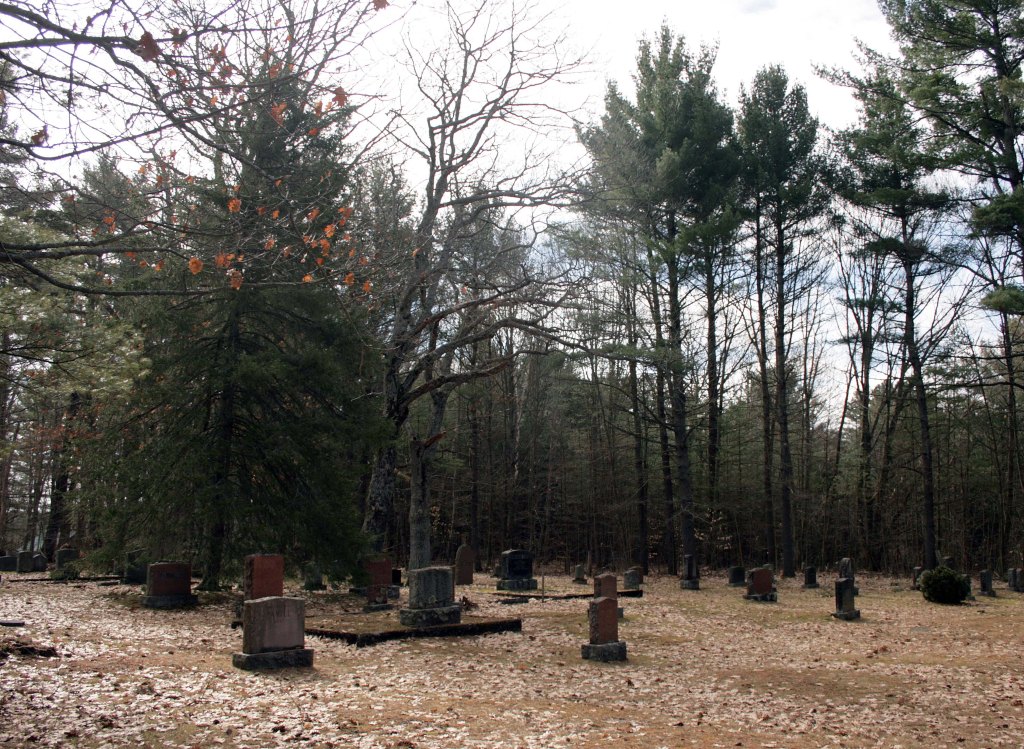
My mother and I visited Torrance Cemetery in early April. The spring thaw left the ground littered with brown leaves, giving off heavy fall vibes. The trees were also bare, their new growth still dormant. It was a perfect, faux-fall day to be wandering a haunted cemetery.

I had read the book before our visit, so visions of ghosts were swimming in my head as we wandered the cemetery. It was interesting to stand before the family mausoleum and think about the vandalism, the desecration, and the sightings.

I examined the gated door, peering into the dark screened windows. But, I didn’t see anything, nor did I hear anything. My mother on the other hand had her own experience.

As we normally do when visiting cemeteries, we each go our separate ways, drawn to different things. She told me afterward, that while she wandered the cemetery rows she suddenly felt cold. Not from a cool breeze, but like she had been suddenly “dipped in cold water” from her head to her toes. The sensation didn’t last long, and she didn’t think anything more of it. That is until she read the stories.

My mother read the book after our visit, with the experience of visiting the mausoleum still fresh in her mind. She reacted quite differently than I did when I read the stories of Torrance Cemetery. It terrified her! She was briefly paralyzed with fear, while cozied up on the couch to read.

Then she remembered the pinecones!

My mother had picked up two rather large pine cones while we were in the cemetery. She thought that they would each make a nice natural bird feeder if smeared with peanut butter and coated with seeds. She suddenly became fearful that she had brought a piece of the cemetery home, maybe even bringing a spirit home with her.

Thankfully, nothing strange has happened since bringing the pinecones home. And they are still hanging in the tree in the backyard, months later.

Do you believe in ghosts? Could the Torrance Cemetery be haunted?

To read more about Torrance Cemetery, and other haunted locations in the Muskokas, I highly recommend the Muskoka’s Most Haunted series by Andrew Hind.

Thanks for reading!


References:

  1. Torrance | Muskoka Lakes Chamber of Commerce
  2. Torrance Union Cemetery | Muskoka, Parry Sound Genealogy Group
  3. Cemeteries | Township of Muskoka Lakes
  4. The History of the Old Stone Crypt | Muskoka Blog
  5. Muskoka’s Most Haunted 2 by Andrew Hind | Book

October Cemetery Stories: A Haunted Tower and a Pioneer Cemetery

During the summer, I wrote about a surprise road trip I took with my mother in Cambridge. This curated road trip, created by Guess Where Trips took us to exciting and spooky places. I shared a little about our Historic Haunts tour, but I wanted to keep some of the details a surprise at the time, so I could share this ghost story and pioneer cemetery visit with you now, in October.

So today on the blog, I want to share a little bit more about my visit to the haunted Waterloo Pioneer Memorial Tower and Doon Pioneer Cemetery and explore its rich history.

Waterloo Pioneer Memorial Tower

While looking for places to go for a walk, the day before our Historic Haunts tour, I found a hidden gem that had everything we were looking for—a walking trail, a historic site, and a cemetery. Little did we know when we visited that it was also haunted!

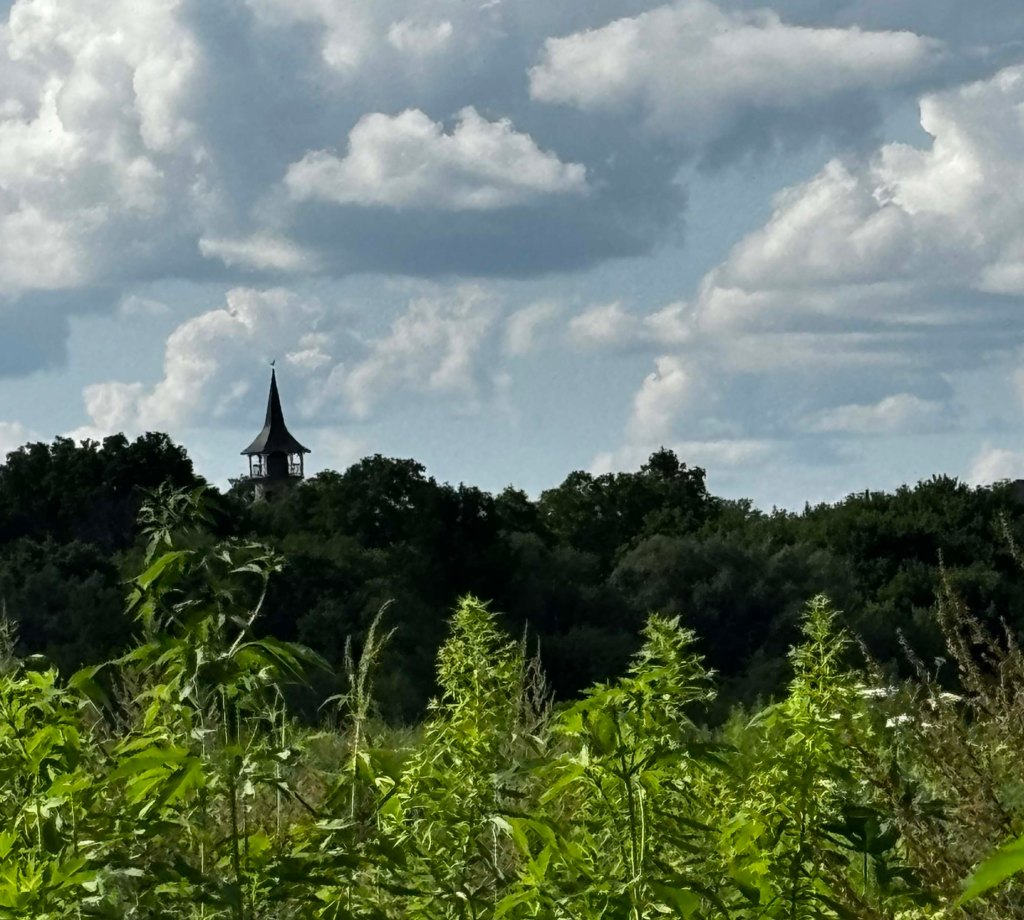
The Waterloo Pioneer Memorial Tower stands 18.9 meters tall, and peaks out above the surrounding trees. We could see its Swiss-style copper roof and the cute Conestoga wagon weather vane that sits atop it, as I parked my car in the nearby parking lot.1

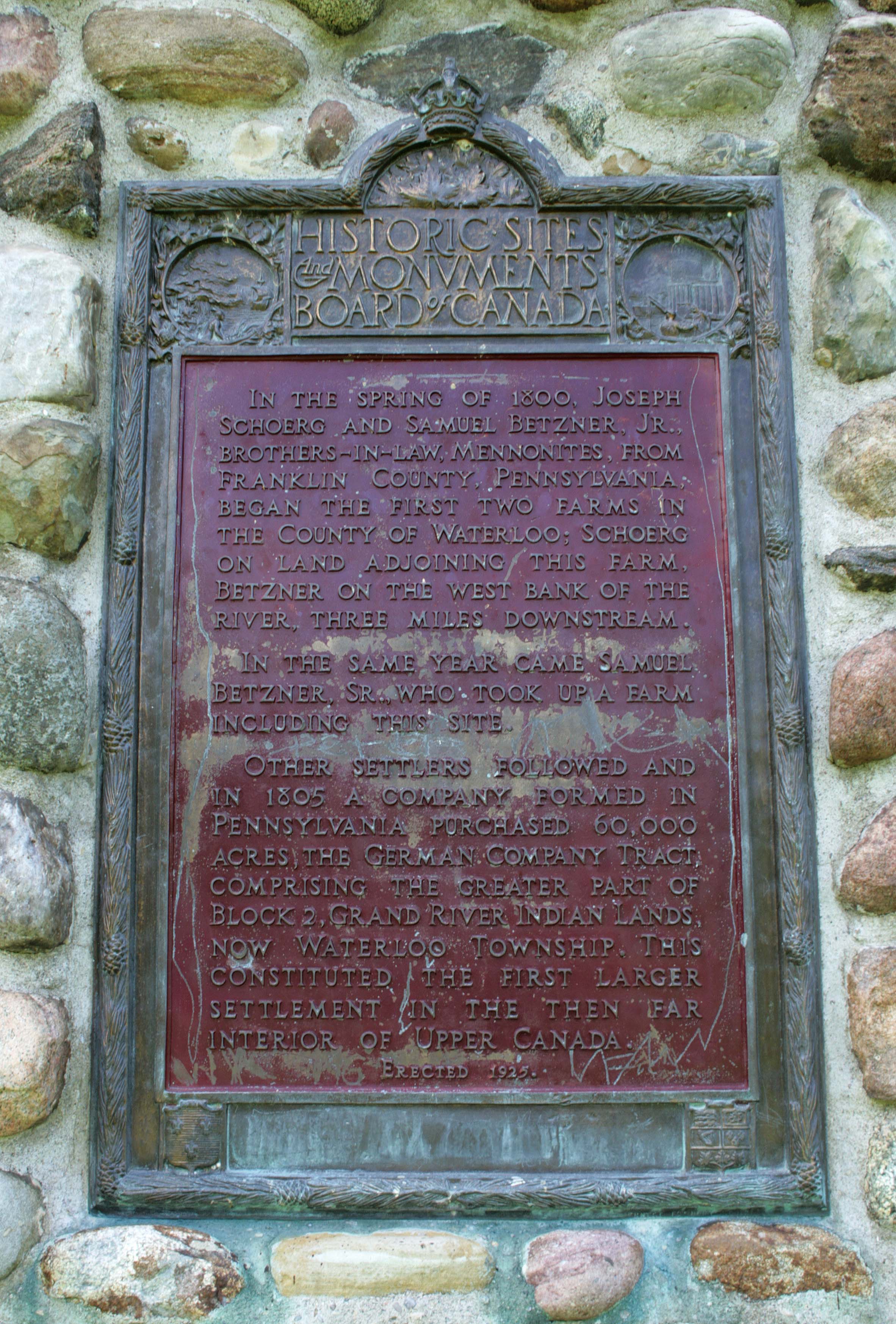
The Tower built in 1926, was created to commemorate the arrival of the Pennsylvania-German pioneers who immigrated to the area between 1800 and 1803.1 Fieldstones that line the outside wall of the tower represent the tireless work they did to plow and clear the land for farms and homesteads.

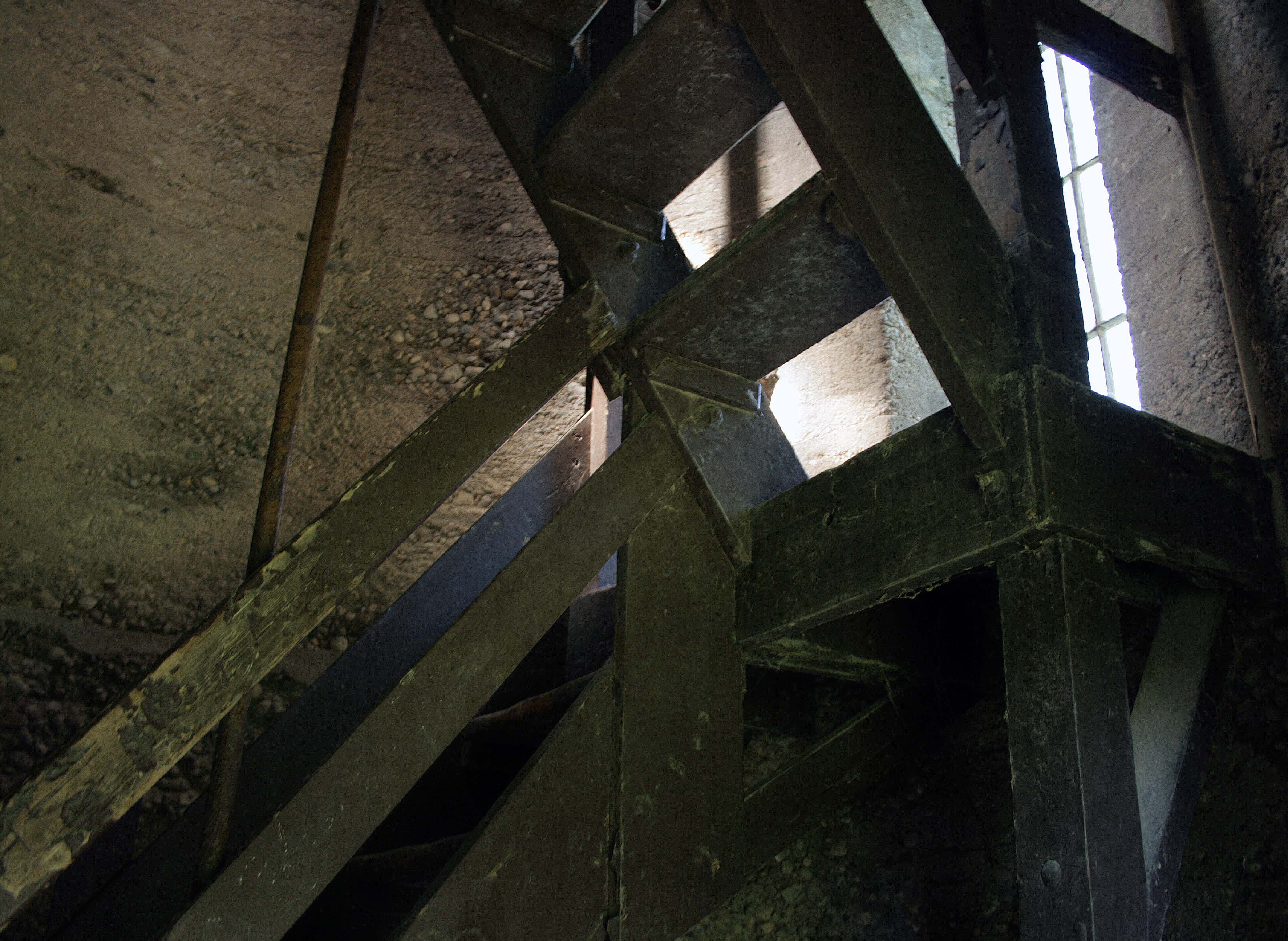
At one time, it was possible to go inside the tower and climb its spiral staircase to the eight-sided observation deck. The view is amazing, as Bob Oberholtzer noted in a 2015 article for the Waterloo Region Record. Citing it as one of the most “historic views”, it’s possible to overlook the first four Mennonite farms that were settled in the area.2 Oberholtzer also talked about how they used to scare the girls who climbed the tower, not with ghost stories, but with childhood antics like shaking the stairs as the girls climbed up.2

Although the tower has barely needed any repairs to keep it standing over the years, the tower has been closed to the public since 2008.2 BUT, it is possible to tour inside, by special request.2 A sign on site has a phone number that can be called to book a visit to the top of the tower. I wish I would have known this when we visited. We made do by peering through the gated doors to glimpse the cobwebs and spiral staircase inside.

What we also didn’t know at the time of our visit, was the haunted history of the place. The story goes that a woman jumped to her death from the top of the tower. She was distraught and suffering from grief of the loss of her husband, who went off to war—but never returned.3

They say her restless spirit can sometimes be seen at the top of the tower, waiting for her lost love to return.3

Doon Pioneer Cemetery

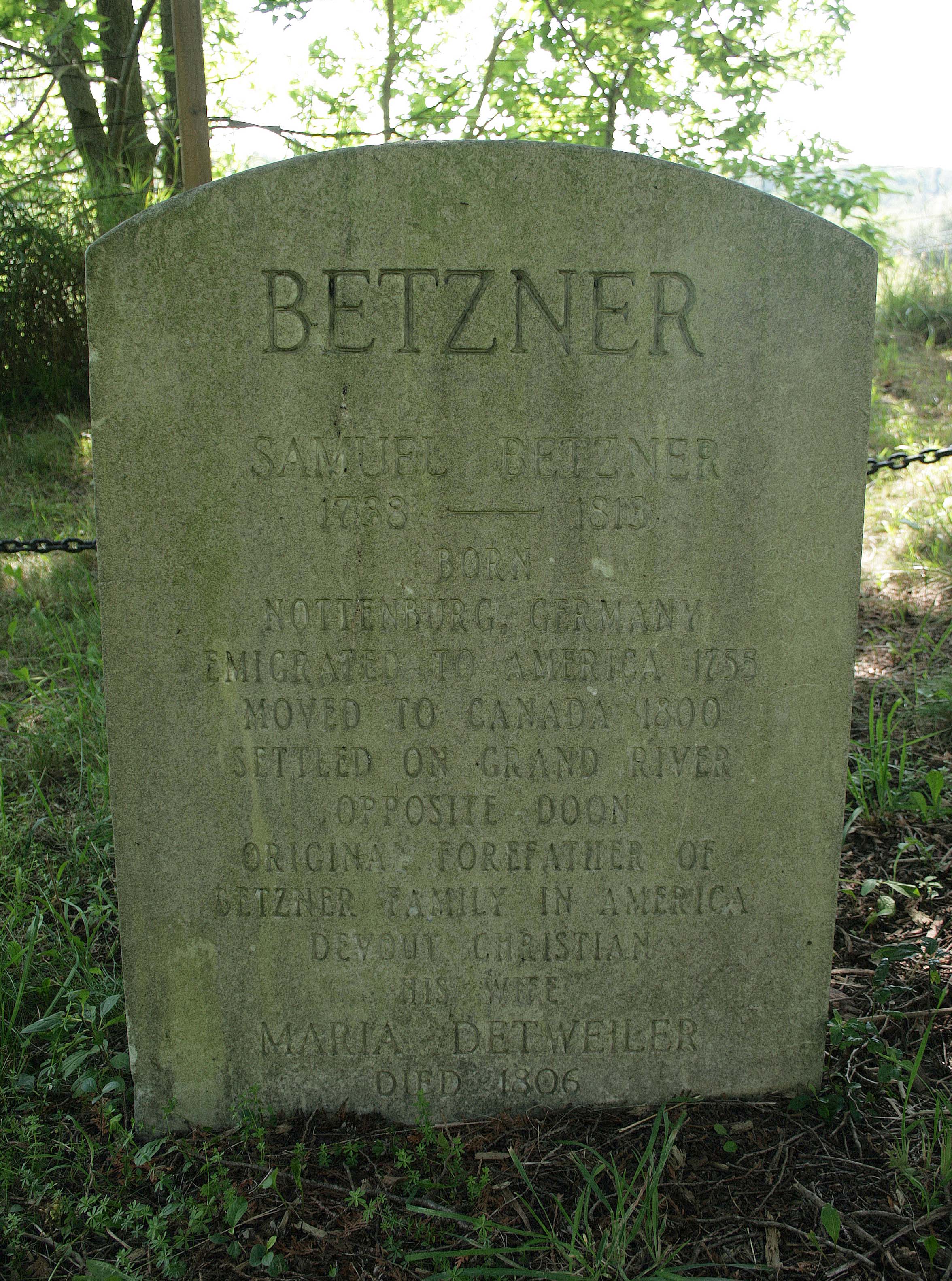
The 98-year-old Pioneer tower sits within a small grassy field, right beside the Doon Pioneer Cemetery. This is the final resting place of the Schoerg and Betzner families and overlooks the Grand River.

Also known as the Schoerg/Betzner cemetery, this small burial ground is where the first settlers are laid to rest, who arrived in Waterloo Township in the spring of 1800. The small cemetery is filled with old gravestones and field stones, marking their final resting place.

Some of the gravestones are very worn, so I took the opportunity to try out a trick I saw in one of the cemetery groups I am a part of. By using a mirror to reflect sunlight, or by holding a flashlight at an oblique angle you can create enough contrast to make gravestones legible again.

I had a small flashlight on me, one with a small beam so it worked well on the smaller stones. I asked my mom to hold the flashlight for me, as I lined up my shot by looking through the small viewfinder on my DLSR. The deep shadows help some of the long-forgotten words to be legible again. The flashlight trick didn’t work as well on larger stones, because the beam from the flashlight is too narrow to illuminate enough of the stone. I would need a much larger beam for that. This trick of the light is a great way to reveal gravestone inscriptions while doing no harm.

My mother and I both enjoyed visiting the memorial tower and the small burial ground beside it. We took our time taking in the beautiful craftsmanship and design of the tower and its history. At the time, we had no thoughts of ghostly apparitions in our minds. We didn’t experience anything supernatural. We just admired the Fieldstone Tower and all the toil and hard work it represented for those early pioneers.

After exploring the cemetery and paying our respects to the early settlers of the area, we made our way to the Walter Bean Grand River Trail. The flat gravel path meanders through the Pioneer Tower Natural Area taking you along the Grand River. The trail is dotted with educational panels, and the path eventually brings you to the Pioneer Tower Bridge.

On the opposite side of the bridge lies the Doon Valley Golf Course. On our walk, we didn’t cross but stopped at the bridge to take in the views. We sat for a time at a little garden roundabout, just before the bridge, admiring the flowers and wildlife. We were lucky to see a wild rabbit scurry across the trail.

The Memorial Tower was always in view during our walk, peeking out above the treeline like a sentinel keeping watch. A strong reminder of those who came before us. The whole area is beautiful, even more so now I imagine with the fall colors starting to emerge.

So if you are looking for a nice place to take in nature and enjoy some dark history, I think the Waterloo Pioneer Memorial Tower and adjacent Doon Pioneer cemetery would be a great place for a fall outing. Who knows, you might even see a ghost.

Thanks for reading!


References:

  1. Waterloo Pioneer Memorial Tower | Parks Canada
  2. Descendant of Waterloo pioneers wants memorial tower open again | Waterloo Region Record
  3. Historic Haunts Tour | Guess Where Trips

Cemetery Stories: Greenwood Cemetery

A cemetery is filled with many interesting stories, stories of the souls that are laid to rest within its gates. But often the cemetery itself has an interesting story to tell. 

Today on the blog I want to introduce a new series called Cemetery Stories. For these blog posts, I plan to focus on the story of individual cemeteries. I have visited a lot of cemeteries over the years, and many of them have interesting stories and historical significance. So for this series, I want to look a little deeper into history, geography, notable graves, and all the different elements that make them unique.

For today’s cemetery story, I thought I would look at Greenwood Cemetery in Owen Sound. 

History

Greenwood Cemetery was created in 1858 when land surveyor Charles Rankin submitted a plan to the town council for a new public cemetery. At the time the plan was for 5 acres of land, divided into 27 blocks, including space for vaults.1 Today the cemetery is quite large, sitting on approximately 40 acres of land.2 Greenwood is also sometimes called “The People’s Cemetery” because, in those early days, the land was purchased using the people’s money.1 The cemetery contains 26,700+ burials.1

The oldest home in Owen Sound can be found in Greenwood Cemetery. The house is dated from the 1840s1 and is used as the cemetery office.2 There is also a red brick burial chapel on the cemetery grounds. Built-in 1905, it served as both a chapel and a receiving vault. There is a trap door built into the floor that a coffin could be lowered through, into the storage racks below, to rest until the Spring when the remains could be interred. The chapel stopped being used for burials in the 1930s when the mausoleum opened. The chapel was converted and used as an office space for a time, until the early 90s. Today the building looks to be mostly empty.3

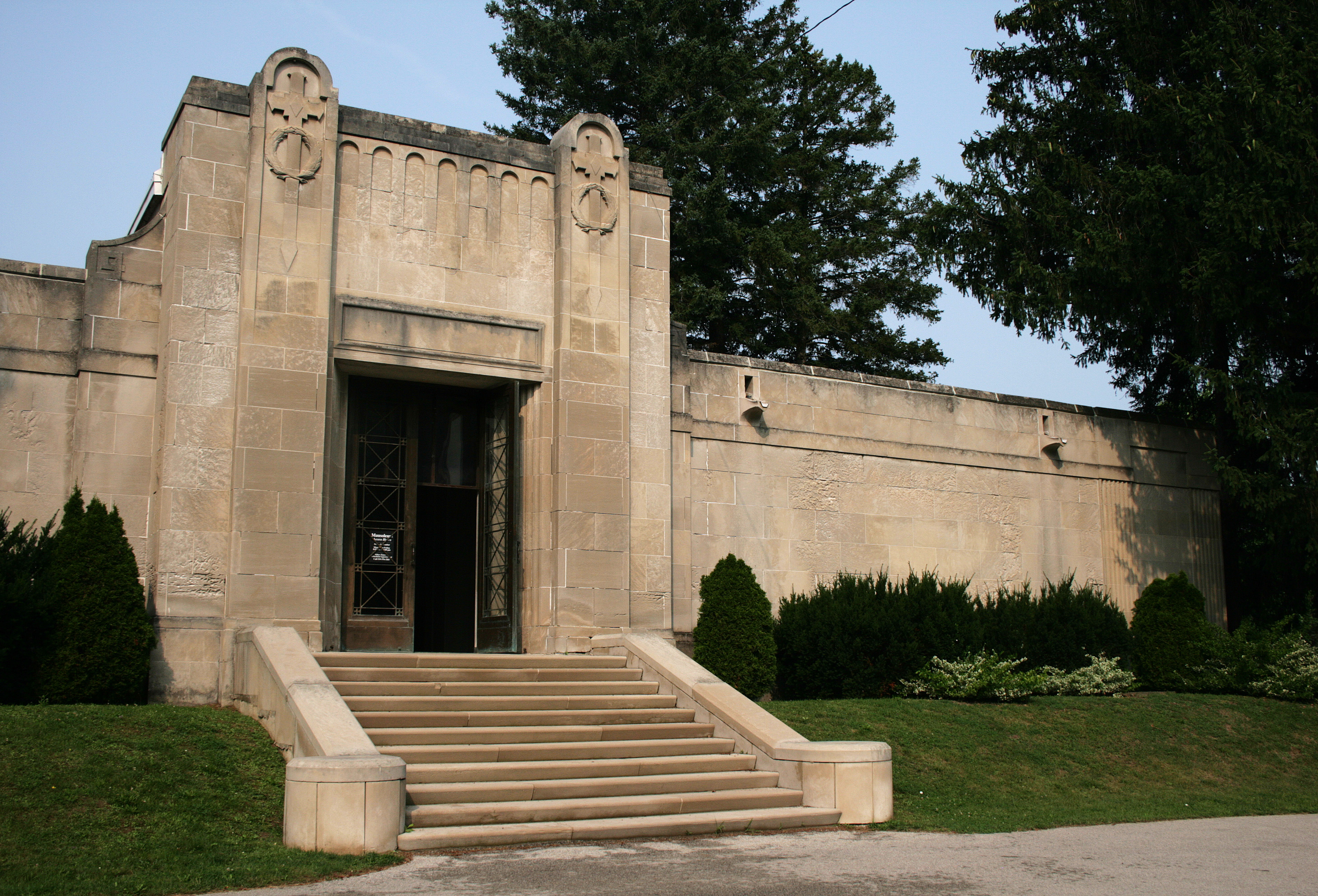
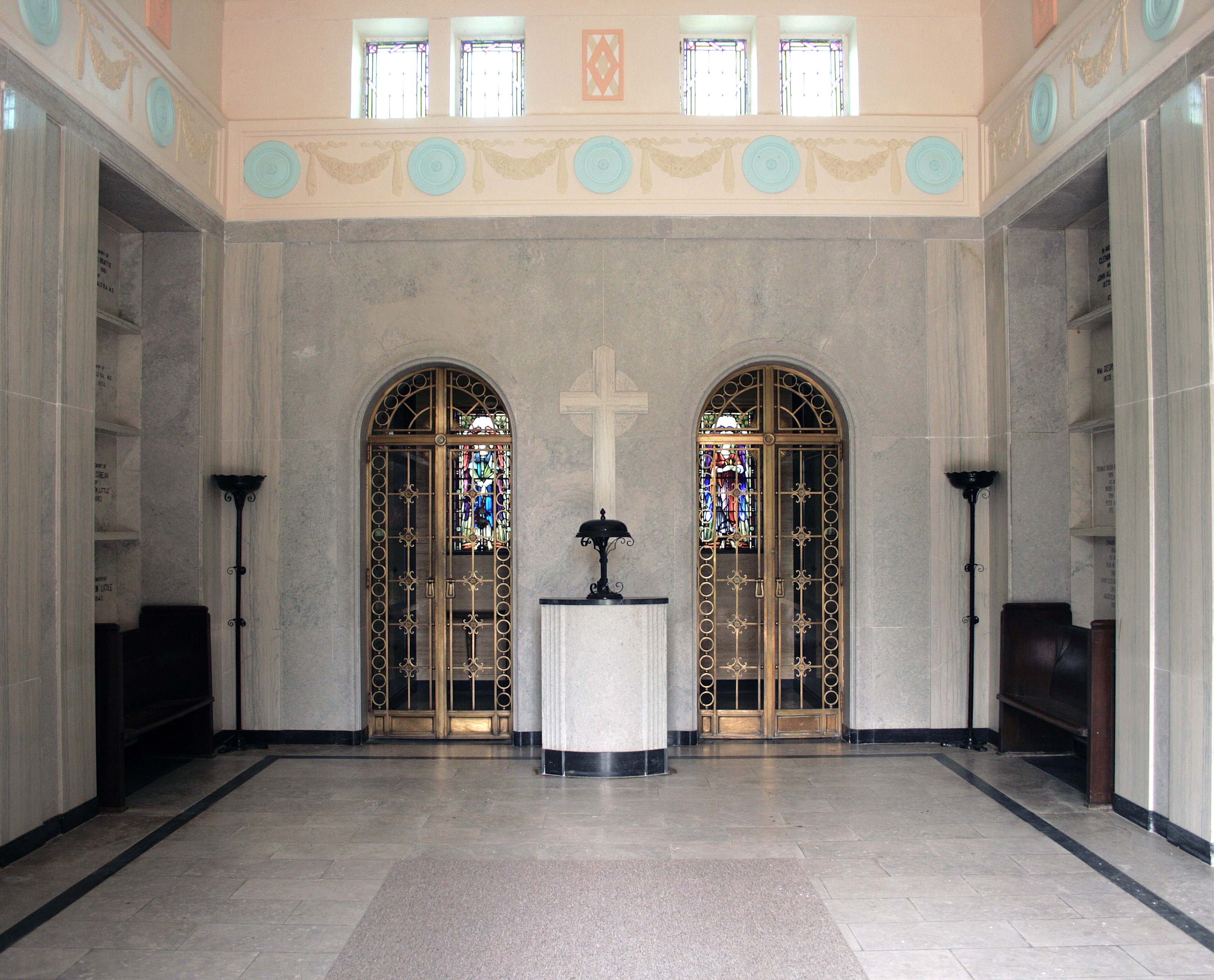
Greenwood is also home to a beautiful mausoleum. Construction of the large mausoleum began in 1927. The Art Deco-inspired exterior is covered in Indiana limestone, while the interior is finished with Italian marble. It also features some lovely stained glass windows and has a large central chapel that is used year-round.1

The cemetery is dotted with a variety of gravestone styles, and there are three memorial garden sections. It also has a section for members of the fraternal organization, The Independent Order of Odd Fellows (IOOF), that features a large stone cairn with IOOF symbolism.

Greenwood also has a Potter’s Field and memorial. The memorial honors the more than 1,000 women, children, and men who were buried in unmarked graves between 1858 and 1989. A potter’s field, also known as poor grounds, stranger’s plot, or indigent plot, is a section of a cemetery where those who are impoverished are buried.4 1,242 people are thought to be buried in Greenwood’s potter’s field4, all unmarked aside from the memorial and one lonely gravestone that sits close to the tree line at the back of the indigent plot. According to an article in the Northern Terminus: The African Canadian History Journal, many of the unknown graves are Black pioneers. Only a small few have been identified.

Among the unidentified graves lies an infant, who in 1889 was found in Victoria Park, wrapped in white cloth. The transcription in the cemetery records, simply reads “Unknown, child found dead”.4

Notable Graves

Greenwood Cemetery is the final resting place of a few notable memorials. William Avery “Billy” Bishop, Canada’s World War I Flying Ace rests here. There are also two other Victoria Cross recipients buried here; LTC David Vivian Currie (World War II) and Thomas Holmes (World War I). 

Speedskater and world-record holder Lela Brooks is also laid to rest here, as well as professional hockey player, Harry “Apple Cheeks” Lumley. Margaret and John Thomson, parents of famous Canadian painter Tom Thomson, are also buried here. 

There are many more notable pioneers and local celebrities buried here, like Charles Rankin, who submitted the cemetery plan and helped bring the cemetery into reality. The best way to pay your respects is with a self-guided walking tour. The cemetery offers three tours that take you to different areas within the large cemetery and highlights all the notable members of the community who are laid to rest at Greenwood. You can pick up the printed tour guides at the cemetery office. The guides include a map, directions, and a little history for each stop on the tour. 

We visited the cemetery twice on our trip to Owen Sound. Because it’s so large we felt we had to. Our first visit was late in the day, so the mausoleum had been locked up for the night. We were losing light quickly, and every turn on the winding paths revealed new sections I wanted to explore further. We visited again the next morning and were able to explore the Mausoleum and walk the sections at our leisure.

Greenwood was full of life during both our visits. In the evening we saw folks paying respects at graves, but also saw families taking advantage of the safe, paved pathways. Two young children were learning to ride their bikes between the rows. 

The next day, we saw many walkers enjoying the scenery, both young and old. We also saw folks walking their dogs and running into others they knew who were doing the same. It was lovely to see a green space in use but also used respectfully.

Thanks for reading!


References:

  1. Greenwood Cemetery Walking Tour “The People’s Cemetery” | Print brochure
  2. Greenwood Cemetery | Owen Sound
  3. The Chapel, Historical Owen Sound | Plaque on the cemetery grounds
  4. Owen Sound’s Greenwood Cemetery “A Land for the Living” | Terri Jackson

Online courses for Taphophiles

I have always considered myself a lifelong learner, I love taking online courses. I have taken some interesting ones over the years, like Society, Science, Survival: Lessons from AMC’s “The Walking Dead”. During the pandemic, online courses have become pretty popular, and you can find all sorts of online courses offered. The topics can vary, from more regular academic offerings to the more obscure. I remember once taking an online course on Stereoscopy: An Introduction to Victorian Stereo Photography. That was an interesting course. It got me wondering if there were cemetery-related courses available out there? That is something I feel like I can always learn more about.

I have spent some time browsing Atlas Obscura for unique places to visit and found that they offer in-person and virtual courses. They just so happen to offer an online course I think would be perfect for taphophiles. It’s called Stories in the Stones: How to Read a Gravestone With Dr. Elise M. Ciregna. Here is the course description, from the website:

“Have you ever wondered why certain gravestones and funerary monuments look the way they do? In this course, Dr. Elise M. Ciregna will explore how to decipher the stories in these stones, drawing from foundational knowledge of cemeteries and material culture. Over the course of four sessions, we’ll trace the history of burying grounds, cemeteries, and gravestones in the United States, focusing on a different period of American history each week. We’ll cover Puritan and Colonial practice and African American burying grounds through to the impact of cremation on contemporary American burial practice. In between, we’ll touch upon the advent of the garden cemetery movement, the 19th century romance of cemeteries, the cemetery beautiful movement of the early 20th century, and the 20th-century changes in cemetery management—looking at common motifs and stone cutting techniques as we go. By the end of this course, you’ll have the tools to engage with gravestones in a new way, the foundations for doing genealogical research, as well as a new lens through which to understand American society, culture, and values through time.” – Atlas Obscura

It sounds super interesting! There are currently 2 month-long sessions being offered, April (every Saturday) and May (every Sunday). I’ve registered for the May session and am looking forward to it. I’m hoping it will help fill the gap until I can regularly get out to visit cemeteries.

This next course I found is specifically for Clyde River & Area cemeteries in Prince Edward Island. It’s a free, self-directed course created by the Clyde River History Committee, called Cemetery Stories: Online Study SeriesThis course is not currently running, but since it’s self-directed and the materials are well laid out, I think it’s possible to work your way through the course. It looks like this online course was created to replace their regular lecture series during the COVID-19 pandemic. The course was held from November 2020 – to August 2021, but the course materials can still be found online. The materials include links to online resources, videos, and reading material. It also includes a breakdown of the activities. Some activities look to be specific to the Clyde River & Area cemeteries, but I think the resources they provide would be interesting to any taphophile. 

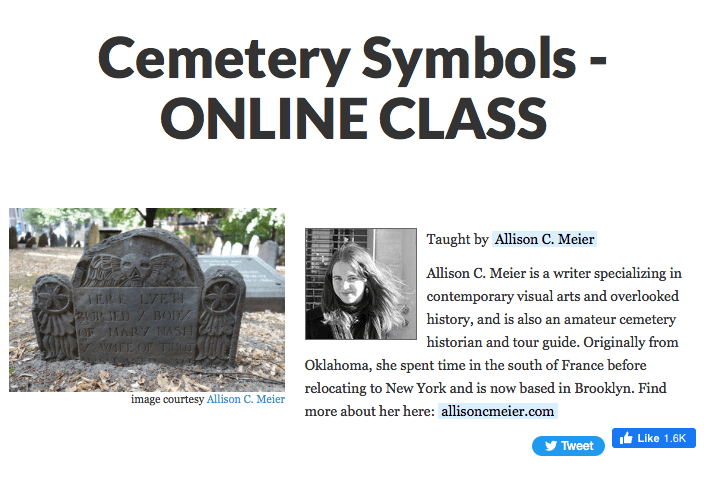
The last course I found is called Cemetery Symbols, through the Brooklyn Brainery. This course is not currently running, but you can sign up for the mailing list to get notified the next time it’s offered. It sounds very interesting, as it focuses on one of my favorite subjects: symbolism, and iconography in cemeteries. I would love to take this course the next time it’s offered. Here is the course description from the website: 

“Have you found some recent solace in visiting your local cemetery or ever wondered what those symbols etched in the tombstones say about the deceased? Sure, the skulls and winged hourglasses are ominously straightforward, but along with them are secret society emblems, carefully chosen flowers, gesturing hands, guardian animals, and other arcane symbols. This class will explore the meaning behind the symbols commonly found in cemeteries, along with their history in mortuary art, highlighting symbols found in NYC and beyond, so that the next time you go for a stroll in the necropolis you can decipher their hidden meanings.” – Brooklyn Brainery

It’s not a very long list, but that’s all I could find in my most recent search. I think I may revisit this in the future and share other courses I can find. I would love to see more courses become available. There are so many interesting cemetery-related topics that I think can be expanded upon, and would love to learn more about. I would love to see courses exploring the history of historic graveyards, notable graves, death and funerary practices through the ages, and even stone carvers and their materials. There is just so much that can be explored. For the moment I am looking forward to Atlas Obscura’s Stories in the Stones course, my first class is on May 1. I’m hoping it will be informative and that I will learn a new thing or two. I may write another post after the course is done, to share my thoughts, any AHA moments I have, and whether I would recommend the course or not. 

Have you taken some interesting online courses? Or do you know of a cemetery-related course that I missed? I would love to hear about it in the comments.

Thanks for reading!