In honor of the Spooky season, I wanted to do a sort of spooky show-and-tell. For today’s blog post, I want to talk about some of the creepier grave goods I have come across while exploring and photographing cemeteries.
Grave goods is a term used for items left behind at a grave. I have always found it fascinating what people leave behind. There are a variety of reasons someone might leave grave goods; to pay their respects, to honor their loved one, this list goes on.
The most common grave goods I see in my cemetery travels are flowers, but I have also found coins, toys, figurines, and pieces of clothing such as hats or gloves. I have even found alcohol and cigarettes left on gravestones.
But there have been a couple of times where I have found some pretty creepy things. I would say maybe even sinister grave goods.
A Horse Skull
One of the first creepy grave goods I ever came across was a skull hanging from a tree. I believe this is a horse skull, although I don’t know for certain. A horse skull would make sense for the area where it was found, in Verner Public Cemetery. Verner is a rural area, dotted with farmland.
How the skull ended up in the tree is another question entirely. I remember it was hanging on a tree at the edge of the tree line. Was it found in the forested area? Was it brought from an adjoining farm?
I never expected to come across a creepy doll, the day I entered Blezard Valley Cemetery. It was in late May, that I discovered this one.
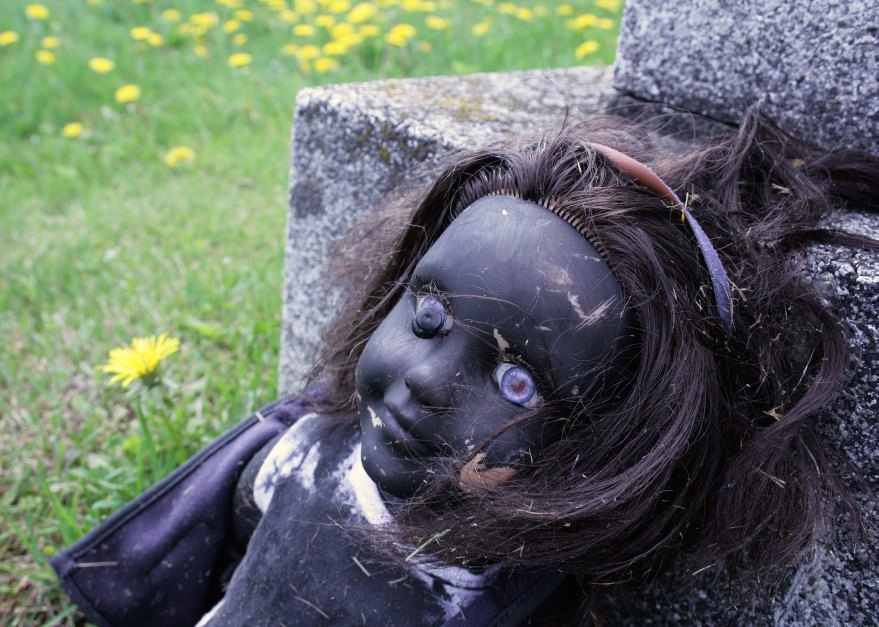
A creepy plastic doll, the kind where the eyes close when you tilt it backward. Except this one has a push pin pushed into its plastic eyeball. It was also painted black. I found it leaning up against the backside of a granite gravestone.
How it ended up there, I can’t even speculate. Was it bored teenagers? Or was it left behind with more sinister intentions? I took many photos but left the doll where I found it.
I think this is one of my favorite spooky finds! Technically my mom found it. We had gone off on our own, in separate directions, meandering among the gravestones. She called me over when she spotted this unique grave good.
Laying above a small flat stone marker was this hand-made ouija board. It was painted by hand onto a small canvas. I wasn’t able to locate what had been used as a planchette. My guess is they used a glass or cup of some sort, and made sure to return it to where it came from.
From the looks of it, this hand-made board had been sitting outside for some time. Being an avid Ouija board collector myself, I enjoyed finding this one. But of course, I left it where it was found.
I have written in the past about the cemetery etiquette I follow when visiting cemeteries. I do sometimes clear away debris to get a clearer picture or stand-up fallen grave goods that have been knocked over. But, I would never remove anything from a gravestone, or cemetery for that matter.
Did you enjoy my round-up of the top three spookiest grave goods I have found in a cemetery? It’s one of my favorite things about cemeteries, you never know what you might find!
Have you ever found anything strange left behind in a cemetery? I would love to read about it in the comments.
In early July, my friends and I went on a cemetery road trip, up through Hailybury and New Liskeard to Kirkland Lake. We made quite a few stops along the way, not only at cemeteries. We stopped at a couple of roadside attractions to stretch our legs and take in the sights.
We did have a few points of interest that we were determined to visit that day. One was the grave of Charles Bélanger, son of famous Canadian sculptor Rose-Aimée Bélanger. You may remember that story, as I wrote about our visit in a blog post called Stone Stories: Art in a Cemetery.
The other point of interest, high on our list to see was a gravestone with an epitaph about U.F.O.s.
One of my favorite things about visiting cemeteries is finding unique gravestones. I love gravestones that stand out, that showcase a sense of humor, or something specific about their life story. I love stones that give you a glimpse of who the person was. Sometimes these peculiar gravestones also present a mystery!
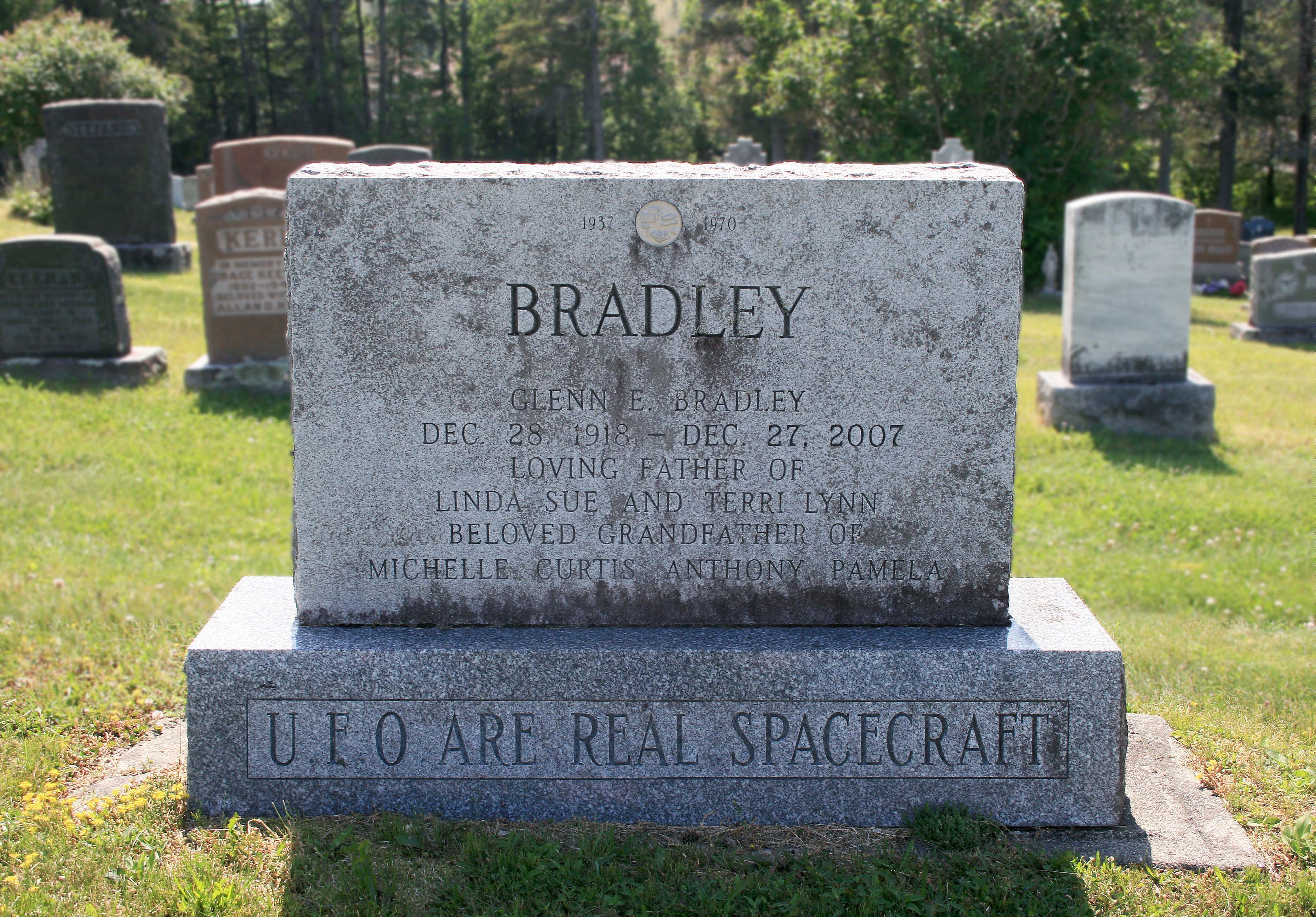
This is the gravestone of Glenn Bradley, who passed away on December 27, 2007. A day before what would have been his 89th birthday. From far away, his gravestone doesn’t seem to stand out. It’s a classic style headstone, in grey granite. But upon closer inspection, the epitaph jumps out at you.
It reads: “Bradley / Glenn E. Bradley / Dec. 28, 1918 — Dec. 27, 2007 / Loving Father of / Linda Sue and Terri Lynn / Beloved Grandfather of / Michelle, Curtis, Anthony, Pamela / U.F.O. Are Real Spacecraft.”
The epitaph continues on the backside of the stone: “Spinning Objects Vanquish Gravity / Spinning Objects Levitate / Spin to Exceed the Earths / Relative Feet Per Second / Honorable 60th C.B. Service / 1942 U.S. Navy 1945”
What does it mean?
I am not the only one fascinated with this gravestone. Bill Steer, also known as Back Roads Bill, wrote an interesting article about this peculiar stone. In it, he shares an interesting tidbit found in Bradley’s obituary. It reads: “He will be remembered for his scientific work such as antigravity and his belief in UFOs.”1
Bradley’s gravestone tells us that he was a veteran of World War II with the U.S. Navy, having served from 1942 to 1945. Is that where he worked on antigravity? Had he seen a U.F.O.?
Recently, NASA revealed a report on UFO sightings, confirming that they are actively monitoring and collecting evidence. In the report, they state that unidentified anomalous phenomena (UAP) are not definitively connected to alien life, but what they are remains uncertain.2You can read the 33-page report here.
It was on a particularly hot day, that we chose to visit the cemetery. It was the final cemetery on our list, having stopped at many cemeteries along the way. This meant that we were fairly tired when we arrived at the Kirkland Lake Cemetery, also known as Swastika Cemetery.
Kirkland Lake Cemetery is actually located in Swastika, Ontario, a former mining and railroad town. It sits within the Kirkland Lake municipal boundaries.3Swastika was originally a railway station along the Temiskaming and Northern Ontario Railway in the early 1900s. The town grew into a small mining community in 1907. It became known for its abundance of gold, which led the company, and officially the town itself, to name themselves after the Sanskrit symbol for “good luck” in 1908.4
I don’t think we were prepared for how large this cemetery is! I was a little disheartened when we arrived, thinking we may not be able to find the fabled UFO stone. Find a Grave lists 7,871 memorials for this cemetery, and it’s marked as only 83% photographed. It’s quite large!
After a brief distraction of falling into my regular photographer’s routine of stopping at gravestones that caught my eye, I remembered our objective. I regrouped with my companions and checked out Google one more time to point us in the right direction. In the end, we used some online photos to help us triangulate the stone’s location by matching up unique stones and markers in the background of the photos.
As mentioned previously, the stone from a distance is fairly nondescript. At the top of the gravestone, there is a coin embedded into it, with the dates 1937 — 1970. The coin reads: “E.W. Bliss Company / Bliss since 1857 / From Ingot to Finished Product”. According to the Military Wiki page, E.W. Bliss was an American company based in Brooklyn, New York. Among other things, they produced a line of special sheet metal work presses, power stamping machines, car parts, torpedoes, shrapnel, and armor-piercing projectiles.5
We spent time circling Bradley’s gravestone, pondering his curious epitaph. Without more background information, and as a layperson it did make me scratch my head in curiosity.
Maybe one day, answers will come forth as to what Bradley was talking about with his cryptically scientific epitaph. For now, it makes for a curious extraterrestrial mystery!
Have you ever seen a U.F.O. mentioned on a gravestone before? What do you think? Do you want to believe?
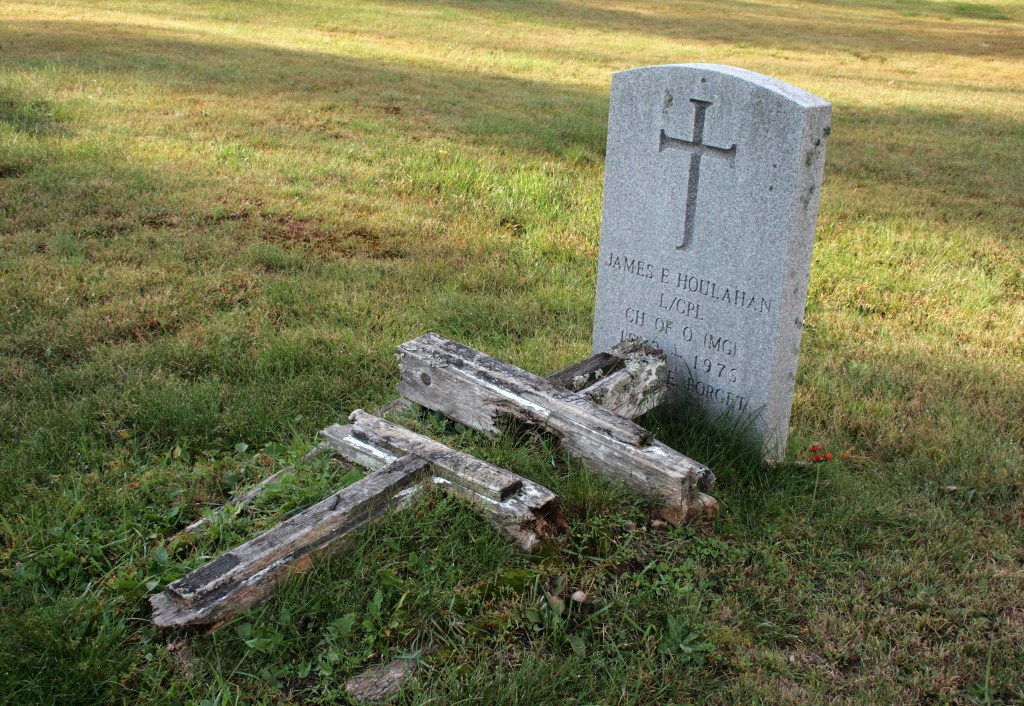
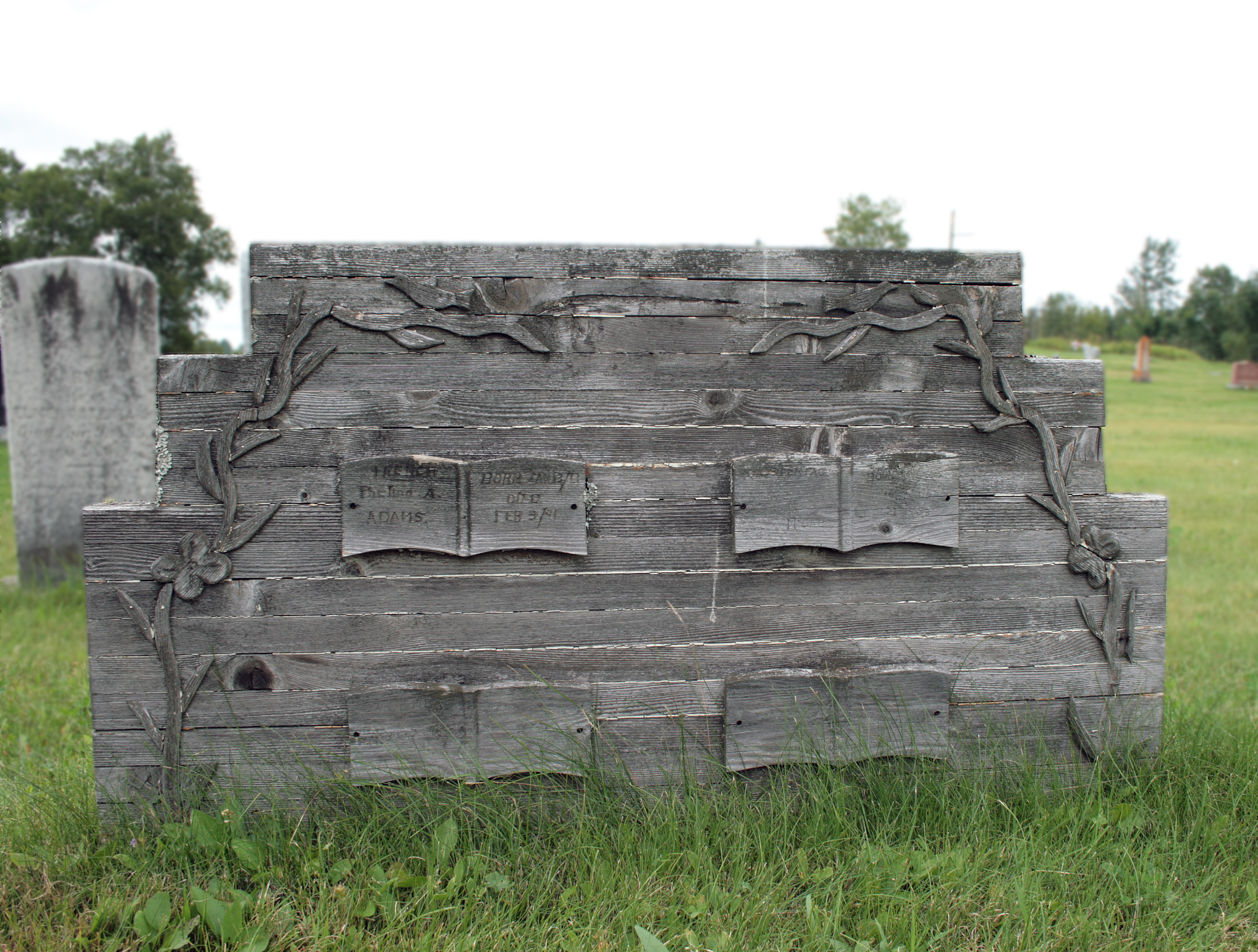
I had the idea for this collection when I was wandering through Maple Ridge Cemetery in Thessalon. I found some very interesting wood markers there, and it reminded me of some other interesting wood markers I have found in the past. So, for today’s blog post, I wanted to share a collection of wooden grave markers.
In North America, there was a time when wooden markers were more common. Between 1861 and 1873, wood markers would have been common for graves of Civil War soldiers, but over time marble became more favorable because of its durability.1 Due to the nature of the material, wood is more susceptible to natural decomposition and wood-boring insects. Over a long period of time, the wood just rots away.
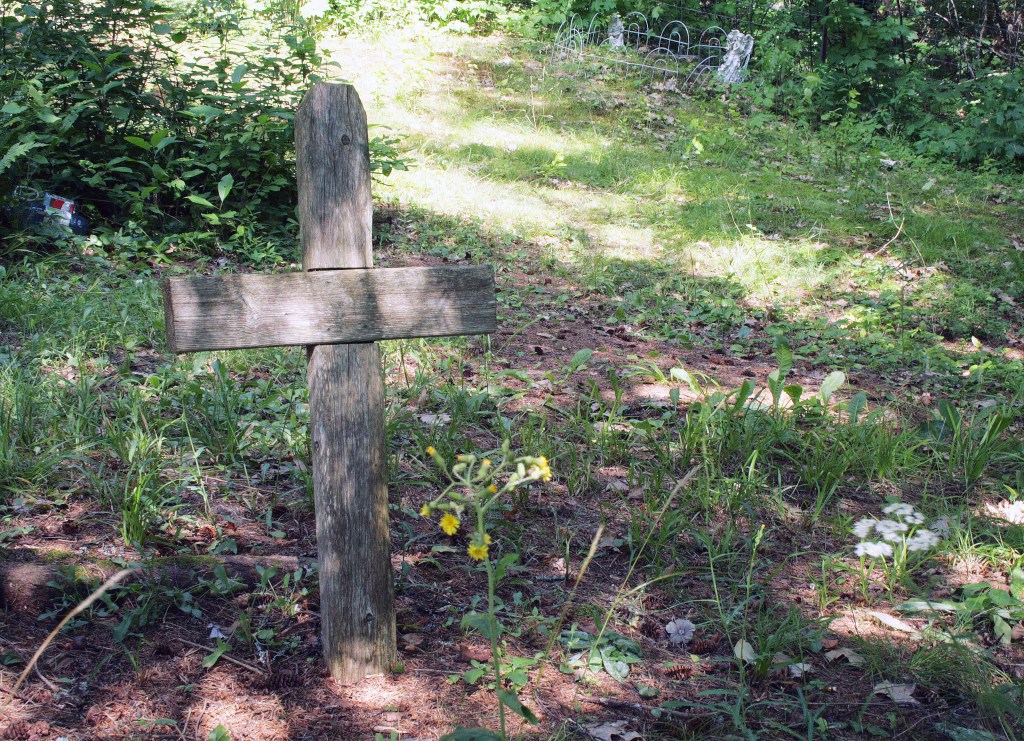
Today, wood markers are not a very common sight in Northern Ontario cemeteries. They often tug at the heartstrings, as wooden markers are usually handmade, and you can see they were made with love. Unfortunately, if they are not used as a temporary marker the wood can become hard to read, and eventually falls apart.
I would argue that this is one of the best reasons why photographing gravestones is important. Over time, these wooden grave markers will be lost to time, so documenting them helps preserve the memory of the deceased. It creates records for those looking to piece together their family history and become great resources.
Have you found wooden grave markers in your local cemeteries? I would love to read about your finds, in the comments.
If you’re a long-time reader of my blog, you may remember a post I wrote last year about searching for the first grave of Tom Thomson.
Yes, this famous Canadian painter has two final resting places. Although there is speculation on where he actually rests in peace. Last August, my mother and I went on a camping trip in Algonquin Park, to find the spot of his first burial. This August, we wanted to pay our respects at his second, and supposedly final resting place.
Tom Thomson is one of Canada’s most notable painters and a forefather of the Group of Seven. To this day, his death remains a mystery. He was last seen alive on July 8, 1917. He was setting out on a solo trip on Canoe Lake in his signature dove-grey canoe. Eight days later, on July 16th, his body was found floating in the lake. The story goes that he was hastily buried in Mowat Cemetery, on Canoe Lake. When his family found out, they had his remains exhumed and brought to Leith, Ontario to be buried in the Leith United Churchyard.1 Many questions remain; What happened to Thomson? Was his body really moved? This is where the details get muddy, and almost immediately rumors swirled about how Thomson died, and where his resting place truly lies. Over the years there have been many attempts to find out the truth, but nothing conclusive has been determined. Maybe we will never know…
Since my mother and I had made the trip to visit Canoe Lake last year, we thought it only fitting to make a trip to Owen Sound this summer to pay our respects at Thomson’s second gravesite. Visiting Owen Sound and Leith also gave us the chance to see Thomson’s artwork in person. Our first stop when we arrived in Owen Sound, was to visit the Tom Thomson Art Gallery, lovingly referred to as The TOM.
The TOM, of course, is named after the iconic Canadian landscape artist. It has a nationally significant collection of contemporary and historical art, including artifacts and important works by Tom Thomson and the Group of Seven.2
My mother and I were both excited to see Thomson’s original paintings, having only seen prints at the art centre in Algonquin Park the summer before. The small collection of his works on display at the time we visited was beautiful. It’s easy to see why he was sometimes called the Canadian Van Gogh. The thing that struck me right away was how small these canvases’ were, small enough to be packed up into a canoe. It was easy to imagine Thomson sitting on the shores of Canoe Lake, bringing these small canvases’ to life.
Along with seeing Thomson’s beautiful work, we also had the chance to see life as Thomson saw it, through photographs he had taken himself. The exhibit Tom Thomson: Field of Vision presents 40 photographs that were taken by Thomson. His niece Jessie Fisk, discovered a small bundle of photo negatives that were captured by the artist, supposedly taken during the last seven years of his life. This collection of photographs presents an intimate look into Thomson’s life, and experiences, through his own lens.3
It was an interesting experience to look at these photos and to see through Thomson’s eyes, in a way. The photo that stood out to me the most was of a gravestone. It’s the gravestone of James Watson, thought to be the first person buried at Mowat Cemetery. That means that Thomson had visited his future resting place while he was alive. I wonder if he ever thought that he would one day be buried there? It’s interesting to note how legible the stone was at that time. Today, the stone is barely legible, with just a faint indication that it was ever inscribed.
While visiting the gallery, we had an interesting encounter with another fan of Thomson’s work, a woman visiting all the way from California. She was very interested in Thomson’s life and death and was on a special birthday trip to visit historic Thomson locations. The week before, she had gone with a guide to visit Mowat Cemetery, by canoe. During our conversations, the question of where we thought his final resting place was came up. She seemed relieved when I said I agreed with her and believed he still rests in Mowat Cemetery.
Yes, I think there is strong evidence that he still lies in Mowat. Funny enough, before really knowing Thomson’s full story, when my mother and I left Mowat Cemetery last year, she said that she felt like he was still there. Regardless of our feelings, we still wanted to visit his second grave in Leith, Ontario.
Leith is a small hamlet, about 13 minutes from Owen Sound. In this beautiful part of Grey County, you can find gorgeous views of Georgian Bay, the Coffin Ridge Boutique Winery, and the historic Leith United Church and graveyard. Unfortunately, I didn’t get a chance to stop into Coffin Ridge, but there is always next time.
Leith United Church, located on Tom Thomson Lane, was built in 1865, and is considered “one of the finest examples of pre-Confederation architecture in Ontario’s Sydenham Township”.4 The church was closed in 1969, but since 1992, the Friends of Leith Church continue to preserve and restore the building by holding fundraisers and special events, like concerts.4
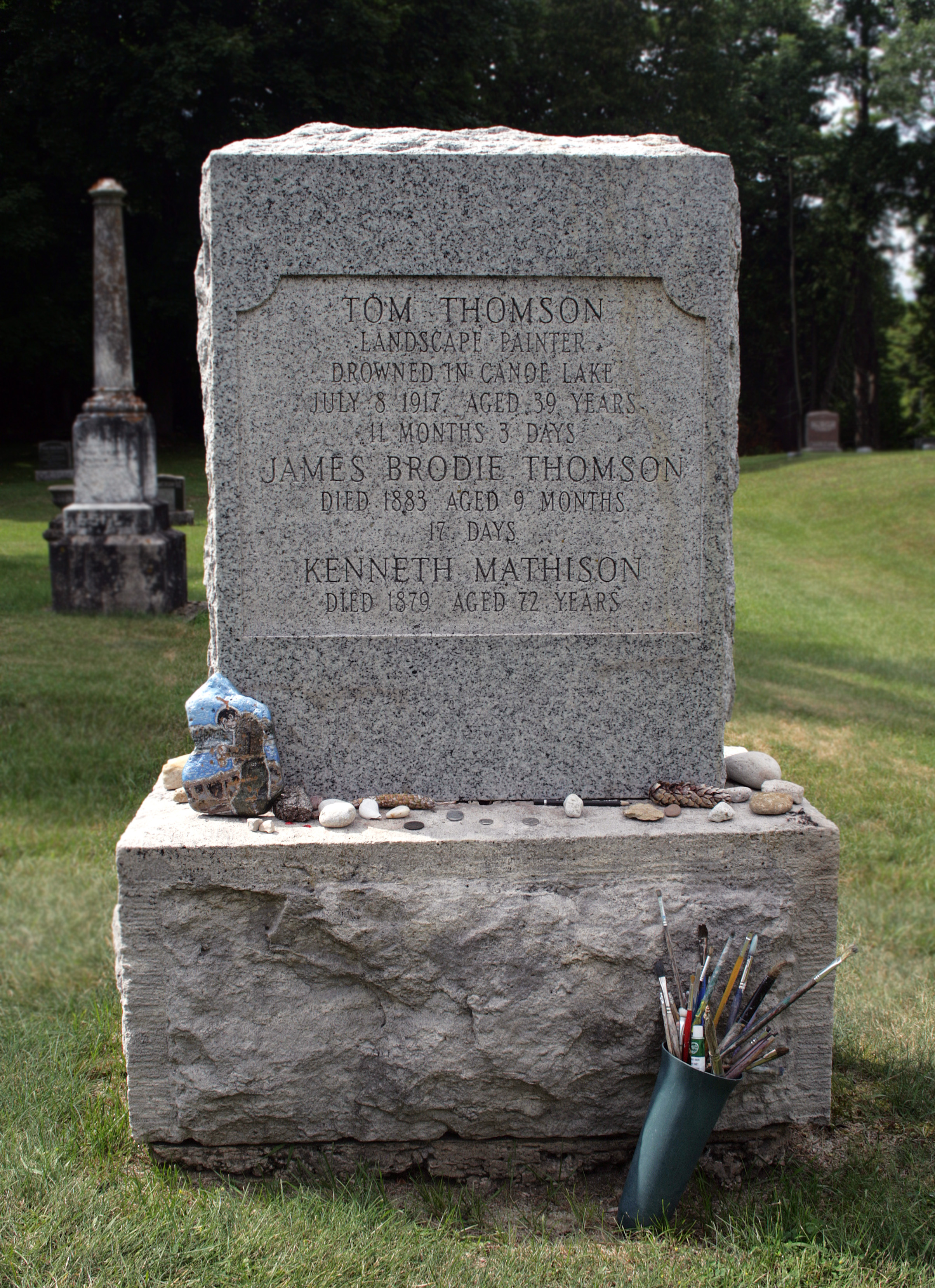
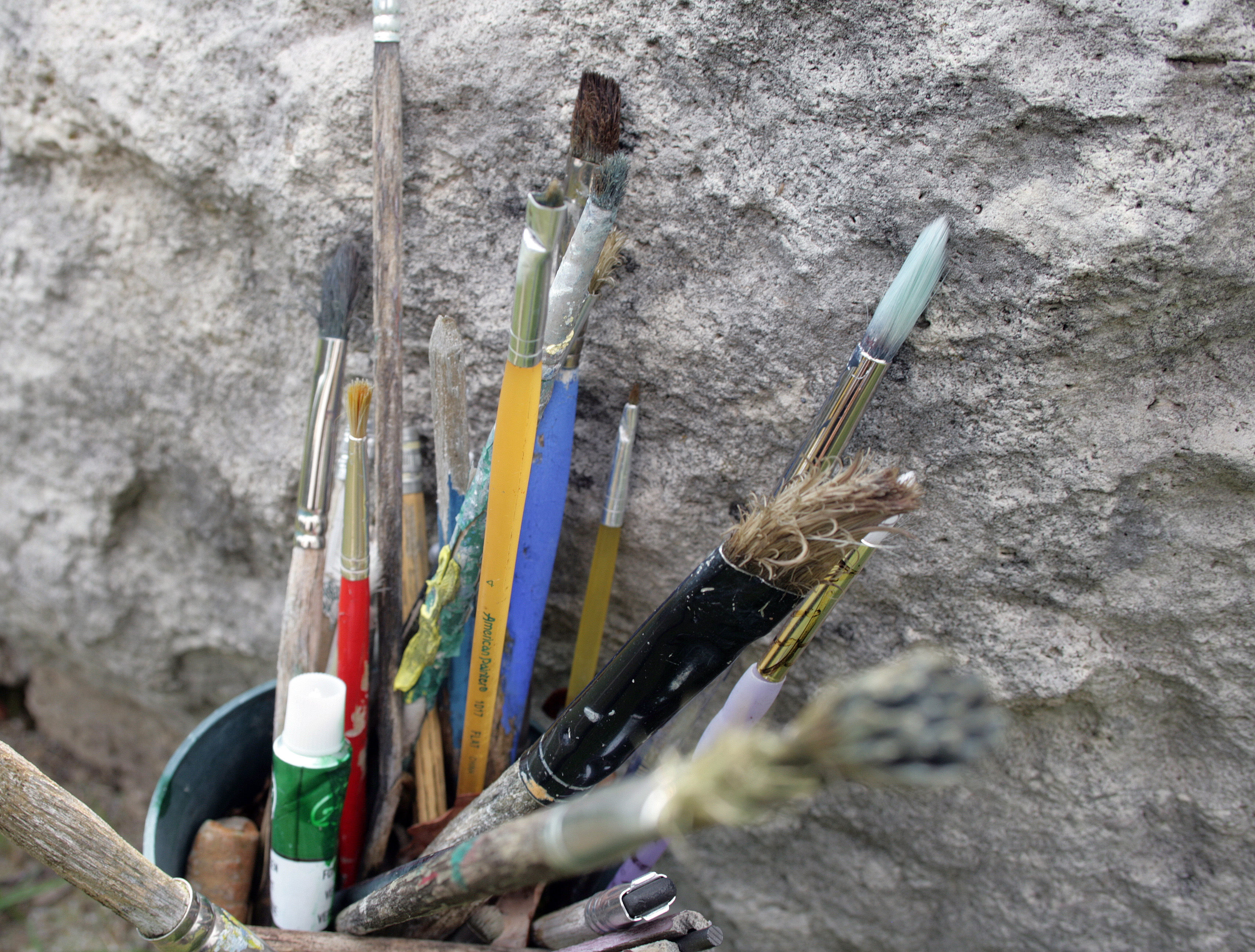
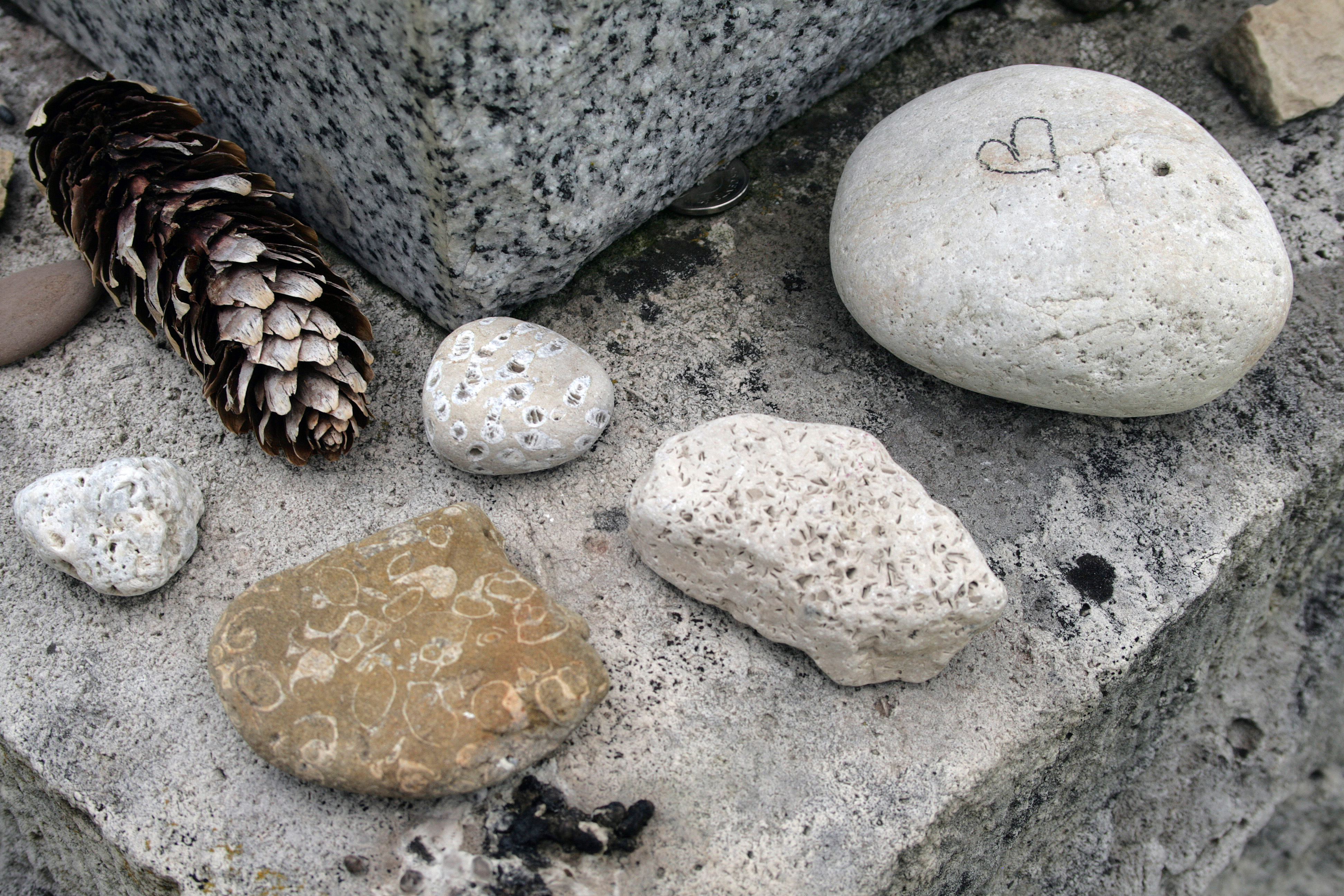
We had a beautiful day for a graveyard stroll, the day we visited the churchyard. It wasn’t hard to find the Thomson family plot at all. There are historical plaques and signs to direct you right to it. The graveyard itself is a decent size, but not big enough to get lost in. We could see right away that Thomson was still very popular as there were many grave goods left at his graveside, including a cup filled with paintbrushes, and a lovely rock painting of Thomson. The base of his gravestone is filled with stones, coins, and other items left by those who have come to pay their respects.
According to the gravestone, Thomson’s third youngest brother, James Brodie Thomson, who sadly passed away very young, in 1883 also lies here. Along with his maternal grandfather Kenneth Mathison, a member of the Free Masons who passed away in 1879 at the age of 72. Thomson’s oldest brother George Thomson also is laid to rest in the Leith United Church graveyard, with his wife.
I was curious as to where Thomson’s parents are buried. After some searching on Find A Grave, I found that they are both laid to rest in Greenwood Cemetery in Owen Sound. I did visit Greenwood Cemetery on this trip, but didn’t know to search for them. Thomson’s father, John Thomson, is buried with his first wife, Margaret Mathison, and his sister-in-law turned second wife Henrietta Mathison.
I love wandering cemeteries and graveyards, but being able to connect a life and legacy to a name makes it even more rewarding. Viewing original artwork, and photographs that Thomson created, built a connection that deepened the experience of visiting his gravesite and paying our respects. And making these connections all started in a cemetery! I loved learning new aspects of Canadian history and how this trip brought us to places we had never visited before. Owen Sound is a beautiful little city and I look forward to having the chance to visit again. I had so much fun on this trip and look forward to where cemeteries will bring me next.
It’s been a week since I have been back from vacation, and I am just now starting to feel settled back into my regular routine. It was great to take a break from work life and focus on relaxing and enjoying time with family.
Although my vacation did get off to a rough start.
At the beginning of July, while visiting cemeteries in Cobalt, I picked up a bad case of poison ivy, except I didn’t realize it was poison ivy till about two weeks later. It spread quite a bit before I realized what it was. I was given some medication and spent most of July housebound, to try and heal up as fast as possible.
This is a good reminder to always dress appropriately when exploring overgrown cemeteries!
On top of that, a week before we were set to fly to Montreal, I also caught COVID-19. And because bad things usually happen in threes, the airline canceled our flight the night before our Monday departure and rescheduled it to a later flight on Tuesday. This change completely kiboshed our plans as we had appointments in Montreal booked for early Tuesday. We scrambled to try and make the trip work, regardless of all the challenges thrown at us, but alas it just didn’t work out. We had to cancel our whole trip. It was a huge bummer and left both my fiancé and I feeling defeated.
If we had made it to Montreal, I wouldn’t have had a chance to visit Notre-Dame-des-Neiges Cemetery after all. The labor strike is over, but due to the need for maintenance and cleanup, the cemetery is not open yet. As of this writing, their website states that site cleaning is only at 45% completion. I suspect that they will be opening in September sometime.
So the first week of my vacation was a bust.
I was able to enjoy the last week of my vacation, after finally testing negative for COVID. I enjoyed some beach days with my fiancé and a three-day trip with my mother.
That being said, I have some great cemetery road trips and stone stories to share with you! Keep an eye out for some upcoming posts about visiting the second resting place of Tom Thomson, and seeing his artwork in person. We also made a stop to visit the grave of Billy Bishop, Canada’s own World War I flying Ace. We also had a chance to visit his childhood home which has been preserved as a historic house.
Despite the medical setbacks, my summer vacation was still enjoyable, with lots of cemetery visits completed. The summer isn’t quite over, but I am starting to look forward to spending more time in cemeteries in the fall. I am also already starting to plan some fun spooky season content for the blog. There are only 79 days till Halloween after all!
I hope you have had a great summer so far too, and have been able to take some time to do the things that you enjoy. I would love to read about what you have been up to on your summer vacation in the comments!
For the next two weeks I will be taking some time to step away from my computer and work life to enjoy the waning summer weather. I am hoping to disconnect, step out of routine, and explore with friends and family.
I plan on visiting quite few cemeteries while I am away, like Canadas largest cemetery in Montreal. I also plan to pay my respects at the second resting place of Tom Thomson. So keep an eye out for some upcoming blog posts about those adventures.
That being said, I will not be monitoring my social media channels while I am away, and I will reply to all questions and comments on my return. Regularly scheduled social posts will continue to go up as normal, except for my weekly blog posts.
I hope everyone takes some time for themselves this summer to relax and recharge!
When people ask me why I love cemeteries so much, I often say it’s because they are great places to learn about art and history. Today on the blog I wanted to share a recent cemetery visit that is a perfect example of this.
On the Canada Day long weekend, some friends and I took advantage of the nice weather to explore some areas in the Temisikaming District. We toured around Temagami, and up to Kirkland Lake. We visited 18 cemeteries that day, (New Record!) and found some really interesting things along the way. A day or two before we left for our cemetery road trip, one of my friends learned about an interesting gravestone in a cemetery in Earlton.
We made it a priority to find it.
In one of my friend’s work offices, they have a bronze sculpture created by a famous Canadian sculptor. When describing the artist’s work, it was mentioned that one of her sculptures sits atop a gravestone, in Earlton, Ontario. I’ve always thought of cemeteries as open-air art galleries, and this gravestone proves that point.
That famous French Canadian sculptor is Rose-Aimée Bélanger. She was born in 1923 in Guérin Quebec,1but lived most of her life in the small township of Armstrong, near New Liskeard.2 In 1945, she began her studies at l’École des Beaux-Arts de Montréal but paused her studies to marry and raise nine children. It wasn’t until thirty years later, that she would return to her love of sculpture.1
Her work, in clay and bronze, mainly depicts women frozen in everyday moments. Her work is informed by her own life experiences, and inspired by her community.1Arguably her most famous, and most photographed work is Les Chuchoteuses (The Gossipers), which can be found in Montreal, Quebec.3
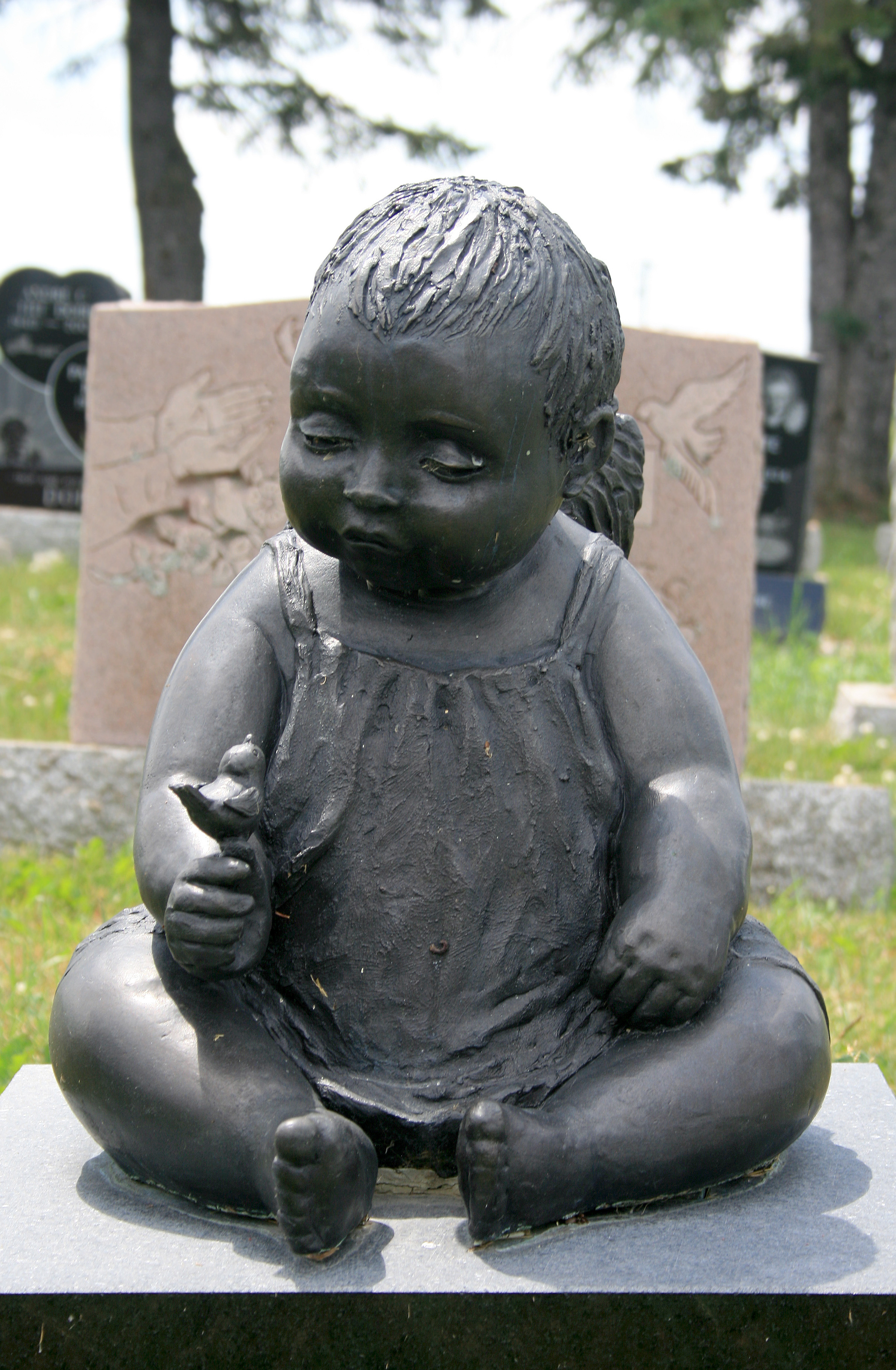
Another of her bronze sculptures can be found on top of the grave of her son Charles Bélanger, in St. Jean Baptiste Cemetery. Charles rests beside his father, Laurent Bélanger, and the future resting place of his mother. One of nine children, Charles passed away of pneumonia in 1951 in Timmins, Ontario.
Shortly after we visited Charles’s resting place, my friend had the chance to meet Pierre Bélanger, Charles’ brother. He shared that young Charles was eventually moved to the Bélanger family plot in Earlton from Timmins when his mother, Rose, felt she was ready.
The final resting place of the Bélangers can be found in St. Jean Baptiste Cemetery, in the small town of Earlton Ontario. The cemetery is a fairly small one, although Find a Grave does list 797 memorials for this cemetery.4 I had some trouble trying to locate this cemetery on a map, but after reaching out to a fellow taphophile on Find a Grave, I had the address and coordinates and we were able to find the cemetery easily.
The epitaph, written in French, reads: “In loving memory of / Charles / son of / Laurent and / Rose-Aimée Bélanger / died February 17, 1951 / at the age of 1 year 8 months.”
It didn’t take us long to find this beautiful sculpture, as it does stand out a little bit among the gravestones. Possibly bronze in color at one time, the sculpture now has a dark patina. The sculpture depicts a small cherub of a child sitting on top of a granite square. He holds out his hand where a small bird has perched. He looks down wistfully at the little bird in his small hand. He is dressed in what might be a little linen jumper and has two small angel wings protruding from his back.
You can tell right away, this sweet tribute was made with love. From the angel wings to the soft look of the face, the attention to detail is impressive. I love the little dimples on the hand. It is a poignant symbol of a mother’s love, expressed in the most natural medium for her. It must have been a cathartic experience creating this piece.
My friends and I paid our respects to Charles and Laurent, lingering to admire Roses’ beautiful work. We were very happy that we were able to visit. I have always said that cemeteries are the perfect place to go for a walk, enjoy nature and look at beautiful art. And in this case, explore some Canadian art history.
Rose-Aimée Bélanger celebrated her 100th birthday this year, on July 4th. In celebration, she also unveiled a new sculpture. Titled Appeasement, her new work can be found at the Canada House Gallery in Banff, Alberta.3 She has many art pieces in collections all over the world1, but you can see some of her beautiful artwork while paying your respects at the cemetery.
Writing these weekly blog posts, I often feel like a travel writer. Cemetery tourism is one of my favorite things! For this week’s blog post I wanted to share another cemetery road trip destination—The Screaming Heads.
At the beginning of June, I went on another Birthday weekend road trip. This trip was a mix of cemetery visits, museums, and attractions. We visited 15 cemeteries, played a game of Cemetery Bingo, and visited the Wiseman’s Corner Schoolhouse Heritage Centre, which happened to have a gravestone on its grounds.
The main attraction of this trip, and the whole reason we visited Burk’s Falls, was to finally visit and experience The Screaming Heads, in Midlothian. We had talked about visiting for about the last 2 years but never managed to make our way there. So this year we made a special birthday trip to visit this unique resting place. You never know where you might find a cemetery.
The Screaming Heads is an ever-growing art installation created by Peter Camani, a Canadian artist, sculptor, and retired art teacher. This public open-air art gallery dots the landscape of his 310-acre property.1 Living among his artwork, Peter lives in the Midlothian Castle, which was built upon a 19th-century derelict farmhouse.
There is a giant spider web gate made of stone and rebar that surrounds the castle. If the gate is open, you may get a chance to look inside and visit the artist’s studio and living space. Everywhere you look there are interesting details to admire, from the metallic dragon that breathes smoke when the fireplace is lit, to a giant head that houses a studio space within it, to the rows of smaller screaming heads that line the top wall of the gate.
Located on Midlothian Road, near the small town of Burks’s Falls, The Screaming Heads is an off-the-beaten-path roadside attraction. You know you are getting close if you start spotting smaller screaming heads; like at the Burk’s Falls visitor center and the Wiseman’s Corner Schoolhouse Heritage Centre. Peter opens his property to tourists year-round, from dawn till dusk. You’ll find much more at this attraction than just amazing artwork. The property is also home to about 300 species of birds, including peacocks. Their eerie calls can be heard all around you as you hike through the open fields and bush. There is a small gift shop that has some neat Screaming Heads merch, and on weekends you might also find a small farmers market.
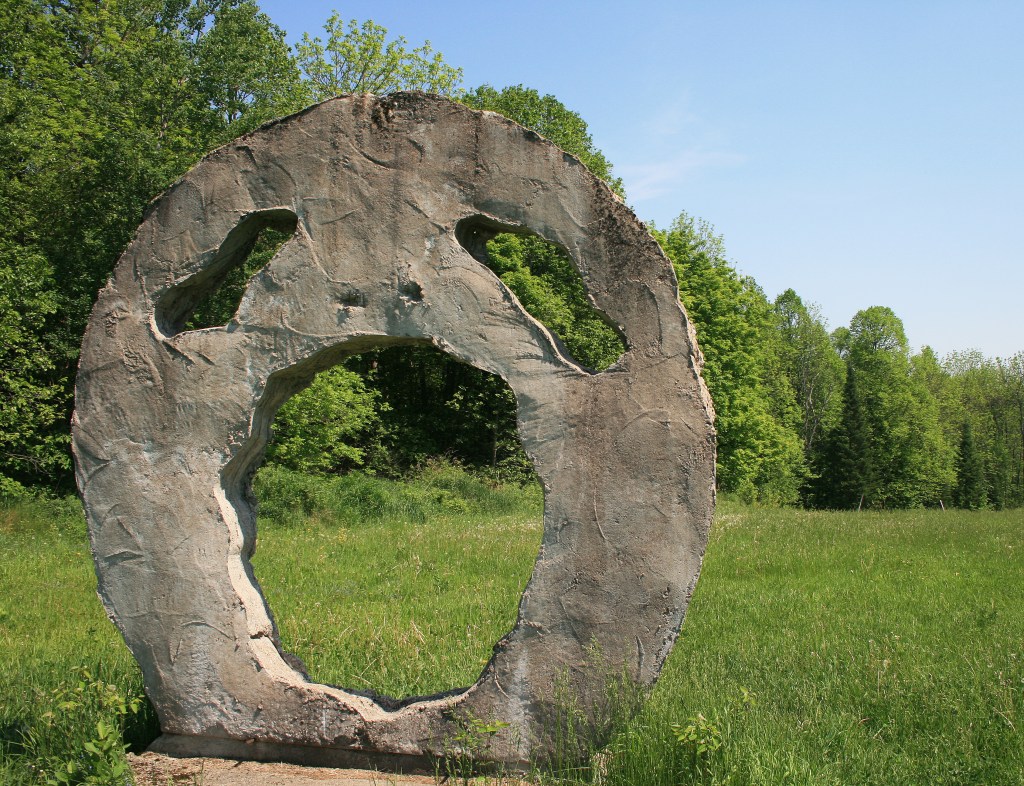
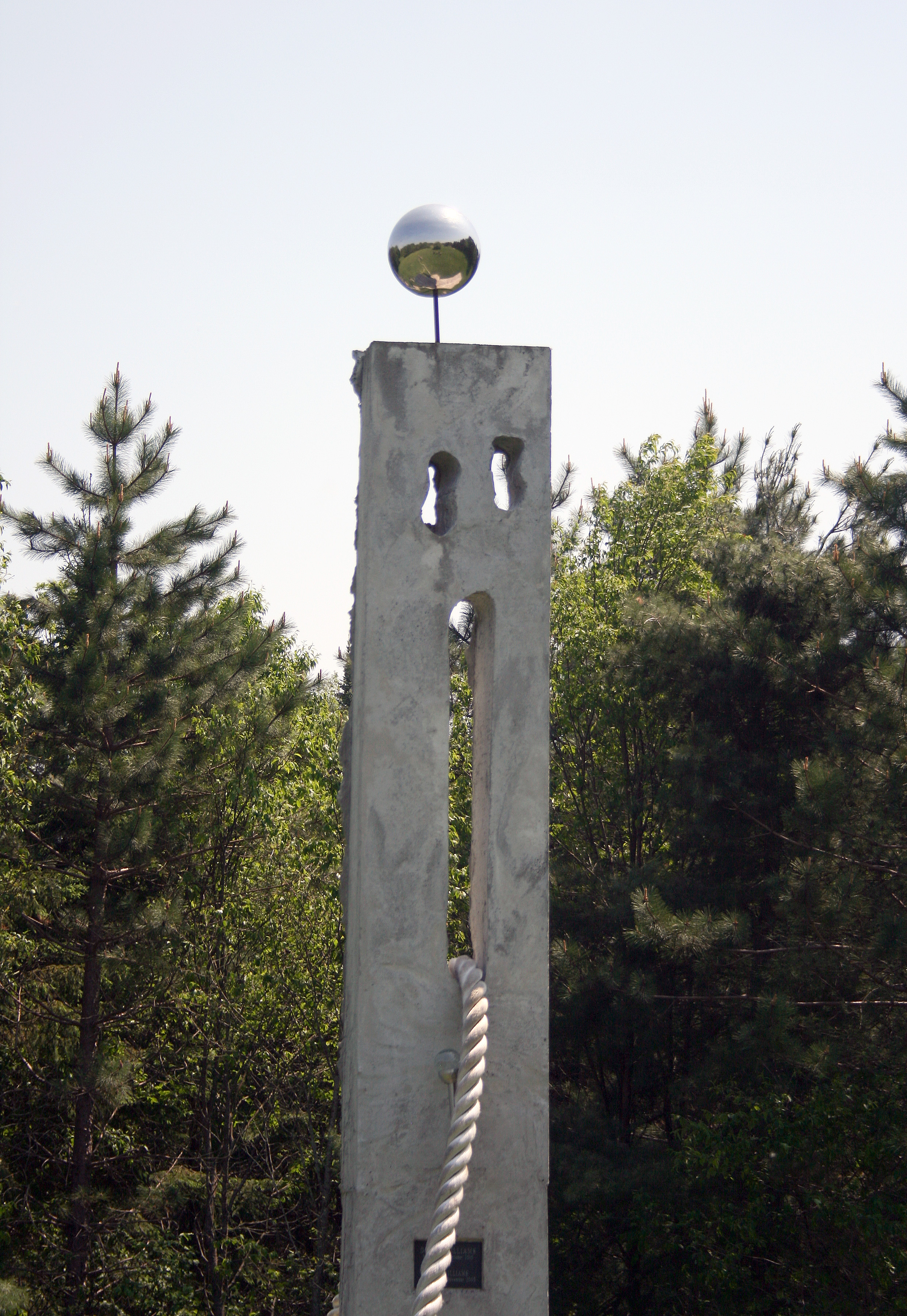
The main attraction is of course The Screaming Heads. The artist has described these 20-foot-tall concrete sculptures as a warning against environmental degradation, “the earth rebelling against what we’re doing to the land.”2 Peter has transformed this once barren farmland, by planting many of the trees on his property and propagating spring-fed ponds. His large concrete structures are arranged in such a way that they form the shape of a dragon when viewed from the air, although today the trees are so large they obscure some of the statues.2
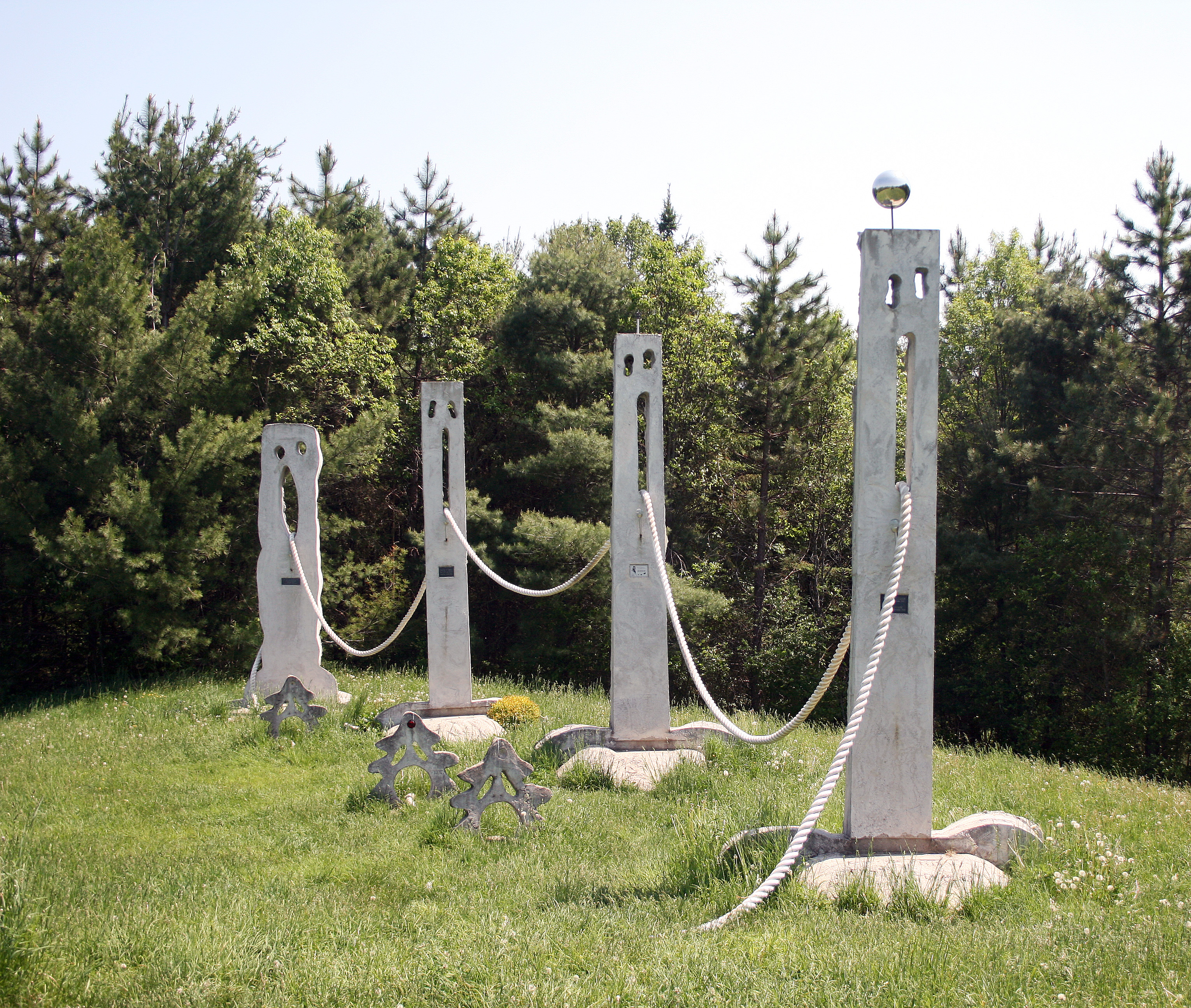
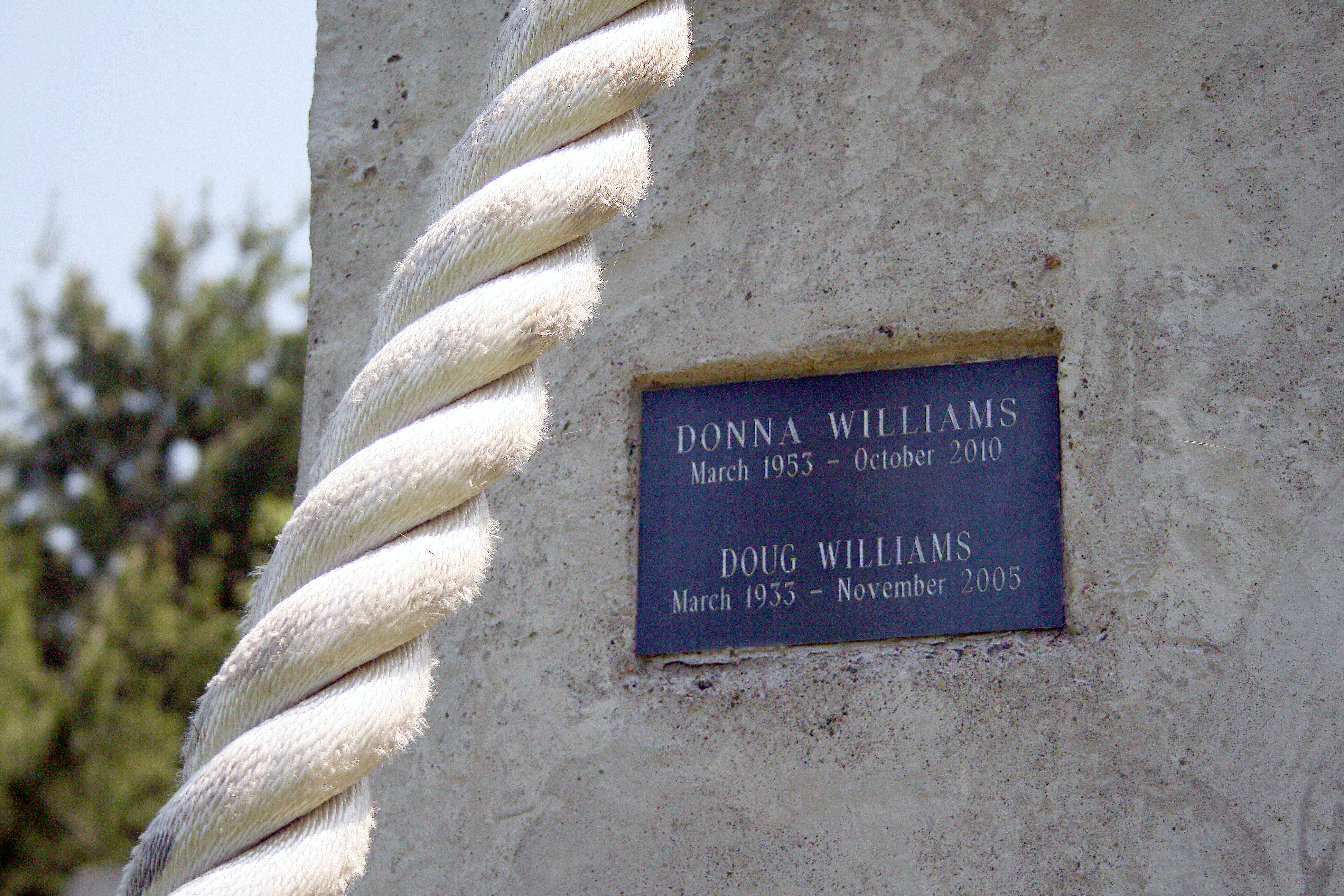
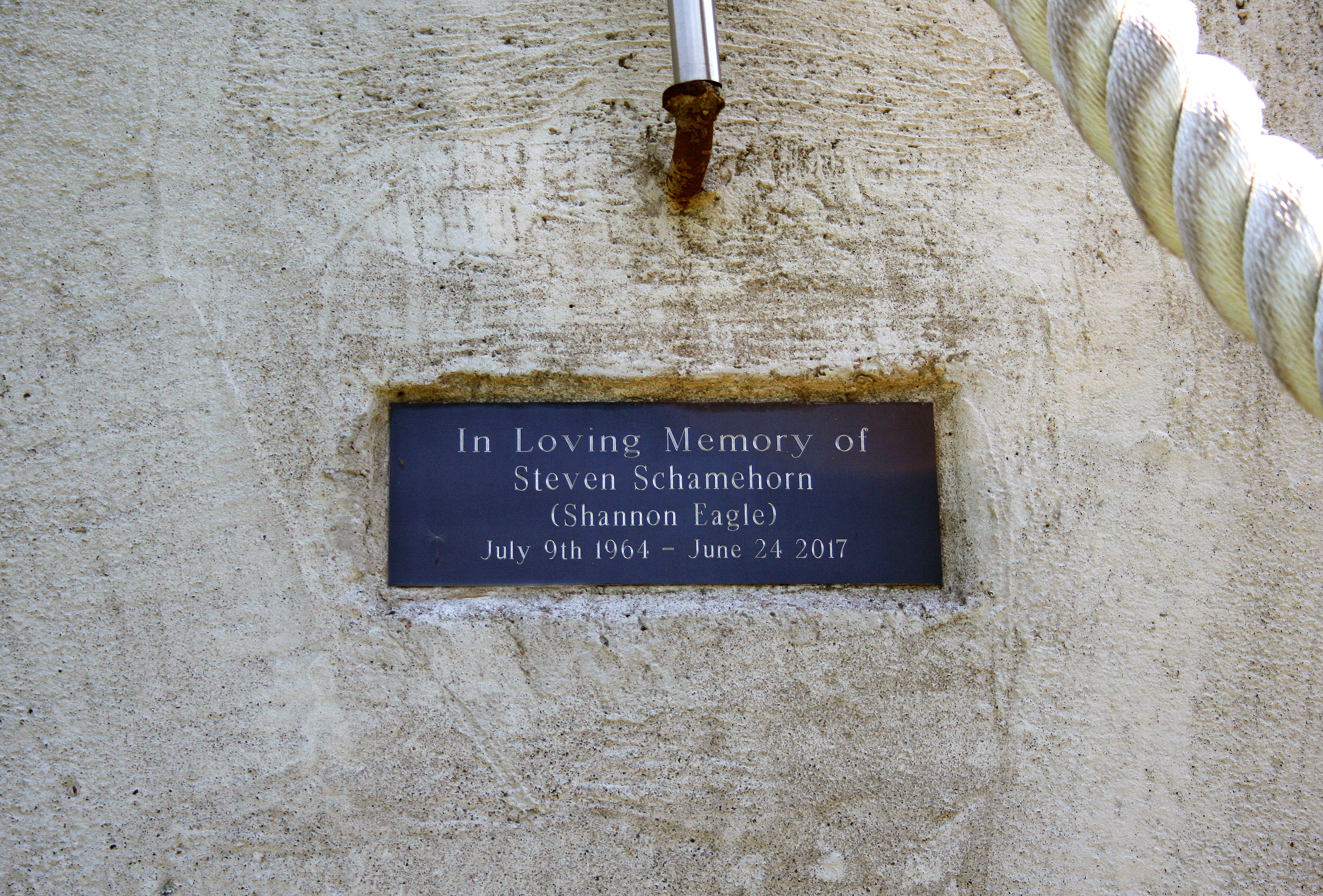
Along with being a unique roadside attraction, The Screaming Heads can also be considered a cemetery. A small grouping of Screaming Heads stand out among the other round Edvard Munch-like sculptures. These tall narrow creations have cremated remains mixed into the concrete. On his website, which now seems to be defunct, the artist had a creative suggestion for where your final resting place could be when you pass away; “Why settle for a small underground plot in the suburbs, when you have the option of joining a vibrant creation that fills the landscape?”3 At one time, If you wanted to be memorialized in this open-air art gallery, you would need $10,000 to reserve your spot.3 Since the website is now gone, I am uncertain if this option still exists.
At the time of our visit, there were 4 human ash sculptures, with memorial plaques for 5 people.
Everyone’s experience with the Screaming Heads will be different, as there is no set way to explore the grounds. There is no trail map, and there are a few trailheads to choose from. When we visited, on an exceptionally warm day, we managed to come upon the memorial sculptures first. The photos don’t do them justice, as they are larger than life! We asked ourselves many times as we wandered the grounds, about the process of making these immense sculptures and what that might look like.
There is something magical about this place. As you walk among these enormous, whimsical sculptures, it’s easy to feel like you are in a magical forest, where strange creatures may reveal themselves at any moment. I was filled with a sense of wonder as we walked through the woods and fields, discovering hidden sculptures as we got closer to them. The eerie sound of the peacocks also added to the experience. Their cries always seemed to surround us, and just when we thought we were close enough to see one, we would hear their scream from another direction.
I can understand why someone would want their final resting place to be in such a magical place. The idea of becoming art, becoming part of something larger than yourself, to instill a sense of awe in others; that guarantees you will always be remembered.
Do you want to plan your own trip to visit The Screaming Heads? They are located in Midlothian, Ontario, close to the small town of Burk’s Falls. The grounds are open year-round, from dawn till dusk, and admission is by donation. Make sure to bring your camera, your water bottle, and LOTS of bug spray. Have you already visited? I would love to hear about your experience in the comments.
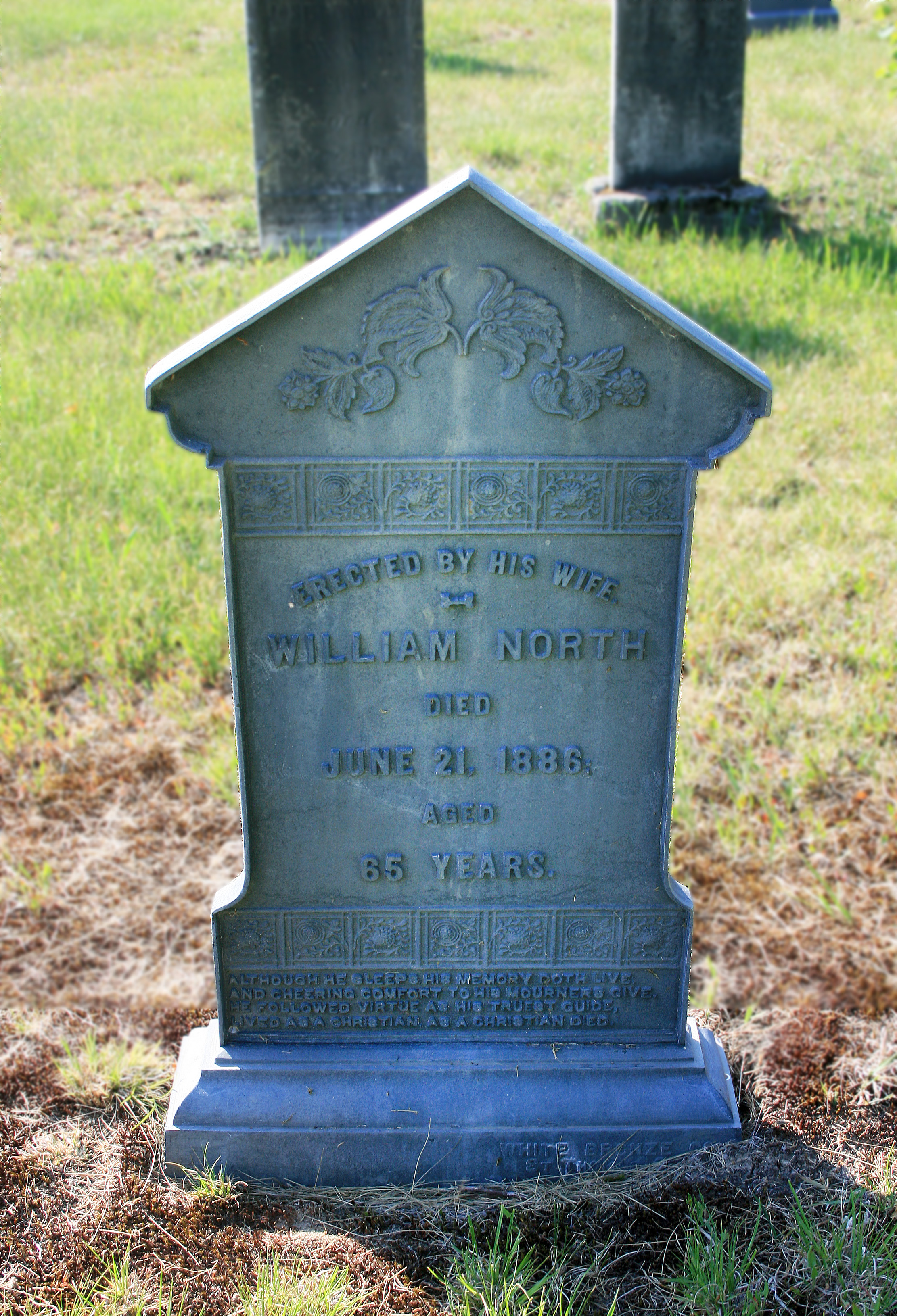
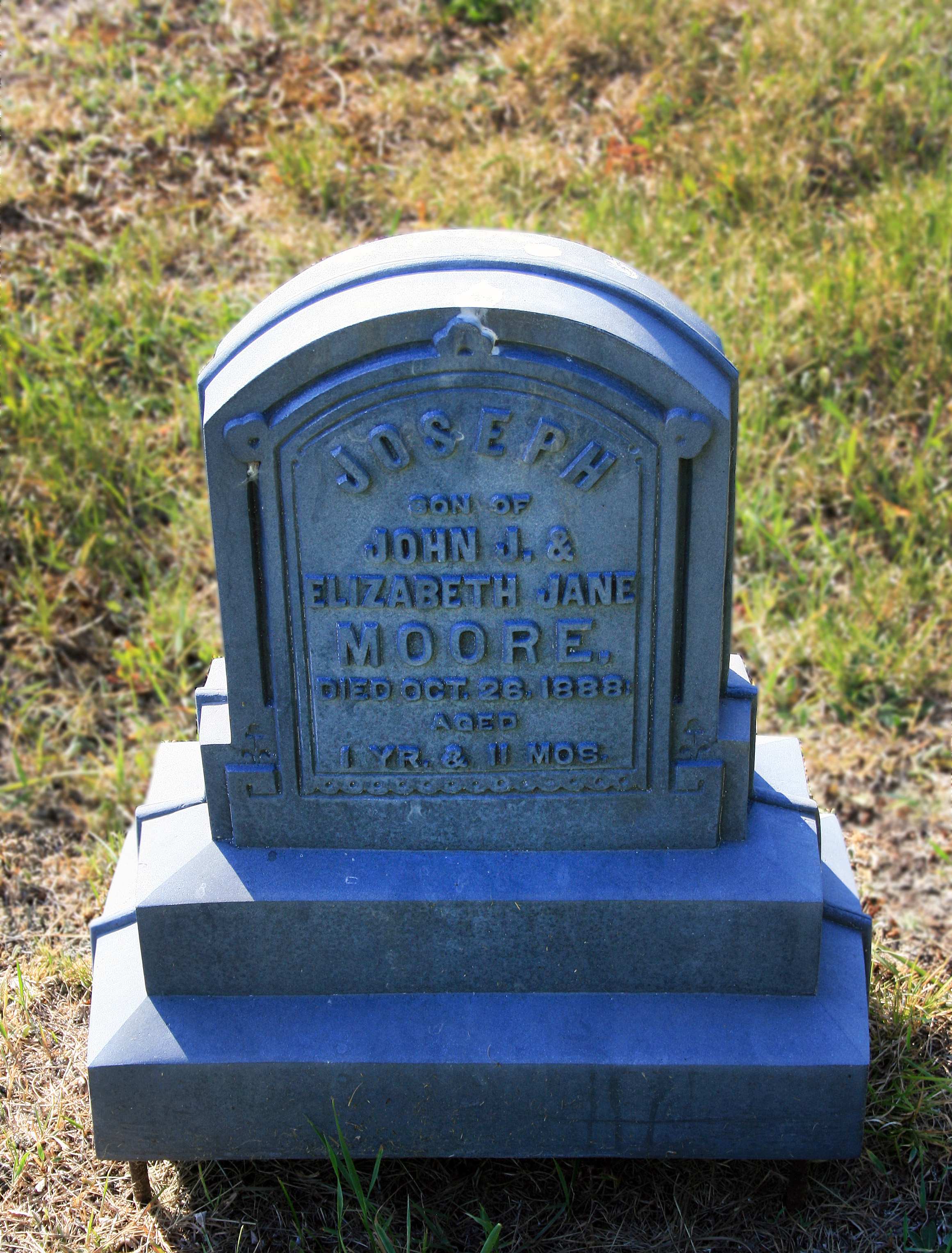
Last weekend, some friends and I went on a cemetery road trip in the Burks Falls area. I was really surprised at the amount of white bronze markers that we found. Almost every cemetery we visited had 1 or more zinkys. I had never come across that many before. They are not a common sight in my local Sudbury cemeteries.
So for today’s blog post, I thought I would share a collection of white bronze markers.
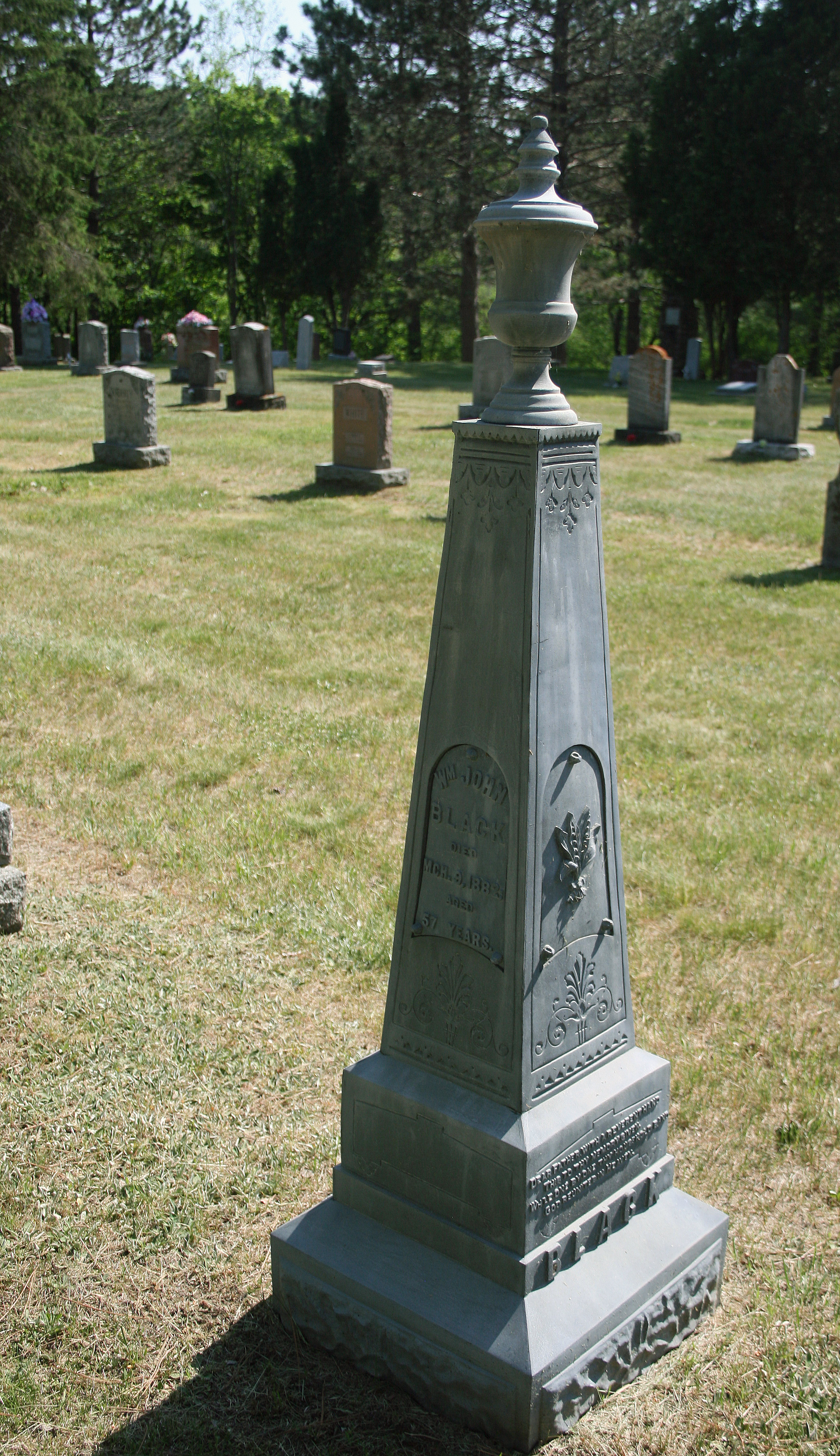
In January 2022, I wrote a post that looked more into the history of these unique gravestones. Zinkys as they are lovingly referred to, are also known as white bronze. You can recognize these types of headstones by their bluish-grey color, and if you give them a gentle tap, it should produce a hollow metallic sound.
These types of gravestones never came back into fashion after World War I, but because of their durability, you can still find them in great condition.
Although these markers are very durable, they do sometimes get damaged. According to Understanding Cemetery Symbols by Tui Snider, in the United States during the prohibition era, it was claimed that bootleggers would pry the panels off of these monuments to hide their contraband booze. I am curious if this was also a practice in Canada, as I have found some markers with their panels pried off.
Have you found some of these unique gravestones in your local cemeteries? Do you have a favorite design? I would love to read about it in the comments.
Thanks for reading!
References:
Understanding Cemetery Symbols: A Field Guide for Historic Graveyards by Tui Snider
Today on the blog I wanted to share a little bit about my first cemetery road trip of the year! A couple of weekends ago, two of my best friends and I went on a fun-filled day of adventures to celebrate a birthday. We traveled over 900 km to visit Grimsby Ontario, in the Niagara Region—and it did not disappoint!
A month or so ago, my friend had asked to visit a graveyard for her birthday, as she had never visited one before. There are closer graveyards we could have visited, but since this was a special occasion I took some time to try and find the perfect spot. Weirdly enough, the internet provided the solution. Randomly, or not so randomly if you believe that technology listens to us, a video popped up in my Youtube feed by Canadian Cemetery History. I took the bait and watched the video. It showed a visit to Saint Andrew’s Anglican graveyard. This beautiful graveyard was just what we were looking for!
Not only does Saint Andrew’s Anglican Churchyard boast the 4th oldest church in the province, but it also has a lychgate and table stones. Both of which we have never seen before in person. So I began looking into what else we could visit in Grimsby; other cemeteries, museums, attractions, haunted locations, and of course interesting places to eat. I pitched the idea to the group, and they were as excited as I was to explore this beautiful little town.
I continued to research things for us to do and managed to book us a private tour of the Nelles Manor Museum. We would be visiting the resting place of the Nelles family at Saint Andrew’s, so it made sense to visit their historic home and learn more about this prominent family.
The day of the trip started bright and early. After picking up our first Starbucks of the day, we left Sudbury a little after 6 a.m. The plan was to drive straight to the graveyard, with a Starbucks stop along the way, to make the best time. Then we would take our time exploring, and visit the Nelles Manor at 3 p.m. for our private tour.
We arrived at Saint Andrew’s Anglican graveyard at about 11 a.m. and got out to stretch our legs and explore. The graveyard was absolutely beautiful. As was the weather, we had a beautiful day for exploring. Right away we noticed the prominence of the Nelles family as they had their own family plot, as well as family members scattered throughout the graveyard. We would learn more about the Nelles family when we toured the Museum later in the day.
Saint Andrews Anglican Church and graveyard is located a stone’s throw away from the Nelles Manor. The current church building dates back to 1825. The graveyard is well-maintained and has a large number of historically important grave markings. The land for the church was originally donated by Colonel Robert Nelles.1 The Nelles family plot is closest to the church on the left side of the churchyard, enclosed by a chain with small cast iron tassels hanging from it.
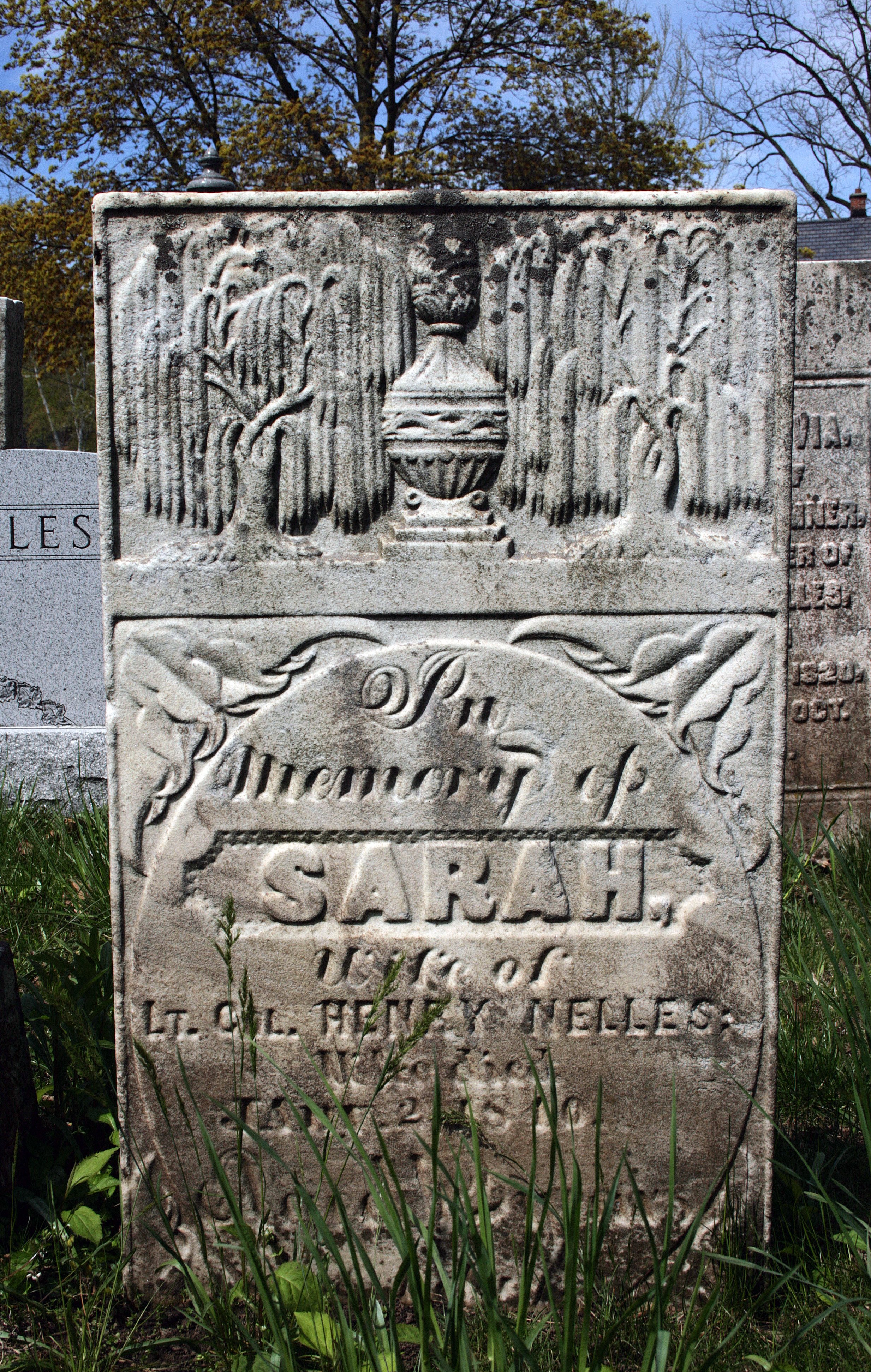
This graveyard also acts as an arboretum of sorts, with beautiful examples of different varieties of trees. Many were in full bloom when we visited. There is a lovely variety of gravestones to be found there as well, many of which I had not seen in person before, like the willow and urn motif, broken column symbolism, and closed books covered in cloth. It was curious to see the difference in popular cemetery symbols that we found. In the Sudbury area, lambs, doves, and hands are very common. There also stand the tallest tablet stones I have ever seen. They are taller than I am! The gravestones I was most looking forward to seeing in this graveyard were the table stones. I have not had the chance to see one in person yet, and I find them so unique and fascinating.
Table stones have an elevated ledger top, that provide space for a longer inscription, and is supported by four to six columns. This type of gravestone was popular during the first part of the 19th century.2These types of stones were used for prominent people and were sometimes installed many years after the person’s death. In that instance, these stones would sometimes cover the original gravestone. These tabletop stones are often more worn, like the ones we saw, due to larger surface erosion, making the stones barely legible.3
After we wandered the entire graveyard, we took a break for lunch and then made our way back toward the Nelles Manor. We were a little bit early for our tour, but luckily there were a few points of interest in and around the Nelles Manor for us to explore while we waited. We visited the Trinity United graveyard, and the Grimsby Museum and grounds where we discovered more interesting Grimsby history. When it was time, we made our way a couple of houses over to visit the historic Nelles Manor Museum for our private tour.
The Nelles Manor was built from 1788 to 1798, well before the American invasions in the War of 1812. The house was fully built and lived in by the Nelles family by the time the Americans declared war on the British. The Niagara Peninsula became a gateway for American fighting forces to work their way from the American frontier on the East side of the Niagara River as they reached for Burlington, York, and Kingston. Nelles Manor was occupied by British and local militia during the War of 1812, but on at least two occasions was also occupied by American forces that had moved up from Niagara.1
We received a very warm welcome when we arrived at the Nelles Manor. Our tour guide Kate, and two other guides, were finely dressed in period clothing, which added to the authenticity of the experience. We started our tour outside, taking in the magnificent architecture of the building, as well as the warm weather. Our guide talked about the land where the Nelles Manor sits, and its connections to its surroundings. Our group found it very helpful that we had visited Saint Andrew’s, as well as the Grimsby Museum grounds before our tour.
After moving inside, we were treated to a walking tour of the house; starting at the front door, touring through the sitting room parlor, and making our way upstairs. Every room is beautifully decorated for the time period, with great attention to detail. Along with period-specific furnishings, the house is decorated with some original pieces that belonged to the Nelles family, as well as original art from the period. It felt like we were stepping back in time.
The guides are incredibly versed in the history of the house, the Grimsby area, and the Nelles family. They had no trouble answering our many questions. We had explained that we were in the area to visit the cemeteries and graveyards, and they kindly pointed out artifacts and related tidbits as they took us along the tour. At the end of our tour, they asked if we would also be interested to hear some of the haunted history of the house. We of course said yes!
They shared stories of experiencing odd smells when there shouldn’t have been any, such as smelling a delicious roast or floral perfume, which was a favorite of Mrs. Nelles. They also shared some stories from paranormal investigations that have taken place in the manor. Paranormal teams have reported their fresh equipment batteries dying quickly and suddenly. They have also captured some eerie electronic voice phenomena (EVP). The staff now use some of these EVPs during their Halloween events, wherein they tell the haunted stories of the house. I would love to attend one someday. As we were discussing the spooky happenings, my friend happened to check her Apple Watch and noticed the battery was dead. Were the Nelles spirits letting us know they were with us?
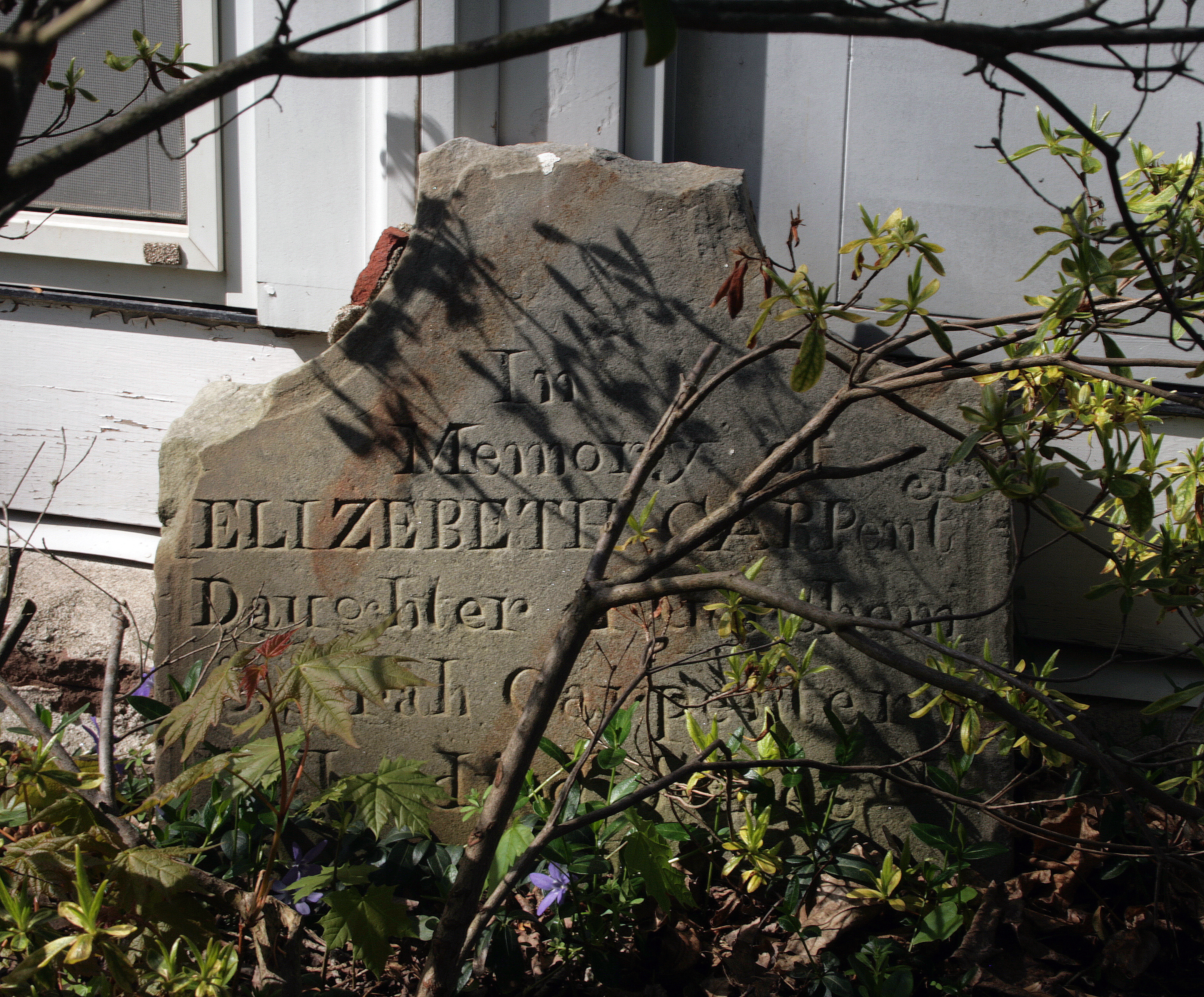
We thanked our tour guides for an amazing tour and made our way outside. They had one last interesting piece of history to point out as we were leaving. In the garden, leaning up against the house are two small gravestones, that are still very legible. Kate explained that these stones were originally at a graveyard close to the water’s edge, which has since eroded away. A cenotaph was erected at Saint Andrew’s Churchyard in memory of the souls that were washed away, and the original gravestones were moved; some ended up at the manor and used as flagstones for the walking paths. These two were preserved and now sit in the garden. You never know where you might find a gravestone.
There was so much we explored and experienced that day. As well as exploring the Nelles Manor Museum, we visited two graveyards, one cemetery, and one burial ground. We also stopped in at the Grimsby Museum and quickly visited the Grimsby Gingerbread houses. I’m sure I will write some more in the future about those visits. It was a very long day, but it was worth it.
If you ever get the chance to visit Grimsby, I highly recommend the Nelles Manor Museum. It’s a beautiful place to learn more about the history of the Niagara region and the War of 1812, and you might also have a paranormal experience. Don’t forget to also pay your respects to the Nelles family at Saint Andrews’s Churchyard.


























 Cemetery Photography by Chantal Larochelle