October Cemetery Stories: A Haunted Tower and a Pioneer Cemetery

During the summer, I wrote about a surprise road trip I took with my mother in Cambridge. This curated road trip, created by Guess Where Trips took us to exciting and spooky places. I shared a little about our Historic Haunts tour, but I wanted to keep some of the details a surprise at the time, so I could share this ghost story and pioneer cemetery visit with you now, in October.

So today on the blog, I want to share a little bit more about my visit to the haunted Waterloo Pioneer Memorial Tower and Doon Pioneer Cemetery and explore its rich history.
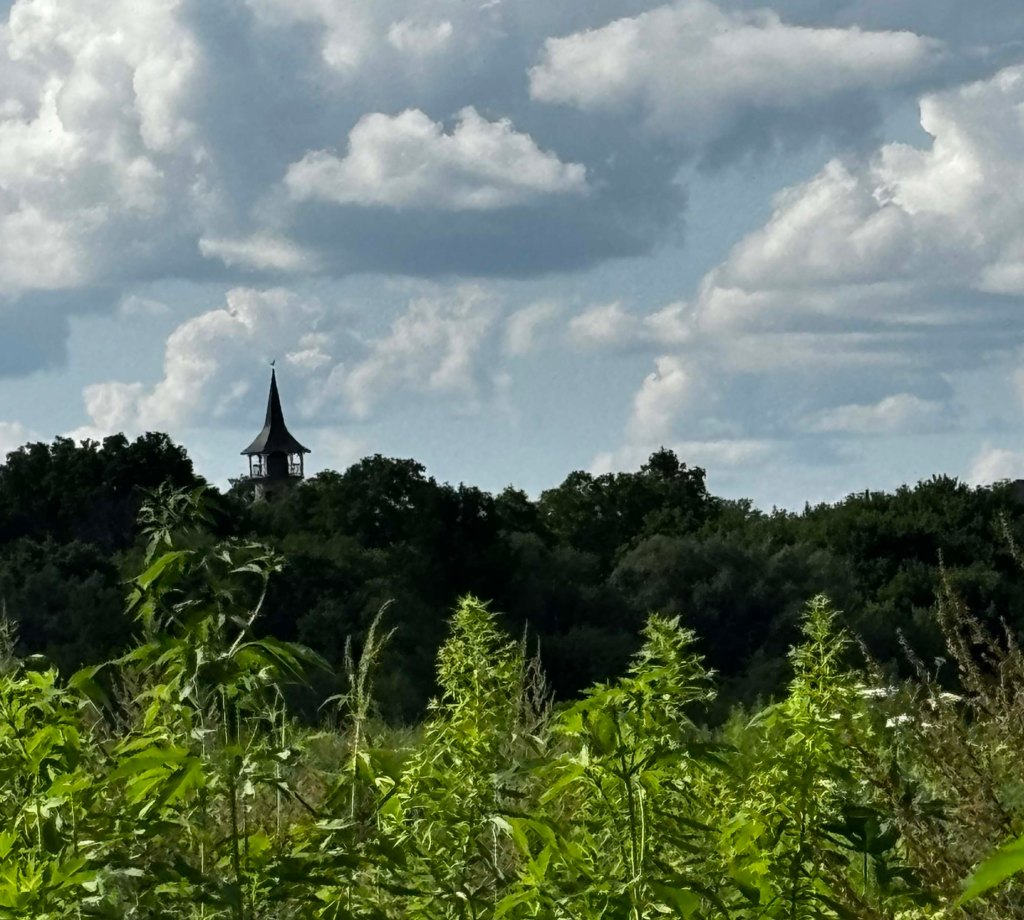
Waterloo Pioneer Memorial Tower

While looking for places to go for a walk, the day before our Historic Haunts tour, I found a hidden gem that had everything we were looking for—a walking trail, a historic site, and a cemetery. Little did we know when we visited that it was also haunted!

The Waterloo Pioneer Memorial Tower stands 18.9 meters tall, and peaks out above the surrounding trees. We could see its Swiss-style copper roof and the cute Conestoga wagon weather vane that sits atop it, as I parked my car in the nearby parking lot.1

The Tower built in 1926, was created to commemorate the arrival of the Pennsylvania-German pioneers who immigrated to the area between 1800 and 1803.1 Fieldstones that line the outside wall of the tower represent the tireless work they did to plow and clear the land for farms and homesteads.

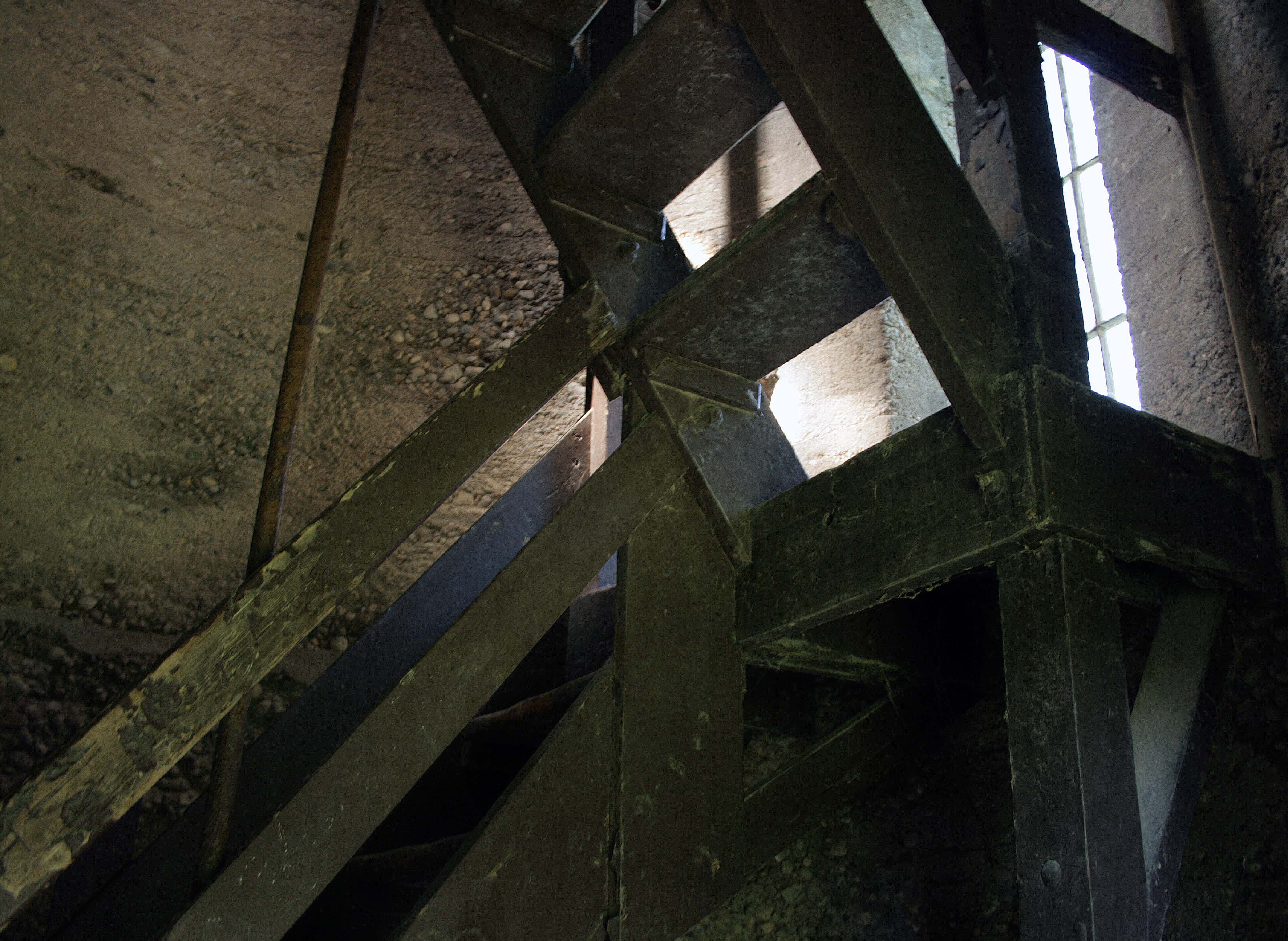
At one time, it was possible to go inside the tower and climb its spiral staircase to the eight-sided observation deck. The view is amazing, as Bob Oberholtzer noted in a 2015 article for the Waterloo Region Record. Citing it as one of the most “historic views”, it’s possible to overlook the first four Mennonite farms that were settled in the area.2 Oberholtzer also talked about how they used to scare the girls who climbed the tower, not with ghost stories, but with childhood antics like shaking the stairs as the girls climbed up.2

Although the tower has barely needed any repairs to keep it standing over the years, the tower has been closed to the public since 2008.2 BUT, it is possible to tour inside, by special request.2 A sign on site has a phone number that can be called to book a visit to the top of the tower. I wish I would have known this when we visited. We made do by peering through the gated doors to glimpse the cobwebs and spiral staircase inside.

What we also didn’t know at the time of our visit, was the haunted history of the place. The story goes that a woman jumped to her death from the top of the tower. She was distraught and suffering from grief of the loss of her husband, who went off to war—but never returned.3

They say her restless spirit can sometimes be seen at the top of the tower, waiting for her lost love to return.3

Doon Pioneer Cemetery

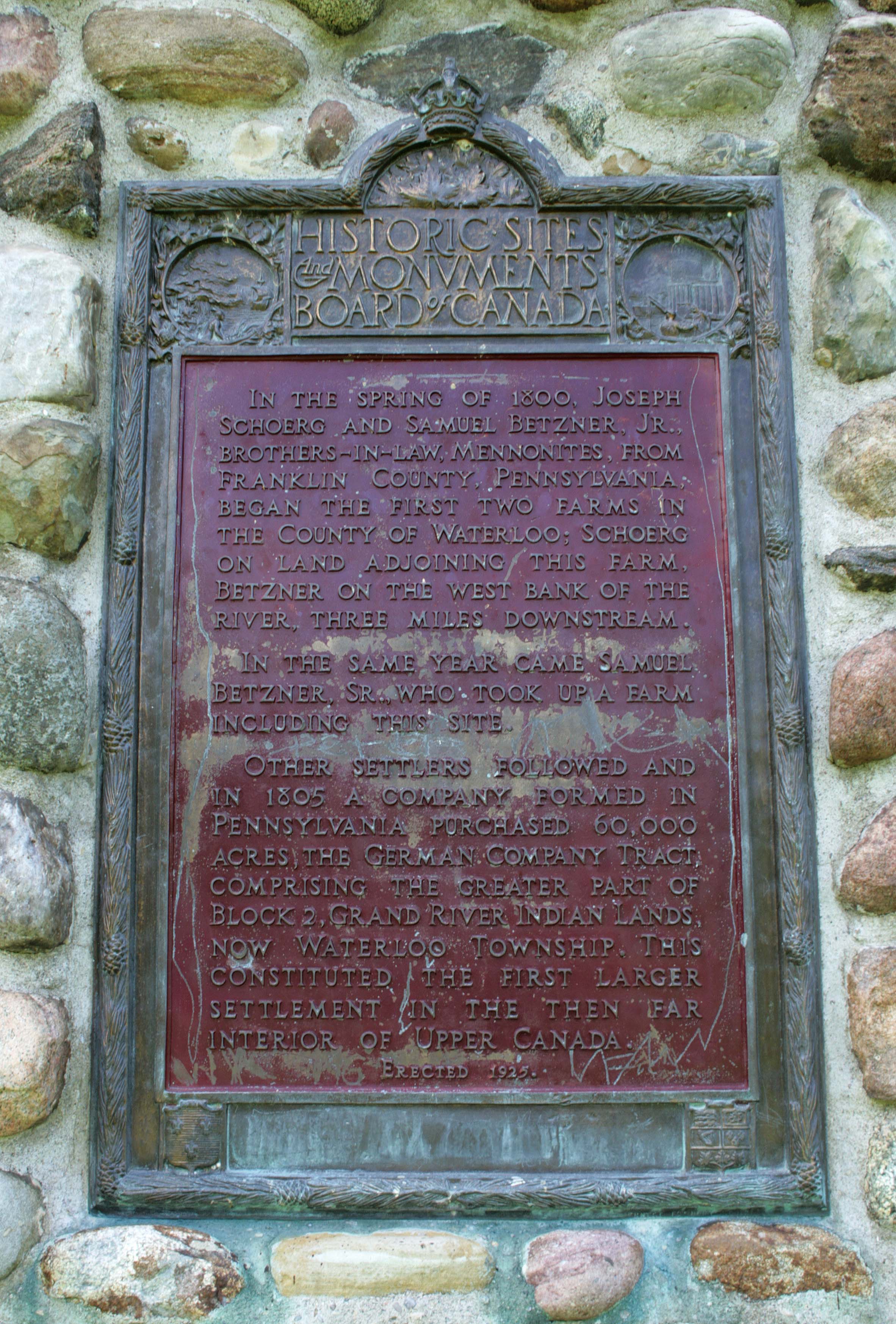
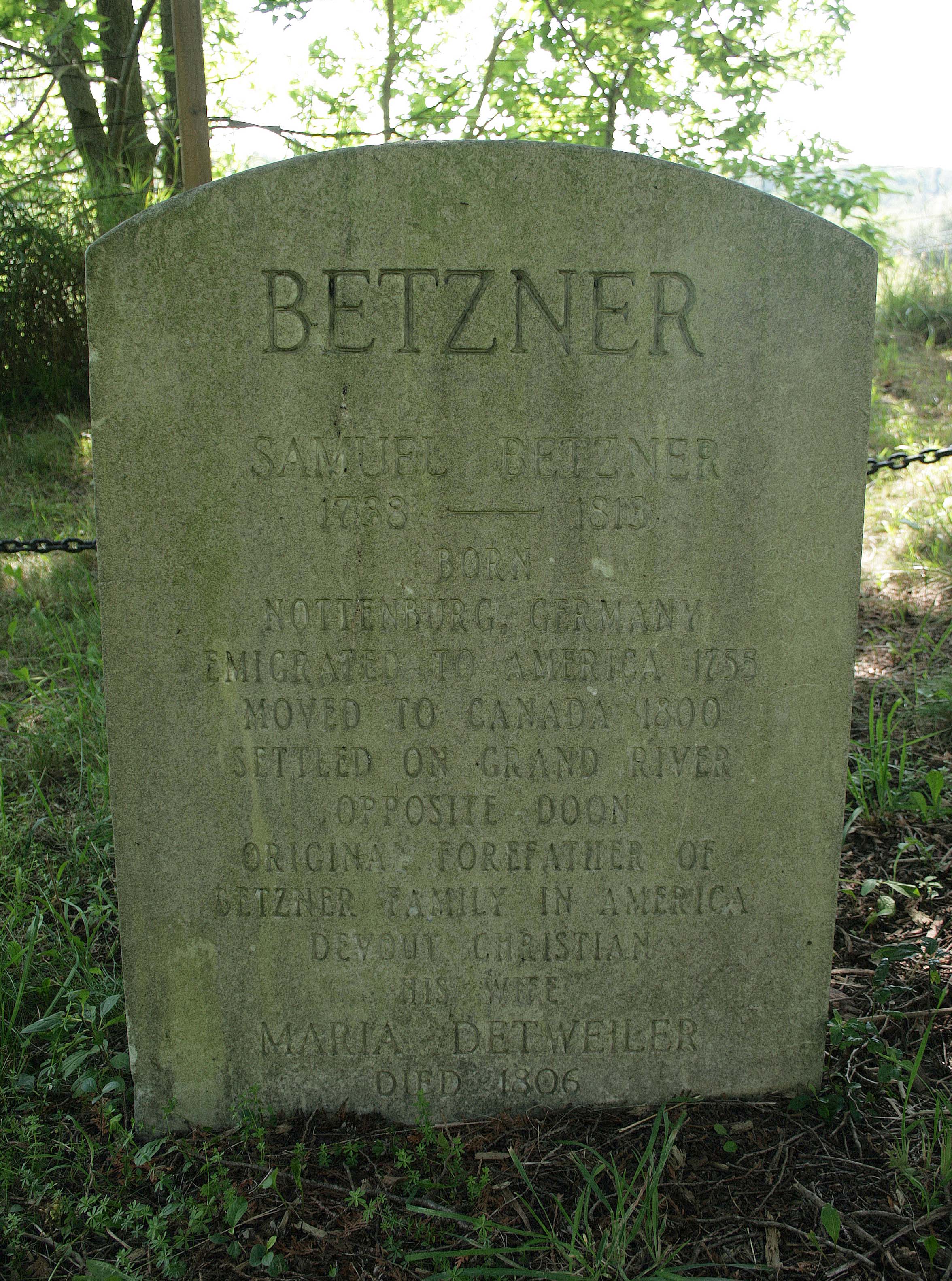
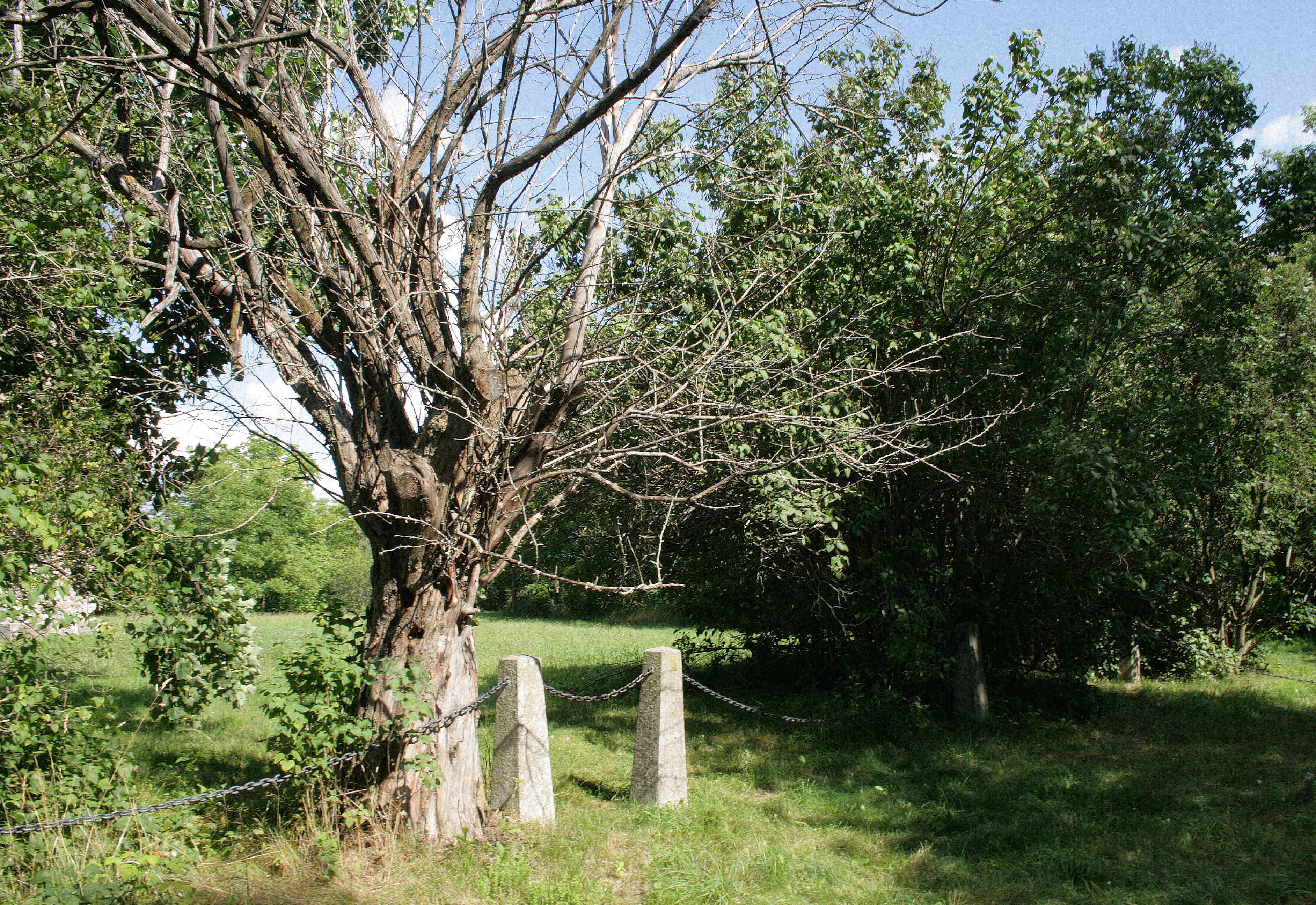
The 98-year-old Pioneer tower sits within a small grassy field, right beside the Doon Pioneer Cemetery. This is the final resting place of the Schoerg and Betzner families and overlooks the Grand River.

Also known as the Schoerg/Betzner cemetery, this small burial ground is where the first settlers are laid to rest, who arrived in Waterloo Township in the spring of 1800. The small cemetery is filled with old gravestones and field stones, marking their final resting place.

Some of the gravestones are very worn, so I took the opportunity to try out a trick I saw in one of the cemetery groups I am a part of. By using a mirror to reflect sunlight, or by holding a flashlight at an oblique angle you can create enough contrast to make gravestones legible again.

I had a small flashlight on me, one with a small beam so it worked well on the smaller stones. I asked my mom to hold the flashlight for me, as I lined up my shot by looking through the small viewfinder on my DLSR. The deep shadows help some of the long-forgotten words to be legible again. The flashlight trick didn’t work as well on larger stones, because the beam from the flashlight is too narrow to illuminate enough of the stone. I would need a much larger beam for that. This trick of the light is a great way to reveal gravestone inscriptions while doing no harm.

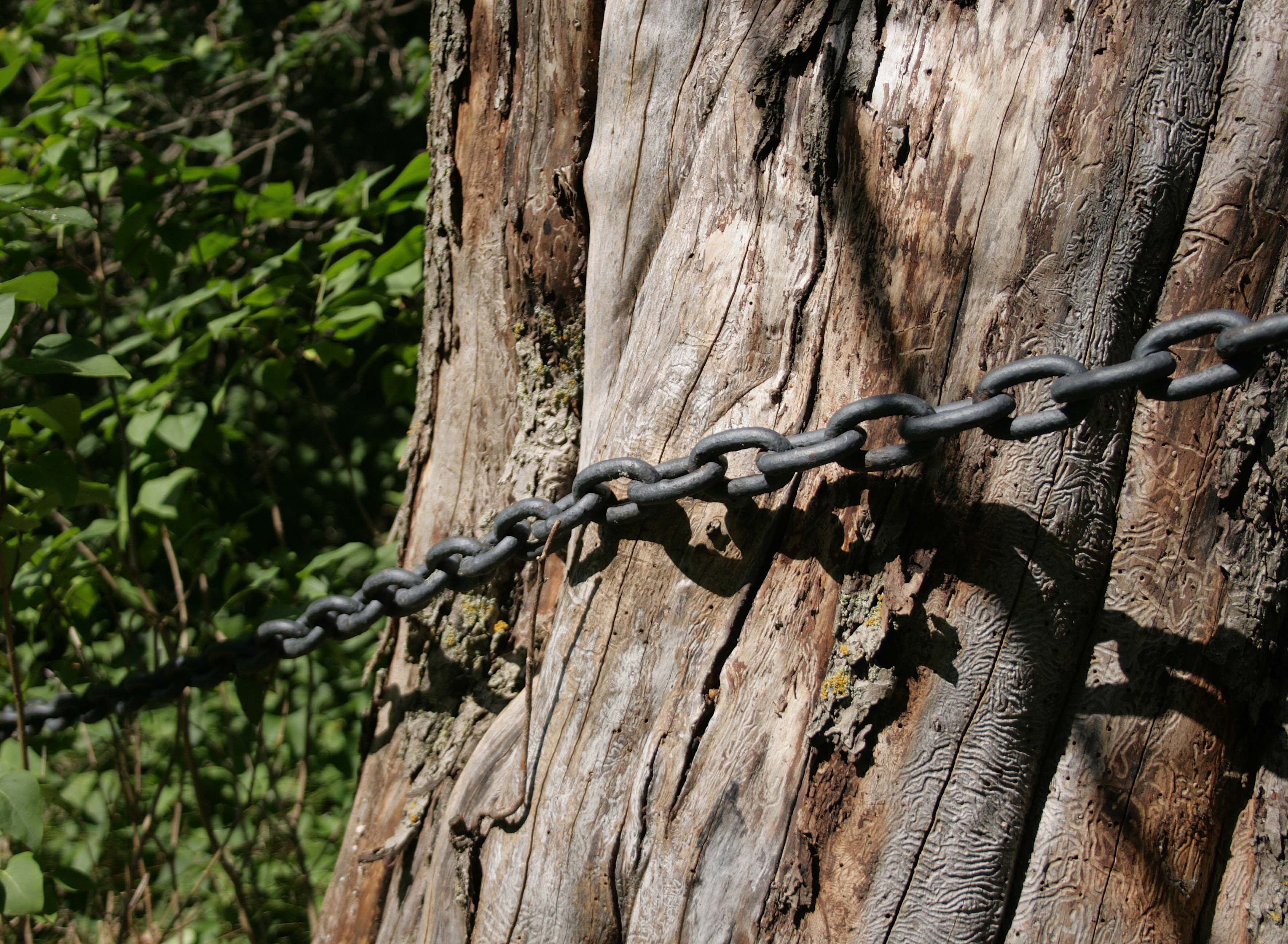
My mother and I both enjoyed visiting the memorial tower and the small burial ground beside it. We took our time taking in the beautiful craftsmanship and design of the tower and its history. At the time, we had no thoughts of ghostly apparitions in our minds. We didn’t experience anything supernatural. We just admired the Fieldstone Tower and all the toil and hard work it represented for those early pioneers.

After exploring the cemetery and paying our respects to the early settlers of the area, we made our way to the Walter Bean Grand River Trail. The flat gravel path meanders through the Pioneer Tower Natural Area taking you along the Grand River. The trail is dotted with educational panels, and the path eventually brings you to the Pioneer Tower Bridge.

On the opposite side of the bridge lies the Doon Valley Golf Course. On our walk, we didn’t cross but stopped at the bridge to take in the views. We sat for a time at a little garden roundabout, just before the bridge, admiring the flowers and wildlife. We were lucky to see a wild rabbit scurry across the trail.

The Memorial Tower was always in view during our walk, peeking out above the treeline like a sentinel keeping watch. A strong reminder of those who came before us. The whole area is beautiful, even more so now I imagine with the fall colors starting to emerge.

So if you are looking for a nice place to take in nature and enjoy some dark history, I think the Waterloo Pioneer Memorial Tower and adjacent Doon Pioneer cemetery would be a great place for a fall outing. Who knows, you might even see a ghost.

Thanks for reading!


References:

  1. Waterloo Pioneer Memorial Tower | Parks Canada
  2. Descendant of Waterloo pioneers wants memorial tower open again | Waterloo Region Record
  3. Historic Haunts Tour | Guess Where Trips
Cemetery Road Trip: Guess Where Trips

Who doesn’t love a road trip; especially one that is pre-planned for you? All you need is your sense of adventure, a full tank of gas, and someone to share it with!

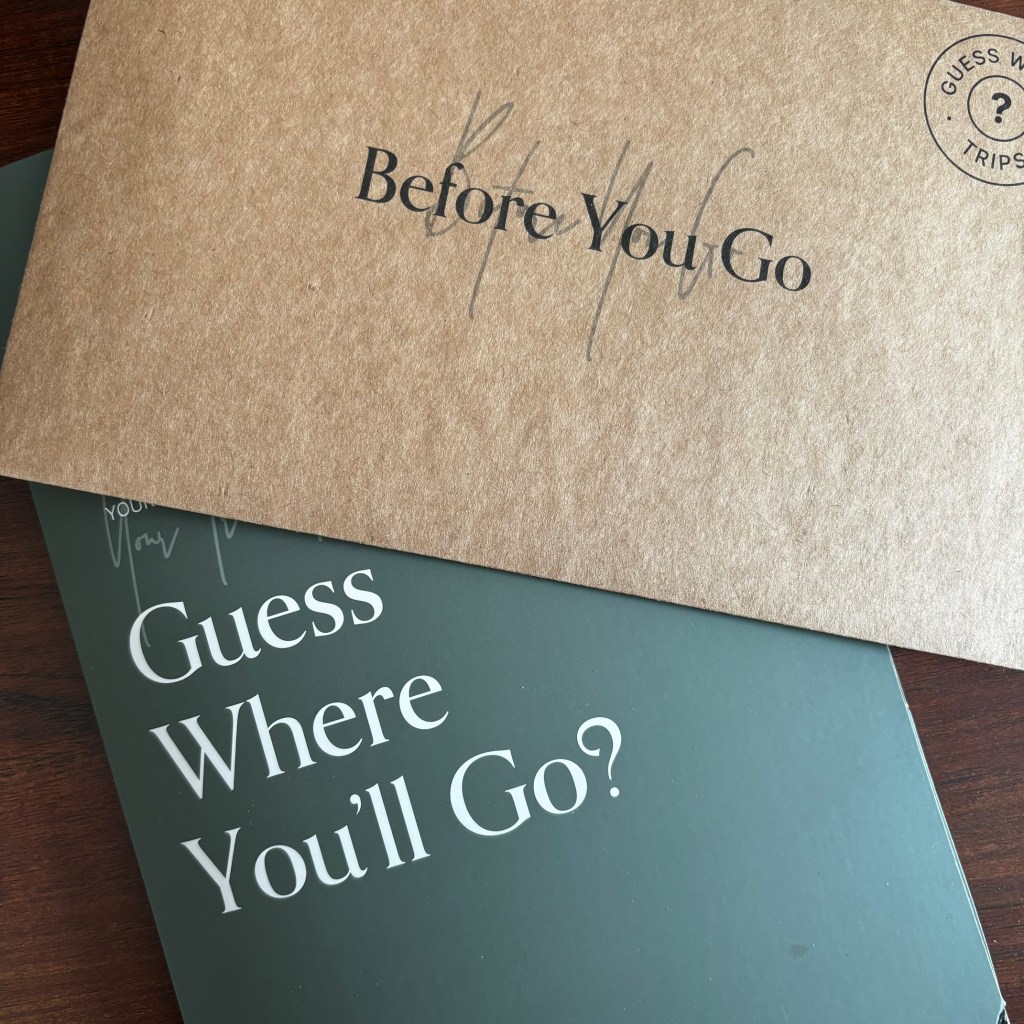
I mentioned last week that I would share more details about the Guess Where Trips adventure that my mom and I did during our summer vacation. So, today on the blog, I wanted to introduce you to this fun company, if you haven’t already heard of them, and share a little bit more about how our adventure played out.

Marilu, the Travel Support Specialist at Guess Where Trips, gave me a Historic Haunts tour to try out for free, in return for an honest review. The Historic Haunts tour includes a couple of cemetery stops, so it was a perfect fit! This trip is a round-up of spooky and unusual attractions, leading you on a route full of haunted history and ghostly stories. My favorite kind of road trip!

Guess Where Trips

Guess Where Trips offers beautifully packaged, one-day surprise road trips that will take you to all manner of hidden gems in Canada and the United States. Inspired after creating a scavenger hunt-style road trip as a gift to her parents, Jess Off founded Guess Where Trips in January of 2020.1 These curated road trips encourage you to explore the road less traveled, while also supporting small businesses and communities along the way.1

Lots of meticulous planning and research goes into all 135 available trips. And they are working on creating new adventures all the time. On June 20th of this year, they released 13 new trips that feature Michigan, Ohio, and Indiana.

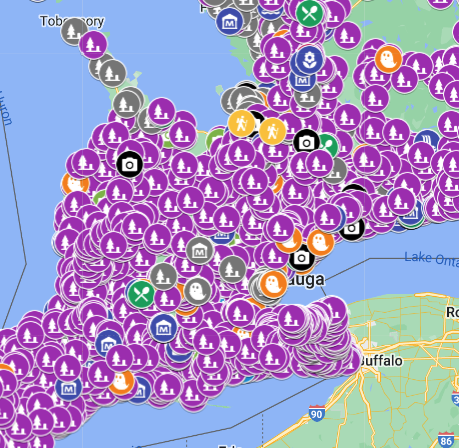
In a recent email, the Guess Where Trips team shared all the intricate work and planning that goes into designing their trips. A big part of their planning revolves around what they call their “magic map”, an evolving map filled with pinned locations that serve as a foundation for outlining their growing list of surprise road trips. 

I thought their magic map looked pretty similar to my master map of Ontario cemeteries. Although mine focuses on cemetery locations, there are a few hiking trails, and museums pinned on there. I use my map a bit differently, using it to track visited sites (the grey pins) and as a starting point for creating location-specific maps for my cemetery road trips.  

The Historic Haunts tour was the first ghostly trip created by Jess Off and her team and was initially most popular around the Halloween season. Today, all their haunted trips have become popular regardless of the season. Some of the other spooky trips they offer in Ontario are Weird and Wonderful ThingsSpooky Sights & Ghostly TalesBeautifully Haunted, and Hidden Gems of Huronia.

They offer an adventure for everyone! If haunted hidden gems are not your thing, you might enjoy one of their other themed trips. They have trips that feature wineries, and breweries, romantic getaways, scenic drives, and outdoorsy adventures.

My Guess Where Adventure

The Historic Haunts tour begins in Cambridge, Ontario which is about a 4-and-a-half-hour drive from me. So, my mother and I packed up the car and took advantage of the nice summer weather to make an overnight trip. We drove up to the tri-city on Thursday, with plans to follow the surprise road trip all day on Friday. Then we would drive home on the Saturday. This gave us some extra time to explore the area, so I found some other things for us to do as well.

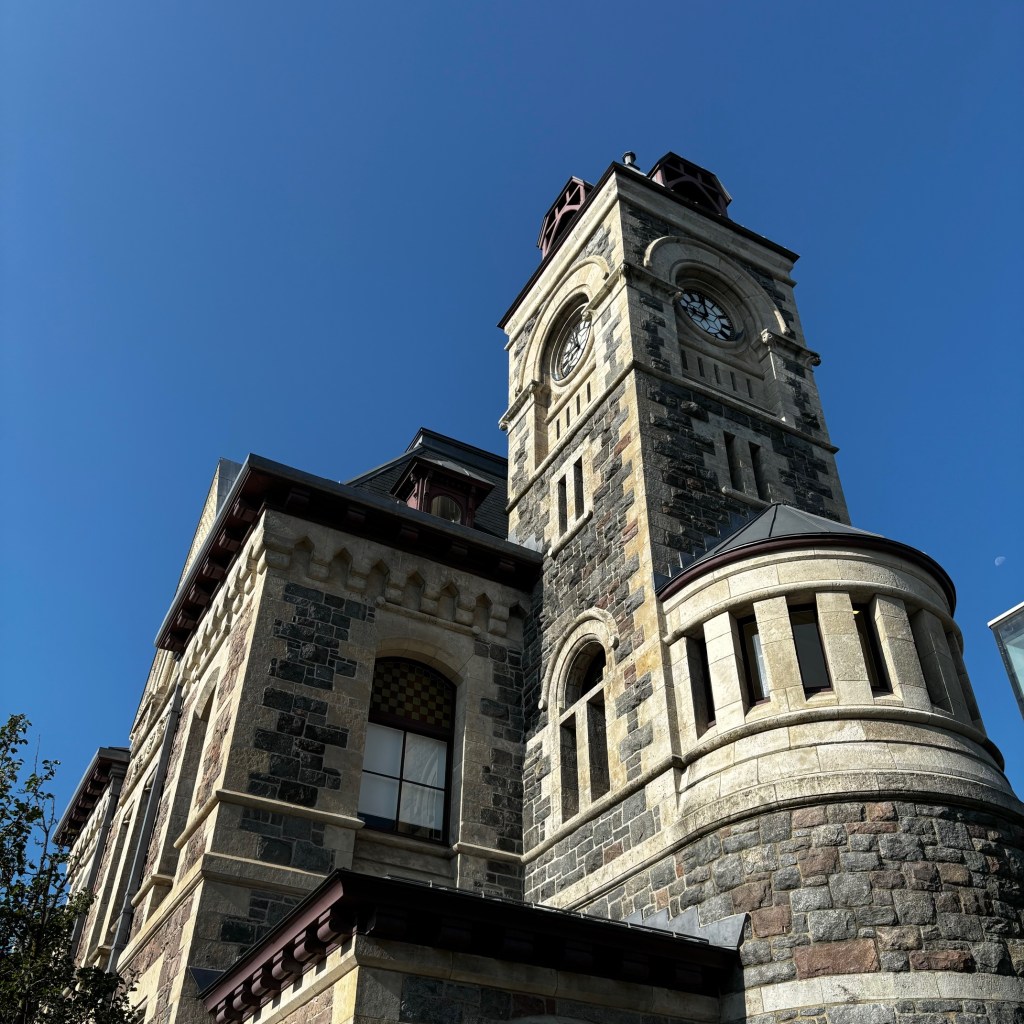
Friday morning, after a nice breakfast, we opened our first envelope to see where our first stop would take us. It brought us to downtown Cambridge to explore the architecture and haunted history of some of its older buildings. With coffee in hand, we sat outside the beautiful stone building that was once a Post Office, and read the tragic tale of a torrid love affair that ended in suicide. Even though it was a bright sunny morning, it was still a bit spooky to be looking up at so much dark history.

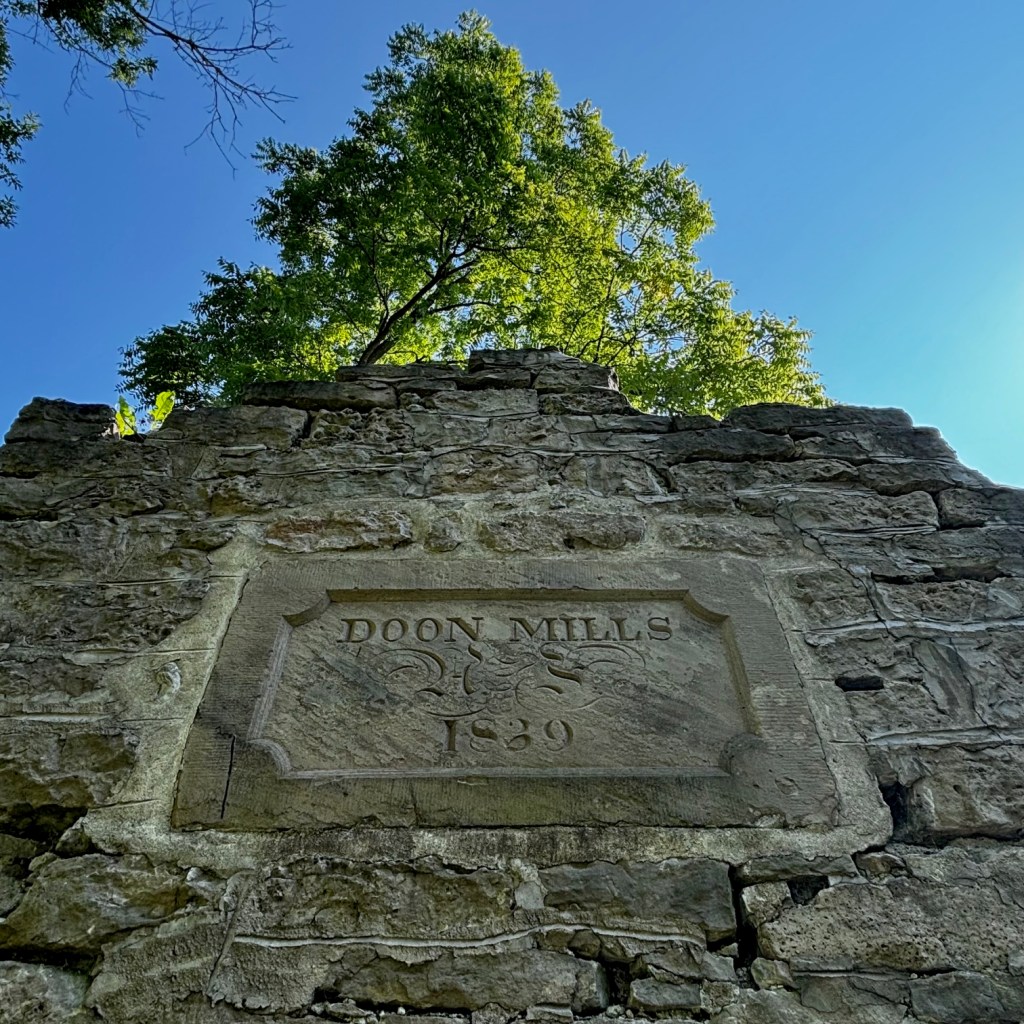
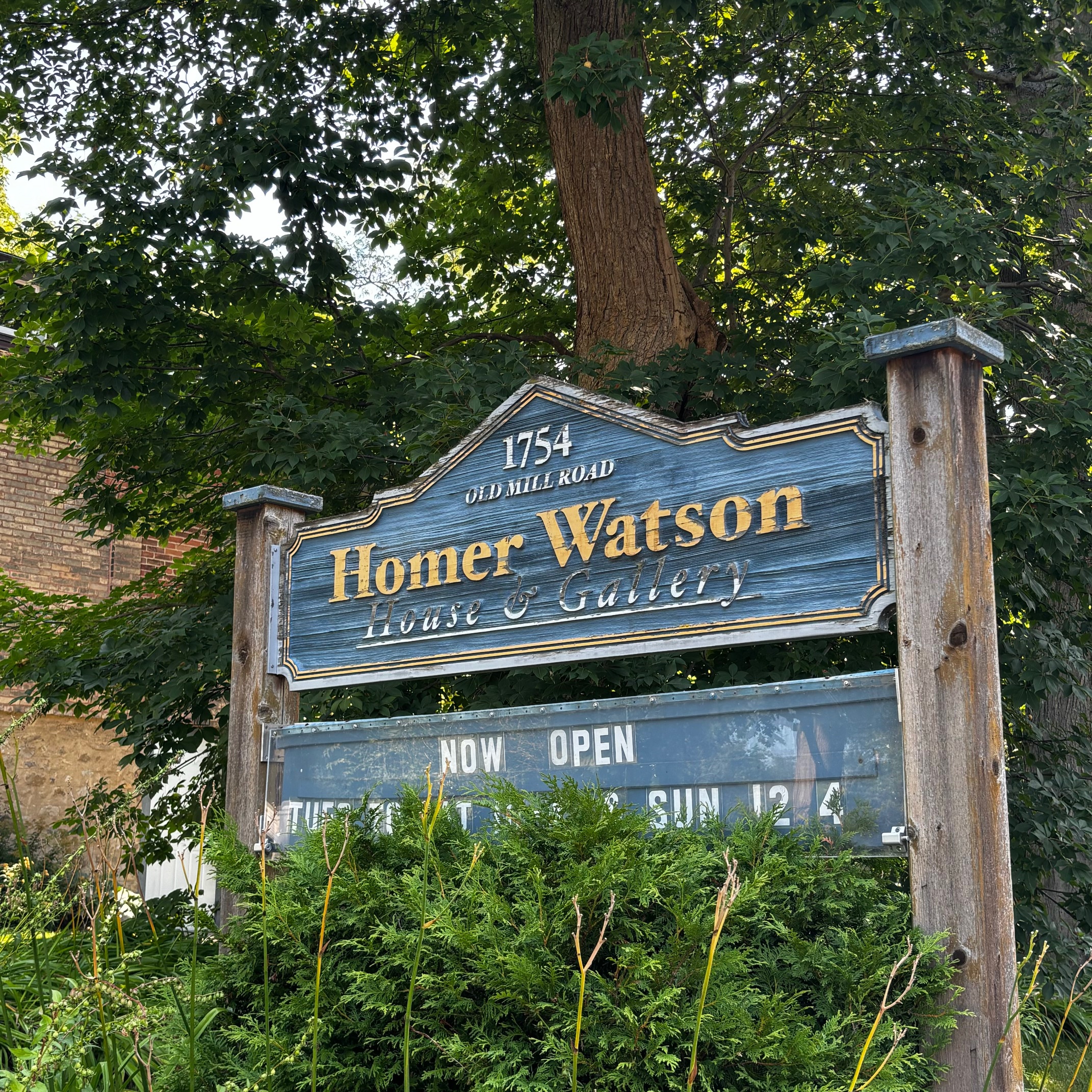
Our second stop brought us to a beautiful historic house and art gallery. We were a little early, arriving before they opened for the day, so we decided to explore the optional spooky abandoned spot that was just around the corner—The Doon Mills Ruins. 

Things got a little interesting at this point. The Doon Mills, originally built in 1834 have seen many tragedies, having burned in a fire not once, but twice! Today, many people report ghostly occurrences at this small section of ruins that sit at the trailhead. People claim to have heard ghostly footsteps or even heard their name called. Almost as soon as we arrived at the ruins, my mother complained of a burning wood smell. I didn’t smell anything though. My mom got a little creeped out when I reminded her that smelling burning wood was something many people experienced when visiting the ruins. 

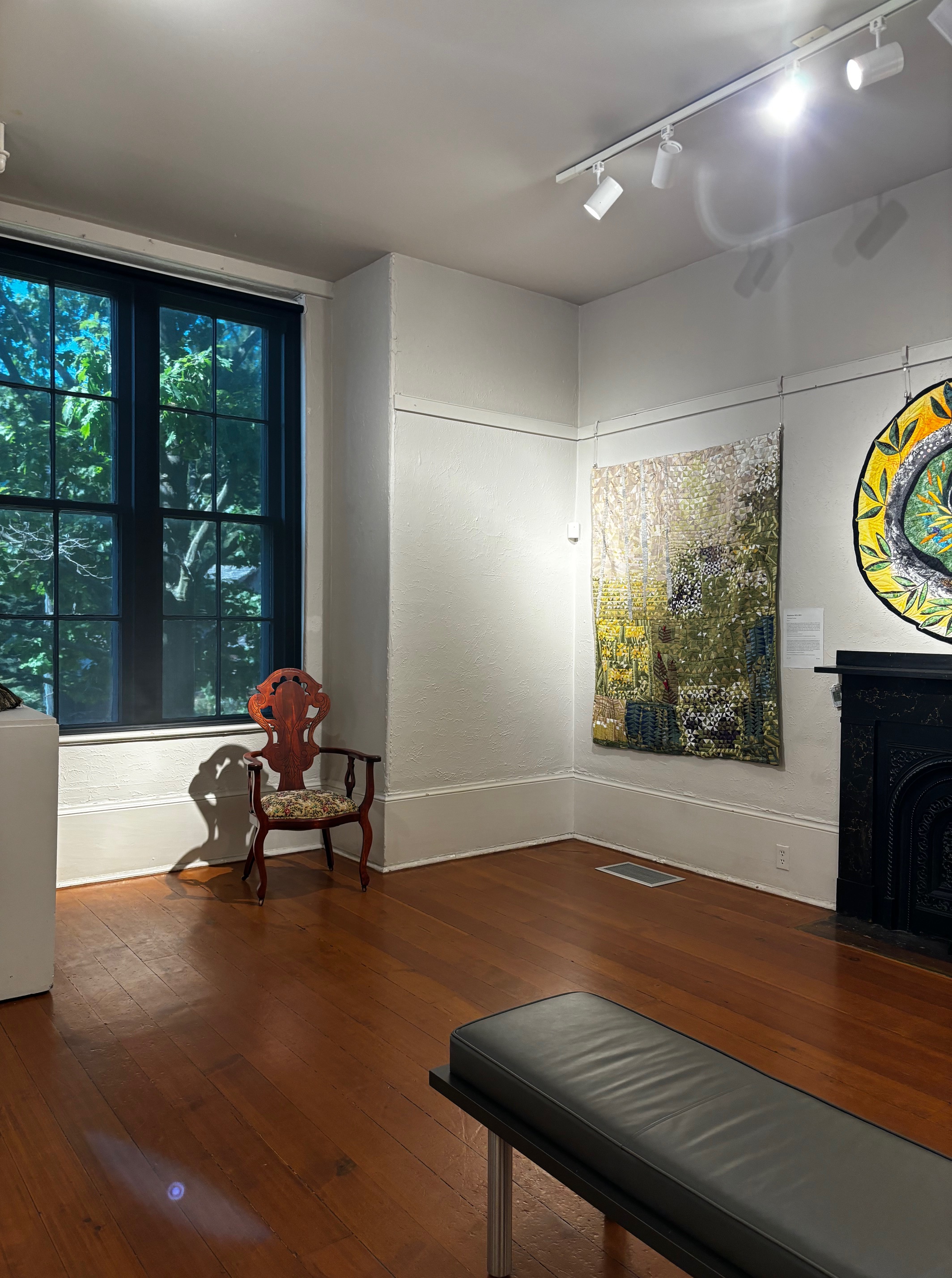
We made our way back to the Homer Watson House & Gallery once it had opened for the day, and was given a lovely tour by the staff. They made sure to tell us the haunted history of the place when we told them we were on the Haunted History tour. It is a beautiful house with a very interesting history. After exploring the house, I just had to ask where Homer Watson might be buried. It just so happens that he is laid to rest in the cemetery just down the road from the historic house, so my mother and I made an extra stop to visit his grave and pay our respects.

Remember how I mentioned I had found some other things for us to visit while we were in Cambridge for the tour? Well, that ended up mucking up our surprise road trip a little bit. The third stop on our road trip directed us to a haunted tower and an ancient cemetery. Well, it just so happens that my mother and I had visited this location the day before. It was a perfect evening activity as it checked a lot of boxes for us; a historic site, a cemetery, and a walking trail. At the time of our visit though, we had no idea the tower was haunted.

By this time it was also the lunch hour, so instead of visiting that location again, we decided to try one of the recommended restaurant stops. We visited the Borealis Grille & Bar to have some lunch and read through some of the haunted history of the tower we visited the evening before. After that nice rest, we opened our next envelope.

Our fourth envelope presented a choose-your-own-adventure opportunity. So it worked out that we had already visited the previous stop. This gave us more time to visit multiple locations on this leg of our road trip adventure.

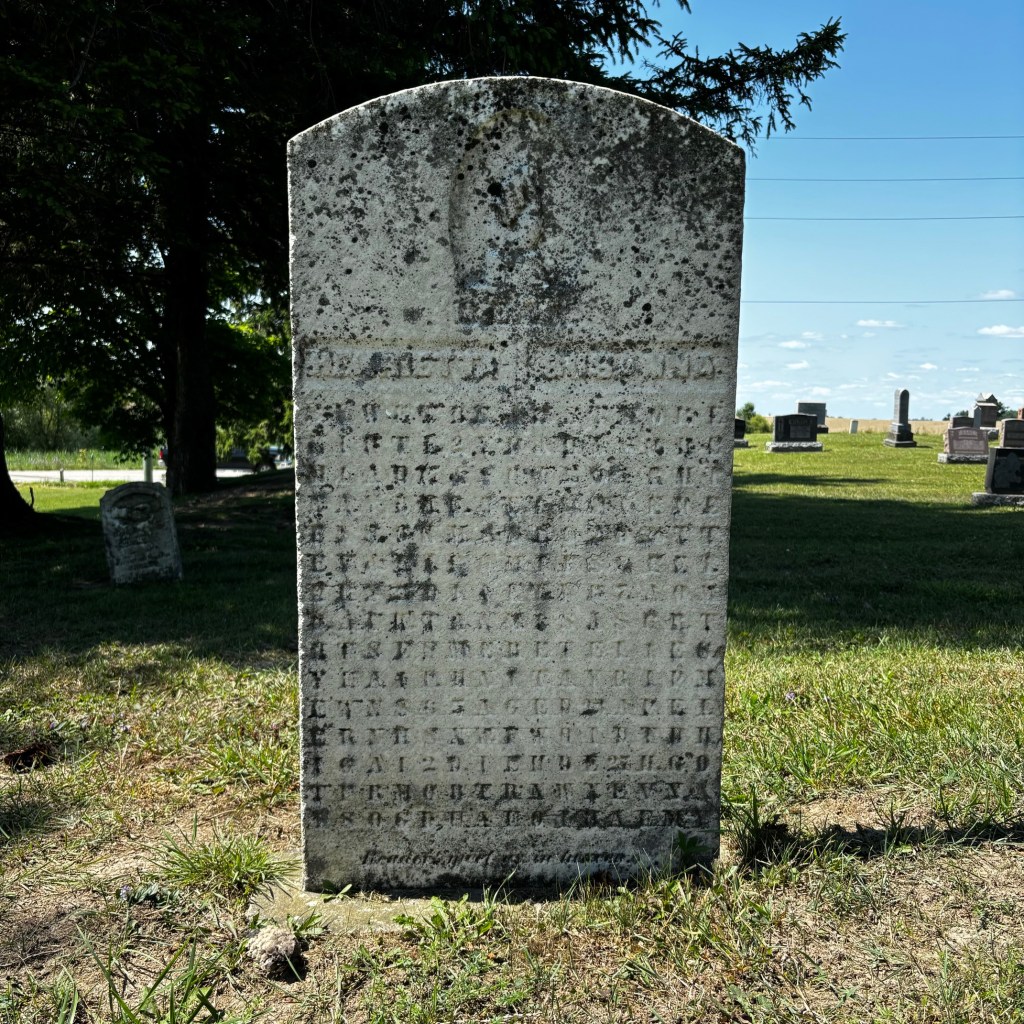
We chose to visit Rushes Cemetery in Wellesley first. I was pretty excited to see this listed as the first optional stop. There is a very interesting gravestone in this cemetery, and it has been on my cemetery bucket list for a while. This cemetery is the final resting place of Henrietta and Susanna, the first and second wives of Dr. Samuel Bean. What makes this stone so unique is the fact that this tombstone is written in a crossword code, and it took over 100 years to decode it. 

After I took some time to photograph the cemetery we made our way to Fergus to visit the Wellington Museum & Archives. By the time we got there, we would have just enough time for a quick tour before they closed for the day. 

Once known as the Wellington County House of Industry and Refuge, built in 1877, this beautiful building now houses a permanent display of the Institution’s history, as well as a few changing exhibits. The permanent exhibit “If These Walls Could Speak” explores the lives of the people who lived, worked, and died within the walls of the Poor House. It’s not surprising this National Historic site is also home to a few ghosts. 

After we toured the building, taking in all the interesting exhibits and history we made our way down the road to visit the Poorhouse Cemetery. This cemetery sits at the edge of the property and was established for those who had no family to claim them. After we paid our respects at the cemetery, we headed back to Cambridge to have some supper and rest at the hotel. 

Our Historic Haunts tour was a great success. My mother and I had a lot of fun exploring and learning about the community and local history. It was a great mix of haunted history, museums, and cemeteries. Although we did add a couple of cemetery stops to our trip, it made sense to stop in and pay our respects after learning so much about their history. 

I also loved the surprise element and the choose-your-own-adventure style. Opening each envelope was a fun addition that created a sense of anticipation. The multiple options also gave you the freedom to choose how your route was going to unfold. The restaurant and cafe options were also great additions, taking into account that you may get hungry or need a coffee break during all the exploring. It is so well thought out!   

I asked my mom what she thought of the trip and she loved that all the planning is done for you and that it was really easy to follow. She also loved all the history that is provided for each stop, her favorite being the tragic tale of love and loss at the Old Post Office. She loved the beautiful architecture but noted that we would have never known about its tragic history, just by looking at the building. She said it was a great adventure!

We had a great time, and we both would recommend these trips to anyone looking for a unique adventure. So if you are looking for road trip ideas, definitely check out Guess Where Trips and let them lead you to some fun and fascinating destinations! 

Thanks for reading!


References:

  1. About Us | Guess Where Trips

A Collection of Weeping Willows

While working on an upcoming project, I was going through my photo archive and found myself frequently stopping on the images of weeping willows. I have captured an interesting variety in the last few years. I love weeping willows, they have a very unique look. They are not common in my area, in the forests, or on graves. 

So for today’s collection, I wanted to take a closer look at this cemetery symbol and share some of the different versions I have found and photographed during my cemetery walks.

As the name implies, weeping willows commonly symbolize grief and mourning. They are a very common Victorian-era cemetery symbol. Adopted from the Ancient Greeks, the weeping willow can represent immortality and life after death. Weeping willows are sometimes associated with the Underworld because, in Greek mythology, Orpheus brought with him a willow branch on his travels to the Underworld to save Eurydice from Hades.1 The symbolism of immortality stems from the fact that willow trees are very hardy, and can survive heavy damage.

A variety of the weeping willow motif you might find is a weeping willow standing beside a gravestone. I love the idea of a gravestone on a gravestone. 

Another variation you might come across is of a weeping willow and urn. The urn represents death itself, and the willow again symbolizes grief.2 This motif was a popular gravestone symbol of the late eighteenth and early nineteenth century. You might also see weeping willows paired with a lamb or a cross.3 I have yet to come across these variations. 

I noticed that the majority of the ones I found were in Southern Ontario. As I explore more Ontario cemeteries this summer, I hope I will come across a few more to photograph. I would love to find some more variations on the symbol. If you have any suggestions for where I might look, I would love to hear about them in the comments. 

Thanks for reading!


References:

  1. Understanding Cemetery Symbols: A Field Guide for Historic Graveyards by Tui Snider
  2. Mastering Cemetery Iconography | The Academy at Penguin Hall
  3. Stories in Stone: The Complete Guide to Cemetery Symbolism by Douglas Keister

A Collection of Books

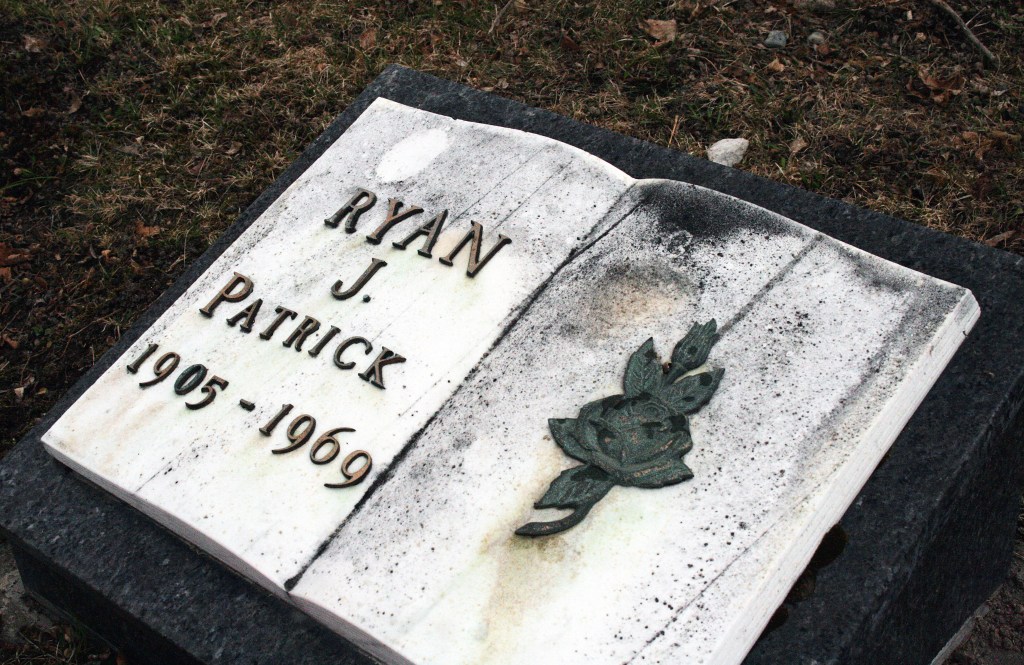
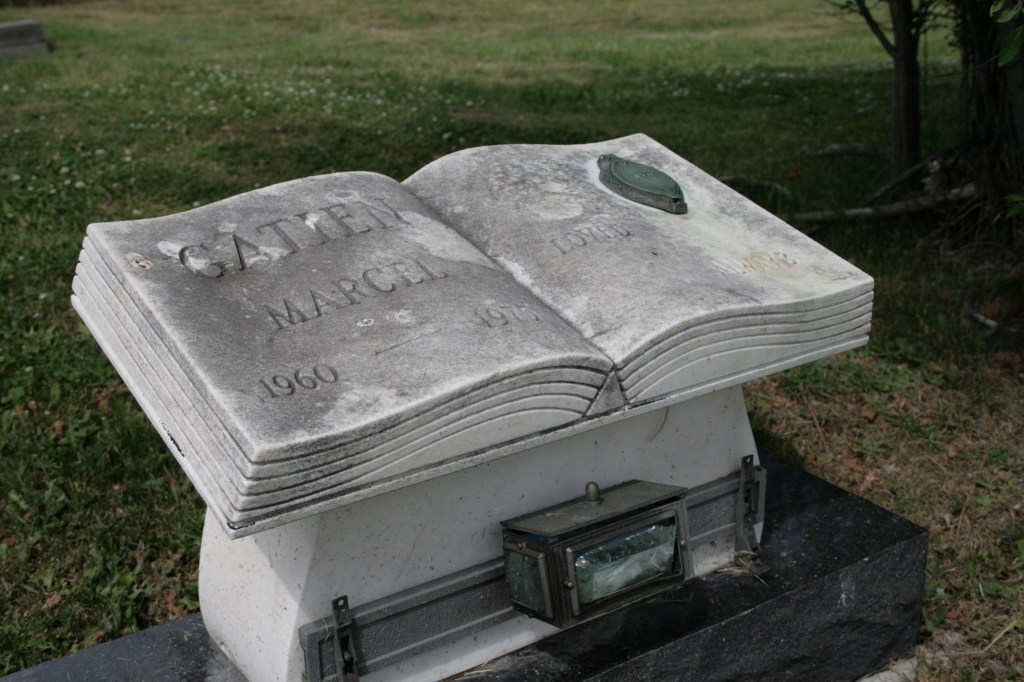
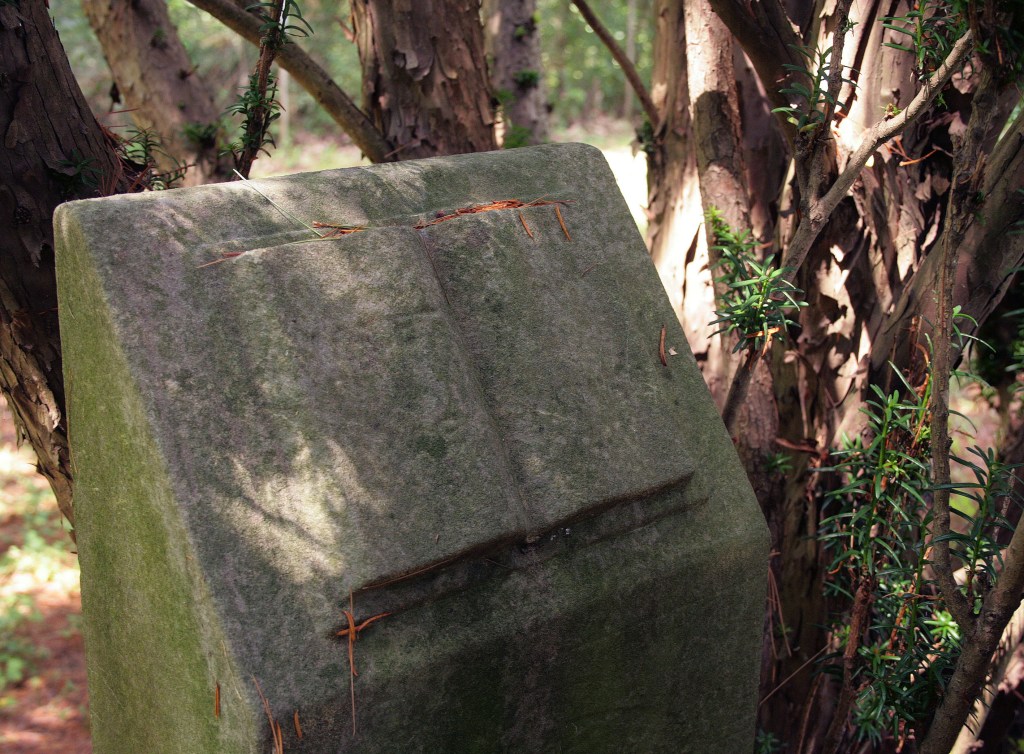
I love books! I am a big reader and have a large book collection at home, but I love finding stone books among the tombstones while wandering a cemetery. I find them very interesting and love trying to interpret what they mean.

Books can be both decorative or a representation of something. You can sometimes find a book being used as a decorative device to display the name of the deceased along with the birth and death dates. An open book can sometimes represent the human heart, as in it’s emotions are open to the world. An open book may also symbolize a life that has been cut short, before getting to the last page. Another variation of this is an open book with a cloth draped across it. This also represents a life cut short, the veil of death having bookmarked the person’s last chapter before the book is finished being written. A closed book might represent a long life, lived to the last chapter.

Any book found in a cemetery may represent the bible. Sometimes you may even find the words “Holy Bible” engraved on the book.

In my experience, books are not as common as some other funerary symbols, like hands and lambs. I love to photograph them when I do find them. I wanted to share some of my favorites with you today.


References:

  1. Understanding Cemetery Symbols: A Field Guide for Historic Graveyards by Tui Snider
  2. Stories in Stone: The Complete Guide to Cemetery Symbolism by Douglas Keister

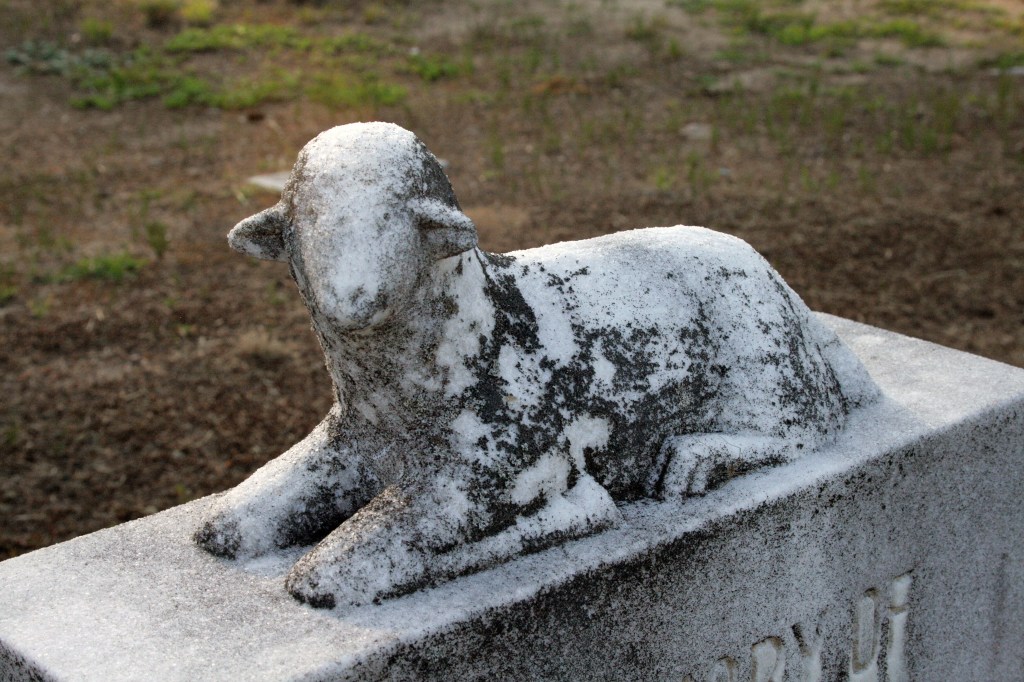
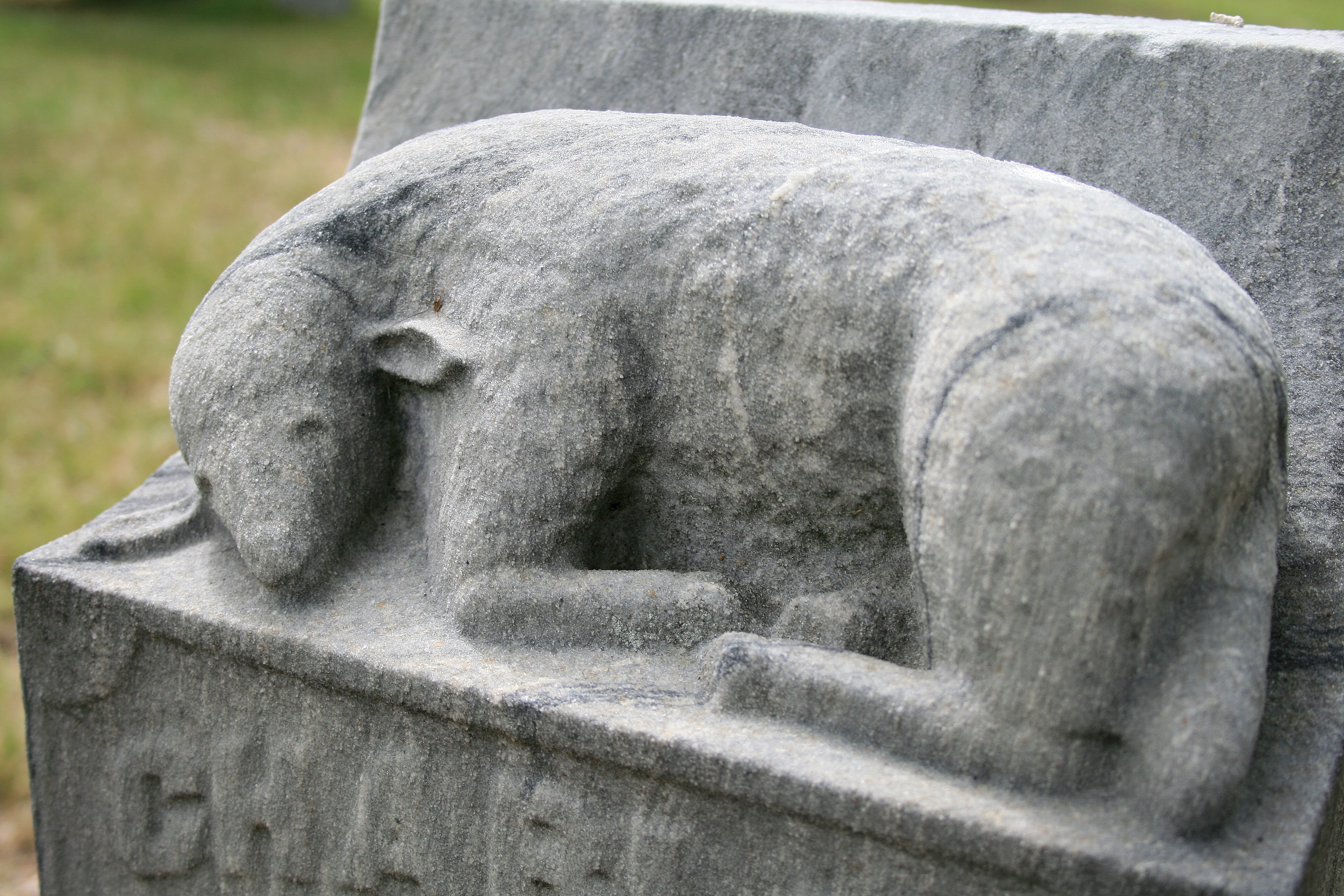
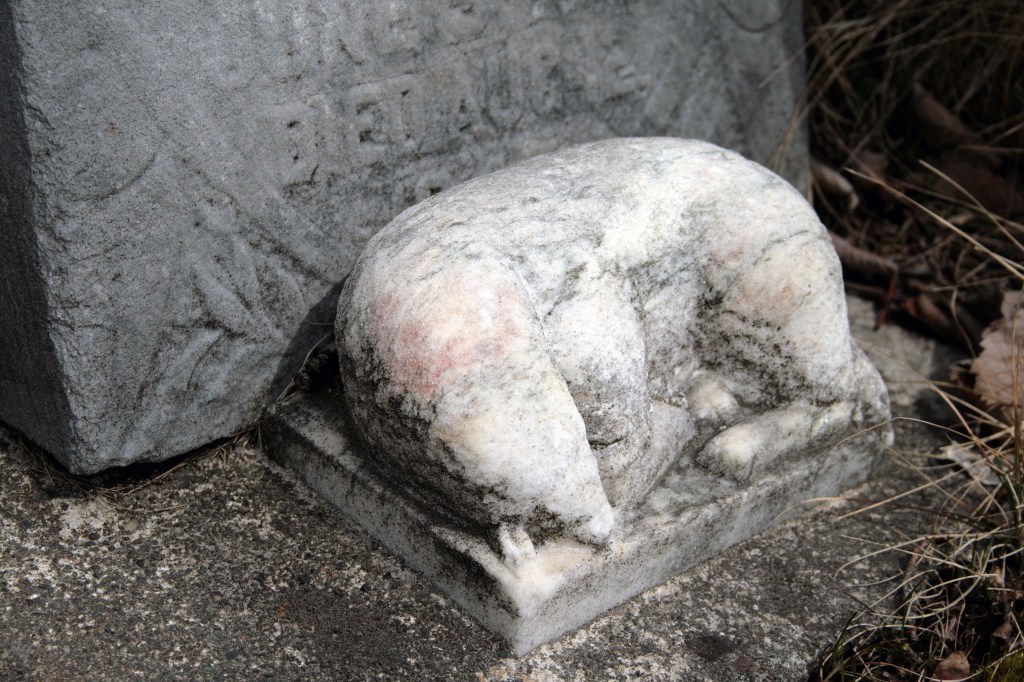
A Collection of Lambs

I love exploring cemeteries and looking at the different symbols used on tombstones. If you spend a lot of time in cemeteries, especially in Northern Ontario, you will start to notice the repetition of certain symbols and motifs. One of the most common symbols I find, is the lamb.

Lambs represent innocence and sacrifice, as they were often used in sacrificial ceremonies in ancient times1. Most often you will find lambs on the gravestones of infants and children, as Jesus is often depicted as a Shepherd, and also known as the “lamb of God”. Some variations can be found with lamb symbolism. A robed figure with a standing lamb beside it most often represents John the Baptist, who had called Jesus the “lamb of God”1. A lamb with a cross is known to represent the Lamb of God or Agnus Dei2, symbolizing the suffering of Christ as he sacrificed himself for the sins of mankind. Several other symbols may be found with a lamb to symbolize the lamb of God – such as a banner, halo, shepherds crook, and alpha and/or omega symbols2. A single seated lamb symbolizes an innocent soul. A seated lamb can sometimes be found sitting in front of a tree stump, this often symbolizes a life cut short. 

Finding lambs is often sad, but they are a beautiful symbol. I have photographed many over the years and wanted to share some of them with you today. 

Eyre Cemetery, Sudbury ON ©2011


References:

  1. Understanding Cemetery Symbols: A Field Guide for Historic Graveyards by Tui Snider
  2. Stories in Stone: A Field Guide to Cemetery Symbolism and Iconography by Douglas Keister