25 Cemeteries in the City of Greater Sudbury

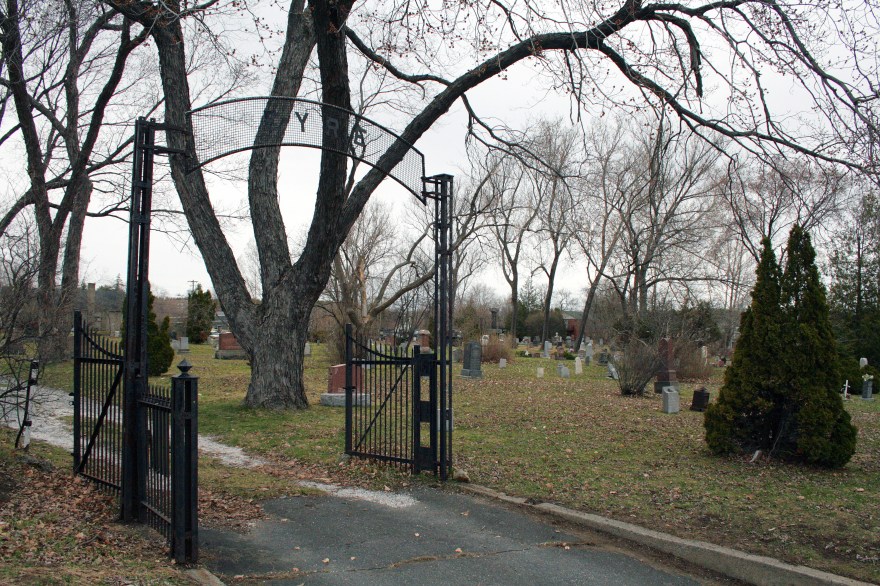
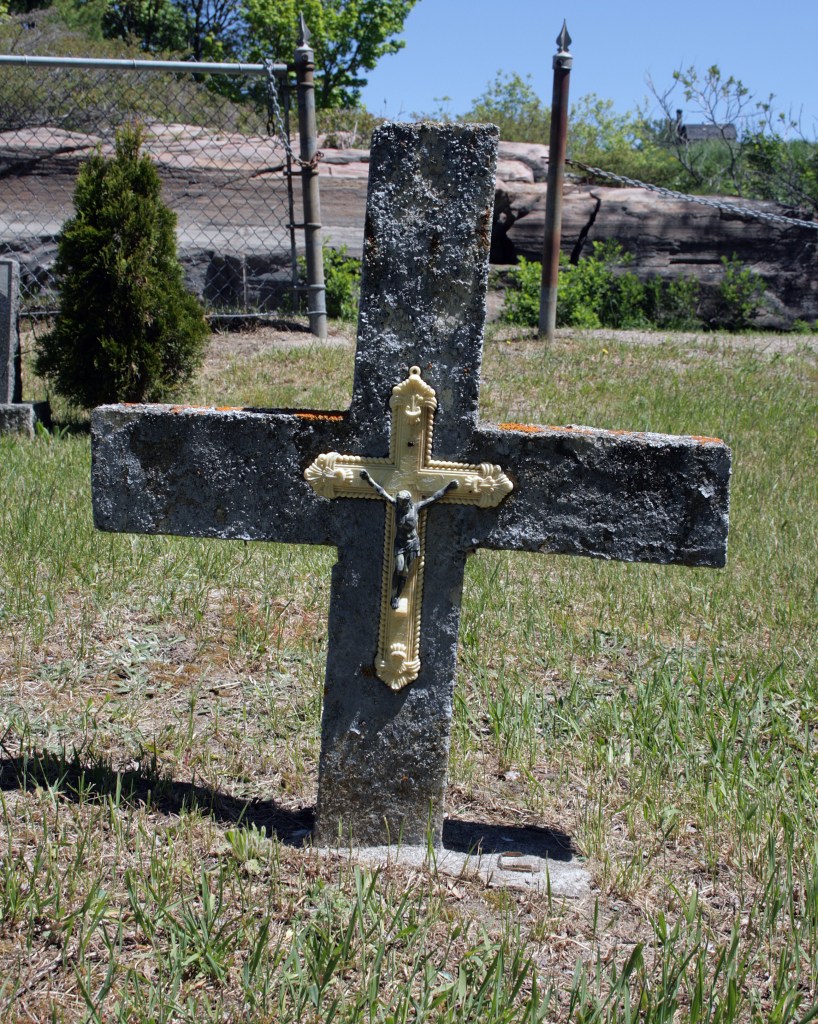
A couple of weekends ago I was able to cross something off my cemetery bucket list—visiting all 25 cemeteries in the care of the City of Greater Sudbury. For today’s blog post, I thought it might be interesting to take a closer look at some of these cemeteries. 

The City of Greater Sudbury is centrally located in Northeastern Ontario. It sits on the Canadian Shield in the Great Lakes Basin and is composed of a combination of urban, suburban, rural, and wilderness environments. Greater Sudbury is 3,627 square kilometers in area, making it the largest municipality in Ontario, geographically.1 Making up this municipality are many small communities that over time, have been amalgamated into the City of Greater Sudbury. Almost all of these little communities have their own cemeteries, that now fall under the care of the city.2

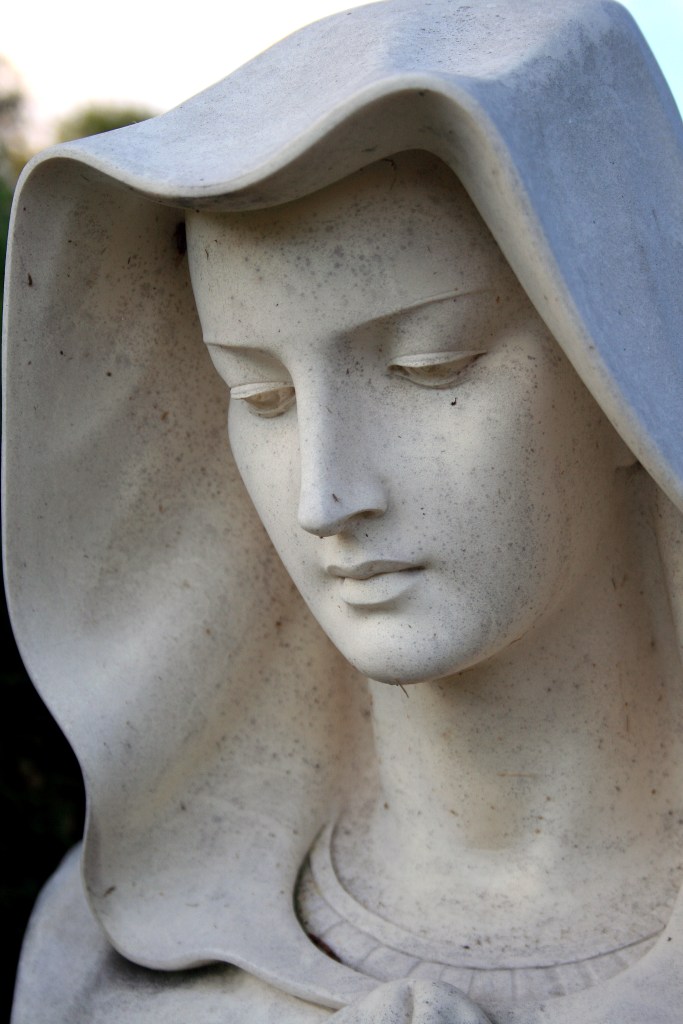
Each of these cemeteries has their own charm and has been very interesting to visit. Some are newer cemeteries with very modern stones, that are still very active, like Valley East and Park Lawn cemeteries. Some of them have tombstones marking persons who are still living. Those always make me think—do the owners visit their gravestones? Other cemeteries are pioneer cemeteries, like Ruff Pioneer Cemetery. Those types of cemeteries hold a lot of history. I wrote about my visit to the Ruff Pioneer Cemetery, you can read it here

Two of the oldest of these cemeteries, I believe, are the Eyre and Anglican cemeteries. They are directly beside each other, and there is no distinct line to separate the two. The earliest grave is from 1890.3 Both of these cemeteries can tell you a lot about our city. You can find the namesakes for the Gatchell and Lockerby areas of town, as well as the grave of Frederick J. Eyre, who discovered one of the first mines for the Canadian Copper Company.3 Sudbury, at its roots is a mining and railroad town.
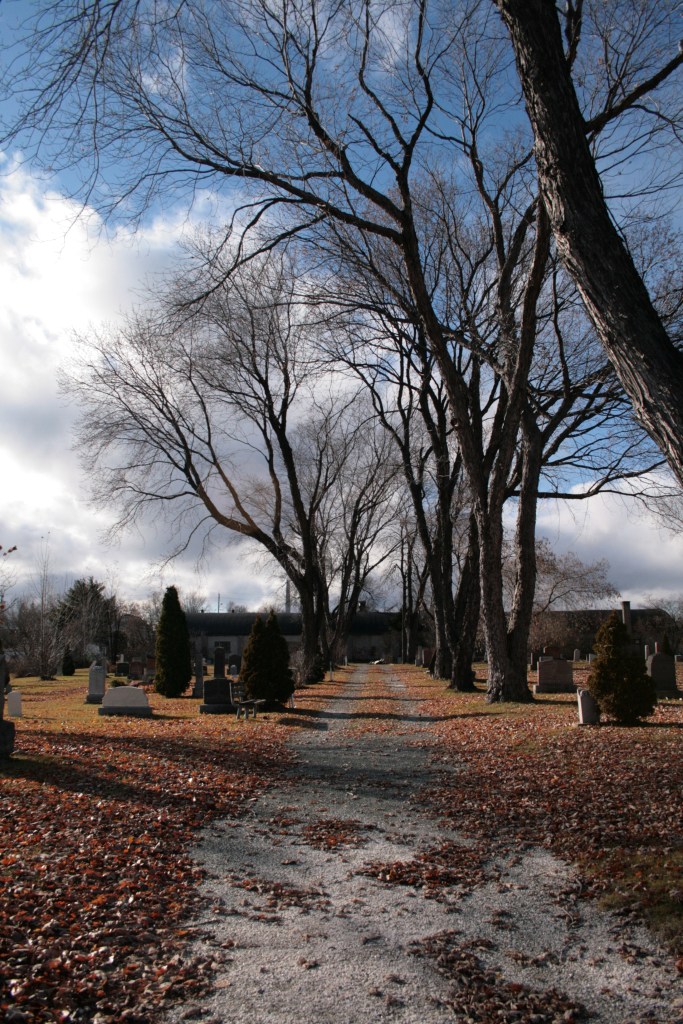
Some of these cemeteries were a challenge to find and can be hard to access. Ruff Pioneer Cemetery would be more easily accessible with a four-wheeler. Make sure you have plenty of water with you for that adventure in the woods. The Coniston Cemetery is a little bit more accessible now, as a cemetery trail has been created, linking it to the Jean Tellier hiking trail. The first time I visited that one, we searched for a while before deciding to ask for directions from some locals at a convenience store. They were more than happy to help and even drew me a map. They also shared some stories from their childhood, of how they would play in the cemetery and nearby woods. Coniston Cemetery is particularly interesting because there are no more headstones. There may have originally been wooden markers or fieldstones there that have since deteriorated or have been moved. It was an active cemetery from 1914 to 1926, when the parish that was taking care of the cemetery announced they could no longer do so.4 In 1997 a memorial plaque was installed honoring the deceased known to have been buried there. Another hard-to-find cemetery is the Wahnapitae Public Cemetery. This one is located on a hillside with seemingly hidden access. I tried to find it again recently, but with no luck. 
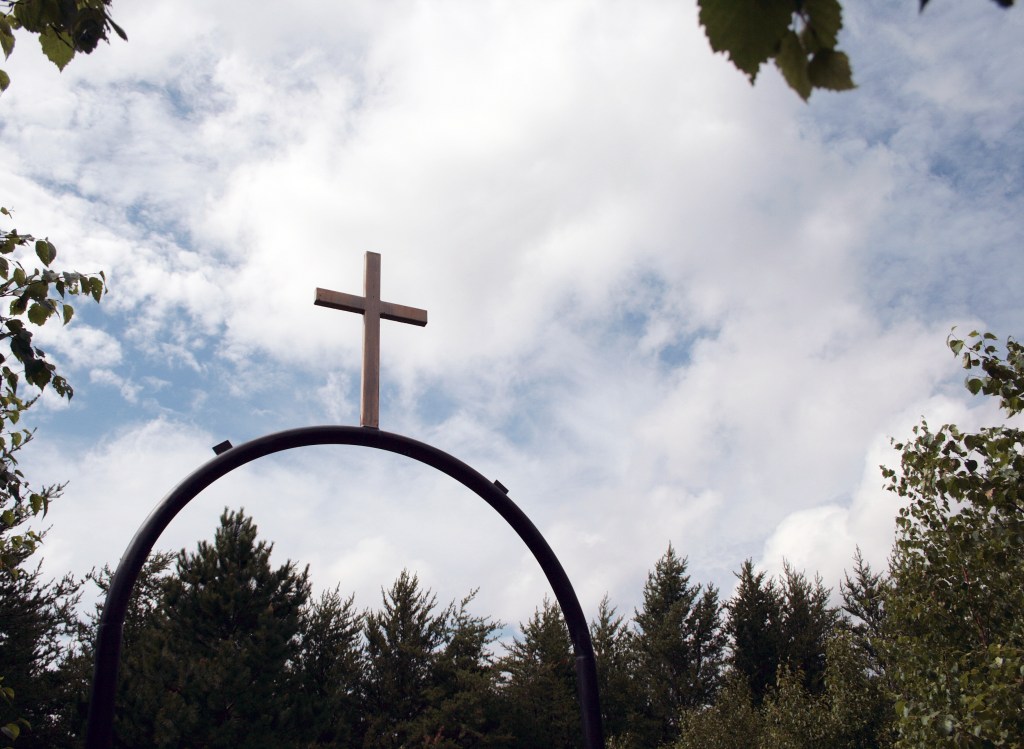
There are a few cemeteries on this list that I have visited many times, either due to their size or proximity to me. Lasalle Cemetery for instance is one of the largest cemeteries in the area. So large in fact that every time I have visited I have focused on a different section to photograph. Another large one, that just so happens to be down the street from me, is Civic Cemetery. This is an active cemetery, and I think has changed the most over time. It has a large columbarium, as well as some lovely winding paths. It’s a lovely rural cemetery. I have many friends of the family that are buried here.
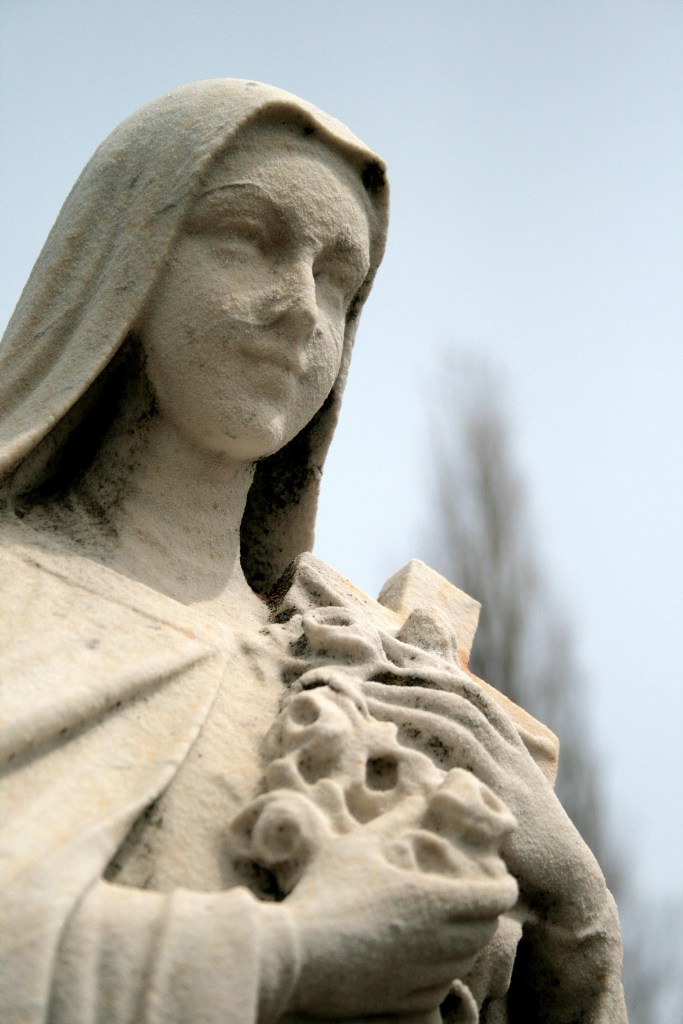
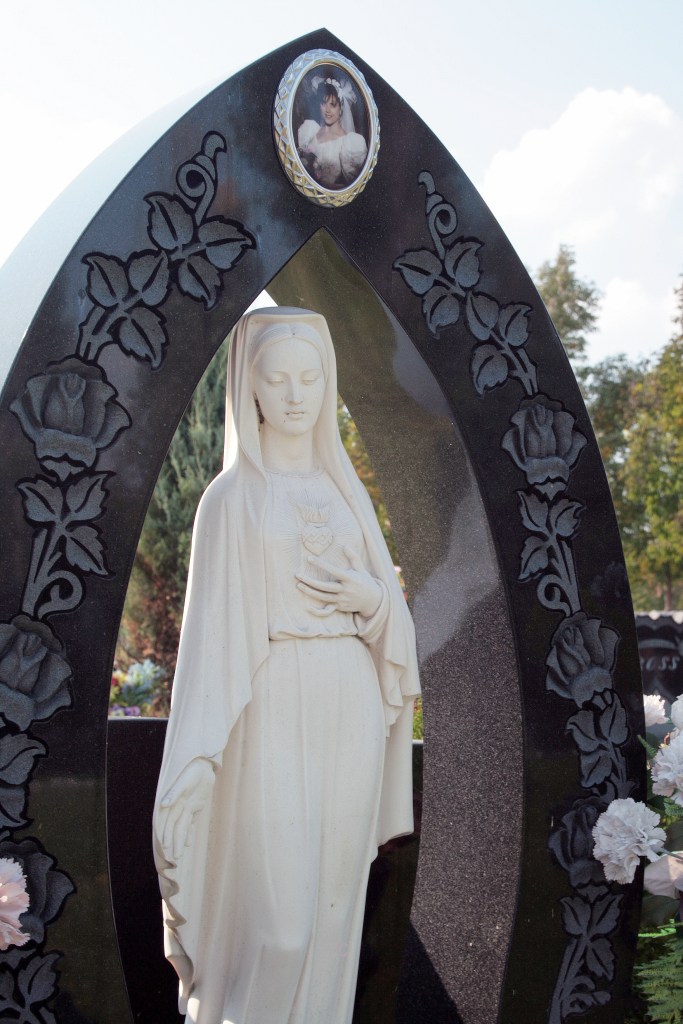
I have enjoyed seeking out all these cemeteries. I feel like I can now say that I have truly explored my city. All these cemeteries hold small threads, connections, that all lead to the creation and growth of my hometown. I have learned a lot about the history of Sudbury, like the stories of some of its founders, the history behind street names, and much more. I would love to spend more time in some of them, to fully explore the grounds, look for specific graves and to see what else I can learn. 

Thanks for joining me, as I look back on this bucket list milestone. Do you have a bucket list? What’s on your list? I would love to read about it in the comments.

Thanks for reading! 


The full list of Greater Sudbury cemeteries:
  1. Anglican Cemetery
  2. Beaver Lake Cemetery
  3. Blezard Valley Cemetery
  4. Capreol Cemetery
  5. Chelmsford Protestant Cemetery
  6. Civic Memorial
  7. Coniston Cemetery
  8. Eyre Cemetery
  9. Good Shepherd Cemetery
  10. Grassy Lake Road Cemetery
  11. Lasalle Cemetery
  12. Long Lake Cemetery
  13. Maplecrest Cemetery
  14. McFarlane Cemetery
  15. Ruff Pioneer Cemetery
  16. St. Jacques Cemetery
  17. St. John’s Cemetery
  18. St. Joseph Cemetery
  19. St. Stanislaus Cemetery
  20. Valley East Cemetery
  21. Wahnapitae Catholic Cemetery
  22. Wahnapitae Public Cemetery
  23. Waters Cemetery
  24. Whitefish Catholic Cemetery
  25. Whitefish Public Cemetery

References:

  1. Greatersudbury.ca
  2. Cemeteries | Greatersudbury.ca
  3. Tales of lives lived | Sudbury.com
  4. Historical mystery: Just how many people were buried at the old Coniston cemetery? | Sudbury.com
A Collection of Books

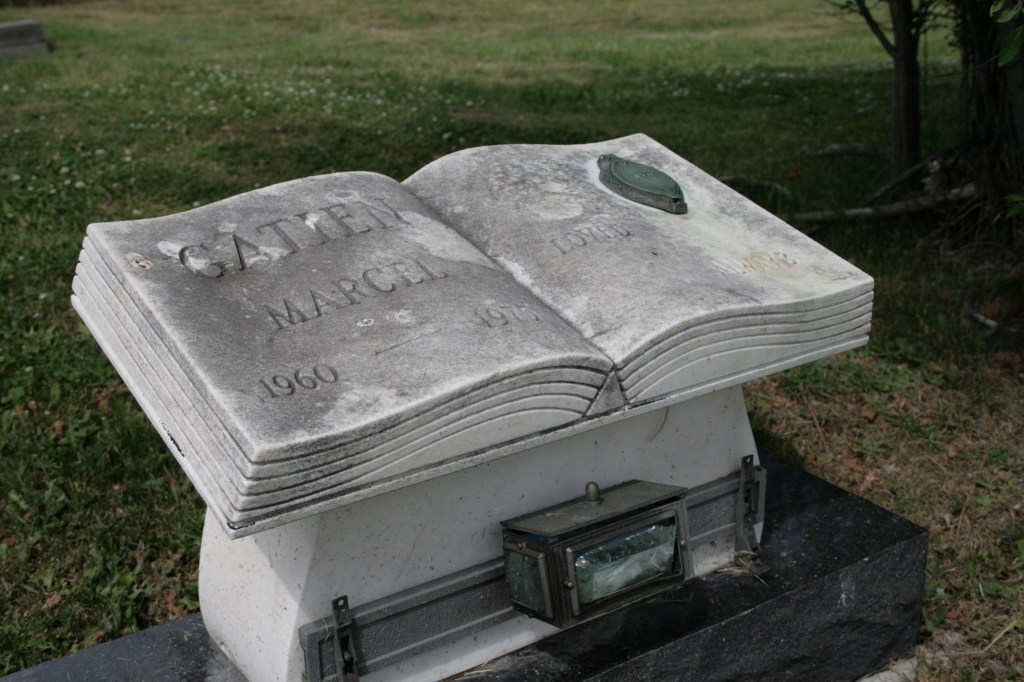
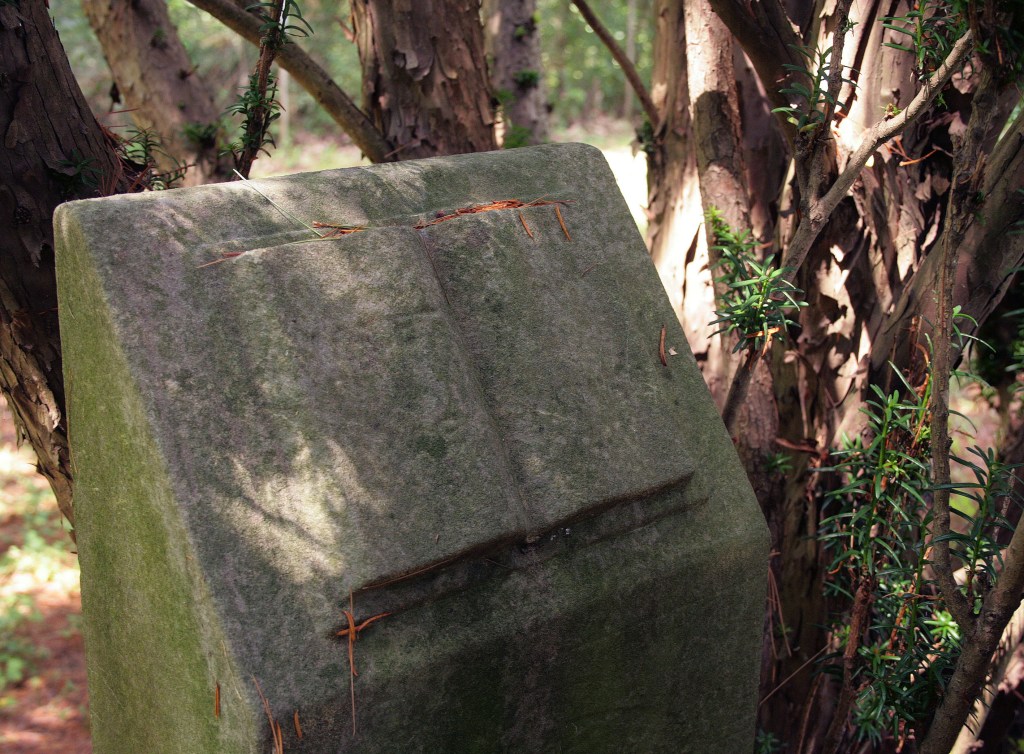
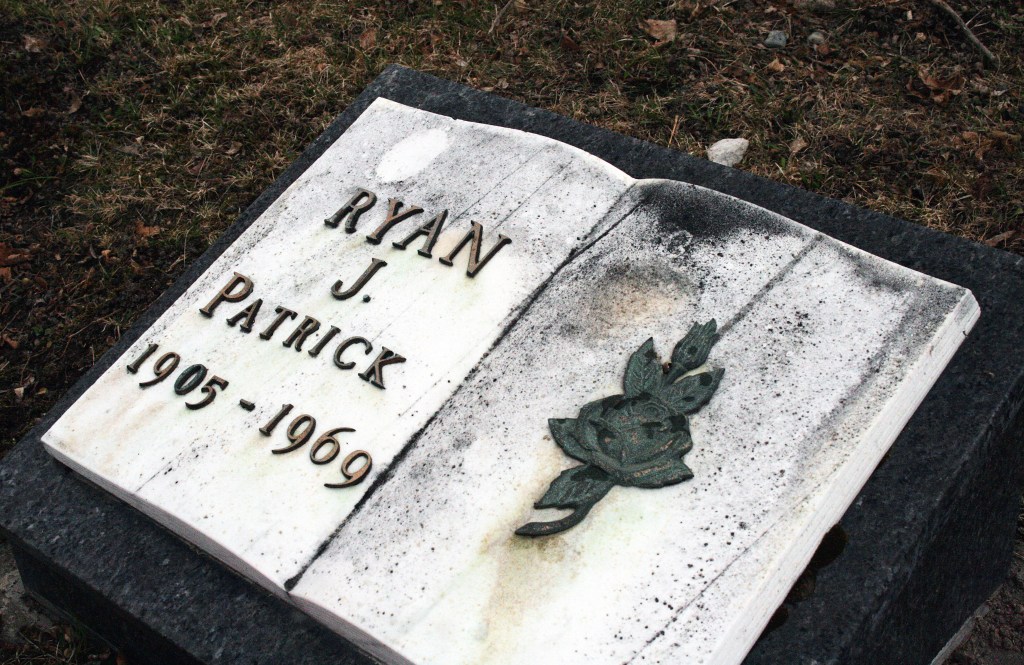
I love books! I am a big reader and have a large book collection at home, but I love finding stone books among the tombstones while wandering a cemetery. I find them very interesting and love trying to interpret what they mean.

Books can be both decorative or a representation of something. You can sometimes find a book being used as a decorative device to display the name of the deceased along with the birth and death dates. An open book can sometimes represent the human heart, as in it’s emotions are open to the world. An open book may also symbolize a life that has been cut short, before getting to the last page. Another variation of this is an open book with a cloth draped across it. This also represents a life cut short, the veil of death having bookmarked the person’s last chapter before the book is finished being written. A closed book might represent a long life, lived to the last chapter.

Any book found in a cemetery may represent the bible. Sometimes you may even find the words “Holy Bible” engraved on the book.

In my experience, books are not as common as some other funerary symbols, like hands and lambs. I love to photograph them when I do find them. I wanted to share some of my favorites with you today.


References:

  1. Understanding Cemetery Symbols: A Field Guide for Historic Graveyards by Tui Snider
  2. Stories in Stone: The Complete Guide to Cemetery Symbolism by Douglas Keister

Visiting cemeteries during a pandemic

I wrote this post around this same time, in 2020, but it never made it to the blog. At that time, the pandemic would have been in full force, just at the beginning of our quarantine. This would also have been one of the first cemetery trips of that year, after a long winter. I think I was just beginning to seriously focus on my website and blog, and I’ll be honest – it was off to a slow start with sporadic posting. That’s probably why this was never posted. I figured since this was written around the same time, only a couple of years ago, it is worth posting now.


Last weekend, I ventured outside to explore a couple of my local cemeteries. It has been a long winter of being cooped up inside, dreaming about summer cemetery road trips. We had our first sunny weekend, so I took advantage. I figured it is also a safe place to practice physical distancing during these weird times.

The first stop I made was at the Civic Memorial Cemetery, also known as Sudbury Municipal Cemetery. This cemetery is right down the street from me, and the one I have spent the most time in. As a kid, I would spend a lot of time walking around this cemetery looking for ghosts. It’s a newer cemetery, with modern stones and newly built mausoleums. The entrance to this cemetery was recently renovated when they widened Second Avenue. They installed a shiny new archway, similar to the archway at Lasalle Cemetery. They also cleaned up the winding path that leads into the cemetery. I have close family and friends in this cemetery, so I paid them a visit. I also stopped to take some photos of one of the more interesting monuments in this cemetery. The resting place of, I think, the founder of Ellero Monuments, a local headstone maker. The monument is a very detailed sculpture of a man sitting on a rock-cut with tools in his hands, working on breaking the stone. It’s very large and encased in a plexiglass box. To really see the detail, you need to almost press your face against the plexiglass. Over the years the box has become clouded, giving it a spooky silhouette.

The second cemetery I visited was the Lasalle Cemetery. One of the larger cemeteries in my city. I try to visit different parts of the grounds every time I visit since it is so large. This time, I focused on the stones closest to the street. There are many smaller statues among the stones there. Unfortunately, this cemetery has the most toppled stones, either because of vandalism or ground shift. There is a mix of modern and old stones here, and many feature cameos; ceramic photographs of the deceased.

My last stop of the day was Eyre Cemetery, the oldest and my favorite of my local cemeteries. It’s a smaller one, filled with only older stones. At this point, the weather had changed on me and was drizzling a little bit, but I did not let that stop me. I wandered the entire left side of the grounds, in search of a few Find a Grave requests. I came up empty-handed though. Some of the stones are so worn that they are not legible. I hope that I did not pass them by because of this. I will need to go back and make some inquiries with cemetery staff, to make sure they are not forgotten. The rain started to pour down more heavily so I decided to pack it in at that point.

Overall it was a lovely outing. I got some exercise and fresh air, as well as some new photos. Surprisingly, I did see a lot of people out and about. The groundskeepers were busy maintaining the grounds at each cemetery I visited, and there were visitors at each cemetery as well. I guess in these quarantine times, cemeteries, which are usually quiet and mournful, are being used more as a green space. I saw an elderly couple strolling arm in arm and people walking their dogs. It was different for me, as I tend to be the only living person when I visit.


Looking back, it seems as though many people were discovering cemeteries. I hope those who may have thought it taboo to visit cemeteries, found that they are beautiful green spaces and outdoor art galleries. I think a lot of people were forced to look into their own backyards during quarantine, to find outlets while things like travel were not possible. I know I was very grateful that one of my favorite pass times was still available to me. I was even able to share my love of cemeteries with my mother! Even though COVID-19 restrictions have been lifted in my area, I think I will be staying close to home again this summer.

Did you spend a lot of time in cemeteries during the height of the pandemic? Did you discover any new cemeteries? I would love to hear your thoughts in the comments.

Thanks for reading!

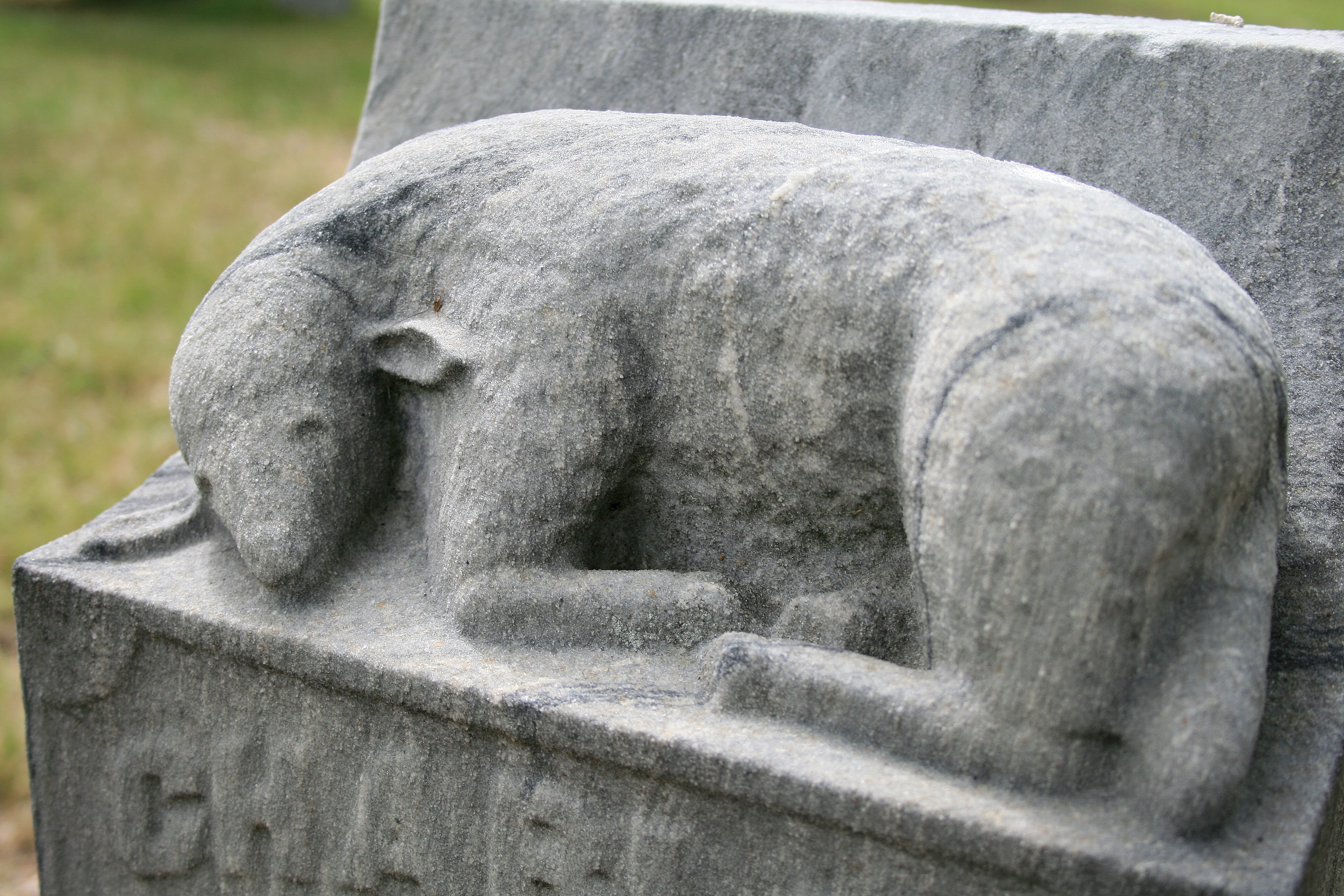
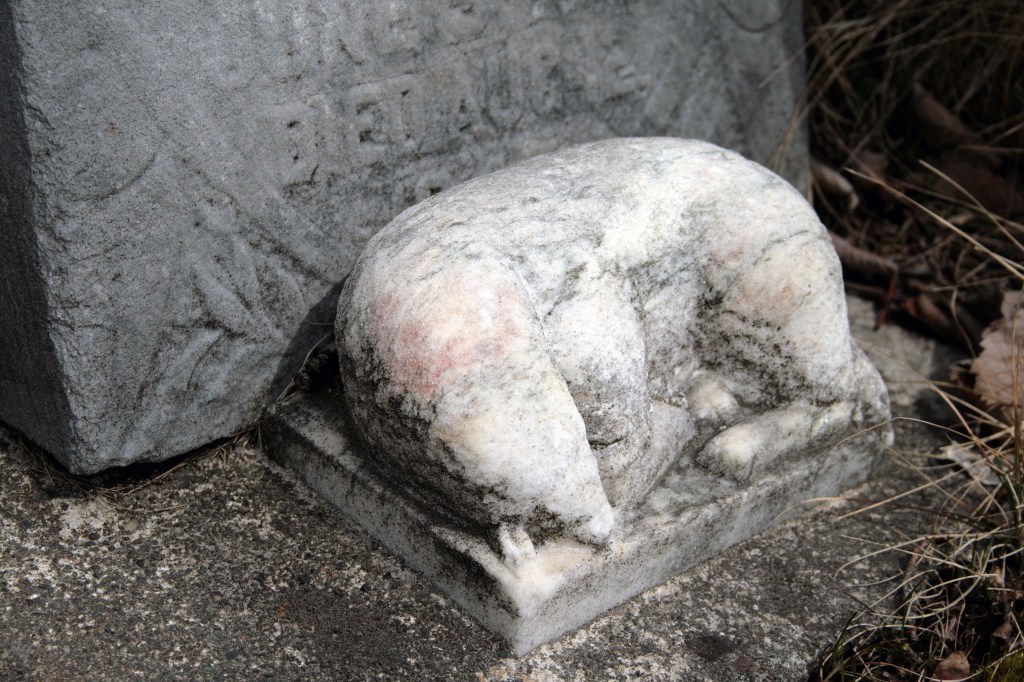
A Collection of Lambs

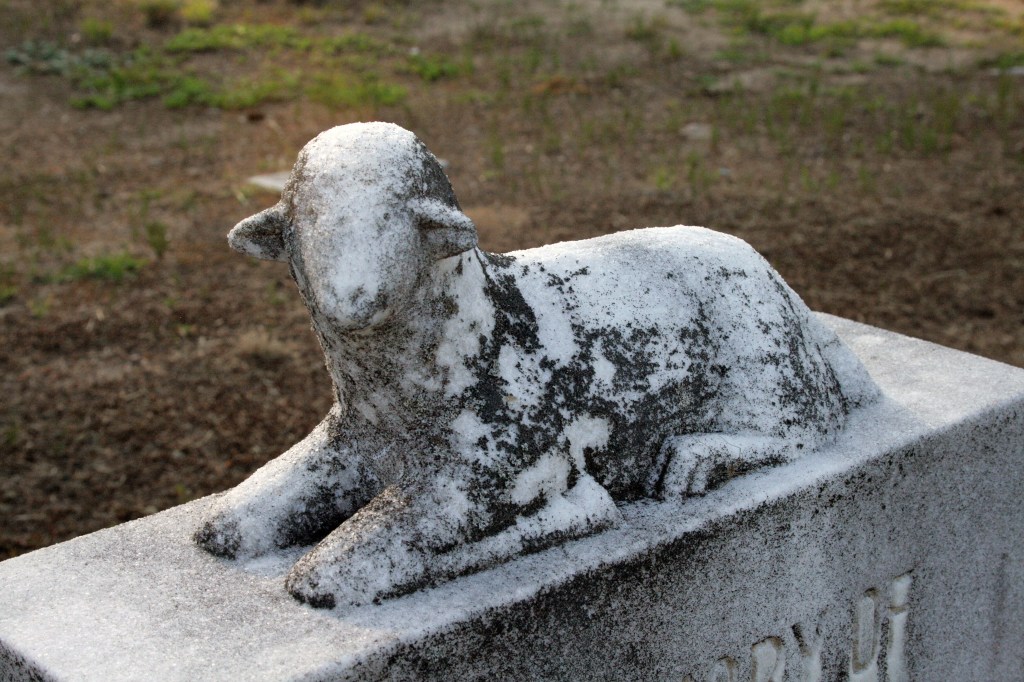
I love exploring cemeteries and looking at the different symbols used on tombstones. If you spend a lot of time in cemeteries, especially in Northern Ontario, you will start to notice the repetition of certain symbols and motifs. One of the most common symbols I find, is the lamb.

Lambs represent innocence and sacrifice, as they were often used in sacrificial ceremonies in ancient times1. Most often you will find lambs on the gravestones of infants and children, as Jesus is often depicted as a Shepherd, and also known as the “lamb of God”. Some variations can be found with lamb symbolism. A robed figure with a standing lamb beside it most often represents John the Baptist, who had called Jesus the “lamb of God”1. A lamb with a cross is known to represent the Lamb of God or Agnus Dei2, symbolizing the suffering of Christ as he sacrificed himself for the sins of mankind. Several other symbols may be found with a lamb to symbolize the lamb of God – such as a banner, halo, shepherds crook, and alpha and/or omega symbols2. A single seated lamb symbolizes an innocent soul. A seated lamb can sometimes be found sitting in front of a tree stump, this often symbolizes a life cut short. 

Finding lambs is often sad, but they are a beautiful symbol. I have photographed many over the years and wanted to share some of them with you today. 

Eyre Cemetery, Sudbury ON ©2011


References:

  1. Understanding Cemetery Symbols: A Field Guide for Historic Graveyards by Tui Snider
  2. Stories in Stone: A Field Guide to Cemetery Symbolism and Iconography by Douglas Keister

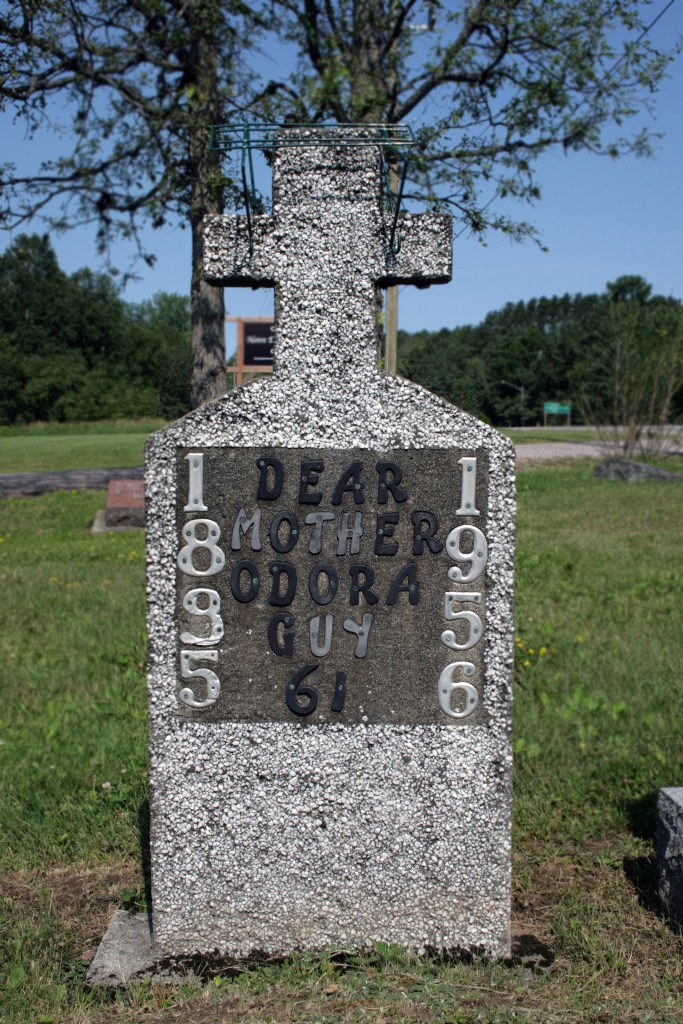
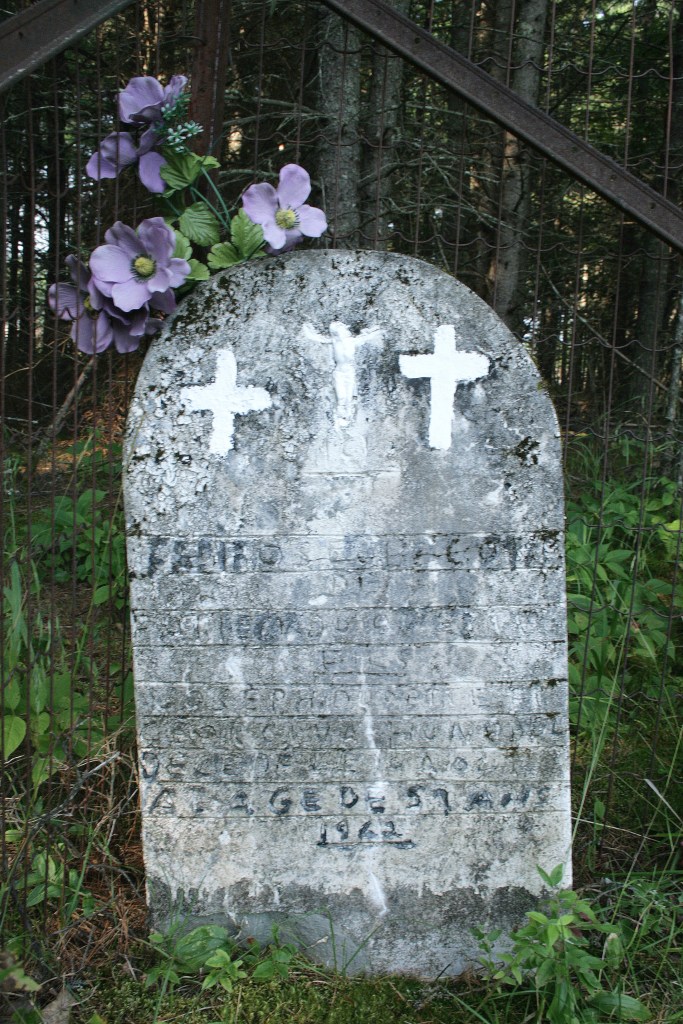
A Collection of Handmade Stones

If you spend a lot of time in cemeteries, especially in Northern Ontario, you will start to notice the repetition of certain symbols and motifs. In Ontario and Quebec, something I have come across frequently is handmade stones.

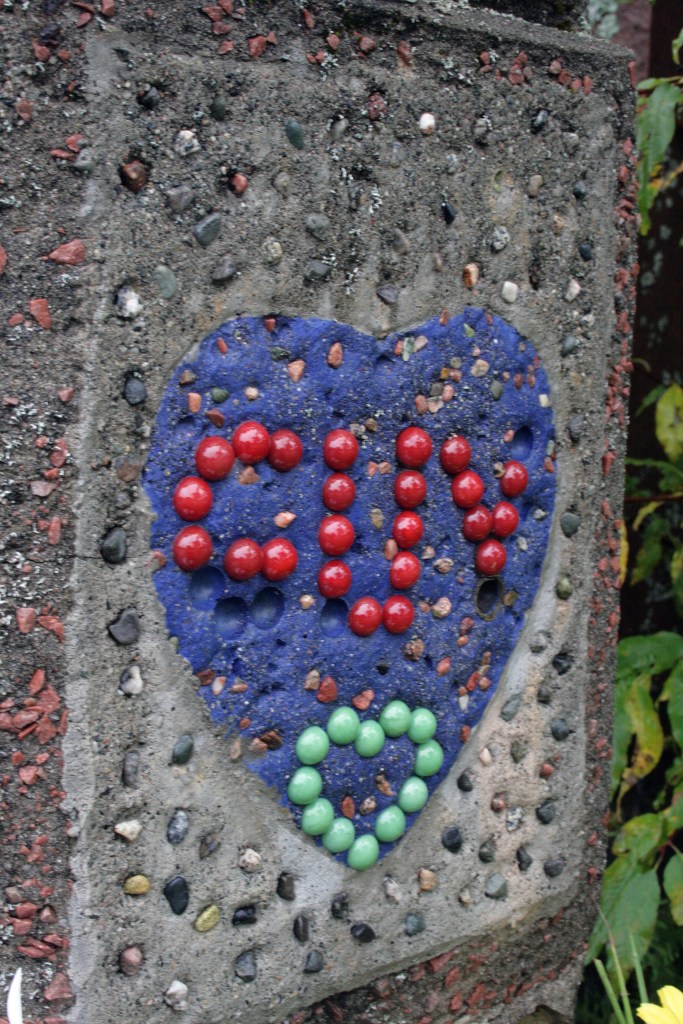
These stones have been lovingly hand-poured in cement, adorned with crucifixes, stones, and other baubles, and usually have hand lettering. They are beautiful representations of love for those who have passed. There could be many reasons why a handmade stone was created, and each one is unique and beautiful with its own charm.

I love finding handmade stones and have photographed many over the years. I wanted to share some of them with you.

Haunted Sudbury

Spooky season is upon us! 

Let’s be honest, visiting cemeteries can sometimes be a little bit spooky, and for the most part hauntingly beautiful. The weather is cooler, and the leaves have turned from green to red, gold, orange and brown. I love visiting cemeteries in the fall. I always look forward to doing to some leaf peeping! As you may have guessed, fall is my favorite season. 

Halloween is only a few days away, so I wanted to talk about a project I worked on that might help you get into the season.

In 2017 I worked with local author, Sarah May, on bringing her book Haunted Sudbury: 101 true accounts of the paranormal to life. This book features 101 stories of local supernatural occurrences, as told to Sarah May. It’s filled with wonderfully spooky true stories of weird experiences and ghost sightings as well as true crime accounts that left their imprint on our small town. 

Here is the book synopsis:

Haunted Sudbury is a collection of true eye-witness accounts of the paranormal. Experience a different side to the city you don’t hear about everyday

  • ‘Lady in White’ haunts a downtown restaurant after a ghastly murder
  • A ‘Starship’ is spotted in the air above Vale’s tailings dam
  • Mysterious man walks out of a snow bank and bids a final farewell
  • Deceased loved one communicates to his girlfriend through a stereo
  • Local high school teacher saved by a ghostly warning
  • Wife envisions her late husband catch a limo lift to the next world

Violent death. Lost loves. Haunted places. Haunted Sudbury has it all. Pick up a copy and prepare for a spine-tingling good read.”

Below is the image used on the book cover, with a little ghost manipulation added to it. This image comes from Eyre cemetery, one of the oldest cemeteries in Sudbury.

I loved working on this book, designing the layout and cover, and creating the illustrations. I was extremely excited when Sarah asked me if I wanted to include some of my cemetery photography. Nine of my photos can be found at the back of the book, in black and white. It was really exciting to see my photos in print. And still is! 

The book launch for Haunted Sudbury took place at a local restaurant, the site of a murder that is described in the book, and is also reported to be haunted. The night of the launch was also held on the anniversary of the murder. Medium Jay Lane was also in attendance, and gave readings and spoke about the restaurant and what she felt. It was a very interesting experience and a great turnout!

Haunted Sudbury is not available in print at the moment, but Sarah May has another book in the works, that should be coming out soon.

Here are some links from the book launch:

Have you read Haunted Sudbury? Do you believe in ghosts? I would love to read your thoughts in the comments.

Thanks for reading!

Crosses for Change

A few weekends ago I visited Crosses for Change, a large roadside memorial that has been making headlines in the local news. 

It started with one white wooden cross, representing a life taken by opioid addiction. More and more white crosses are added almost every day. 

This sea of white crosses can be found in the downtown core, on the corner of a busy intersection. It stands as a memorial to those lost to the current opioid crisis.

This haunting memorial has definitely made an impression on people, in some very different ways. For some it stands as a call to action against the opioid crisis. For others, it is a place of mourning—a place to grieve for lost loved ones. For our cities homeless population, it is a grim and constant reminder of their current struggles. 

I am reminded of a quote I heard a long time ago, although I don’t remember where I heard it from; “Cemeteries are not for the dead, they are for the living”. I think about this almost every time I visit a cemetery. This roadside memorial to me, is a good example of this. These crosses represent the memory of a person, but there are no bodies here. They are buried in cemetery plots, within cemetery gates. But this little field of white crosses, for all intents and purposes is a cemetery—in downtown Sudbury. 

For further reading on Crosses for Change and the opioid crisis in Sudbury: