During my two-week vacation, something unexpected happened. While touring around the winding roads of St. Joseph’s Island, I found a Pet Cemetery.
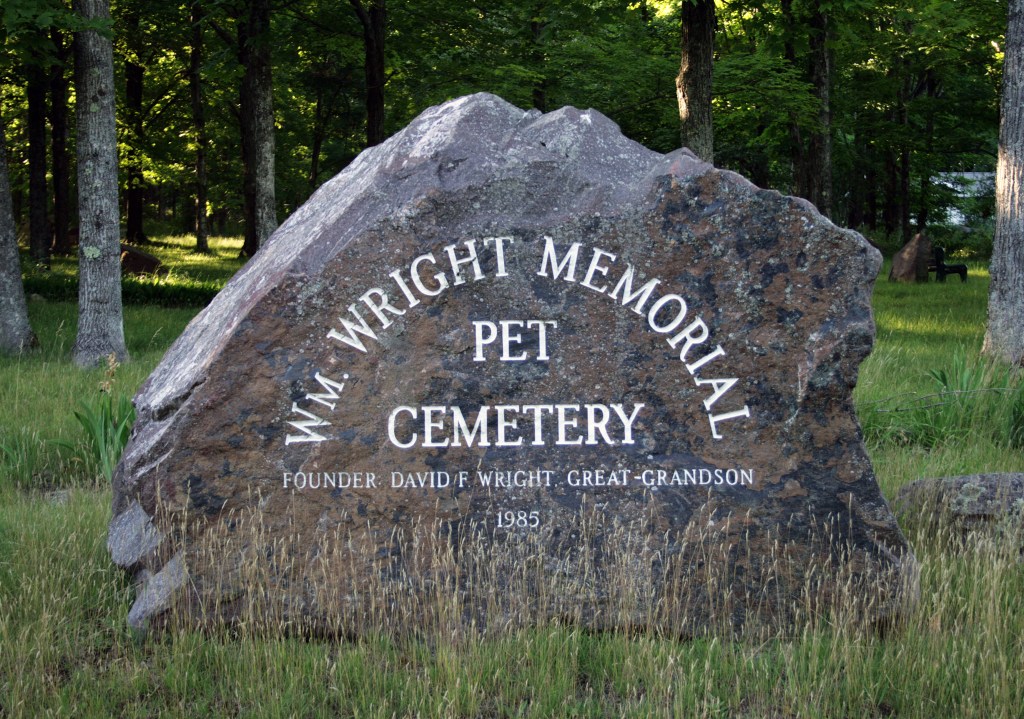
I had researched the area before my trip and had marked off every cemetery on the island, with the hopes of visiting them all. I had not read anything about a pet cemetery, so I was very surprised when I noticed a large stone with the words “Wm. Wright Memorial Pet Cemetery” engraved on it. I quickly pulled over to the side of the road and made a three-point turn. My mother, who was traveling with me, was just as surprised as I was when she saw the cemetery sign.
The William Wright Memorial Pet Cemetery sits on land that was once the site of a Presbyterian Church. The Church suffered a fire, and from my understanding, the cemetery behind this church was moved to a cemetery further down the road. The land was inherited by William’s great-grandson, David Wright, who started the Pet Cemetery and named it after his Great Grandfather, in 1985. Today, the cemetery is cared for by the St. Joseph Lions Club.1
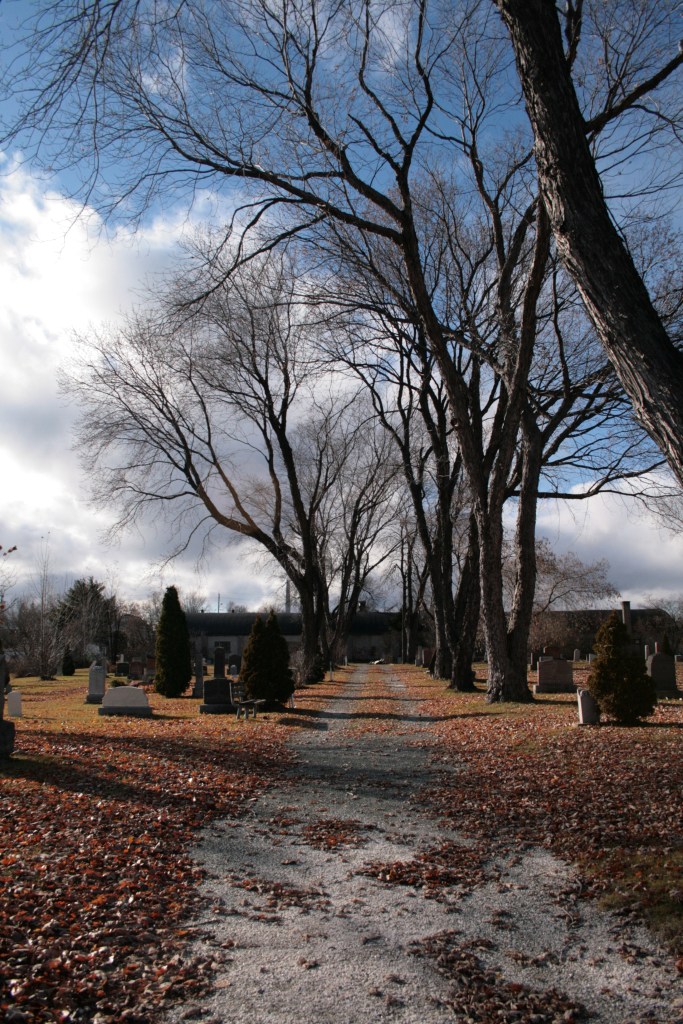
This beautiful cemetery is surrounded by large maple trees. It has a little chapel and even its own little receiving vault, also known as a dead house. When the Lions Club took over the care of the cemetery, they converted a shed to accommodate two freezers for winter storage.1
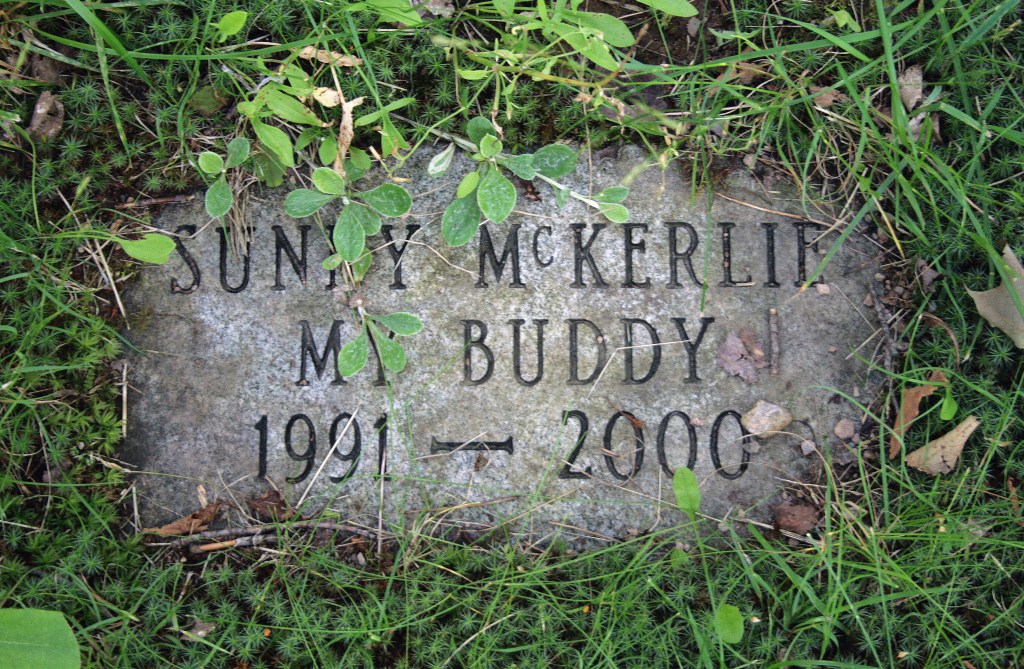
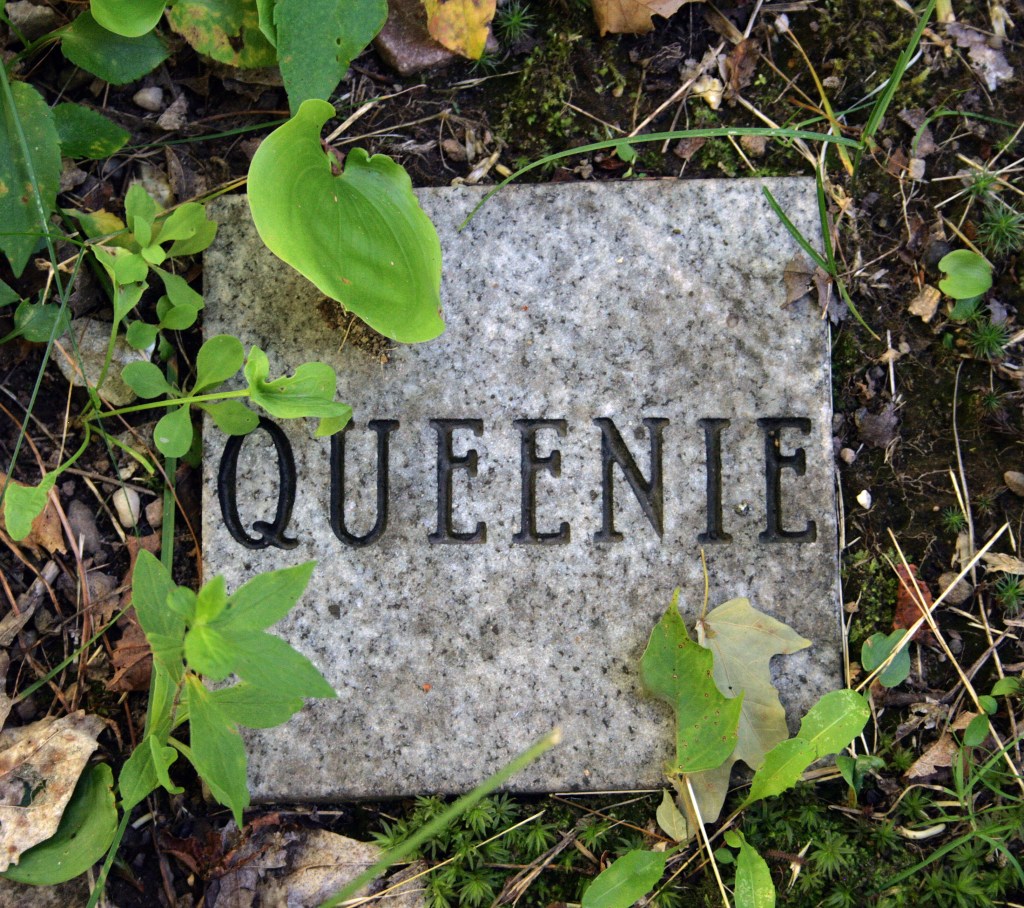
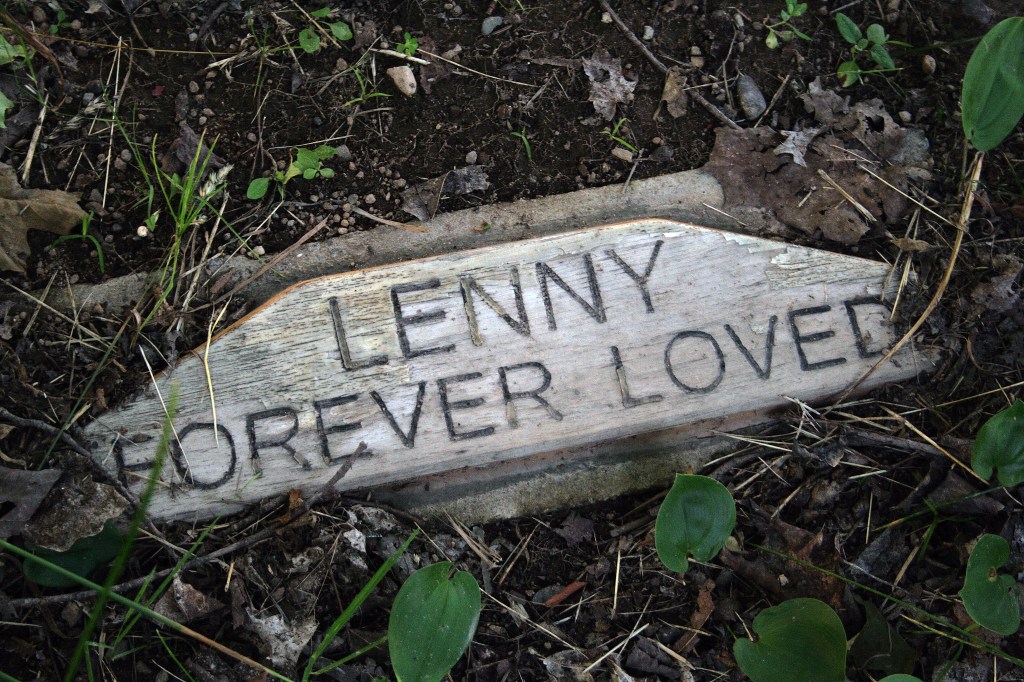
This was my first time visiting a pet cemetery. There is a mix of flat grave markers, homemade crosses, and other types of homemade gravestones that looked to be laid out in sections. I was affected immediately by the love and care that was taken to memorialize these animals. They were not just animals, but furry family members and beloved pets.
Some of the markers only bared names, while others had etched portraits or had loving epitaphs inscribed on them. The epitaphs got to me the most —things like “My Buddy” and “Forever loved”. Seeing these kinds of things inscribed on a tombstone for a pet, some of which were only in this world for a short time, was incredibly heartbreaking. I don’t usually have this sort of response in cemeteries and was a little surprised at how hard it was for me to read each stone.
Although it was an emotional experience for me, I was thrilled to be able to visit a pet cemetery. I think that they are growing in popularity, but they are still a fairly rare thing. After a little research, I only found information for eleven of them in Ontario, including the one I visited. I did try to visit a pet cemetery a few years ago, in Sault Ste Marie. But, we were unable to find it, and I have since been able to find out very little more about it. I would love to be able to visit more in the future. They are incredibly beautiful places.
Have you been to a pet cemetery before? What was your experience like? I would love to read about your experiences in the comments!
Summers in Northern Ontario are very short, so you need to make the most of them. Before long we’ll be knee-deep in frozen snow. But let’s not think about that right now!
I just got back from a lovely two-week vacation. My fiancé and I were finally able to visit some family and friends we haven’t seen in 3 years, due to COVID-19. It felt almost like a normal vacation. We traveled a wee bit, and of course, I visited some cemeteries!
My vacation was split into three different trips. I went camping at Algonquin Provincial Park with my 80-year-old mother. She hadn’t been camping in about 40 years. We only stayed for one night, but we had all the camping experiences; cooking on a fire, making s’mores, sleeping in a tent, and spending some time at the lake. We also took the opportunity to try finding the grave of Tom Thomson, a famous Canadian painter, who died mysteriously on Canoe Lake. You’ll be able to read more about that adventure in an upcoming blog post.
My fiancé and I, also took some time to visit Southern Ontario and visit family and friends, that we haven’t seen since before the pandemic. We toured the city a little bit, had some great food, and spent some quality time together. We even got a chance to visit some cemeteries. My fiancé is not very interested in visiting cemeteries, but he is very supportive of my love for cemeteries. I think he may have enjoyed hunting for them as we drove back home. We stopped at a few interesting ones that were along our route.
I also took some time to visit St. Joseph Island, the historic fort, and the bird sanctuary. My mother came along with me for that little trip as well. We toured the island and explored. We did some hiking and visited the beautiful Adcock’s Woodland Gardens. We also visited a lot of cemeteries, including a pet cemetery. That was a first for me. You’ll be able to read all about that adventure in an upcoming blog post as well.
I made sure to plan some buffer days to just relax and recoup between heavy days of driving, where I could spend some time with my fur babies and get ready for the next adventure. I also scheduled some days just to do nothing—but those days filled up fast with spontaneous things. Overall, it was a great vacation! I managed to visit 16 cemeteries, reconnect with friends and family, and recharge my batteries.
It was a wonderful break from work and my normal routine, but now it’s time to get back to it! I am feeling refreshed and am looking forward to writing about my vacation adventures and editing the hundreds of photos I took. I am also really excited about an upcoming special project and am currently playing around with some new ideas for the blog. I was starting to feel like my creative juices were stalling a little bit, but having a break has helped me reset and look at things with fresh eyes.
I hope you can take some time for yourself this summer if you haven’t already. Even if it’s only a long weekend. It’s so important to take the time to refresh and revitalize. To take your mind off work and just enjoy your family, friends, and nature or whatever else that makes you happy!
I haven’t posted a road trip story in a little bit, so today I wanted to share my adventure of finding a cemetery via railroad tracks!
It was back in 2020, amid the COVID-19 pandemic. Social bubbles were very much in place and almost everything was shut down. There was not a lot to do that summer. BUT visiting cemeteries is always a viable option! My fiancé and I, and our close friends whom we had been bubbling with (that’s an odd to say), decided to go on a little adventure to try and find two cemeteries in Spragge, Ontario.
The little town of Spragge found its beginnings in 1882 but was originally named Cook’s Mills. It was a self-sufficient town of about 350 residents all built around the sawmill. In 1895 the whole operation was sold, and the village was renamed Spragge, after the township. When the depression hit, the mill closed in 1932. That same year, there was a devastating fire that burned almost the entire village to the ground. This caused a lot of folks to leave town, although a few remained and tried to rebuild. The mill never did re-open, and now there only sit about a dozen homes within the small village limits of Spragge.1 Two cemeteries remain, the Spragge Catholic cemetery and the Spragge Protestant cemetery.
This adventure would take us a little over an hour and a half on the road to get to Spragge. Our little group made a day trip out of it. We stopped at a diner and safely had lunch outside on the patio. We asked some of the locals about the cemetery. The stories we heard were pretty interesting. We were told that the owners of the property where the cemetery sits, do not like visitors and consider them trespassers. They talked about how this causes some tension between the townsfolk who want to visit their relatives, but are barred from doing so. The community was trying to get free access to the cemeteries. We were also told that the property owner was known to brandish a shotgun! We were a little put-off by the stories, but we were determined to take a look for ourselves.
After our slightly uncomfortable lunch, we continued on our way with directions by Google Maps. We turned off the main road onto a side road and what looked like a parking area. My fiancé was completely put-off by the stories we were told, he was also not as enthusiastic about visiting the cemeteries as we were, so he waited in the car and played look-out.
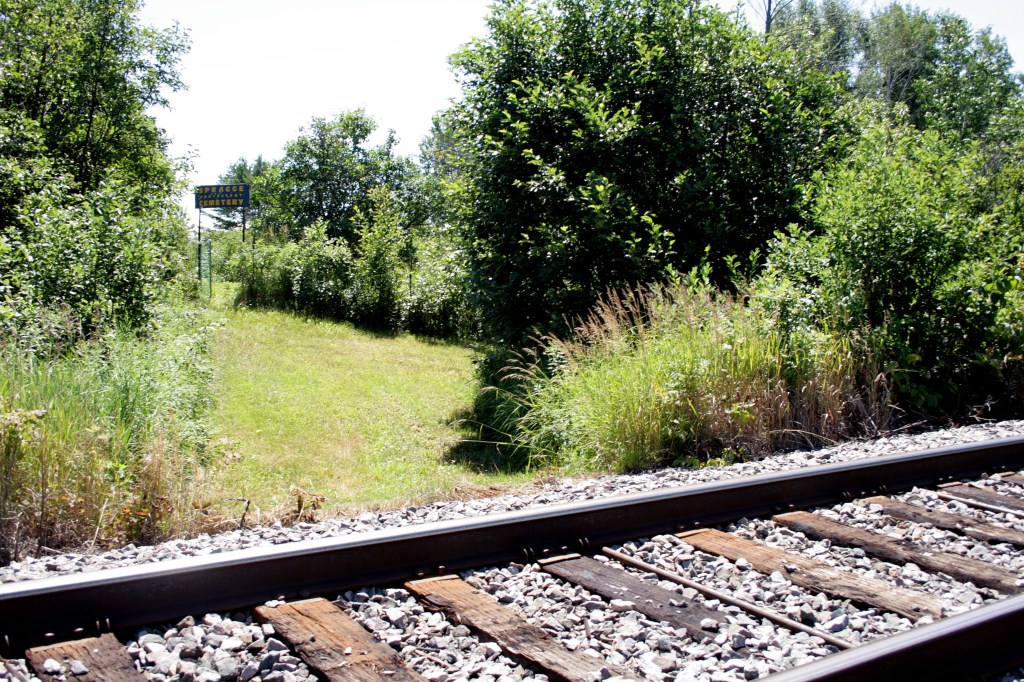
The rest of us began tentatively walking down the dirt road. When it opened up and we could see it was a driveway leading directly to a house, we decided to turn around and try a different approach. We had crossed a set of train tracks, that ran parallel with the main highway. After consulting Google Maps, it looked like we might be able to access the cemetery at a clearing just off the train tracks. We decided to try that. We chose a hot day to walk along the train tracks, but it ended up only being a short walk. On our left, a little clearing opened up which lead into the cemetery.
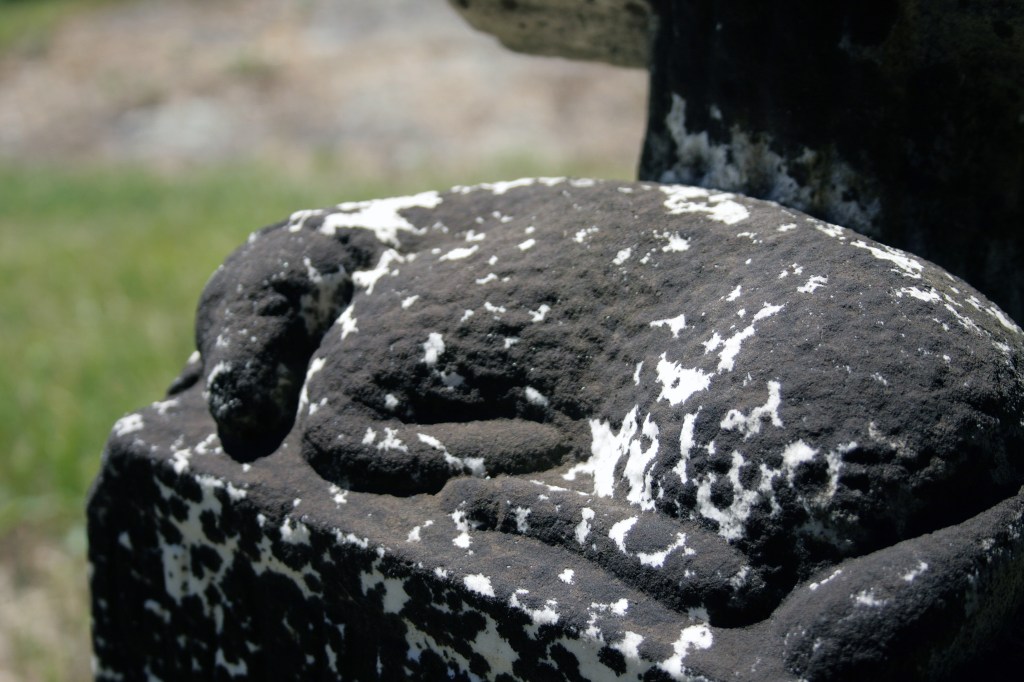
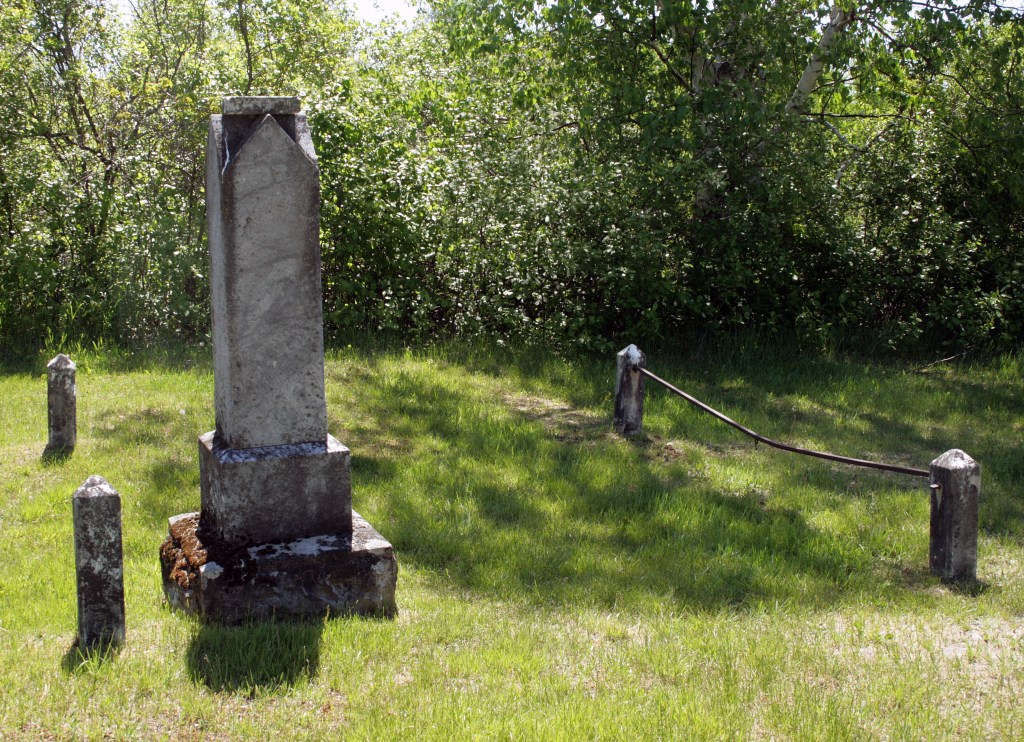
We had found the Spragge Protestant cemetery! We took some time to wander the grounds and look at the beautiful stones. It was a smaller cemetery and looked to be well-maintained. Not at all what we had pictured in our minds. We had been under the impression that the cemetery was abandoned and in disrepair. Some of the stones were too worn to be read, but some others were still in great condition. Some of the common cemetery symbols we found were clasped hands, obelisks, and little lambs.
After we explored a little bit, we tried to find the Spragge Catholic cemetery. According to my friend’s research, it should have been very close to where we were. We branched out a little, exploring the oddly well-kept lawn that snaked in between clumps of trees. We were nervous about getting too close to the house or going in full view of it. After a little more wandering, with no luck, we decided to turn back and reunite with my fiancé, who was patiently waiting in the car.
We were very happy to have at least found one of the cemeteries, and we vowed to do a little more digging and return in the future to find the elusive cemetery. It was still a fun adventure, after all exploring is half the fun.
But that’s not the end of the story!
This past winter I was busy uploading photos to Find a Grave and uploaded some of my photos from Spragge. A woman reached out to me, looking for coordinates for the Spragge Catholic cemetery, as she has family there. I passed on all I knew, and let her know we were not able to find it. She had also heard about the access issues, but since she was a relative was hoping the property owner would be understanding. She later contacted me and gave me an update. She was able to locate both cemeteries and visit her family. It turns out the town of Spragge did not want the expense of maintaining the cemeteries, and a private owner requested to take it over and purchased the property. When he is not in town, he has entrusted maintenance and upkeep to another property owner in the immediate area—who also happens to have loved ones buried in the cemeteries.
I also had another person reach out about these cemeteries. They have turned out to be pretty popular locations. This time, the person who reached out was searching for the location of the Spragge Protestant cemetery. He had visited the Spragge Catholic cemetery but did not find the other. We exchanged information. I shared everything I knew about the one I had visited. In return, he shared the exact coordinates of the Spragge Catholic cemetery and the contact information of the property owners. If we had searched closer to the water’s edge when we were there, we would have found it. So close!
I’m still a little confused about the stories that the folks at the diner told us, about the owners brandishing shotguns. From what I heard from both people who reached out, the owners seem very kind and willing to allow visitors into the cemetery. Although one had also heard about the access issues. Were there issues at one time? A misunderstanding maybe? Or maybe it was just some locals trying to scare away visitors? That mystery still remains…
Armed with all this new information, I will have to make another trip out to Spragge to visit the elusive Catholic cemetery. I love how this little adventure turned out because it showcases how interesting cemeteries can be. Cemetery mysteries are very much a part of the fun, and the fact that the cemetery community is so willing to share information and come together to solve these little mysteries is heartwarming.
Have you ever visited the cemeteries in Spragge? Do you have a cemetery mystery you would like to share? I would love to read about it in the comments.
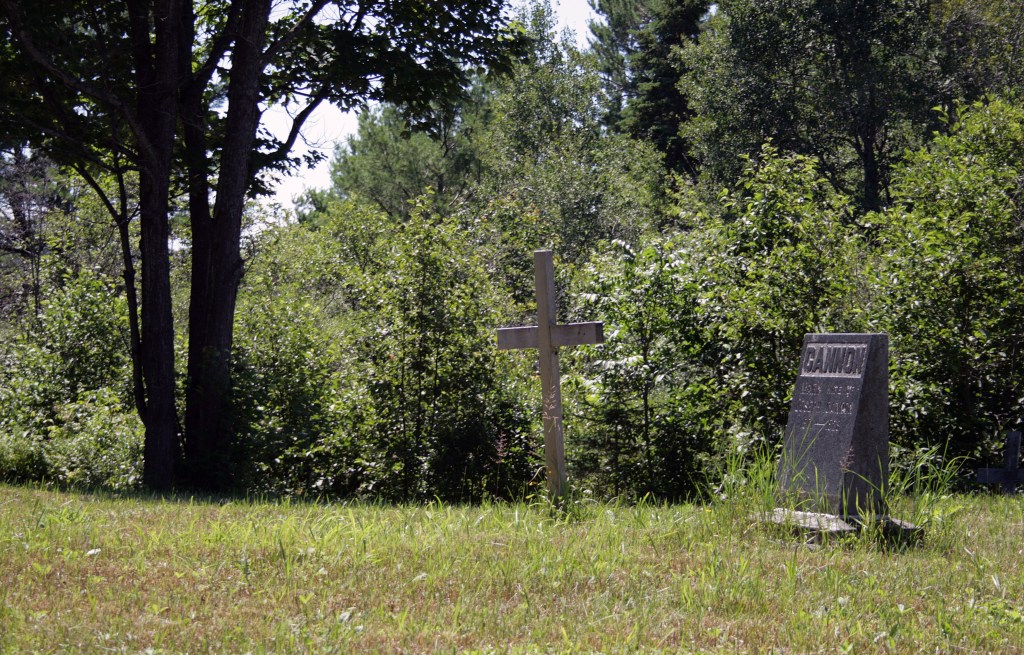
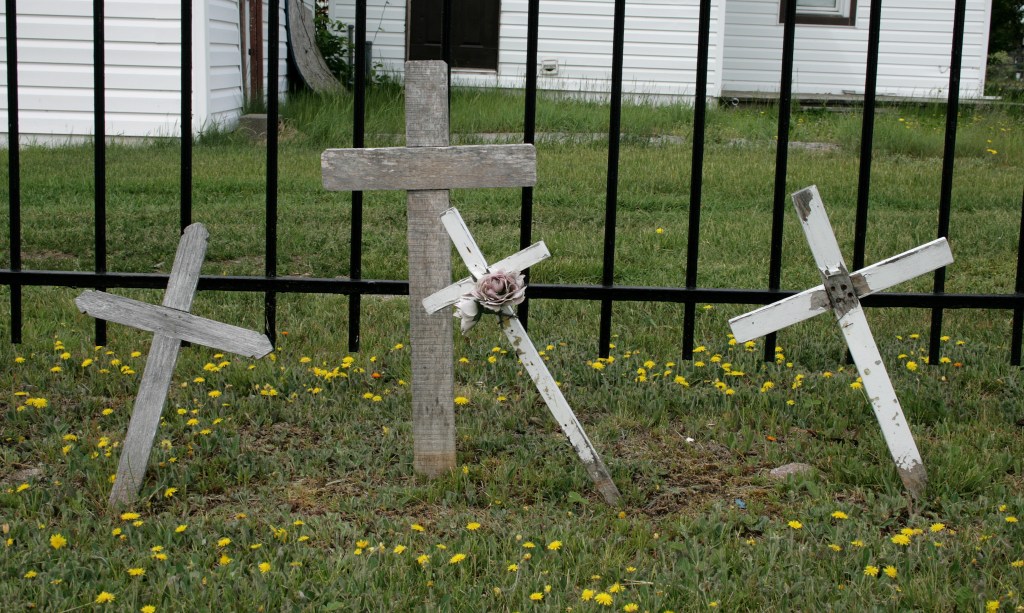
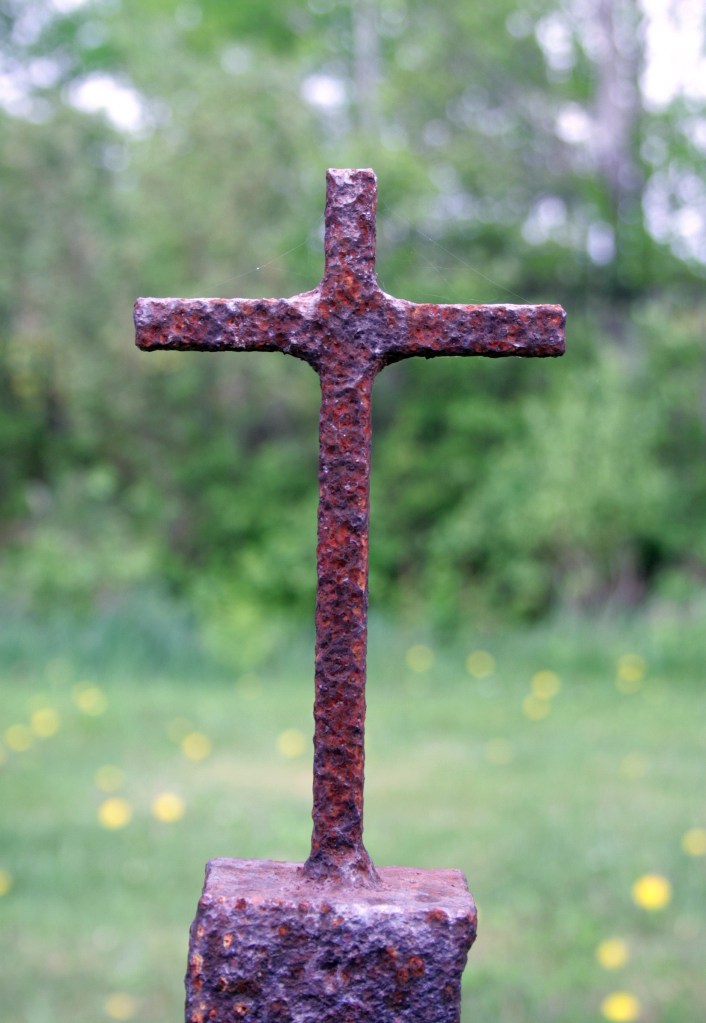
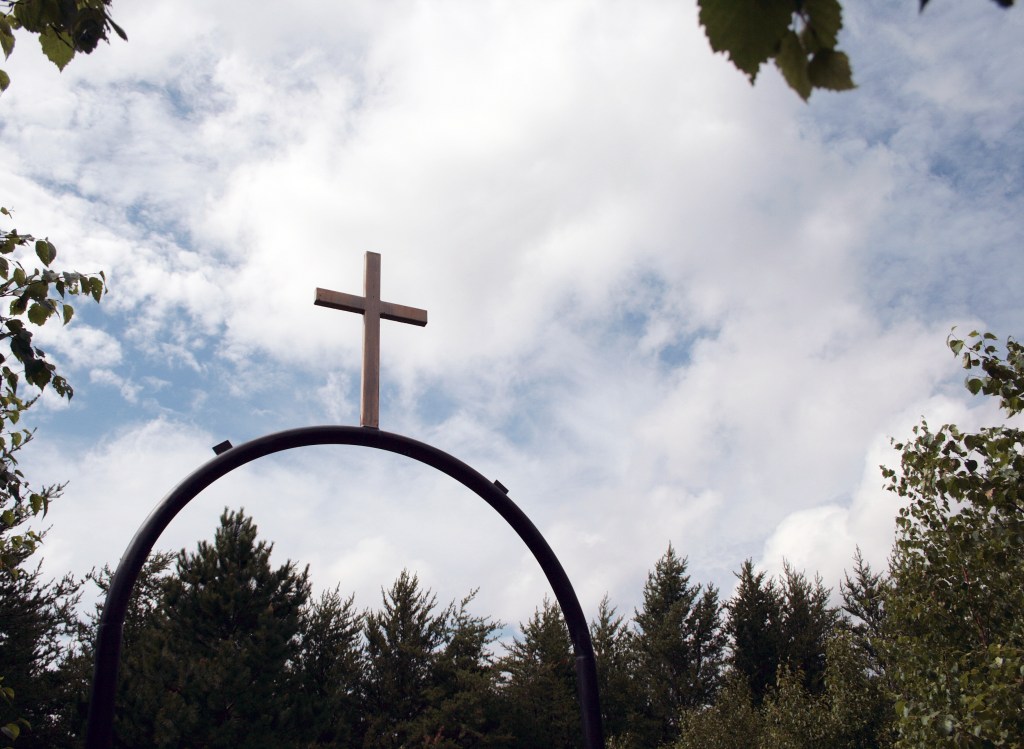
Crosses have to be the most easily recognizable and common symbol found in cemeteries and funerary art. There are so many variations of this Christian religious symbol. Since crosses are so common, you may think if you have seen one, you’ve seen them all—but I would beg to differ!
Today I wanted to take a closer look at this funerary symbol and share some of the many crosses I have photographed over the years.
First off, let’s look at the difference between a cross and a crucifix, as they are not the same thing. A crucifix shows the body of Jesus nailed to it, while a cross does not.
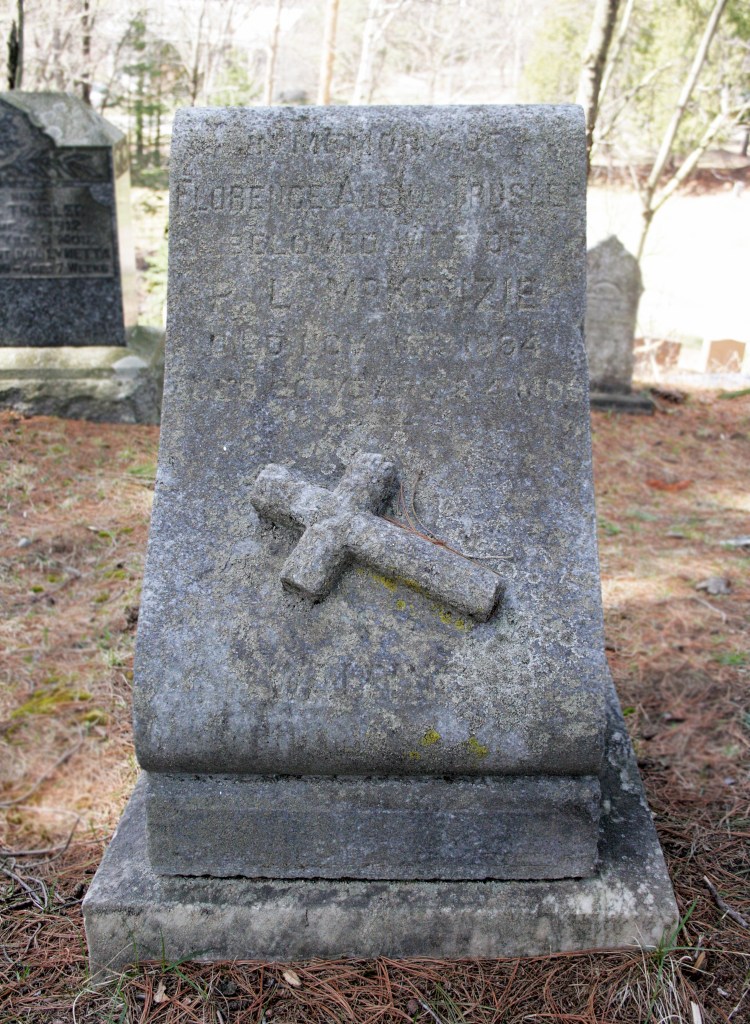
A Latin cross is probably the most common cross found in cemeteries. This cross has no embellishments. It is sometimes called a Protestant cross, because it can represent Jesus as risen, instead of focusing on his suffering on the cross.
A Celtic cross is easily recognizable. It usually has a Celtic knot pattern engraved on it and also includes a nimbus, a distinctive circle that represents the union of heaven and earth. These crosses are often found at the graves of those with Irish heritage.
In the example below you can also see the letters IHS in the center. This is sometimes called a Christogram. There are a couple of different theories about what the letters IHS stand for. One theory is that it is an abbreviation of the Latin phrase “in hoc signs vines” (In this sign you will conquer), another line of thought is that it’s an abbreviation of the Latin phrase “Jesus Hominum Salvator” (Jesus, Saviour of Men). According to Doug Keister’s book Stories in Stone: A field guide to cemetery symbolism and iconography, these letters are the first three letters of Jesus’ name using the Greek alphabet.
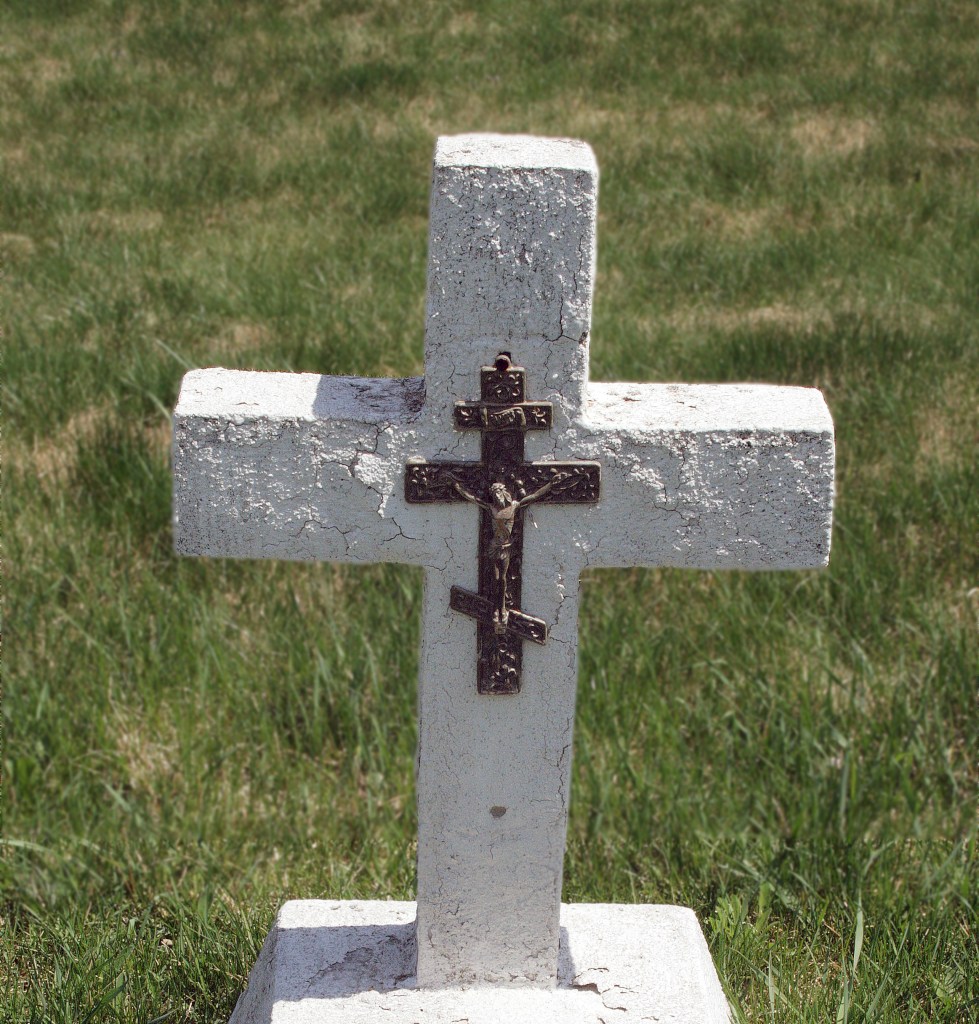
Below is an example of an Eastern crucifix on a white Latin cross. The Eastern cross is easily recognizable by its two horizontal cross bars, and one slanted one. This cross is a symbol of Eastern Orthodox religions. This one would be considered a crucifix, as it has the tortured body of Jesus nailed to it.
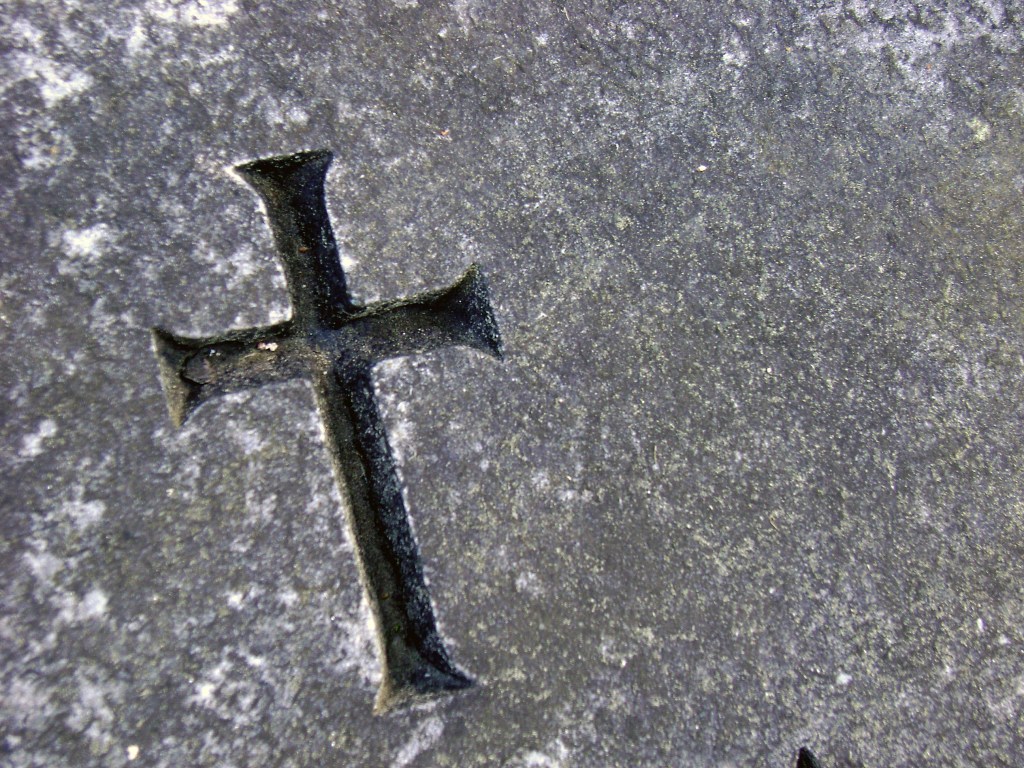
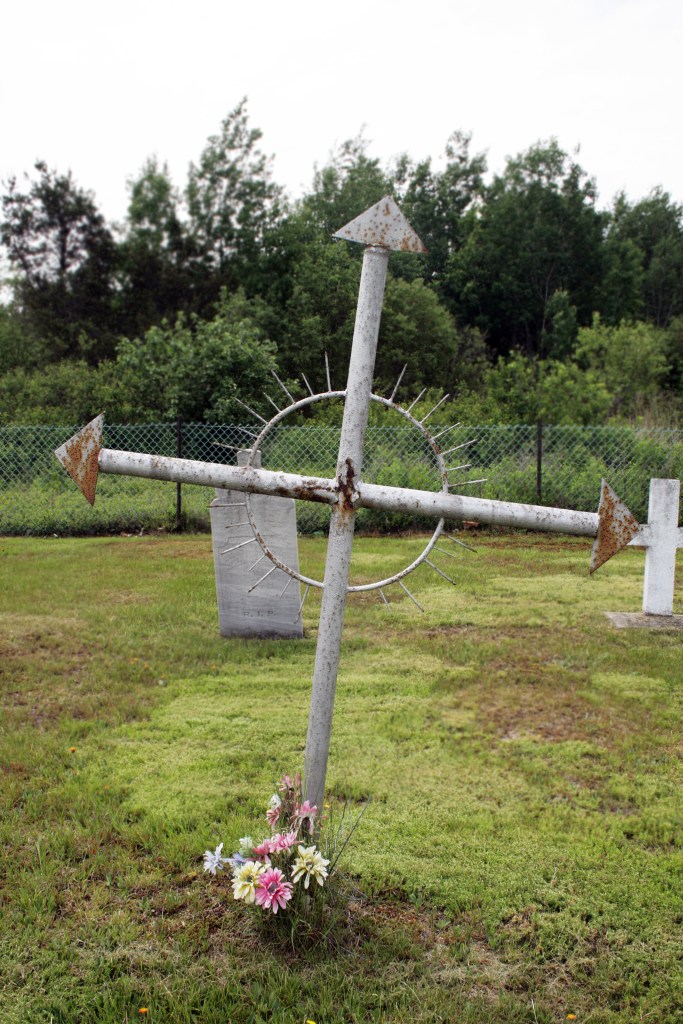
An Agony cross has sharp points at the end of each arm. This is said to represent the suffering or agony, that Jesus endured. This cross is sometimes called a pointed cross or a cross of suffering.
A couple of weekends ago I was able to cross something off my cemetery bucket list—visiting all 25 cemeteries in the care of the City of Greater Sudbury. For today’s blog post, I thought it might be interesting to take a closer look at some of these cemeteries.
The City of Greater Sudbury is centrally located in Northeastern Ontario. It sits on the Canadian Shield in the Great Lakes Basin and is composed of a combination of urban, suburban, rural, and wilderness environments. Greater Sudbury is 3,627 square kilometers in area, making it the largest municipality in Ontario, geographically.1 Making up this municipality are many small communities that over time, have been amalgamated into the City of Greater Sudbury. Almost all of these little communities have their own cemeteries, that now fall under the care of the city.2
Each of these cemeteries has their own charm and has been very interesting to visit. Some are newer cemeteries with very modern stones, that are still very active, like Valley East and Park Lawn cemeteries. Some of them have tombstones marking persons who are still living. Those always make me think—do the owners visit their gravestones? Other cemeteries are pioneer cemeteries, like Ruff Pioneer Cemetery. Those types of cemeteries hold a lot of history. I wrote about my visit to the Ruff Pioneer Cemetery, you can read it here.
Two of the oldest of these cemeteries, I believe, are the Eyre and Anglican cemeteries. They are directly beside each other, and there is no distinct line to separate the two. The earliest grave is from 1890.3 Both of these cemeteries can tell you a lot about our city. You can find the namesakes for the Gatchell and Lockerby areas of town, as well as the grave of Frederick J. Eyre, who discovered one of the first mines for the Canadian Copper Company.3 Sudbury, at its roots is a mining and railroad town.
Some of these cemeteries were a challenge to find and can be hard to access. Ruff Pioneer Cemetery would be more easily accessible with a four-wheeler. Make sure you have plenty of water with you for that adventure in the woods. The Coniston Cemetery is a little bit more accessible now, as a cemetery trail has been created, linking it to the Jean Tellier hiking trail. The first time I visited that one, we searched for a while before deciding to ask for directions from some locals at a convenience store. They were more than happy to help and even drew me a map. They also shared some stories from their childhood, of how they would play in the cemetery and nearby woods. Coniston Cemetery is particularly interesting because there are no more headstones. There may have originally been wooden markers or fieldstones there that have since deteriorated or have been moved. It was an active cemetery from 1914 to 1926, when the parish that was taking care of the cemetery announced they could no longer do so.4In 1997 a memorial plaque was installed honoring the deceased known to have been buried there. Another hard-to-find cemetery is the Wahnapitae Public Cemetery. This one is located on a hillside with seemingly hidden access. I tried to find it again recently, but with no luck.
There are a few cemeteries on this list that I have visited many times, either due to their size or proximity to me. Lasalle Cemetery for instance is one of the largest cemeteries in the area. So large in fact that every time I have visited I have focused on a different section to photograph. Another large one, that just so happens to be down the street from me, is Civic Cemetery. This is an active cemetery, and I think has changed the most over time. It has a large columbarium, as well as some lovely winding paths. It’s a lovely rural cemetery. I have many friends of the family that are buried here.
I have enjoyed seeking out all these cemeteries. I feel like I can now say that I have truly explored my city. All these cemeteries hold small threads, connections, that all lead to the creation and growth of my hometown. I have learned a lot about the history of Sudbury, like the stories of some of its founders, the history behind street names, and much more. I would love to spend more time in some of them, to fully explore the grounds, look for specific graves and to see what else I can learn.
Thanks for joining me, as I look back on this bucket list milestone. Do you have a bucket list? What’s on your list? I would love to read about it in the comments.
The beautiful summer weather has finally arrived in my area and I am very excited to be able to go on some cemetery adventures once again. I have many road trips planned out for the upcoming weekends and my summer vacation. I’ve mapped out lots of fun sightseeing spots and new cemeteries to visit, that are surprisingly close to home. It should make for some fun road trip stories. So while I continue to plan for those, I thought it might be fun to share a road trip adventure from last year.
Last October, in 2021, I took advantage of some time off and took a little road trip to Manitoulin Island. Manitoulin Island, or the island as some locals call it, is a large island in Lake Huron. It’s also home to Canada’s first European settlement, the town of Manitowaning, and the historic Anishinaabe settlement.1 It’s a beautiful place to explore the outdoors and of course, cemeteries.
My mother came with me on this trip and got to experience what a real cemetery road trip is like. We visited 9 cemeteries that day. Not all of them were located on the island though. We left fairly early in the morning, and after stopping for our Tim Horton’s coffee, we were on our way. We stopped at 5 cemeteries on our way to and from the island, while visiting 4 cemeteries directly on the Island.
We weren’t very lucky with the weather on our trip as it was quite rainy for the majority of the day, but it did make for some nice photos. Of the 9 cemeteries that we’re on my itinerary, we only ended up stopping at 7 of them, due to some bouts of heavy rain. But, it worked out as we happened to find 2 more cemeteries that were not on my list when the sun did decide to show itself. One of those cemeteries was in Cold Springs and turned out to be a very nice find. It’s technically a graveyard because sitting in the middle of it is a century-old log Presbyterian Church, that is dated A.D. 1887. The building was locked, but we could look inside the little one-room church through some windows.
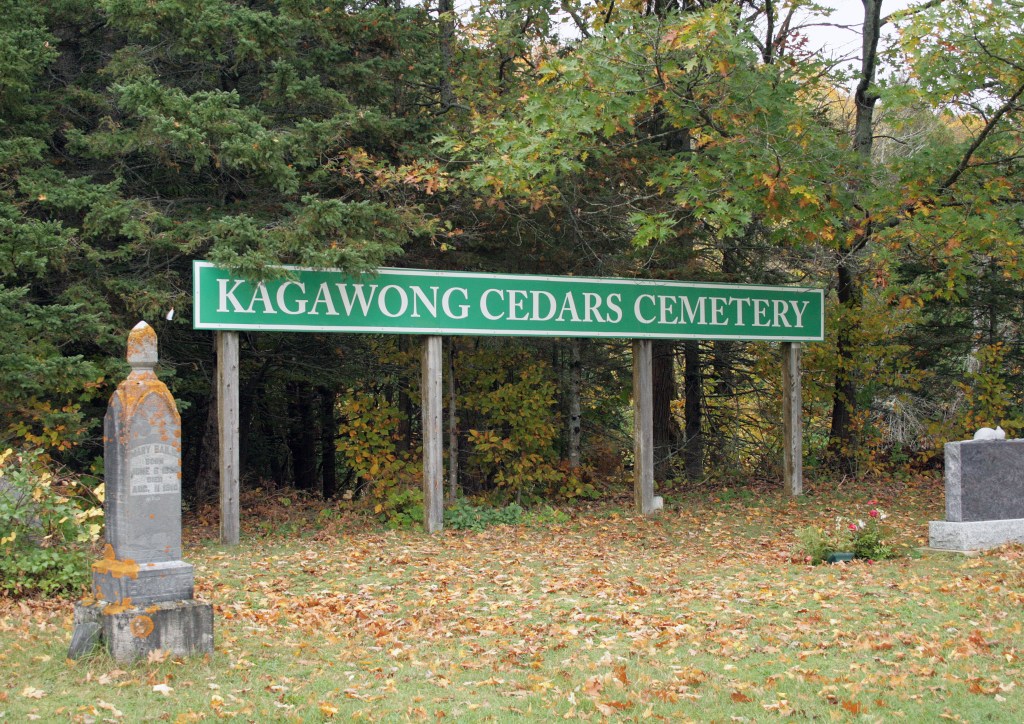
We stopped for lunch at Main St. Express in Kagawong. They have a great little drive-thru set-up. We brought our lunches to the waterfront, just across from the Old Mill Heritage Centre. We took advantage of some nice covered picnic tables. It was quiet on the waterfront, as the tourist season was at its end. 1 or 2 couples were walking around, enjoying the sights. If we had gone during peak summer hours, the waterfront would have been bustling. I think we went a good time, even though it was rainy. There was another advantage to having our lunch on the waterfront—it was also next to Kagawong Cedars Cemetery. After our lunch, we took some time to visit that cemetery and take some photos.
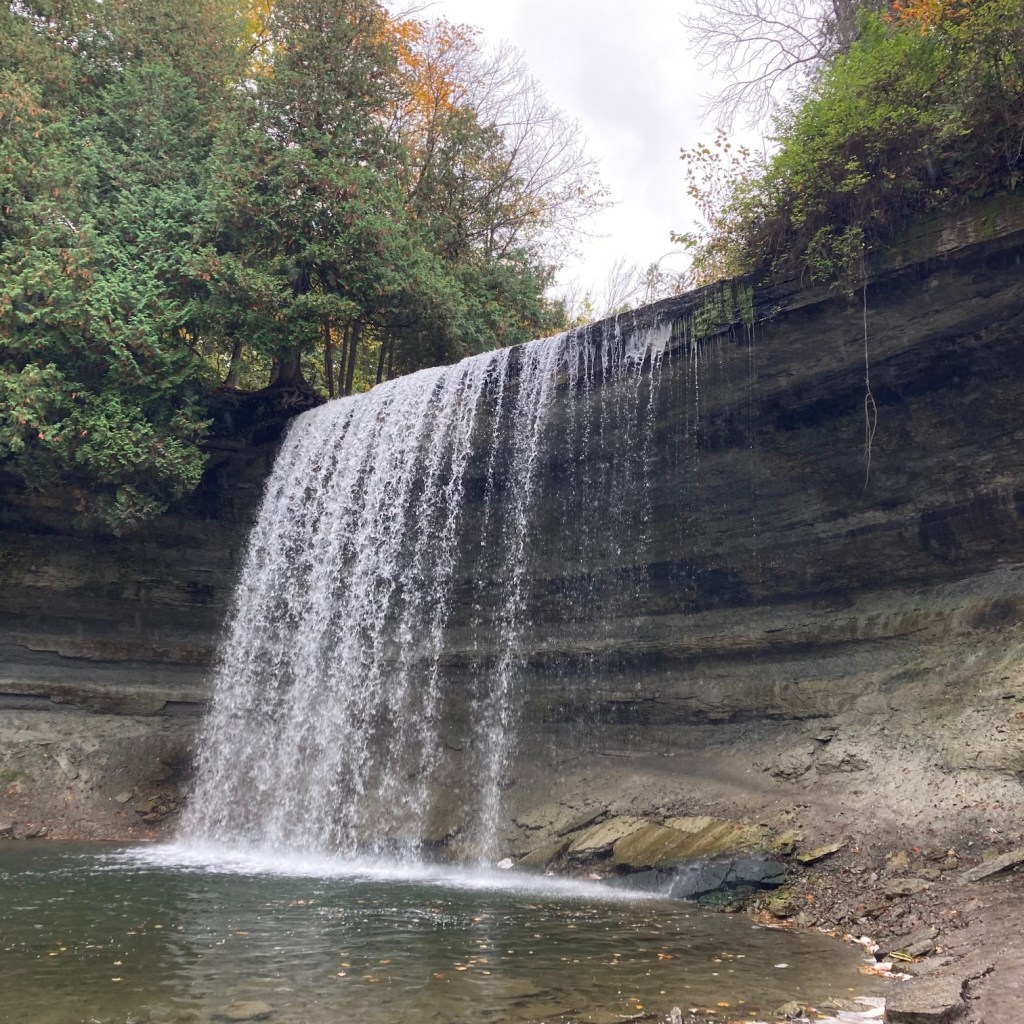
Kagawong is also home to the Kagawong River Trail. It’s a beautiful trail, running beside the river’s edge the whole time. There are some lovely sculptures scattered throughout the trail as well. These sculptures and heritage plaques were installed as part of the Billings Canada 150 project.2 The crown jewel of this trail is Bridal Veil falls! In nicer weather, you can walk behind the falls, and even take a dip.
Because tourist season was done, we did miss out on a few things, like visiting the Old Mill Heritage Centre and the Manitoulin Chocolate Works. I was disappointed when we found the doors locked to the chocolate shop. I will make sure to stop in there the next time we are on the island. There were some things we did get a chance to visit though, like the East Bluff Lookout, that was somewhat close to Gordon Cemetery in Gore Bay. The East Bluff Lookout offers some amazing views, and we also happened to see some wildlife; a red squirrel and some white-tail deer.
Even though I did have to cut my time short at a couple of the cemeteries due to heavy rain, I would say it was a great trip. We enjoyed the beautiful fall scenery, ate some delicious food, and visited some lovely cemeteries. I enjoy exploring the island and look forward to making another trip out there this summer to explore more of it.
Have you visited Manitoulin Island? I would love to hear about your visit in the comments.
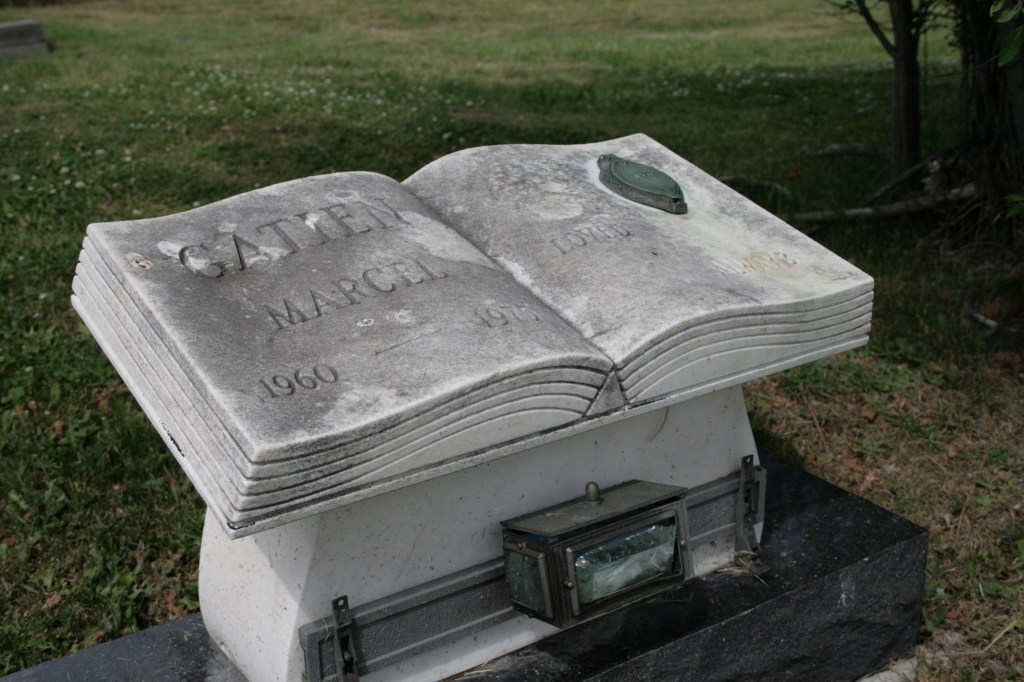
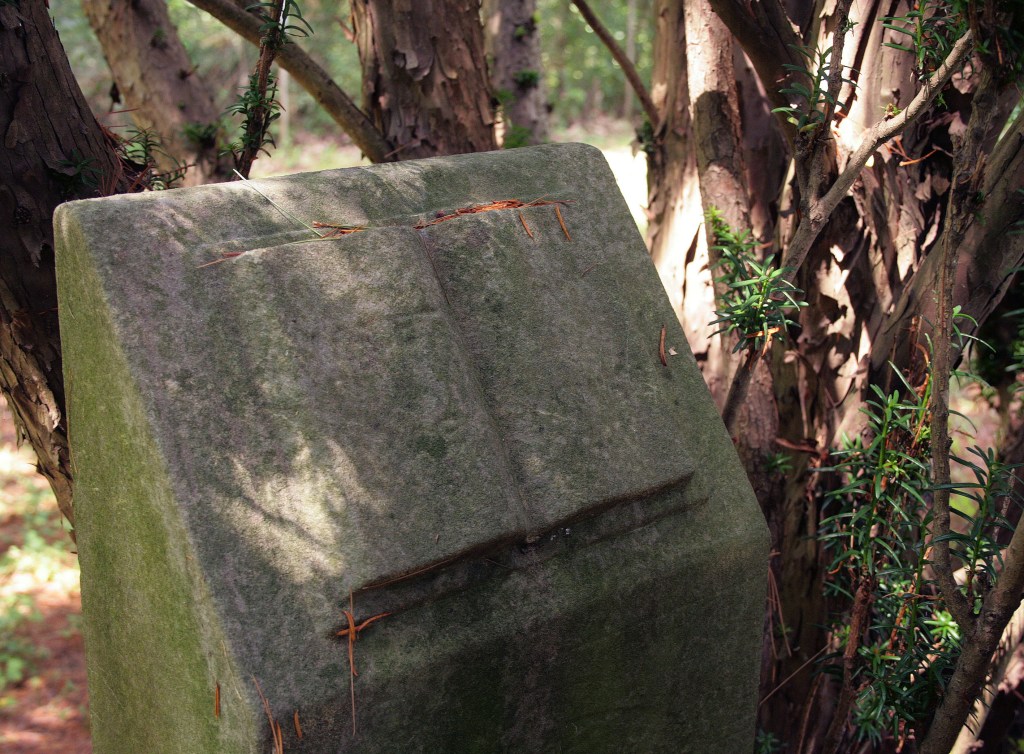
I love books! I am a big reader and have a large book collection at home, but I love finding stone books among the tombstones while wandering a cemetery. I find them very interesting and love trying to interpret what they mean.
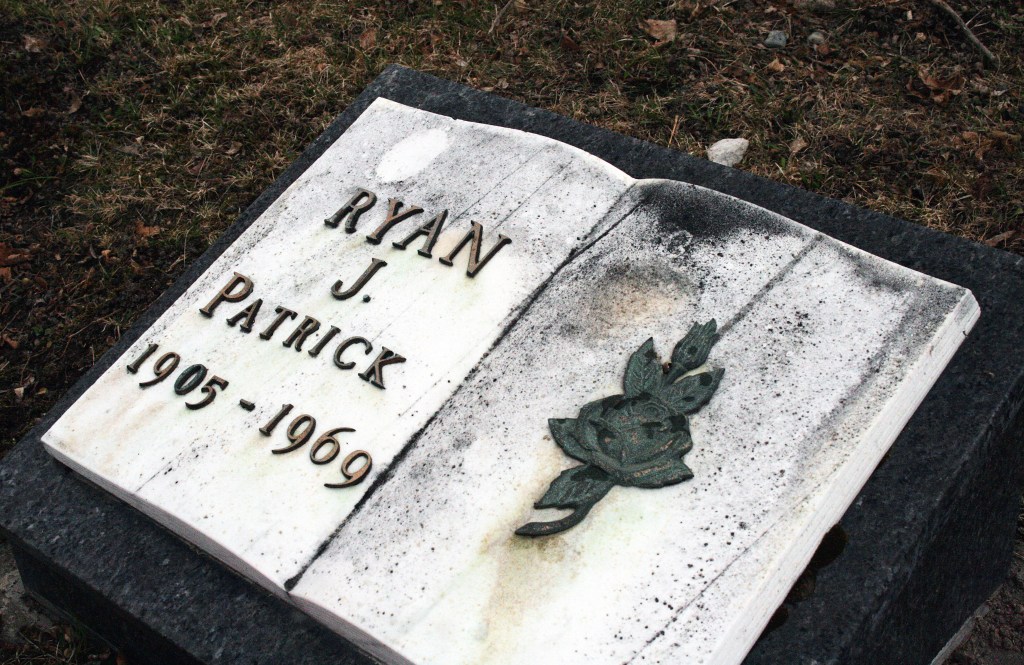
Books can be both decorative or a representation of something. You can sometimes find a book being used as a decorative device to display the name of the deceased along with the birth and death dates. An open book can sometimes represent the human heart, as in it’s emotions are open to the world. An open book may also symbolize a life that has been cut short, before getting to the last page. Another variation of this is an open book with a cloth draped across it. This also represents a life cut short, the veil of death having bookmarked the person’s last chapter before the book is finished being written. A closed book might represent a long life, lived to the last chapter.
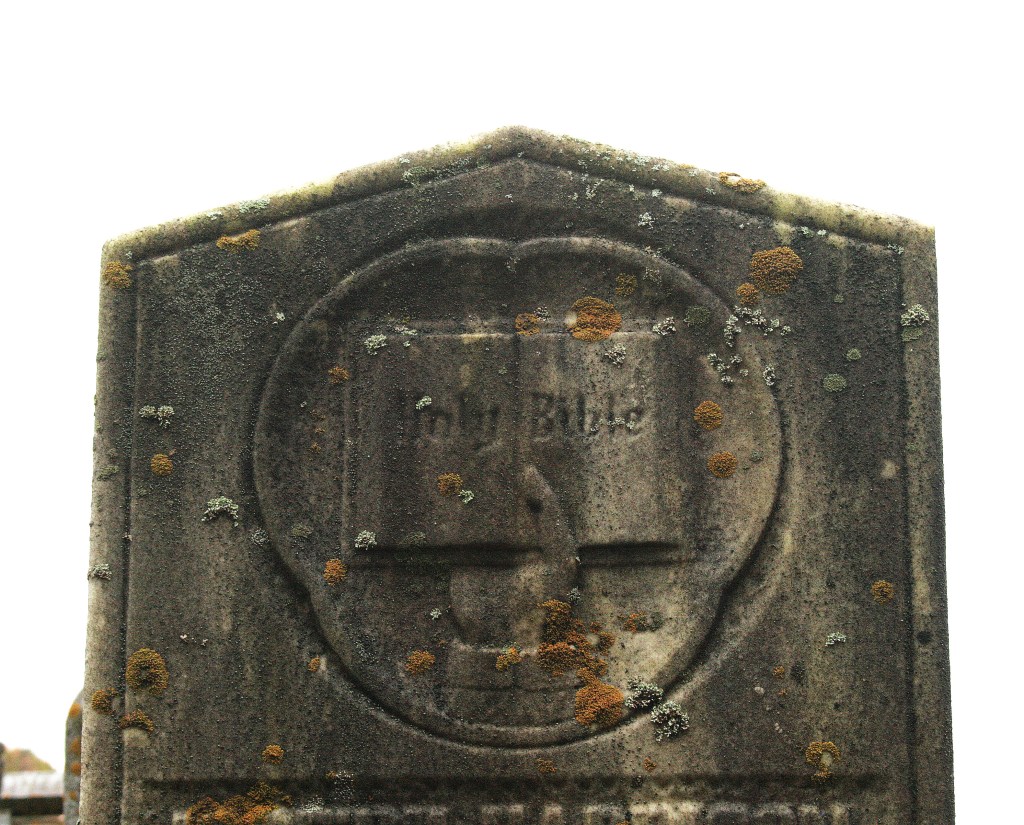
Any book found in a cemetery may represent the bible. Sometimes you may even find the words “Holy Bible” engraved on the book.
In my experience, books are not as common as some other funerary symbols, like hands and lambs. I love to photograph them when I do find them. I wanted to share some of my favorites with you today.
A little while ago, I wrote a post about Find a Grave, and how I have been more active as a contributor. I have been going through my photos and doing some photo editing as I go. It’s been a great way to use my photography to help others, creating memorials that don’t exist yet, and contributing to existing memorials.
Find a Grave is a hub of burial information, that includes photos, burial information, biographies and so much more. It’s volunteer-run, as its members claim and fulfill photo requests to aid in genealogy research, transcribing gravestone photos, and creating memorials. It’s a great resource. When receiving a photo request, you will be given all the information available; cemetery name and location, deceased’s full name, and birth and death date if known. You may also be given the location of the grave, such as the lot or section. It’s up to you to claim this request and fulfill it. I would recommend only claiming requests that you know you can fulfill.
While looking through my photos I picked up on two very different styles of photography I have developed over the years; my personal style and my contributor style. They are both very different. One reflects what I see when visiting graveyards, and the other is the result of wanting to achieve the best photo for transcribing and reflecting what a person would see when visiting their loved one.
I thought it might be helpful to share some tips on how to get the best photos as a volunteer photographer for Find a Grave. If you are just getting started or looking for some new ideas, here are some tips to help you get great photos:
Once you have claimed your photo request, the fun can begin!
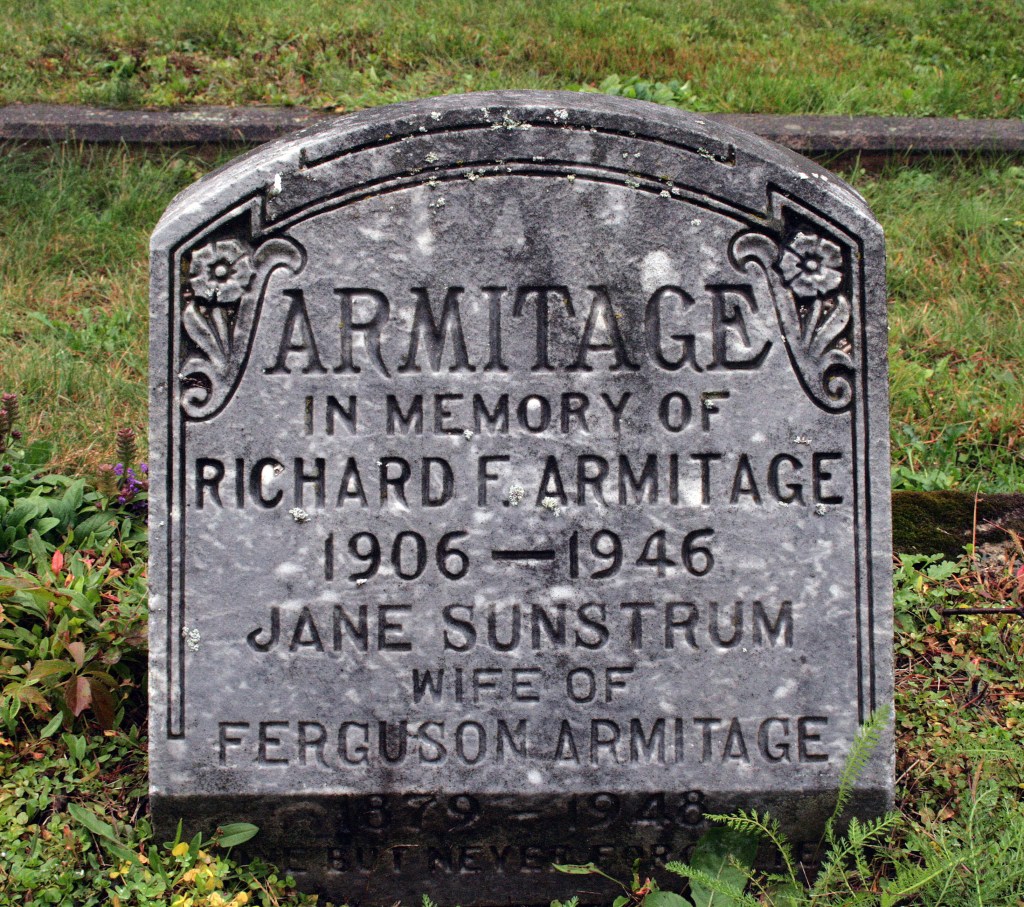
Always take a photo of the cemetery sign when you first enter. Not only can this photo be added to Find a Grave, but it will also make it much easier when looking back at your photos to determine which photos were taken in which cemetery. This is especially helpful when visiting multiple cemeteries in a day. I would also suggest taking photos of any other signs that may be at the entrance. Sometimes you can find plaques describing when the cemetery was established and its history. These are always interesting to find.
Visit the cemetery office, if there is one. Sometimes, they carry cemetery maps to some of the more notable graves, and also show the layout of the cemetery. This is most often the case in larger cemeteries.
Keep the grave information you are looking for handy, so you can refer to it easily when needed. Find a Grave now has an app that makes this super easy to do. The app is available for both Android and Apple OS. Before the app, I would take a screenshot on my phone and refer to that photo.
When you have found your stone:
For headstones flush to the ground, it does not hurt to brush away any debris like leaves or grass to make sure the stone is legible.
Take photos of the headstone face on, this makes reading the inscriptions easier.
Make sure to check the back of the headstone for any additional inscriptions. This is important for obelisk stones as they often have multiple family members inscribed on each side.
Take a wide-angle shot to show placement or unique features of the grave, such as footstones.
Are you excited to get out there and take some photos? Let me know if you found my tips helpful. Do you have some tips you would like to share? Let me know in the comments.
I wrote this post around this same time, in 2020, but it never made it to the blog. At that time, the pandemic would have been in full force, just at the beginning of our quarantine. This would also have been one of the first cemetery trips of that year, after a long winter. I think I was just beginning to seriously focus on my website and blog, and I’ll be honest – it was off to a slow start with sporadic posting. That’s probably why this was never posted. I figured since this was written around the same time, only a couple of years ago, it is worth posting now.
Last weekend, I ventured outside to explore a couple of my local cemeteries. It has been a long winter of being cooped up inside, dreaming about summer cemetery road trips. We had our first sunny weekend, so I took advantage. I figured it is also a safe place to practice physical distancing during these weird times.
The first stop I made was at the Civic Memorial Cemetery, also known as Sudbury Municipal Cemetery. This cemetery is right down the street from me, and the one I have spent the most time in. As a kid, I would spend a lot of time walking around this cemetery looking for ghosts. It’s a newer cemetery, with modern stones and newly built mausoleums. The entrance to this cemetery was recently renovated when they widened Second Avenue. They installed a shiny new archway, similar to the archway at Lasalle Cemetery. They also cleaned up the winding path that leads into the cemetery. I have close family and friends in this cemetery, so I paid them a visit. I also stopped to take some photos of one of the more interesting monuments in this cemetery. The resting place of, I think, the founder of Ellero Monuments, a local headstone maker. The monument is a very detailed sculpture of a man sitting on a rock-cut with tools in his hands, working on breaking the stone. It’s very large and encased in a plexiglass box. To really see the detail, you need to almost press your face against the plexiglass. Over the years the box has become clouded, giving it a spooky silhouette.
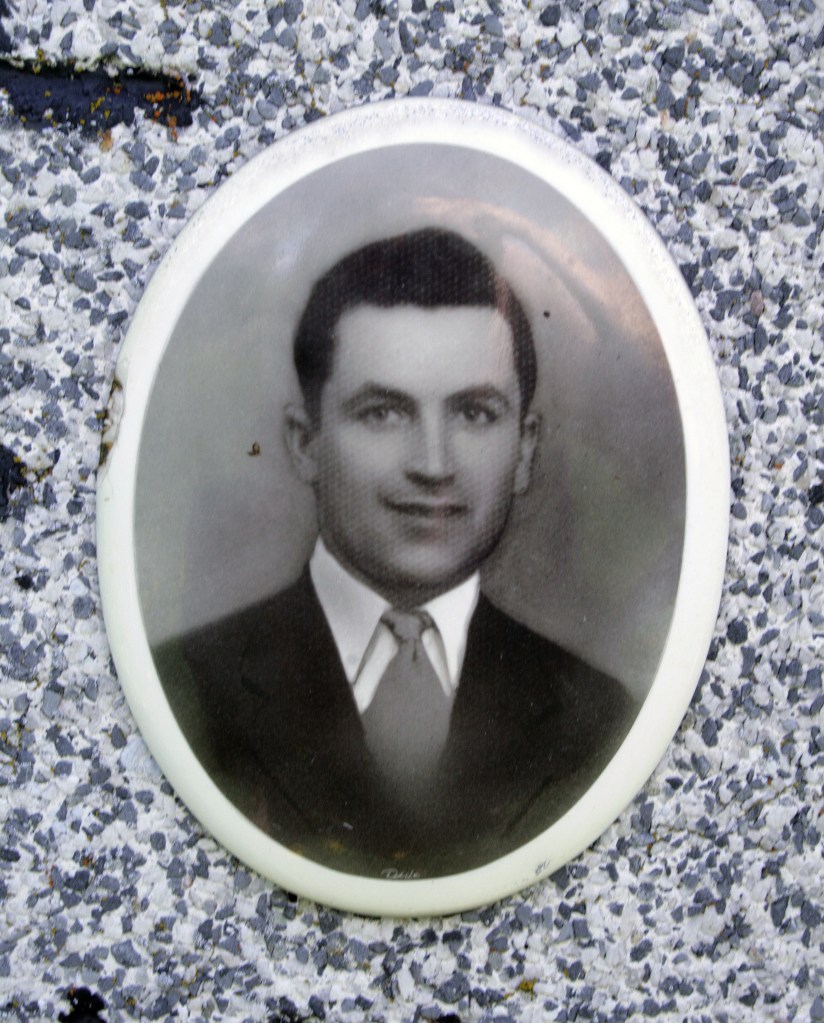
The second cemetery I visited was the Lasalle Cemetery. One of the larger cemeteries in my city. I try to visit different parts of the grounds every time I visit since it is so large. This time, I focused on the stones closest to the street. There are many smaller statues among the stones there. Unfortunately, this cemetery has the most toppled stones, either because of vandalism or ground shift. There is a mix of modern and old stones here, and many feature cameos; ceramic photographs of the deceased.
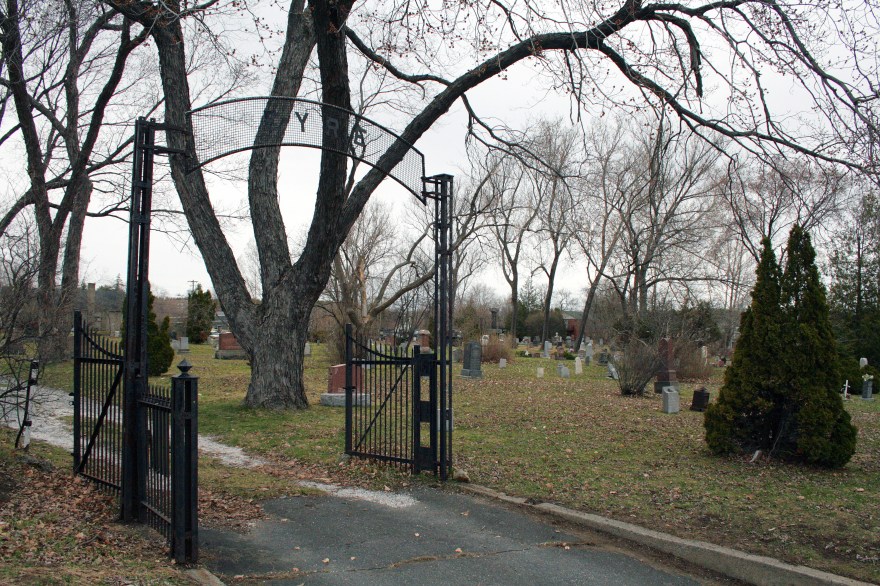
My last stop of the day was Eyre Cemetery, the oldest and my favorite of my local cemeteries. It’s a smaller one, filled with only older stones. At this point, the weather had changed on me and was drizzling a little bit, but I did not let that stop me. I wandered the entire left side of the grounds, in search of a few Find a Grave requests. I came up empty-handed though. Some of the stones are so worn that they are not legible. I hope that I did not pass them by because of this. I will need to go back and make some inquiries with cemetery staff, to make sure they are not forgotten. The rain started to pour down more heavily so I decided to pack it in at that point.
Overall it was a lovely outing. I got some exercise and fresh air, as well as some new photos. Surprisingly, I did see a lot of people out and about. The groundskeepers were busy maintaining the grounds at each cemetery I visited, and there were visitors at each cemetery as well. I guess in these quarantine times, cemeteries, which are usually quiet and mournful, are being used more as a green space. I saw an elderly couple strolling arm in arm and people walking their dogs. It was different for me, as I tend to be the only living person when I visit.
Looking back, it seems as though many people were discovering cemeteries. I hope those who may have thought it taboo to visit cemeteries, found that they are beautiful green spaces and outdoor art galleries. I think a lot of people were forced to look into their own backyards during quarantine, to find outlets while things like travel were not possible. I know I was very grateful that one of my favorite pass times was still available to me. I was even able to share my love of cemeteries with my mother! Even though COVID-19 restrictions have been lifted in my area, I think I will be staying close to home again this summer.
Did you spend a lot of time in cemeteries during the height of the pandemic? Did you discover any new cemeteries? I would love to hear your thoughts in the comments.
One of my favorite cemetery symbols are hands. They can represent so many things from only how they are positioned. I also find them beautifully detailed, and they have a lot to say. Hands are a very common symbol in funerary art and can be found in almost any cemetery.
I have photographed many over the years, ranging from very simple to very detailed, and wanted to share some of them with you today.
A hand pointing upward often represents going up to heaven. You may also find a hand pointing down, which can look a little odd, but it does not mean what you may have first thought. A hand pointing down usually represents a sudden or unexpected death. Clasped hands or praying hands often represent devotion but can also be seen as a plea for eternal life.
Handshakes are a very common variation and also can have a few different meanings. When the handshake depicts limp fingers held by a firm handshake, this often represents the deceased being welcomed to heaven by loved ones or maybe even God. When one finger is extended, it is a masonic handshake, meaning the deceased was a member of the Freemasons. You may also find a double masonic handshake, where one finger is extended on each of the hands. This is meant to resemble the square & compass, the emblem of the Freemasons. You should also look closely at the wrists of the hands, this can also give more clues. If both hands look masculine, this could represent fraternal brotherhood. If one of the cuffs is more feminine and one more masculine, this is most likely a marital handshake, to indicate the deceased was married.
When you find a hand holding a book, that book is often meant to be the bible. Sometimes it is more obvious, as it may have “holy bible” inscribed on it.































 Cemetery Photography by Chantal Larochelle