Cemetery Road Trip: Searching in Spragge

I haven’t posted a road trip story in a little bit, so today I wanted to share my adventure of finding a cemetery via railroad tracks!

It was back in 2020, amid the COVID-19 pandemic. Social bubbles were very much in place and almost everything was shut down. There was not a lot to do that summer. BUT visiting cemeteries is always a viable option! My fiancé and I, and our close friends whom we had been bubbling with (that’s an odd to say), decided to go on a little adventure to try and find two cemeteries in Spragge, Ontario. 

The little town of Spragge found its beginnings in 1882 but was originally named Cook’s Mills. It was a self-sufficient town of about 350 residents all built around the sawmill. In 1895 the whole operation was sold, and the village was renamed Spragge, after the township. When the depression hit, the mill closed in 1932. That same year, there was a devastating fire that burned almost the entire village to the ground. This caused a lot of folks to leave town, although a few remained and tried to rebuild. The mill never did re-open, and now there only sit about a dozen homes within the small village limits of Spragge.1 Two cemeteries remain, the Spragge Catholic cemetery and the Spragge Protestant cemetery.

This adventure would take us a little over an hour and a half on the road to get to Spragge. Our little group made a day trip out of it. We stopped at a diner and safely had lunch outside on the patio. We asked some of the locals about the cemetery. The stories we heard were pretty interesting. We were told that the owners of the property where the cemetery sits, do not like visitors and consider them trespassers. They talked about how this causes some tension between the townsfolk who want to visit their relatives, but are barred from doing so. The community was trying to get free access to the cemeteries. We were also told that the property owner was known to brandish a shotgun! We were a little put-off by the stories, but we were determined to take a look for ourselves.

After our slightly uncomfortable lunch, we continued on our way with directions by Google Maps. We turned off the main road onto a side road and what looked like a parking area. My fiancé was completely put-off by the stories we were told, he was also not as enthusiastic about visiting the cemeteries as we were, so he waited in the car and played look-out. 

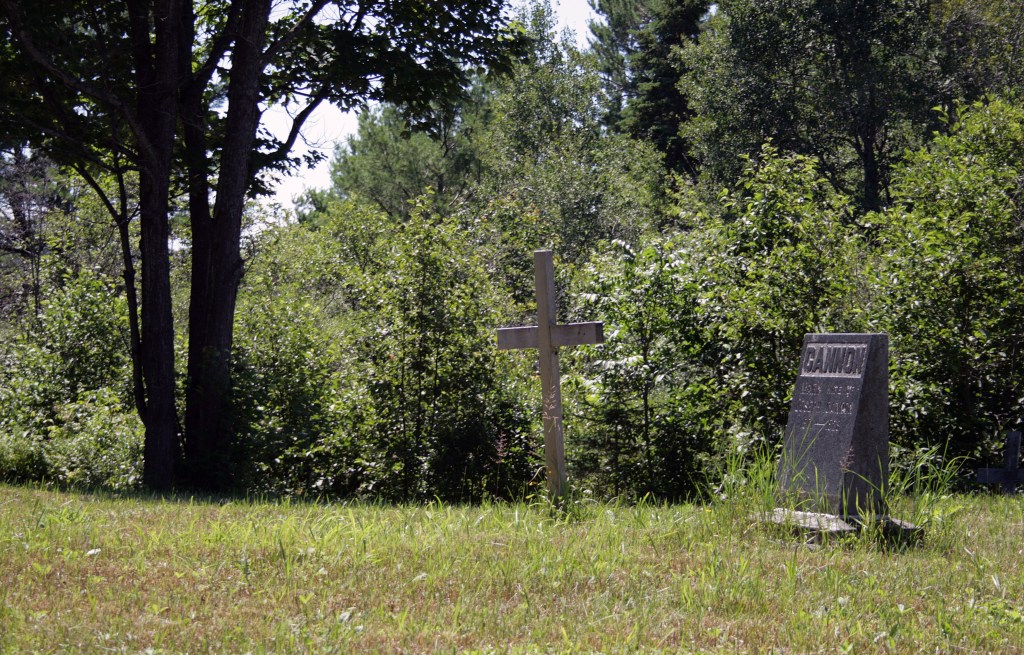
The rest of us began tentatively walking down the dirt road. When it opened up and we could see it was a driveway leading directly to a house, we decided to turn around and try a different approach. We had crossed a set of train tracks, that ran parallel with the main highway. After consulting Google Maps, it looked like we might be able to access the cemetery at a clearing just off the train tracks. We decided to try that. We chose a hot day to walk along the train tracks, but it ended up only being a short walk. On our left, a little clearing opened up which lead into the cemetery.
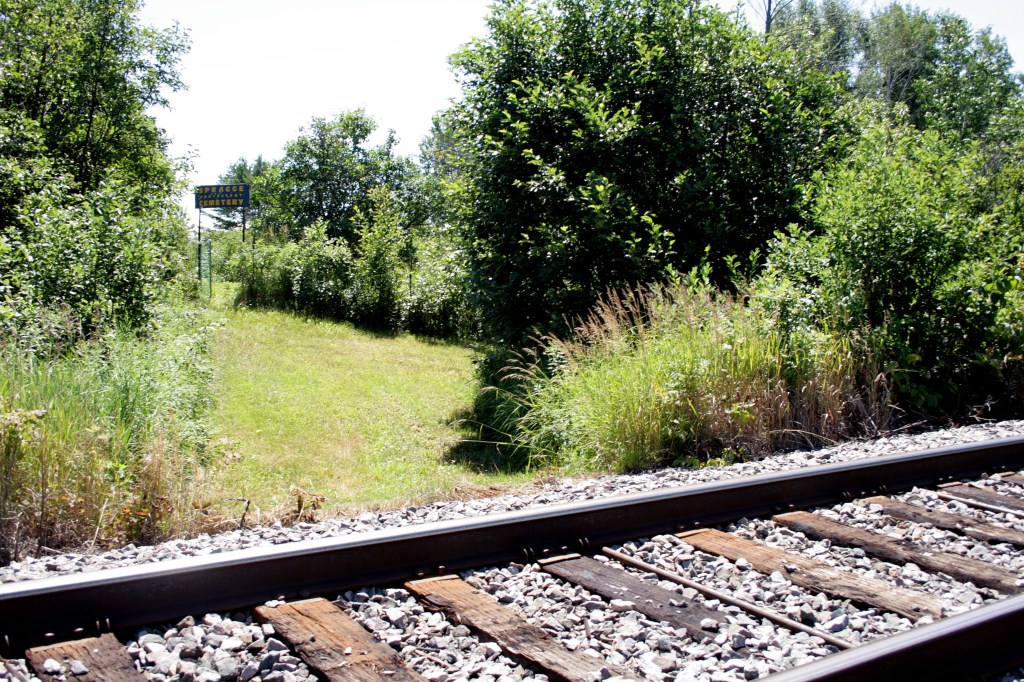
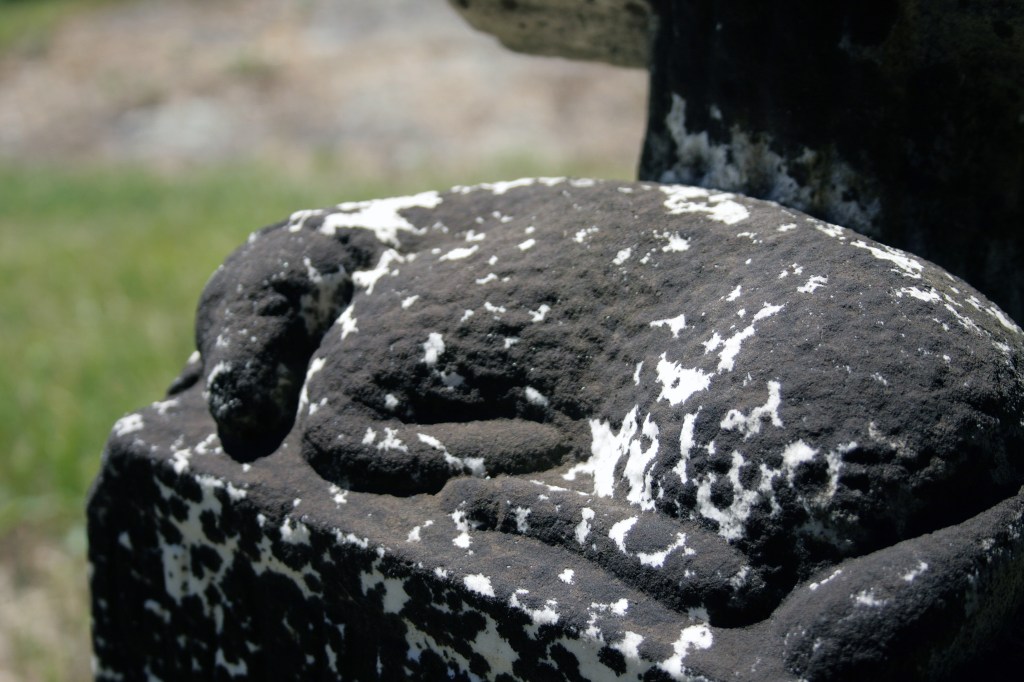
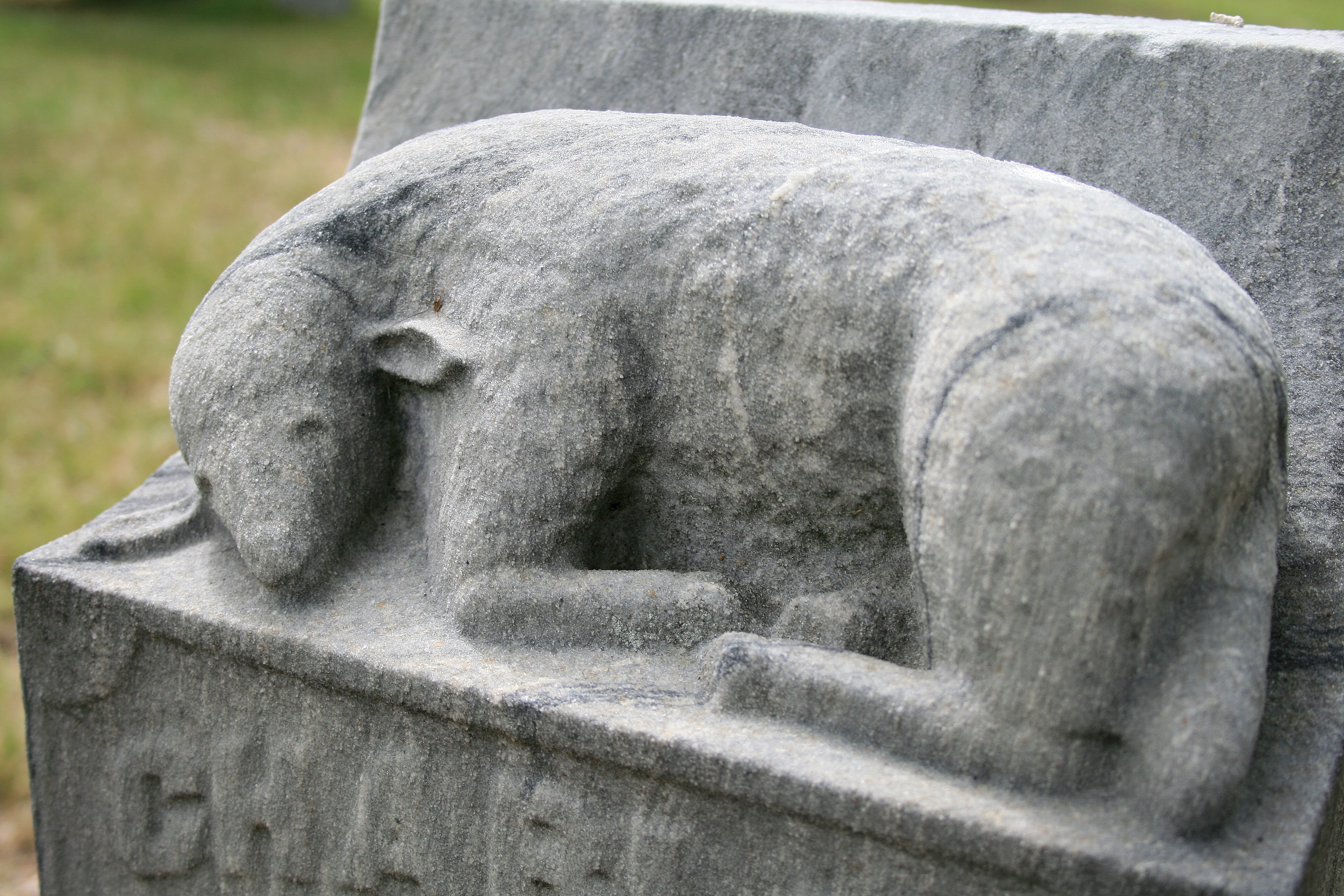
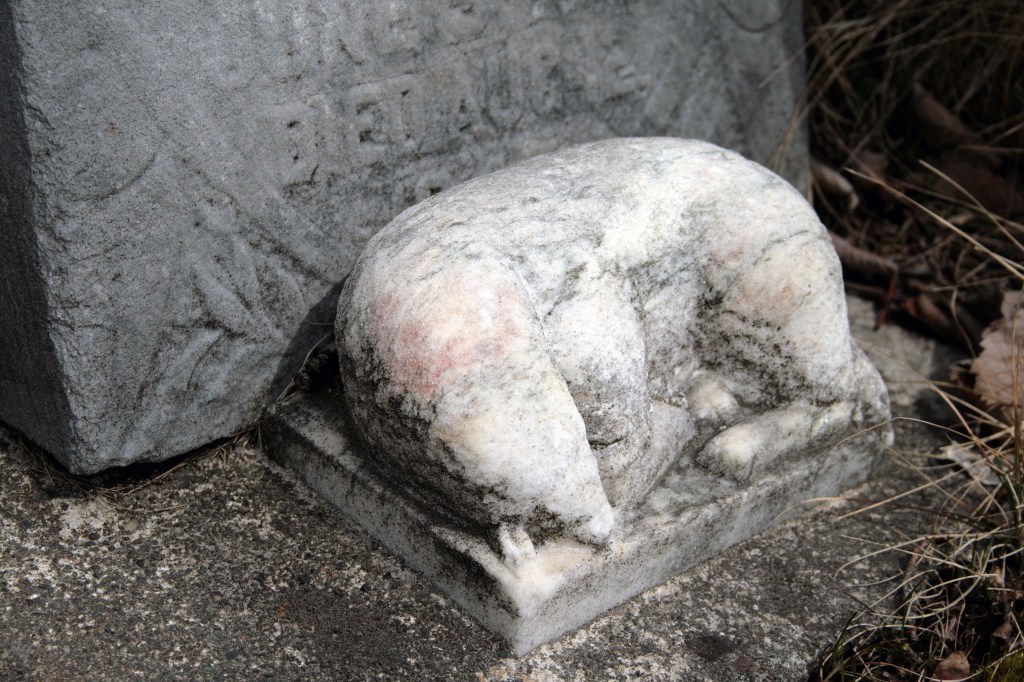
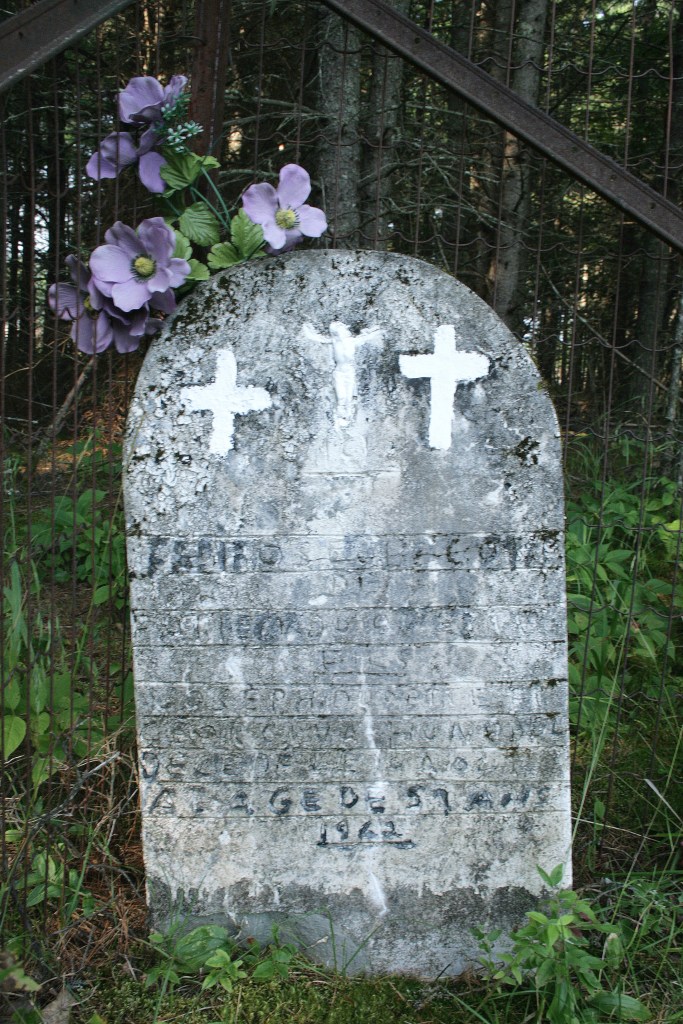
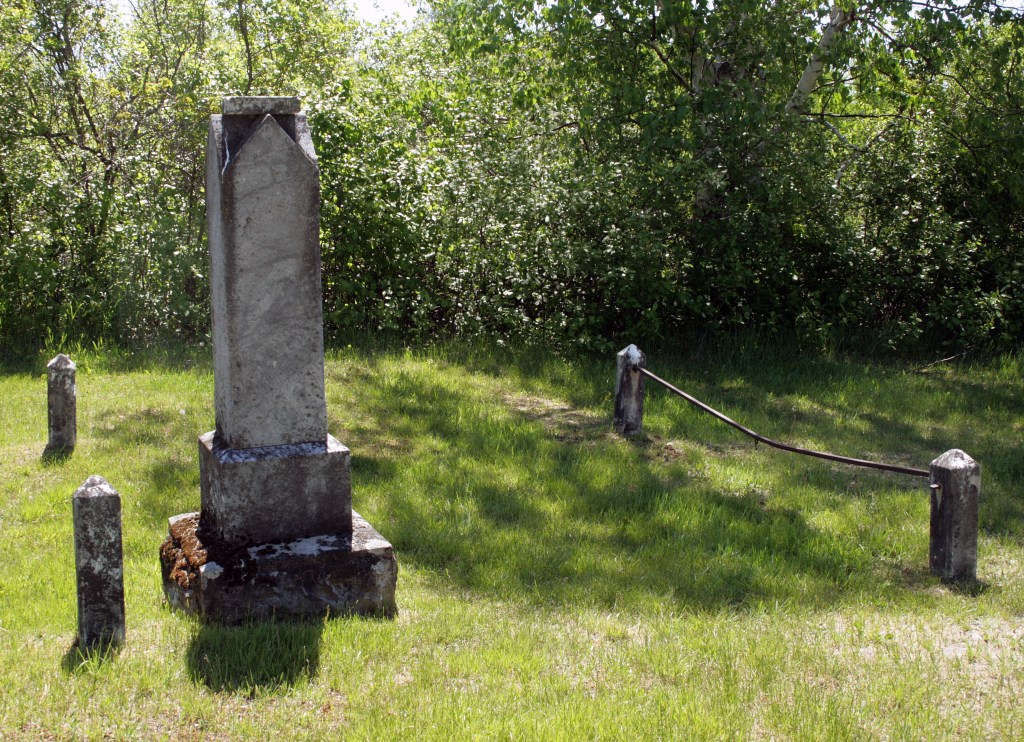
We had found the Spragge Protestant cemetery! We took some time to wander the grounds and look at the beautiful stones. It was a smaller cemetery and looked to be well-maintained. Not at all what we had pictured in our minds. We had been under the impression that the cemetery was abandoned and in disrepair. Some of the stones were too worn to be read, but some others were still in great condition. Some of the common cemetery symbols we found were clasped hands, obelisks, and little lambs.

After we explored a little bit, we tried to find the Spragge Catholic cemetery. According to my friend’s research, it should have been very close to where we were. We branched out a little, exploring the oddly well-kept lawn that snaked in between clumps of trees. We were nervous about getting too close to the house or going in full view of it. After a little more wandering, with no luck, we decided to turn back and reunite with my fiancé, who was patiently waiting in the car. 

We were very happy to have at least found one of the cemeteries, and we vowed to do a little more digging and return in the future to find the elusive cemetery. It was still a fun adventure, after all exploring is half the fun.

But that’s not the end of the story!

This past winter I was busy uploading photos to Find a Grave and uploaded some of my photos from Spragge. A woman reached out to me, looking for coordinates for the Spragge Catholic cemetery, as she has family there. I passed on all I knew, and let her know we were not able to find it. She had also heard about the access issues, but since she was a relative was hoping the property owner would be understanding. She later contacted me and gave me an update. She was able to locate both cemeteries and visit her family. It turns out the town of Spragge did not want the expense of maintaining the cemeteries, and a private owner requested to take it over and purchased the property. When he is not in town, he has entrusted maintenance and upkeep to another property owner in the immediate area—who also happens to have loved ones buried in the cemeteries.

I also had another person reach out about these cemeteries. They have turned out to be pretty popular locations. This time, the person who reached out was searching for the location of the Spragge Protestant cemetery. He had visited the Spragge Catholic cemetery but did not find the other. We exchanged information. I shared everything I knew about the one I had visited. In return, he shared the exact coordinates of the Spragge Catholic cemetery and the contact information of the property owners. If we had searched closer to the water’s edge when we were there, we would have found it. So close! 

I’m still a little confused about the stories that the folks at the diner told us, about the owners brandishing shotguns. From what I heard from both people who reached out, the owners seem very kind and willing to allow visitors into the cemetery. Although one had also heard about the access issues. Were there issues at one time? A misunderstanding maybe? Or maybe it was just some locals trying to scare away visitors? That mystery still remains…

Armed with all this new information, I will have to make another trip out to Spragge to visit the elusive Catholic cemetery. I love how this little adventure turned out because it showcases how interesting cemeteries can be. Cemetery mysteries are very much a part of the fun, and the fact that the cemetery community is so willing to share information and come together to solve these little mysteries is heartwarming.

Have you ever visited the cemeteries in Spragge? Do you have a cemetery mystery you would like to share? I would love to read about it in the comments. 

Thanks for reading!


References

  1. Spragge | Ontario Ghost Towns
A Collection of Books

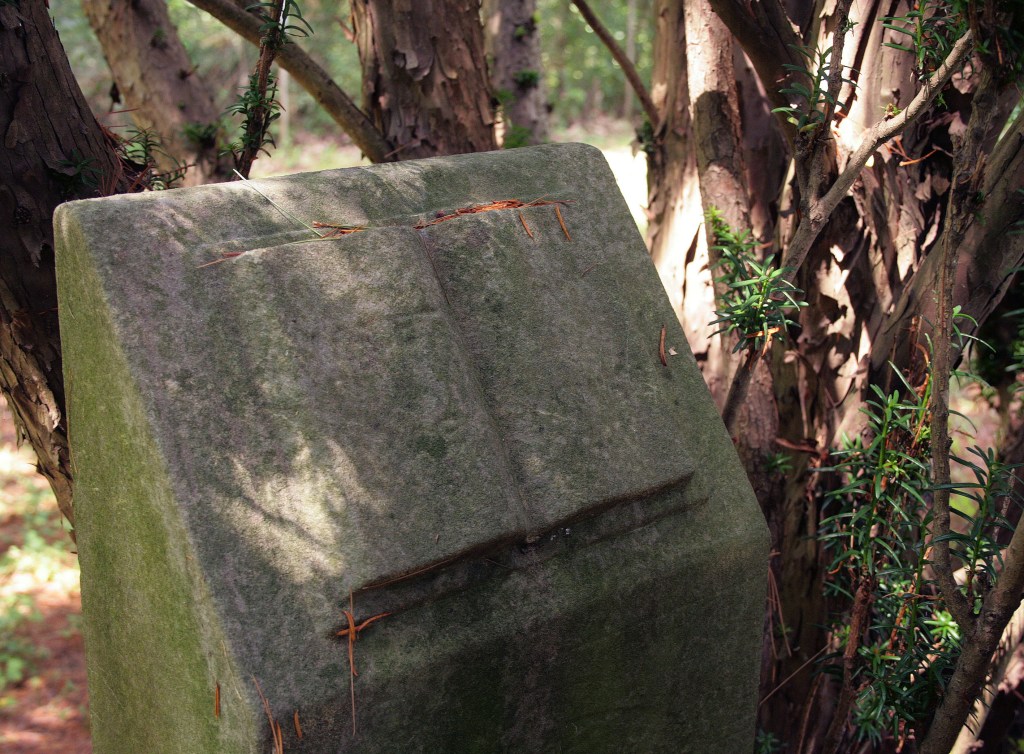
I love books! I am a big reader and have a large book collection at home, but I love finding stone books among the tombstones while wandering a cemetery. I find them very interesting and love trying to interpret what they mean.

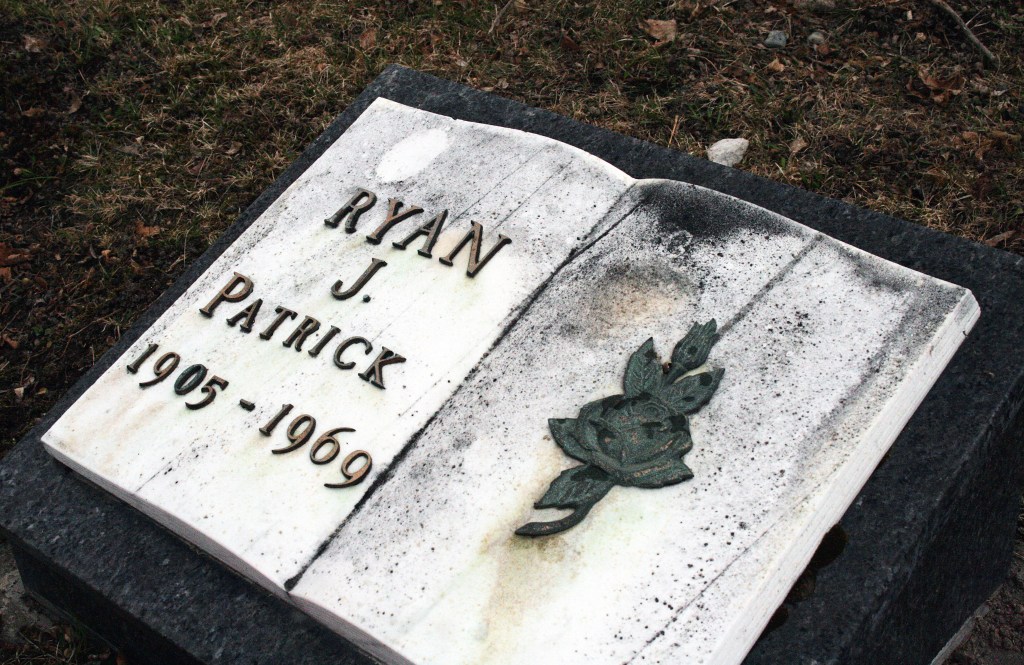
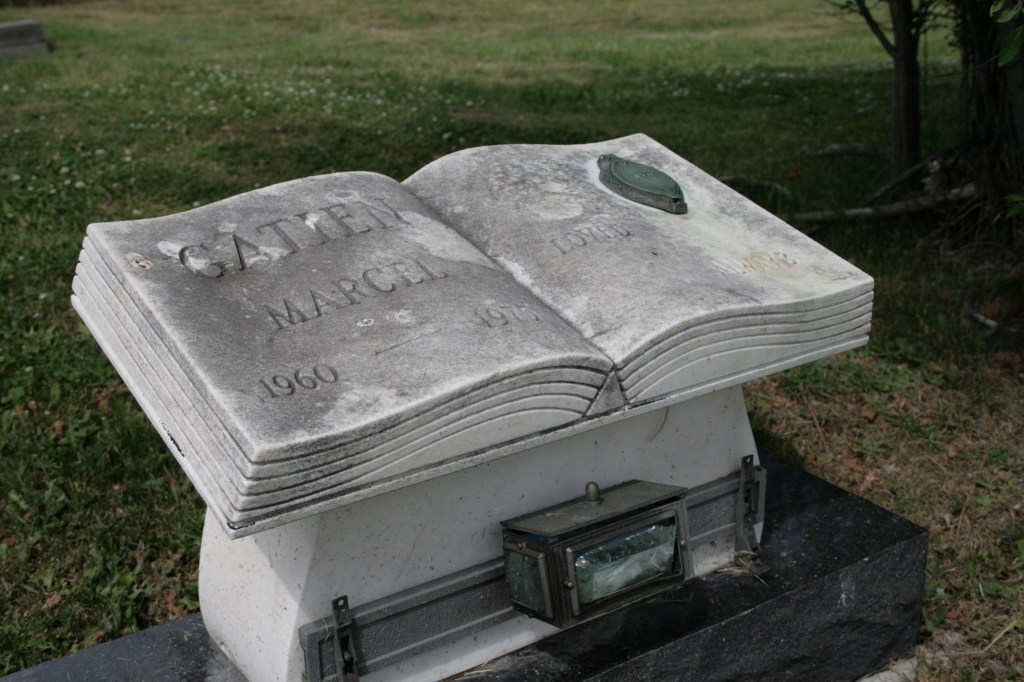
Books can be both decorative or a representation of something. You can sometimes find a book being used as a decorative device to display the name of the deceased along with the birth and death dates. An open book can sometimes represent the human heart, as in it’s emotions are open to the world. An open book may also symbolize a life that has been cut short, before getting to the last page. Another variation of this is an open book with a cloth draped across it. This also represents a life cut short, the veil of death having bookmarked the person’s last chapter before the book is finished being written. A closed book might represent a long life, lived to the last chapter.
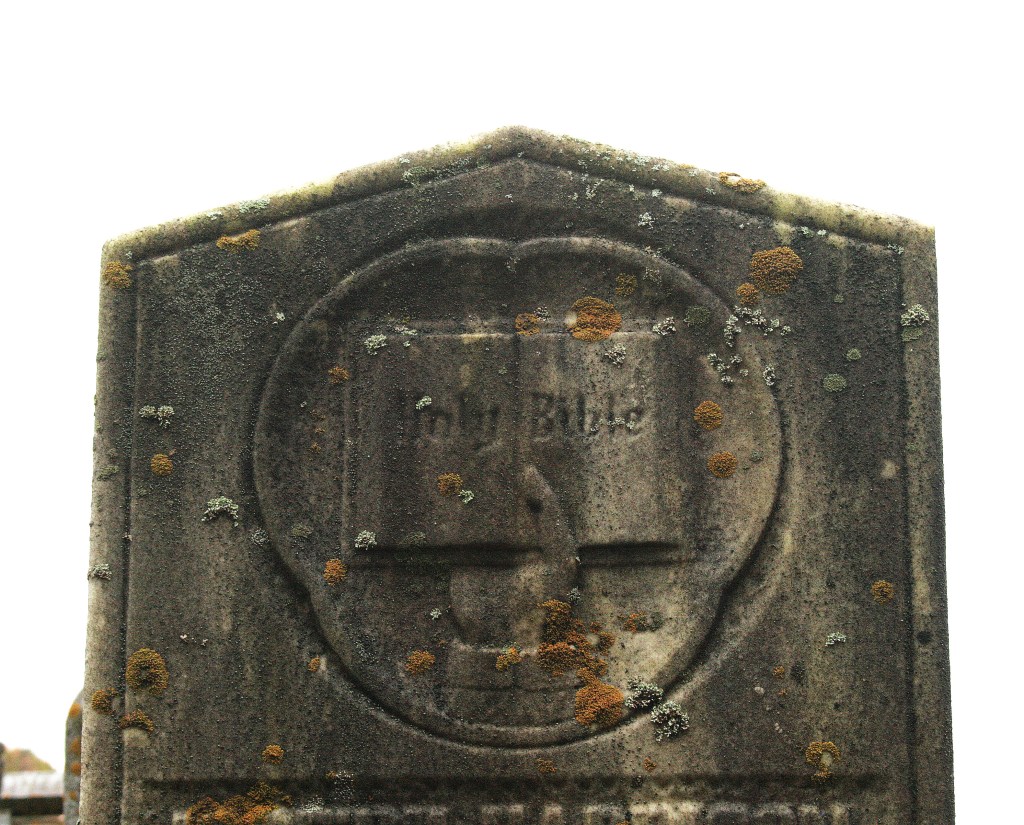
Any book found in a cemetery may represent the bible. Sometimes you may even find the words “Holy Bible” engraved on the book.

In my experience, books are not as common as some other funerary symbols, like hands and lambs. I love to photograph them when I do find them. I wanted to share some of my favorites with you today.


References:

  1. Understanding Cemetery Symbols: A Field Guide for Historic Graveyards by Tui Snider
  2. Stories in Stone: The Complete Guide to Cemetery Symbolism by Douglas Keister

Find a Grave Photography Tips

A little while ago, I wrote a post about Find a Grave, and how I have been more active as a contributor. I have been going through my photos and doing some photo editing as I go. It’s been a great way to use my photography to help others, creating memorials that don’t exist yet, and contributing to existing memorials.

Find a Grave is a hub of burial information, that includes photos, burial information, biographies and so much more. It’s volunteer-run, as its members claim and fulfill photo requests to aid in genealogy research, transcribing gravestone photos, and creating memorials. It’s a great resource. When receiving a photo request, you will be given all the information available; cemetery name and location, deceased’s full name, and birth and death date if known. You may also be given the location of the grave, such as the lot or section. It’s up to you to claim this request and fulfill it. I would recommend only claiming requests that you know you can fulfill. 

While looking through my photos I picked up on two very different styles of photography I have developed over the years; my personal style and my contributor style. They are both very different. One reflects what I see when visiting graveyards, and the other is the result of wanting to achieve the best photo for transcribing and reflecting what a person would see when visiting their loved one. 

I thought it might be helpful to share some tips on how to get the best photos as a volunteer photographer for Find a Grave. If you are just getting started or looking for some new ideas, here are some tips to help you get great photos:

Once you have claimed your photo request, the fun can begin! 

  • Always take a photo of the cemetery sign when you first enter. Not only can this photo be added to Find a Grave, but it will also make it much easier when looking back at your photos to determine which photos were taken in which cemetery. This is especially helpful when visiting multiple cemeteries in a day. I would also suggest taking photos of any other signs that may be at the entrance. Sometimes you can find plaques describing when the cemetery was established and its history. These are always interesting to find.
  • Visit the cemetery office, if there is one. Sometimes, they carry cemetery maps to some of the more notable graves, and also show the layout of the cemetery. This is most often the case in larger cemeteries.
  • Keep the grave information you are looking for handy, so you can refer to it easily when needed. Find a Grave now has an app that makes this super easy to do. The app is available for both Android and Apple OS. Before the app, I would take a screenshot on my phone and refer to that photo.

When you have found your stone:

  • For headstones flush to the ground, it does not hurt to brush away any debris like leaves or grass to make sure the stone is legible.
  • Take photos of the headstone face on, this makes reading the inscriptions easier. 
  • Make sure to check the back of the headstone for any additional inscriptions. This is important for obelisk stones as they often have multiple family members inscribed on each side. 
  • Take a wide-angle shot to show placement or unique features of the grave, such as footstones.
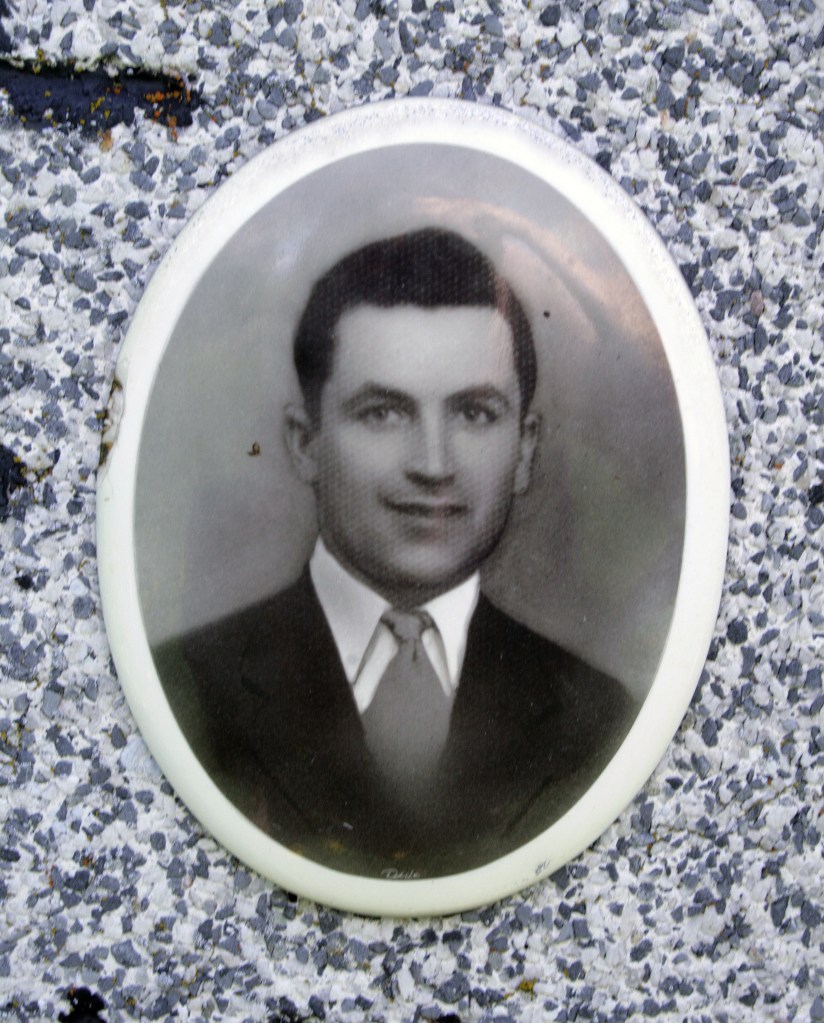
  • Take a close-up shot of ceramic portraits if they are present.

Blezard Valley Cemetery, Blezard Valley ON ©2021

Are you excited to get out there and take some photos? Let me know if you found my tips helpful. Do you have some tips you would like to share? Let me know in the comments.

Thanks for reading!

A Collection of Hands

One of my favorite cemetery symbols are hands. They can represent so many things from only how they are positioned. I also find them beautifully detailed, and they have a lot to say. Hands are a very common symbol in funerary art and can be found in almost any cemetery.

I have photographed many over the years, ranging from very simple to very detailed, and wanted to share some of them with you today.

A hand pointing upward often represents going up to heaven. You may also find a hand pointing down, which can look a little odd, but it does not mean what you may have first thought. A hand pointing down usually represents a sudden or unexpected death. Clasped hands or praying hands often represent devotion but can also be seen as a plea for eternal life.

Handshakes are a very common variation and also can have a few different meanings. When the handshake depicts limp fingers held by a firm handshake, this often represents the deceased being welcomed to heaven by loved ones or maybe even God. When one finger is extended, it is a masonic handshake, meaning the deceased was a member of the Freemasons. You may also find a double masonic handshake, where one finger is extended on each of the hands. This is meant to resemble the square & compass, the emblem of the Freemasons. You should also look closely at the wrists of the hands, this can also give more clues. If both hands look masculine, this could represent fraternal brotherhood. If one of the cuffs is more feminine and one more masculine, this is most likely a marital handshake, to indicate the deceased was married.

When you find a hand holding a book, that book is often meant to be the bible. Sometimes it is more obvious, as it may have “holy bible” inscribed on it.


References:

  1. Understanding Cemetery Symbols: A Field Guide for Historic Graveyards by Tui Snider 
  2. Stories in Stone: A Field Guide to Cemetery Symbolism and Iconography by Douglas Keister

Cemetery recipes: Connie’s Date & Nut Bread

I had such a fun time trying out Kay’s Fudge recipe a couple of months ago, that I wondered what other cemetery recipes were out there. I was pleasantly surprised at the handful of recipes I found.

Today I wanted to try my hand at making Connie’s Date & Nut bread. 100% Good stuff – 0% Bad Stuff. Sounds delicious to me! 

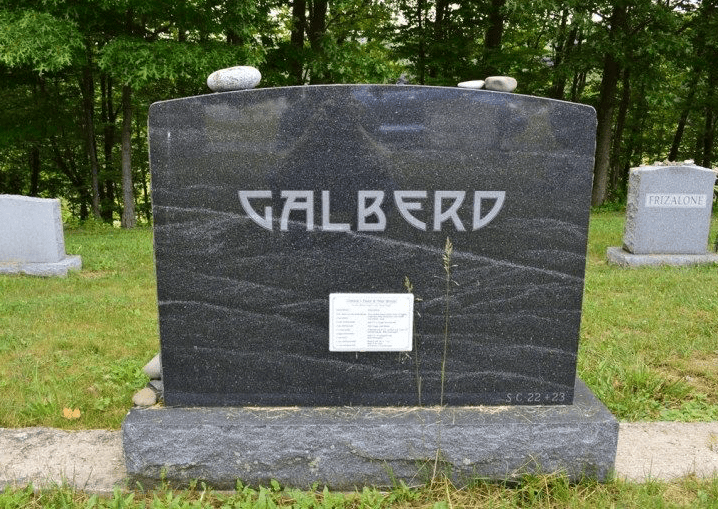
This tombstone can be found in the Cemetery of the Highlands in Highland Mills, NY. Instead of the recipe being engraved on the stone, it’s printed on a small white plaque that is attached to the stone. The headstone belongs to Constance Galberd.

From reading Connie’s obituary, she was a very busy woman. Constance was a retired Registered Nurse at Cornwall Hospital in New York, a member of the Woodbury Community Ambulance Corps, and a member and Trustee of the Woodbury Historical Society. She has three children, a daughter, two sons, and four grandchildren. I think it’s safe to say she was also a great baker with a great sense of humor. Constance passed away in September 2008, at the age of 80. 

You can view her memorial page on Find a Grave.

I love the idea of putting a well-loved family recipe on a tombstone. It ensures the recipe will be passed down through the generations, and that a piece of them will be remembered.

The recipe reads:

Connie’s Date & Nut Bread | 100% Good stuff – 0% Bad Stuff

Ingredients:

  • 8 oz. dates cut into small pieces
  • 1 cup raisins
  • 2 cups boiling water
  • 2 tsp. baking soda
  • 1 1/2 cups sugar
  • 2 eggs, well beaten
  • 4 cups flour
  • 2 tsp. baking powder
  • 1/2 cup chopped nuts

Directions:

  • Pour boiling water (where 2 tsp. of baking soda have been dissolved) over dates and raisins. Cool.
  • Add 1 1/2 c. sugar and mix well.
  • Add 2 eggs, well beaten.
  • Gradually mix in 4 c. of flour and 2 tsp. of baking powder. Beat thoroughly.
  • Add 1/2 c. of chopped nuts. Beat thoroughly.
  • Bake at 350 for 3/4 – 1 hr.
  • Bake in tin cans.
  • One batch = 13 small cans.

This recipe is pretty easy to follow. I have made banana bread before and found the process very similar. The directions are very clear, although I was a little uncertain of how long to let the boiling water over the dates & raisins cool. I spoke out loud to Connie while I mixed my ingredients and waited for the water to cool. When the water was no longer steaming, I mixed in the sugar and continued with the recipe.

I was a little thrown off by the last 2 directions, about baking in tin cans. I had to look that up. I found out that baking in tins cans, like vegetable or soup cans, was used for baking during the depression. The end result would be little round cakes or loaves of bread. I would have loved to be authentic to the recipe, but I didn’t have any empty tin cans to wash out and recycle for baking. It is something I would like to try in the future though. For this recipe, I used 2 loaf pans and split the batter between the two.

My kitchen smelled amazing while these were baking! I had to have a piece when it came out of the oven, and I was not disappointed. It’s a dense bread, similar to a fruit cake. Connie is absolutely right when she says “100% Good stuff – 0% Bad Stuff“. I am really happy with how they came out. After letting them cool on a cooling rack, I popped them out of the pans and wrapped them up. I always love to share my baking, and being able to share Connie’s recipe too feels like a sweet way to remember her.

Will you be trying Connie’s Date & Nut bread? Or have you found another tombstone recipe I should try? Tell me about it in the comments.

Thanks for reading!


References:

A tombstone by any other name…

When we hear the words tombstone, headstone, or gravestone, they all bring the same image to mind; a stone marked with a name, birth date, death date, and maybe some funerary art and an epitaph. It is a stone representing a person laid to rest.

While working on some blog posts recently, I noticed I used the term tombstone very often. To avoid repetition, I found myself using some other words synonymously like headstone, gravestone, and grave marker. It got me thinking, ARE these words interchangeable, or is there a subtle difference? I decided to look into it a little deeper.

My term of preference seems to be tombstone, so that is where I started in my search. The dictionary defines a tombstone as “a stone marker, usually inscribed, on a tomb or grave”.1 The first known use of the word in print was in 1565.2 According to Merriam-Webster, a tombstone is also defined as a gravestone.2

So tombstone and gravestone can be used interchangeably. After a little more reading I found that a gravestone is a Middle English word dating back to 1175–1225.3 It has a similar definition to tombstone, but I read that the term gravestone comes from the practice of covering whole graves in stones, to mark the grave as well as “keep the occupants in the ground”.4

A headstone, according to dictionary.com is “a stone marker set at the head of a grave.5 This term was first recorded in 1525-35.5 It is interesting to note that this definition specifies the location of the stone, similar to a footstone, which is a smaller stone laid at the foot of a grave. The first known use of the word headstone was in the 15th century.6

Grave markers, also known as cemetery markers, are smaller and sit flat to the ground. They can sometimes be angled like a wedgestone, to make them easier to read. They may be small, but they still carry the same information, such as name, birth, and death date.7

Two other possible terms are monument and cenotaph. These are a little different as they are not as interchangeable. A monument refers specifically to a very large -monumental- stone.7 A cenotaph may seem similar to a tombstone or monument as it sometimes has names and dates engraved on it, but there are no bodies buried beneath it. Cenotaph means “empty tomb”.8 They are often used to memorialize and commemorate those buried elsewhere, such as soldiers who died in war.

All that being said, tombstone, gravestone and headstone can be used interchangeably. Although at one point in time they may have looked different than what we think of today. It’s interesting to look at how language has changed over time and how these words have all become synonymous with each other. After doing so much reading on the subject, I think tombstone is still my favourite term.

Do you have a preference? Or maybe you use a different term? I would love to hear your thoughts!

Thanks for reading!


References:

  1. Tombstone | Dictionary.com
  2. Tombstone | Merriam-Webster
  3. Gravestone | Dictionary.com
  4. What Is the Origin of the Gravestone? | Classroom
  5. Headstone | Dictionary.com
  6. Headstone | Merriam-Webster
  7. The Difference Between Headstones, Monuments, Markers, and Urns | Headstone hub
  8. Tombstone gravestone or headstone whats the difference? | Grammar Girl

A Collection of Lambs

I love exploring cemeteries and looking at the different symbols used on tombstones. If you spend a lot of time in cemeteries, especially in Northern Ontario, you will start to notice the repetition of certain symbols and motifs. One of the most common symbols I find, is the lamb.

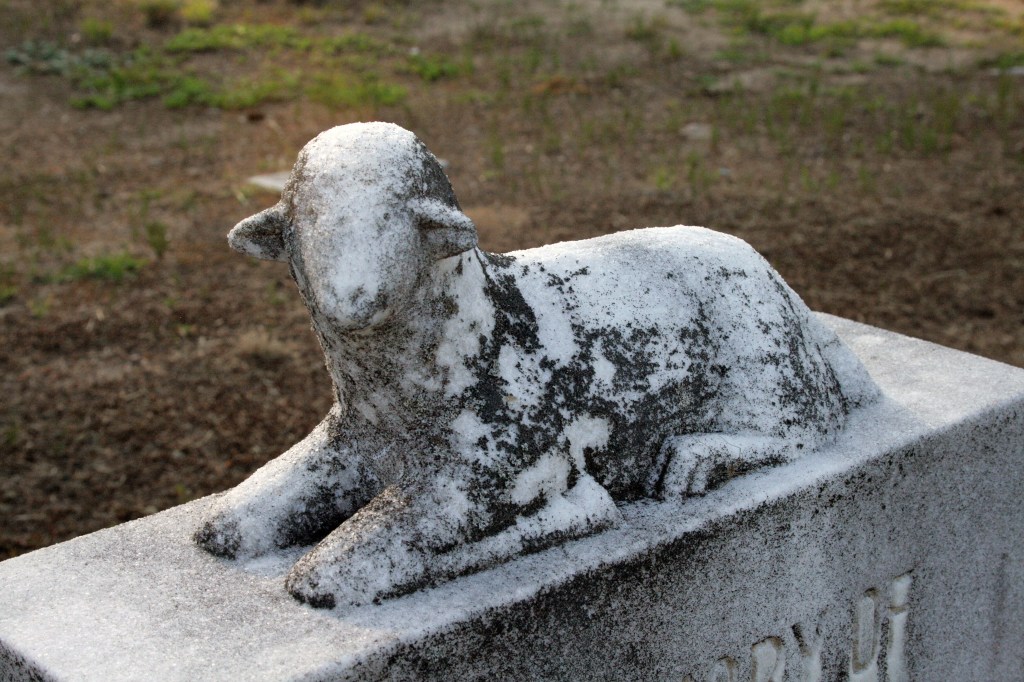
Lambs represent innocence and sacrifice, as they were often used in sacrificial ceremonies in ancient times1. Most often you will find lambs on the gravestones of infants and children, as Jesus is often depicted as a Shepherd, and also known as the “lamb of God”. Some variations can be found with lamb symbolism. A robed figure with a standing lamb beside it most often represents John the Baptist, who had called Jesus the “lamb of God”1. A lamb with a cross is known to represent the Lamb of God or Agnus Dei2, symbolizing the suffering of Christ as he sacrificed himself for the sins of mankind. Several other symbols may be found with a lamb to symbolize the lamb of God – such as a banner, halo, shepherds crook, and alpha and/or omega symbols2. A single seated lamb symbolizes an innocent soul. A seated lamb can sometimes be found sitting in front of a tree stump, this often symbolizes a life cut short. 

Finding lambs is often sad, but they are a beautiful symbol. I have photographed many over the years and wanted to share some of them with you today. 

Eyre Cemetery, Sudbury ON ©2011


References:

  1. Understanding Cemetery Symbols: A Field Guide for Historic Graveyards by Tui Snider
  2. Stories in Stone: A Field Guide to Cemetery Symbolism and Iconography by Douglas Keister

Finding the abandoned Happy Valley cemetery

In August of 2020, a friend and I set out to find an abandoned cemetery. She had been to it before, having stumbled upon it while out and about on four-wheelers. She was excited to share it with me. She and I have been on many cemetery adventures, but this one was a bit different for us. Normally we would jump in the car and head for a destination while stopping at all the cemeteries we found along the way. This one was a bit closer to home and would need to be reached on foot. So with the camera in hand, we started walking. Have you ever seen the movie Stand by me? It sort of had that feeling, except we weren’t going to see a dead body, we were off to see a cemetery. 

Happy Valley is considered a ghost town. According to Ontario Abandoned Places, it never really was considered a town at all. 

“…more of a settlement which belonged to Falconbridge. Happy Valley consisted of residents who wanted to be separate and independent from the residents of Falconbridge…The residents were mainly farmers and mill-workers who worked at the sawmills by the lake. The children would have to endure a three-mile walk every morning to the nearest school (established in 1907) located in Garson…Other than the mills and homes, there were no stores or a post office to be found. Residents had to travel to Falconbridge Township for amenities…By 1970, the town was abandoned…almost. The last resident, “Gizzy”, left the town in the late ’80s.” – Ontario Abandoned Places

For more formation on the Happy Valley ghost town, visit Ontario Abandoned Places.

Our trip began by taking us into a more industrial part of the town. There were dunes everywhere and an old abandoned railway track. Small trees and bushes were growing from in between the railway ties. Those tracks had not seen much use in a while. We walked the train tracks for a little bit, but then found a dirt trail that took us more into the surrounding wilderness. We passed old culverts and a few small lakes. It was a beautiful day for a walk! 

The way to this cemetery wasn’t a straight shot, or well marked. We had a general direction and were using landmarks to help find our way. We referenced old photos from the first time my friend had been there. We seemed to have made our way into some backcountry, where there were sandy trails and lots of sandy hills, that would be great for four-wheeling. After climbing up into a rocky area we reached a plateau where it levelled off and there was a two-lane sandy road. It was nice to not have to watch our footing anymore for fear of catching a toe on a rock.

My friend felt we were getting close. We walked on, enjoying each other’s company and chatting about life. Now and then we would stop to assess how far we had gone. We were alone in the woods, having not seen anyone else out on the trails. After a while, we started to question if we had gone too far. We checked a side trail, but no, it was going off in the wrong direction. We took a small break to rest and re-evaluate. Luckily, we still were getting cell service in what seemed like the middle of nowhere. She was able to look at satellite photos on Google and find what looked to be our cemetery. We had gone too far! We had to backtrack a little way and take a dirt road that forked to the right. Our goal should be right around that corner. 

We found it! It’s a small cemetery, having been recently surrounded by a chain-link fence. We theorized that the fence was put up to protect the cemetery from people unintentionally running through it on quads and snowmobiles. There are about a handful of headstones, some up-right and a few flat to the earth. There seem to be more pioneers buried there than there are headstones.

Ruff Pioneer Cemetery, Garson ON ©2020

Having found the cemetery and being able to visit it was well worth the hike. It was super satisfying! Almost more rewarding than if we would have driven straight there. After spending some time among the tombstones, we made our way back the way we came. Through the woods, along the dirt paths, and along the train tracks, ending by having to climb back up a massive dune that we had first scaled down at the beginning of our journey. It was a great adventure! I am grateful that I have good friends who want to share these kinds of experiences with me! 

More recently, I was doing some pre-emptive cemetery road trip research, getting ready for this spring. I was going through all the cemeteries listed in my hometown, there are 25 in total. I have been to all but 3 of them, or so I thought. Based on my archived photos I had not visited Ruff Pioneer Cemetery, Chelmsford Protestant Cemetery, and St. Joseph Cemetery. As I did a bit more research into where these cemeteries are located, I got stuck on Ruff Pioneer Cemetery. It’s listed as being off of Goodwill Road, in Garson. As I searched Google Maps, it just was not making sense. I was able to zero in on its location using satellite photos. Low and behold—Ruff Pioneer Cemetery is our Abandoned Happy Valley cemetery!

Looking back at my photos, though, it all makes sense!

Goodwill road was most likely named after those pioneers buried in this cemetery.

Looking back at this cemetery adventure has me pining for summer and the opportunity to visit new cemeteries. I have a few road trips already planned and mapped out, but I may take a look for more abandoned cemeteries that are harder to find. Do you have a story about an abandoned cemetery? Share it in the comments!

Thanks for reading! 

Cemetery Recipes: Kay’s Fudge

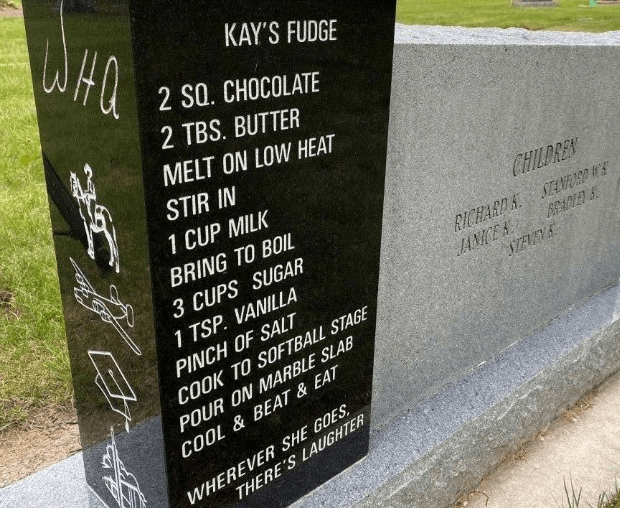
Last year I posted a news article on my Facebook page about an interesting tombstone. What makes Kathryn Andrew’s stone so unique is that it features her go-to fudge recipe. Kay had asked for her recipe to be engraved on her tombstone as a way to share her delicious recipe with others. According to Janice, Kay’s daughter, Kay would often share her fudge with friends and family1

Kay passed away in 2019, at the age of 97. She was laid to rest beside her husband Wade. Her now-famous tombstone has been circulating on the internet, with many folks trying out her famous fudge recipe. 

To learn more about Kay and see more photos of her tombstone, visit her memorial page at findagrave.com.

Here is the recipe, as listed on Kay’s tombstone:

  • 2 SQ. CHOCOLATE
  • 2 TBS. BUTTER
  • MELT ON LOW HEAT
  • STIR IN 1 CUP MILK
  • BRING TO BOIL
  • 3 CUPS SUGAR
  • 1 TSP. VANILLA
  • PINCH OF SALT
  • COOK TO SOFTBALL STAGE
  • POUR ON MARBLE SLAB
  • COOL & BEAT & EAT

Interestingly, when the recipe was first engraved, there was a typo. It originally called for a tablespoon of vanilla. I’m told that that would make for some very runny fudge. The tombstone was updated to read a teaspoon of vanilla. I wonder if this correction was made while Kay was still around, and how she would have felt about it?

Of course, I couldn’t write about this unique tombstone without trying my hand at making Kay’s fudge recipe myself. I have dabbled in the past with making candy but never had much success, so I was a bit worried about ruining it. I made sure to take my time and follow the instructions, although I did need to take some time to Google a few things. I used a candy thermometer to make sure I didn’t overcook the ingredients. I did have a little trouble at first as I was not reading my thermometer properly. I started talking to Kay out loud as I poured out the mixture into a bowl. It looked too runny to me. Talking it out with Kay, I put the mixture back on the stove and took a closer look at the thermometer. A Google search clarified that the softball stage is reached between 112 to 115 Celsius. You don’t need a candy thermometer though.

To tell when you have reached the softball stage you can use a spoon to drop a little bit of the mixture into a cold glass of water. If the mixture forms small malleable balls in the water, you have reached the softball stage. After getting that sorted, I watched it carefully to get to the right temperature.

I don’t have a marble slab so I opted to pour the mixture into a bowl to let it cool. I did another Google search to see how long it should cool for. After 15 minutes, it was time to beat the mixture. Again I had to do a little bit of research to see how long to beat the fudge. Traditionally it would be beaten on a marble slab, but I read that you can beat it in a bowl with just a spoon. The trick is to beat it until it is no longer glossy. I was a little unsure about this step as it did not seem to be losing its shine but after a few minutes it did, and it started to firm up. I then poured the mixture into an 8×8 square dish and let it set.

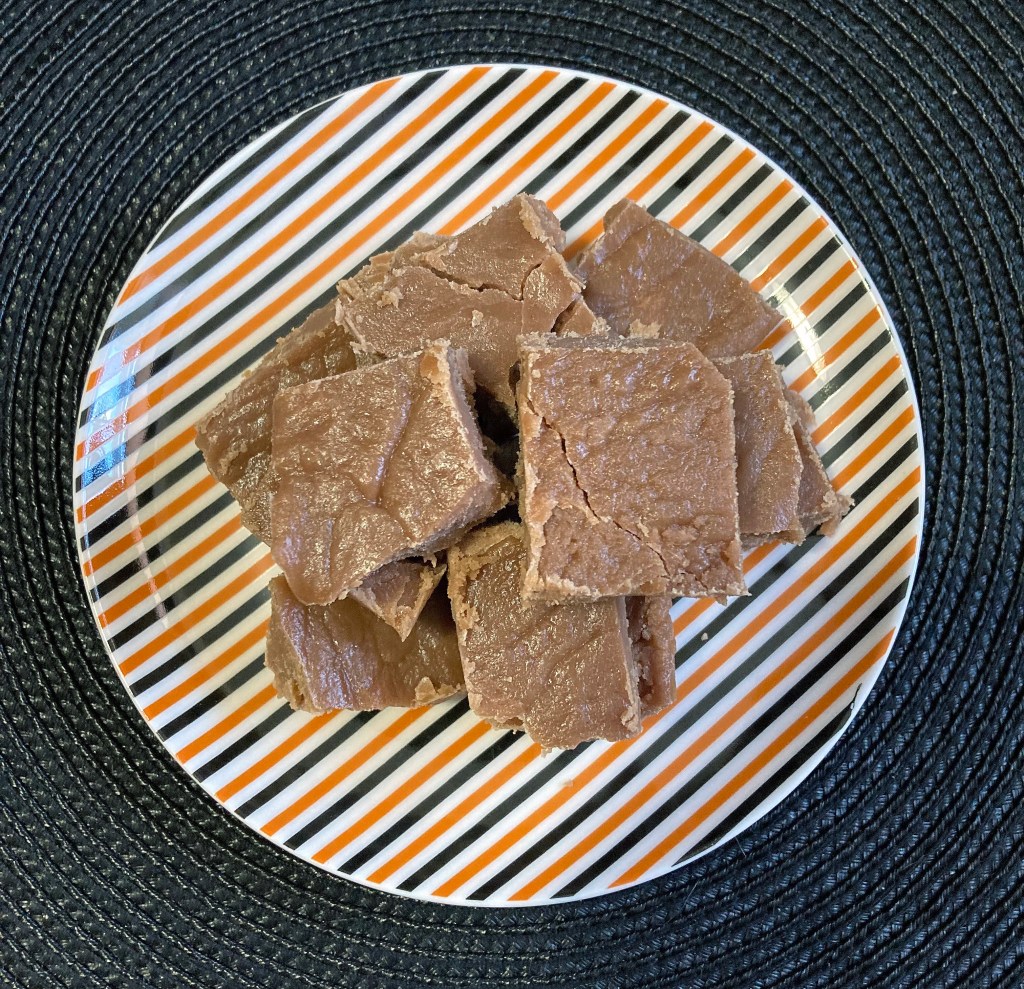
I am very happy with how it turned out! It’s sweet and chocolatey with a lovely texture. It also made a decent size batch. In the spirit of Kay’s generosity, I brought my batch of Kays fudge to a small gathering to share with my friends.

Thank you so much, Kay, for sharing your recipe with us!

To read more about Kathryn’s unique tombstone, visit: Headstone for woman who died at 97 includes her signature fudge recipe | ABC Action News

After all the fun of making this recipe, I started to wonder if there were other tombstone treats I could try? If you know of other cemetery recipes out there, please share! I would also love to hear how your fudge turned out, if you attempted Kay’s recipe.

Thanks for reading!


References:

  1. We tried the famous fudge recipe engraved on a late grandmother’s gravestone | Today.com | June 2, 2021

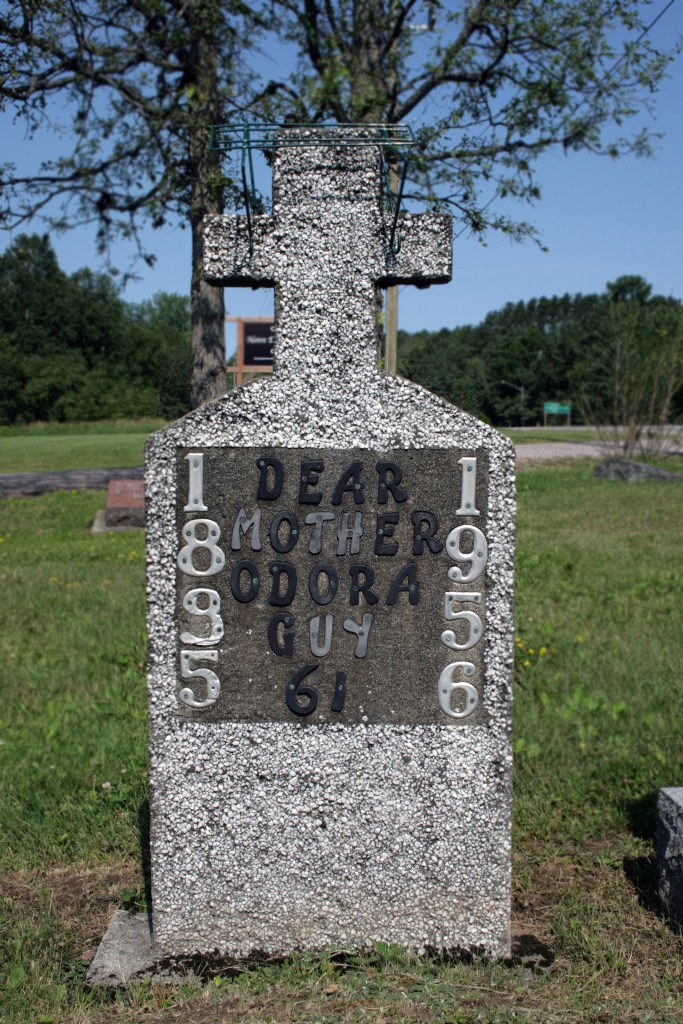
A Collection of Handmade Stones

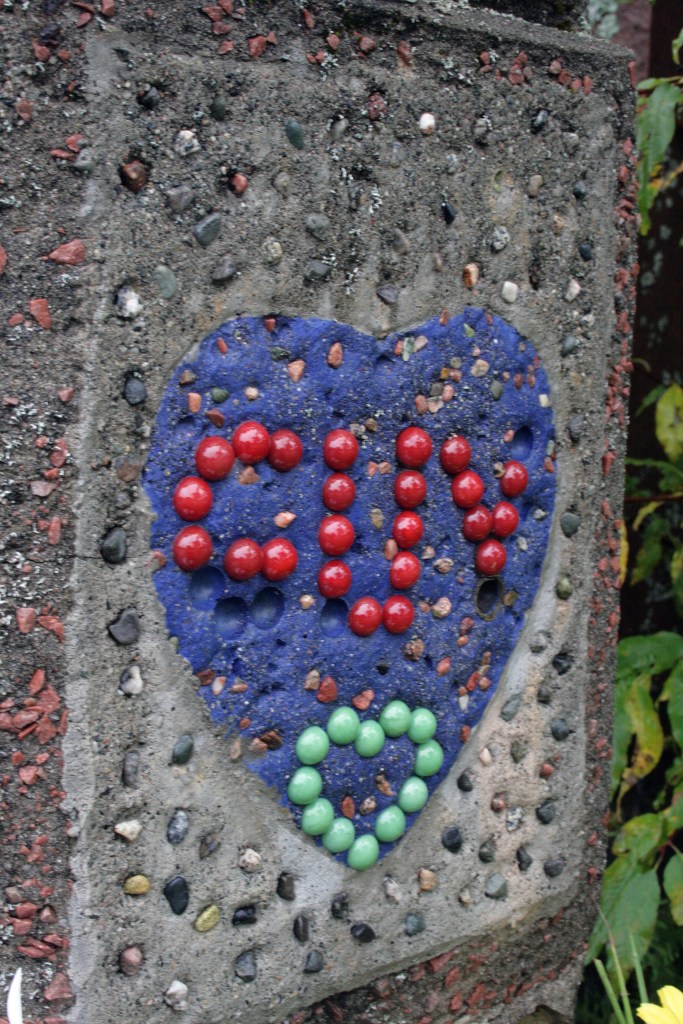
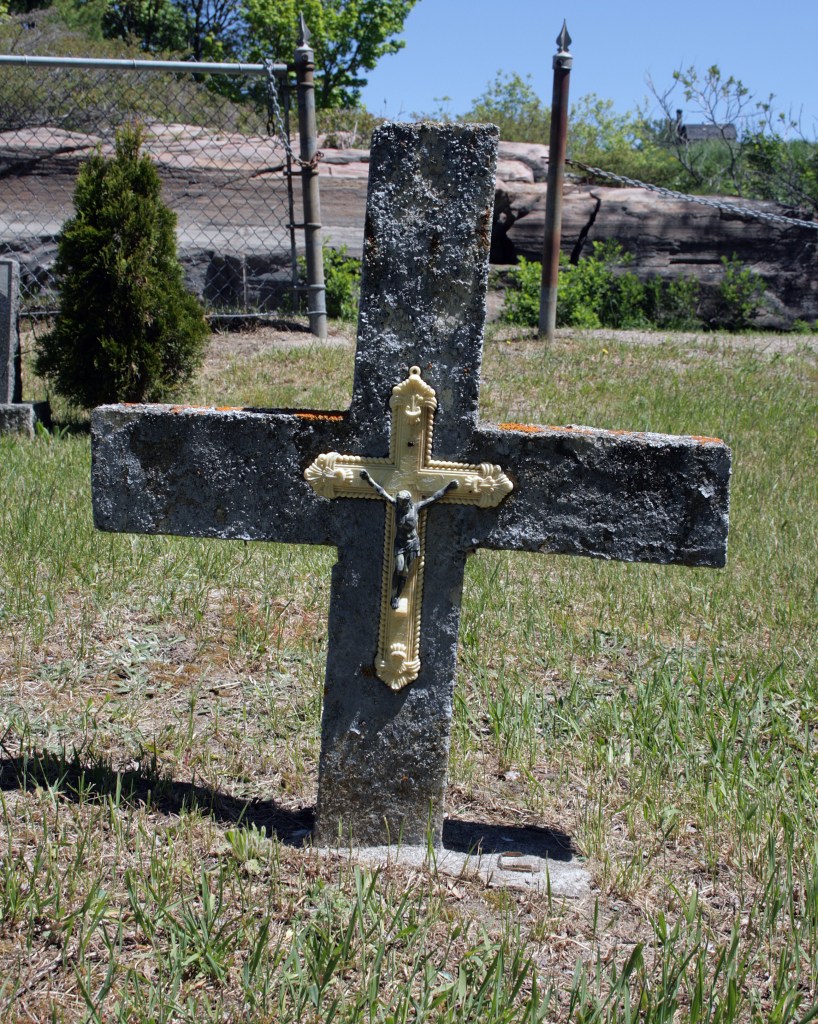
If you spend a lot of time in cemeteries, especially in Northern Ontario, you will start to notice the repetition of certain symbols and motifs. In Ontario and Quebec, something I have come across frequently is handmade stones.

These stones have been lovingly hand-poured in cement, adorned with crucifixes, stones, and other baubles, and usually have hand lettering. They are beautiful representations of love for those who have passed. There could be many reasons why a handmade stone was created, and each one is unique and beautiful with its own charm.

I love finding handmade stones and have photographed many over the years. I wanted to share some of them with you.